
2027 Easiest Online MBA Degree Programs Ranking in the USA

Co-Founder and Chief Data Scientist
Choosing the right online MBA program can be challenging, especially with so many options available. Our article introduces the 2027 Easiest Online MBA Degree Programs Ranking in the USA, developed by the Research.com team of data scientists to help you make an informed decision.
By exploring this ranking, you'll discover programs that balance quality and flexibility, making your educational journey smoother. Pursuing an MBA is a rewarding step toward advancing your career, and this guide helps you find the best fit for your goals and lifestyle.
Key benefits of getting online MBA degree in America
- Graduates with an MBA often pursue managerial roles where salaries typically range from $80,000 to $120,000 annually, reflecting strong earning potential and career growth.
- Many MBA alumni from universities like the University of Michigan enter diverse fields such as finance, marketing, and operations management, offering exciting opportunities for advancement.
- Online MBA graduates from schools like Indiana University appreciate the flexibility to balance work and study, enabling them to earn their degree without sacrificing their current lifestyle.
- 2027 Easiest Online MBA Degree Programs Ranking in the USA
- What can I expect from online MBA degree in America?
- Where can I work with online MBA degree in America?
What can I expect from online MBA degree in America?
The average cost of an online MBA degree in America generally ranges from $20,000 to $100,000 for the entire program. Students enrolled at public universities often benefit from more affordable tuition rates, making these programs financially accessible for many working professionals who value flexibility. In contrast, private institutions typically command higher fees but offer extensive resources and networking opportunities that graduates frequently praise as transformative elements of their educational experience.
Many graduates from top U.S. business schools report that despite the cost, the investment yields substantial career benefits, including promotions and salary increases. One common sentiment among alumni is the satisfaction gained from mastering critical business skills while balancing work and family commitments, often citing the convenience of asynchronous coursework paired with interactive live sessions.
Financial aid, scholarships, and employer tuition assistance are widely available, helping to ease the financial burden. These funding options allow prospective students from diverse backgrounds to pursue their MBA goals without overwhelming debt.
Where can I work with online MBA degree in America?
Graduates with an online MBA degree from American universities such as the University of Michigan or University of North Carolina often find themselves in leadership roles across a broad spectrum of industries. Many assume positions in large corporations where their expertise in strategy, finance, and marketing drives key business decisions. For instance, a graduate working at a financial institution might lead product development teams or manage risk portfolios, while another employed by a consulting firm may focus on delivering client-driven strategic solutions.
Others leverage the entrepreneurial skills honed during their studies at schools like Indiana University or Arizona State University to launch or manage their own ventures, experiencing the rewarding challenge of building sustainable businesses. The strong reputation of these online programs helps graduates gain trust among employers in both private and public sectors.
Many alumni report fulfilling careers in government agencies and nonprofits, applying their advanced business acumen to project management and policy development. With increasing industry acceptance of accredited online MBAs, graduates feel confident pursuing diverse career paths tailored to their ambitions.
Graduates holding an online MBA degree in America frequently see strong salary outcomes that reflect their enhanced expertise and leadership potential. For example, those from well-known programs such as the University of North Carolina or Indiana University often report median starting salaries around $115,000 annually, as confirmed by the GMAC 2023 survey. Experienced MBA holders in business hubs like New York or San Francisco can expect increases well beyond that initial figure, especially within finance, consulting, and technology sectors.
While exact salary figures from the US Bureau of Labor Statistics are unavailable for specific MBA roles, other data sources like PayScale illustrate that online MBA graduates typically earn about $103,000 per year on average. Many alumni recall salary boosts of 30% or more post-graduation, enabling a tangible return on investment within a few years. These salary increments often accompany promotions into managerial or executive positions, where compensation frequently ranges between $90,000 and $150,000 annually, emphasizing the real-world value of an online MBA.
- Most online MBA programs in the U.S. take about two years to complete, with some accelerated options finishing in 12 to 18 months.
- Tuition costs range from $30,000 to $120,000, with public universities generally offering more affordable options than private ones.
- MBA graduates typically earn around $90,000 per year within five years, starting at about $70,000.
- Top industries hiring MBA holders include finance, consulting, healthcare management, technology, and marketing.
- Accreditation by agencies like AACSB ensures program quality and rigor similar to traditional MBAs.
- Flexible scheduling and asynchronous coursework allow students to study while working full-time without relocating.
Completing an online MBA degree in America generally takes between one and three years, with most part-time students finishing in about two years. This timeframe closely mirrors traditional on-campus programs, accommodating the busy schedules of working professionals. For example, many graduates from institutions like the University of North Carolina experience accelerated tracks, enabling them to complete their degrees in as little as 12 to 18 months by taking continuous courses without breaks.
The duration depends greatly on factors such as program format, credit requirements-typically 36 to 60 credits-and individual course loads each semester. Graduates balancing careers and family often appreciate the flexibility of taking fewer courses per term, though this may extend their study period to three years.
These choices allow students to tailor their MBA journey in ways that align with life commitments while pursuing their career ambitions, contributing to a rewarding and manageable educational experience.
The primary distinction between online and on-campus MBA programs in America lies in their delivery method and scheduling flexibility. On-campus MBA students at institutions like the University of Michigan often experience the vibrant campus life firsthand, attending live classes, engaging in spontaneous discussions, and benefiting from immediate networking opportunities with peers and faculty.
Conversely, graduates from online MBA programs such as those offered by Indiana University emphasize the freedom to study asynchronously, allowing them to balance coursework with professional and family obligations. These students appreciate accessing lectures and materials anytime, which creates a customized learning rhythm aligned with their personal schedules.
While on-campus students enjoy immersive environments and direct career service support, many online MBA learners find virtual networking events and discussion forums equally valuable when proactively engaging with classmates and mentors. Both formats cover rigorous core subjects like finance and leadership, with faculty expertise remaining consistent across delivery styles at prestigious American universities.
Cost considerations are also significant; online MBA students often benefit from tuition savings up to 40%, making programs at institutions like Arizona State University appealing to working professionals seeking quality education without extensive financial strain.
The average cost of an online MBA degree in America varies notably based on several factors, including the institution type and residency status. Median total tuition and fees for online MBA programs in the US generally fall around $23,328. However, in-state students often benefit from significantly reduced costs, with median tuition around $16,936, making public universities an attractive option for many.
Graduates from well-known public universities frequently express satisfaction with their manageable investment and quality education, highlighting how their online degree opened career advancement opportunities without the financial burden often associated with private institutions. Conversely, private universities and prestigious business schools may charge considerably higher tuition, frequently exceeding $70,000, with some top-tier programs surpassing $100,000. Despite the elevated cost, students from these programs often report a rewarding experience due to the extensive networking, career services, and brand recognition offered.
Those navigating the total tuition and fees for online MBA programs 2027 USA should also consider additional expenses such as technology fees, textbooks, and possible on-campus residencies, which can influence the overall cost. Many students benefit from employer sponsorships, scholarships, and financial aid, reducing effective expenditure. Approximately half of MBA candidates receive some form of financial assistance, easing the financial commitment.
For students weighing costs, it's wise to compare program quality alongside tuition expenses. Practical insights from graduates of various universities help clarify the return on investment. Exploring options similar to different trade school jobs can also complement MBA outcomes by broadening career pathways.

Online MBA students in America commonly access federal Direct Unsubsidized Loans and Grad PLUS Loans via the FAFSA application, providing a practical way to finance education with comparatively low-interest rates and flexible repayment plans. Graduates from universities such as the University of North Carolina at Chapel Hill report these loans significantly eased their financial stress during studies.
Institutional scholarships and fellowships represent another vital resource. Top programs at schools like Indiana University Kelley School of Business offer merit-based awards ranging from $5,000 to $15,000 annually, awarded to candidates demonstrating leadership or professional promise. Many students share how these scholarships made a substantial difference in managing tuition costs.
Employer tuition assistance also plays a key role. According to surveys, about 60% of MBA candidates benefit from employer sponsorship, which employers often provide in return for service commitments. Graduates from institutions such as the University of Florida have expressed appreciation for this support, enabling them to pursue studies without interrupting their careers.
Refinancing student loans after graduation is another strategy frequently employed, allowing alumni from schools like Arizona State University to reduce their debt burden by lowering interest rates based on credit history and market conditions.
Finally, professional organizations offer targeted grants supporting underrepresented groups, enhancing access and encouraging diversity across MBA programs nationwide.
Enrolling in an online MBA program in America requires candidates to hold a bachelor's degree from an accredited institution. This foundational criterion is flexible, as graduates from various fields, not solely business, are welcomed, reflecting the diversity seen at universities like the University of North Carolina's Kenan-Flagler Business School.
Many programs also request GMAT or GRE scores, though an increasing number of schools waive these requirements based on strong professional experience or academic records. Graduates from schools such as Arizona State University often recall how their years managing projects qualified them for test waivers, making the application process less stressful and more accessible.
Work experience, typically two to five years, enriches learning environments and is highly valued at institutions like Indiana University's Kelley School of Business. Students often share how applying practical knowledge in class discussions deepened their understanding and boosted confidence.
Additional materials include letters of recommendation and a personal statement detailing motivations and career goals. These components allow admissions committees to gauge fit and dedication, a sentiment echoed by many alumni who found this reflection rewarding and clarifying for their MBA journey.
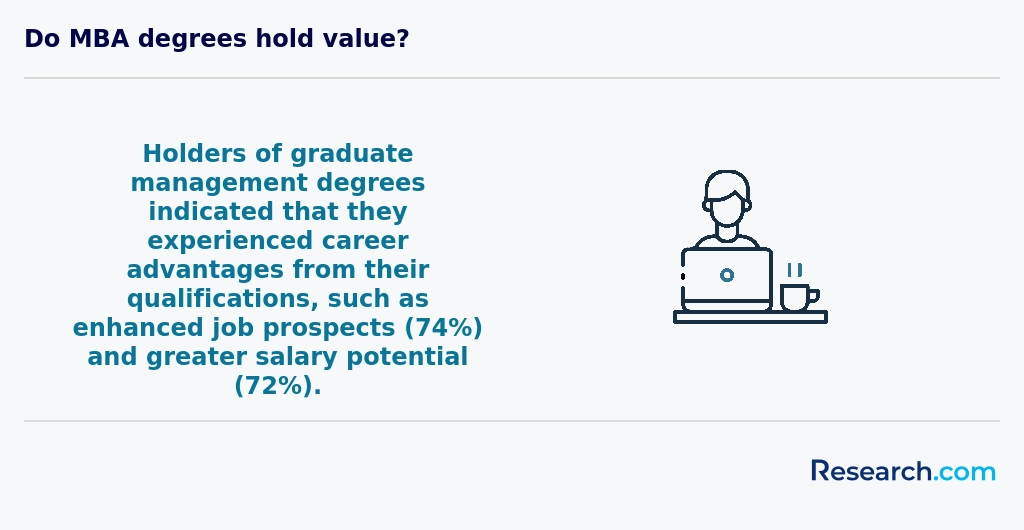
Online MBA programs in America typically feature a comprehensive curriculum that equips students with essential business acumen and leadership skills. Graduates from leading institutions such as the University of Michigan and Indiana University often highlight courses like Financial and Managerial Accounting, which develop their ability to analyze and utilize financial data effectively in decision-making scenarios.
Marketing Management prepares students to understand consumer behavior and craft impactful brand strategies, as experienced by many participants at universities like the University of North Carolina. Organizational Behavior and Leadership courses are pivotal in teaching how to motivate teams and navigate corporate cultures, a skill highly valued by graduates of top schools including the University of Southern California.
Operations Management focuses on process improvements and supply chain logistics, enhancing practical problem-solving skills crucial in industries across America. Corporate Finance and Business Analytics courses emphasize strategic investment decisions and data-driven insights, key elements often praised by alumni from the University of Florida's online MBA program. These core subjects collectively cultivate a strategic mindset, preparing students to excel in competitive business environments.
Online MBA specializations in the USA commonly include Finance, Marketing, Healthcare Management, IT Management, Entrepreneurship, and Supply Chain Management. Graduates from well-known American universities frequently highlight the value of selecting a specialization aligned with their career ambitions, such as those pursuing advanced roles in financial institutions or marketing firms. For example, Finance students often find their training in investment analysis and corporate finance indispensable when advancing in banking or asset management.
Many students appreciate how these programs reflect the demands of the U.S. job market, with marketing specialization emphasizing digital strategies and consumer behavior-skills that have empowered graduates to lead successful campaigns in top companies. Institutions renowned for their online MBA offerings tailor these concentrations to meet evolving industry needs, providing students the agility required to thrive. Professionals balancing work and education find the online format particularly advantageous, enabling them to deepen expertise in a chosen field without interrupting their careers.
Those exploring options beyond traditional paths may discover synergy with quick 6 month certifications that lead to high paying jobs, which can complement online MBA specializations. With consistently strong demand for finance and marketing, schools across America promote these tracks as critical for career advancement, making the decision to specialize a pivotal step for students committed to maximizing their MBA investment.
Choosing the best online MBA degree in America begins with verifying accreditation by respected organizations such as AACSB or ACBSP, as graduates from top public universities in states like California often emphasize how this recognition aided their career advancement. Reputation also matters; many students from highly ranked schools have shared how attending programs cited by U.S. News & World Report enhanced their professional confidence and networking opportunities. Cost is a critical consideration-affordable MBA degrees in America provide measurable relief to those balancing tuition with living expenses, as reported by alumni managing full-time jobs alongside their studies.
Flexibility significantly impacts success in online MBA programs. Graduates appreciate asynchronous classes allowing them to work evenings while pursuing degrees at institutions known for accommodating diverse schedules. Selecting a program with relevant curriculum specializations is equally vital; finance or entrepreneurship tracks align with many professionals' goals in cities like New York or Chicago. Career services also play a decisive role: strong coaching and internship placements can transform academic efforts into satisfying employment.
Finally, some students explore 2 year phd programs after completing their MBA, illustrating how flexible pathways enhance lifelong learning options.

Graduates holding an online MBA degree in America often pursue diverse career paths, reflecting the versatile skills acquired through their studies. Many find opportunities in finance and banking as financial analysts, investment managers, or chief financial officers, benefiting from programs offered by top universities known for their strong finance curricula. Others excel in marketing and sales leadership roles, such as brand managers or digital marketing directors, drawing on strategic and analytical abilities honed during their MBA. Consulting remains a popular choice, with graduates serving as business consultants or management analysts who drive organizational improvements.
Healthcare administration and technology management represent growing fields for MBA holders, where leadership and operational expertise are critical. Entrepreneurship also attracts graduates eager to launch or expand businesses using knowledge gained from schools with strong innovation hubs. These varied options embody the broad scope of online MBA career opportunities USA, as graduates experience significant professional growth while balancing work and study.
Many students also explore accelerated paths like 6 month programs that pay well, which complement their MBA skillset and support rapid career advancement in competitive markets.
The online MBA job market USA remains robust, with a high demand for graduates equipped to navigate complex business landscapes. Graduates from well-known institutions like the University of Michigan or Indiana University often report securing roles such as product manager or marketing director shortly after program completion, demonstrating the practical value of these degrees. Employers increasingly value the flexibility and up-to-date skills that online MBA programs provide, recognizing their equivalence to traditional formats, especially from accredited universities.
Employment opportunities for online MBA graduates in America frequently arise in diverse sectors, including finance, healthcare management, and technology. Many alumni speak positively about how networking through virtual events and group projects within their programs made a tangible difference in their job searches. These connections often translate into lucrative positions and career growth, reflecting the strong support infrastructure embedded in many programs.
Salary prospects also underscore why pursuing an online MBA in America is appealing. The average starting salary for graduates hovers around $95,000 annually, a significant boost over bachelor's degree holders. This encouraging data drives many professionals to invest in their education, viewing the online MBA as a strategic career decision.
For those considering further advanced study, it can be beneficial to explore anchors part-time Ph.D. in economics for complementary qualifications that enhance economic and analytical expertise.
2027 Easiest Online MBA Degree Programs Ranking in the USA
Investing in your education is a significant decision that can shape your future, and the Research.com team understands the importance of making informed choices. To assist prospective students in selecting accessible and high-quality MBA programs, we have meticulously created the "2027 Easiest Online MBA Degree Programs Ranking in the USA." Our commitment to quality, credibility, and accuracy is reflected in the thorough research and analysis undertaken to compile this ranking.
We utilized the following reputable data sources to ensure a comprehensive evaluation of online MBA programs:
By exploring this ranking, readers will gain valuable insights into the most accessible online MBA degree programs, enabling them to make well-informed decisions that align with their career goals. For more information on how this ranking was created, please visit our Research.com methodology page.


Frequently Asked Questions About MBA
Online MBA students in America can maximize their learning experience by actively engaging with course materials and participating in virtual discussions. According to the Graduate Management Admission Council, students who allocate consistent weekly study hours-around 10 to 15 hours-tend to perform better. Networking with peers and faculty through online platforms also enhances understanding and career opportunities.
Utilizing university resources such as digital libraries, webinars, and career services is crucial. Students should set clear goals and maintain a structured schedule to balance coursework alongside professional and personal commitments. Accreditation by recognized bodies like AACSB ensures program quality and better ROI.
The landscape of online MBA programs in America is evolving with new specialized niches designed to meet market demands. Among the fastest-growing areas are technology management and data analytics, reflecting the digital transformation in business sectors. The Graduate Management Admission Council (GMAC) reports a 24% increase in interest for tech-focused MBAs between 2021 and 2023.
Another emerging niche is sustainability and social impact. Many programs now emphasize environmental responsibility and corporate ethics, responding to growing consumer and investor priorities. Healthcare management MBAs are also expanding rapidly, driven by demand in the healthcare industry, which accounts for nearly 18% of US GDP as of 2023.
These niches allow students to gain targeted skills while leveraging the flexibility of online education.
After completing an online MBA degree in America, preparing for the job market requires a strategic approach. First, graduates should update their resumes to highlight skills like leadership, data analysis, and strategic thinking, which are highly valued by U.S. employers. According to the Graduate Management Admission Council (GMAC), 90% of MBA graduates receive job offers within three months of graduation.
Networking is crucial; joining alumni groups and professional organizations can open doors to job opportunities. Additionally, leveraging LinkedIn and career services provided by the university supports job search efforts. Building a strong personal brand and gaining relevant internships or project experience can further improve employability.
Employers in America value a range of skills when hiring MBA graduates, especially from online programs. According to the Graduate Management Admission Council's 2023 Corporate Recruiters Survey, leadership and strategic thinking top the list. These skills reflect the expectation that MBA holders can guide teams and make important business decisions effectively.
Analytical skills are also crucial. Employers want candidates who can interpret data to solve complex problems. In fact, 72% of recruiters specifically seek graduates with strong quantitative and analytical abilities.
Communication skills remain essential. Clear, persuasive communication helps MBA graduates collaborate across diverse teams and with stakeholders.
Finally, adaptability and digital literacy are increasingly important as businesses continue to evolve technologically in the US market.
Finding internships relevant to an MBA degree in America involves strategic planning and leveraging various resources. Many online MBA programs partner with companies to provide internship opportunities specific to business fields. Utilizing your university's career services is essential; they often connect students with corporations seeking MBA interns.
The National Association of Colleges and Employers (NACE) reports that 56% of MBA students complete internships before graduation, highlighting their importance in career development. Online platforms like LinkedIn and Handshake also list internships tailored for MBA candidates.
Networking through professional associations such as the Graduate Management Admission Council (GMAC) can open doors to internship positions, emphasizing the value of engaging in industry events and webinars.
Online MBA degrees in America significantly enhance career mobility by providing flexible access to essential business skills and management knowledge. According to the Graduate Management Admission Council, 89% of online MBA graduates reported career advancement within three years post-graduation. This reflects the growing acceptance of online qualifications by employers across industries.
Additionally, the U.S. Bureau of Labor Statistics highlights that MBA holders typically earn 20% to 35% higher salaries than those with only a bachelor's degree, facilitating upward mobility. Online MBAs allow working professionals to continue employment while studying, making career progress less disruptive.
Moreover, accredited online MBA programs in the U.S. often include networking opportunities, which can open doors to new roles and leadership positions.
Studying for an online MBA degree in America equips students with a broad skill set essential for interdisciplinary roles. The curriculum typically blends core business disciplines such as finance, marketing, and operations with emerging fields like data analytics and technology management. According to the Graduate Management Admission Council (GMAC), 88% of MBA graduates in the US report improved leadership and problem-solving abilities, valuable in cross-functional teams.
American MBA programs emphasize experiential learning through case studies and group projects, fostering collaboration among diverse disciplines. This approach helps students apply business concepts across industries, preparing them for complex, multifaceted challenges in the modern workplace.
Choosing between a thesis and a non-thesis online MBA program in America depends largely on your career goals and learning preferences. Thesis programs emphasize research, requiring students to produce original work, ideal for those considering doctoral study or roles involving strategy and analysis. According to the Graduate Management Admission Council, about 20% of MBA programs in the US offer thesis options.
Non-thesis MBA programs focus on practical skills and often include internships or capstone projects. They suit professionals seeking immediate application in business settings. The National Center for Education Statistics reports that most MBA graduates in the US prioritize non-thesis tracks for faster completion and career advancement.
Consider your time availability, interest in research, and professional objectives when choosing between these paths to ensure the best fit for your ambitions.
American students interested in studying for an MBA abroad have several flexible options available, particularly through online programs offered by international universities. Many reputable institutions in Europe, Asia, and Australia now provide fully online MBA degrees that are accessible worldwide, including in the U.S. These programs often align their curricula with global business standards and may offer specialized tracks similar to American programs.
Some foreign MBA programs hold accreditation recognized by U.S. bodies such as AACSB, enhancing their credibility for American students. Additionally, programs from countries like the UK and Australia commonly offer shorter durations, sometimes 12 to 18 months, compared to traditional U.S. programs.
Financially, studying abroad online can be competitive, with tuition ranging from $20,000 to $60,000, often lower than or comparable to many U.S. programs. Resources like the Graduate Management Admission Council provide insights into global MBA trends relevant to American applicants.
Part-time jobs that complement an MBA education in America often include roles in consulting, financial analysis, and marketing. These positions provide practical experience that aligns with core MBA subjects such as strategy, finance, and consumer behavior.
Consulting roles, available through firms or as freelance opportunities, allow students to apply problem-solving skills to real business challenges. According to the Graduate Management Admission Council (GMAC), nearly 40% of MBA students engage in internships or part-time jobs related to consulting during their studies.
Financial analyst positions, often found in banks or investment firms, help students gain insights into data-driven decision-making and financial modeling. Marketing assistant roles offer experience in market research and digital campaigns, enhancing communication and analytical skills.
These opportunities not only improve resumes but also increase networking prospects and potential job offers post-graduation.
Online MBA programs in America offer various networking opportunities despite their virtual format. Many schools provide access to exclusive alumni networks, which connect students with graduates working in diverse industries across the country. According to a 2023 report by the Graduate Management Admission Council (GMAC), over 70% of online MBA students engage in virtual networking events organized by their institutions.
Students also participate in live webinars, group projects, and discussion forums that foster professional relationships. Additionally, some universities host regional meetups and conferences, allowing online learners to network in person. These opportunities help students build valuable connections essential for career growth in the competitive US job market.
Alumni networks provide valuable support to online MBA students in America by fostering meaningful connections long after graduation. These networks can offer internships, job opportunities, and mentorship, which are crucial for career advancement.
According to the Graduate Management Admission Council (GMAC), 85% of MBA graduates in the U.S. report that alumni connections positively impacted their career growth. For online MBA students, strong alumni engagement helps overcome the limitations of remote learning by creating professional communities.
Access to events, webinars, and exclusive job boards through alumni networks also enhances networking possibilities. This connection boosts both professional development and access to industry insights specific to American business environments.
Customizing an online MBA program in America allows students to align their studies with specific career goals. Many programs offer concentrations such as finance, marketing, healthcare, or technology management, enabling students to develop expertise relevant to their fields. According to the Graduate Management Admission Council, nearly 60% of online MBA students choose specializations to boost career advancement.
Students can also select elective courses and capstone projects tailored to their interests. Some schools provide flexible scheduling and part-time options, helping working professionals integrate education with their careers. Additionally, networking opportunities and internships through online platforms support practical experience relevant to career goals.
Online MBA students in America often face several challenges during their studies. One common issue is balancing work, family, and academic responsibilities. According to the Graduate Management Admission Council (GMAC) 2023 report, nearly 70% of online MBA students work full-time while enrolled, which can lead to significant time management stress.
Another challenge is maintaining motivation and engagement without face-to-face interaction. Students sometimes feel isolated, which may affect their learning experience and networking opportunities.
Technical difficulties and adapting to virtual platforms also pose problems, especially for those less familiar with online learning tools.
Lastly, some students worry about the perceived value of online MBAs compared to traditional programs, although this view is changing as more accredited schools enhance their digital offerings.
An online MBA degree in the United States can open doors to several recognized professional certifications. Commonly pursued certifications include the Certified Management Accountant (CMA), which focuses on financial management and is awarded by the Institute of Management Accountants. Another option is the Project Management Professional (PMP) certification from the Project Management Institute, ideal for those specializing in leadership and operational roles.
Additionally, graduates may consider the Certified Financial Planner (CFP) credential for careers in financial advising. Some choose to pursue the Certified Business Analysis Professional (CBAP) to enhance skills in business analysis. These certifications enhance expertise and can improve career opportunities post-MBA. According to the Graduate Management Admission Council, nearly 60% of MBA graduates seek certifications to boost their credentials.
Writing a winning application for an online MBA program in America requires clarity, preparation, and strong personal branding. Start with a concise, compelling personal statement that explains your career goals and why an online MBA fits your needs. Highlight relevant work experience, leadership skills, and achievements-top U.S. business schools generally prefer candidates with at least two to five years of professional experience (Graduate Management Admission Council, 2023).
Focus on demonstrating your commitment to balancing study and work, an essential trait for online programs. Secure strong letters of recommendation from supervisors or mentors who can vouch for your abilities and professional growth. Lastly, prepare for the GMAT or GRE if required; many programs offer waivers based on work experience or undergraduate GPA.
The global perspective on an MBA career highlights its value as a versatile and respected credential. According to the Graduate Management Admission Council (GMAC) 2023 Corporate Recruiters Survey, over 90% of U.S. MBA graduates secure employment within three months of graduation.
American online MBA programs are increasingly recognized worldwide for their strong focus on leadership, innovation, and global business strategies. This reputation supports graduates in obtaining roles in multinational corporations and startups alike.
Moreover, an MBA from a U.S. institution often offers students access to extensive alumni networks and international career opportunities. These connections benefit those seeking global mobility or leadership roles in diverse markets.
U.S.-based MBA degrees emphasize practical skills tailored to evolving market demands, making graduates competitive in global job markets.
Gaining practical experience while pursuing an online MBA in America is essential for applying theoretical knowledge to real-world business challenges. Many programs offer internships or consulting projects with companies tailored for remote participation. According to the Graduate Management Admission Council (GMAC), over 60% of MBA students engage in internships during their studies.
Students can also participate in virtual networking events and case competitions hosted by universities and professional organizations. Additionally, some schools provide access to simulated business environments for experiential learning. Collaborating with peers from diverse industries enhances problem-solving skills, making the MBA experience more practical and career-relevant.
Choosing the right concentration within an online MBA program in America depends on your career goals and industry demands. Popular concentrations include finance, marketing, healthcare management, and technology management. According to the Graduate Management Admission Council (GMAC), 45% of MBA candidates in 2023 selected concentrations aligned with their intended career path.
Consider your professional background and future aspirations when selecting a specialization. Research job market trends-fields like data analytics and supply chain management are growing rapidly. Additionally, look for programs accredited by organizations such as AACSB or ACBSP, which ensure quality education and better employer recognition.
Finally, evaluate the curriculum and faculty expertise to ensure it matches your learning style and interests.
- How to Choose an MBA Program That Fits Your Career Goals https://www.mobileviewer.io/blog/how-to-choose-an-mba-program-that-fits-your-career-goals
- IIM Mumbai https://iimmumbai.ac.in/mbaonline/about_program
- How to balance a part-time MBA while working full-time https://www.manchester.ac.ae/blog-post/how-to-balance-a-part-time-mba-while-working-full-time
- How To Write An MBA Admissions Essay That Stands Out? https://www.personalmbacoach.com/mba-essay-guiding-principles/
- Follow These 10 Steps To Write Your MBA Application Essays - ApplicantLab https://www.applicantlab.com/blog/10-steps-to-write-your-mba-application-essay/
- How to Balance an Online MBA with Work | FIND MBA Online https://findmbaonline.com/articles/how-to-balance-an-online-mba-with-work
- 10 Highest-Paying MBA Specializations in 2026 (With Salary Data) - Paris School of Management (PSM) https://www.psm-paris.fr/en/10-highest-paying-mba-specializations-in-2026/
- Why Employers Prize a Global Perspective from MBA Graduates | WU Executive Academy https://executiveacademy.at/en/knowledge/career/why-employers-prize-a-global-perspective-from-mba-graduates
- 5 Tips on How to Choose the Best MBA Concentration https://www.pointloma.edu/resources/business-leadership/5-tips-how-choose-best-mba-concentration
- What can you do with an online MBA? | edX https://www.edx.org/resources/what-can-you-do-with-an-online-mba


