
2027 Best MBA Degree Programs Ranking in New York

Co-Founder and Chief Data Scientist
Choosing the right MBA program is a crucial step for anyone looking to advance their career in New York's competitive business environment. This article presents the 2027 Best MBA Degree Programs Ranking in New York, developed by the Research.com team of data scientists. It offers clear insights to help you identify programs that align with your goals and aspirations.
Reading this guide will empower you to make confident decisions and discover opportunities that can enhance your professional growth. Pursuing an MBA is a meaningful investment in your future.
Key benefits of getting MBA degree in New York
- Although specific salary data is not available, MBA graduates in New York typically earn competitive salaries in fields like finance, marketing, and management, often ranging from $70,000 to $120,000 annually depending on experience and industry.
- An MBA graduate from a well-known New York university can pursue diverse career paths, including leadership roles in corporate finance, consulting, entrepreneurship, and strategic management, offering exciting opportunities to grow professionally and personally.
- Online MBA programs from notable New York institutions provide flexibility and accessibility, letting students balance work and study while gaining the same respected credentials as traditional degrees, which is ideal for busy professionals seeking career advancement.
- 2027 Best MBA Degree Programs Ranking in New York
- What can I expect from MBA degree in New York?
- Where can I work with MBA degree in New York?
What can I expect from MBA degree in New York?
If you're thinking about an MBA in New York, be ready for tuition costs that usually range from about $80,000 to $100,000 for the full program, especially at places like NYU Stern. That's before you factor in living expenses, which can get pretty steep in NYC. But many grads say it's totally worth it. They talk about landing solid jobs that pay well over $120,000 right after graduation, thanks to the city's booming finance and corporate scenes.
Picture studying at Columbia Business School, where the program focuses heavily on finance and investment banking. Students often share stories of scoring internships at Wall Street firms or major companies downtown, making connections that really launch their careers.
Even with the price tag, the strong networks, career opportunities, and real-world experiences make New York's MBA programs feel like an investment in a brighter future rather than just a cost.
Where can I work with MBA degree in New York?
If you're studying an MBA in New York, you're basically stepping into a world of amazing job opportunities. Graduates from schools like NYU Stern and Columbia often land gigs in finance hubs like JPMorgan Chase or Citigroup, diving into roles like investment banking or asset management. It's pretty common to see friends from these programs thriving in big financial firms, soaking up the fast-paced energy of the city.
Many MBA grads also end up in consulting spots at firms such as McKinsey or Bain, where they get to use sharp problem-solving skills to tackle real business challenges. I've heard from a few alumni who say the teamwork and leadership vibes at these companies make every day exciting.
Plus, with New York's tech startup scene booming, MBAs from places like Cornell Tech are landing cool roles in product management or data analytics, mixing business savvy with innovation. Even healthcare and nonprofit sectors are eager for MBAs to step in and help streamline operations or plan strategically.
On top of that, the paychecks match the hype-with average starting salaries around $105K, it feels great knowing your hard work truly pays off in the city that never sleeps.
If you're eyeing an MBA in New York, you're in luck-graduates around here typically see some solid paychecks. Starting salaries for MBA grads in the city usually fall between $90,000 and $125,000, especially if you snag a spot at top schools like Columbia Business School. These programs don't just have a fancy name; their grads often land jobs in finance, consulting, or tech, where the cash flows better.
As you rack up experience, the numbers get even sweeter. Mid-career MBA holders with 5 to 10 years under their belt can expect to make around $140,000 a year. Some senior roles-think financial managers or marketing directors-routinely cross the $150,000 mark. And if you climb the ladder to investment banking or private equity? Salaries can top $200,000, making those long nights of case studies totally worth it.
One grad shared how attending a top New York program opened doors through alumni networks, landing a job in a top consulting firm with a great starting salary. It's not just about the degree but where you study and who you connect with.
- The cost of an MBA in New York typically ranges from $60,000 to $80,000 for tuition over two years, with total expenses often exceeding $100,000.
- MBA graduates in New York have an average starting salary between $110,000 and $130,000.
- Five to ten years after graduation, average salaries for MBA holders can reach $160,000 or more, especially in investment banking, private equity, and management consulting.
- Job opportunities include corporate finance, strategic management, marketing leadership, and operations management roles.
- There are various program formats available, such as full-time, part-time, online, and executive MBAs, catering to different student needs.
If you're wondering how long it takes to finish an MBA in New York, it really depends on the type of program you pick. Most full-time MBAs, like those at NYU's Stern or Columbia, take about two years. Graduates often talk about how immersive and fast-paced these programs feel, giving them the perfect balance of challenge and growth.
Now, if you're aiming to jump back into work quickly, accelerated programs-like the ones at Baruch College's Zicklin School of Business-wrap up in just about a year. These tend to be intense but incredibly rewarding, especially if you want to hit the ground running.
For those juggling work and studies, part-time or evening MBA options, like at Pace University's Lubin School of Business, stretch over three to four years. Many grads appreciate this flexible pace, allowing them to apply what they learn almost immediately while managing their jobs.
Executive MBA programs at Columbia and NYU typically take 18 to 24 months and are crafted for busy professionals wanting to level up without pausing their careers. Many grads say the weekend classes fit perfectly with their packed schedules.
If you're thinking about an MBA in New York, the biggie is whether to go online or stick with on-campus classes. Imagine being a student at NYU Stern or Columbia Business School, where you walk into a classroom, chat face-to-face with professors, and bounce ideas off classmates right then and there. That vibe helps build real connections and opens doors to networking events, guest speakers, and even local internships around the city.
On the flip side, online MBAs give you tons of flexibility. Think about juggling a full-time job or family while earning your degree from anywhere in New York-or really anywhere at all. You get to watch lectures on your own time and participate via digital forums. Some schools even mix it up with hybrid options if you want a bit of both worlds.
Cost is also a factor. On-campus programs can be pricy, often north of $70,000 a year, while online options tend to save you some cash. But those savings might come with fewer chances to soak in the New York business scene live and in person.
In today’s competitive educational landscape, exploring cost-effective MBA options is essential for many prospective students who do not want to compromise quality for affordability. While traditional MBA programs in New York often come with significant tuition and living expenses, affordable alternatives provide flexible learning opportunities and a tailored curriculum that meets the demands of modern business. Many schools now offer online MBA programs that not only reduce the overall cost but also allow students to balance work and studies. For instance, with the emergence of programs designed for budget-conscious learners, you can discover options that blend rigorous academic content with practical insights. One great example is the range of mba online cheap offerings available, which deliver quality education through innovative, online platforms. These programs emphasize interactive learning, real-world projects, and networking opportunities, ensuring that graduates are well-equipped to succeed in today’s dynamic job market while managing their financial commitments effectively.
The average MBA degree cost in New York sits around $50,000 total, which is a solid middle ground compared to some pricier schools. Graduates from Columbia or NYU Stern often talk about how their tuition alone felt like a major investment, with fees around $80,000 per year. But many find the experience and connections made totally worth it. On the flip side, grads from public universities like the City University of New York usually enjoy tuition rates much closer to $15,000-$25,000 a year, making the total cost of MBA programs in New York feel a lot more manageable for many.
Living in New York definitely adds to expenses, though. Housing and daily costs push many students' budgets higher, so it's smart to plan ahead. Many MBA students in New York mention how juggling work, study, and city life helps them grow personally and professionally despite the sticker shock.
If you're looking for more budget-friendly options, it's a good idea to explore the cheapest mba schools in new york-there are some great programs that won't break the bank. Plus, financial aid and scholarships often soften the financial blow, so it's worth digging into those opportunities.

When considering an MBA program in New York, one of the crucial factors to evaluate is affordability. The total cost of obtaining an MBA in New York can be substantial, encompassing tuition fees, living expenses, and other costs. For those seeking more affordable options, exploring cheapest mba schools in new york can provide valuable insights into programs that offer quality education at a lower cost. Understanding the financial implications and available financial aid options is essential for prospective students to make informed decisions about their educational investments. By examining the cost structures and potential returns on investment, individuals can better navigate the complex landscape of MBA programs in New York and find a path that aligns with their career aspirations and financial situation.
Landing some financial help while studying for your MBA in New York is totally doable, even if those tuition bills look scary at first. Many grads from places like Columbia Business School or NYU Stern rave about snagging merit scholarships that really ease the load-some got enough to cover nearly full tuition just by showing leadership or solid academics. It's like getting rewarded for what you've already achieved.
Then there's need-based aid, which can be a lifesaver if your wallet needs a bit more padding. A few students shared how their schools took a good look at their financial situation and handed out grants or extra scholarships that made a huge difference.
Plus, don't forget about federal loans. Direct Unsubsidized Loans and Graduate PLUS Loans let you borrow what you need with fair terms, though many grads advise borrowing wisely to avoid stress down the road.
Some MBAers also got creative-tapping into local business groups' scholarships or employer tuition reimbursement programs. A few even found part-time gigs as graduate assistants, earning stipends or cutting tuition costs while gaining experience. It's all about exploring every angle to make your New York MBA dream affordable and exciting.
Navigating the MBA application process in New York requires careful planning, strategic preparation, and awareness of key deadlines. Most top business schools follow a three- or four-round admissions cycle, typically opening applications in August and closing by April. To maximize your chances:
- Round 1 (Aug–Oct): Early submissions demonstrate enthusiasm and secure priority scholarship consideration. Target GMAT/GRE completion by July and request recommendation letters by mid-August.
- Round 2 (Oct–Jan): The most popular round. Finalize essays, refine your résumé, and practice interview questions between September and December.
- Round 3/4 (Jan–Apr): Reserved for last-minute applicants and reapplicants. Be prepared for rolling admissions decisions and potential limited seat availability.
Critical components include a polished résumé, two to three strong recommendations, compelling essays, and a clear career vision statement. Begin drafting essays six months before your preferred deadline, using real examples that highlight leadership, teamwork, and problem-solving skills. Arrange informational interviews with alumni or current students to gather school-specific insights and quote their feedback in your essays.
Most New York schools require an interview, which may be virtual or on campus. Prepare by practicing case questions and articulating your “fit” with program culture. Don’t overlook campus visits or virtual events-the admissions committee values demonstrated interest. Finally, compare financial aid offers and deadlines; some applicants supplement their funding strategy by exploring rankings like the Affordable Online Master's in MBA Degree Programs Ranking in Alabama to identify additional cost-effective pathways.
If you're aiming for an MBA in New York, the first thing you'll need is a bachelor's degree from a recognized school, which pretty much all programs require. It doesn't have to be in business-graduates from New York University or Columbia who had varied undergrad majors still landed spots by showing passion and smarts.
Next up, most programs ask for GMAT or GRE scores. But don't sweat it if you've racked up solid professional experience-some schools like those in the city might waive those tests if you've been in the workforce for a few years. Imagine someone who worked three years in finance before applying; that practical know-how often makes a huge difference.
Speaking of work, most MBA candidates in New York bring along two to five years of real-world work experience. It's a buzz among grads who say their job stories sparked incredible class discussions at places like Fordham or Baruch College.
You'll also need a couple of recommendation letters-think of mentors or bosses who really know your drive and leadership. And don't forget the personal essay; plenty of grads tell us their stories about why they picked New York MBA programs helped admissions see the genuine, motivated person behind the application.
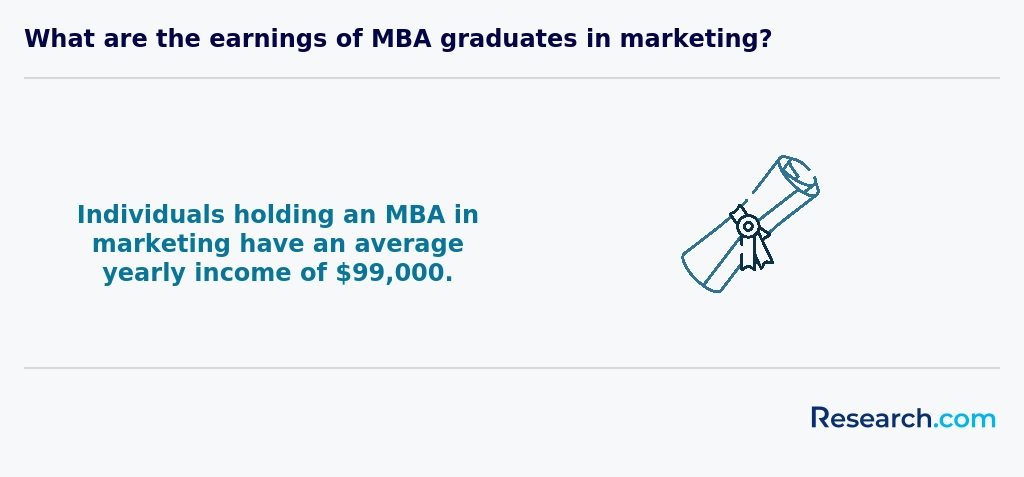
Navigating the MBA application process in New York requires careful planning and adherence to key deadlines. Most top programs offer multiple rounds of admissions, typically aligning with the following schedule:
- Round 1 (September–October): Ideal for early decision; higher acceptance rates but requires early preparation.
- Round 2 (January–February): The most popular cycle; competitive, with approximately 50–60% of seats filled.
- Round 3 (March–April): Final opportunities; limited seats remaining and lower acceptance rates. Core application components generally include: 1. Academic transcripts and proof of a bachelor’s degree from an accredited institution. 2. GMAT or GRE scores (some schools now waive this for candidates with substantial work experience). 3. Professional resume detailing at least two to five years of full-time work experience. 4. Two or three letters of recommendation, ideally from supervisors who can attest to leadership potential. 5. Personal essays or statement of purpose outlining career goals and fit with the program. 6. Interview (by invitation), which may be conducted in person or virtually. Best practices for a successful application: • Start essays early, focusing on specific examples of leadership and problem-solving. • Tailor recommendations to showcase contributions in both team projects and independent initiatives. • Schedule standardized tests at least three months before Round 1 deadlines to allow for retakes if needed. • Prepare for interviews by practicing common MBA questions and highlighting your unique value proposition. For applicants seeking more flexible and cost-effective pathways, consider exploring our Affordable Online Master's in MBA Degree Programs Ranking in Alabama, which offers insight into programs with competitive tuition and robust online delivery models.
If you're thinking about doing an MBA in New York, expect a mix of core courses that give you a solid business foundation. Graduates from top schools here often talk about how classes like Accounting and Financial Reporting literally changed the way they read financial news and company reports. You'll also dive into Marketing Management, which helps you get inside consumers' minds - perfect for anyone dreaming of launching their own brand in the city that never sleeps.
Operations Management and Organizational Behavior are favorites too, especially since they teach you how to keep teams running smoothly and projects on track, skills that alumni say come in handy whether you're at a startup in Brooklyn or a finance firm in Manhattan.
Many New York MBA grads highlight how Economics for Managers and Business Strategy sharpened their ability to think big and adapt quickly in fast-changing markets. Plus, courses in Statistics and Quantitative Analysis make sure you're confident making sense of data -something that's pretty much a must-have in NYC's competitive scene.
With finance being huge here, a lot of students pick electives focused on that, making their experience feel super relevant to local job opportunities. It's all about learning what matters most for thriving in New York's business pulse.
If you're eyeing an MBA in New York, you've got a solid lineup of specializations to choose from, making it super easy to tailor your degree to your career goals. Popular MBA specializations in New York usually include finance, marketing, entrepreneurship, healthcare management, and technology management. Graduates from well-known schools in the city often talk about how diving into finance felt natural, especially with Wall Street just a subway ride away. They got to explore real deal investment banking or asset management scenarios that textbooks alone can't match.
Marketing students love getting hands-on with digital campaigns or brand strategies, benefiting from NYC's buzzing media scene. Entrepreneurship buffs thrive on the city's startup energy, often connecting with local venture capitalists. Healthcare management has also become a huge draw, reflecting the growth of NYC's medical sector, while tech management programs tap into the hot fintech and cybersecurity space. For those budgeting and wondering about alternative options, it's worth checking out mba online cheap programs that still capture this variety. These top MBA concentration options New York offers really help grads feel ready to hit the ground running in their chosen fields.
When picking the best MBA degree in New York, think about what fits your lifestyle and goals. Graduates from well-known spots like NYU Stern often talk about how the strong alumni network opened doors in finance and consulting right in the city. If you're working full-time, a part-time or executive MBA lets you keep your job while studying, which many students find super helpful. Some programs offer flexible online classes too, so you can balance work and life without missing out. Since tuition varies a lot-from $40,000 to over $80,000-it's smart to budget carefully and factor in New York's living costs. Plenty look into affordable MBA degrees New York offers and even check rankings like the Affordable Online Master's in MBA Degree Programs Ranking in Alabama to compare. Bottom line: align the program's strengths with your career path, whether it's finance, entrepreneurship, or international biz, and you'll feel confident in your choice.
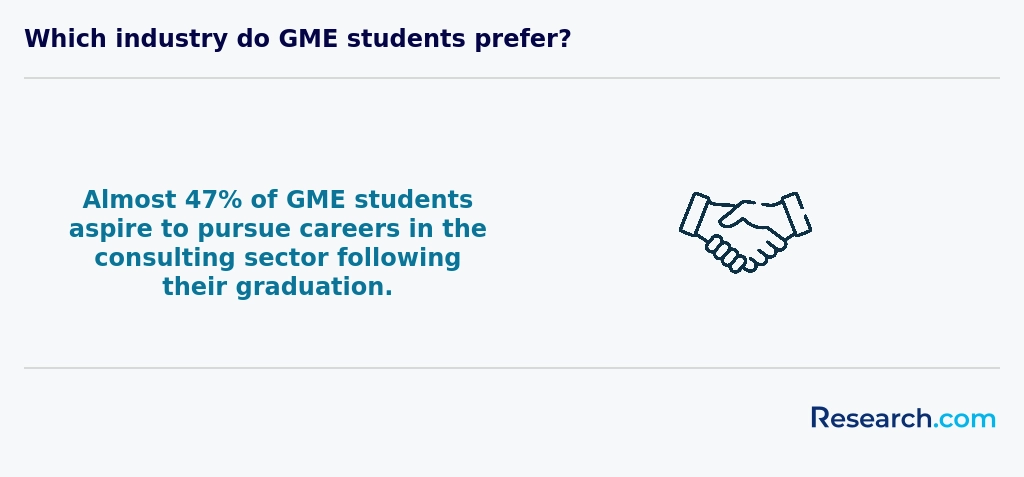
If you're looking at MBA career opportunities in New York, you're in a great spot. Graduates from top schools like NYU Stern or Columbia often jump straight into finance gigs with big names like JPMorgan Chase or Goldman Sachs, handling roles from financial analyst to portfolio manager. Others find consulting super rewarding, landing with firms like McKinsey or Bain, where the problem-solving and fast pace make the high entry-level salaries really worth it. Tech is booming too-past grads have gone on to work in product management or business development at Google or growing startups, and the demand for these roles keeps climbing.
Healthcare management is also catching fire here, with MBAs stepping into leadership roles at hospitals or insurance companies, enjoying salaries up to $130,000. And if you're the entrepreneurial type, New York's vibrant startup vibe, plus access to venture capital and incubators, makes pursuing your own business idea exciting and doable. For a quicker career boost, you might even explore the 6 month certificate programs that pay well to complement your MBA.
The job market for MBA graduates in New York is buzzing with opportunities, especially for those ready to dive into finance, tech, or consulting. Graduates from schools like Columbia Business School and NYU Stern often find themselves in high demand thanks to the city's vast network of multinational firms and startups. Many grads share stories of landing roles in financial services on Wall Street or joining innovative tech teams expanding in the metro area-showcasing just how lively the MBA degree job opportunities in New York really are.
What's exciting is that these MBA grads typically enjoy some of the best salary trends nationwide. Starting salaries around $115,000, plus bonuses, make the tough investment in tuition worth it for many. But it's not just about the degree; employers here want candidates who bring leadership, digital savvy, and real-world experience. Those who build strong connections during their studies tend to thrive.
If you're curious about some of the easiest doctorate to get after your MBA, especially if you want to keep advancing your skills, check out this easiest doctorate to get for more options.
2027 Best MBA Degree Programs Ranking in New York
Investing in your education is a significant decision that can shape your future, and the Research.com team understands the importance of making informed choices. To assist prospective students, we have meticulously crafted the "2027 Best MBA Degree Programs Ranking in New York." Our commitment to quality, credibility, and accuracy is reflected in the extensive research and analysis conducted to compile this ranking.
We utilized the following reputable data sources to ensure a comprehensive evaluation of MBA programs:
By exploring this ranking, readers will gain valuable insights into the top MBA degree programs in New York, empowering them to make well-informed decisions about their educational paths. For more details on our methodology, please visit our Research.com methodology page.




# 17 position
SUNY Maritime College
Master of Business Administration



Frequently Asked Questions About MBA
To maximize their learning experience, MBA students in New York should take advantage of the city's vast professional network. New York hosts over 200 accredited MBA programs, offering access to internships and corporate partnerships with industries like finance, technology, and media.
Engaging actively in case competitions, workshops, and guest lectures deepen practical understanding. According to the Graduate Management Admission Council, students who participate in experiential learning report higher satisfaction and better career outcomes.
Additionally, leveraging alumni networks in New York's business hubs can provide valuable mentorship and job opportunities. Combining classroom theory with real-world connections enhances both skills and professional growth.
Emerging niches within the MBA field in New York reflect evolving business trends and demand. Sustainability and social impact-focused MBA programs are growing, driven by increased corporate responsibility expectations. According to the Graduate Management Admission Council (GMAC) 2023 report, 28% of MBA candidates expressed interest in sustainability management, a significant rise from previous years.
Another area gaining attention is technology and data analytics. New York's status as a financial and tech hub fuels demand for MBAs skilled in AI, big data, and cybersecurity.
Healthcare management MBAs are also on the rise, reflecting New York's large healthcare sector and increasing complexity in medical services.
Preparing for the job market after completing an MBA degree in New York involves strategic networking and skill alignment. New York is home to numerous Fortune 500 companies, creating ample opportunities in finance, consulting, and technology sectors. According to the Graduate Management Admission Council (GMAC), over 88% of MBA graduates in the U.S. receive job offers within three months, with New York graduates often commanding salaries above the national average.
Engaging actively in career services offered by universities such as NYU Stern or Columbia Business School can significantly enhance job prospects through internships and recruitment events. Developing expertise in data analytics and digital marketing, skills in high demand, improves employability. Additionally, joining professional organizations like the American Management Association provides valuable connections and resources.
Employers in New York highly value MBA graduates who demonstrate strong leadership and strategic thinking skills. According to the Graduate Management Admission Council's 2023 Corporate Recruiters Survey, 87% of New York employers prioritize candidates with the ability to manage teams effectively and drive business innovation.
Another key skill is data-driven decision-making, reflecting the city's emphasis on finance and technology sectors. Proficiency in analytics tools and financial modeling is often expected, with 65% of recruiters highlighting these abilities for MBA roles in New York.
Communication skills also rank prominently. Employers seek graduates who can articulate complex ideas clearly in fast-paced business environments. This aligns with 2023 data from the New York City Economic Development Corporation, which cites effective communication as a critical factor in successful management.
Finding internships in New York relevant to an MBA degree involves leveraging multiple resources. Many top New York business schools, such as NYU Stern and Columbia Business School, offer dedicated career services that connect students with internships in finance, consulting, and tech sectors.
Additionally, platforms like LinkedIn and Handshake provide numerous internship listings specifically for MBA candidates. According to the Graduate Management Admission Council's 2023 report, over 70% of MBA students secure internships through school-affiliated recruiters in New York.
Networking remains crucial; attend local industry events, info sessions, and alumni meetups to increase your chances. The city's diverse business ecosystem offers thousands of internship opportunities annually, making early applications and active engagement essential for success.
In New York, earning an MBA significantly enhances career mobility and advancement opportunities. According to the Graduate Management Admission Council (GMAC), over 70% of MBA graduates in the U.S. report receiving promotions or transitioning into leadership roles within three years of graduation. New York's diverse economy, including finance, technology, and consulting sectors, offers MBA holders access to a broad range of positions.
The city's concentration of Fortune 500 companies and startups allows MBA graduates to leverage advanced skills in management, strategy, and networking. Data from the New York State Department of Labor shows MBA holders earn 20-35% higher salaries compared to professionals without graduate business degrees in the region.
Furthermore, top-ranked New York business schools maintain strong employer connections, which boosts hiring prospects for MBA alumni. These factors collectively contribute to an MBA being a vital asset for career growth in New York's competitive job market.
Studying for an MBA degree in New York offers students access to diverse industries, fostering interdisciplinary skills essential for today's complex business environment. Many New York MBA programs emphasize cross-functional learning by integrating finance, technology, marketing, and leadership courses. This approach equips graduates to manage projects that span multiple departments or industries.
New York's position as a global financial and cultural hub means students engage with real-world challenges through internships and networking events. According to the Graduate Management Admission Council, nearly 40% of MBA graduates from New York schools enter roles requiring broad skill sets.
Such education enhances adaptability and strategic thinking, key to interdisciplinary roles.
When choosing between a thesis and a non-thesis MBA program in New York, students should consider their career goals and learning preferences. Thesis MBA programs typically appeal to those interested in research, academia, or specialized expertise. These programs require significant independent research and writing, which can take additional time to complete.
Non-thesis MBA programs focus on coursework and practical skills, often preferred by professionals aiming to enter or advance in business practice quickly. According to the National Center for Education Statistics, over 70% of MBA students in New York choose non-thesis options for their flexibility and career-oriented curriculum.
Cost and program length are also factors: thesis programs may extend the duration, while non-thesis programs often align with a typical two-year schedule. Ultimately, understanding how each format fits personal and professional objectives is crucial.
Students based in New York seeking to study for an MBA abroad have several distinct options. Many New York universities, such as Columbia Business School and NYU Stern, offer exchange programs or dual degrees with prestigious international institutions. These partnerships allow students to gain global experience without committing to an entirely foreign enrollment. According to the Graduate Management Admission Council (GMAC), 32% of U.S. MBA candidates consider global programs to enhance their career opportunities.
Additionally, New York students can apply directly to international MBA programs in Europe, Asia, and Canada, leveraging their U.S. education credentials. Financial aid and scholarships are often available for qualified candidates, especially through school partnerships and government initiatives.
Part-time job opportunities in New York that complement MBA education are diverse and cater well to students balancing work and study. Roles in consulting firms, financial institutions, and marketing agencies provide practical experience aligned with MBA curricula. According to the Graduate Management Admission Council (GMAC), 68% of MBA students in the U.S. engage in internships or part-time work to build skills and networks.
In New York's financial sector, positions such as financial analyst or business development associate are common. These roles offer exposure to real-world business challenges, enhancing learning from coursework. Additionally, startups in the city often seek MBA students for project management and strategy roles.
Working part-time in these industries also helps students develop leadership and analytical abilities critical for career growth while studying. Local universities often provide career resources connecting MBA candidates to suitable opportunities in the city.
New York City offers extensive networking opportunities for MBA students, benefiting from its status as a global business hub. Many top business schools in the city organize regular events, guest lectures, and workshops that connect students with industry leaders. For example, NYU Stern and Columbia Business School have strong alumni networks that actively engage current students in mentorship and career panels.
Students also gain access to internships and job fairs hosted by multinational corporations headquartered in New York, spanning finance, technology, and consulting sectors. According to the Graduate Management Admission Council, 70% of MBA graduates from New York programs found jobs through campus recruiting events or networking activities.
Local professional associations and business clubs further enrich networking, offering chances to build contacts beyond the academic environment, making New York an ideal location for expanding professional connections.
Alumni networks play a crucial role for MBA students in New York by offering valuable professional connections. Graduates can access exclusive job opportunities in diverse industries, particularly in finance and consulting, which dominate the New York market. According to the Graduate Management Admission Council, 85% of MBA employers consider networking a top factor in hiring decisions.
Participation in these networks allows students to receive mentorship and career guidance from experienced professionals. Schools such as NYU Stern and Columbia boast alumni communities with thousands of members, increasing networking possibilities. Moreover, events and workshops hosted by alumni associations help students develop practical skills and stay informed about industry trends.
Customizing an MBA program in New York starts with selecting a school that offers diverse specializations aligned with your career goals. Many top New York MBA programs provide concentrations in finance, marketing, technology, healthcare, and entrepreneurship. According to U.S. News & World Report, schools like NYU Stern and Columbia Business School emphasize flexible curricula and experiential learning opportunities.
Students can tailor their programs through elective courses, internships, and capstone projects. Part-time and executive MBA options additionally allow working professionals to integrate real-world experience with academic study. New York's vast business environment also facilitates networking and mentorship customized to specific industries, boosting personalized career development.
MBA students in New York often face a combination of academic, financial, and professional challenges. The high cost of living in the city, with rents averaging over $3,000 per month for a one-bedroom apartment, puts significant pressure on students managing tight budgets. Additionally, although New York offers extensive networking opportunities, competition for internships and job placements remains intense due to the large number of local and international candidates.
Academically, balancing rigorous coursework alongside part-time or full-time jobs is common, with many students reporting long study hours. According to a 2023 survey by the Graduate Management Admission Council, nearly 60% of MBA students in NYC noted stress linked to workload and time management.
An MBA degree from a New York institution provides a strong foundation for pursuing various professional certifications that enhance career prospects. Common certifications include the Certified Public Accountant (CPA) for those focusing on finance and accounting, which is highly respected in New York's robust financial sector.
Another popular credential is the Project Management Professional (PMP), particularly valuable in New York's diverse industries. The Chartered Financial Analyst (CFA) credential is also widely pursued by MBA graduates interested in investment management.
Additionally, certifications such as the Certified Management Accountant (CMA) and Six Sigma Green Belt are relevant for those seeking expertise in management and process improvement. These certifications align well with career growth in New York's competitive business environment.
Writing a winning application for an MBA program in New York requires careful preparation. Start by researching the specific programs you are interested in, such as those at NYU Stern or Columbia Business School, which are highly competitive. These schools often look for applicants with strong academic records, leadership experience, and clear career goals.
Highlight your professional achievements and quantify your impact whenever possible. For example, admissions committees value applicants who demonstrate measurable success, such as increasing sales or leading successful projects. Additionally, be mindful of submitting a compelling personal statement that aligns your goals with the program's strengths.
Standardized tests like the GMAT or GRE remain important; aim for scores above the average for your target school. According to the Graduate Management Admission Council, the average GMAT score for top New York schools can be around 720. Letters of recommendation should come from individuals who can speak to your leadership and teamwork skills.
Finally, pay attention to application deadlines and tailor each essay to the school's mission and values. This increases your chances of standing out in the applicant pool.
The global perspective on an MBA career highlights its growing value in shaping business leaders worldwide. For New York-based students, earning an MBA can open doors internationally due to the city's status as a financial and corporate hub. According to the Graduate Management Admission Council (GMAC), over 80% of MBA graduates from top U.S. schools report working in global or multinational companies.
New York MBA programs often emphasize global business trends, preparing graduates for international roles. The demand for skills in areas like cross-cultural management and global finance continues to rise.
Data from the U.S. Bureau of Labor Statistics shows that MBA holders in metropolitan areas like New York earn 25% more on average than those without a graduate degree, reflecting strong career prospects both domestically and abroad.
Gaining practical experience during an MBA program in New York is highly accessible thanks to the city's dynamic business environment. Many schools encourage internships, which are often integrated into the curriculum, allowing students to earn credits while working in industries like finance, tech, and consulting. According to the Graduate Management Admission Council, approximately 75% of MBA students in New York secure internships before graduation.
Additionally, numerous programs offer consulting projects with local companies, enabling students to apply classroom knowledge to real-world challenges. Networking events and career fairs hosted by institutions also connect students with employers.
Some programs include experiential learning labs and startup incubators, fostering entrepreneurship and innovation. This direct engagement with businesses in the city helps students build professional skills critical to post-MBA success.
Choosing the right concentration within an MBA program in New York requires understanding your career goals and local industry demands. New York's economy is diverse, with strong finance, technology, healthcare, and media sectors. For instance, about 42% of MBA graduates in New York concentrate in finance or management consulting, according to the Graduate Management Admission Council.
Consider concentrations that align with New York's job market, such as Financial Services, Technology Management, or Marketing. Research schools' connections to the local business community and internship opportunities, as these can influence post-graduation employment. Additionally, reflect on your skillset and interests to ensure long-term satisfaction and success.
- 2027 Best MBA Degree Programs Ranking in New Jersey
- 2027 Best MBA Degree Programs Ranking in Massachusetts
- 2027 Best MBA Degree Programs Ranking in Maryland
- 2027 Best MBA Degree Programs Ranking in New Hampshire
- 2027 Best MBA Degree Programs Ranking in Maine
- 2027 Best MBA Degree Programs Ranking in Kentucky
- 2027 Best MBA Degree Programs Ranking in North Carolina
- 2027 Best MBA Degree Programs Ranking in Indiana
- 2027 Best MBA Degree Programs Ranking in Michigan
- 2027 Best MBA Degree Programs Ranking in Georgia
- MBA Career Outlook from a Global Perspective Margaret Buj https://interview-coach.co.uk/mba-career-outlook-from-a-global-perspective/
- The Growing Demand for Niche Jobs and MBA Specializations https://www.clearadmit.com/2025/05/the-growing-demand-for-niche-jobs-and-mba-specializations/
- 10 Highest-Paying MBA Specializations in 2026 (With Salary Data) - Paris School of Management (PSM) https://www.psm-paris.fr/en/10-highest-paying-mba-specializations-in-2026/
- What Work Experience Do You Need For an MBA? | Articles | Unimy https://www.unimy.com/article/blog-mba-preparation-admissions-mba-work-experience
- MBA Networking Tips-Building Connections Pre-MBA https://menlocoaching.com/mba-applications-and-admissions-guide/networking/
- Follow These 10 Steps To Write Your MBA Application Essays - ApplicantLab https://www.applicantlab.com/blog/10-steps-to-write-your-mba-application-essay/
- Master of Business Administration (M.B.A.) Major in Business Administration (General Flex Non-thesis Option) https://mycatalog.txstate.edu/graduate/mccoy-business-administration/business-genflex-nonthesis-mba/
- How an MBA contributes to career advancement https://online.wlv.ac.uk/blog/how-an-mba-contributes-to-career-advancement/
- Know more about thesis vs non- thesis: what is the difference? https://studyfans.com/en/blogs/816
- How to Use Your MBA for Career Growth While You’re Still Studying - International Career Institute USA https://icieducation.com/blog/how-to-use-your-mba-for-career-growth-while-youre-still-studying/


