2027 Most Affordable MBA Degree Programs Ranking in Phoenix

Co-Founder and Chief Data Scientist
Are you considering pursuing an MBA in Phoenix but worried about the costs? This article introduces the 2027 Most Affordable MBA Degree Programs Ranking in Phoenix, created by the Research.com team of data scientists to guide you toward the best value programs.
Choosing the right MBA can open doors to new career opportunities and personal growth. By exploring this ranking, you'll make an informed decision that fits your budget and goals.
Investing in your education is a positive step, and this guide makes the journey clearer and more achievable.
Key benefits of getting MBA degree in Phoenix
- Although specific salary data for MBA graduates in Phoenix is unavailable, MBA holders in the US often earn competitive salaries, with roles like marketing managers and financial analysts typically earning between $80,000 and $130,000 annually.
- Graduates from popular Phoenix universities often pursue versatile career paths such as business consulting, finance, and management, benefiting from strong local industry connections and growth opportunities.
- Online MBA programs from Phoenix institutions offer flexibility and convenience, allowing students to balance work and study while gaining the same valuable skills and credentials as traditional programs.
- 2027 Most Affordable MBA Degree Programs Ranking in Phoenix
- What can I expect from MBA degree in Phoenix?
- Where can I work with MBA degree in Phoenix?
What can I expect from MBA degree in Phoenix?
The average cost of an MBA degree in Phoenix typically ranges between $30,000 and $60,000, depending on the institution and program format. Graduates from Arizona State University's W. P. Carey School of Business, a prominent local institution, have shared their positive experiences balancing cost with the program's strong reputation and flexible scheduling. Many students find this investment worthwhile given the comprehensive curriculum covering strategic management, finance, and entrepreneurship.
These costs reflect full tuition for part-time, full-time, and online options, allowing students to select programs that fit their financial and lifestyle needs. Working professionals, for example, appreciate affordable part-time schedules that help them continue earning while advancing their education without excessive debt.
Graduates often highlight the real-world value of their education as they leverage their MBA within Phoenix's thriving business sectors like healthcare and technology. Their ability to secure internships and networking opportunities locally further offsets costs with tangible career benefits.
Where can I work with MBA degree in Phoenix?
Graduates from MBA programs in Phoenix's renowned institutions often secure roles in thriving sectors such as finance, healthcare, technology, and manufacturing. For instance, MBAs from Arizona State University frequently join companies like Wells Fargo and Bank of America as financial analysts or portfolio managers, benefiting from a metropolitan area that offers over 40,000 financial services jobs (U.S. Bureau of Labor Statistics, 2023).
Healthcare leaders with MBAs find opportunities managing operations at Banner Health or HonorHealth, aligning with Phoenix's ongoing healthcare growth. Many graduates appreciate the job stability and career advancement that these roles provide.
Local tech firms including GoDaddy and Honeywell Aerospace attract MBA graduates to project management and business development positions. The sector's nearly 6% annual growth motivates students to enter this innovative, evolving market.
Manufacturing giants like Intel employ MBA holders in supply chain and analytics roles, reinforcing the city's strong manufacturing economy. Phoenix's entrepreneurial scene, supported by over 140,000 small businesses, inspires many graduates to start new ventures or consult for expanding companies.
Additionally, public sector and nonprofit organizations in Phoenix offer varied leadership roles where MBAs apply their management expertise to enhance community impact, making the degree versatile and rewarding across industries.
MBA graduates in Phoenix typically see competitive salaries that reflect their advanced expertise. While specific data from the U.S. Bureau of Labor Statistics is unavailable for many MBA-related roles locally, general salary figures provide useful guidance. Graduates from prominent Phoenix institutions often report starting salaries between $60,000 and $75,000 in entry-level positions, such as management analysts, with clear pathways to advancement.
For example, those entering finance or consulting sectors can expect salaries closer to the $85,000 to $130,000 range, depending on experience and employer. Many MBA holders advance into senior management roles, where salaries frequently exceed $150,000, especially in thriving industries like technology and real estate. A mid-career salary near $110,000 is common for Phoenix professionals with an MBA, reflecting the strong demand within the regional market.
Alumni from well-regarded programs in Phoenix often share how their degrees helped them build valuable networks and attain certifications that boost salary potential. These real-life outcomes make pursuing an MBA here a rewarding financial investment.
- MBA tuition in Phoenix ranges from $30,000 to $60,000, with public universities generally offering lower costs for in-state students.
- Total expenses including fees, books, and living costs can surpass $70,000 for completing an MBA program.
- Starting salaries for MBA graduates in Phoenix average around $70,000 annually, rising to over $110,000 in mid-career.
- Jobs requiring an MBA in Phoenix are expected to grow faster than the national average over the next ten years.
- Top industries hiring MBA graduates include finance, healthcare, technology, and manufacturing.
Completing an MBA degree in Phoenix typically varies based on the format and pace a student chooses. Traditional full-time programs, like those at Arizona State University's W. P. Carey School of Business, usually take about two years. Graduates often describe their experience as immersive, dedicating weekdays fully to classes and networking, which accelerates their career growth.
Part-time MBA options, popular among working professionals, can extend from two to four years. Many students appreciate the flexibility offered by evening and weekend classes, allowing them to balance their jobs and family life while steadily advancing their education.
Accelerated MBA programs, though less common in Phoenix, condense coursework into 12 to 18 months. These programs are intense but rewarding for those eager to quickly re-enter the workforce with advanced skills.
Online MBA pathways allow personalized pacing, with completion times ranging from 12 months to several years. Phoenix students often value these programs for the convenience of studying alongside their professional commitments, making education feel accessible and achievable.
The best MBA experience in Phoenix starts with choosing a program that matches your career goals, budget, learning style, and available time. Affordability matters, but the lowest tuition is not always the best value if the program lacks relevant concentrations, employer connections, strong career support, or recognized accreditation.
Start by comparing curriculum, format, and outcomes. A student pursuing healthcare administration may benefit from a program with local healthcare partnerships, while someone targeting finance or analytics should look for quantitative coursework, employer access, and alumni working in those fields. If you are comparing options beyond Phoenix, reviewing an affordable mba school in arizona can help you understand how local costs and program formats compare across the state.
What to evaluate before enrolling
- Accreditation and reputation: Prioritize reputable business school accreditation and employer recognition, especially if you plan to compete for leadership roles.
- Total cost: Look beyond tuition. Include fees, books, commuting, technology, residency status, and lost income if you reduce work hours.
- Format: Full-time, part-time, online, hybrid, evening, and weekend options can lead to very different student experiences.
- Career services: Strong programs should offer resume support, networking events, internship connections, employer relationships, and alumni access.
- Specializations: Choose a concentration that fits Phoenix’s major industries and your long-term career plan.
A practical way to optimize your MBA is to treat the degree as a career project, not just an academic credential. Build relationships early, use career services before your final semester, pursue employer reimbursement when available, and choose class projects that strengthen your resume.
In Phoenix, on-campus MBA programs, such as those at Arizona State University's W. P. Carey School of Business, offer a structured classroom environment with fixed schedules. Graduates often recall the energizing experience of face-to-face networking and lively group discussions that build strong professional connections. The cost for these programs ranges from $40,000 to $60,000, covering tuition and campus services like libraries and career centers, which enhance the learning journey.
Online MBA options provide greater flexibility, particularly valued by working professionals balancing jobs and families. Many find relief in the ability to access lectures asynchronously, studying at their own pace without commuting. ASU's online MBA typically costs between $35,000 and $50,000, often making it a more affordable choice. However, while digital forums and video assignments create opportunities for virtual collaboration, some graduates mention missing the spontaneous interactions that occur on campus.
- Scheduling: On-campus offers fixed class times; online allows flexible access.
- Networking: In-person cohort bonding versus virtual engagement.
- Cost: On-campus tends to be more expensive due to added campus amenities.
- Learning style: Group discussions versus digital lectures and assignments.
An MBA’s return on investment depends on more than a first post-graduation salary. The real value comes from how the degree affects your career over time: promotion speed, leadership access, career flexibility, professional network, and the ability to move into higher-responsibility roles.
Students should evaluate ROI in both financial and nonfinancial terms. Financial ROI includes tuition, fees, borrowing costs, salary growth, and the number of years needed to recover the investment. Nonfinancial ROI includes confidence in business decision-making, access to alumni networks, stronger communication skills, and credibility for management roles.
Ways to think about long-term ROI
- Payback period: Estimate how long it may take for increased earnings to offset tuition and related costs.
- Career mobility: Consider whether the MBA helps you move from individual contributor roles into management, consulting, finance, operations, or executive tracks.
- Network value: Alumni, classmates, faculty, and local employer connections can create opportunities long after graduation.
- Skill durability: Strategy, finance, analytics, operations, leadership, and organizational behavior remain useful across industries and economic cycles.
Long-term MBA value is strongest when the program aligns with your target industry and when you actively use the network, projects, internships, and career services available to you. Students comparing lower-cost leadership programs may also find useful benchmarks in guides to the most affordable executive mba programs.
The average MBA program cost in Phoenix reflects a median total cost of approximately $18,428, based on recent data. In-state students typically pay less, with median costs around $9,552, highlighting the financial advantage of residency when attending well-known schools like Arizona State University. Graduates from these programs often share positive experiences about balancing quality education with manageable tuition, which enables them to focus on career growth without overwhelming financial stress.
Many Phoenix MBA students appreciate the city's diverse offerings, ranging from public universities that provide affordable options to private institutions with more premium pricing. While private programs can exceed $60,000 overall, the accessible tuition rates at public universities help maintain Phoenix's position as a competitive market for affordable MBA degree tuition Phoenix.
Beyond tuition, additional expenses like books, materials, and living costs typically add around $5,000 annually. However, many students successfully reduce their net cost through scholarships, employer tuition reimbursement, or assistantships. These supports often make a significant difference, allowing students to enjoy their studies without constant worry about expenses.
Prospective students seeking an affordable MBA often explore options carefully. Those interested can find helpful guidance for navigating costs at an affordable mba school in arizona, ensuring they select programs that fit both their academic goals and financial plans.
Financial aid for MBA students in Phoenix often begins with merit-based scholarships offered by institutions like Arizona State University's W. P. Carey School of Business. Graduates frequently share how these scholarships, awarded for academic excellence and leadership, eased their financial burden, making their MBA journey more manageable and motivating.
Federal aid via the FAFSA allows eligible MBA students to access unsubsidized Direct Loans up to $20,500 per year. Some also utilize the Grad PLUS loan, which provides higher borrowing limits, though it requires credit approval. This combination supports many Phoenix MBA candidates in covering tuition ranging from $30,000 to $60,000 statewide.
Employer tuition assistance is another significant resource. Several MBA graduates recount receiving full or partial reimbursement from local companies, highlighting how professional sponsorship not only lightened costs but also enhanced career advancement opportunities.
Veterans and service members may access state grants like the National Guard State Tuition Assistance Program, administered by the Arizona Commission for Postsecondary Education, adding valuable support options.
While private loans are available, graduates often recommend consulting university financial counseling to navigate interest rates and repayment terms effectively.
To enroll in an MBA program in Phoenix, candidates must generally hold a bachelor's degree from an accredited institution. For instance, students who graduated from accredited universities like Arizona State University's W. P. Carey School of Business find that this credential is non-negotiable and foundational for admission. While the degree's field is flexible, applicants with backgrounds in business or economics often feel more confident during coursework.
Most programs require submission of GMAT or GRE scores, though many local schools have introduced waivers, especially for applicants with strong professional experience. Graduates often reflect on how their 2-5 years of work experience enriched class discussions and made theoretical lessons immediately applicable to their careers.
Applicants must also submit resumes and recommendation letters, alongside personal statements that clearly communicate career goals. Some programs involve interviews to assess leadership potential. These components collectively help students present a compelling narrative that admissions committees appreciate.

Comparing MBA value across regions requires looking at both cost and earning potential. In Phoenix, the average total cost of an MBA ranges from $20,000 to $75,000, depending on institution and residency status. When average starting salaries of $70,000–$100,000 are considered, many graduates may reach a break-even point within three to five years post-graduation.
Three ROI measures are especially useful:
- Net Present Value (NPV): Discount future earnings back to today’s dollars and compare them with the total cost of the program.
- Payback Period: Estimate how many years it takes for added earnings to offset tuition, fees, and living expenses.
- Salary Premium: Compare post-MBA salaries in Phoenix with earnings for professionals in similar roles who hold only bachelor’s degrees in the region.
Regional comparisons can clarify whether a program’s higher cost is supported by stronger career outcomes. For example, the Most Affordable MBA Degree Programs Ranking in Arkansas shows a lower average tuition of $15,000–$30,000, but slightly lower starting salaries of $65,000–$90,000. This suggests that Phoenix programs may cost more in some cases, but they can also connect graduates to stronger earnings growth in sectors such as technology and healthcare management.
Use comparisons carefully. Lower tuition does not automatically mean better ROI, and higher tuition does not guarantee better outcomes. Program format, employer relationships, location, scholarships, and your career path all affect the final value. Students who want an additional regional benchmark can review the Most Affordable MBA Degree Programs Ranking in Arkansas alongside Phoenix options.
How to improve MBA ROI
- Pursue scholarships, assistantships, and employer tuition reimbursement to reduce net costs.
- Focus on high-demand specializations, such as data analytics or healthcare management, when they match your career goals.
- Use alumni networks and career services early, not only when you are about to graduate.
- Choose projects, internships, and electives that produce measurable resume value.
MBA programs in Phoenix typically include core courses designed to build strong foundations in business. Graduates from institutions like Arizona State University often highlight the value of courses such as Accounting, which covers crucial skills like analyzing financial statements and budgeting-key for managing business finances effectively.
Finance classes dive into capital markets and investment strategies, equipping students to make informed corporate financial decisions. Marketing courses focus on consumer behavior and digital marketing tactics, which many graduates find directly applicable when working in Phoenix's competitive business environment.
Operations Management is another essential course, emphasizing supply chain logistics and quality control, skills vital in the region's growing industries. Students frequently praise Organizational Behavior classes for enhancing leadership and human resource management capabilities, which are critical in team-driven projects common in Phoenix companies.
Moreover, Economics courses provide insight into micro and macroeconomic principles shaping Arizona's market trends. These courses collectively prepare students to confidently tackle real-world challenges, matching the dynamics of Phoenix's diverse economy.
In Phoenix, MBA programs offer a diverse range of specializations that align with the city's economic landscape. Graduates from popular institutions often highlight concentrations such as Finance, Marketing, Healthcare Management, Technology Management, and Supply Chain and Operations Management. These tracks prepare students for sectors like banking, digital marketing, hospital administration, IT leadership, and logistics, reflecting Phoenix's role as a regional business hub.
Students focusing on Finance gain skills in investment strategies and financial analysis, essential for roles in local banks and investment firms. Marketing specializations emphasize digital strategies and consumer insights, resonating with companies centered on advertising and product growth. Healthcare Management appeals to professionals drawn to the city's substantial medical industry, combining coursework with real-world hospital administration projects to deepen practical expertise.
Many pursuing affordable MBA specializations Phoenix find opportunities through flexible formats at area schools. These programs incorporate hands-on learning and tailored electives that build skills relevant to the Phoenix market. Prospective students also explore most affordable executive mba programs to balance quality with cost efficiency.
Choosing the best MBA degree in Phoenix involves assessing programs that balance affordability, flexibility, and strong career outcomes. Graduates from Arizona State University's W. P. Carey School of Business often highlight how program formats-full-time, part-time, or online-fit their busy schedules while maintaining rigorous standards accredited by AACSB, a hallmark of quality education. For prospective students prioritizing cost, Phoenix offers some of the more affordable MBA programs in Phoenix, with in-state tuition for ASU's full-time MBA ranging between $50,000 and $70,000, considerably lower than private alternatives.
Students looking to align their MBA with specific career goals might choose programs offering specializations in finance, healthcare, or entrepreneurship, benefiting from experiential learning through internships and consulting projects embedded in Phoenix's vibrant business community. Post-graduation, career support services boost confidence, with ASU graduates reporting an average starting salary near $85,000. For detailed cost comparisons, Most Affordable MBA Degree Programs Ranking in Arkansas can offer additional insights to evaluate value across regions.
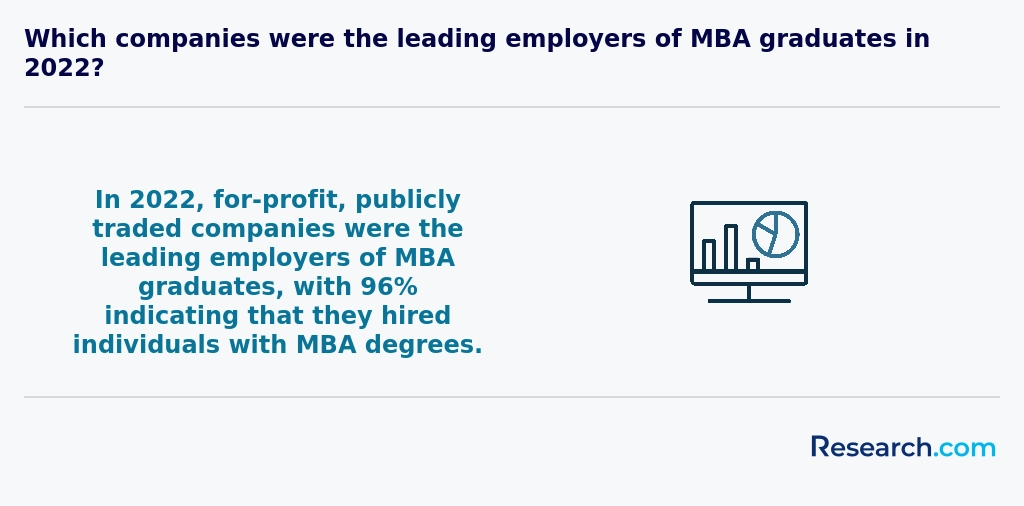
MBA career opportunities in Phoenix span a diverse range of industries aligned with the city's expanding economy. Graduates from popular institutions such as Arizona State University and Thunderbird School of Global Management report strong outcomes in business development and operations management roles, applying strategic skills gained during their studies. The finance sector, including regional banks and investment firms, values MBA holders for positions in risk management and financial planning, with average salaries around $85,000 annually, making it a competitive field for entry to mid-level managers.
Healthcare administration is increasingly prominent due to Phoenix's growing medical centers, where MBAs excel in executive roles managing hospital operations. Many alumni describe their transition into healthcare leadership as both challenging and rewarding, highlighting the practical value of their MBA coursework. Additionally, consulting, supply chain, and marketing management offer specialized paths, with firms in Phoenix seeking graduates to optimize business strategies and growth.
Entrepreneurial ventures also thrive in Phoenix's vibrant startup scene. MBA programs emphasize innovation and business strategy, encouraging graduates to launch their own businesses. The relatively affordable cost of living supports these ambitions. Prospective students should consider the average tuition range of $15,000 to $40,000, offering a practical investment for city-focused career paths. To explore further, check out the highest paying certifications complementing MBA qualifications.
The job market for MBA graduates in Phoenix is promising, reflecting the city's economic growth and industry diversity. Locally, financial services, healthcare, technology, and real estate sectors create numerous opportunities for MBA holders, particularly for roles like project managers, financial managers, and marketing directors. Graduates from Arizona State University's W. P. Carey School of Business often share positive experiences about quickly finding positions due to the school's strong ties with local employers.
Data indicate steady employment growth in Phoenix's metro area at about 2.3% annually, signaling a healthy job outlook for MBA graduates Phoenix. Many report starting salaries ranging between $75,000 and $90,000, underscoring competitive compensation in the region. The relatively affordable MBA tuition compared to national averages further enhances the appeal of studying in Phoenix.
Prospective MBA candidates considering a smooth path to advanced business education might also explore options like the easiest doctorate. Understanding local demand and tuition benefits can guide career-focused decisions in this evolving market.
2027 Most Affordable MBA Degree Programs Ranking in Phoenix
Investing in your education is a significant decision that can shape your future, and the Research.com team understands the importance of making informed choices. To assist prospective students in Phoenix, we have meticulously crafted the "2027 Most Affordable MBA Degree Programs Ranking in Phoenix." Our commitment to quality, credibility, and accuracy is reflected in the extensive research and analysis conducted to compile this ranking.
We utilized the following reputable data sources to ensure a comprehensive evaluation of MBA programs:
By exploring this ranking, readers will gain valuable insights into the most affordable MBA programs available in Phoenix, enabling them to make well-informed decisions about their educational investment. For more details on our methodology, please visit our Research.com methodology page.
# 1 position
University of Phoenix-Arizona
Master of Business Administration


# 3 position
Aspen University
Master of Business Administration

Frequently Asked Questions About MBA
Students pursuing an MBA in Phoenix can maximize their learning by actively engaging with local business networks. Phoenix hosts a growing economy with strong sectors like technology, finance, and healthcare, offering real-world opportunities to apply classroom knowledge.
Participating in internships or consulting projects with Phoenix-based companies enhances practical skills and builds valuable connections. According to the Greater Phoenix Economic Council, over 1,000 companies are headquartered in the area, making local partnerships accessible.
Furthermore, utilizing resources such as career services, alumni groups, and workshops offered by local universities helps expand professional development. Staying updated with trends in the Southwest market ensures students' skills remain relevant and competitive in the US economy.
The MBA field in Phoenix is evolving, with several emerging niches attracting student interest. One prominent area is technology management, reflecting Phoenix's growing tech sector. Programs now often include courses on data analytics, cybersecurity, and artificial intelligence. Another rising niche is sustainability and green business, as companies increasingly prioritize environmental responsibility.
Additionally, healthcare management is gaining traction due to Phoenix's large healthcare industry. Students pursue MBAs focusing on healthcare operations and policy. According to recent data from the Arizona Commerce Authority, healthcare and tech are the state's fastest-growing sectors, influencing MBA specializations.
Entrepreneurship and innovation also remain popular, supported by Phoenix's expanding startup ecosystem.
After completing an MBA degree in Phoenix, graduates should focus on building a strong professional network. The Phoenix metro area is home to diverse industries including technology, finance, and healthcare, offering numerous job opportunities. Attending local networking events and joining organizations such as the Phoenix Business Journal's leadership groups can provide valuable connections.
It is also essential to refine your resume and interview skills tailored to Phoenix employers. According to the U.S. Bureau of Labor Statistics, the Phoenix metropolitan area has seen a steady 3.5% annual job growth in business-related fields.
Internships and practical experience remain key; many Phoenix universities offer career services to help MBA students connect with local companies.
Employers in Phoenix highly value MBA graduates who demonstrate strong leadership and strategic thinking abilities. According to the Graduate Management Admission Council (GMAC), leadership ranks among the top sought-after skills nationwide, and this trend is reflected in the Phoenix job market.
Analytical skills are equally critical, as many Phoenix businesses emphasize data-driven decision making, especially in finance and technology sectors. Graduates proficient in interpreting data can make more effective business recommendations.
Communication skills also remain essential. MBA holders must convey complex ideas clearly to diverse teams and stakeholders. Additionally, adaptability and problem-solving capabilities are increasingly important due to Phoenix's evolving economic landscape.
Understanding local market trends and maintaining ethical judgment also differentiate top candidates in Phoenix's competitive business environment.
Finding internships in Phoenix relevant to an MBA degree involves tapping into local business networks and university resources. Many Phoenix-area universities with MBA programs, such as Arizona State University's W.P. Carey School of Business, offer dedicated career centers that connect students with internships tailored to management, finance, and marketing roles.
Large companies headquartered or operating in Phoenix, like American Express and Freeport-McMoRan, periodically offer MBA internships. Students should actively use online job portals like Handshake or the Arizona Commerce Authority's website, which highlights regional opportunities.
Networking events and professional organizations, including the Phoenix chapter of the Association of MBAs, also provide valuable contacts and internship leads. According to the Bureau of Labor Statistics, internships in business administration in Arizona have grown by approximately 7% in recent years, reflecting increasing availability for MBA candidates.
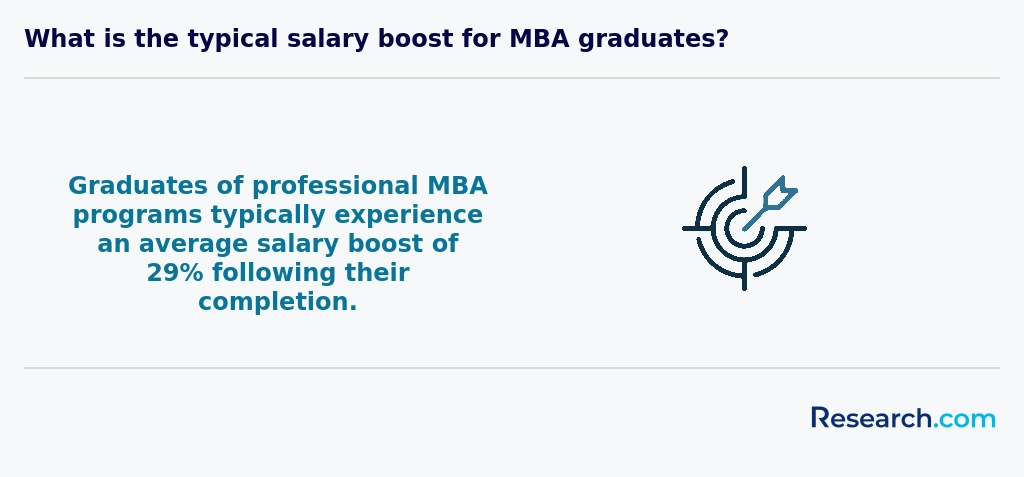
In Phoenix, earning an MBA significantly enhances career mobility and advancement opportunities. According to the U.S. Bureau of Labor Statistics, business management roles often require or prefer candidates with advanced degrees like the MBA. Universities in Phoenix, such as Arizona State University, report that MBA graduates experience a median salary increase of 20% to 30% compared to those with only a bachelor's degree.
Additionally, the Phoenix metro area's growing industries-such as finance, healthcare, and technology-value the leadership and strategic skills developed through MBA programs. Employers commonly seek professionals capable of managing teams, driving innovation, and making data-driven decisions.
Local networking opportunities and internships tied to Phoenix-based MBA programs further improve graduates' access to managerial roles, increasing chances for promotions and cross-industry transitions.
Studying for an MBA degree in Phoenix offers a strong foundation for interdisciplinary roles by blending business knowledge with practical leadership skills. Programs in the area often emphasize collaboration across fields such as technology, healthcare, and finance, reflecting Phoenix's diverse economy. According to the 2023 U.S. News & World Report, Arizona State University's W. P. Carey School of Business integrates interdisciplinary coursework, helping students understand how business strategies interact with other industries.
Phoenix MBA programs frequently incorporate case studies, group projects, and internships that promote teamwork and problem-solving across various sectors. This approach equips graduates to adapt and lead in multifaceted organizational environments.
When choosing between a thesis and a non-thesis MBA degree program in Phoenix, students should consider their career goals and learning preferences. Thesis programs emphasize research and can benefit those planning academic careers or roles that value analytical skills. Non-thesis MBAs focus more on practical business applications and are usually completed faster, appealing to professionals seeking immediate advancement in management or industry.
According to data from the Graduate Management Admission Council, about 70% of MBA students in the U.S. prefer non-thesis options for their flexibility and relevance to work. Phoenix schools, like Arizona State University, offer both formats, allowing students to tailor their studies based on time availability and professional objectives.
Students in Phoenix seeking to study for an MBA abroad have several pathways to consider. Many opt for international exchange programs offered by Arizona State University's W. P. Carey School of Business, which has partnerships with schools in Europe, Asia, and Latin America. These programs let students earn credits overseas while maintaining status at their home institution.
Additionally, some may pursue dual-degree options involving global campuses or partner universities, giving exposure to different business cultures. According to the Graduate Management Admission Council, about 15% of U.S. MBA candidates considered international study opportunities in 2023.
Financial aid and scholarships for studying abroad are available but competitive, so early planning is advised. Career services in Phoenix schools also assist with international internships tied to MBA programs.
Part-time job opportunities in Phoenix that complement an MBA education often focus on roles that develop leadership, financial, and strategic skills. Popular positions include financial analysts, marketing assistants, and project coordinators within local businesses and startups. These roles allow MBA students to apply classroom theory to real-world business challenges.
According to the Greater Phoenix Economic Council, sectors like finance, technology, and healthcare are rapidly growing in Phoenix, offering numerous part-time openings for MBA students. For instance, finance internships can pay between $15 and $25 per hour, providing valuable industry experience alongside academic training.
Additionally, many Phoenix-based consulting firms offer part-time analyst roles that help students hone critical problem-solving and communication skills essential for post-MBA careers.
MBA students in Phoenix have access to diverse networking opportunities that foster professional growth and connections. The city hosts numerous events through organizations such as the Arizona Technology Council and the Greater Phoenix Chamber of Commerce, where students can meet local business leaders. Many Phoenix universities also facilitate networking via alumni associations, mentorship programs, and career fairs targeted specifically at MBA candidates.
According to the 2023 Arizona Commerce Authority report, over 25,000 businesses operate in Phoenix's metropolitan area, creating a strong environment for MBA students to engage with industries like finance, healthcare, and technology. These connections can be crucial for internships and job placements.
Additionally, MBA programs in Phoenix often host guest lectures and workshops featuring industry experts, providing a platform for students to expand their professional network beyond the classroom.
Alumni networks offer significant advantages for MBA students in Phoenix. Graduates from local programs often remain active within their school's alumni groups, creating valuable connections for current students. These networks provide access to mentorship opportunities, career guidance, and exclusive job listings, which are crucial in a competitive job market. According to the Graduate Management Admission Council, 85% of MBA graduates benefit professionally from their alumni networks nationwide, including in metro areas like Phoenix.
Moreover, Phoenix's growing business environment means local alumni often work in diverse industries, facilitating networking across sectors such as finance, technology, and healthcare.
Participation in alumni events can also lead to internships and partnerships, helping students gain real-world experience while still enrolled.
Customizing your MBA degree program in Phoenix enables you to align education with your career goals effectively. Many local universities offer concentrations such as finance, marketing, entrepreneurship, or healthcare management, letting students develop expertise in their preferred industry. According to U.S. News & World Report, several Phoenix schools provide flexible electives and part-time options tailored for working professionals.
Additionally, Phoenix's MBA programs often include experiential learning opportunities like internships and consulting projects with local businesses, helping connect theory to practice. You can also select online or hybrid formats, allowing you to balance studies with your current job. Exploring faculty expertise and alumni networks in Phoenix can further refine your educational experience.
Many MBA students in Phoenix face several common challenges related to balancing work, study, and personal life. With a growing economy, many students are working professionals who often juggle demanding job schedules alongside coursework. According to U.S. News & World Report, the average age of MBA students in Phoenix is around 28 to 32, highlighting the blend of career and academic responsibilities.
Another challenge is the financial burden. While Phoenix offers relatively affordable tuition compared to national averages, students often need to manage expenses such as textbooks, transportation, and living costs. Additionally, navigating online and hybrid learning formats, increasingly popular after the pandemic, requires strong self-motivation and time management skills.
Networking in Phoenix's competitive business environment can also be difficult for some students. Building local industry connections is crucial but can be limited by program structure and personal availability. Several schools report that students benefit from campus resources and professional organizations to overcome these hurdles.
With an MBA degree in Phoenix, graduates can pursue several professional certifications that enhance their career prospects. Popular options include the Project Management Professional (PMP) certification, which is valued across industries for leadership skills. Another certification is the Certified Public Accountant (CPA), particularly beneficial for MBA graduates focusing on finance or accounting. Additionally, the Certified Management Accountant (CMA) certification complements an MBA by emphasizing financial management and strategic thinking.
Arizona's growing business environment, including Phoenix's expanding tech and healthcare sectors, increases demand for professionals with these certifications. According to the Arizona Commerce Authority, certified professionals often see salary increases between 10-20%.
To write a winning application for an MBA program in Phoenix, start by thoroughly researching each school's unique requirements. Arizona schools often value a strong GMAT or GRE score, with average GMAT scores around 550 to 600 for competitive programs like those at Arizona State University's W. P. Carey School of Business. Highlight your professional experience, emphasizing leadership and problem-solving skills, as Phoenix programs typically prefer applicants with at least three to five years of work history.
Craft a personalized statement of purpose that clearly explains your goals and why a Phoenix-based MBA fits your career plan. Strong letters of recommendation from supervisors familiar with your business acumen can greatly enhance your application. According to U.S. News & World Report, attention to detail and demonstrating community involvement also improve admission chances. Finally, meet all deadlines and submit well-edited documents to present a professional and motivated image.
An MBA degree from Phoenix institutions offers valuable insights applicable in global business environments. According to the Graduate Management Admission Council's 2023 report, 70% of MBA graduates from U.S. schools, including those in Phoenix, work in multinational companies. This reflects the degree's expanding international relevance.
Graduates often gain skills in leadership, finance, and marketing that are recognized worldwide. Phoenix's growing economy, particularly in technology and healthcare, provides a practical environment to develop business strategies with global impact.
The U.S. education system emphasizes case studies and real-world applications, preparing MBA students in Phoenix for diverse cultural and economic situations globally. This approach is why many employers view an MBA as a strong asset when considering candidates for international roles.
Gaining practical experience while studying for an MBA degree in Phoenix is essential for applying theoretical knowledge in real-world settings. Many local universities offer internship programs that connect students with businesses in Phoenix's growing industries such as technology, healthcare, and finance. These internships often provide valuable hands-on management experience.
Students can also participate in consulting projects or capstone courses, which involve solving live business challenges for companies in the region. Additionally, networking events and business competitions hosted by Phoenix-area schools allow MBA candidates to develop leadership skills and build professional relationships.
According to the Arizona Commerce Authority, Phoenix has seen a 7% increase in business startups, offering ample opportunities for MBA students to engage in entrepreneurship projects during their studies.
Choosing the right concentration within an MBA program in Phoenix involves aligning your career goals with local industry demands. Phoenix's economy is strong in healthcare, technology, and finance, so many students choose concentrations like Healthcare Management, Information Technology, or Finance to increase job prospects.
Research from the Arizona Commerce Authority shows healthcare and tech sectors expanding rapidly, offering numerous MBA opportunities. Consider your background too; for instance, a concentration in Marketing may suit professionals seeking creative roles, while Supply Chain Management fits those interested in operations.
Evaluate program curriculum and faculty expertise at Phoenix-area universities, and consult with career advisors to ensure the concentration supports your aspirations.
- 2027 Most Affordable MBA Degree Programs Ranking in Tucson
- 2027 Most Affordable MBA Degree Programs Ranking in Riverside
- 2027 Most Affordable MBA Degree Programs Ranking in San Diego
- 2027 Most Affordable MBA Degree Programs Ranking in Irvine
- 2027 Most Affordable MBA Degree Programs Ranking in Fullerton
- 2027 Most Affordable MBA Degree Programs Ranking in El Paso
- 2027 Most Affordable MBA Degree Programs Ranking in Pasadena
- 2027 Most Affordable MBA Degree Programs Ranking in Los Angeles
- 2027 Most Affordable MBA Degree Programs Ranking in Fresno
- 2027 Most Affordable MBA Degree Programs Ranking in Salt Lake City
- How to balance a part-time MBA while working full-time https://www.manchester.ac.ae/blog-post/how-to-balance-a-part-time-mba-while-working-full-time
- What Work Experience Do You Need For an MBA? | Articles | Unimy https://www.unimy.com/article/blog-mba-preparation-admissions-mba-work-experience
- What Can You Do with an MBA in Today’s Market? | Elmhurst University Elmhurst University Blog https://www.elmhurst.edu/blog/what-can-you-do-with-an-mba-in-todays-market/
- 10 Highest-Paying MBA Specializations in 2026 (With Salary Data) - Paris School of Management (PSM) https://www.psm-paris.fr/en/10-highest-paying-mba-specializations-in-2026/
- How to Choose the Best MBA Program for Your Career Goals https://www.clearadmit.com/2025/05/how-to-choose-the-best-mba-program-for-your-career-goals/
- Skills Employers Look for in Business Graduates – EU Business School https://www.euruni.edu/blog/skills-employers-look-for-in-business-graduates/
- Why Alumni Networks Matter in Business School: 7 Reasons https://europe.ceibs.edu/article/why-alumni-networks-matter-business-school
- Top 10 Career Options After a Global MBA | SP Jain Global https://www.spjain.org/blog/articles/top-global-mba-careers
- Overcoming Common Challenges Faced by Management Students https://iilm.edu/iilm-lucknow/blog/challenges-faced-by-management-students/
- Federal Financial Aid Plan for College - University of Phoenix https://www.phoenix.edu/tuition-financial-aid/federal-financial-aid.html