
2027 Most Affordable MBA Degree Programs Ranking in Rhode Island

Co-Founder and Chief Data Scientist
Deciding which MBA program to pursue can feel overwhelming, especially when balancing quality and cost. For students in Rhode Island, finding an affordable option that delivers real value is key to a successful career journey.
This article presents the 2027 Most Affordable MBA Degree Programs Ranking in Rhode Island, carefully developed by the Research.com team of data scientists. Their goal is to provide clear, reliable information to help you make confident decisions about your education.
By exploring this ranking, you'll discover practical options that suit your budget and ambitions, empowering you to invest in your future with confidence.
Key benefits of getting MBA degree in Rhode Island
- MBA graduates in Rhode Island often enjoy competitive salaries with many US MBA holders earning between $90,000 and $120,000 annually, reflecting strong financial rewards for advanced business skills.
- Career paths for MBA holders from Rhode Island schools like Bryant University include roles in management, consulting, finance, and entrepreneurship, offering diverse opportunities that match various interests and talents.
- Completing an MBA online from institutions such as the University of Rhode Island provides flexibility and convenience, enabling graduates to balance studies with work or family life while gaining valuable credentials.
- 2027 Most Affordable MBA Degree Programs Ranking in Rhode Island
- What can I expect from MBA degree in Rhode Island?
- Where can I work with MBA degree in Rhode Island?
What can I expect from MBA degree in Rhode Island?
Exploring an MBA in Rhode Island often leads to discovering a vibrant balance between quality education and practical investment. Many graduates from Bryant University, with its renowned AACSB accreditation, recall the rewarding challenge of managing a tuition near $30,000 annually for full-time study. This cost, while an investment, opens doors to advanced skills in finance, marketing, and leadership that feel immediately relevant to local industries.
At public institutions like the University of Rhode Island, aspiring MBAs experience a friendlier price point, reflecting lower tuition fees that still deliver robust business education. Graduates often describe their journey as both affordable and transformative, energized by hands-on projects with real Rhode Island companies, creating strong connections and confidence for their careers.
Whether stepping into consulting projects or networking events, students appreciate how their tuition supports immersive learning in growing sectors such as healthcare and financial services. This blend of reasonable cost and dynamic opportunities makes pursuing an MBA in Rhode Island an exciting, attainable adventure for those ready to lead.
Where can I work with MBA degree in Rhode Island?
Imagine stepping out of a top Rhode Island MBA program like Brown University or the University of Rhode Island and finding yourself immersed in the vibrant financial sector of Providence. Graduates often share how thrilling it is to dive into roles at banks or investment firms, where their leadership skills directly influence real decisions. You might find yourself analyzing market trends one day and crafting strategic financial plans the next-each task fueling your excitement for business impact.
Others embrace the energy of Rhode Island's healthcare industry, joining renowned systems like Lifespan or Care New England. Here, MBA graduates relish transforming patient care by optimizing operations or guiding strategic initiatives, feeling their work improving lives every day. It's a mix of challenge and reward that keeps the job engaging and meaningful.
For the adventurous, the state's innovative tech startups and manufacturing hubs offer dynamic grounds for growth. From managing product launches to refining supply chains in jewelry or medical device companies, the hands-on experience is motivating. MBA holders often find themselves in front-row seats to Rhode Island's evolving business scene, fueling their passion for leadership and innovation.
And if education or nonprofits call to you, departments at universities like URI spark enthusiasm by trusting MBAs with organizational leadership and fundraising, blending purpose with professional skills.
Wondering how much you can make with an MBA degree in Rhode Island? Graduates from respected programs at institutions like Bryant University and the University of Rhode Island often find themselves stepping into roles with exciting salary possibilities. While exact federal salary data for Rhode Island MBA roles is limited, local insights reveal promising figures: financial managers earn around $120,000 annually, marketing managers near $100,000, and operations managers roughly $105,000.
Many recent graduates share a sense of pride and motivation as they land entry-level positions with salaries between $70,000 and $90,000, balanced by the state's moderately high living costs. The journey from classroom theory to boardroom strategy creates a thrilling transition, with opportunities expanding especially in technology and finance sectors around Providence.
One graduate recalls feeling energized by how their MBA opened doors to regional leadership roles, boosting earnings well into six figures over time. Rhode Island's proximity to Boston offers adventurous prospects for those willing to seek beyond the state, adding further potential to your MBA investment.
- The average total cost of earning an MBA in Rhode Island ranges between $30,000 and $50,000, excluding books and living expenses.
- In-state tuition at public institutions like the University of Rhode Island is generally more affordable than private university fees.
- Early career salaries for MBA graduates in Rhode Island average around $70,000 per year, with mid- to late-career salaries exceeding $110,000 annually.
- Key local industries for MBA jobs include healthcare, finance, education, and manufacturing, with Providence serving as a financial and corporate hub.
- MBA programs in Rhode Island offer flexible options such as part-time, online, and evening classes to accommodate working professionals.
- Accredited programs, especially those with AACSB accreditation, maintain high academic standards and support employability through career services.
In Rhode Island, completing an MBA is often a journey tailored to your lifestyle and ambitions. Full-time students at the University of Rhode Island or Bryant University typically wrap up their degree in about two years, immersing themselves fully in their studies and campus opportunities. Imagine diving into rigorous courses while making connections that will last a lifetime-all within this focused timeframe.
For those juggling careers, part-time or online MBAs stretch this adventure to three years or more, offering the flexibility to learn without pausing life's momentum. Graduates often recall balancing work deadlines with evening classes, finding a rewarding rhythm that tests their resilience and sharpens time management.
Some daring students opt for accelerated programs, completing their MBA in just one year. These intense paths demand dedication but reward with swift progress and the thrill of rapid transformation-perfect for those ready to fast-forward their careers in Rhode Island's vibrant business environment.
Rhode Island’s MBA programs offer competitive tuition rates, but prospective students may find even greater savings just across the border. On average, in-state tuition for a full-time MBA in Rhode Island hovers around $30,000 per year, whereas many public institutions in Massachusetts report annual costs closer to $28,000. When evaluating total cost-including fees and living expenses-it’s vital to explore neighboring markets to ensure you secure the best value. For a deeper dive into how Massachusetts stacks up, check out our comprehensive Most Affordable MBA Degree Programs Ranking in Massachusetts. Beyond sticker price, consider scholarship opportunities and early-application discounts offered by Massachusetts schools, which can reduce total expenses by 10–20%. Networking with alumni from both states can also uncover hidden funding sources and part-time work options. Finally, factor in your post-MBA salary expectations: graduates in Boston and Providence see similar entry salaries in the mid-$70,000s, but cost-of-living differences may tip the ROI in favor of Rhode Island. By comparing tuition, aid packages, and living costs side-by-side, you’ll make a well-informed decision on the most affordable path to your MBA.
Imagine juggling a full-time job in Providence while pursuing your MBA-online programs at Rhode Island College or the University of Rhode Island make this possible with flexible schedules and remote access to coursework. Graduates often share how this freedom allowed them to balance family, work, and school without missing a beat, appreciating the chance to study at their own pace.
On the flip side, attending an on-campus MBA at Bryant University immerses you in the heartbeat of Rhode Island's business scene. Students relish face-to-face networking during lively discussions and campus events, forming connections that spark real-world opportunities. One graduate described the energy of engaging directly with local CEOs and classmates as "invaluable for jumpstarting my career."
While on-campus programs typically carry higher tuition-often exceeding $60,000-they offer rich interpersonal experiences and access to dedicated resources. Meanwhile, online MBAs frequently come in under $40,000, making them a smart choice for those prioritizing cost and convenience without sacrificing quality.
Attending a top MBA school in Rhode Island can significantly enhance your career prospects, providing access to a network of professionals, faculty with industry expertise, and resources that can aid in your professional development. For instance, studying at one of the top MBA schools in Rhode Island can offer a competitive edge in the job market, with many graduates going on to secure roles in prestigious companies or even starting their own successful ventures. The curriculum at these schools is designed to equip students with the skills and knowledge required to excel in today's fast-paced business environment, focusing on areas such as leadership, strategic management, and data-driven decision making. Furthermore, the connections made during your time at a top MBA school can be invaluable, offering opportunities for mentorship, job placements, and lifelong professional relationships. By investing in an MBA from a reputable institution in Rhode Island, you are not only advancing your education but also positioning yourself for long-term success in your chosen career path.
The average cost of a MBA degree in Rhode Island invites an exciting journey for many aspiring business leaders. Graduates from well-known programs like Providence College and the University of Rhode Island often recall balancing their investment with the quality education they received-where the median in-state total cost hovers around $47,259. This figure captures tuition and essential academic fees, helping paint a realistic picture of what Rhode Island MBA tuition and fees look like today.
Many students from Rhode Island find their educational investment rewarding, especially when considering the value of close connections with faculty and the rigorous curriculum. For out-of-state learners, the adventure grows as tuition costs rise, yet the median total cost remains reasonable compared to national averages, generally around $58,388. This means you can expect to spend more on your MBA if you're coming from outside Rhode Island, but the experience remains accessible.
For those curious about exploring options, part-time and online programs present an alternative way to manage costs and schedules. To discover more about the top MBA schools in Rhode Island, many prospective students take the leap and follow pathways shared by graduates who have navigated tuition expenses with smart financial planning and scholarship opportunities. Consider checking out top MBA schools in Rhode Island to dive deeper into your options and find a program that aligns with your ambitions and budget.
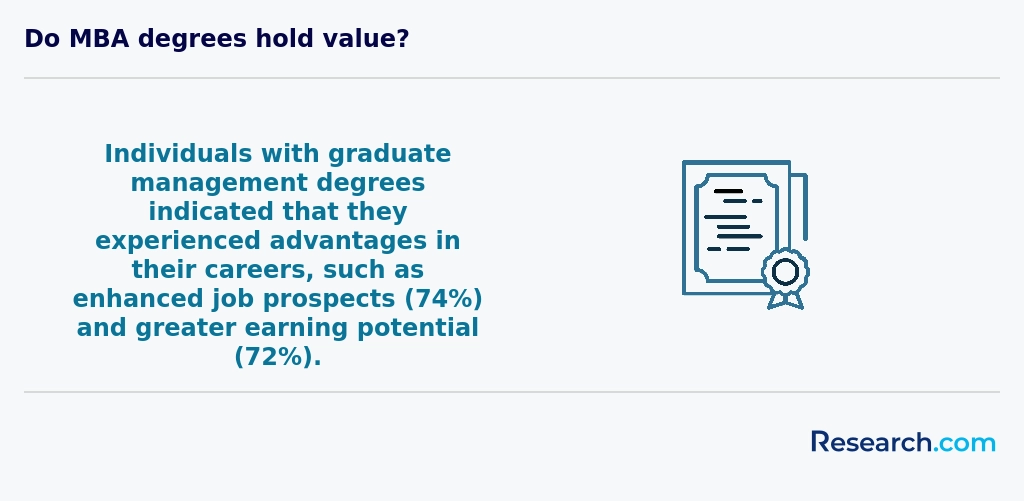
When evaluating an MBA program, understanding the return on investment (ROI) can help you make a truly informed decision. To calculate ROI, subtract your total program cost-including tuition, fees, and living expenses-from your expected post‐MBA annual salary increase, then divide by the program cost. For example, if you invest $60,000 in tuition and realize a $25,000 salary boost per year, your simple payback period is under three years. Several factors influence ROI: • Average Salary Uplift: MBA graduates in Rhode Island report average starting salaries of $80,000–$100,000, up from pre‐MBA earnings in the mid‐$60,000s. • Program Duration: A two‐year full-time program accelerates payback, while part-time MBAs may extend it by a year. • Financial Aid and Scholarships: Merit-based awards and graduate assistantships can reduce net cost by 20%–50%, shortening your ROI horizon. For budget-minded candidates comparing options, it’s helpful to benchmark against similar rankings in neighboring states. You might review the Most Affordable MBA Degree Programs Ranking in Massachusetts to gauge how Rhode Island’s program costs and ROI stack up regionally. By projecting your post‐MBA earnings and factoring in all expenses, you’ll arrive at a clear payback timeline-often between 2 and 5 years-and make a data-driven choice that aligns with both your career ambitions and financial goals.
Imagine stepping into the vibrant MBA world in Rhode Island, where financial aid isn't just a safety net but a doorway to opportunity. Graduates from the University of Rhode Island often share how successfully navigating FAFSA opened doors to Direct Unsubsidized and Graduate PLUS loans, easing tuition worries while offering flexible repayment options.
Scholarships here feel like a treasure hunt with real rewards. Bryant University's competitive scholarships have amazed many, sometimes covering up to half the tuition-turning ambitious goals into achievable realities. Employers in Rhode Island also add to this supportive ecosystem, with many offering tuition reimbursement, making professional growth a shared journey.
Locally, business organizations like the Rhode Island Chamber of Commerce act as unexpected allies, awarding private scholarships that feel like personalized badges of honor. Meanwhile, assistantships and fellowships at these universities don't just lighten financial loads but immerse students deeper into campus life through research or event coordination roles-bringing education to life in thrilling ways.
To embark on the MBA adventure in Rhode Island, you'll need a bachelor's degree from an accredited college-no requirement to have studied business specifically. Graduates from universities like Bryant or the University of Rhode Island often share how their diverse academic backgrounds sparked new perspectives in class, blending arts or sciences with business insights.
Standardized tests like the GMAT or GRE generally remain part of the journey, even if some programs now give flexibility. Those who submitted competitive scores often found their confidence boosted, gaining a tangible edge in the application process.
Work experience fuels classroom energy. Many full-time programs prefer applicants with at least two to three years of professional stories to tell-just like those who dived into conversations at Providence College's MBA program, linking theory with real-world challenges.
Beyond grades and tests, glowing letters of recommendation and a compelling personal essay reveal your passion and future vision, often highlighted by those who thrived in Rhode Island's close-knit academic communities.
International students embracing this journey also navigate English proficiency tests and financing proof, stepping forward with enthusiasm to join Rhode Island's diverse MBA cohorts.
As the business landscape evolves, MBA programs in Rhode Island are adapting to meet the demands of a dynamic market. Today’s curriculum not only emphasizes traditional business disciplines but also integrates cutting-edge topics such as digital transformation, sustainable practices, and entrepreneurial innovation. For instance, many programs are now offering specialized tracks in data-driven decision making and technology management to prepare graduates for industries that are rapidly evolving. This shift aligns with the increasing need for versatile professionals who can navigate both on-campus and online learning environments. Moreover, remote learning options continue to gain traction, offering considerable flexibility without sacrificing quality. Prospective students might consider exploring opportunities like an mba under 10k, which not only makes education more accessible but also maintains high academic standards. Industry partnerships, enhanced internship programs, and responsive career support are also becoming integral parts of MBA offerings, ensuring that graduates are well-equipped to meet market expectations. Staying informed about these emerging trends can help you choose a program that not only fits your financial constraints but also positions you for long-term career growth. Whether you are interested in the latest digital innovations or building a robust professional network through hybrid learning models, Rhode Island MBA programs are evolving to deliver both strategic insights and tangible opportunities for success.
Diving into an MBA degree in Rhode Island means immersing yourself in courses that build strong business foundations while sparking curiosity about real-world challenges. Imagine tackling Financial and Managerial Accounting at Bryant University, where graduates recall the excitement of decoding complex financial puzzles through hands-on projects. Marketing Management and Organizational Behavior classes reveal how to influence markets and lead teams effectively-skills Rhode Island College alumni often say boosted their confidence in dynamic boardrooms.
Operations and Supply Chain Management bring strategy to life, with students uncovering ways to optimize processes in local businesses. Corporate Finance and Business Strategy courses push you to think like a leader, crafting solutions for thriving companies in today's economy. Plus, expect to hone your analytical skills in Quantitative Methods and Data Analysis, critical tools graduates describe as game changers when jumping into data-driven roles.
Beyond core subjects, many Rhode Island programs weave in leadership, ethics, and specialized electives like entrepreneurship or sustainability, making each MBA journey distinctly adventurous and tailored to your ambitions.
When exploring MBA specializations in Rhode Island, students find a vibrant mix that sparks curiosity and ambition. Popular concentrations like finance, marketing, and healthcare management offer practical pathways well aligned with local industry strengths. Graduates from Bryant University, for instance, share how diving into cybersecurity management and information technology specializations opened unexpected doors, blending tech innovation with business savvy in exciting ways.
Imagine navigating Rhode Island's dynamic healthcare sector armed with specialized skills-MBA programs here prepare you to tackle real challenges in hospital systems or medical research institutions. This makes healthcare management a sought-after option, tailored to meet local needs and fuel personal passion. Other adventurous learners explore sustainable business and corporate social responsibility, embracing ethical leadership that resonates with today's global shifts.
Many students appreciate the flexibility of part-time or online options, allowing them to pursue their chosen Rhode Island MBA concentration options while balancing work and life. For those seeking affordability alongside quality, programs focusing on an mba under 10k provide an accessible route without compromising specialized expertise.
When choosing the best MBA degree in Rhode Island, start by exploring accredited programs like those at the University of Rhode Island's College of Business, renowned for its AACSB accreditation. Graduates often share how this quality assurance boosted their confidence during job searches, giving them an edge in the competitive market. Imagine balancing work with study-many students opt for part-time or online MBA formats offered locally, finding the flexibility essential to thrive both professionally and academically.
Cost matters too. Rhode Island's public universities provide affordable MBA programs Rhode Island residents appreciate, charging tuition notably below the national average. Many graduates recall how manageable tuition helped them invest in networking opportunities and practical experiences. Dive into specialized curricula that resonate with your passions-whether it's entrepreneurship or healthcare management-because aligning with your goals makes the learning journey exhilarating.
For a deeper dive into value-focused options nearby, consider reviewing the Most Affordable MBA Degree Programs Ranking in Massachusetts to inform your financial planning and decision-making.

Exploring MBA career opportunities in Rhode Island feels like setting off on a journey rich with possibility. Graduates from institutions like the University of Rhode Island often find themselves stepping into vibrant roles-whether it's leading marketing campaigns in established companies or driving operational excellence in manufacturing hubs scattered across the state. Imagine starting your day consulting with a startup thriving in Providence's growing ecosystem before heading to a networking event with healthcare leaders from Lifespan. Many MBA students here relish this dynamic blend of industries and the chance to build versatile leadership skills.
Rhode Island MBA degree job prospects stretch into diverse territories such as financial analysis at local banks, executive roles in corporate management, and even pioneering business development within the state's innovative startups. Passionate grads often share how internships and career services in Rhode Island connect them to these exciting opportunities, sometimes steering their next move toward sustainable business practices or corporate social responsibility-a real chance to make a difference locally.
For those curious about alternate paths, pairing an MBA with a 6-month certification program that pays well unleashes even more career possibilities, making the journey all the more adventurous and rewarding.
The job market for MBA degree job opportunities in Rhode Island is alive with promise, especially for graduates from well-known institutions like Bryant University and the University of Rhode Island. These programs equip students with the skills that local employers in Providence seek, from healthcare giants to innovative finance firms. Graduates often share stories of landing leadership roles in organizations such as Lifespan or top insurance companies, highlighting an encouraging blend of challenge and growth in their careers.
For those curious about the financial side of things, the median annual wage for MBA-level business managers can reach around $100,000. This reflects the state's demand for leaders who can navigate complex sectors like manufacturing and educational administration. Networking through groups like the Rhode Island Business Team further opens doors, making the search for employment feel like an adventure rather than a chore.
Resources tailored to Rhode Island students make the journey easier too. Many find value pursuing their education while exploring the top online colleges with open admissions policies, blending flexibility with opportunity as they dive into their MBA journey.
2027 Most Affordable MBA Degree Programs Ranking in Rhode Island
Investing in your education is a significant decision that can shape your future, and the Research.com team understands the importance of making informed choices. To assist prospective students in Rhode Island, we have meticulously crafted the "2027 Most Affordable MBA Degree Programs Ranking in Rhode Island." Our commitment to quality, credibility, and accuracy is reflected in the extensive research and analysis conducted to compile this ranking.
We utilized the following reputable data sources to ensure a comprehensive evaluation of MBA programs:
By exploring this ranking, readers will gain valuable insights into the most affordable MBA degree programs in Rhode Island, helping them make well-informed decisions about their educational investments. For more details on our methodology, please visit our Research.com methodology page.
# 1 position
Johnson & Wales University-Online
Master of Business Administration


Frequently Asked Questions About MBA
Rhode Island MBA students can enhance their learning by actively engaging with local business communities, such as those in Providence, where many companies offer internships and networking events. Utilizing resources at universities like Bryant University and the University of Rhode Island, which are known for their business programs, can provide practical experience alongside academic study. Participating in case competitions and consulting projects is another effective way to apply classroom knowledge to real-world challenges.
Joining student organizations focused on entrepreneurship or sustainable business practices creates valuable peer learning. According to the National Center for Education Statistics, Rhode Island's graduate business enrollment has grown steadily, emphasizing the importance of collaboration. Taking advantage of online and hybrid course options also allows flexibility for working professionals. Overall, combining academic study with hands-on involvement and networking in Rhode Island's supportive environment maximizes MBA learning outcomes.
The MBA field in Rhode Island is expanding beyond traditional business disciplines to meet evolving market demands. Emerging niches include healthcare management, reflecting the state's robust hospital and life sciences sectors. Brown University and the University of Rhode Island have incorporated healthcare-focused courses within their MBA programs.
Sustainability and environmental management are also gaining attention, aligning with Rhode Island's commitment to green energy and environmental policy. Programs emphasize sustainable business practices and corporate social responsibility.
Additionally, data analytics and technology management are growing niches, with many MBA curricula integrating skills in big data and digital transformation to prepare students for tech-driven leadership roles in New England's technology sector.
After completing an MBA degree in Rhode Island, preparing for the job market involves a combination of strategic networking, skill refinement, and practical experience. Rhode Island's business environment is diverse, with strengths in finance, healthcare, and manufacturing, providing various opportunities for MBA graduates (Source: Rhode Island Department of Labor and Training, 2023).
Engaging with local professional organizations such as the Rhode Island Business Group on Health and attending career fairs at universities like Bryant University can enhance connections. Additionally, updating LinkedIn profiles and tailoring résumés to regional industry demands is essential.
Internships and real-world projects during the MBA program also strengthen employability. Understanding local economic trends and leveraging university career services can improve job search outcomes in Rhode Island's competitive market.
Employers in Rhode Island highly value several key skills in MBA graduates. According to recent reports from the Rhode Island Department of Labor and Training, leadership and strategic thinking rank among the top attributes sought. These skills enable graduates to effectively manage teams and make informed business decisions. Communication skills are also critical, as many businesses emphasize collaboration and client relations.
Analytical and quantitative abilities remain essential, especially given Rhode Island's growing finance and healthcare sectors. MBA graduates skilled in data analysis tend to have better job prospects locally. Additionally, adaptability and technological proficiency are increasingly important in the state's evolving economic landscape.
Finding internships in Rhode Island relevant to an MBA degree involves leveraging local business connections and university resources. Rhode Island hosts several top institutions offering MBA programs, such as Bryant University and the University of Rhode Island, both of which have career centers dedicated to internship placement.
Students should explore partnerships these universities maintain with regional industries, including finance, healthcare, and technology sectors, which actively seek MBA talent. According to the Rhode Island Department of Labor and Training, financial services and professional business services are growing fields, creating a demand for MBA interns.
Additionally, networking events, local chambers of commerce, and platforms like Handshake or LinkedIn are vital to accessing internship opportunities in the state. Early applications improve chances, as Rhode Island companies often fill MBA internship spots on a competitive basis.
In Rhode Island, earning an MBA degree can significantly enhance career mobility and advancement opportunities. According to the Bureau of Labor Statistics, professionals with an MBA typically earn 20% to 30% more than those with only a bachelor's degree, which holds true for Rhode Island's competitive job market.
Rhode Island's economy emphasizes sectors like finance, healthcare, and manufacturing, where MBA graduates often fill leadership and management positions. Employers in cities such as Providence increasingly value MBA holders for their strategic thinking and problem-solving skills.
Local reports indicate that MBA graduates in Rhode Island experience faster promotion rates, with many moving into executive roles within five years of graduation. Business schools in the state also offer strong networking connections that help build local industry contacts.
Studying for an MBA degree in Rhode Island offers a strong foundation for interdisciplinary roles by integrating diverse business concepts with practical experience. Many Rhode Island programs emphasize collaboration across fields such as finance, marketing, operations, and technology, reflecting the multifaceted nature of modern business challenges.
Universities like the University of Rhode Island and Bryant University incorporate case studies and team projects that simulate real-world interdisciplinary work environments. According to Rhode Island Board of Education data, MBA graduates here often report increased adaptability in roles requiring cross-department coordination.
The small but dynamic business ecosystem in Rhode Island encourages MBA students to engage with local industries, enhancing skills in leadership and strategic thinking across sectors. This approach aligns with national trends indicating that 70% of MBA holders pursue roles demanding interdisciplinary competence (GMAC, 2023).
When choosing between a thesis and a non-thesis MBA program in Rhode Island, consider your career goals and learning preferences. A thesis MBA typically involves conducting original research and writing a detailed paper, which suits students interested in academic or research roles.
The non-thesis option usually focuses on practical coursework and may include internships or capstone projects, appealing to professionals aiming for immediate industry application. Rhode Island's universities offer both paths, often allowing a choice within the same program.
According to the National Center for Education Statistics, about 60% of MBA students nationwide choose non-thesis routes for faster completion and flexibility, a trend reflected in Rhode Island institutions.
Evaluate if you prefer hands-on experience or deep research, and check specific program requirements at schools like the University of Rhode Island or Bryant University to make an informed decision.
Students based in Rhode Island seeking to study for an MBA abroad have several practical options. Many Rhode Island institutions, including the University of Rhode Island and Bryant University, offer partnerships with international business schools, enabling students to earn dual degrees or participate in exchange programs. These programs provide exposure to global business practices while maintaining strong ties to U.S. accreditation standards.
Additionally, some students opt for online MBA programs from reputable international schools, combining global curriculum with flexible study schedules. Financial aid opportunities, including federal loans, can sometimes support these international studies.
Data from the National Center for Education Statistics shows a steady increase in Rhode Island students exploring global education, especially in business disciplines.
Part-time job opportunities in Rhode Island that complement an MBA education often focus on roles in finance, marketing, and management sectors. Many MBA students find positions as financial analysts, marketing coordinators, or business consultants, which allow them to apply classroom knowledge to real-world business challenges.
Rhode Island's growing industries, such as healthcare management and technology, also offer entry-level managerial roles suitable for MBA students. According to the Rhode Island Department of Labor and Training, the state has seen a steady increase in demand for business and financial occupations by 7% from 2020 to 2023.
Internships or part-time roles at local firms like Citizens Bank or Johnson & Wales University provide practical experience in corporate strategy and operations. These roles not only build skills but also expand professional networks important for MBA career advancement in Rhode Island's business landscape.
Rhode Island offers MBA students numerous networking opportunities through its universities and local business community. Schools like Bryant University and the University of Rhode Island host regular networking events, career fairs, and guest speaker sessions with industry professionals. These events help students connect with alumni and local employers.
In addition, Providence's growing economy provides access to various business organizations and chambers of commerce where students can engage with entrepreneurs and executives. According to the Rhode Island Commerce Corporation, these connections can enhance job placement and internships for MBA candidates, supporting career advancement in the region.
Alumni networks play a crucial role in enhancing the value of an MBA degree in Rhode Island. Graduates from local MBA programs often gain access to a broad community of professionals working across diverse industries such as finance, healthcare, and manufacturing. This network facilitates valuable connections that can lead to mentorship opportunities and job placements after graduation.
Many Rhode Island MBA alumni actively participate in networking events and professional workshops, helping current students build relationships that may improve career prospects. According to the Rhode Island Commerce Corporation, strong alumni ties in the state contribute to a higher employment rate for MBA graduates within six months.
Moreover, alumni networks offer resources such as industry insights, internships, and collaborative projects which are critical for career advancement. These connections often provide ongoing support in navigating the local job market, making alumni engagement a significant asset for MBA students in Rhode Island.
Customizing an MBA degree in Rhode Island allows students to align their studies with specific career goals. Many universities in the state offer elective courses and concentrations such as finance, marketing, or healthcare management. For example, the University of Rhode Island provides options to tailor curricula through specialized tracks that enhance expertise in key industries.
Additionally, students can select between full-time, part-time, and online formats, providing flexibility for working professionals. Internship opportunities and partnerships with local businesses also support practical experience tailored to career aspirations. According to Rhode Island Board of Education data, about 60% of MBA students in the state opt for programs with customizable options to boost employability.
MBA students in Rhode Island often face balancing rigorous coursework with professional and personal commitments. Many programs, including those at Bryant University and the University of Rhode Island, require demanding project work and internships, which can strain time management skills. Furthermore, Rhode Island's limited number of MBA programs may restrict networking opportunities compared to larger states.
Financial challenges are significant for some students. According to the National Center for Education Statistics, tuition for MBA programs in Rhode Island averages higher than the national public university average, increasing the reliance on loans or scholarships.
Additionally, adapting to hybrid or fully online course formats has been a hurdle for students transitioning during the pandemic, impacting engagement and learning outcomes. Understanding local industry demands and skills also requires extra effort for career advancement in the state's smaller but growing business market.
With an MBA degree in Rhode Island, graduates can pursue various professional certifications to enhance their career prospects. Popular options include the Project Management Professional (PMP) and Certified Financial Planner (CFP), which complement skills acquired during the MBA program.
The Certified Management Accountant (CMA) is also sought after, focusing on financial and strategic management-fields thoroughly covered in most Rhode Island MBA curricula. Additionally, many MBA holders opt for the Chartered Financial Analyst (CFA) credential if interested in investment management.
Rhode Island's businesses value these certifications, as they signal specialized expertise beyond the generalist MBA skill set. These credentials typically require passing exams and relevant professional experience.
Writing a strong application for an MBA program in Rhode Island requires attention to both academic credentials and personal qualities. Start by maintaining a competitive GPA; the average MBA candidate in Rhode Island often holds a GPA around 3.3 or higher, based on data from local universities. Preparing for the GMAT or GRE is essential, with many programs expecting scores above the 600 range.
Highlight relevant work experience, ideally spanning at least two to three years, as Rhode Island MBA programs value practical leadership abilities. Writing a clear, concise personal statement that aligns your career goals with the program's strengths helps distinguish your application. Lastly, strong recommendation letters from professional contacts can significantly enhance your candidacy.
The global perspective on an MBA career often emphasizes versatility and leadership, key qualities sought after in today's interconnected business world. Graduates from MBA programs in Rhode Island, such as those offered by Bryant University and the University of Rhode Island, benefit from curricula designed to meet international standards.
Data from the Graduate Management Admission Council (GMAC) shows that worldwide, MBA graduates command a median starting salary of approximately $115,000. While Rhode Island salaries may be slightly lower due to regional economic factors, the demand for MBA skills remains strong across sectors like finance, healthcare, and technology.
Additionally, an MBA enhances cross-cultural communication and strategic thinking, skills critical for careers that involve global operations or international markets. This is particularly relevant in Rhode Island, where businesses increasingly engage in overseas trade and partnerships.
Gaining practical experience while studying for an MBA in Rhode Island is achievable through internships and cooperative education programs. Many local universities, such as the University of Rhode Island and Bryant University, partner with regional businesses to offer students paid and unpaid internships. These opportunities allow MBA students to apply classroom theories in real-world business settings. Additionally, some programs include consulting projects where students work directly with local companies to solve business challenges. According to the Rhode Island Department of Labor and Training, internship placements for business students grew by 12% in 2023, reflecting strong employer participation in practical training initiatives.
Choosing the right concentration within an MBA program in Rhode Island depends on your career goals and the local job market. Popular areas include finance, marketing, healthcare management, and supply chain, reflecting the state's strong healthcare, education, and manufacturing sectors.
Look into Rhode Island institutions like the University of Rhode Island and Bryant University, which offer targeted MBA concentrations aligned with regional industries. According to the Rhode Island Department of Labor, finance and healthcare are among the fastest-growing fields, which may influence your decision.
Consider how each concentration fits your skills and the types of companies hiring in Rhode Island. You can also evaluate faculty expertise and internship opportunities to enhance practical experience. Reviewing alumni outcomes in Rhode Island can provide insight into which paths offer the best local employment prospects.
- 2027 Most Affordable MBA Degree Programs Ranking in Massachusetts
- 2027 Most Affordable MBA Degree Programs Ranking in Connecticut
- 2027 Most Affordable MBA Degree Programs Ranking in New York
- 2027 Most Affordable MBA Degree Programs Ranking in Delaware
- 2027 Most Affordable MBA Degree Programs Ranking in Maryland
- 2027 Most Affordable MBA Degree Programs Ranking in Kentucky
- 2027 Most Affordable MBA Degree Programs Ranking in South Carolina
- 2027 Most Affordable MBA Degree Programs Ranking in Indiana
- 2027 Most Affordable MBA Degree Programs Ranking in Georgia
- 2027 Most Affordable MBA Degree Programs Ranking in Illinois
- Overcoming Common Challenges Faced by Management Students https://iilm.edu/iilm-lucknow/blog/challenges-faced-by-management-students/
- MBA Internships: Find 5400 MBA Intern Jobs https://internshala.com/internships/mba-internship/
- 5 Tips on How to Choose the Best MBA Concentration https://www.pointloma.edu/resources/business-leadership/5-tips-how-choose-best-mba-concentration
- Top MBA programs with the best alumni networks in the world - MBA Crystal Ball https://www.mbacrystalball.com/blog/2025/07/07/top-mba-programs-with-the-best-alumni-network-in-the-world/
- Know more about thesis vs non- thesis: what is the difference? https://studyfans.com/en/blogs/816
- What Do You Learn in an MBA? | University of Bridgeport https://www.bridgeport.edu/news/what-you-learn-in-an-mba/
- Skills Employers Look for in Business Graduates – EU Business School https://www.euruni.edu/blog/skills-employers-look-for-in-business-graduates/
- How to Choose Between MBA Degree vs. Certificate | University of Phoenix https://www.phoenix.edu/articles/business/how-to-choose-between-mba-degree-vs-certificate-programs.html
- How To Write An MBA Admissions Essay That Stands Out? https://www.personalmbacoach.com/mba-essay-guiding-principles/
- How to balance a part-time MBA while working full-time https://www.manchester.ac.ae/blog-post/how-to-balance-a-part-time-mba-while-working-full-time


