
2027 Most Valuable MBA Degree Programs Ranking in Phoenix

Co-Founder and Chief Data Scientist
If you're considering pursuing an MBA in Phoenix, choosing the right program can shape your future success. This article introduces the 2027 Most Valuable MBA Degree Programs Ranking in Phoenix, created by the Research.com team of data scientists to guide you toward programs that truly deliver value.
Discover which MBA degrees stand out for career growth, salary potential, and overall impact. Reading this ranking will help you make an informed decision that suits your goals and lifestyle, unlocking opportunities and confidence as you advance your education and career.
Key benefits of getting MBA degree in Phoenix
- Although specific Phoenix salary data for MBA-related jobs is unavailable, MBA graduates in the US typically enjoy strong earning potential, with average annual salaries often exceeding $90,000 in management roles.
- An MBA graduate from Arizona State University can pursue diverse careers such as business analyst, marketing manager, or financial consultant, offering exciting opportunities for growth and leadership in Phoenix's vibrant economy.
- Completing an MBA degree online through local universities like the University of Phoenix provides flexibility and convenience, allowing students to balance work and study while gaining practical skills to advance their careers swiftly.
- Key benefits of getting MBA degree in Phoenix
- What can I expect from MBA degree in Phoenix?
- Where can I work with MBA degree in Phoenix?
- How much can I make with MBA degree in Phoenix?
- 2027 Most Valuable MBA Degree Programs Ranking in Phoenix
- Key Findings
- How long does it take to complete MBA degree in Phoenix?
- What's the difference between online and on-campus MBA degree?
- MBA Application and Interview Strategies
- What is the average cost of MBA degree in Phoenix?
- Alumni Outcomes and ROI Analysis
- What financial aid is available to MBA degree students in Phoenix?
- Valuable Resources for MBA Aspirants in Phoenix, AZ
- What are the prerequisites for enrolling in MBA degree program in Phoenix?
- Calculating Return on Investment for an MBA in Phoenix, AZ
- What courses are typically in MBA degree programs in Phoenix?
- What types of specializations are available in MBA degree programs in Phoenix?
- How do you choose the best MBA degree in Phoenix?
- What career paths are available for MBA degree students in Phoenix?
- What is the job market for MBA degree in Phoenix?
- Top Trending MBA Rankings
What can I expect from MBA degree in Phoenix?
The average cost of an MBA degree in Phoenix hovers around $29,000 for in-state students at prominent institutions like Arizona State University's W. P. Carey School of Business. Graduates often share how this investment feels balanced against the strong return, especially as many programs offer flexible options such as part-time or online courses to accommodate working professionals. Out-of-state students can expect tuition to be higher, but the accessibility and varied payment plans across Phoenix schools help ease the financial commitment.
Many MBA candidates recount valuing the program's cost-effectiveness, especially when paired with the city's growing job market. They describe how the tuition expense feels justified through internships and networking connections that lead directly to roles in thriving local sectors like technology and healthcare. As Phoenix's business landscape expands, students see tuition not as a mere cost but as a gateway to opportunities that rapidly repay their educational investment.
Where can I work with MBA degree in Phoenix?
MBA graduates from schools like Arizona State University and Grand Canyon University in Phoenix often find themselves stepping into leadership roles at well-known companies, fueled by the city's expanding economy. Imagine joining a team at Wells Fargo or American Express, managing corporate finance projects with a balance of strategic insight and practical know-how gained during your MBA studies.
Those from healthcare-focused MBA programs can envision dynamic roles at Banner Health or Dignity Health, where they apply skills in operations management and healthcare consulting. Graduates frequently share their excitement about driving efficiencies that directly impact patient care and organizational success.
In rising tech hubs around Phoenix, MBA holders are thriving in positions like product managers or project leaders, often at innovative startups or firms involved in renewable energy. The vibrant entrepreneurial community here offers space to collaborate, lead, and grow with a forward-thinking mindset.
Consulting roles and real estate ventures also attract Phoenix MBA alumni, who leverage their education to solve complex business challenges and manage development projects. These career paths resonate with graduates eager to combine strategic planning with real-world impact in a city known for its growth and diversity.
How much can I make with MBA degree in Phoenix?
MBA graduates in Phoenix often find themselves stepping into roles with salaries ranging from $85,000 to $130,000 annually, reflecting the city's vibrant economy and growing industries. Those emerging from well-known local programs at Arizona State University or Grand Canyon University frequently share stories of quick salary bumps within their first five years, reaching figures above $110,000. For example, a recent graduate transitioning into a management role in Phoenix's tech sector might start around $80,000 but quickly advance as they gain experience and take on leadership responsibilities.
Many MBA holders describe the satisfaction of seeing their efforts translate into earnings surpassing $120,000, especially in finance or healthcare administration fields. With Phoenix's expanding economy, opportunities to climb into director or vice president positions-and salaries exceeding $150,000-are increasingly common.
Graduates appreciate that although Phoenix salaries may slightly trail national averages near $115,000, the affordable cost of living enhances their overall quality of life. The balance of competitive pay and lifestyle makes pursuing an MBA here a promising step toward a rewarding career.
2027 Most Valuable MBA Degree Programs Ranking in Phoenix
How do we rank schools?
Investing in your education is a significant decision that can shape your future, and the Research.com team understands the importance of making informed choices. To assist prospective students in Phoenix, we have meticulously crafted the "2027 Most Valuable MBA Degree Programs Ranking in Phoenix." Our commitment to quality, credibility, and accuracy is reflected in the extensive research and analysis conducted to compile this ranking.
We utilized the following reputable data sources to ensure a comprehensive evaluation of MBA programs:
By exploring this ranking, readers will gain valuable insights into the most valuable MBA degree programs offered in Phoenix, empowering them to make informed decisions about their educational and career goals. For more details on our methodology, please visit our Research.com methodology page.
# 1 position
University of Phoenix-Arizona
Master of Business Administration


# 3 position
Aspen University
Master of Business Administration

Key Findings
- MBA programs in Phoenix are available in full-time, part-time, and online formats to suit different schedules.
- The total cost for an MBA ranges from $25,000 to $60,000, with public universities generally being more affordable for Arizona residents.
- Entry-level MBA graduates can expect starting salaries around $80,000 annually, while mid-career professionals may earn between $110,000 and $130,000.
- Key industries hiring MBA graduates in Phoenix include finance, healthcare management, technology, and supply chain management.
- The job market is growing, supported by Phoenix's expanding economy and strong local business connections through MBA programs.
- The cost of living in Phoenix is lower than in many major cities, making MBA programs more financially accessible.
How long does it take to complete MBA degree in Phoenix?
Completing an MBA degree in Phoenix typically ranges from one to four years, depending on the chosen format and individual pace. Graduates from Arizona State University often share how their intensive accelerated programs compressed two years of learning into just 12 to 18 months, fueling excitement as they quickly transition to new career opportunities. Others studying part-time at the University of Phoenix appreciate the flexibility that stretches their MBA over three to four years, allowing them to juggle busy work schedules and family life without overwhelming stress.
Many prospective students find comfort knowing Phoenix's MBA programs provide options tailored to diverse lifestyles. Imagine a working professional enrolling in a part-time or online track, progressing steadily while maintaining their job, feeling a strong sense of accomplishment with each course completed. Meanwhile, full-time students regularly highlight the immersive two-year experience, enjoying deep connections with peers and faculty at local institutions.
Looking ahead, these evolving program lengths in Phoenix are likely to further adapt, blending convenience and rigor to meet future learners' ambitions.
What's the difference between online and on-campus MBA degree?
Online MBA programs in Phoenix offer a vital flexibility that resonates with many students juggling work and family. Graduates often share how the ability to study asynchronously, particularly with universities like Grand Canyon University, transformed their experience by eliminating long commutes and fitting education seamlessly into busy lives. This flexibility fosters a positive, stress-reducing environment where learners control their pace without sacrificing quality.
Conversely, on-campus MBAs at institutions such as Arizona State University's W. P. Carey School of Business provide immersive personal interactions that many graduates find energizing. Students frequently describe the tangible benefits of face-to-face discussions and campus networking-moments that spark ideas and build lasting professional relationships. The structured schedule and real-time collaboration cultivate a strong sense of community and accountability.
Financially, online options often feel more accessible. With Grand Canyon University's online MBA costing around $540 per credit hour compared to $730 for on-campus, students report feeling empowered to invest wisely. These contrasting experiences underline how Phoenix's evolving MBA landscape caters to varied lifestyles and aspirations.
MBA Application and Interview Strategies
Navigating the MBA application process can be just as challenging as the program itself. To boost your chances of success, start by thoroughly researching each program’s requirements and tailoring your application documents to highlight your unique strengths. Ensure your resume clearly showcases leadership experiences, key accomplishments, and quantifiable results; these details help demonstrate your readiness for advanced study. Additionally, invest time in preparing for interviews-practice articulating your career goals, experiences, and how an MBA will help you bridge the gap between your past accomplishments and future ambitions. Consider leveraging alumni advice and networking events to gain insider perspectives on interview trends and application tips. For instance, if you’re seeking a program that balances rigorous coursework with flexibility, you might explore the easiest mba program to complete, where streamlined admission processes and supportive mentoring are key focal points. This proactive approach not only strengthens your application but also sets a strong foundation for success once you’re enrolled.
What is the average cost of MBA degree in Phoenix?
The average MBA degree cost in Phoenix is notably accessible compared to national figures, with median total expenses hovering around $18,428. Graduates from well-known institutions like Arizona State University often reflect on how in-state tuition, averaging closer to $9,552, made their educational journey feel like a worthwhile investment rather than a financial burden. This affordability encourages many local students to pursue their ambitions without the heavy stress of overwhelming debt.
Envision a typical MBA student balancing work and study at Grand Canyon University, appreciating how the total cost, while closer to the higher end of the general range, enables access to quality education and networking opportunities in a vibrant urban setting. These students often mention the value found in flexible program formats that align with their busy lifestyles, making it easier to navigate the combined challenge of career advancement and education financing.
When evaluating the total cost of MBA programs Phoenix offers, it is helpful to consider not just tuition but also additional living expenses and fees, which can add layers of cost yet are often offset by scholarships, employer tuition support, and targeted financial aid. Many Phoenix students remain optimistic about their financial planning, helped by programs dedicated to reducing the financial strain while maximizing educational outcomes.
Exploring options among valuable mba programs in arizona reveals a variety of choices suited to different budgets and career goals, making MBA education in Phoenix an exciting possibility for those eager to grow professionally and personally in the coming years.
Alumni Outcomes and ROI Analysis
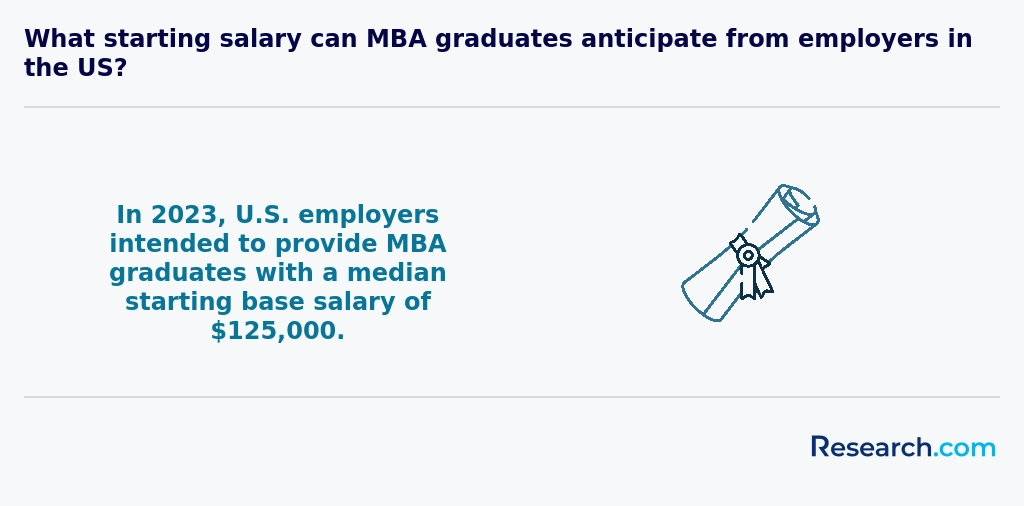
Evaluating the return on investment (ROI) of an MBA program goes beyond tuition costs-it hinges on alumni outcomes, career progression, and the payback period. In Phoenix, graduates from top institutions report an average salary increase of 35% within two years of graduation, with many recouping their tuition in under five years. This rapid payback is driven by strong employer demand in sectors such as technology, healthcare, and consulting. Key alumni success metrics include:
- Median Starting Salary: $85,000–$110,000, depending on specialization and prior experience.
- Promotion Rate: 62% of graduates receive a promotion or significant role change within 18 months.
- Leadership Positions: 48% attain managerial or executive roles within three years of graduation. Beyond numbers, Phoenix alumni frequently cite two factors as catalysts for their success: an expansive professional network fostered through cohort-based projects, and hands-on learning via industry partnerships. One recent graduate described how a capstone project with a local fintech startup led directly to a full-time job offer. To further refine your ROI comparison, explore cost-effective MBA pathways in other regions. For instance, our Inexpensive Online Master's in MBA Degree Programs Ranking in New Jersey offers insights into programs with lower tuition and comparable alumni outcomes, helping you make an informed decision on both quality and affordability.
What financial aid is available to MBA degree students in Phoenix?
Many MBA students in Phoenix find significant support through federal student aid programs like Direct Unsubsidized Loans and Grad PLUS Loans, which have relieved financial pressure for graduates from Arizona State University's W. P. Carey School of Business. One graduate remembers how applying through FAFSA made loan approval smoother and more affordable, allowing focus on studies instead of constant financial worry.
Scholarships and merit-based grants are common lifelines, especially at local institutions. Phoenix MBA candidates often share stories of securing awards that recognize leadership and work experience, which helped turn the prospect of graduate studies from daunting to achievable. Employers in Phoenix are increasingly stepping up with tuition assistance, encouraging professionals to enhance skills without bearing full program costs, a benefit many find motivating and career-advancing.
Fellowships and assistantships, though limited, occasionally provide graduate stipends while fostering practical experience. Additionally, private lenders with special ties to Phoenix's banking community sometimes offer manageable private loans when federal aid falls short-allowing students to stay local and focused on their ambitions.
Valuable Resources for MBA Aspirants in Phoenix, AZ
When considering an MBA program in Phoenix, AZ, it's essential to explore resources that can enhance your educational journey and career prospects. For those interested in learning more about the most valuable MBA programs in the state, visiting valuable mba programs in arizona can provide valuable insights into the top programs available, helping you make informed decisions about your future. Additionally, looking into career services, networking opportunities, and alumni support can offer a well-rounded understanding of what to expect from an MBA program in Phoenix. By leveraging these resources, you can set yourself up for success and make the most of your MBA experience.
What are the prerequisites for enrolling in MBA degree program in Phoenix?
Enrolling in an MBA program in Phoenix typically requires a bachelor's degree from an accredited institution, often in fields like business, economics, or engineering, though graduates from diverse backgrounds have successfully adapted by demonstrating strong analytical skills. Many MBA hopefuls from universities such as Arizona State University share how submitting competitive GMAT or GRE scores played a crucial role in their acceptance, reflecting the emphasis Phoenix programs place on these standardized assessments.
Work experience remains a cornerstone prerequisite, with most programs expecting two to five years in relevant roles. Graduates frequently recall how their real-world business challenges enriched class discussions and case studies, making their academic journey feel practical and immediately rewarding. Executive candidates often bring more than five years of managerial experience, highlighting leadership growth before entering classrooms.
Letters of recommendation and personal statements also matter significantly. Many applicants find these elements essential for expressing their unique career visions and ambitions, connecting their past achievements to future goals in a way that resonates with Phoenix admissions committees.
Calculating Return on Investment for an MBA in Phoenix, AZ
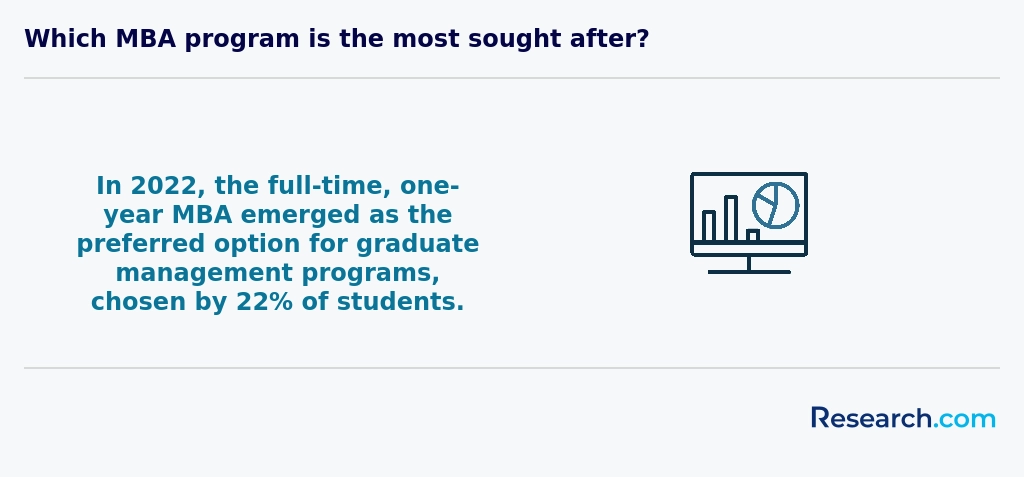
When evaluating an MBA program, understanding your return on investment (ROI) is essential. In Phoenix, the average total cost of an MBA-including tuition, fees, and living expenses-ranges from $30,000 at public institutions to over $120,000 at private schools. Given that MBA graduates in the region report starting salaries between $70,000 and $100,000, with mid‐career earnings often exceeding $115,000, the typical payback period falls between 1.5 and 3 years. By comparing program costs against projected salary hikes, you can estimate your net gain and make a data‐driven choice. To calculate your personal ROI, consider not only tuition but also opportunity costs-such as lost wages during full‐time study-and potential financial aid. A simplified formula: (Incremental Earnings × Working Years) – (Total Program Cost + Opportunity Cost). For example, an ASU graduate who sees a $30,000 salary bump and works for 20 years could realize an additional $600,000 in earnings. Even after accounting for a $60,000 program cost, that nets $540,000, translating to an impressive ROI. Benchmarking against affordable programs nationwide can further refine your analysis. For those weighing tuition costs against earning potential, our Inexpensive Online Master's in MBA Degree Programs Ranking in New Jersey offers valuable insights into cost‐effective options and helps set realistic ROI expectations. Ultimately, a high ROI stems from selecting a program that balances cost, reputation, and career outcomes. By crunching the numbers upfront, you’ll be armed with the clarity needed to choose the MBA experience in Phoenix that maximizes both your financial and professional growth.
What courses are typically in MBA degree programs in Phoenix?
MBA programs in Phoenix typically include foundational courses that prepare students for leadership in a rapidly evolving business landscape. Graduates often recall how accounting and finance classes at local schools helped them master real-world skills like analyzing financial statements and managing investment risks, useful whether launching a startup or advancing in corporate finance.
Marketing and operations management courses stand out, especially in Phoenix's competitive market. Students experience hands-on projects that simulate market research and supply chain challenges, building confidence to tackle complex business problems. For instance, those studying at Arizona State University's W. P. Carey School of Business find electives in data analytics and innovation particularly empowering, reflecting the city's growing tech sector.
Leadership and organizational behavior classes resonate strongly, emphasizing teamwork and negotiation within scenarios that feel immediately applicable. Many graduates mention how discussions on corporate social responsibility sparked their enthusiasm to lead ethically in diverse industries.
Electives in entrepreneurship and healthcare management also allow Phoenix MBA students to tailor their education to emerging industry trends, making the curriculum both practical and inspiring for future-focused careers.
What types of specializations are available in MBA degree programs in Phoenix?
MBA degree specializations in Phoenix are evolving dynamically to reflect local economic growth and innovation. Graduates from prominent universities in the city often highlight how Finance and Healthcare Management specializations prepare them to excel in Phoenix's expanding financial sector and thriving healthcare industry. Many MBA candidates find that programs focusing on Technology Management and Real Estate and Urban Development provide practical skills aligning with the city's fast-paced tech startups and booming property market.
Future trends suggest increased emphasis on interdisciplinary concentrations, such as combining Marketing with digital analytics or integrating entrepreneurship with supply chain management. Learners appreciate the flexibility to customize their paths in response to emerging industries. For example, graduates mention how projects at well-known Phoenix colleges helped them solve real-world challenges, enhancing their confidence and job readiness.
Students seeking a deeper understanding of these evolving options can explore the easiest mba program to complete in the region, ensuring they find a specialization that fits both ambition and lifestyle.
The best MBA concentration options Phoenix offers not only focus on traditional fields but also provide leadership and innovation opportunities that match the city's future economic landscape.
How do you choose the best MBA degree in Phoenix?
When deciding on the best MBA programs in Phoenix, think beyond traditional formats and explore flexible options like hybrid or fully online courses offered by top schools such as Arizona State University's W. P. Carey School of Business. Graduates often share how balancing evening classes with full-time jobs has made their educational journey rewarding without sacrificing career momentum. Consider how the city's growing industries can align with your MBA focus-entrepreneurship or technology specializations thrive in Phoenix's evolving economic landscape.
Affordability also plays a key role. Many students appreciate the more accessible tuition rates at local public universities compared to national averages. For those budgeting carefully, exploring options highlighted in rankings like the Inexpensive Online Master's in MBA Degree Programs Ranking in New Jersey can provide useful insights, even while researching programs in Phoenix.
Your choice should emphasize schools with strong alumni networks and career support in Phoenix, helping you connect with local employers and gain a foothold in finance, healthcare, or tech sectors. Past students often describe this networking as a pivotal factor in landing competitive roles, showing that an MBA here isn't just about knowledge but the doors it opens.

What career paths are available for MBA degree students in Phoenix?
Graduates from popular Phoenix universities often find themselves stepping into dynamic corporate management roles, such as project or operations management, where they lead teams and shape company strategy. Many appreciate how studying in Phoenix's vibrant economic environment prepares them for these challenges with real-world projects and networking opportunities. The best MBA jobs Phoenix AZ frequently include leadership positions in healthcare administration, given the region's expanding medical facilities, allowing graduates to blend business savvy with practical impact.
Finance also remains a lucrative avenue, with alumni working as financial analysts or risk managers in the city's growing financial sector. MBA students from Phoenix colleges often highlight their ability to translate classroom theories into financial advisory roles that influence local business growth. With Phoenix's rising technology industry, graduates increasingly pursue careers in product management and strategic planning, fueled by the innovation-friendly culture on campus.
Entrepreneurship holds strong appeal; many MBA career opportunities in Phoenix inspire graduates to launch startups supported by local incubators. For those mindful of program costs, institutions often offer pathways aligned with affordable programs like a cheap accelerated bachelor's degree online, enabling a smoother transition to advanced studies and future business leadership.
What is the job market for MBA degree in Phoenix?
The job market for MBA degree holders in Phoenix is vibrant, with many graduates from local universities quickly finding roles in finance, healthcare, and technology sectors. Employment outlook for MBA graduates Phoenix shows strong demand in companies like Banner Health and American Express, which frequently recruit from programs at institutions such as Arizona State University's W. P. Carey School of Business. Many graduates share how their education prepared them to step confidently into strategic roles amid Phoenix's expanding business scene.
As urban growth fuels industries like construction and real estate development, MBA holders find themselves well-positioned to take on leadership roles, especially with growing startups and established firms in the metropolitan area. Competitive starting salaries and Phoenix's lower living costs add to the appeal for students weighing future opportunities. The financial commitment to an MBA here aligns with national standards, but many students reduce costs through scholarships or employer sponsorships, making it more accessible.
For those still choosing a path, comparing MBA programs in Phoenix with other options like the easiest bachelor's degree to get helps clarify personal goals, blending ambition with practical career planning.
Frequently Asked Questions About MBA
MBA students in Phoenix can maximize their learning experience by actively engaging with local business networks and internship opportunities. The city's strong economy, particularly in finance, healthcare, and technology sectors, provides ample chances to gain practical experience alongside academic study. According to the Greater Phoenix Economic Council, over 40% of MBA graduates find employment within six months of graduation when involved in internships or cooperative education programs.
Additionally, students should leverage resources offered by Phoenix's business schools, such as mentorship programs and professional development workshops. Networking events hosted by institutions like Arizona State University's W. P. Carey School of Business connect students with industry leaders, enhancing career prospects.
Finally, balancing coursework with real-world projects and case studies tailored to Phoenix's market challenges helps deepen understanding and develop skills relevant to regional employers.
The MBA landscape in Phoenix is evolving, with emerging niches reflecting broader economic trends and industry demands. Specializations in technology management and data analytics are gaining momentum, driven by Phoenix's growing tech sector, which has expanded by over 15% in recent years according to the Greater Phoenix Economic Council.
Additionally, healthcare administration is a prominent niche due to the city's expanding medical industry, making up a significant portion of local employment. Sustainability-focused MBAs are also increasingly popular, reflecting companies' growing emphasis on environmental responsibility.
Programs offering expertise in entrepreneurship and innovation management cater to Phoenix's rising startup ecosystem, with many graduates benefiting from connections to local incubators and investors.
After completing an MBA degree in Phoenix, preparing for the job market involves several strategic steps. Graduates should leverage the strong local business network, including connections with major employers such as Banner Health, Freeport-McMoRan, and American Express, which often value MBA-trained professionals. Participating in networking events hosted by the Greater Phoenix Chamber of Commerce can increase visibility and job prospects.
Developing practical skills like data analysis and digital marketing, in addition to leadership abilities emphasized in MBA programs, is crucial. According to the U.S. Bureau of Labor Statistics, roles for MBA graduates in Arizona are expected to grow steadily through 2028.
Utilizing career services at institutions such as Arizona State University can provide tailored resume support and interview preparation.
Employers in Phoenix highly value MBA graduates who demonstrate strong leadership and effective communication skills. According to the Graduate Management Admission Council (GMAC), 87% of employers seek candidates who can lead teams and manage projects efficiently. Analytical thinking and problem-solving are also critical, with 83% emphasizing data-driven decision making.
Local business surveys indicate that knowledge of financial management and strategic planning ranks among the top skills for MBA holders entering Phoenix's competitive job market. Additionally, adaptability and technological proficiency, especially in data analytics tools, are increasingly important as companies embrace digital transformation.
Overall, employers favor MBA graduates who combine traditional business acumen with innovation and interpersonal skills.
Finding internships relevant to an MBA degree in Phoenix involves leveraging multiple local resources and networks. Phoenix hosts a growing business community, including finance, healthcare, and technology sectors, which offer diverse internship opportunities. According to the Greater Phoenix Chamber of Commerce, large firms such as American Express and Banner Health actively seek MBA candidates for internships.
University career centers at schools like Arizona State University provide job boards, employer fairs, and networking events tailored for MBA students. Additionally, platforms such as Handshake and LinkedIn feature regional internship listings. Engaging with professional organizations like the Phoenix MBA Association can also help students connect directly with industry leaders and alumni mentors.
In Phoenix, earning an MBA degree significantly enhances career mobility and advancement opportunities. The city's growing economy, anchored by sectors like technology, healthcare, and finance, values the advanced business skills that MBA graduates bring. According to the U.S. Bureau of Labor Statistics, management positions in Phoenix are projected to grow faster than the national average through 2030, positively impacting MBA holders.
Employers in Phoenix often seek candidates with strong leadership and strategic thinking capabilities, which MBA programs emphasize. Data from the Graduate Management Admission Council (GMAC) highlights that 75% of MBA graduates in the Southwest region report promotions within three years of graduation. This trend shows that local companies recognize the degree's value in preparing professionals for higher responsibility roles.
The networking connections fostered during MBA studies also play a crucial role in career advancement. Phoenix's active business community and numerous professional events provide fertile ground for building relationships that can lead to job offers and partnerships. Overall, an MBA degree in Phoenix is a well-regarded credential that supports upward career movement in diverse industries.
Studying for an MBA degree in Phoenix equips students with skills essential for interdisciplinary roles by combining business fundamentals with diverse industry knowledge. Phoenix's MBA programs often emphasize teamwork, leadership, and communication across fields such as technology, healthcare, and finance, reflecting the region's growing economy.
According to the 2023 Arizona Board of Regents report, over 60% of local MBA graduates engage in positions requiring cross-functional expertise within two years of graduation. Many Phoenix universities integrate experiential learning and case studies from multiple sectors, preparing students to manage complex business challenges.
These programs also foster adaptability and strategic thinking, key qualities for interdisciplinary leadership.
Choosing between a thesis and a non-thesis MBA program in Phoenix depends on your career goals and learning preferences. A thesis MBA typically involves independent research and writing a substantial paper, which benefits students interested in academic careers or specialized expertise. Non-thesis programs focus more on coursework and practical skills preferred by working professionals aiming to advance their careers more quickly.
In Phoenix, many MBA programs offer both options. According to the U.S. News & World Report, thesis options are less common but available at research-focused universities. Non-thesis tracks often allow faster completion, which suits those balancing work and study.
Consider your long-term plans, time availability, and whether you prefer research over hands-on learning when deciding.
Students based in Phoenix who wish to study for an MBA abroad have a variety of options, including enrolling in international institutions with partnerships or exchange programs affiliated with Arizona-based universities. Arizona State University (ASU), located in the Phoenix metropolitan area, offers collaboration opportunities with globally ranked business schools that enable students to spend portions of their MBA studies overseas.
Additionally, online and hybrid MBA programs often include international study components, making global exposure accessible without relocating full-time. According to the Graduate Management Admission Council's 2023 report, nearly 40% of MBA candidates in the US consider programs with international study elements.
Prospective students should also explore programs accredited by AACSB, as many US and international schools offer dual degrees or joint credentials tailored for those in Phoenix seeking global business education.
Part-time jobs in Phoenix that complement MBA studies often align with roles in finance, marketing, and management. Positions such as financial analyst assistants or marketing coordinators provide practical experience relevant to coursework. Local businesses and startups in Phoenix's growing economy frequently seek interns or part-time employees who understand business fundamentals.
Additionally, roles in consulting firms or nonprofit organizations offer exposure to strategic planning and operations management. According to the Greater Phoenix Economic Council, sectors like healthcare and professional services consistently hire part-time workers with strong business acumen.
The median wage for part-time jobs in relevant fields ranges between $15 and $25 per hour, providing both income and valuable experience for MBA students.
Networking opportunities for MBA students in Phoenix are robust, supported by the city's growing business community and strong ties to local universities. Institutions like Arizona State University's W. P. Carey School of Business offer frequent networking events, career fairs, and mentorship programs connecting students with executives from top companies in Phoenix.
Additionally, the Greater Phoenix Chamber of Commerce hosts business mixers and professional development workshops that are popular among MBA candidates. According to a 2023 report from the Phoenix Business Journal, over 70% of MBA students in Phoenix participate in such local networking events to build meaningful professional relationships.
Industry-specific organizations, such as the Phoenix MBA Association, also facilitate peer networking and speaker sessions that enhance students' access to local business leaders and entrepreneurs.
Alumni networks offer significant advantages to MBA students in Phoenix by providing access to a broad professional community. Graduates from Phoenix-area MBA programs often cite connections made through alumni as vital for career advancement and job placements. According to the Graduate Management Admission Council, nearly 85% of MBA alumni nationally credit their network with aiding in employment opportunities.
In Phoenix, these networks can connect students with local industries such as healthcare, finance, and technology, which dominate the regional economy. Alumni events, mentoring programs, and online platforms enable students to gain insider knowledge and career advice. Strong alumni ties also help with business partnerships and entrepreneurship, enhancing post-MBA success.
Customizing an MBA degree program in Phoenix allows students to align education with their unique career goals. Many local business schools offer concentrations such as finance, marketing, entrepreneurship, or healthcare management to help learners specialize. In addition, students can often choose between full-time, part-time, or online formats, providing flexibility for working professionals.
Internships and networking opportunities within Phoenix's growing business community, including sectors like technology and manufacturing, enhance practical learning. According to the Graduate Management Admission Council, 65% of MBA graduates in the U.S. note that tailored coursework improves job placement success. Collaborating with academic advisors helps ensure the curriculum meets individual professional aspirations.
MBA students in Phoenix commonly face challenges related to balancing rigorous coursework with work and family responsibilities. Many students in the area are working professionals, which makes time management essential but difficult.
Another issue is the high cost of MBA programs. According to the National Center for Education Statistics, graduate tuition in Arizona averaged around $12,000 per year, which can be a significant financial burden, especially without employer sponsorship.
Additionally, networking opportunities may be limited compared to larger metropolitan areas, which can affect career advancement prospects. Students often need to actively seek out industry events to build connections.
With an MBA degree in Phoenix, graduates can pursue several professional certifications that enhance career prospects. Popular options include the Project Management Professional (PMP) certification, valued across industries for leadership and organizational skills. The Certified Public Accountant (CPA) credential is another route, especially for MBAs focused on finance or accounting. Additionally, the Certified Management Accountant (CMA) designation complements MBA studies in financial management and strategy.
For those interested in human resources, the Society for Human Resource Management (SHRM) offers certifications suitable for MBA holders. According to the Graduate Management Admission Council, 40% of MBA graduates pursue certifications to boost employability. Local Phoenix institutions often support exam preparation, reflecting a regional emphasis on professional development.
To write a winning application for an MBA program in Phoenix, start by thoroughly researching the specific schools such as Arizona State University's W. P. Carey School of Business. Highlight your professional experience and clearly explain your career goals in your personal statement. Admissions committees value leadership skills, so provide concrete examples demonstrating this quality. Ensure your resume is concise and tailored to business education.
Standardized test scores like the GMAT or GRE may be required; aim for scores above the Phoenix MBA average, around 600-650 GMAT, to improve competitiveness (Graduate Management Admission Council, 2023).
Strong recommendation letters from supervisors or professionals familiar with your work also enhance your application. Lastly, prepare thoroughly for interviews by practicing common questions and articulating why Phoenix's MBA programs fit your career path.
Globally, an MBA degree is viewed as a valuable asset for advancing business leadership careers. In the United States, including Phoenix, MBA graduates often see increased earning potential and greater opportunities for senior management roles. According to the Graduate Management Admission Council (GMAC), nearly 89% of MBA graduates report career advancement within three years of graduation.
Many employers in Phoenix value the strategic thinking and global business insights MBA holders bring. Programs in Phoenix often emphasize practical skills with international business components, responding to the globalized economy. This focus aligns with trends reported by the U.S. Bureau of Labor Statistics, showing management occupations growing by 7% from 2021 to 2031.
Moreover, MBA degrees foster a network that crosses geographic borders, critical for professionals aiming for a global career. This networking potential is highly regarded by recruiters and helps graduates access multinational corporations and consulting firms based in Phoenix.
Gaining practical experience while studying for an MBA degree in Phoenix is achievable through various opportunities that complement academic learning. Many Phoenix universities with MBA programs, such as Arizona State University's W. P. Carey School of Business, emphasize internships integrated into their curriculum. These internships provide students hands-on exposure to industries prevalent in Phoenix, like finance, technology, and healthcare.
Additionally, MBA students can participate in consulting projects and case competitions hosted by local businesses. These activities allow students to tackle real-world business challenges, enhancing their problem-solving skills.
Networking events and workshops are also common in the Phoenix business community, offering valuable connections. According to the Greater Phoenix Economic Council, over 19,000 businesses are headquartered in the area, increasing opportunities for practical engagement during study.
Choosing the right concentration within an MBA program in Phoenix depends on your career goals and local market demand. Popular concentrations include finance, marketing, healthcare management, and technology.
Research shows Phoenix's economy is growing rapidly in sectors like healthcare and technology, making those concentrations potentially more valuable. For example, healthcare employs over 12% of the workforce in the metro area, according to the Greater Phoenix Economic Council (GPEC).
Consider your professional background and which skills employers seek. Networking with local alumni and attending university events can provide insight into industry trends.
Lastly, evaluate program flexibility and internship opportunities tied to your concentration, ensuring practical experience in Phoenix's competitive job market.
Related MBA Rankings for Nearby Cities
- 2027 Most Valuable MBA Degree Programs Ranking in Tucson
- 2027 Most Valuable MBA Degree Programs Ranking in Riverside
- 2027 Most Valuable MBA Degree Programs Ranking in San Diego
- 2027 Most Valuable MBA Degree Programs Ranking in Irvine
- 2027 Most Valuable MBA Degree Programs Ranking in Fullerton
- 2027 Most Valuable MBA Degree Programs Ranking in El Paso
- 2027 Most Valuable MBA Degree Programs Ranking in Los Angeles
- 2027 Most Valuable MBA Degree Programs Ranking in Fresno
- 2027 Most Valuable MBA Degree Programs Ranking in Salt Lake City
- 2027 Most Valuable MBA Degree Programs Ranking in Colorado Springs
Top Trending MBA Rankings
References
- Why MBA Graduates Embrace Global Perspectives for Career Growth https://www.thehighereducationreview.com/editors-guest/why-mba-graduates-embrace-global-perspectives-for-career-growth-nid-6271.html
- Federal Financial Aid Plan for College - University of Phoenix https://www.phoenix.edu/tuition-financial-aid/federal-financial-aid.html
- Master of Business Administration (M.B.A.) Major in Business Administration (General Flex Non-thesis Option) https://mycatalog.txstate.edu/graduate/mccoy-business-administration/business-genflex-nonthesis-mba/
- Financial Aid | OEDB.org https://www.oedb.org/financial-aid/
- What Can You Do with an MBA in Today’s Market? | Elmhurst University Elmhurst University Blog https://www.elmhurst.edu/blog/what-can-you-do-with-an-mba-in-todays-market/
- 5 Tips on How to Choose the Best MBA Concentration https://www.pointloma.edu/resources/business-leadership/5-tips-how-choose-best-mba-concentration
- Why Alumni Networks Matter in Business School: 7 Reasons https://europe.ceibs.edu/article/why-alumni-networks-matter-business-school
- 6 Tips to Make the Most of Your MBA Experience https://mbaschooled.com/2020/01/14/6-tips-to-make-the-most-of-your-mba-experience/
- How an MBA gives you an international vision and helps you make smart decisions - AEEN https://www.aeen.org/how-an-mba-gives-you-an-international-vision-and-helps-you-make-smart-decisions/
- Lessons learned: one year into pursuing an MBA while balancing full-time work - Franz Vitulli https://franzvitulli.com/mba-work/


