
2027 Most Valuable MBA Degree Programs Ranking in Iowa

Co-Founder and Chief Data Scientist
Choosing the right MBA program can feel overwhelming, especially with so many options in Iowa. This article introduces the 2027 Most Valuable MBA Degree Programs Ranking in Iowa, created by the Research.com team of data scientists to guide you in making an informed decision.
By exploring this ranking, you'll discover programs that offer strong career prospects and valuable skills. An MBA can open doors, boost confidence, and enhance your professional journey.
Whether you're advancing your career or switching fields, this insight helps you find the best fit for your goals.
Key benefits of getting MBA degree in Iowa
- MBA graduates in Iowa often pursue roles like financial managers or marketing managers, with average salaries around $134,000 and $142,000 respectively nationwide, reflecting strong earning potential.
- A typical MBA graduate from an Iowa university can explore diverse career paths such as consulting, finance, and business leadership, offering exciting opportunities to grow and make an impact.
- Completing an MBA degree online from a well-known Iowa university provides flexibility and convenience, allowing students to balance work and study while gaining valuable skills from anywhere.
- 2027 Most Valuable MBA Degree Programs Ranking in Iowa
- What can I expect from MBA degree in Iowa?
- Where can I work with MBA degree in Iowa?
What can I expect from MBA degree in Iowa?
The average cost of pursuing an MBA degree in Iowa typically falls between $25,000 and $40,000 for in-state students, covering the entire program duration. Graduates from well-known institutions like the Tippie College of Business at the University of Iowa often recall balancing their finances carefully while appreciating the in-state tuition benefits. This cost efficiency allows many to focus on gaining leadership skills without excessive financial stress.
Many students from Iowa State University share that the value they received-through specialized tracks like supply chain management-felt well worth the investment, especially as programs balance affordability with quality education. These costs generally include tuition alone, with additional fees and living expenses adding to the total, though flexible program formats help manage these commitments effectively.
Looking ahead, evolving MBA offerings across Iowa may integrate more hybrid and online options, potentially adjusting cost structures and enabling students to customize both their finances and learning pace while staying connected to Iowa's vibrant local economy.
Where can I work with MBA degree in Iowa?
Graduates from MBA programs at universities like the University of Iowa or Drake University often find themselves stepping into dynamic roles within Iowa's flourishing finance and insurance sectors. Imagine an MBA graduate collaborating with teams at Principal Financial Group in Des Moines, shaping strategies that impact millions. Such experiences are common and highly rewarding, reflecting the state's strong financial industry presence.
Manufacturing hubs like those around Cedar Rapids offer MBA holders opportunities to lead projects that enhance supply chains or improve production efficiency. Many graduates recount the excitement of implementing cost-control initiatives at companies such as Rockwell Collins. These roles blend business acumen with hands-on leadership, creating a fulfilling career path.
Health systems affiliated with top Iowa hospitals welcome MBAs to drive operational improvements and strategic growth. Graduates involved in healthcare administration share satisfaction in elevating patient care through innovative management. It's a field where business skills translate directly to community impact.
Finally, Iowa's emerging technology startup scene provides avenues for MBAs to spearhead innovation, from marketing new solutions to launching ventures. Many alumni express enthusiasm for contributing to this vibrant ecosystem, emphasizing the blend of creativity and leadership their degrees foster.
Graduates from MBA programs at Iowa's well-regarded universities often find themselves stepping into roles with salaries ranging broadly between $85,000 and $130,000 annually. For instance, those entering finance or healthcare management sectors in Des Moines commonly report salaries near $120,000, reflecting strong regional demand.
Many MBA alumni recall their first roles at mid-sized companies starting around $70,000, which grow rapidly as they gain experience and managerial responsibilities. It's not uncommon for those working in manufacturing or technology hubs around Cedar Rapids to see their incomes climb well above $110,000 within a few years, especially when leading teams or projects.
The exciting future for MBA graduates in Iowa includes expanding opportunities in industries embracing innovation and digital transformation. Whether through evening or online programs, students from Iowa State University or the University of Iowa report a sense of optimism that their degrees provide compelling career leverage in the state's evolving business landscape.
This dynamic environment means MBA holders can anticipate steady financial growth that often surpasses the typical bachelor's degree earners, empowering them to achieve meaningful leadership positions and enhanced earning potential.
- In Iowa, in-state MBA tuition at public universities ranges from $25,000 to $45,000, while private schools can charge over $50,000, excluding books and living expenses.
- Many schools provide scholarships, assistantships, and employer tuition reimbursement to help reduce the cost of an MBA program.
- Entry-level MBA salaries in Iowa typically range from $60,000 to $75,000 per year, with experienced graduates earning $100,000 or more within five to ten years.
- The Iowa job market for MBA graduates includes strong sectors like finance, healthcare administration, technology, manufacturing, agribusiness, and financial services.
- MBAs in Iowa generally face lower unemployment rates compared to those with only undergraduate degrees and have access to executive and specialized business roles.
Completing an MBA degree in Iowa typically takes between one and four years, depending on the chosen format. Graduates from the University of Iowa Tippie College of Business often share how the full-time program's 21 to 24 months flew by, helped by summer courses that kept momentum steady and rewarding. Those balancing work alongside studies, often enrolled part-time at institutions like Iowa State University, appreciate the flexibility spread over three to four years, enabling them to absorb knowledge without sacrificing income or family time.
Accelerated MBA pathways, increasingly popular among focused professionals, allow completion in as little as 12 to 18 months, ideal for those eager to fast-track their careers with an intense, immersive experience. Online MBA students, mirroring part-time schedules, often find the adaptability invaluable, with completion timelines from 18 months to three years fitting diverse personal circumstances. These evolving options showcase Iowa's adaptability, empowering future MBA students to confidently tailor program length to their goals and lifestyles.
Investing in an MBA is as much a financial decision as an educational one, and understanding the ROI can guide prospective students toward the programs that deliver the greatest value. In Iowa, the average total cost of an MBA-factoring in tuition, fees, and living expenses-ranges from $50,000 to $100,000. Graduates across top institutions report median starting salaries between $75,000 and $95,000, resulting in a payback period of roughly 1 to 2 years. Key ROI considerations: • Salary Premium: MBA holders in Iowa earn on average 25% more than peers with only a bachelor’s degree. • Payback Period: At a $90,000 program cost and $90,000 starting salary, the investment recoups within 18–24 months. • NPV Analysis: Discounting future earnings at a 5% rate shows a positive net present value over a ten-year career horizon. To maximize ROI: – Prioritize programs with strong career services and employer partnerships. – Leverage internships and capstone projects to secure high-paying roles upon graduation. – Explore scholarships and assistantships to lower upfront expenses. For students seeking cost-effective alternatives without sacrificing credibility, consider our sister ranking on Inexpensive Online Master's in MBA Degree Programs Ranking in Gainesville, GA, which highlights programs with the lowest tuition and proven outcomes.
Graduates from on-campus MBA programs at schools like the University of Iowa often describe the energizing atmosphere of face-to-face classes and spontaneous hallway conversations that spark valuable connections. Being physically present fosters deeper engagement during group projects and networking events hosted by campus organizations, creating a dynamic learning environment.
In contrast, online MBA graduates from institutions such as Drake University appreciate the flexibility to balance their studies with careers and family life. They highlight the freedom to complete coursework asynchronously, allowing them to absorb material at their own pace without missing important personal or professional moments.
Looking ahead, the blending of virtual reality and hybrid models could redefine these experiences, enabling even richer networking and collaboration regardless of location. Iowa's AACSB-accredited programs are already exploring such innovations, helping students feel connected while benefiting from the convenience of remote learning.
Both paths share a commitment to rigorous academic standards, but the choice hinges on whether a student values the traditional campus vibe or the adaptability of digital classrooms tailored to modern lifestyles.
The average MBA degree cost in Iowa currently centers around a median of $47,500, with in-state students typically paying closer to $34,762. Graduates from well-known programs like the University of Iowa's Tippie College of Business often recall managing costs carefully while benefiting from the strong network and career support these schools provide. The total cost of MBA programs Iowa reflects a balance that many students find encouraging - quality education without the overwhelming financial strain seen in some other states.
Many students appreciate how in-state tuition significantly reduces expenses compared to out-of-state rates, making institutions like Iowa State University more accessible. Part-time and online programs also present opportunities to continue earning while studying, effectively lowering the overall financial impact. This flexibility is a positive aspect often highlighted by Iowa MBA alumni, who valued maintaining a steady income during their studies.
Private schools such as Drake University offer distinct experiences with costs sometimes approaching $50,000, but graduates frequently emphasize the personalized education and connections that justify this investment. Looking forward, the rising trend of scholarships and employer tuition reimbursement suggests the total cost of an MBA could become even more manageable for prospective students.
Prospective applicants eager to explore options might find guidance by reviewing affordable mba schools in iowa, helping them match their financial goals with quality programs that fit their lifestyle.

Future MBA students in Iowa can look forward to a landscape where financial aid continues evolving to meet their needs. Graduates from the University of Iowa Tippie College of Business often share how federal loans like the Direct Unsubsidized and PLUS Loans provided crucial low-interest support, making full-time study manageable without overwhelming debt. As state and university partnerships deepen, more tailored scholarships and assistantships could emerge, particularly at Iowa State University, where merit-based awards already help reduce tuition and offer valuable hands-on experience through research roles.
Employers in Iowa's core sectors-agriculture, manufacturing, insurance-are increasingly recognizing the value of investing in MBA candidates. Many MBA students working full-time report that tuition reimbursement programs give them confidence to balance studies with career growth. Private scholarships from organizations like the Iowa Society of Certified Public Accountants add another layer of support, often rewarding leadership and commitment to Iowa's economic future.
Imagining the next decade, these layered financial aid options may integrate with digital platforms for greater accessibility, empowering prospective MBA candidates across Iowa to pursue their degrees with better financial clarity and optimism.
, for prospective students seeking to manage their educational expenses without compromising on the quality of their MBA education, exploring affordable options is crucial. This involves not only looking at tuition costs but also considering factors like living expenses, additional fees, and potential financial aid. Many institutions in Iowa offer competitive pricing for their MBA programs, making them attractive to students who want to balance their investment with their career aspirations. For instance, students can research affordable mba schools in iowa to find programs that fit their budget and academic goals. By doing so, they can make informed decisions that align with their financial situation and career objectives, ultimately leading to a more sustainable and fulfilling educational experience.
Enrolling in an MBA program in Iowa, such as those at the University of Iowa or Drake University, often begins with holding a bachelor's degree from an accredited institution. Graduates from diverse fields-whether arts, engineering, or sciences-recall how this flexibility allowed them to bring unique perspectives to their business studies. Many Iowa programs emphasize foundational knowledge, encouraging applicants to have coursework in economics or accounting to build confidence early on.
A competitive GMAT or GRE score remains a common hurdle. Some find the experience nerve-wracking, yet they share how preparing for these exams sharpened their analytical thinking, essential for later coursework. Waivers become more common as programs recognize professional experience as equally valuable, especially for those with two to five years in the workforce, a prerequisite many graduates appreciated for grounding classroom theory in real business scenarios.
Letters of recommendation and personal statements also play a key role. Graduates often describe this as an opportunity to showcase passion and leadership, making the admission process feel personalized and motivating rather than intimidating.
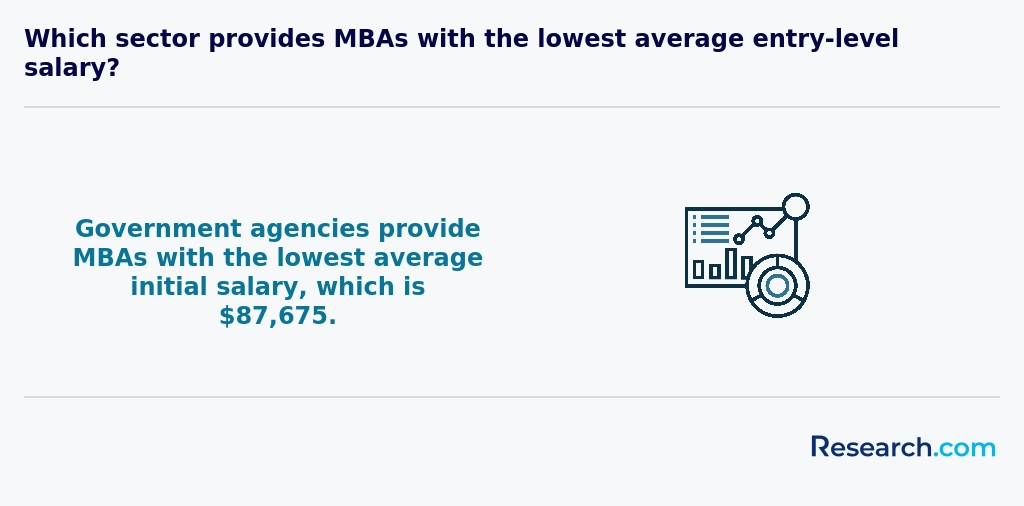
The landscape of MBA education is rapidly evolving, driven by digital transformation and globalization. Emerging trends indicate an increasing emphasis on technology, innovation, and real-world problem solving. Institutions are now incorporating courses on artificial intelligence, data analytics, and sustainability, preparing graduates for the challenges of tomorrow’s business environment. Prospective MBA students can expect curricula that blend traditional business theory with digital fluency and entrepreneurial skills, empowering them to respond to an ever-changing global market. In response to the growing need for flexible learning paths, many universities are expanding their online offerings. For those interested in exploring digital alternatives, check out our in-depth guide to executive mba online usa. This approach not only broadens access to advanced education but also aligns with the modern demands of corporate leadership, where remote work and virtual collaboration are becoming standard practices. As the future unfolds, MBA programs will likely continue to adapt by fostering innovative learning environments that emphasize experiential education. By integrating emerging technologies and forward-thinking strategies, these programs are setting the stage for a new era of business leadership that is both agile and resilient.
In Iowa, MBA students from well-known programs often dive into core courses like Accounting and Financial Reporting, which prepare them to confidently analyze company financials-an essential skill when working with local agribusinesses. Marketing Management classes empower students to craft strategies that resonate with Iowa's diverse consumer base, from urban shoppers in Des Moines to rural communities.
Operations Management teaches graduates how to streamline supply chains, a perfect fit for Iowa's pivotal manufacturing sector. Many students recall applying Organizational Behavior lessons during group projects at universities, gaining emotional intelligence and leadership skills vital for managing teams in both startups and established firms.
Electives increasingly focus on data analytics and sustainable business, reflecting the state's innovation trends. Graduates share how courses in Business Strategy helped them anticipate market changes, preparing them to contribute meaningfully to Iowa's evolving economy.
Overall, the MBA curriculum in Iowa is designed not just for knowledge acquisition but for practical, emotionally rewarding experiences that prepare students for leadership roles statewide.
Iowa's MBA programs offer a diverse range of specializations that reflect both the state's economic strengths and emerging industry trends. Graduates from well-known Iowa universities often speak highly of the Finance specialization, which prepares them for dynamic roles in investment banking and corporate finance, tapping into the state's growing financial sector. Another favorite among students is Marketing, which blends digital strategies with brand management, perfect for Iowa's blend of manufacturing and service-based companies.
For those drawn to Community impact and innovation, Healthcare Management and Agribusiness specializations provide focused paths supported by local industry ties. Many MBA graduates from Iowa State University and the University of Iowa share stories of hands-on learning in Supply Chain and Operations Management, a specialization made relevant by Iowa's key role in U.S. logistics. Students passionate about starting new ventures regularly explore Entrepreneurship tracks, gaining vital support for small business growth.
Exploring the best MBA concentration options Iowa has means considering flexible formats too, like executive mba online usa, which many local students balance alongside their careers.
Choosing the best MBA degree in Iowa is increasingly about envisioning how the program fits into your evolving career and lifestyle. Graduates from the University of Iowa often share how the Tippie College of Business's AACSB accreditation gave them confidence in their education quality, while flexible part-time schedules allowed them to continue working and applying new skills immediately. Many find that programs at institutions like Iowa State University offer valuable specializations aligning with Iowa's economic sectors, making the learning experience feel directly relevant to their ambitions. For those seeking affordability, comparing schools based on residency status and program type ensures better financial planning-this practical approach helps balance cost without sacrificing quality. If you prefer an even more flexible path, exploring options such as the Inexpensive Online Master's in MBA Degree Programs Ranking in Gainesville, GA can provide insights on comparable choices. These considerations, combined with a strong alumni network reported by many Drake University graduates, can inspire confidence that you're investing wisely in your future.
Selecting the best MBA program also means embracing the changing trends in education delivery and career services. Iowa MBA students increasingly value experiential learning, where applying theory to real-world Iowa-based business challenges boosts both skills and job prospects. The blend of reputation, cost, and format flexibility forms the core decision framework for anyone seeking the best MBA programs in Iowa while considering the broad impact on career growth and personal fulfillment.
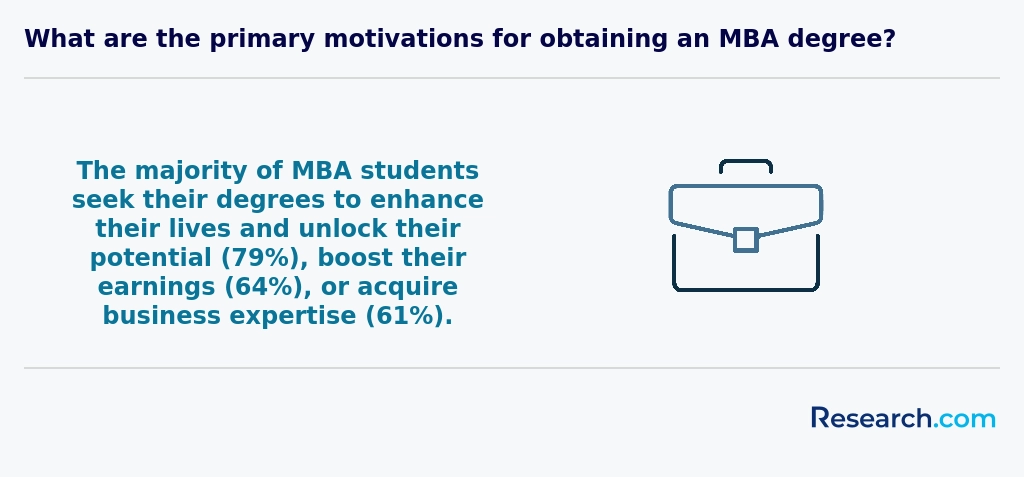
Graduates from well-known Iowa institutions often step into diverse roles that tap into the state's evolving economy. For example, MBA holders find exciting management opportunities in thriving agricultural technology firms or manufacturing companies around Iowa City or Des Moines, where leadership and strategic skills are highly prized. These real-world experiences show how an MBA degree in Iowa aligns well with growth sectors and emerging industry needs, giving graduates confidence and motivation.
Many alumni share stories of diving into financial services with regional banks or insurance firms based in Cedar Rapids, leveraging their MBA training to advance swiftly. These roles reflect one of the key MBA career opportunities in Iowa, combining analytical expertise with practical business insights instilled by Iowa's top MBA programs. The chance to develop skills through internships and local consulting projects makes the journey both challenging and rewarding.
Looking ahead, graduates are drawn to entrepreneurial ventures and consulting, fueled by Iowa's supportive climate for startups and innovation. Students exploring 1 year graduate programs often reflect on the agility their education has instilled, empowering them to navigate rapidly changing markets. This dynamic path captures the essence of top Iowa MBA jobs and salaries, promising fulfilling careers with meaningful impact in their communities.
The job market for MBA degree holders in Iowa offers vibrant opportunities, particularly for graduates of well-known institutions such as the University of Iowa and Iowa State University. Many alumni share how their strong connections with local industries boosted their entry into managerial roles in finance, marketing, and healthcare sectors. This favorable scenario reflects the growing demand for qualified professionals in Iowa's diverse economy, making MBA graduate employment opportunities in Iowa increasingly promising. Graduates often find themselves stepping into leadership positions within Fortune 500 companies headquartered locally, enhancing their career trajectories with hands-on experience and robust networks.
As the state continues expanding sectors like renewable energy and advanced manufacturing, the Iowa job outlook for MBA degree holders looks even brighter. Students appreciate how internships and practical projects during their MBA studies offer real-world insights, setting a positive path toward steady employment after graduation. For those balancing education with other commitments, exploring easy online phd programs can complement their MBA and broaden career options.
2027 Most Valuable MBA Degree Programs Ranking in Iowa
Investing in your education is a significant decision that can profoundly impact your future, and the Research.com team is fully aware of the responsibility involved in providing trustworthy information. To support prospective students considering MBA programs in Iowa, we have carefully developed the "2027 Most Valuable MBA Degree Programs Ranking in Iowa." Our dedication to quality, credibility, and accuracy is grounded in thorough research and rigorous analysis.
We utilized the following reputable data sources to ensure a comprehensive and reliable evaluation:
By consulting this ranking, readers will gain valuable insights into the most worthwhile MBA programs in Iowa, empowering them to make informed educational decisions aligned with their career goals. For a detailed explanation of how this ranking was created, please visit our Research.com methodology page.


# 7 position
Briar Cliff University
Master of Business Administration


Frequently Asked Questions About MBA
Students pursuing an MBA degree in Iowa can enhance their learning by actively engaging with local business communities. Iowa hosts several prominent business hubs, including Des Moines, where internships and networking can offer practical experience. According to the Iowa Association of Business and Industry, approximately 98% of MBA graduates in Iowa find relevant employment within six months, highlighting the value of local connections.
Another strategy is to participate in experiential learning opportunities such as consulting projects or case competitions offered by universities like the University of Iowa. These real-world applications deepen understanding of business concepts.
Additionally, leveraging online resources and local alumni networks can provide students with mentorship and career growth guidance.
The MBA field is evolving rapidly, with emerging niches reflecting changes in business needs and technology. In Iowa, specialized MBA programs increasingly focus on areas such as data analytics, supply chain management, and sustainability. For example, as Iowa's economy relies heavily on agriculture and manufacturing, an MBA with expertise in supply chain optimization is becoming highly valuable.
According to the National Center for Education Statistics, around 15% of MBA graduates in Iowa in recent years concentrated in analytics or operations management.
Another growing niche is entrepreneurship, supported by Iowa's expanding startup ecosystem, particularly in cities like Des Moines and Cedar Rapids.
These focused MBA tracks enable students to gain skills tailored to regional industry demands and enhance their career prospects.
Preparing for the job market after earning an MBA in Iowa involves strategic planning and leveraging local resources. Graduates should begin by networking within Iowa's strong industries such as finance, insurance, and manufacturing, which frequently seek MBA holders. According to the Iowa Workforce Development report (2023), MBA graduates typically experience a 10-15% higher employment rate within six months post-graduation compared to other degrees.
Internships and cooperative education programs available through Iowa universities can enhance practical skills and increase job prospects. Attending career fairs hosted by schools like the University of Iowa or Drake University connects candidates with regional employers. Moreover, earning relevant certifications, such as Six Sigma or Project Management Professional (PMP), may improve competitiveness.
Finally, staying informed about Iowa's evolving business landscape and local economic trends is crucial for aligning job search efforts effectively.
Employers in Iowa value MBA graduates who demonstrate strong leadership and strategic thinking skills. According to the Iowa Workforce Development report (2023), over 70% of businesses in the state prioritize candidates who can lead diverse teams effectively.
Analytical ability is another key skill, as Iowa's industries increasingly rely on data-driven decision-making. The Bureau of Labor Statistics highlights that MBA holders with expertise in data analytics earn an average of 15% higher salaries in the Midwest region.
Communication skills remain essential for MBA graduates, particularly in bridging technical knowledge with business strategies. Employers also seek adaptability, especially given Iowa's evolving economic landscape influenced by technology and agriculture sectors.
Finding internships in Iowa relevant to an MBA degree involves strategic approaches tailored to local industries. Start by leveraging university career centers, which often partner with regional companies in finance, insurance, agriculture, and technology sectors. For instance, the University of Iowa and Iowa State University offer extensive internship databases specific to MBA students.
Online platforms like Handshake and LinkedIn list Iowa internships; filtering by location and MBA relevance can help narrow options. According to the Iowa Economic Development Authority, industries like banking and manufacturing actively recruit interns, providing practical business experience.
Networking events and local chapters of organizations such as the Iowa Chamber of Commerce also support connections between MBA students and employers in the state.
An MBA degree in Iowa significantly enhances career mobility and advancement opportunities for professionals. According to the U.S. Bureau of Labor Statistics, Iowa's growing industries such as finance, insurance, and manufacturing highly value the leadership and strategic skills developed through MBA programs. Graduates often see faster promotion rates and access to higher-level management roles. For example, a 2023 study by the Iowa Workforce Development found that MBA holders in Iowa earn on average 20% more than their non-MBA peers within five years of graduation.
Local employers increasingly prefer candidates with MBA credentials, especially from regionally accredited schools. This credential signals strong business acumen, critical thinking, and project management abilities, all key to leadership roles. MBA programs in Iowa also offer networking with local business leaders, enhancing professional connections that support career advancement.
Studying for an MBA degree in Iowa equips students with skills essential for interdisciplinary roles by integrating knowledge from various business disciplines. Iowa's MBA programs often emphasize collaboration across fields such as finance, marketing, operations, and information systems. According to the Iowa Department of Education, many institutions incorporate practical projects and case studies that require working with diverse teams.
These programs also focus on leadership and communication skills, making graduates adaptable to cross-functional business environments. The University of Iowa's Tippie College of Business highlights that 65% of their MBA alumni work in roles involving multiple departments, reflecting the state's emphasis on versatile management education.
Choosing between a thesis and a non-thesis MBA program in Iowa depends largely on your career goals and learning preferences. A thesis MBA requires in-depth research and a final project, ideal for those considering doctoral studies or academic careers. It develops strong analytical and writing skills, a key advantage if planning to work in research-oriented roles.
Conversely, non-thesis MBA programs focus on practical skills through coursework and internships, preferred by professionals aiming for immediate management positions. In Iowa, universities like the University of Iowa and Iowa State offer both options, with about 60% of MBA students opting for non-thesis tracks (National Center for Education Statistics, 2023).
Consider your industry, timeline, and whether you value applied learning or research to make an informed choice.
Students based in Iowa who wish to study for an MBA abroad have several options thanks to partnerships between Iowa universities and international business schools. Many Iowa institutions offer dual degree or exchange programs, enabling students to spend part of their studies overseas while earning credits toward their Iowa MBA.
According to the United States Department of Education, about 6% of MBA students from the Midwest engage in international study programs. Iowa State University and the University of Iowa provide connections particularly in Europe and Asia, allowing students to gain global business perspectives.
Additionally, applicants can pursue full MBA programs at accredited foreign universities recognized by U.S. credential evaluators. This pathway suits those who want complete immersion abroad but may require additional licensing or evaluation for U.S. career applicability.
Part-time job opportunities in Iowa that complement MBA degree education often involve roles in finance, marketing, and management support. Many students work as financial analysts or marketing assistants, which allow them to apply classroom concepts in real-world settings. According to the Iowa Workforce Development, financial services and insurance sectors have shown steady growth, providing increasing job openings suitable for MBA students.
Additionally, internships or part-time positions in local startups and companies within Des Moines' thriving business community offer valuable experience in strategic planning and operations management. These roles help students develop leadership and analytical skills crucial for their future careers.
The availability of remote and flexible work options also benefits MBA students balancing work and studies, enabling them to gain relevant experience without compromising their academic commitments.
Networking opportunities for MBA students in Iowa are plentiful and diverse, providing valuable platforms for career growth and professional connections. Many Iowa business schools facilitate access to extensive alumni networks, which are crucial for mentorship and job placement. For example, the Tippie College of Business at the University of Iowa connects students with over 20,000 alumni worldwide.
Events like industry-specific mixers, speaker series, and career fairs are regularly hosted, offering students face-to-face interaction with local business leaders. Additionally, organizations such as the Iowa MBA Association provide forums for students to engage with professionals across various sectors.
Some programs also offer consulting projects and internships with prominent Iowa companies, enhancing real-world networking. According to the U.S. News & World Report, Iowa's MBA graduates benefit from strong ties to regional economic hubs such as Des Moines and Cedar Rapids, expanding their professional reach.
Alumni networks play a significant role in supporting MBA students in Iowa by offering access to professional connections and career opportunities. According to the Iowa Economic Development Authority, Iowa has a robust business community, and MBA alumni often serve as mentors or employers within this network.
These networks provide students with chances to attend exclusive events, internships, and job placements, which are critical in a competitive job market. The University of Iowa and Iowa State University, among others, boast strong alumni groups known for facilitating networking sessions that help MBA students expand their professional contacts.
Research from the Graduate Management Admission Council (GMAC) shows that 85% of MBA graduates find alumni connections helpful for job searches. In Iowa, this support is especially valuable given the state's close-knit industry sectors and growing entrepreneurial scene.
Customizing an MBA program in Iowa allows students to align their education with specific career goals. Many Iowa universities offer concentrations or specializations such as finance, marketing, healthcare management, and entrepreneurship. This lets students focus on industries relevant to their career paths.
Students can often choose electives tailored to emerging fields or seek dual degrees to expand their expertise. Some schools also provide opportunities for internships within Iowa's diverse economy, enhancing practical experience.
Flexible formats, including part-time, online, and evening classes, accommodate working professionals. According to the National Center for Education Statistics, over 1,500 MBA students were enrolled in Iowa in 2022, reflecting the variety of accessible programs statewide.
Many MBA students in Iowa face challenges balancing rigorous coursework with personal and professional responsibilities. According to the Graduate Management Admission Council, time management is a common concern among part-time and working students nationwide, a trend visible in Iowa's numerous hybrid MBA programs.
Another challenge is the financial burden. The average annual tuition for MBA programs in Iowa ranges from $20,000 to $35,000, which can be a significant investment for students, especially those attending private institutions or living off campus.
Networking opportunities can also be limited outside major urban centers, which sometimes affects career progression. However, Iowa schools often compensate with strong local business ties and internships.
Language barriers and adapting to digital learning formats during recent years add to the complexity for some students.
An MBA degree in Iowa opens doors to various professional certifications that can enhance your career. Many graduates pursue the Certified Management Accountant (CMA) credential, which focuses on financial management and is highly valued in Iowa's corporate sector. Another popular option is the Project Management Professional (PMP) certification, which equips MBA holders to lead complex projects across industries prevalent in Iowa, such as manufacturing and agriculture.
For those interested in finance, becoming a Chartered Financial Analyst (CFA) is a recognized path that complements the MBA curriculum. Additionally, the Certified Public Accountant (CPA) license remains relevant for MBAs aiming to advance in accounting fields.
According to the Iowa Board of Accountancy and the Project Management Institute, these certifications provide measurable benefits, including higher salary potential and increased job opportunities.
Writing a winning application for an MBA program in Iowa involves clear presentation of your academic and professional achievements. Many Iowa MBA programs, including those at the University of Iowa and Drake University, value applicants with a strong undergraduate GPA-often above 3.0-as well as relevant work experience. According to the Graduate Management Admission Council, a competitive GMAT score around 600 increases admission chances. Craft a compelling personal statement that explains your career goals and why an Iowa MBA supports them. Highlight leadership roles and community involvement to showcase soft skills important to admissions committees. Accurate, well-prepared letters of recommendation also enhance your profile.
Globally, an MBA degree is widely recognized as a key credential for advancing careers in business and management. For students pursuing an MBA in Iowa, the degree offers access to an increasingly interconnected job market shaped by multinational corporations and international trade.
According to the Graduate Management Admission Council (GMAC), U.S. MBA graduates, including those from Iowa, often benefit from strong global networks, enhancing opportunities abroad and in diverse industries. Iowa's growing industries, such as finance, agriculture, and manufacturing, value MBAs who understand global market dynamics.
Moreover, many Iowa MBA programs embed international business topics and cross-cultural management to prepare graduates for leadership roles worldwide. This aligns with broader U.S. trends emphasizing global competence as essential for career growth.
Gaining practical experience while studying for an MBA degree in Iowa is achievable through several avenues. Many Iowa business schools emphasize internships as part of their MBA programs, connecting students with local industries in cities like Des Moines, Cedar Rapids, and Iowa City. According to the Iowa Department of Education, nearly 70% of MBA students participate in internships or cooperative education placements.
Additionally, MBA students often engage in consulting projects with real businesses, providing hands-on problem-solving experience. Networking events and business competitions hosted by universities further enhance practical skills. Some programs also offer part-time or evening classes, allowing students to work while studying.
Choosing the right concentration within an MBA degree program in Iowa starts with assessing your career goals and the local job market. Iowa's economy is strong in agriculture, finance, healthcare, and manufacturing, making concentrations like agribusiness, finance, healthcare management, or supply chain management particularly relevant. According to the Iowa Workforce Development, healthcare and financial services are growing sectors with competitive salaries.
Research programs at Iowa State University and the University of Iowa, as they offer tailored MBA tracks aligned with regional industry needs. Consider how each concentration matches your skills and interests, and the potential for networking and internships available in Iowa's business community.
- 2027 Most Valuable MBA Degree Programs Ranking in Minnesota
- 2027 Most Valuable MBA Degree Programs Ranking in Illinois
- 2027 Most Valuable MBA Degree Programs Ranking in Missouri
- 2027 Most Valuable MBA Degree Programs Ranking in Kansas
- 2027 Most Valuable MBA Degree Programs Ranking in Indiana
- 2027 Most Valuable MBA Degree Programs Ranking in Arkansas
- 2027 Most Valuable MBA Degree Programs Ranking in Colorado
- 2027 Most Valuable MBA Degree Programs Ranking in Louisiana
- 2027 Most Valuable MBA Degree Programs Ranking in Alabama
- 2027 Most Valuable MBA Degree Programs Ranking in Georgia
- Know more about thesis vs non- thesis: what is the difference? https://studyfans.com/en/blogs/816
- MBA Master of Business Administration - studia podyplomowe https://www.kozminski.edu.pl/pl/oferta-edukacyjna/studia-mba
- Overcoming Common Challenges Faced by Management Students https://iilm.edu/iilm-lucknow/blog/challenges-faced-by-management-students/
- What Work Experience Helps MBA Applicants? https://www.torrens.edu.au/stories/blog/business/what-work-experience-helps-mba-applicants
- MBA Salary: How Much Can You Earn After Graduation? | Walbrook https://www.walbrook.ac.uk/subjects/mba/mba-degree-salary-how-much-can-you-earn/
- MBA studies https://moderna.edu.pl/majors/management/master-of-management/mba-management-masters-degree/
- How To Write An MBA Admissions Essay That Stands Out? https://www.personalmbacoach.com/mba-essay-guiding-principles/
- How to balance a part-time MBA while working full-time https://www.manchester.ac.ae/blog-post/how-to-balance-a-part-time-mba-while-working-full-time
- How to Choose an MBA Program That Fits Your Career Goals https://www.mobileviewer.io/blog/how-to-choose-an-mba-program-that-fits-your-career-goals
- 10 Highest-Paying MBA Specializations in 2026 (With Salary Data) - Paris School of Management (PSM) https://www.psm-paris.fr/en/10-highest-paying-mba-specializations-in-2026/


