2027 Most Affordable MBA Degree Programs Ranking in Iowa

Co-Founder and Chief Data Scientist
If you're considering advancing your career with an MBA degree in Iowa, this article is here to guide you. We present the 2027 Most Affordable MBA Degree Programs Ranking in Iowa, crafted by the Research.com team of data scientists to help you make an informed choice.
Choosing the right program can open doors to new opportunities and growth. This ranking highlights affordable options without compromising quality, making your educational investment worthwhile.
Whether you're just starting or aiming to boost your credentials, this article offers valuable insights tailored for Iowa students like you.
Key benefits of getting MBA degree in Iowa
- While specific salary data for Iowa MBA graduates is unavailable, typical MBAs in the U.S. often earn between $80,000 and $120,000 annually, highlighting strong earning potential after graduation.
- Graduates from popular Iowa universities, such as the University of Iowa, commonly pursue careers in management, marketing, and finance, offering diverse and rewarding opportunities.
- Obtaining an MBA online from institutions like Iowa State University offers flexibility and convenience, allowing working professionals to balance studies and personal life effectively.
- 2027 Most Affordable MBA Degree Programs Ranking in Iowa
- What can I expect from MBA degree in Iowa?
- Where can I work with MBA degree in Iowa?
What can I expect from MBA degree in Iowa?
The average cost of an MBA degree in Iowa is notably affordable, especially when compared to national programs. For in-state residents attending the University of Iowa, tuition typically runs around $15,000 per year. Out-of-state students can expect to pay roughly double, near $30,000 annually. Students from Iowa State University and Drake University report similar costs, with some variation depending on part-time or full-time enrollment.
Graduates often recall balancing these costs against their work commitments, choosing flexible part-time or online options to manage expenses without pausing their careers. Many found scholarships and assistantships helpful in easing financial pressure. For instance, a graduate who attended University of Iowa shared how taking advantage of in-state tuition and assistantship awards made the MBA manageable without taking on heavy debt.
This cost effectiveness, paired with the strong local business connections these schools offer, supports positive career outcomes. With an investment in Iowa's MBA programs, many students feel confident about their path to higher salaries and leadership roles within the state's key industries.
Where can I work with MBA degree in Iowa?
Graduates from MBA programs in Iowa, such as those at the University of Iowa or Drake University, often find themselves stepping directly into leadership roles within the state's key industries. Many secure positions in financial services with companies like Wells Fargo or Principal Financial Group, working as financial analysts or business development managers, where practical skills in risk management and strategy truly pay off.
Others leverage their degrees into healthcare management at major providers like UnityPoint Health, overseeing hospital operations or consulting projects. These roles offer rewarding challenges that graduates describe as both impactful and motivating, especially seeing how their decisions improve patient care.
Manufacturing and agribusiness also draw Iowa MBAs, with firms such as John Deere valuing expertise in supply chain and project management. Graduates often recall collaborating on real-world projects during their studies that directly prepared them for these careers.
Finally, Iowa's growing tech scene, centered in Des Moines and Cedar Rapids, welcomes MBAs focused on entrepreneurship and innovation management. Graduates feel energized working in dynamic startup environments where their business acumen drives growth and problem-solving daily.
MBA graduates from institutions like the University of Iowa or Drake University in Iowa typically start with salaries between $65,000 and $75,000 annually. Early-career grads often take roles in management, finance, or marketing in cities like Des Moines or Cedar Rapids, where wages tend to be higher due to strong local economies.
With experience, many alumni report earning closer to $95,000, especially in business management roles. Those who advance into positions such as financial managers or operations directors can see salaries surpassing $100,000 within five to ten years. This progression reflects Iowa's competitive industries, including manufacturing and agriculture, where targeted MBA skills are highly valued.
Networking during MBA programs at Iowa's top business schools often helps graduates secure leadership roles faster, increasing earning potential. Graduates frequently describe leveraging career services and local corporate connections to negotiate salaries that outpace the state average, despite Iowa's lower cost of living compared to national urban centers.
Investing in an MBA in Iowa can realistically lead to six-figure salaries while benefiting from a supportive community and growing industries focused on innovation and sustainability.
- Average MBA tuition in Iowa ranges from $20,000 to $40,000, with public universities offering lower rates than private schools.
- Most full-time MBA programs last one to two years, while part-time and online options provide flexible scheduling for working students.
- Entry-level MBA graduates in Iowa earn between $65,000 and $75,000 annually, with mid-career salaries reaching over $110,000.
- The job market supports diverse sectors like finance, manufacturing, healthcare, agriculture, and technology, especially in cities such as Des Moines, Cedar Rapids, and Iowa City.
- Networking and alumni connections in Iowa's MBA programs improve job placement opportunities for graduates.
- The state's cost of living is lower than the national average, helping MBA graduates maximize their income potential.
Completing an MBA in Iowa typically takes about two years when enrolled full-time, as seen in programs at the University of Iowa and Iowa State University. Graduates often recall the balanced pace allowed them to deeply engage with coursework without feeling overwhelmed.
If you're aiming for a quicker turnaround, consider accelerated MBA programs available at some Iowa colleges. These can be finished in just one year, especially if you already have a business background. Graduates from these programs emphasize the intensity but appreciate graduating faster and entering the job market sooner.
For working professionals juggling jobs and family, part-time or evening MBA options usually extend the timeline to three or four years. Many online MBA students from Iowa institutions say this flexibility helped them maintain steady progress while managing other commitments.
Choosing the right pace involves weighing your personal schedule and energy. With options varying from one to four years, Iowa offers pathways tailored to different lifestyles and goals, making an MBA attainable and rewarding.
Understanding the return on investment (ROI) for an MBA program in Iowa is critical for making a financially sound decision. By comparing the total program cost against expected salary increases and career advancement, prospective students can estimate their payback period and long-term value. • Average Payback Period: – Full-time MBA graduates in Iowa report an average salary bump of $25,000–$35,000 within two years of graduation. – With in-state tuition averaging $40,000, most students recoup their investment in 2–3 years, depending on living expenses and prior income. • Net Present Value (NPV) Analysis: – Calculating NPV involves discounting future salary gains at a conservative rate (e.g., 5%). – For example, a graduate earning an additional $30,000 annually over 10 years yields an NPV of approximately $185,000 on a $40,000 investment. • Factors Influencing ROI: – Industry and Role: Finance and consulting roles often offer a faster payback, with starting salaries above $90,000. – Employer Tuition Assistance: Many Iowa employers reimburse 50–100% of MBA tuition, effectively reducing out-of-pocket costs. – Career Services: Strong alumni networks and on-campus recruitment events can accelerate job placement and salary growth. For candidates seeking cost-effective online alternatives, exploring programs such as the Cheapest Online Master's in MBA Degree Programs Ranking in Orange Beach, AL can provide additional insights into maximizing ROI while maintaining flexibility.
Choosing between an online and an on-campus MBA in Iowa mostly comes down to how you want to balance flexibility, interaction, and cost. Graduates from the University of Iowa's on-campus program often recall the energy of face-to-face discussions and networking events that sparked valuable career connections. They regularly attended classes in person, which helped them stay disciplined but required managing commuting time and adhering to a strict schedule.
On the other hand, online MBA graduates from Drake University praise the freedom to study anytime and anywhere, fitting coursework around busy jobs or family life. Their flexible access to lectures allowed them to learn at their own pace, though they noted fewer chances for spontaneous networking which on-campus students benefit from. Both groups agree that costs differ: online programs typically save money on commuting and campus fees, making them more affordable overall.
Evaluating Iowa's MBA options means weighing hands-on campus engagement against convenient online learning, all while considering your personal and professional commitments.
Pursuing an MBA is a significant financial commitment, so understanding the return on investment (ROI) is crucial for making an informed decision. On average, Iowa MBA graduates report a salary increase of 29% post‐graduation, translating to an annual boost of approximately $20,000–$30,000, depending on industry and experience. When you compare this increase to the average total program cost of $40,000–$60,000, most students recover their investment within two to three years of entering the workforce. Key factors influencing ROI: • Program Cost: Public universities in Iowa average $35,000 in tuition and fees, whereas private institutions can exceed $70,000. • Salary Growth: Graduates in finance and consulting often see starting salaries above $80,000, while healthcare management roles may begin around $75,000. • Payback Period: By dividing total program cost by annual salary gain, many calculate a breakeven point of 2–3 years. For prospective students considering different delivery formats, ROI can vary: online MBAs often cost 10–20% less than on‐campus programs, reducing both tuition and opportunity costs. To explore another highly affordable online option and compare projected returns, check out our Cheapest Online Master’s in MBA Degree Programs Ranking in Orange Beach, AL.
The average cost of an MBA degree in Iowa typically centers around $47,500, reflecting recent data on total expenses for Iowa MBA programs. Graduates from well-known institutions such as the University of Iowa and Iowa State University often report in-state tuition costs near $35,000, while out-of-state students might see fees closer to $47,500, highlighting the financial difference based on residency status.
Many students aiming for an MBA in Iowa find that planning their budget carefully is essential. For instance, those enrolled at private schools like Drake University generally face higher overall tuition, which can escalate toward $60,000. Balancing tuition with personal living expenses and other fees is a practical approach. One graduate found that choosing online or part-time formats significantly helped reduce living costs while maintaining quality education.
When calculating the average cost of MBA degree in Iowa, it's important to consider these diverse factors. Public universities provide more affordable paths for residents, but both private and out-of-state tuition rates require thorough financial planning. Leveraging scholarships, assistantships, or financial aid can alleviate these costs substantially and make the investment more manageable.
For those exploring options and institutions, consulting the best mba schools in iowa offers insights into programs' costs and benefits, allowing future students to match their ambitions with realistic budgets that support their career goals.
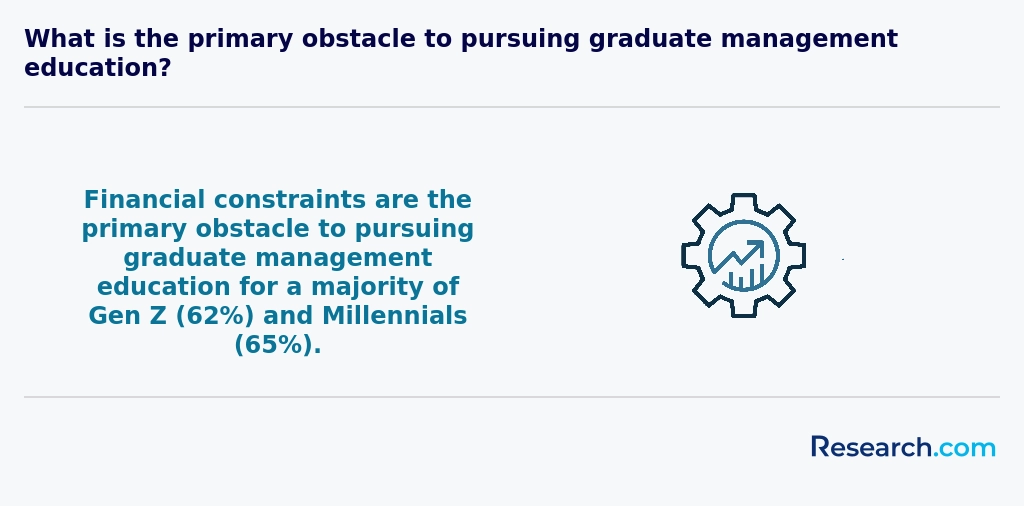
Pursuing an MBA degree in Iowa can be a strategic move for individuals seeking to enhance their career prospects and financial stability. By enrolling in one of the many reputable MBA programs offered by institutions such as the University of Iowa, students can gain the knowledge, skills, and networking opportunities necessary to succeed in today's competitive business environment. For those interested in exploring the best options, researching the best mba schools in iowa can provide invaluable insights into the programs that best align with their goals and aspirations. The state's strong economy, coupled with its lower cost of living, makes it an attractive location for both students and professionals. Moreover, the diverse range of specializations available, from finance and marketing to healthcare management and entrepreneurship, ensures that students can tailor their education to their specific interests and career objectives. Ultimately, an MBA degree from an Iowa institution can serve as a catalyst for personal and professional growth, opening doors to new opportunities and challenges in the state's thriving business community.
Many MBA students in Iowa find merit-based scholarships a helpful starting point. For example, graduates from the University of Iowa Tippie College of Business often mention how winning a partial tuition waiver eased their financial burden. These scholarships reward academic and leadership achievements, so early application and highlighting your strengths can make a real difference.
Need-based aid through FAFSA is another key avenue. Iowa MBA students commonly access federal loans like Direct Unsubsidized and Grad PLUS Loans, which offer manageable interest rates. Though grants are rarer for graduate business degrees, these loans provide vital support during studies at schools such as Iowa State University.
Assistantships and fellowships offer practical relief by covering tuition or providing stipends in exchange for teaching or research work. These are competitive but rewarding-many students at Iowa universities share that securing a position significantly reduced their expenses.
Working professionals in Iowa benefit greatly from employer tuition reimbursement, especially in industries like finance and manufacturing. MBA students balancing jobs and studies appreciate how companies support their education costs, making part-time or online MBA paths affordable.
Lastly, professional groups like the Iowa Society of Certified Public Accountants sometimes offer scholarships aligned with career goals. These extra funds lighten the load and add motivation for MBA candidates focused on their future in Iowa's strong business sectors.
To enroll in an MBA program in Iowa, start with a bachelor's degree from an accredited college or university. For example, graduates from the University of Iowa's Tippie College of Business often share how their diverse academic backgrounds became strengths after fulfilling prerequisite courses like accounting or economics, which some programs require if your degree isn't directly business-related.
Next, prepare for standardized tests like the GMAT or GRE. Many programs, such as those at Drake University, use these scores to assess your analytical and quantitative abilities. However, some schools offer waivers based on substantial work experience or strong academic records, which alumni have appreciated during application season.
Work experience counts a lot here. Full-time programs typically expect one to three years in the field, while executive MBA tracks, like those at Iowa State University, look for five or more years of managerial roles. This real-world background enriches class discussions, as shown by graduates who credit their career insights for connecting theory to practice.
Don't forget additional materials: a completed application, recommendation letters, a personal essay outlining your goals, and proof of English proficiency if needed. Being organized with these steps, as many successful applicants at popular Iowa programs recommend, makes the process manageable and boosts confidence in securing a spot.
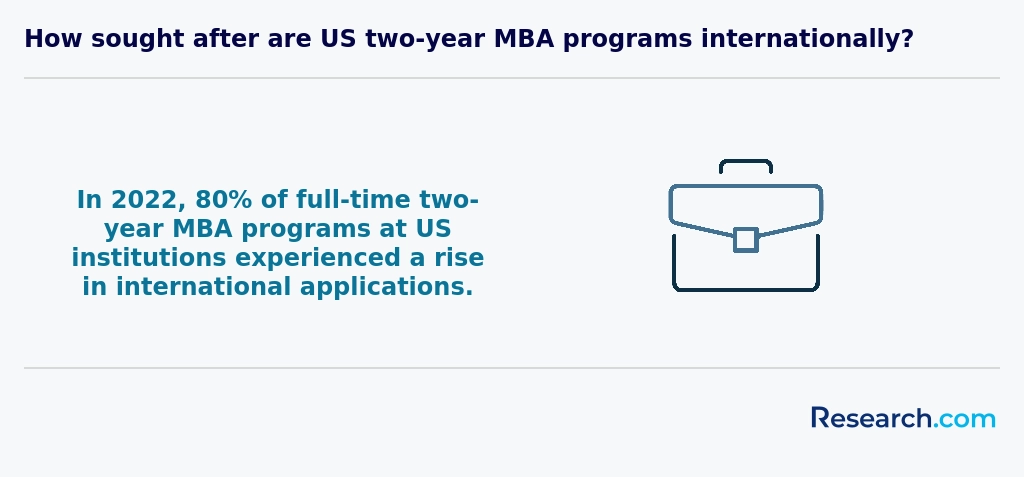
Embarking on your MBA journey is both exciting and competitive. To improve your chances of acceptance in one of Iowa’s affordable MBA programs, start by crafting a compelling personal narrative that highlights your career accomplishments, leadership potential, and clear vision for future growth. Preparing a solid application means not only meeting the academic prerequisites but also excelling in interviews, essays, and recommendation letters. Consider these actionable tips when applying: • Focus on demonstrating how your unique background aligns with the program’s values and the specific challenges of the business world. Tailor each application to highlight how your experience and career goals match with what each MBA program offers. • Start early with your application process by gathering transcripts, letters of recommendation, and preparing for standardized tests like the GMAT or GRE. This proactive approach helps reduce last-minute stress and allows you to polish every detail of your submission. • Enhance your application by engaging in relevant extracurricular activities, internships, or volunteer work that showcase your leadership and teamwork skills. Such experiences not only strengthen your resume but also provide compelling stories to share during interviews. • Research thoroughly the admission trends and success stories from alumni of the programs you’re interested in. For instance, a candidate exploring an academic future might also consider expanding their perspective by investigating different program formats, such as an online mba under 10k in india, which can offer insights into alternative affordable education options. By applying these strategies and leveraging available resources, you boost your chances of a successful admission and set the stage for a rewarding MBA experience in Iowa.
When pursuing an MBA in Iowa, expect to start with core courses in finance, marketing, accounting, and organizational behavior. Graduates from the University of Iowa often share how mastering financial analysis helped them confidently manage budgets and make smart investment decisions early in their careers. Marketing classes, popular at Iowa State University, equip students to develop effective strategies that attract and keep customers-skills essential in today's competitive markets.
Operations management and strategic management are central courses that teach you how to optimize resources and make decisions with long-term growth in mind. Many students appreciate how these classes prepared them for real-world challenges, like streamlining supply chains or planning company expansion.
Electives allow customization based on interests or industry needs. For example, focusing on entrepreneurship or data analytics can match Iowa's growing tech and startup sectors. Leadership and ethics are woven throughout the curriculum, ensuring you develop responsible management skills. This balanced approach makes Iowa's MBA programs practical and adaptable to your career goals.
MBA degree concentrations offered in Iowa cater to practical career advancement with targeted specializations. Graduates from the University of Iowa and Iowa State University often highlight concentrations like Finance, which equips students for roles in banking and investment management through hands-on case studies and real-world financial projects. Marketing is another favored path, focusing on digital marketing and consumer behavior-ideal for those aiming to lead sales teams or brand campaigns in Iowa's growing businesses.
Healthcare Management stands out due to Iowa's strong healthcare industry, preparing students to manage operations in hospitals and clinics. Supply Chain Management also attracts many, addressing logistics challenges common to Iowa's agricultural and manufacturing sectors. Entrepreneurship appeals to those eager to launch startups or innovate within established companies, offering practical insights on funding and business planning.
Students balancing cost and quality often explore options like online MBA programs, some of which are featured among the most affordable programs nationally. For example, graduates recommend considering an online mba under 10k in india as a smart alternative to traditional routes while still gaining valuable specialization skills in Iowa.
Start by verifying the accreditation of Iowa MBA programs, prioritizing those recognized by AACSB, such as the University of Iowa Tippie College of Business or Drake University. Graduates often emphasize how this quality assurance translated into respected credentials during their job search. Next, assess cost and format to match your lifestyle. For budget-conscious students, Iowa State University's MBA, with in-state tuition often under $30,000, offers an affordable path without sacrificing quality. Many students balancing work chose part-time or online options, appreciating the flexibility to earn while learning. If maximizing return on investment matters, explore programs with strong local industry connections facilitating internships and job placement.
Consider curriculum alignment with your goals: concentrations in finance, marketing, or supply chain management can shape your career direction. Graduates often highlight improved salaries 20-30% post-MBA as a significant motivator. For a practical resource on affordable options nearby, check out the Cheapest Online Master's in MBA Degree Programs Ranking in Orange Beach, AL. This approach ensures you find one of the best affordable MBA programs in Iowa tailored to your ambitions.

MBA graduates in Iowa often find rewarding paths in business management jobs in Iowa for MBA graduates, particularly in roles like business managers, product managers, and operations managers. Graduates from well-regarded universities across the state report that their MBA programs helped them develop critical decision-making and strategic leadership skills needed to thrive in these positions.
Others turn to financial management careers, working as financial analysts or budget managers, especially in Des Moines, which is a central hub for banking and insurance. For many, the experience gained through internships connected via Iowa's business schools plays a crucial role in securing these jobs.
Marketing careers are also promising, particularly in digital marketing and brand strategy, fueled by Iowa's growing tech sector. Consulting remains a popular choice, with graduates advising companies on efficiency improvements and growth strategies.
Those considering entrepreneurship appreciate Iowa's supportive startup environment, often launching ventures or leading family businesses. To compare affordable options before deciding, consider the Cheapest Online Master's in MBA Degree Programs Ranking in Orange Beach, AL, which may offer broader perspective on MBA costs and outcomes.
The job market for MBA graduates in Iowa is steady, with a focus on managerial roles in sectors like finance, insurance, manufacturing, healthcare, and agriculture. Graduates from prominent programs at universities such as the University of Iowa or Drake University often find opportunities in Des Moines, where financial services and insurance companies actively seek professionals with advanced business skills. One graduate shared how their MBA helped them transition quickly into a strategic analyst role at a regional bank, benefiting from Iowa's balanced demand and lower competition compared to larger markets.
While salaries range between $75,000 and $95,000, the lower cost of living in Iowa makes these positions attractive. For those exploring career opportunities for MBA graduates Iowa presents, it's useful to consider local networking in cities like Cedar Rapids and Iowa City as well. Many graduates note the affordability of programs paired with strong employment prospects, making Iowa an appealing choice. Students interested in faster credentials might explore a quick bachelor's degree online prior to an MBA to build a strong foundation.
2027 Most Affordable MBA Degree Programs Ranking in Iowa
Investing in your education is a significant decision that can shape your future, and the Research.com team understands the importance of making informed choices. To assist prospective students in Iowa, we have meticulously crafted the "2027 Most Affordable MBA Degree Programs Ranking in Iowa." Our commitment to quality, credibility, and accuracy is reflected in the extensive research and analysis conducted to compile this ranking.
We utilized the following reputable data sources to ensure a comprehensive evaluation of MBA programs:
By exploring this ranking, readers will gain valuable insights into the most affordable MBA programs in Iowa, helping them make informed, cost-effective decisions about their educational journeys. For more details on our methodology, please visit our Research.com methodology page.


Frequently Asked Questions About MBA
Students pursuing an MBA degree in Iowa can maximize their learning experience by actively engaging in experiential learning opportunities. Many Iowa universities, such as the University of Iowa and Iowa State University, offer practical projects, internships, and consulting assignments that connect classroom theory with real-world business challenges.
Networking plays a critical role; attending events hosted by the Iowa Business Council or local chambers of commerce enhances professional connections and career opportunities. According to the Iowa Board of Regents, MBA enrollment increased by 12% from 2020 to 2023, indicating a competitive environment where collaboration matters.
Additionally, taking advantage of specialized electives in areas like agribusiness or finance can tailor education to Iowa's economic landscape.
Emerging niches within the MBA field in Iowa reflect broader national trends focusing on technology, sustainability, and healthcare management. Programs increasingly offer specializations in data analytics, cybersecurity, and supply chain management, responding to industry demand. According to the Iowa Department of Education, enrollment in MBA programs concentrating on business analytics grew by 15% from 2021 to 2023.
Healthcare management is another expanding niche, driven by Iowa's strong medical sector and an aging population. Universities like the University of Iowa integrate healthcare-focused business courses designed for professionals seeking leadership roles in hospitals and clinics. Sustainability and social enterprise MBAs also gain traction as firms prioritize environmental responsibility.
After completing an MBA degree in Iowa, preparing for the job market involves several strategic steps. Graduates should leverage career services offered by Iowa's universities, which often include resume workshops, interview practice, and networking events tailored to local industries such as agriculture, finance, and manufacturing. According to the Iowa College Student Aid Commission, MBA holders in Iowa enjoy a median annual salary of about $90,000, making targeted job search efforts critical.
Building connections through internships or alumni networks in cities like Des Moines can enhance employment prospects. Additionally, gaining relevant certifications, such as PMP or Six Sigma, can distinguish candidates in competitive fields. Staying informed about Iowa's top hiring sectors and attending regional job fairs can further improve outcomes.
Employers in Iowa consistently seek MBA graduates with strong leadership and strategic thinking skills. These abilities are critical as businesses in the state face evolving markets and technological change. According to the Iowa Economic Development Authority, communication proficiency and problem-solving capabilities rank highly among desired traits.
Data from the U.S. Bureau of Labor Statistics highlights that MBA holders in Iowa often enter managerial roles where financial acumen and data analysis skills become essential. Additionally, adaptability and teamwork are frequently cited by local employers, reflecting Iowa's collaborative business environments.
Overall, MBA graduates who combine technical knowledge with soft skills have higher employability prospects within Iowa's diverse industries.
Finding internships in Iowa relevant to an MBA degree involves leveraging both university resources and local business networks. Many Iowa universities with MBA programs, such as the University of Iowa and Iowa State University, offer dedicated career services that connect students with internships in finance, marketing, and management.
Students are encouraged to attend job fairs and networking events organized by their schools. According to Iowa Workforce Development, sectors like agriculture, finance, technology, and manufacturing provide significant internship opportunities in the state.
Additionally, platforms like Handshake and LinkedIn list MBA-specific internships available in Iowa. Building relationships with local chambers of commerce and business associations can also facilitate finding internships tailored to MBA students.
In Iowa, obtaining an MBA degree significantly enhances career mobility and advancement opportunities. According to the Iowa Workforce Development, MBA graduates in the state often see salary increases averaging 15-25% compared to those with only a bachelor's degree. The degree equips professionals with leadership, strategic thinking, and financial skills valued across industries like finance, manufacturing, and healthcare, which are prevalent in Iowa's economy.
Employers in Iowa frequently prioritize MBA holders for management and executive roles. The University of Iowa and Iowa State University report high placement rates for their MBA graduates within six months post-graduation, reflecting strong demand for these skills.
Studying for an MBA degree in Iowa equips students for interdisciplinary roles by integrating diverse business disciplines such as finance, marketing, operations, and management into a cohesive curriculum. Iowa's MBA programs emphasize practical teamwork, critical thinking, and leadership skills, enabling graduates to navigate complex business challenges across various sectors.
Iowa State University and the University of Iowa, for example, incorporate real-world projects and case studies that require collaboration across different functional areas. According to the Iowa Board of Regents, over 70% of MBA graduates from these institutions report working in roles that blend multiple disciplines within two years of graduation.
This approach aligns with employer demands in Iowa's evolving economy, where cross-functional expertise is critical in industries like agriculture, manufacturing, and healthcare.
When choosing between a thesis and a non-thesis MBA program in Iowa, consider your career goals and learning preferences. A thesis MBA often requires significant research, which suits students planning a future in academia or roles demanding strong analytical skills. Non-thesis programs typically focus on coursework and practical experience, appealing to those seeking immediate application in business environments.
In Iowa, universities like the University of Iowa and Iowa State offer both options, with thesis tracks generally taking longer to complete. According to the National Center for Education Statistics, nearly 60% of Iowa MBA students opt for non-thesis tracks, valuing flexibility and speed.
Consider also faculty availability and resources, as thesis projects require active mentorship. Ultimately, evaluate how each program aligns with your professional plans and timeframe. Understanding these factors helps you make an informed decision tailored to your ambitions.
Students based in Iowa who wish to study for an MBA abroad have several pathways to consider. Many Iowa universities offer partnerships with international schools, allowing students to earn dual degrees or participate in exchange programs that combine global exposure with their Iowa-based curriculum. According to the National Center for Education Statistics, about 12% of MBA candidates from Iowa report pursuing some form of international study during their programs.
For independent study abroad, Iowa residents can apply directly to accredited MBA programs worldwide, particularly in countries with strong English-language business education like the UK, Canada, and Australia. The Association to Advance Collegiate Schools of Business (AACSB) accreditation is a reliable indicator when selecting foreign institutions recognized in the U.S.
Financial aid options for Iowa students studying abroad include federal loans and scholarships aimed at international education, which can significantly offset costs. Familiarity with visa requirements and work regulations is also essential when planning study abroad experiences for an MBA.
Part-time job opportunities in Iowa that complement MBA studies often focus on roles in finance, marketing, and business analysis. Many MBA students find positions as financial analysts, project coordinators, or marketing assistants within local companies and startups. These roles provide practical experience aligned with MBA coursework.
According to the Iowa Workforce Development, sectors like finance and professional services are growing steadily in Iowa, offering MBA students relevant part-time jobs. Additionally, internships at firms based in cities such as Des Moines and Cedar Rapids often translate into flexible, part-time roles suitable for MBA candidates.
Engaging in these jobs helps students apply classroom theories to real-world scenarios, enhancing skills valued by future employers, including leadership, problem-solving, and data analysis.
Networking opportunities for MBA students in Iowa are robust and diverse, reflecting the state's strong business environment. Many MBA programs in Iowa, such as those at the University of Iowa and Iowa State University, offer access to local chambers of commerce and business associations, which host regular events for students to connect with professionals.
Additionally, student organizations and clubs focused on industries like finance, entrepreneurship, and supply chain management provide peer networking as well as connections to alumni and business leaders.
According to the Iowa Economic Development Authority, Iowa's business sectors employ over 1.6 million people, offering expansive prospects for MBA students to engage with leaders locally and regionally.
Schools also frequently organize career fairs, workshops, and speaker series that feature Iowa-based executives, enhancing practical networking experiences tailored to the state's economic landscape.
Alumni networks play a crucial role in supporting MBA students in Iowa by offering valuable career connections and mentorship opportunities. Iowa's business schools, such as University of Iowa Tippie College of Business, have strong alumni communities that help graduates access job openings and internships throughout the state.
These networks often organize events and workshops, enabling current students to engage with experienced professionals. According to the University of Iowa, nearly 80% of their MBA graduates find employment through alumni referrals or networking activities.
Moreover, alumni provide guidance on navigating Iowa's regional industries, from agriculture to finance, enhancing students' local market knowledge and career prospects.
Customizing an MBA degree program in Iowa allows students to align their education with specific career ambitions. Many Iowa universities offer concentrations such as finance, marketing, healthcare management, and entrepreneurship, enabling students to specialize according to industry demands. For example, the University of Iowa and Iowa State University provide flexible elective choices and dual-degree options to enhance expertise. Additionally, hands-on learning through internships or capstone projects is commonly integrated, helping students gain practical experience. According to the Iowa College Student Aid Commission, these options improve job placement rates by addressing local business needs. This flexibility supports both recent graduates and working professionals seeking targeted skills.
Many MBA students in Iowa face challenges balancing their studies with work and family commitments. According to the Iowa Board of Regents, a significant number of MBA candidates enroll part-time while maintaining full-time employment, which can extend the time needed to graduate.
Another common challenge is the rising cost of tuition. Although Iowa offers some of the most affordable MBA programs in the Midwest, students still encounter financial pressures, especially when factoring in living expenses. Scholarships and assistantships can help but are limited.
Additionally, adapting to new technologies and remote learning formats has been a hurdle for some. As many programs incorporate online components, students must develop strong self-discipline and digital skills to succeed.
Graduates with an MBA degree in Iowa have access to a variety of professional certifications that can enhance their career opportunities. Popular options include the Project Management Professional (PMP) certification, valued in many industries for leadership and project skills. Another prominent choice is the Certified Management Accountant (CMA), which focuses on financial management and is often pursued by MBA holders specializing in accounting or finance.
In addition, the Chartered Financial Analyst (CFA) designation is available for MBA graduates interested in investment and financial analysis. The certification process typically requires passing multiple exams and relevant work experience.
These certifications complement the broad business knowledge gained during an MBA and can improve earning potential and job prospects within Iowa's competitive job market, according to reports from the Iowa Workforce Development.
To write a winning application for an MBA program in Iowa, start by thoroughly researching the specific requirements of schools such as the University of Iowa or Iowa State University. Many programs emphasize leadership experience and career progression, so clearly highlight your professional achievements. Aim for a competitive GMAT or GRE score; for example, the Tippie College of Business reports an average GMAT score near 620. Craft a compelling personal statement addressing your career goals and how the program fits your ambitions. Additionally, strong recommendation letters from supervisors or mentors who know your work ethic can enhance your application.
Admissions committees in Iowa's MBA programs value diversity and community involvement, so mention relevant volunteer activities or teamwork experiences. Pay close attention to deadlines and submit all materials punctually. Also, tailor your resume to focus on management skills and quantifiable outcomes. Following these tips can strengthen your application and improve your chances in Iowa's competitive MBA admissions.
The global perspective on an MBA career highlights its value in expanding leadership and management opportunities worldwide. In the U.S., including Iowa, MBA graduates often report higher median salaries, with the Graduate Management Admission Council noting an average starting salary around $115,000 nationally as of 2023. Iowa MBA programs emphasize skills applicable across international markets, such as strategic thinking and financial management.
Many Iowa-based MBA students pursue roles in global industries like manufacturing, finance, and agribusiness, sectors prominent in the state's economy. According to the Iowa College Student Aid Commission, institutions like the University of Iowa and Iowa State University attract students aiming for careers that span borders.
This broad applicability of MBA skills supports career growth in multinational corporations and emerging markets, reflecting a solid global demand for graduates with an MBA from U.S. accredited programs.
Many MBA programs in Iowa emphasize practical experience alongside academic learning. Students can engage in internships with local businesses or statewide corporations, gaining hands-on skills that apply directly to real-world management.
Universities such as the University of Iowa and Iowa State University partner with regional industries, offering project-based courses where students solve actual business challenges. Approximately 70% of MBA students in Iowa participate in internships or consulting projects during their studies (Iowa Department of Education, 2023).
Additionally, Iowa MBA programs often encourage networking through career fairs and mentorship programs, connecting students with alumni and Iowa's business community. Such experiences build professional skills and local connections crucial for career development.
Choosing the right concentration within a MBA program in Iowa depends on your career goals and local market demands. Popular options often include Finance, Marketing, Healthcare Management, and Supply Chain Management. Iowa's economy is strong in agriculture, manufacturing, and healthcare sectors, which reflect in the state's MBA offerings.
According to the Iowa College Student Aid Commission, concentrations aligned with agriculture business or healthcare can improve job prospects within Iowa. Additionally, considering concentrations with growing employment opportunities can be valuable; for example, healthcare-related MBA degrees report steady demand.
Research specific programs' faculty expertise and alumni outcomes to ensure alignment with your interests. Regional salary data from the Bureau of Labor Statistics (BLS) can also guide your choice by showing earning potential in related fields.
- 2027 Most Affordable MBA Degree Programs Ranking in Minnesota
- 2027 Most Affordable MBA Degree Programs Ranking in Illinois
- 2027 Most Affordable MBA Degree Programs Ranking in Kansas
- 2027 Most Affordable MBA Degree Programs Ranking in Indiana
- 2027 Most Affordable MBA Degree Programs Ranking in Kentucky
- 2027 Most Affordable MBA Degree Programs Ranking in Oklahoma
- 2027 Most Affordable MBA Degree Programs Ranking in Arkansas
- 2027 Most Affordable MBA Degree Programs Ranking in Colorado
- 2027 Most Affordable MBA Degree Programs Ranking in Louisiana
- 2027 Most Affordable MBA Degree Programs Ranking in Alabama
- Verifying that you are not a robot... https://krea.edu.in/ifmrgsb/top-5-emerging-career-paths-for-mba-graduates/
- MBA Internships: Find 5400 MBA Intern Jobs https://internshala.com/internships/mba-internship/
- 10 Highest-Paying MBA Specializations in 2026 (With Salary Data) - Paris School of Management (PSM) https://www.psm-paris.fr/en/10-highest-paying-mba-specializations-in-2026/
- What Are the Career Opportunities After a Global MBA? https://www.eaebarcelona.com/en/blog/global-mba-career-opportunities
- Lessons learned: one year into pursuing an MBA while balancing full-time work - Franz Vitulli https://franzvitulli.com/mba-work/
- Future-Proof Your Career with an MBA in India : MIT-WPU Blog https://mitwpu.edu.in/blog/emerging-specialisations-in-mba---how-to-future-proof-your-business-career-in-india
- How to Choose an MBA Program That Fits Your Career Goals https://www.mobileviewer.io/blog/how-to-choose-an-mba-program-that-fits-your-career-goals
- How To Write An MBA Admissions Essay That Stands Out? https://www.personalmbacoach.com/mba-essay-guiding-principles/
- Master of Business Administration (M.B.A.) Major in Business Administration (General Flex Non-thesis Option) https://mycatalog.txstate.edu/graduate/mccoy-business-administration/business-genflex-nonthesis-mba/
- What Work Experience Do You Need For an MBA? | Articles | Unimy https://www.unimy.com/article/blog-mba-preparation-admissions-mba-work-experience