
2027 Most Valuable MBA Degree Programs Ranking in Washington

Co-Founder and Chief Data Scientist
If you're considering pursuing an MBA degree in Washington, this article is here to guide you. The 2027 Most Valuable MBA Degree Programs Ranking in Washington, created by the Research.com team of data scientists, offers clear insights to help you choose the right program.
Understanding which MBA programs deliver the best value can make a huge difference in your future career and personal growth. This ranking highlights top options, helping you feel confident and excited about taking the next step toward your goals.
Key benefits of getting MBA degree in Washington
- MBA graduates from Washington often pursue leadership roles in business, marketing, or finance, enjoying average salaries across related fields in the U.S., with financial managers earning a median annual wage of about $134,180.
- Many MBA holders from institutions like the University of Washington find diverse career paths, from consulting to entrepreneurship, enabling exciting opportunities and professional growth.
- Completing an MBA online, such as from Washington State University Global Campus, offers flexibility and the ability to balance work and study, making it a convenient and rewarding choice for busy professionals.
- 2027 Most Valuable MBA Degree Programs Ranking in Washington
- What can I expect from MBA degree in Washington?
- Where can I work with MBA degree in Washington?
What can I expect from MBA degree in Washington?
The average cost of getting an MBA in Washington can vary quite a bit depending on where you decide to study and the program type. For example, if you're looking at the University of Washington's full-time MBA, residents often face tuition fees north of $60,000. That might sound steep, but many grads say the investment feels worth it once they land a great job.
Part-time and executive MBA programs tend to offer more flexible pricing and scheduling, which is a huge plus if you're working while studying. Plus, a lot of students find financial aid, scholarships, or even employer sponsorship to help ease the cost. One common story from graduates at the Foster School highlights how internships and local company connections made the hefty price tag feel like an investment in their future - especially since over 90% find jobs quickly after graduating.
Where can I work with MBA degree in Washington?
So, you're wondering where an MBA can take you in Washington? Graduates from well-known schools like the University of Washington's Foster School of Business often find themselves snapped up by big players in Seattle's booming tech industry - think Amazon or Microsoft. These grads land roles like product managers or business analysts, where they get to steer projects and brainstorm strategies every day.
Others dive into the finance world, joining banks or credit unions across the state, handling everything from investment analysis to corporate finance. It's pretty cool hearing how some fellow Huskies celebrate snagging financial manager jobs with salaries that beat the national average.
If healthcare is your vibe, Washington's medical centers need MBA grads to lead teams and manage budgets - making a real impact on patient care behind the scenes. Plus, government agencies appreciate MBAs for policy work and program management, offering a steady path for those into public service.
Manufacturing and aerospace gigs, especially with Boeing, round out the options too. These roles focus on supply chains and project leadership, perfect for grads who love blending business skills with big-picture thinking.
If you're thinking about getting an MBA in Washington, here's the scoop on what you might make. Graduates from well-known programs like the University of Washington Foster School of Business often start with salaries around $85,000 to $100,000, especially if they land jobs in buzzing tech hubs like Seattle or fast-growing finance centers like Bellevue.
As you build experience over five to ten years, your paycheck can climb nicely, often hitting between $110,000 and $140,000. Mid-career MBAs working in product management or strategic consulting roles really see that boost, thanks to their expertise and leadership skills.
Now, if you're aiming for the top, MBAs moving into C-suite roles like CFO or VP in aerospace or tech industries can pull in $200,000 or more when you add bonuses and stock options. It's not just about the degree but networking and location too-graduates from Seattle-based schools often have a leg up because of strong local connections.
This means your MBA in Washington isn't just a piece of paper; it's your ticket to some serious earning potential in some of the country's hottest industries.
- Tuition for MBA programs in Washington ranges from about $30,000 to $70,000, with public universities offering lower rates for in-state residents.
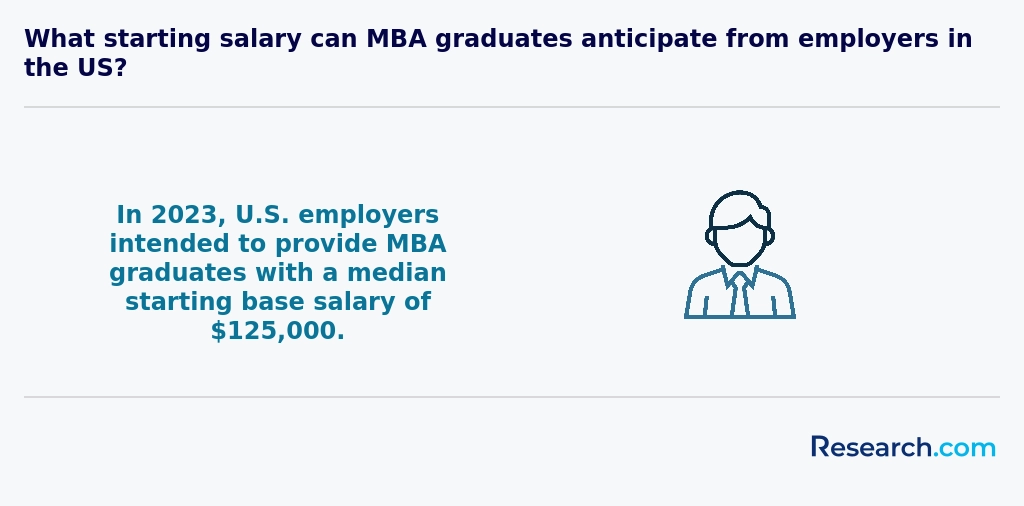
- Starting salaries for MBA graduates typically fall between $85,000 and $100,000 annually, increasing to $120,000-$140,000 for mid-career professionals.
- Washington's strong job market is supported by industries like technology, healthcare, finance, and manufacturing, with low unemployment rates below the national average.
- Various MBA formats are available, including full-time, part-time, executive, and online programs to accommodate different professional needs.
- Many schools provide scholarships and financial aid, which can help reduce the overall cost of earning an MBA degree in the state.
If you're thinking about getting an MBA in Washington, the time to finish really depends on how you want to study. Most full-time programs, like the one at the University of Washington's Foster School of Business, take about two years-perfect if you're ready to dive in full-time and focus.
Some grads I've heard from opted for part-time or evening classes, which can stretch the journey out to three or four years. This setup works great if you're juggling work and life, since you only take a few courses each semester and keep things flexible.
Now, if you're eager to speed things up, accelerated MBAs let you finish in about 12 to 18 months, but they're pretty intense. You'll be hitting the books hard, sometimes even in summer sessions, just like some recent grads who wanted to jump into new jobs fast.
And don't forget about online options! Some students choose online programs offered right here in Washington, which often take around two years but offer the freedom to adjust pace and fit school around your schedule.
Navigating the MBA admissions process effectively can set you apart in a competitive field and significantly influence your educational and professional outcomes. In this section, we provide a step-by-step guide on how to enhance your application for top MBA programs in Washington, DC, including expert advice on crafting a compelling narrative, gathering strong recommendations, and preparing for interviews. Successful applicants often start by researching each program’s unique strengths, ensuring your background and ambitions align with the institution’s mission. It’s crucial to personalize your application, emphasizing your professional achievements and leadership potential alongside clear career goals. Consider these key strategies: • Develop a standout personal statement by reflecting on past experiences and explicitly outlining how the MBA will bridge your current expertise with future ambitions. • Secure letters of recommendation from professionals who can attest to your strategic thinking, work ethic, and leadership qualities. • Prepare thoroughly for admission interviews by practicing common questions and articulating your vision for contributing to a dynamic DC business community. • Manage application timelines carefully to leave ample room for revising and strengthening your essays and supporting documents. • For those seeking cost-effective options without compromising quality, consider reviewing the cheapest and easiest online mba programs available, which offer flexible admission pathways and competitive curricula. By following these strategies, applicants can maximize their chances of gaining admission to premier MBA programs in Washington, DC, and lay a strong foundation for a successful career.
If you're thinking about an MBA in Washington, the biggest difference between online and on-campus programs usually boils down to how you like to learn and live your life while studying. For example, graduates from the University of Washington's on-campus MBA often talk about the buzz of face-to-face classes, team projects, and those chance hallway chats with professors that really help make connections. It's a full-on immersive experience with set schedules that keep you focused and on track.
On the flip side, graduates from Seattle University's online MBA program usually mention the freedom to study late at night or on weekends, fitting coursework around busy jobs and family life. They appreciate not commuting, yet still getting access to the same top-notch curriculum as their in-person peers. While networking happens mostly online, many find the flexibility lets them juggle real-world work challenges alongside their studies.
Both routes in Washington tend to cost between $30,000 and $60,000, so it really comes down to how much structure and interaction you want versus flexibility and convenience.
One of the most powerful assets of any MBA program is its alumni network, and Washington, DC schools excel at fostering lifelong connections. Through formal mentorship programs, alumni panels, and regional chapters, graduates gain direct access to seasoned professionals who share industry insights, review résumés, and even facilitate introductions to key hiring managers. Georgetown University’s alumni mentoring initiative, for example, pairs first-year MBA candidates with two alumni mentors-one in the public sector and one in private industry-ensuring balanced guidance tailored to diverse career paths. Regular networking events, such as roundtable discussions hosted by the DC chapter of the alumni association, deepen these relationships further. These gatherings often feature small-group “speed mentoring” sessions where participants discuss negotiation tactics, leadership challenges, and sector-specific trends. George Washington University alumni also organize virtual coffee chats and LinkedIn communities, allowing working professionals to connect across time zones and industries. Mentorship extends beyond job placement; many alumni serve as adjunct lecturers or case competition judges, providing current students with real-world perspectives on strategic decision-making. This integration of alumni expertise into the curriculum enhances experiential learning and reinforces the value of shared knowledge. Prospective students should inquire about mentorship match rates and alumni engagement metrics to gauge the strength of each program’s support network. For candidates weighing the financial implications of an MBA, it can also be helpful to explore cost-effective alternatives and compare mentorship benefits across regions. As one option, consider reviewing the Low Cost MBA Degree Programs Ranking in Nevada to see how robust alumni networks can align with more affordable tuition structures.
If you're wondering about the average MBA degree cost in Washington, here's a friendly heads-up: it really varies depending on where you decide to study. On average, you're looking at a total cost of around $40,680. That might sound like a lot, but when you hear from graduates at schools like the University of Washington's Foster School of Business, many chalk it up as a solid investment in their future careers. In-state students usually find the tuition more manageable, hovering closer to $31,210, which definitely helps ease financial stress.
Out-of-state students or those aiming for prestigious private universities like Seattle University or Gonzaga may end up paying more. But even with a higher price tag, many grads say the experience and networking opportunities made the cost feel worth it. Imagine juggling classes, late-night study sessions, and real-world projects while soaking in connections that open doors later. This is exactly what MBA programs here offer, creating not just a degree but a gateway to exciting career moves.
Aside from the basic tuition, don't forget to budget for fees, books, and living costs. These extras can add up but are often offset by financial aid or employer tuition assistance. And if you're curious about how Washington stacks up nationally, it's pretty competitive - you can check out some of the valuable mba schools in district of columbia to get an idea of where regional programs fit in the bigger picture of total cost of MBA programs Washington.
When evaluating MBA programs in Washington, DC, it's essential to consider several factors to ensure that the chosen program aligns with your career aspirations and provides the best possible return on investment. Prospective students can visit https://research.com/rankings/mba/most-valuable-mba-dc to explore valuable mba schools in district of columbia, which offer high-quality education and strong networking opportunities. By carefully assessing factors such as curriculum, faculty expertise, alumni network, and job placement rates, students can make informed decisions that set them up for success in their future careers. Additionally, considering the program's accreditation, reputation, and specialization options can help students find the best fit for their interests and goals.
If you're aiming for an MBA in Washington, you'll find some solid financial aid options to lighten the load. Federal loans like Direct Unsubsidized and Grad PLUS are pretty common, and many grads from the University of Washington's Foster School say these loans made their journey way less stressful with lower interest rates and flexible payback plans.
Merit-based scholarships are also a big help here. Plenty of MBA students at UW have scored scholarships covering up to half their tuition by showcasing leadership or strong academics. Plus, a bunch of folks working full-time tap into employer tuition reimbursement programs-this means you keep earning while studying and get some assistance covering costs.
Don't overlook assistantships either. Some students at Washington's top MBA programs work as teaching or research assistants, getting stipends or tuition waivers that really take the edge off expenses. And if you're looking outside the schools, private scholarships from groups like the National Black MBA Association offer great opportunities, especially if you're passionate about diversity and leadership.
A robust alumni network is a cornerstone of any top-tier MBA program in Washington, DC, offering lifelong professional connections, mentorship opportunities, and exclusive events that propel graduates’ careers. Through active alumni associations, students gain direct access to seasoned professionals across government, consulting, finance, and non-profit sectors. Regular alumni panels, regional meetups, and online platforms foster relationships that often translate into internship referrals and leadership roles soon after graduation. Mentorship programs pair current students with alumni who share industry expertise, driving both personal and professional growth. For example, Georgetown University’s alumni mentors have helped recent graduates negotiate higher starting salaries and secure coveted positions within federal agencies. Similarly, George Washington University organizes sector-specific alumni roundtables, where participants discuss emerging trends in data analytics, public policy, and social entrepreneurship. Engaging with this community also enhances return on investment by providing ongoing career support long after graduation. Alumni-driven continuing education workshops and executive forums ensure that skills remain cutting-edge. For insights into alternative network sizes and cost structures, consider exploring our Low Cost MBA Degree Programs Ranking in Nevada to compare alumni engagement metrics and community outcomes across different regions.
If you're thinking about jumping into an MBA program in Washington, there are a few key things you'll need to have lined up first. Most schools want you to have a bachelor's degree from an accredited college-doesn't matter what your major was, as long as you've got that diploma. Graduates from places like the University of Washington's Foster School often mention how having that solid academic base helped them hit the ground running.
Another biggie is your GPA. Generally, a 3.0 on a 4.0 scale is the sweet spot. But don't sweat it if yours is a little lower-many programs, including some at Seattle University, will consider strong work experience or killer application essays to make up for that.
Speaking of work, two to five years of relevant experience is usually expected. Those exec MBA grads at Gonzaga University often say this experience made classroom debates way more exciting because everyone brought real-world stories to the table.
Many programs want GMAT or GRE scores, but a growing number are waiving this if you've got solid professional chops or previous academic success. Also, letters of recommendation and personal essays are a must-they're your chance to show what drives you.
- Bachelor's degree from an accredited institution
- Competitive undergraduate GPA (around 3.0)
- GMAT or GRE scores, or test waivers where applicable
- Two to five years of relevant work experience
- Letters of recommendation and personal essays

If you're thinking about an MBA in Washington, expect courses that really give you a solid grip on the essentials plus a chance to dive into areas that match the state's unique economy. Core classes usually cover things like financial and managerial accounting, marketing management, and operations-stuff that grads from the University of Washington rave about for how it prepares them to tackle real business challenges.
Many students say the organizational behavior and leadership courses helped them understand team dynamics firsthand, which is a game changer when you're collaborating on projects or internships with Seattle's tech giants like Amazon and Microsoft.
Plus, electives let you customize your experience. You might explore technology management or sustainability-big topics in Washington's industries. Some grads recall how courses on negotiation and ethical decision-making made them more confident during job interviews or consulting gigs.
Hands-on experiences like internships and case competitions are common too, helping you put theory into practice in familiar local markets.
If you're looking at MBA degree specializations in Washington, you'll find a great lineup that fits the state's strengths. Graduates from popular schools like the University of Washington often rave about the Technology Management track. It's perfect if you want to work with companies like Microsoft or Amazon, focusing on innovation and digital skills that really set you up for leading roles in tech-driven workplaces.
Healthcare Management is another favorite, especially around Seattle where health research and biotech thrive. Students with this concentration often share how they've gained real insider knowledge on managing hospitals or pharmaceutical businesses, opening doors to top positions in a booming sector.
Popular MBA concentrations in Washington don't stop there. Plenty choose Finance or Accounting to tap into opportunities in banking or government, while others dive into International Business, Entrepreneurship, or Supply Chain Management, reflecting the local economy's dynamic nature. For tips on finding more affordable options, check out these cheapest and easiest online mba programs.
Choosing the best MBA degree in Washington comes down to what fits your lifestyle and goals. Many grads from the University of Washington rave about the flexible program formats-think evening and weekend classes-which make juggling work and family way easier. If you want a solid return on investment, the University's 88% employment rate within three months post-grad is pretty encouraging and shows strong career support behind the program.
Don't forget to check if the school's accredited by AACSB, like Foster School of Business or Seattle University's Albers School of Business, because that matters when employers look at your degree. Tuition can vary a lot, so it helps to explore affordable MBA degrees Washington state offers; some grads found that programs costing between $60,000 and $90,000 made sense financially. If you're price-conscious, you might want to check out this Low Cost MBA Degree Programs Ranking in Nevada for inspiration on finding quality on a budget.
Also, think about networking opportunities-Washington's business scene is buzzing with giants like Microsoft and Amazon, which can open doors after graduation. Many students say building connections here was one of their favorite parts of the MBA journey.

If you're thinking about pursuing an MBA degree in Washington, you're in luck because graduates find themselves landing in all sorts of exciting roles. Many from the University of Washington's Foster School of Business, for example, quickly move into financial management jobs at Seattle's big institutions or dive into operations and supply chain management, especially with the state's bustling ports and logistics hubs right at their doorstep. It's a bonus that Washington's economy blends tech, international trade, and manufacturing, opening doors to marketing and consulting gigs too.
Actual graduates often share how their program's strong network helped them pivot into leadership roles or start their own ventures, benefiting from the state's supportive innovation community. If you want to boost your credentials without committing to an MBA right away, you might check out online certificate programs that pay well to get a foothold first. These options really reflect the diverse and promising MBA career opportunities in Washington.
The job market for MBA degree holders in Washington is buzzing with opportunities. Graduates from well-known schools like the University of Washington often land roles in Seattle's booming tech scene or with giants like Amazon and Boeing. The demand for MBA graduates here is solid, with average salaries ranging between $90,000 and $130,000 depending on the field and experience. Many grads share stories of quickly moving up in startups or healthcare administration, thanks to strong networking and hands-on leadership skills developed during their studies.
If you're weighing the costs, keep in mind that in-state tuition at public universities tends to be more affordable, around $35,000 to $55,000 for the whole program, while private colleges might be pricier. It's a great idea to consider these numbers alongside potential earnings to see the return on investment.
For those curious about flexible study options, some students explore degrees for seniors online, which offer a smart way to balance life while earning an MBA. Overall, MBA employment opportunities in Washington are promising, especially with diverse industries driving growth.
The job prospects for MBA graduates in Washington look bright, with many finding rewarding careers across tech, aerospace, retail, and healthcare sectors-making it a great place to level up your business career.
2027 Most Valuable MBA Degree Programs Ranking in Washington
Investing in your education is a significant decision that can shape your future, and the Research.com team understands the importance of making informed choices. To assist prospective students in Washington, we have meticulously developed the "2027 Most Valuable MBA Degree Programs Ranking in Washington." Our commitment to quality, credibility, and accuracy is reflected in the extensive research and analysis undertaken to compile this ranking.
We utilized the following reputable data sources to ensure a comprehensive evaluation of MBA programs:
By exploring this ranking, readers will gain valuable insights into the most valuable MBA degree programs in Washington, enabling them to make well-informed decisions about their educational investment. For more details on our methodology, please visit our Research.com methodology page.
# 1 position
Strayer University-District of Columbia
Master of Business Administration


# 9 position
University of the Potomac-Washington DC Campus
Master of Business Administration

# 10 position
University of the District of Columbia
Master of Business Administration

Frequently Asked Questions About MBA
Students pursuing an MBA degree in Washington can maximize their learning by engaging actively with local business communities. Washington hosts a diverse economy, including tech giants in Seattle and a strong international trade presence, offering valuable networking opportunities. Participating in internships or consulting projects with regional companies enhances practical skills.
Moreover, students should leverage the state's highly ranked universities' resources, such as workshops and career services tailored to the MBA curriculum. According to the Graduate Management Admission Council, nearly 70% of MBA students who engage in internships report improved job prospects.
Joining professional organizations like the Washington Technology Industry Association can also provide insights into current business trends and leadership development.
The MBA field is evolving rapidly, with new niches emerging to meet changing business demands. In Washington, specializations such as technology management and sustainability are gaining traction due to the region's strong tech sector and increasing focus on corporate social responsibility.
Data from the Graduate Management Admission Council (GMAC) indicates that over 40% of MBA candidates nationwide now prefer programs integrating data analytics, a trend reflected in Seattle-area schools adding focused courses.
Health care management is another growing niche, driven by Washington's expanding medical and biotech industries. Additionally, entrepreneurship studies remain popular as local incubation hubs support startups.
These emerging areas provide opportunities for MBA students aiming to align skills with Washington's dynamic job market and corporate needs.
After earning an MBA degree in Washington, effective job market preparation is crucial. Graduates should leverage their school's career services, as many universities in Washington, like the University of Washington Foster School of Business, offer strong employer connections and networking events. Building a professional network through alumni associations and local business meetups can increase job opportunities.
Internships and practical experiences gained during the program significantly improve employability. According to the Graduate Management Admission Council, over 90% of MBA graduates seek roles in consulting, finance, and technology-industries thriving in Washington's economy.
Updating resumes and LinkedIn profiles to highlight leadership and analytical skills is recommended to attract recruiters.
Employers in Washington value MBA graduates who demonstrate strong leadership and strategic thinking skills. According to the Graduate Management Admission Council, more than 87% of Washington-based employers prioritize these abilities when hiring MBA candidates. Communication skills are also critical, as professionals must effectively manage teams and collaborate across departments.
Analytical and problem-solving skills rank highly as well, especially in the region's growing tech and finance sectors. Data-driven decision-making is essential, and MBA programs in Washington often emphasize these competencies. Additionally, adaptability and digital literacy are gaining importance due to rapid industry changes.
Networking and ethical management practices also distinguish top candidates in local job markets.
Finding internships in Washington relevant to an MBA degree involves leveraging multiple resources. Washington state hosts major corporations and a growing startup ecosystem, providing diverse opportunities for MBA candidates. Career centers at local business schools like the University of Washington Foster School of Business often maintain strong employer relationships and exclusive internship listings.
Networking plays a crucial role. Attending MBA-specific events, industry conferences, and local business meetups can connect students to internships. According to the Graduate Management Admission Council, 71% of MBA students find internships through school resources or networking.
Online platforms such as Handshake and LinkedIn also list many internship openings targeted at Washington-based MBA candidates, often filtered by industry and experience level.
Additionally, students should consider internships with government agencies and nonprofits in Washington, which frequently seek MBA interns for analytical and management roles.
In Washington, an MBA degree significantly enhances career mobility and advancement opportunities. According to the Graduate Management Admission Council (GMAC), MBA graduates in the U.S. often see salary increases of over 50% compared to their pre-MBA earnings. In Washington's competitive job market, employers in industries like technology, finance, and healthcare value MBA holders for leadership roles.
Many Washington companies, including top firms in Seattle and Bellevue, prioritize MBA candidates for managerial and executive positions. The degree equips graduates with skills in strategic thinking, financial analysis, and organizational leadership, which are critical for career growth.
Additionally, MBA alumni networks in Washington provide strong professional connections that support upward mobility. Data from the Washington State Employment Security Department shows MBA graduates experience lower unemployment rates and faster job placement than the general workforce.
Studying for an MBA degree in Washington equips students with skills that cross traditional business boundaries. Many universities in Washington emphasize a curriculum combining management, technology, and public policy, reflecting the region's diverse economy. This interdisciplinary approach prepares graduates for roles in tech firms, government agencies, and nonprofit organizations.
Washington's MBA programs often include project-based learning and collaborations with industries such as aerospace and software development. According to the Graduate Management Admission Council, Washington MBA graduates reported a 14% higher likelihood of working in interdisciplinary teams compared to the national average. This hands-on experience develops adaptability and leadership across multiple sectors.
Additionally, strong local networks and internship opportunities enhance understanding of real-world challenges that require cross-functional expertise.
When deciding between a thesis and a non-thesis MBA program in Washington, consider your career goals and learning preferences. Thesis programs typically require original research and a formal written project, suitable for those interested in academic careers or specialized consulting roles. Non-thesis options focus more on practical coursework and internships, appealing to professionals aiming for leadership positions in business.
According to the Washington State Higher Education Coordinating Board, approximately 60% of MBA candidates in the state choose non-thesis tracks, valuing flexibility and applied learning. Cost and time commitment also differ; thesis programs may extend study duration due to research requirements.
Programs at schools like the University of Washington offer both formats, allowing students to select based on their professional ambitions. Reviewing curriculum details and faculty expertise at your target institution will clarify which option aligns best with your future objectives.
Students based in Washington pursuing an MBA have a variety of options to study abroad through exchange programs and partnerships offered by local universities. Institutions such as the University of Washington Foster School of Business often collaborate with international schools across Europe, Asia, and Australia, allowing students to spend a semester or year overseas while earning credits toward their degree.
According to the Graduate Management Admission Council (GMAC), nearly 25% of U.S. MBA students participate in some form of international study or internship. These experiences enhance global business understanding and networking.
Washington students can also explore dual-degree programs combining an MBA with international institutions, benefiting from diverse curricula and global exposure.
Financial aid and scholarships specifically for study-abroad MBA programs are increasingly available through Washington universities.
Washington offers diverse part-time job opportunities that effectively complement MBA education. Many MBA students find roles in financial services, consulting, and marketing, gaining practical skills alongside their studies. According to the U.S. Bureau of Labor Statistics, Seattle-the state's largest metro area-hosts a growing demand for business analysts and project coordinators, ideal for MBA candidates.
Internships or part-time positions with tech companies like Microsoft and Amazon provide exposure to strategic management and innovation. Additionally, roles in local startups or nonprofit organizations offer valuable leadership and operational experience.
These experiences align with core MBA competencies, enhancing employability post-graduation.
Washington offers robust networking opportunities for MBA students due to its vibrant economy and proximity to key industries such as technology, aerospace, and government. MBA programs in the state often facilitate connections through corporate partnerships, alumni networks, and internship placements. For example, University of Washington Foster School of Business hosts events with over 1,200 corporate partners, providing access to executives and recruiters.
Many schools organize professional development workshops, speaker series, and career fairs to help students build purposeful relationships. According to the Graduate Management Admission Council, nearly 70% of MBA graduates in Washington leverage networking to secure job offers.
Alumni networks provide valuable support to MBA students in Washington by offering access to a broad community of professionals who have completed similar programs. These networks facilitate mentorship opportunities, helping current students gain career advice and industry insights. According to the Graduate Management Admission Council (GMAC), 82% of MBA graduates attribute part of their career advancement to alumni connections.
In Washington, where many MBA programs are linked to local industries such as technology and finance, alumni networks enable students to tap into job opportunities both regionally and nationally. Networking events and online platforms help maintain these connections long after graduation.
Access to alumni also boosts entrepreneurship, as experienced graduates often provide funding advice and partnerships for new ventures.
Customizing an MBA degree in Washington involves selecting specializations, electives, and experiential learning opportunities that align with your career goals. Many institutions, including the University of Washington Foster School of Business, offer flexible tracks such as finance, technology management, and entrepreneurship. These programs often allow you to tailor coursework and projects to industry demands.
Additionally, internships and networking events in Seattle's robust tech and finance sectors provide practical experience and connections. According to the Graduate Management Admission Council (GMAC), 68% of MBA graduates in Washington report improved career advancement, highlighting the benefits of customization. Choosing the right combination of courses and practical exposure can maximize your ROI and career relevance.
MBA students in Washington face several common challenges throughout their studies. One major difficulty is balancing demanding coursework with professional and personal responsibilities, particularly since many students work full-time while attending classes. Time management becomes critical in this context.
Another challenge is navigating the high cost of education. According to the Graduate Management Admission Council, the average MBA tuition in Washington can exceed $60,000, creating financial pressure for many students.
Additionally, MBA candidates often report stress related to networking and securing internships or job placements in competitive local markets such as Seattle. According to the Washington Student Achievement Council, connecting with the right employers requires strong interpersonal skills and perseverance.
Lastly, keeping pace with rapidly evolving business technology and digital transformation trends is a consistent academic hurdle for MBA students across the state.
With an MBA degree from Washington, you can pursue several recognized professional certifications that enhance your career prospects. Common choices include the Certified Public Accountant (CPA) for those interested in accounting, and the Project Management Professional (PMP), especially valued in Washington's growing tech and business sectors. The Certified Management Accountant (CMA) is another option, focusing on financial management skills.
Many MBA graduates in Washington also pursue the Chartered Financial Analyst (CFA) certification if they target careers in investment or financial analysis. These certifications complement the broad training of an MBA with specialized expertise.
The University of Washington's Foster School of Business reports that about 30% of its MBA graduates pursue at least one professional certification within two years of graduation, reflecting regional employment trends.
To write a winning application for an MBA program in Washington, start by researching the schools thoroughly. Top programs in the state, like the University of Washington Foster School of Business, often look for candidates with strong academic records and relevant work experience.
Highlight your leadership and teamwork skills clearly in your essays, as these are highly valued by admissions committees. According to the Graduate Management Admission Council, 59% of MBA programs prioritize these qualities.
Personalize your statement of purpose to reflect how the specific program aligns with your career goals. Washington MBA programs often emphasize innovation and global business perspectives, so showcasing your interests in these areas can strengthen your case.
Finally, prepare thoroughly for the GMAT or GRE, as competitive scores are critical; the average GMAT score for Washington's top MBA programs typically ranges from 620 to 690.
The global perspective on an MBA career highlights the degree's role in expanding professional opportunities and fostering leadership skills across industries. In the United States, and particularly in Washington state, MBA graduates are increasingly valued for their ability to operate in diverse, international markets. According to the Graduate Management Admission Council (GMAC), more than 70% of MBA employers seek candidates with global business knowledge and cross-cultural communication skills.
Washington's MBA programs emphasize innovation and technology management, aligning with the state's strong ties to global markets through companies like Microsoft and Amazon. Data from the U.S. Bureau of Labor Statistics shows that MBA holders in Washington enjoy higher median salaries, often exceeding $110,000 annually, reflecting competitive advantages in leadership roles.
Gaining practical experience while pursuing an MBA in Washington is crucial for career development. Many universities in the state, such as the University of Washington Foster School of Business, offer internship programs that connect students with leading local companies in technology, finance, and healthcare sectors. According to the National Association of Colleges and Employers, over 70% of MBA students in Washington secure internships before graduation.
Additionally, some programs integrate consulting projects where students work directly with real businesses to solve current challenges. Participating in student-run investment funds and entrepreneurship labs provides hands-on management experience. These opportunities help students apply classroom theory to tangible business scenarios, enhancing their resumes and professional networks.
Choosing the right concentration within an MBA program in Washington starts with assessing your career goals and industry demand. Popular concentrations include finance, marketing, technology management, and healthcare administration. According to the Graduate Management Admission Council (GMAC), technology and healthcare sectors are among the fastest-growing fields for MBA graduates in the region.
Consider concentrations offered by local schools such as the University of Washington and Seattle University, which align closely with the state's strong tech and healthcare industries. Reviewing alumni outcomes and job placement rates can provide insight into which concentrations yield the best return on investment in Washington's competitive job market.
Additionally, evaluate the curriculum flexibility and opportunities for internships in your target field. Washington's diverse economy offers unique networking benefits tied to specific concentrations that can be critical in career advancement. Consulting school advisors and attending informational sessions can also help clarify the best fit for your experience and ambitions.
- 2027 Most Valuable MBA Degree Programs Ranking in Arlington
- 2027 Most Valuable MBA Degree Programs Ranking in Baltimore
- 2027 Most Valuable MBA Degree Programs Ranking in Wilmington
- 2027 Most Valuable MBA Degree Programs Ranking in Harrisonburg
- 2027 Most Valuable MBA Degree Programs Ranking in Philadelphia
- 2027 Most Valuable MBA Degree Programs Ranking in Allentown
- 2027 Most Valuable MBA Degree Programs Ranking in Bethlehem
- 2027 Most Valuable MBA Degree Programs Ranking in Virginia Beach
- 2027 Most Valuable MBA Degree Programs Ranking in Lynchburg
- 2027 Most Valuable MBA Degree Programs Ranking in Scranton
- MBA studies https://moderna.edu.pl/majors/management/master-of-management/mba-management-masters-degree/
- Why MBA Graduates Embrace Global Perspectives for Career Growth https://www.thehighereducationreview.com/editors-guest/why-mba-graduates-embrace-global-perspectives-for-career-growth-nid-6271.html
- Top 10 Career Options After a Global MBA | SP Jain Global https://www.spjain.org/blog/articles/top-global-mba-careers
- How to Choose Between MBA Degree vs. Certificate | University of Phoenix https://www.phoenix.edu/articles/business/how-to-choose-between-mba-degree-vs-certificate-programs.html
- 10 Highest-Paying MBA Specializations in 2026 (With Salary Data) - Paris School of Management (PSM) https://www.psm-paris.fr/en/10-highest-paying-mba-specializations-in-2026/
- Why Fit Matters: Matching Your Profile and Career Goals to Your Dream MBA Program https://merchantmba.com/blog/why-fit-matters-matching-your-profile-and-career-goals-to-your-dream-mba-program
- 5 Tips on How to Choose the Best MBA Concentration https://www.pointloma.edu/resources/business-leadership/5-tips-how-choose-best-mba-concentration
- MBA Salary: How Much Can You Earn After Graduation? | Walbrook https://www.walbrook.ac.uk/subjects/mba/mba-degree-salary-how-much-can-you-earn/
- How to Use Your MBA for Career Growth While You’re Still Studying - International Career Institute USA https://icieducation.com/blog/how-to-use-your-mba-for-career-growth-while-youre-still-studying/
- Master of Business Administration - School of Business https://www.uwb.edu/business/graduate/master-of-business-administration


