
2027 Most Affordable MBA Degree Programs Ranking in Baltimore

Co-Founder and Chief Data Scientist
Are you considering pursuing an MBA in Baltimore but unsure which program offers the best value? This article presents the 2027 Most Affordable MBA Degree Programs Ranking in Baltimore, thoughtfully created by the Research.com team of data scientists. It's designed to help you make an informed decision about the MBA programs that balance cost and quality.
Reading this guide can open doors to new career opportunities and personal growth. Earning an MBA is a rewarding investment in your future, and this ranking simplifies your path to success.
Key benefits of getting MBA degree in Baltimore
- While specific salary data for Baltimore MBA graduates is not available from the source, MBA holders in the US typically enjoy competitive salaries often exceeding $90,000 annually, reflecting strong earning potential.
- MBA graduates from popular Baltimore institutions often pursue diverse career paths such as management, finance, and marketing, offering exciting opportunities to lead and innovate in various industries.
- Completing an MBA degree online from a well-known Baltimore university provides flexibility, allowing students to balance work and study while gaining the same valuable skills and credentials as traditional programs.
- 2027 Most Affordable MBA Degree Programs Ranking in Baltimore
- What can I expect from MBA degree in Baltimore?
- Where can I work with MBA degree in Baltimore?
What can I expect from MBA degree in Baltimore?
The average cost of earning an MBA in Baltimore ranges from $30,000 to $60,000, depending on the institution and residency status. Graduates from Towson University, known for its affordability, often cite completing the program for around $33,000 as a key factor in managing their finances during studies. At Johns Hopkins Carey Business School, while tuition is typically higher, students express confidence in the value gained from specialized tracks in healthcare management and data analytics, which align closely with Baltimore's expanding economy.
Many MBA candidates balance coursework with professional responsibilities, appreciating the flexible scheduling available at local programs. The financial investment is often justified by the robust career support these schools provide, with employment rates exceeding 80% within six months of graduation. This balance of cost, quality education, and strong job prospects creates an encouraging environment for students prioritizing return on investment in Baltimore's competitive market.
Where can I work with MBA degree in Baltimore?
MBA graduates in Baltimore find strong career prospects across several key industries reflective of the city's diverse economy. Graduates from institutions like Johns Hopkins Carey Business School often secure roles in finance, joining major firms such as T. Rowe Price or Legg Mason where they apply skills in management and strategic planning to real-world investment challenges.
Healthcare also offers compelling opportunities. Graduates entering Johns Hopkins Hospital or the University of Maryland Medical Center leverage their MBA training in healthcare administration to bridge clinical expertise with operational leadership, improving patient care and hospital efficiency.
Technology companies, especially startups specializing in cybersecurity or software development, are popular destinations. MBA holders utilize their understanding of tech management to drive product development or lead business growth strategies, aligning with Baltimore's tech job growth rate above the national average.
Public administration is another viable path, with MBA professionals working within government agencies on budget analysis and policy execution. Graduates appreciate that Baltimore's government sector values the specialized public management tracks offered at local MBA programs.
Across these fields, Baltimore MBA alumni report rewarding careers with median salaries between $75,000 and $120,000, reflecting steady demand and meaningful impact within their communities.
Graduates from MBA programs in Baltimore, such as those from Johns Hopkins Carey Business School or Towson University, often see a significant boost in earnings shortly after graduation. Entry-level MBA holders typically earn between $70,000 and $90,000 annually, which reflects the high value placed on their advanced skills in local industries.
With professional experience, these salaries frequently climb to the $100,000 to $130,000 range, especially in sectors like finance, healthcare management, and consulting. For instance, MBA graduates employed as financial managers in Baltimore report average salaries near $125,000, while marketing managers earn around $110,000. These figures underscore the strong earning potential within Baltimore's urban hub and its surrounding areas.
Many MBA alumni from Baltimore institutions share that landing positions in downtown Baltimore's financial district or at well-established companies significantly increases total compensation. Added bonuses and profit-sharing opportunities push earnings beyond $150,000 for mid-level to senior roles, demonstrating that the MBA credential can open doors to lucrative and fulfilling careers in the region.
- The total cost for an MBA in Baltimore ranges from $40,000 to $80,000, with public universities offering more affordable rates for Maryland residents.
- The average starting salary for MBA graduates in Baltimore is about $75,000 annually, potentially rising to $125,000 or more in senior roles.
- Full-time MBA programs usually take two years to complete, while part-time and executive options allow students to work while studying.
- MBA programs offer concentrations in areas like healthcare management, finance, and information systems aligned with regional job market needs.
- Many schools provide merit-based scholarships and assistantships to help reduce the net cost of the MBA degree.
Completing an MBA degree in Baltimore typically ranges from one to three years, depending on the program format and student commitment. Full-time MBA programs usually take about two years, mirroring the national average of 36 to 60 credit hours over four semesters. Graduates from institutions like Johns Hopkins Carey Business School often share how the structured pace helped them balance rigorous coursework with networking opportunities.
Part-time MBA students, common among working professionals in Baltimore, extend their studies to around three years or more, allowing manageable course loads alongside careers. Such flexibility resonates with many who appreciate the balance between advancing their education and maintaining work-life stability.
Accelerated MBA tracks, like the flexible option at Loyola University Maryland, enable completion in as little as 12 to 18 months, appealing to driven students eager to fast-track their careers. Online and hybrid formats offer additional scheduling freedom, typically around two years part-time, catering to diverse lifestyles.
While Baltimore offers a range of cost-effective MBA options, expanding your search to neighboring regions can uncover even greater savings and program diversity. For example, tuition and living expenses in North Carolina are often more competitive, and its universities boast strong business networks and industry partnerships. To see how these programs stack up, check out the Cheapest MBA Degree Programs Ranking in North Carolina, which highlights top-value degrees tailored for budget-conscious students. When comparing out-of-state programs, consider these factors:
- Total Cost of Attendance: Beyond tuition, factor in housing, transportation, and personal expenses. North Carolina’s lower average rent and campus fees can reduce your overall debt load.
- Return on Investment: Look at regional employment data and alumni salary growth. Programs in Charlotte and Raleigh-Durham frequently report strong post-graduation placement in finance and tech sectors.
- Program Format and Flexibility: Many North Carolina schools offer hybrid or accelerated tracks that allow you to maintain work obligations while completing core and elective courses. Expanding your search also broadens networking opportunities. Business communities in Research Triangle Park and Charlotte are filled with startups and Fortune 500 companies alike, providing internships, mentorships, and recruitment events. By comparing Baltimore’s offerings with those in North Carolina, you can make a data-driven decision that balances cost, curriculum strengths, and career outcomes-ensuring you choose the MBA path that best aligns with your financial goals and professional ambitions.
Choosing between an online and on-campus MBA in Baltimore involves evaluating delivery, flexibility, and cost. Online MBAs offered by universities like Johns Hopkins and Towson allow students to study remotely on their own schedule, ideal for professionals balancing work or family. Graduates appreciate the freedom to access coursework anytime, which helped many maintain career momentum while earning their degree.
In contrast, on-campus programs require physical attendance, providing immediate interaction with faculty and peers. This face-to-face setting enhances networking and teamwork, with many Baltimore students valuing the dynamic classroom discussions and on-site resources such as libraries and career services. These experiences often lead to strong professional connections vital for job placement after graduation.
Cost is a key difference: on-campus MBA tuition in Baltimore ranges from around $30,000 at public schools to over $80,000 at private ones. Online programs may reduce expenses due to lower campus fees but might add technology costs. The choice depends on your learning style, access to resources, and financial priorities within Baltimore's education landscape.
In today’s dynamic business landscape, MBA programs are evolving rapidly to incorporate innovative teaching methods and emerging industry trends. Prospective students in Baltimore, MD, can expect to see a greater emphasis on digital transformation, sustainability, and ethical leadership as part of their curriculum. These trends not only prepare graduates for current market demands but also position them as forward-thinking leaders in a competitive global economy. As institutions update their course offerings and integrate experiential learning opportunities-such as virtual simulations and industry-driven projects-students gain practical skills that are directly applicable to modern business challenges. Networking events and mentorship programs are also increasingly tailored to connect students with industry experts, giving them an edge in career advancement. For those who prefer flexible learning, our comprehensive guide includes options for online study; in fact, our list of most affordable master of business administration online programs under 10000 per year highlights programs that keep pace with these emerging trends without compromising affordability. Embracing these innovative changes, MBA programs in Baltimore are not just shaping future business leaders-they are redefining the very way business education meets the needs of a rapidly evolving marketplace.
The average MBA tuition cost Baltimore students can expect is approximately $62,655 for the full degree. This figure aligns with the median total cost for both in-state and out-of-state students, reflecting the range of options available at Baltimore institutions. For instance, graduates from the University of Maryland, Baltimore County (UMBC) often mention the affordability of their program, noting in-state tuition around $50,080, which fits comfortably within many students' budgets for a quality MBA education.
On the higher end, MBA graduates from Johns Hopkins University's Carey Business School recall a more premium experience with tuition costs closer to $116,000 for the full program. This contrast gives prospective students a realistic sense of how MBA prices vary within Baltimore depending on the institution and program style, making it essential to evaluate financial planning from the outset.
Many Baltimore MBA students appreciate that tuition is only part of the total cost. Additional expenses such as fees for materials, technology, and living costs must be considered carefully. Thanks to options like scholarships, employer sponsorships, and financial aid, these costs can sometimes be offset, allowing for a more manageable financial commitment. Students who seek the cheapest mba school in maryland often highlight how bursaries and support networks contribute to a positive overall experience.
Understanding the total cost of MBA degree Baltimore programs helps candidates make informed decisions, weighing both affordability and program prestige. By grounding expectations in local tuition data and personal accounts from recent graduates, prospective MBA students can approach their investment with confidence and clarity.
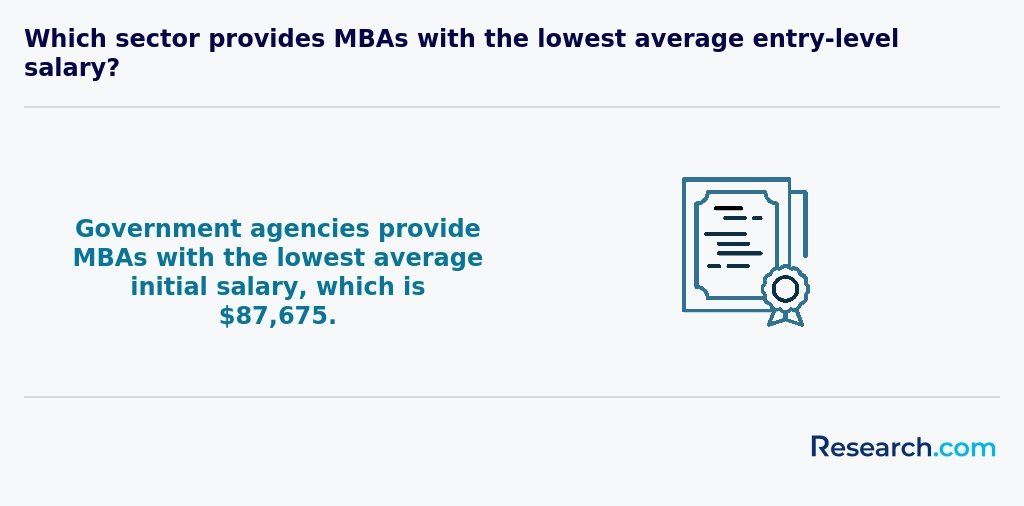
When evaluating the true affordability of MBA programs, it’s essential to consider not only tuition rates but also regional cost of living and job market strength. In Baltimore, MD, the average MBA tuition ranges from $30,000 to $120,000, with living expenses averaging $15,000–$25,000 per year. By contrast, many programs in neighboring North Carolina offer competitive rates alongside a lower cost of living in cities like Raleigh and Charlotte. For a comprehensive look at similar affordability metrics in a neighboring state, explore our Cheapest MBA Degree Programs Ranking in North Carolina. North Carolina’s in-state tuition often falls 10–20% below national averages, and metropolitan areas such as Research Triangle Park boast burgeoning job markets in technology, finance, and healthcare. Baltimore, meanwhile, excels in healthcare management due to its rich medical ecosystem around Johns Hopkins and University of Maryland. When comparing ROI, Maryland graduates report starting salaries of $80,000–$100,000, while North Carolina alumni frequently cite salaries in the $75,000–$95,000 range-underscoring that both regions provide strong returns when program costs and local earning potential are weighed together. Ultimately, your decision should balance program quality, specialization strengths, and regional economic factors. Prospective students committed to healthcare leadership may favor Baltimore’s academic networks and hospital affiliations, whereas those seeking tech-driven consulting roles could find North Carolina’s growth corridors more aligned with their career goals. Regardless of choice, thorough regional comparison ensures your MBA investment maximizes both educational value and post-graduation opportunities.
Students pursuing an MBA in Baltimore often rely on a combination of financial aid sources to manage the substantial costs, which can exceed $60,000 per program. Federal aid is a common starting point; graduate students at institutions like UMBC and Towson University regularly secure Direct Unsubsidized Loans up to $20,500 annually, benefiting from comparatively low interest rates and flexible repayment options. Completing the FAFSA is essential for these opportunities.
Merit-based scholarships play a pivotal role in easing financial burdens. Graduates recall receiving scholarship packages that cut tuition costs by as much as 50%, thanks to strong academic records or leadership demonstrated during their studies. Towson's targeted departmental scholarships are frequently cited as valuable by students balancing financial need with professional growth ambitions.
Employer tuition assistance is also integral for working professionals enrolled in Baltimore's MBA programs. Many local businesses collaborate with universities to offer reimbursement plans, enabling students to advance their education without sacrificing income. Additionally, graduates often supplement funding through private scholarships and take advantage of federal or state tax credits like the Lifetime Learning Credit, further alleviating financial stress during their MBA journey.
Applicants to MBA programs in Baltimore must typically hold a bachelor's degree from an accredited institution, a baseline requirement that ensures readiness for graduate coursework. Graduates from the University of Baltimore and Johns Hopkins Carey Business School often reflect on how this foundation helped them engage deeply with advanced business concepts and case studies.
Standardized test scores such as the GMAT or GRE are frequently required, with admitted students averaging between 550 and 650 on the GMAT. Some programs offer test-optional policies, but candidates then need to highlight strong professional experience or academic records to remain competitive. One graduate recalled balancing a full-time job while preparing for the GMAT, ultimately improving their confidence and performance.
Professional work experience, usually two to three years, is highly valued. This practical background enriches discussions and enables students to relate theory to real-world challenges. Executive or part-time MBA tracks at Baltimore schools cater to working professionals, offering flexible schedules that many find essential.
Additional prerequisites often include letters of recommendation, a personal statement detailing career goals, an updated resume, and for international students, proof of English proficiency through TOEFL or IELTS scores. These application components are crucial for showcasing leadership potential and motivation, as emphasized by numerous successful Baltimore MBA graduates.
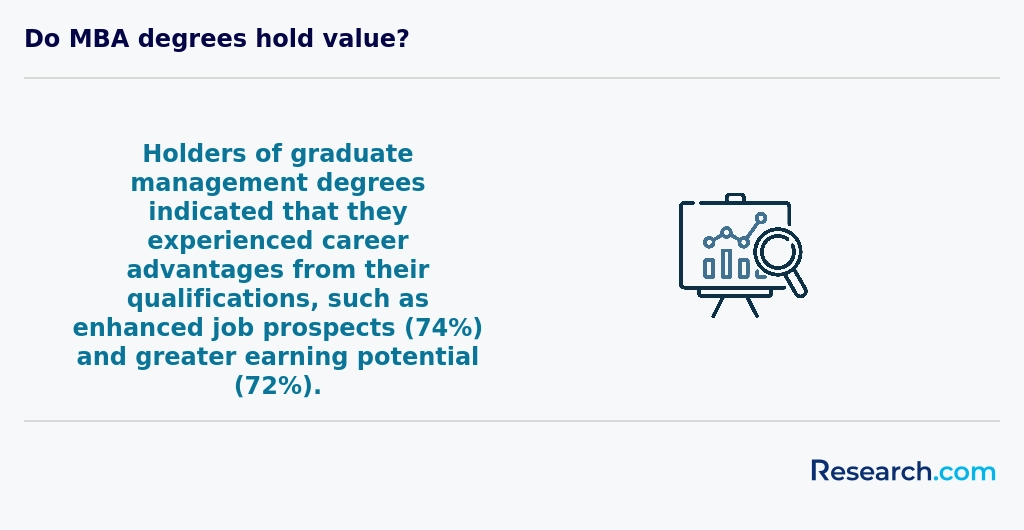
To find the most affordable MBA program in Baltimore, MD, it's essential to consider various factors, including tuition costs, additional expenses, and financial aid opportunities. Prospective students can visit https://research.com/rankings/mba/most-affordable-mba-md as a resource to find the cheapest mba school in maryland, allowing them to make informed decisions about their educational journey. By weighing these factors and exploring available options, students can identify programs that offer quality education without breaking the bank, ultimately achieving their career aspirations and financial goals.
Typical MBA degree programs in Baltimore include core courses such as Financial and Managerial Accounting, which give students practical skills in analyzing business finances, often used by graduates working in local firms to improve budgeting accuracy. Marketing Management courses teach effective consumer engagement strategies, a skill many Baltimore MBA graduates apply when launching startups or contributing to established companies.
Operations Management and Organizational Behavior classes prepare students to enhance production efficiency and navigate team dynamics-essential for those interning with Baltimore-area manufacturers or nonprofits. Corporate Finance and Strategic Management courses train students in investment decisions and long-term planning, often reflected in graduates' success leading projects at regional banks and corporations.
MBA students at renowned institutions in Baltimore also benefit from electives like data analytics and healthcare management, which address the city's growing sectors. Hands-on experiences through internships and consulting projects enable learners to connect coursework directly with Baltimore's business community, reinforcing confidence and competence that alumni praise as instrumental in their career paths.
Baltimore MBA degree concentrations span several key areas aligned with the city's economic landscape. Graduates often highlight specializations like Finance, which leverages Baltimore's proximity to major financial hubs, providing hands-on experience relevant to banking and wealth management. Healthcare Management is another frequently chosen concentration, benefiting from the strong presence of institutions such as Johns Hopkins Hospital. Students in this track often express confidence preparing for leadership roles in hospitals or healthcare consulting.
Students pursuing specializations in MBA programs Baltimore commonly report enthusiasm for Marketing, where their studies in digital marketing and brand management resonate with the region's growing start-up ecosystem. Entrepreneurship also attracts those eager to engage with local business incubators and accelerators, facilitating real-world venture creation experiences. Information Systems and Technology Management remain prominent, reflecting the demand for skills in data analytics and IT strategy across industries.
With tuition varying widely, many students consider flexible formats and cost-effective pathways, sometimes referring to a list of most affordable master of business administration online programs under 10000 per year to plan their studies strategically.
Choosing the best MBA degree in Baltimore requires assessing several key factors tied to your personal and professional goals. Accreditation is crucial; for example, graduates from the University of Baltimore's Merrick School of Business value the AACSB accreditation, which assures them of rigorous academic standards. Cost considerations are equally important-Baltimore's affordable mba programs in Baltimore vary widely, with tuition ranging from $20,000 to more than $50,000, depending on the institution and residency status. Many students appreciate the accessibility of public universities offering lower rates for in-state residents.
Program flexibility also impacts decision-making. Loyola University Maryland graduates often highlight the benefit of part-time and evening formats that allow them to maintain work-life balance. Specializations, such as finance or entrepreneurship, align closely with career trajectories, providing graduates with a competitive edge. Reviewing curriculum details alongside alumni networking opportunities enhances practical employment options in Baltimore's business community.
For those prioritizing cost-effectiveness, reviewing rankings like the Cheapest MBA Degree Programs Ranking in North Carolina can offer comparative insights. This data-driven approach equips candidates to make choices rooted in quality, affordability, and career potential specific to Baltimore's MBA landscape.

MBA career opportunities in Baltimore reflect the city's diverse economy, offering graduates roles in healthcare management, finance, technology, and manufacturing. Graduates from well-regarded local universities often secure leadership positions at institutions such as Johns Hopkins Hospital, where they apply business skills to healthcare administration-an area with a projected job growth of 32% through 2030. Many also find rewarding careers in the financial services sector, entering roles like financial analysts or portfolio managers in Baltimore's robust banking and insurance industries, which employ over 20,000 workers with an average salary above $75,000.
Baltimore's expanding technology scene provides promising paths in product management and consulting, particularly attractive for MBA holders who combine business acumen with tech expertise. Popular career tracks for graduates include operations management, marketing management, entrepreneurship, supply chain, and consulting. Those evaluating these options benefit from understanding the cost-effectiveness of pursuing an MBA in Baltimore, with tuition ranging between $30,000 and $60,000-below the national average.
Graduates often share how immersive programs at local schools enhance their business management jobs Baltimore prospects, boosting confidence in navigating competitive industries. Strategic insights into advancing in these fields can also be explored through resources highlighting most in demand college majors.
The job market for MBA graduates in Baltimore is notably strong, with substantial opportunities across key industries. Graduates from local institutions such as Loyola University Maryland and University of Baltimore often find roles in healthcare management, financial services, and the city's growing technology sector. Many report that Baltimore's diverse economy creates a dynamic environment where their advanced business skills are in high demand, supporting a positive career outlook.
Those seeking job opportunities for MBA graduates in Baltimore benefit from a robust presence of over 10,000 management and financial operations positions. Employers value MBA graduates who can navigate complex organizational challenges, innovate in tech startups, and drive growth within established banking and healthcare systems.
Cost-conscious students also appreciate Baltimore's relatively affordable MBA programs, which typically range between $30,000 and $60,000 in tuition. This financial accessibility, combined with strong networking opportunities, motivates many local students to pursue certifications alongside their degree, including easy certifications to get that pay well.
2027 Most Affordable MBA Degree Programs Ranking in Baltimore
Investing in your education is a significant decision that can shape your future, and the Research.com team understands the importance of making informed choices. To assist prospective students in Baltimore, we have meticulously crafted the "2027 Most Affordable MBA Degree Programs Ranking in Baltimore." Our commitment to quality, credibility, and accuracy is reflected in the extensive research and analysis conducted to compile this ranking.
We utilized the following reputable data sources to ensure a comprehensive evaluation of MBA programs:
By exploring this ranking, readers will gain valuable insights into the most affordable MBA programs available in Baltimore, helping them make well-informed decisions about their educational investments. For more details on our methodology, please visit our Research.com methodology page.


Frequently Asked Questions About MBA
To maximize their learning experience, MBA students in Baltimore should actively engage with the city's vibrant business community. Baltimore hosts numerous networking events and industry conferences, providing practical opportunities beyond classroom learning. According to the Greater Baltimore Committee, local companies often collaborate with universities to offer internships, which can enhance real-world skills.
Students should also utilize resources at institutions like Johns Hopkins Carey Business School, which ranks among top regional MBA providers for experiential learning. Balancing coursework with leadership roles in student clubs and local nonprofit projects can deepen understanding of business concepts.
Finally, leveraging Baltimore's growing sectors such as healthcare and finance allows students to tailor their studies to thriving industries, improving post-degree career prospects.
The MBA field is evolving rapidly, and several emerging niches are gaining attention, especially in Baltimore. One key area is sustainability and social impact management. Baltimore's growing focus on green business practices and social entrepreneurship attracts MBA candidates interested in combining profit with purpose. Another rising niche is healthcare management, bolstered by the city's large medical sector, including institutions like Johns Hopkins.
Additionally, data analytics and business intelligence are increasingly integrated into MBA programs. According to the Graduate Management Admission Council, 40% of MBA job placements now involve data-driven roles, reflecting strong demand in Baltimore's tech and finance sectors. Finally, entrepreneurship remains vital, with many programs offering specialized tracks to support innovative startups in the local urban economy.
Preparing for the job market after completing an MBA degree in Baltimore involves strategic steps to leverage local industry opportunities. Baltimore's strong presence in healthcare, finance, and technology sectors offers MBA graduates a range of career paths. Networking through local professional associations, such as the Baltimore MBA Association, can enhance job prospects significantly.
Internships and practicum projects during the MBA program provide hands-on experience that employers value. According to the U.S. Bureau of Labor Statistics, strong communication and leadership skills, often emphasized in Baltimore's MBA curriculums, increase employability by up to 20%.
Utilizing university career centers and attending Baltimore-based job fairs specifically targeting MBA candidates can connect graduates with regional recruiters.
Employers in Baltimore highly value a combination of analytical and interpersonal skills in MBA graduates. According to the Graduate Management Admission Council, data-driven decision-making and financial literacy rank among the most important abilities.
Leadership and communication skills are critical, as many Baltimore companies seek managers who can motivate teams and articulate strategies clearly. The city's diverse economy, including healthcare and finance sectors, also demands adaptability and problem-solving skills from MBA holders.
Additionally, proficiency in project management and technological tools is increasingly favored, with Baltimore-area employers emphasizing practical expertise alongside theoretical knowledge.
Finding internships in Baltimore relevant to an MBA degree involves leveraging local business networks and university resources. Baltimore hosts numerous industries such as healthcare, finance, and technology, offering diverse internship opportunities for MBA students. According to the Greater Baltimore Committee, nearly 20% of the city's workforce is employed in professional and business services, a key sector for MBA candidates.
MBA students often find internships through career centers at institutions like Johns Hopkins Carey Business School, which maintains strong corporate partnerships across the region. Additionally, platforms like Indeed and LinkedIn list Baltimore internships specifically tailored for business students.
Networking events and local MBA associations provide valuable connections to companies seeking interns. Engaging with Baltimore's startup ecosystem, particularly in areas like Inner Harbor and Johns Hopkins Innovation District, can uncover less traditional internships that offer hands-on business experience.
In Baltimore, earning an MBA can significantly enhance career mobility and professional advancement. According to the U.S. Bureau of Labor Statistics, business and financial occupations in the Baltimore metropolitan area are projected to grow by 7% through 2030, faster than the average for all occupations.
Many employers in Baltimore value MBA graduates for leadership roles, especially in finance, healthcare management, and consulting sectors, which are prominent in the region. The degree often leads to higher earning potential, with graduates typically reporting salary increases of 20-30% within five years post-completion, as noted by the Graduate Management Admission Council.
Networking opportunities provided by Baltimore-area MBA programs also contribute to career advancement, enabling access to influential local business communities. Overall, an MBA serves as a strong credential to shift industries or climb management ranks in this competitive job market.
Studying for an MBA degree in Baltimore equips students with skills essential for interdisciplinary roles by blending business fundamentals with regional industry demands. Baltimore's MBA programs often emphasize collaboration across fields such as healthcare, technology, and manufacturing, reflecting the city's diverse economy. According to the Association to Advance Collegiate Schools of Business (AACSB), several Baltimore universities integrate experiential learning and cross-disciplinary projects in their curricula to foster critical thinking and adaptability.
Additionally, Baltimore's strong network of corporations and startups allows MBA students to engage in internships and consulting projects that cut across multiple sectors. This hands-on experience develops versatile problem-solving abilities valued in interdisciplinary leadership positions nationwide.
Choosing between a thesis and a non-thesis MBA program in Baltimore depends on your career goals and learning preferences. A thesis MBA typically appeals to students interested in research or academia, requiring a significant project that demonstrates analytical skills. Non-thesis programs focus more on coursework and practical experience, which suits professionals aiming to enter or advance in business sectors.
Baltimore offers both options at institutions such as the University of Maryland, Baltimore County and Loyola University Maryland. According to U.S. News & World Report, about 60% of MBA candidates in the Baltimore area opt for non-thesis paths, valuing quicker program completion.
Consider time commitment and your interest in research: thesis programs may take longer but provide deeper specialization, while non-thesis tracks allow flexibility for working professionals.
Students based in Baltimore seeking to study MBA programs abroad have several viable options facilitated by U.S. universities and international partnerships. Many Baltimore institutions, including the University of Maryland's Smith School of Business, offer exchange programs or dual-degree options with global universities. These programs allow students to spend part of their MBA education in countries such as the United Kingdom, France, or Singapore.
Moreover, online and hybrid MBA formats with international accreditation enable Baltimore residents to access global curricula without relocating. According to the Graduate Management Admission Council's 2023 report, nearly 30% of U.S. MBA candidates express interest in international study opportunities, highlighting a growing trend.
Financial aid and scholarships targeting study abroad are also increasingly available through local Baltimore educational foundations, helping mitigate extra costs. Overall, students have practical pathways to gain international business experience while maintaining ties to their home city's academic resources.
Part-time job opportunities in Baltimore that complement MBA education are varied and plentiful. The city's growing finance, healthcare, and technology sectors offer roles that align well with MBA skillsets. Positions such as financial analyst assistants, marketing coordinators, or business development associates provide practical experience alongside studies. According to the Greater Baltimore Committee, Baltimore's business services sector grew by 3.5% in 2023, increasing demand for part-time roles that support strategic business functions.
Interning or working part-time at local startups or nonprofits also allows MBA students to apply leadership and project management skills. These jobs often offer flexible hours suitable for continuing education. Furthermore, Baltimore's focus on innovation hubs creates opportunities in consulting and data analysis, relevant to many MBA specializations.
Baltimore offers robust networking opportunities for MBA students through its diverse business community and academic institutions. Universities like Johns Hopkins Carey Business School and Loyola University Maryland organize regular networking events, industry panels, and career fairs specifically for MBA candidates.
The city's strong presence in healthcare, finance, and technology sectors provides varied industry connections. According to the Maryland Department of Commerce, Baltimore hosts over 30,000 businesses, offering ample possibilities for internships and mentorships.
Local chapters of professional organizations such as the Baltimore Chapter of the Association for Corporate Growth also facilitate valuable networking opportunities. These resources help MBA students build professional relationships and access job prospects in the region.
Alumni networks play a crucial role for MBA students in Baltimore by providing valuable connections within the region's diverse business community. According to a 2023 report by Baltimore Business Journal, nearly 70% of local MBA graduates found their current employment through alumni referrals or networking events. These networks offer mentorship opportunities that help students navigate career transitions and gain industry insights, especially in key Baltimore sectors like finance, healthcare, and logistics.
Membership in alumni groups also grants access to exclusive job postings and professional development workshops. Schools such as Johns Hopkins Carey Business School actively engage alumni in career fairs and speaker series, enhancing students' exposure to real-world challenges.
Overall, alumni networks significantly increase career mobility and local industry integration for MBA students in Baltimore.
Customizing an MBA degree program in Baltimore allows students to align their education with specific career goals. Many Baltimore institutions offer concentrations such as finance, healthcare management, and technology, reflecting the city's diverse economy. For example, programs often include elective courses tailored to industries prevalent in Baltimore's job market.
Students can also select between full-time, part-time, or online formats to balance work and study commitments. Internships and experiential learning opportunities are frequently available through university partnerships with local businesses, providing practical experience.
Additionally, students may engage in networking events and leadership workshops to develop essential soft skills. According to U.S. News, these customizable offerings contribute to higher job placement rates within six months of graduation in the Baltimore area.
MBA students in Baltimore often face the challenge of balancing rigorous coursework with work and personal responsibilities. Many students attend part-time programs while maintaining full-time jobs, which can lead to high stress levels. According to the Graduate Management Admission Council (GMAC), nearly 40% of MBA students nationwide report time management as a major hurdle.
Financial concerns are also significant. Tuition in Baltimore can range widely, with public university MBA programs averaging around $30,000 to $50,000 total, which can be a burden without scholarships or employer sponsorships.
Additionally, navigating networking opportunities in Baltimore's competitive business environment requires proactive engagement, which some students find challenging amidst academic demands. Access to internships and local business connections may vary depending on the institution attended.
An MBA degree from Baltimore-area institutions can open doors to several professional certifications that enhance career prospects. Graduates often pursue the Project Management Professional (PMP) certification, which is highly valued in industries around Baltimore, such as healthcare and finance.
The Certified Management Accountant (CMA) credential is another popular choice, aligning well with MBA coursework in accounting and financial management. Additionally, the Chartered Financial Analyst (CFA) designation suits MBA holders interested in investment and portfolio management roles.
Many Baltimore MBA graduates also consider certifications like Certified Business Analysis Professional (CBAP) or Six Sigma Green Belt to improve operational and analytical skills.
According to the Maryland Higher Education Commission, professional certification rates among MBA graduates in Baltimore have risen steadily over the last five years, reflecting growing employer demand.
To write a winning application for an MBA program in Baltimore, start by researching each school's unique focus and tailoring your materials accordingly. Many Baltimore programs, such as those at Johns Hopkins Carey Business School, value clear leadership potential and professional experience.
Highlight your career achievements with specific examples, quantifying impact when possible. The Graduate Management Admission Council reports that competitive MBA candidates typically have at least 3 to 5 years of work experience.
Strong letters of recommendation from supervisors or colleagues who can attest to your abilities are crucial. Additionally, a well-crafted personal statement that outlines your goals and how the program fits your aspirations can significantly strengthen your application.
Lastly, prepare thoroughly for the GMAT or GRE, as average scores at Baltimore schools generally range from 600 to 700 on the GMAT, according to Poets&Quants data.
The global perspectives on an MBA career increasingly reflect the growing importance of cross-cultural management and international business skills. For students in Baltimore considering an MBA, this means opportunities are expanding beyond local markets into global networks.
According to the Graduate Management Admission Council (GMAC), nearly 60% of MBA graduates seek roles with international responsibilities, highlighting a demand for globally minded professionals. Baltimore's proximity to major ports and diverse industries positions its MBA graduates well for careers in global supply chain management and finance.
U.S. MBA programs, including those in Baltimore, often emphasize global case studies, foreign exchange opportunities, and language skills to prepare students for multinational companies. This global focus enhances graduates' competitive edge in arenas such as consulting, technology, and healthcare-a significant employment sector in Baltimore.
Data from the Bureau of Labor Statistics states that management roles requiring international expertise are projected to grow by 8% through 2030, reinforcing the value of global perspectives in MBA careers.
Gaining practical experience during an MBA program in Baltimore is essential for applying classroom knowledge to real-world business challenges. Many local business schools, such as those affiliated with the University of Baltimore and Johns Hopkins University, offer internships and cooperative education (co-op) opportunities. These programs allow students to work with Baltimore-based companies in industries like finance, healthcare, and technology.
Students can also participate in consulting projects, where they solve actual business problems for local firms. Additionally, Baltimore's vibrant startup scene provides chances for MBA students to engage in entrepreneurial activities or innovation labs. According to the Graduate Management Admission Council, nearly 70% of MBA students nationwide complete internships, underscoring their importance in MBA education.
Choosing the right concentration within an MBA program in Baltimore requires careful consideration of your career goals and the local job market. Popular concentrations include finance, healthcare management, and technology management, reflecting Baltimore's strong financial and healthcare sectors. According to the U.S. Bureau of Labor Statistics, Baltimore has a 6% growth projection in business-related professions through 2030, supporting demand for specialized MBA skills.
Research schools' offerings and compare coursework, faculty expertise, and internship opportunities. For example, Johns Hopkins University and Loyola University Maryland provide concentrations aligning with regional industries. Finally, consider your prior experience and where you want to make the greatest impact.
- 2027 Most Affordable MBA Degree Programs Ranking in Washington
- 2027 Most Affordable MBA Degree Programs Ranking in Arlington
- 2027 Most Affordable MBA Degree Programs Ranking in Wilmington
- 2027 Most Affordable MBA Degree Programs Ranking in Philadelphia
- 2027 Most Affordable MBA Degree Programs Ranking in Allentown
- 2027 Most Affordable MBA Degree Programs Ranking in Bethlehem
- 2027 Most Affordable MBA Degree Programs Ranking in Harrisonburg
- 2027 Most Affordable MBA Degree Programs Ranking in Scranton
- 2027 Most Affordable MBA Degree Programs Ranking in Staten Island
- 2027 Most Affordable MBA Degree Programs Ranking in Newark
- MBA studies https://moderna.edu.pl/majors/management/master-of-management/mba-management-masters-degree/
- Tips for Writing an MBA Program Essay - GMAT Ninja https://www.gmatninja.com/articles/mba-admissions/essays-and-applications/minimizing-mba-application-essay-agony/
- MBA https://www.ubalt.edu/schools-and-colleges/merrick-school-of-business/academics/explore-all-programs/mba/index.cfm
- Top MBA programs with the best alumni networks in the world - MBA Crystal Ball https://www.mbacrystalball.com/blog/2025/07/07/top-mba-programs-with-the-best-alumni-network-in-the-world/
- Why Employers Prize a Global Perspective from MBA Graduates | WU Executive Academy https://executiveacademy.at/en/knowledge/career/why-employers-prize-a-global-perspective-from-mba-graduates
- MBA Costs: Factors, Payments & Financial Aid Information | ELFI https://www.elfi.com/how-much-does-mba-cost/
- Future-Proof Your Career with an MBA in India : MIT-WPU Blog https://mitwpu.edu.in/blog/emerging-specialisations-in-mba---how-to-future-proof-your-business-career-in-india
- Loyola’s Sellinger School of Business introduces new MBA specializations | Press Release | I95 Business https://i95business.com/releases/95
- What Work Experience Do You Need For an MBA? | Articles | Unimy https://www.unimy.com/article/blog-mba-preparation-admissions-mba-work-experience
- How to balance a part-time MBA while working full-time https://www.manchester.ac.ae/blog-post/how-to-balance-a-part-time-mba-while-working-full-time


