
2027 Most Popular MBA Degree Programs Ranking in Albany

Co-Founder and Chief Data Scientist
Choosing the right MBA program can be a turning point in your career, especially in Albany's growing business landscape. This article presents the 2027 Most Popular MBA Degree Programs Ranking in Albany, carefully compiled by the Research.com team of data scientists. It's designed to help you navigate your options with confidence and clarity.
By exploring this ranking, you'll find valuable insights that make selecting the best MBA program easier. An MBA can open doors to new opportunities and personal growth, making your educational investment truly rewarding.
Key benefits of getting MBA degree in Albany
- MBA graduates in Albany often pursue careers in management and finance, with typical salaries in the US ranging from $80,000 to $120,000 annually, reflecting strong earning potential.
- An MBA from institutions like the University at Albany opens doors to diverse roles such as business analyst, marketing manager, and financial advisor, offering exciting career flexibility.
- Completing an MBA degree online from Albany universities provides convenience and the ability to balance work and study, making it easier to gain valuable skills without pausing your career.
- 2027 Most Popular MBA Degree Programs Ranking in Albany
- What can I expect from MBA degree in Albany?
- Where can I work with MBA degree in Albany?
What can I expect from MBA degree in Albany?
The average cost of pursuing an MBA degree in Albany typically centers around SUNY Albany, where in-state tuition for the 2023-2024 academic year is about $19,000 annually. Graduates often reflect positively on this affordability, emphasizing how it enabled them to focus on studies and personal growth without overwhelming financial strain. Public universities in Albany generally offer more accessible pricing compared to private schools, which can quickly raise the overall expense of the degree.
For example, graduates from SUNY Albany's MBA program frequently mention the balance they found between cost and quality, appreciating the comprehensive curriculum and connections within the local business community. However, one should also consider additional costs such as fees, materials, and living expenses, which can affect the total investment. While some professionals benefit from flexible part-time or online options allowing them to maintain income streams, others might weigh shorter programs with higher price tags at private institutions. This cost variation means it's important for prospective students to assess personal circumstances alongside tuition figures when planning their MBA journey in Albany.
Where can I work with MBA degree in Albany?
MBA graduates from institutions like the University at Albany often find themselves well-positioned in sectors closely tied to the city's economic fabric. Many report positive experiences securing roles in New York State's government agencies, where their skills in organizational management and finance prove valuable for positions such as budget analysts or operations managers. This reflects Albany's unique advantage as the state capital, creating a steady demand for expertise in public administration.
Others emphasize opportunities in the financial services industry, including banking and insurance firms that maintain regional offices. Graduates with finance or risk management concentrations speak about engaging in real-world projects like investment analysis and corporate finance, gaining insight into both regional and national financial trends.
Healthcare administration also attracts Albany MBA holders, with large medical centers offering roles that combine strategic planning and financial oversight-experiences that alumni often describe as both challenging and rewarding. Meanwhile, some graduates find appeal in Albany's growing technology and consulting sectors, where their adaptability and project management skills support innovation at startups and established firms alike.
While these paths are promising, graduates acknowledge that securing leadership roles requires persistence and sometimes starting in mid-level positions to build sector-specific knowledge, making Albany's network of public, private, and nonprofit organizations doubly important for career growth.
MBA graduates in Albany often experience noticeable salary improvements compared to those with only a bachelor's degree. While specific salary data from the U.S. Bureau of Labor Statistics is not available for every MBA-related position locally, typical earnings range from $85,000 to $120,000 annually depending on experience and industry. For instance, graduates from well-known programs at institutions like the University at Albany report starting salaries around $70,000, increasing beyond $110,000 within five years.
Many graduates find roles in finance, consulting, or healthcare management, where demand for business expertise commands higher pay. A graduate who secured a financial manager role after completing their MBA at Albany Business College expressed satisfaction with their salary surpassing $120,000, reflecting leadership responsibilities paired with advanced skills.
It's important to remember that outcomes vary-graduates from accredited and established programs often benefit from stronger employer networks, boosting their earning potential in Albany's competitive market. These salary figures illustrate the meaningful return on investment for pursuing an MBA in this region.
- MBA tuition in Albany typically ranges from $30,000 to $60,000, which is lower than the national private school average exceeding $70,000.
- Additional expenses include fees, books, and living costs, which add to the overall investment required for an MBA degree.
- Median starting salaries for MBA graduates in Albany range from $65,000 to $75,000 annually, with long-term salaries averaging $110,000 to $130,000 after five to ten years.
- The local economy supports steady job opportunities in sectors like finance, healthcare, technology, and public administration.
- Many MBA programs in Albany offer flexible schedules and specialization options in finance, marketing, and healthcare management to fit professional needs and regional industry demands.
Completing an MBA degree in Albany typically takes about two years for full-time students, matching the experience of many graduates from the University at Albany, SUNY. These students often describe a rewarding but intense schedule, balancing coursework with internships that enrich their practical skills. This traditional timeline suits those eager to immerse themselves fully in their studies and quickly advance their careers.
However, graduates who pursued a part-time MBA option highlight a more flexible yet extended path, usually spanning three to five years. Balancing work and study, these students appreciate the ability to maintain steady income while gradually completing their degree, though they acknowledge the longer commitment can require patience and discipline.
For those aiming to finish faster, accelerated MBA programs in Albany can be completed within 12 to 18 months. Alumni from such tracks, sometimes offered through hybrid or online formats, share feelings of pride in managing an intensified workload to achieve rapid progress, often benefiting professionals with prior business experience.
Planning a strategic approach to your MBA application in Albany, NY can boost your admissions success. Follow this step-by-step timeline and expert tips: • 9–12 Months Before Enrollment – Research program offerings, deadlines, and prerequisites. – Attend virtual or in-person info sessions and connect with alumni. – Review cost-saving options; for a regional comparison, explore Research.com’s Affordable MBA Degree Programs Ranking in Kentucky. • 6–8 Months Before Enrollment – Register for GMAT/GRE and begin targeted test prep. – Request official transcripts from all colleges attended. – Identify recommenders and provide them with your resume and goals. • 4–6 Months Before Enrollment – Draft and refine application essays, emphasizing leadership achievements and career vision. – Update your professional résumé to highlight quantifiable results. – Schedule mock interviews and prepare STAR-based anecdotes. • 2–4 Months Before Enrollment – Complete and proofread all application components at least two weeks before each deadline. – Confirm receipt of recommendation letters and test scores. – Apply for scholarships and financial aid (FAFSA, TAP, institutional awards). • After Submission – Prepare for interviews by researching each school’s culture and recent news. – Send personalized thank-you notes to interviewers and recommenders. – Compare admission offers, financial aid packages, and program fit before committing. By adhering to this timeline and leveraging targeted preparation, you’ll maximize your competitiveness for top MBA programs in Albany, NY.
The main difference between online and on-campus MBA programs in Albany lies in how students engage with their studies and their environment. Graduates from on-campus programs at institutions like the University at Albany often speak about the energizing effect of in-person interaction-collaborating face-to-face during group projects, attending networking events, and accessing campus resources that foster community and immediate feedback.
Conversely, online MBA students value the flexibility offered by remote learning, which lets them juggle work, family, and education without needing to relocate or commute. Many report feeling empowered by managing their own schedules, although they acknowledge the challenge of maintaining self-discipline and nurturing virtual connections rather than spontaneous campus encounters.
Both formats cover comparable content, but their delivery shapes the experience: online learners appreciate asynchronous classes that fit their lifestyle, whereas on-campus peers benefit from structured timetables and tangible networking opportunities-critical for Albany's local business scene.
The average MBA degree cost in Albany is notably influenced by residency status. Data shows that in-state students at institutions such as the University at Albany typically pay a median total of around $10,866 for their MBA, making it an attractive option for local candidates. Out-of-state students, however, face a much higher median total cost of approximately $50,263, reflecting the premium charged by public universities for non-resident tuition.
Graduates often recall balancing this investment with a strong sense of value, especially those who appreciated Albany's relatively moderate living expenses and university fees. Many mention how the cost-effectiveness of the program contributed to a positive overall experience, reinforcing their confidence in returning to the workforce equipped with advanced skills without overwhelming debt. This contrasts with the higher price tags reported at private institutions in other regions.
Understanding the total cost of MBA programs Albany 2027 requires considering not just tuition but also living costs, materials, and incidental fees. Some students find scholarships and assistantships crucial in reducing their financial burden. Additionally, exploring options such as loans or part-time studies can influence affordability.
Those curious about alternatives may also want to review the best MBA programs in Virginia, which provide further comparisons of costs and benefits across different states and institutions, helping prospective students make informed decisions about their business education investment.
To make an informed decision about which MBA program in Albany, NY, is the best fit, prospective students should research and compare various aspects of each program. One crucial step is to review rankings and accreditation, ensuring the program is recognized for its quality. For instance, exploring the popular mba school options in the area can provide valuable insights into the reputation and strengths of each institution. Additionally, considering factors such as program format (full-time, part-time, or online), curriculum, networking opportunities, and career support services can help students align their educational goals with the right program. By carefully evaluating these elements and reaching out to current students or alumni, prospective students can make a well-informed decision that sets them up for success in their future careers.
Students pursuing an MBA in Albany often find federal student aid to be a foundational resource. Graduates from the University at Albany's School of Business recall how completing the FAFSA early unlocked access to Direct Unsubsidized and Grad PLUS Loans, which eased financial pressure through manageable repayment terms. This federal aid tends to offer more security compared to private loans, although its availability can be limited, so timing is critical.
Merit-based scholarships and fellowships also play a crucial role. Alumni frequently mention the boost they received from awards tied to academic excellence, leadership, or work experience, which significantly reduced their tuition burdens. These competitive scholarships reflect Albany's commitment to attracting high-caliber candidates but require proactive application efforts.
Employer tuition reimbursement adds practical value, with many MBA students balancing work and study, thankful for local companies supporting their education. Additionally, opportunities like teaching or research assistantships provide hands-on experience alongside financial relief. Such arrangements underscore that navigating MBA finances in Albany often involves combining multiple aid forms rather than relying on a single source.
As the business landscape evolves, MBA graduates in Albany are uniquely positioned to capitalize on emerging industry trends and future opportunities. The region's economy is experiencing shifts driven by technology integration, sustainable business practices, and innovative startup ecosystems. For instance, local financial institutions and healthcare organizations are investing in digital transformation, creating a growing demand for MBA professionals with expertise in data analytics and strategic innovation. In addition, Albany’s revitalized entrepreneurial scene fosters a supportive environment for graduates who wish to launch or join new ventures. Recent market forecasts suggest that demand for adaptive leadership and specialized business skills will continue to increase. Professionals who remain engaged with alumni networks, industry conferences, and local business events are more likely to leverage these trends into career advancement. Furthermore, with the rise of flexible education models and competitive online options, aspiring leaders can further enhance their skill set without incurring excessive costs. For those interested in balancing affordability and quality in their education, exploring most affordable mba online programs under 10000 per year may be a strategic move. Staying informed about these industry trends not only empowers graduates in their career decision-making but also strengthens the overall appeal of Albany as a growing hub for business innovation and professional growth.
To enroll in an MBA program in Albany, candidates typically need a bachelor's degree from an accredited institution, though not necessarily in business. Many students who graduated from popular schools like the University at Albany found that having backgrounds in economics or finance helped them feel more confident during coursework, but it wasn't an absolute must.
Standardized tests play a key role for many programs, with the GMAT being the common choice. However, some schools accept GRE scores, and recent trends show more flexibility-graduates recall case examples where work experience or high undergraduate GPAs helped waive these requirements. For instance, those with five years in local industries appreciated how their experience weighted just as heavily as test scores.
Work experience is often required and valued, especially for part-time or executive MBA tracks in Albany. Many alumni describe how their practical insights from companies around the region enriched classroom debates and connected theory to real-world challenges.
Letters of recommendation and a personal essay remain indispensable parts of the application. Graduates emphasize that these elements convey personality and ambition, helping admissions understand an applicant beyond numbers. Financially, planning for tuition between $30,000 and $70,000, plus living costs, is critical to avoid surprises during study.
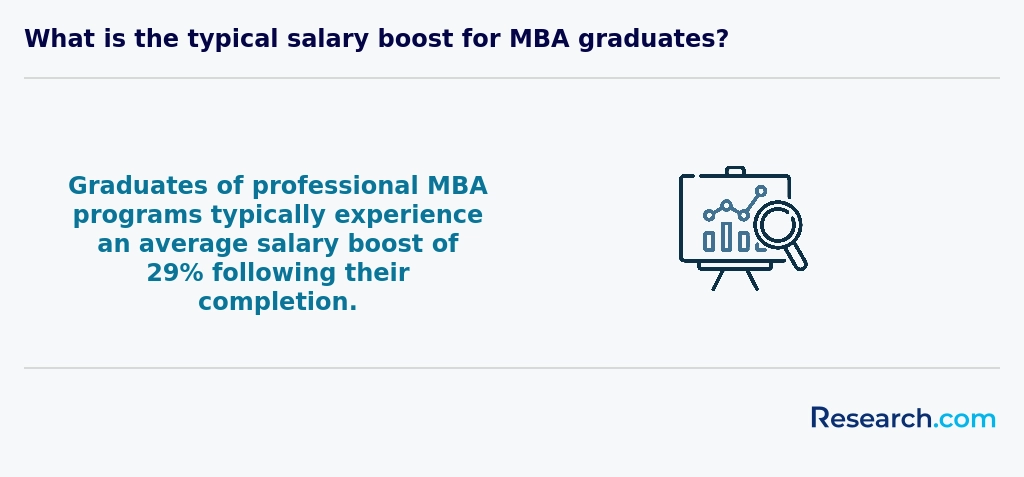
Understanding the return on investment (ROI) for an MBA in Albany, NY, is crucial when weighing tuition costs against future earning potential. On average, Albany MBA graduates report a 29% salary increase within one year of graduation, translating to an annual boost of $20,000–$30,000 depending on specialization and prior experience. Here’s how to assess your payback period and long-term ROI: • Calculate Total Cost: Include tuition, fees, books, and living expenses. A two-year full-time program at a public institution in Albany averages $60,000–$80,000 for in-state students. • Estimate Salary Uplift: Subtract pre-MBA earnings from projected post-MBA salary. For example, moving from $70,000 to $95,000 post-MBA yields a $25,000 annual increase. • Determine Payback Period: Divide total program cost by annual salary uplift. With a $75,000 investment and a $25,000 increase, the break-even point is three years. • Adjust for Opportunity Cost: Factor in forgone income if you study full-time and compare with part-time or online options to shorten your payback time. Beyond pure numbers, consider intangible benefits such as expanded networks, enhanced leadership skills, and industry specialization. For a broader perspective on cost-effective MBA options, explore our Affordable MBA Degree Programs Ranking in Kentucky, which showcases programs with rapid ROI and lower tuition rates. By quantifying both financial and professional gains, you can make a data-driven decision that aligns with your long-term career goals.
MBA programs in Albany, such as those at popular institutions like the University at Albany, typically begin with foundational courses in accounting, finance, marketing, operations management, and organizational behavior. Graduates often recall how these courses helped them confidently analyze financial statements and lead diverse teams during internships or early career roles, making theory feel relevant and practical.
Beyond these core subjects, the emphasis on quantitative skills through statistics and business analytics is notable. For instance, some students who engaged deeply with data-driven projects found themselves better equipped to make strategic decisions, illustrating the program's alignment with the demands of today's business world.
Electives offering specializations-like healthcare management or supply chain-allow graduates to tailor their education to align with specific career aspirations. A graduate from an Albany college shared how choosing entrepreneurship electives boosted their confidence when launching a startup, highlighting the program's flexibility.
Leadership and ethics courses, focusing on communication and corporate responsibility, also resonate with many. Alumni often describe these as transformative, helping them navigate complex workplace dynamics with a strong ethical foundation.
Students pursuing an MBA in Albany often encounter a variety of specializations tailored to the city's evolving business landscape. Typical concentrations include Finance, Marketing, Healthcare Management, and Business Analytics, each offering unique skill sets suited for regional industries. For example, graduates from SUNY Albany have shared enthusiasm about choosing Finance due to close ties with nearby financial districts, which heightens job placement success.
Exploring Albany MBA degree concentration options reveals additional fields like Human Resource Management, Entrepreneurship, Supply Chain Management, and Information Technology Management. These areas support diverse career ambitions; one graduate emphasized how the Entrepreneurship track encouraged creative problem-solving, inspiring a career in entrepreneurial ventures in the local economy.
While these specializations provide targeted expertise, some students caution that choosing a niche might limit exposure to broader business contexts, reminding prospective students to weigh personal career goals carefully. Albany schools often allow combining multiple focuses, reflecting flexible curriculum designs that appeal to students seeking tailored education experiences aligned with the reality of varied business demands within the region.
Choosing the best MBA degree in Albany means balancing accreditation, cost, and program flexibility. Graduates from the University at Albany's School of Business often reflect positively on its AACSB accreditation, a mark of program quality that appeals to employers. However, accreditation alone doesn't guarantee the best fit for everyone. Some students prioritize specializations tailored to their goals, such as finance or healthcare management, which are widely available in Albany's MBA offerings. For others, a program's format-whether full-time, part-time, or online-dictates their choice, especially for working professionals juggling family or job commitments.
Affordability also weighs heavily. Albany's competitive tuition, compared with metropolitan hubs, attracts many seeking affordable MBA degrees Albany 2027. Students benefit from exploring scholarships and employer reimbursement options to reduce financial burden. One graduate shared how they balanced coursework and work efficiently thanks to part-time offerings, enhancing their career while studying.
Finally, consider long-term outcomes. Strong alumni networks in Albany often lead to leadership roles soon after graduation. To understand career trajectories, prospective students should review graduate employment rates and explore resources like MBA degree preparation to align their decision with realistic expectations and ambitions.
MBA graduates in Albany encounter a diverse range of career opportunities that reflect the city's unique economic landscape. Many find fulfillment in management and leadership roles, particularly within government agencies given Albany's status as New York's capital. Graduates from SUNY Albany and other local institutions often highlight how their programs prepared them for public sector strategic roles, blending financial expertise with policy understanding.
Financial services remain a strong avenue, with the Capital District's expanding finance sector offering positions in investment analysis and corporate finance. However, some graduates caution that competition in banking can be intense and advise developing specialized skills.
Healthcare administration also attracts MBA holders, with regionally prominent hospitals valuing professionals who balance operational efficiency and strategic growth-an appealing prospect for those at private colleges as well.
Albany's growing technology scene provides exciting paths in product management and business development, though the startup environment can demand adaptability and perseverance. Other graduates find rewarding roles in areas like entrepreneurship, marketing, and supply chain management, leveraging their MBA to drive innovation and operational improvements.
Those exploring these options may also benefit from understanding broader trends, such as business school acceptance rates NC, to gauge their competitive positioning beyond the region, linking local ambitions with national realities. Altogether, the variety of MBA career opportunities in Albany suits individuals with diverse professional goals and strengths.

The job market for MBA degree holders in Albany reflects a balanced mix of steady demand and diverse opportunities across industries. Graduates from well-regarded local institutions often find roles in management, consulting, and finance, benefiting from the city's stable growth in government and healthcare sectors. For many pursuing an MBA in Albany, connections built through internships and alumni networks at these universities have proven crucial in landing roles, especially within state agencies and financial services. This practical engagement enhances the real-world value of the degree, creating relatable success stories among recent graduates.
Considering the Albany MBA graduate employment outlook, salaries typically range between $80,000 and $110,000 annually, aligning well with the local cost of living. However, competition remains, particularly for coveted consulting positions, where candidates often seek further specialization. Prospective students weigh these factors carefully, knowing the city's economic diversity supports varied career paths.
Those interested in exploring opportunities further can investigate business consulting careers within the region, gaining insight into roles tailored for MBA graduates. Overall, Albany offers a promising landscape for candidates pursuing MBA degree job opportunities in Albany, provided they leverage local networks and industry connections.
2027 Most Popular MBA Degree Programs Ranking in Albany
Investing in your education is a significant decision that can profoundly impact your career path, and the Research.com team is committed to supporting you in making well-informed choices. To assist prospective students in Albany, we have carefully developed the "2027 Most Popular MBA Degree Programs Ranking in Albany." Our dedication to quality, credibility, and accuracy is demonstrated by the thorough research and analysis performed in compiling this ranking.
We utilized the following reputable data sources to ensure a comprehensive assessment of MBA programs:
By exploring this ranking, readers will gain valuable insights into the most popular MBA programs in Albany, enabling them to make informed decisions tailored to their educational and professional goals. For more details on how we created this ranking, please visit our Research.com methodology page.

# 2 position
Excelsior University
Master of Business Administration

Frequently Asked Questions About MBA
Students pursuing an MBA in Albany can enhance their learning by engaging deeply with both academic and practical experiences. Albany's proximity to corporate headquarters and government agencies offers valuable internship opportunities, which help bridge theory with real-world applications. According to the U.S. Bureau of Labor Statistics, hands-on experience greatly improves post-graduation employment prospects for business students nationwide.
Networking is also crucial. Albany hosts numerous business events and alumni meetups, which can help MBA candidates build professional connections. Additionally, utilizing campus resources like career services and faculty office hours can provide personalized guidance and support throughout the program.
Participating in case competitions and group projects allows students to hone collaboration and leadership skills, essential in today's business environment.
The field of MBA education in Albany is evolving with new specialized areas gaining popularity. Emerging niches include data analytics, sustainability management, and healthcare administration. These focus on skills in high demand due to technological advances and societal shifts. For example, MBA programs at the University at Albany emphasize data-driven decision-making, anticipating a 20% job growth in business analytics through 2030 according to the U.S. Bureau of Labor Statistics.
Additionally, sustainability and green business management are rising, reflecting corporate commitments to environmental responsibility. Healthcare-related MBAs align with the expanding healthcare sector in New York State, which employs over 650,000 people. These niches offer practical pathways for Albany students seeking specialized careers after graduation.
After completing an MBA degree in Albany, preparing for the job market involves strategic steps tailored to local and national trends. The Capital Region, including Albany, has seen growth in finance, healthcare, and tech sectors, which are key opportunities for MBA graduates, according to the Albany-Colonie Regional Chamber of Commerce.
Graduates should leverage their school's career services for networking events and internships, crucial for gaining practical experience. Updating resumes to highlight leadership, analytical, and communication skills is essential.
Additionally, obtaining relevant certifications, such as project management or data analysis, can enhance employability. Staying informed on national Bureau of Labor Statistics reports helps anticipate industry demands.
Employers in Albany increasingly prioritize a combination of technical and soft skills when hiring MBA graduates. Analytical thinking and data-driven decision-making rank high, as companies seek professionals capable of interpreting complex business data. According to the Albany Business Review, 78% of regional employers prefer MBAs skilled in financial analysis and strategic planning.
Leadership and communication are also essential. Graduates who demonstrate the ability to lead diverse teams and articulate ideas clearly tend to stand out. The New York State Department of Labor highlights that adaptability and project management skills are critical due to Albany's evolving economic landscape.
Additionally, proficiency in digital technologies and familiarity with emerging business software are increasingly requested. Effective MBA candidates often combine these skills to drive innovation in local industries.
Finding internships in Albany relevant to an MBA degree involves leveraging local business networks and university career services. Albany's growing economy, particularly in finance, healthcare, and technology, offers diverse internship opportunities suitable for MBA students. According to the Albany Business Review, over 30% of MBA candidates secure internships through connections made via their schools.
Many Albany universities, including the University at Albany School of Business, provide dedicated internship offices that connect students with local companies. Students should also attend regional job fairs and utilize platforms like Handshake to find openings specifically tailored for MBA candidates.
Networking through professional organizations, such as the Albany-Colonie Regional Chamber of Commerce, can further increase internship possibilities. Local government and non-profits also offer valuable experiential learning for MBAs looking to gain practical experience.
In Albany, earning an MBA degree significantly enhances career mobility and advancement opportunities. The region's growing sectors, including finance, healthcare, and technology, often list MBA qualifications as preferred for management roles. According to the U.S. Bureau of Labor Statistics, professionals with MBAs typically see a 10-15% higher earning potential and faster promotion rates compared to those with only bachelor's degrees.
Local alumni networks from Albany's universities, such as University at Albany's School of Business, provide strong professional connections that facilitate job transitions and leadership roles. Additionally, Albany's expanding business environment rewards candidates with advanced skills in strategic thinking and leadership, which MBA programs emphasize.
Employers in Albany increasingly view an MBA as a signal of readiness for executive-level responsibilities. This credential can open doors to roles in business development, consulting, or operational management, offering graduates a competitive edge in the local job market.
Studying for an MBA degree in Albany equips students with versatile skills crucial for interdisciplinary roles. Programs emphasize collaboration across fields such as finance, marketing, technology, and healthcare, reflecting the region's diverse economy. Albany's proximity to government agencies and tech firms offers practical exposure to integrated business challenges. According to the U.S. News & World Report, MBA programs in New York State, including Albany, focus on leadership, analytical thinking, and communication-key for managing cross-functional teams. Coursework often includes real-world projects encouraging problem-solving beyond traditional business boundaries, preparing graduates to adapt in varied professional environments.
When choosing between a thesis and a non-thesis MBA program in Albany, start by considering your career goals. A thesis MBA usually involves deep research and is well-suited for students aiming for academic, policy, or analytical roles. Non-thesis programs focus more on practical skills, case studies, and internships, appealing to those targeting managerial or corporate positions.
Albany's universities like the University at Albany offer both options, with thesis tracks often requiring 6 to 9 credits of research work. According to the National Center for Education Statistics, about 40% of MBA candidates in New York State opt for non-thesis programs due to their flexibility and shorter completion times.
Also evaluate your learning style and time availability. Thesis programs demand more self-driven research, while non-thesis options are structured with more coursework.
Students based in Albany who wish to study an MBA abroad have several pathways available, primarily through partnerships and exchange programs facilitated by local institutions. For example, the University at Albany's School of Business offers international study opportunities that enable MBA candidates to attend partner schools overseas for a semester. This option allows students to gain global business perspectives while earning credits toward their degree.
Additionally, many Albany MBA students consider enrolling directly in internationally recognized programs, such as those in Europe or Asia, where tuition and living costs can vary widely. According to the U.S. Department of Education, nearly 10% of MBA candidates from New York participate in some form of international study, reflecting growing interest in global business education.
Albany residents can also explore online or hybrid MBA programs with international curricula, providing flexibility without relocation. These options are increasingly popular due to their convenience and ability to connect students with global faculty and peers.
Albany offers several part-time job opportunities that align well with MBA studies, providing practical experience alongside academic learning. Popular roles include business analyst internships, financial services assistant positions, and marketing coordinator jobs. These roles allow students to apply management theories and develop skills in real-world settings.
The city's growing financial and tech sectors often seek MBA students for project support and data analysis tasks. According to the Albany-Colonie Regional Chamber of Commerce, over 40% of internships for graduate students in 2023 were in finance and consulting. Students benefit from networking and gain insights into local market dynamics through these roles.
Additionally, part-time opportunities in nonprofit management and local government offices offer a unique perspective on leadership, complementing MBA coursework focused on organizational behavior and strategy. Many Albany employers offer flexible schedules to accommodate class timings, enhancing students' capacity to balance work and study.
Albany offers MBA students numerous networking opportunities that enhance their educational experience and career prospects. Local universities, such as the University at Albany, provide access to business clubs, guest lectures, and alumni events tailored specifically for MBA cohorts. These activities encourage connections with industry professionals and fellow students.
The Albany area also hosts networking events through the Capital Region Chamber of Commerce and organizations like the Albany-Colonie Regional Chamber, which regularly organize business mixers and seminars. These events help MBA students build relationships with local entrepreneurs, executives, and potential employers.
Additionally, Albany's proximity to New York City broadens networking possibilities, enabling students to attend larger conferences and industry meetups. This regional access supports career growth within finance, technology, and government sectors. According to the University at Albany's recent career report, 75% of MBA graduates benefit from internships or networking contacts gained during their studies.
Alumni networks play a vital role for MBA students in Albany by providing access to a broad community of experienced professionals. These networks foster valuable connections that often lead to mentorship opportunities, internships, and job placements after graduation. According to the Albany MBA Consortium, over 75% of MBA graduates in the region have reported that their alumni network directly helped them secure career advancements.
Moreover, local business leaders who are program alumni frequently conduct workshops and guest lectures, enriching the academic experience with real-world insights. This interaction also supports entrepreneurship by connecting MBA students with seasoned advisors and investors within Albany's growing business ecosystem.
Engagement with alumni networks also enhances students' professional visibility, which is crucial in competitive marketplaces. Familiarity with notable alumni in Albany's finance, healthcare, and tech sectors often opens doors to exclusive job fairs and networking events. These connections not only assist current students but also strengthen Albany's overall MBA community.
Customizing an MBA degree program in Albany allows students to tailor their education to fit specific career goals. Many local universities offer flexible electives and concentrations such as finance, healthcare management, or entrepreneurship. Students can choose part-time, full-time, or online formats, providing flexibility for working professionals.
Internship opportunities and partnerships with Albany's diverse industries, including finance and technology sectors, help integrate practical experience. According to the Albany Business Review, 65% of MBA students engage in internships that boost employability post-graduation. Additionally, some programs offer mentorship and networking events to connect students with local business leaders.
These options enable students to focus on areas most relevant to their career ambitions while benefiting from Albany's growing economic landscape.
MBA students in Albany commonly face several challenges during their studies. Balancing work, family, and coursework is a significant hurdle since many students attend part-time or have demanding jobs.
Another issue is the high cost of tuition and related expenses. According to the National Center for Education Statistics, graduate tuition fees in New York state have increased steadily over recent years, impacting Albany area students significantly.
Additionally, students often find networking opportunities limited compared to larger metropolitan areas, which may affect internship and job placement chances.
Finally, adapting to the rigorous curriculum and time management required for MBA programs remains a frequent difficulty for many in the region.
An MBA degree from Albany-area institutions opens the door to various professional certifications that can enhance career prospects. Common certifications pursued include the Project Management Professional (PMP), which complements management skills learned in MBA programs. Another popular choice is the Certified Public Accountant (CPA), especially for MBA graduates with an accounting concentration.
Many MBA holders in Albany also pursue the Certified Financial Planner (CFP) designation to advance in finance roles. The Six Sigma Green Belt certification is valued for professionals focused on operational efficiency and quality management.
According to the Albany Business Review (2023), nearly 40% of MBA graduates from local universities undertake at least one such certification within two years after graduation, highlighting their importance for competitive advantage in the regional job market.
Applying for an MBA program in Albany requires a clear, focused approach. Start by researching programs like those at University at Albany, SUNY, which had around 150 MBA graduates in recent years according to the U.S. Department of Education. Tailor your essay to show why Albany's business environment and program strengths align with your career goals. Highlight leadership experience and any local community involvement, as programs often value regional engagement.
Strong GMAT or GRE scores are important; Albany's average GMAT score for admitted students is approximately 580. Also, secure compelling letters of recommendation from professional or academic contacts who can attest to your abilities and potential.
Proofread all materials carefully, and meet deadlines set by the Albany MBA programs to maximize your chances.
The global perspective on an MBA career increasingly emphasizes versatility and international relevance. Graduates from MBA programs in Albany benefit from a curriculum that often incorporates global business concepts, preparing them for leadership roles beyond local markets. According to the Graduate Management Admission Council (GMAC), 60% of MBA employers seek candidates with cross-cultural management skills, highlighting the demand for global insights.
Albany's proximity to financial and technological hubs also provides networking opportunities with multinational companies, enriching students' exposure to worldwide business practices. Many MBA programs here offer study-abroad options or global immersion projects, linking theory with global experience.
Overall, an MBA holders' career trajectory in Albany aligns well with global business trends, meeting the needs of companies operating internationally while supporting local economic growth.
Students pursuing an MBA degree in Albany have multiple ways to gain practical experience alongside their studies. Many local institutions, like the University at Albany, offer internship programs that connect students with businesses in sectors such as finance, healthcare, and technology.
Additionally, Albany's growing economy provides opportunities to engage in consulting projects or part-time roles while enrolled. These experiences allow students to apply classroom knowledge to real-world challenges, enhancing their skills and resumes.
Students can also participate in case competitions and business clubs, which foster problem-solving and leadership development. According to the Princeton Review, internship participation among Albany MBA students exceeds 65%, emphasizing the importance of hands-on learning in the region.
When choosing the right concentration within an MBA program in Albany, consider your career goals and the local industry landscape. Albany's economy is strong in healthcare, technology, and finance, which are common MBA focus areas offered by institutions like the University at Albany. According to the U.S. Bureau of Labor Statistics, MBA graduates with specialties in finance or technology often see higher starting salaries nationally, which can reflect locally.
Evaluate concentrations based on course content, faculty expertise, and connections to Albany's business community. Practical opportunities such as internships or networking events in Albany can enhance learning and employment prospects. Consulting local employment data and speaking with alumni may also guide your decision.
- 2027 Most Popular MBA Degree Programs Ranking in Springfield
- 2027 Most Popular MBA Degree Programs Ranking in West Hartford
- 2027 Most Popular MBA Degree Programs Ranking in Utica
- 2027 Most Popular MBA Degree Programs Ranking in New Haven
- 2027 Most Popular MBA Degree Programs Ranking in Worcester
- 2027 Most Popular MBA Degree Programs Ranking in Syracuse
- 2027 Most Popular MBA Degree Programs Ranking in Bronx
- 2027 Most Popular MBA Degree Programs Ranking in Burlington
- 2027 Most Popular MBA Degree Programs Ranking in Waltham
- 2027 Most Popular MBA Degree Programs Ranking in Scranton
- Know more about thesis vs non- thesis: what is the difference? https://studyfans.com/en/blogs/816
- MBA Career Outlook from a Global Perspective Margaret Buj https://interview-coach.co.uk/mba-career-outlook-from-a-global-perspective/
- Overcoming Common Challenges Faced by Management Students https://iilm.edu/iilm-lucknow/blog/challenges-faced-by-management-students/
- What Work Experience Do You Need For an MBA? | Articles | Unimy https://www.unimy.com/article/blog-mba-preparation-admissions-mba-work-experience
- Future-Proof Your Career with an MBA in India : MIT-WPU Blog https://mitwpu.edu.in/blog/emerging-specialisations-in-mba---how-to-future-proof-your-business-career-in-india
- 6 Tips to Make the Most of Your MBA Experience https://mbaschooled.com/2020/01/14/6-tips-to-make-the-most-of-your-mba-experience/
- Master of Business Administration (M.B.A.) Major in Business Administration (General Flex Non-thesis Option) https://mycatalog.txstate.edu/graduate/mccoy-business-administration/business-genflex-nonthesis-mba/
- How an MBA contributes to career advancement https://online.wlv.ac.uk/blog/how-an-mba-contributes-to-career-advancement/
- The Growing Demand for Niche Jobs and MBA Specializations https://www.clearadmit.com/2025/05/the-growing-demand-for-niche-jobs-and-mba-specializations/
- Choosing the Right MBA: 5 Simple Steps to Success https://executiveacademy.at/en/knowledge/executive-education/how-to-choose-the-right-mba


