2027 Most Popular MBA Degree Programs Ranking in Washington

Co-Founder and Chief Data Scientist
Choosing the right MBA program in Washington can feel overwhelming, but this article is here to guide you. It features the 2027 Most Popular MBA Degree Programs Ranking in Washington, developed by the Research.com team of data scientists to help you make an informed decision.
Understanding which programs are highly regarded lets you focus your efforts on options that truly match your goals and ambitions. An MBA can open doors to exciting career opportunities, build your confidence, and boost your professional network.
Explore this ranking to find the best fit for your future success.
Key benefits of getting MBA degree in Washington
- MBA graduates in Washington often pursue careers in management or finance, with typical salaries around $70,000 to $120,000 annually based on national averages for these roles.
- Graduates from University of Washington's MBA program explore diverse fields like consulting, marketing, and entrepreneurship, opening doors to leadership positions and exciting career growth.
- Completing an MBA online from schools like Washington State University offers flexibility for working professionals, enabling you to balance career and studies while gaining valuable skills without relocating.
- 2027 Most Popular MBA Degree Programs Ranking in Washington
- What can I expect from MBA degree in Washington?
- Where can I work with MBA degree in Washington?
What can I expect from MBA degree in Washington?
The average cost of earning an MBA degree in Washington often hovers around $68,000 for the full-time program at the University of Washington Foster School of Business, a figure many graduates recall as a significant but worthy investment. These students often describe the intense yet rewarding experience of balancing coursework with networking opportunities in Seattle's vibrant business community, making that tuition feel like a gateway rather than a barrier.
Part-time and online MBA candidates at institutions like Seattle University or Washington State University report a more flexible path that may stretch over several years but often comes with somewhat reduced costs. Graduates frequently mention how this flexibility allowed them to continue working while sharpening skills that directly enhanced their career growth.
While the sticker price can feel daunting initially, many find the return on investment-reflected in high employment rates or promotions within months after graduating-justifies the expenditure. Imagining yourself walking those halls or joining cohort discussions in Washington's bustling hubs can make the financial commitment feel like an investment in a transformative personal journey.
Where can I work with MBA degree in Washington?
Graduates from MBA programs in Washington often find themselves stepping into the dynamic technology hubs of Seattle, landing roles at giants like Microsoft and Amazon, or nimble startups where strategic planning and product management skills are prized. An MBA graduate from the University of Washington recalls how their degree opened doors to a fast-paced career in a tech firm, where every decision impacts millions-fueling a sense of accomplishment and constant challenge.
Beyond tech, MBA holders frequently gravitate toward Boeing or healthcare leaders such as Providence Health & Services, translating their leadership training into supply chain optimization or hospital administration. A Seattle University MBA graduate shared the satisfaction of influencing healthcare policies while improving operational efficiency, illustrating the real-world impact that transcends traditional business roles.
Finance professionals emerging from Washington's MBA programs find themselves steering investment strategies or leading banking operations in Bellevue, thriving in high-stakes environments. Meanwhile, others embrace roles in public service or nonprofits, leveraging MBA-honed skills to drive organizational change. These varied paths underscore how an MBA in Washington is not just a degree-it's a gateway to purposeful leadership across the state's vibrant economy.
Graduates from MBA programs in Washington often step into roles that significantly boost their earning potential, even though specific salary data from the BLS is unavailable. Consider those emerging from renowned institutions like the University of Washington's Foster School of Business, who frequently find themselves negotiating salaries in the $95,000 to $120,000 range right after graduation.
Many MBA holders quickly realize their degrees open doors in Seattle's thriving tech and finance sectors. For instance, those who join major companies such as Amazon or Microsoft often start with compensation packages between $110,000 and $140,000, including performance bonuses and stock options that reflect their value in competitive markets.
These figures embody more than just numbers-they represent career transformations and confidence gained through rigorous programs and networking. The MBA journey in Washington isn't merely academic; it's a practical investment with tangible returns, as graduates witness their salaries grow alongside expanding expertise and experience.
While Washington's cost of living is high, the rewarding salaries and opportunities reinforce why pursuing an MBA here remains a compelling decision for ambitious professionals.
- The average cost of earning an MBA in Washington ranges from $40,000 to $75,000 depending on whether the school is public or private.
- Recent MBA graduates can expect an average starting salary of about $85,000 per year, increasing to around $130,000 within 5 to 10 years.
- Seattle and Bellevue have strong job markets for MBA holders, especially in technology, healthcare, and finance sectors.
- Many MBA programs offer part-time, evening, and online options to accommodate working professionals.
- Accreditation by organizations such as AACSB is common and often linked to higher program quality and better career outcomes.
- Students should consider Washington's relatively high cost of living, with common financial aid and employer sponsorships available to help offset expenses.
Completing an MBA in Washington dramatically varies depending on your lifestyle and commitment. Graduates from the University of Washington often describe their full-time MBA journey as an intense, immersive two-year experience filled with collaborative projects and internships that truly prepare them for the competitive market.
For those balancing work at places like Seattle University, part-time MBAs stretch closer to three years or more, offering a flexible schedule but demanding patience and time management - many recall evenings spent juggling coursework and family.
Meanwhile, some who attended accelerated programs at institutions like Gonzaga University emphasize the electrifying pace of one-year MBAs. These graduates thrive on a nonstop grind that condenses years of learning into a profound, transformational sprint.
Online MBA students, engaging with Washington-based schools remotely, appreciate the freedom to tailor pacing from two to three years, describing the experience as empowering yet requiring self-discipline.
Choosing your path means weighing time against career dreams, finances, and personal obligations in Washington's diverse academic landscape.
Washington offers a range of cost-effective MBA pathways designed to accommodate working professionals and budget-conscious students. Part-time and hybrid programs blend evening or weekend in-person sessions with online coursework, allowing you to spread tuition costs over a longer period while continuing your career. Accelerated one-year MBAs at select institutions can also reduce living expenses and enable you to enter the workforce faster. For those seeking the ultimate flexibility, fully online MBAs often come with lower per-credit fees and eliminate relocation costs, making them an attractive alternative without sacrificing academic rigor. To benchmark affordability and compare tuition rates, prospective students may consult the Inexpensive Online Master’s in MBA Degree Programs Ranking in Tennessee, which highlights institutions that balance quality with budget-friendly pricing. Although based in Tennessee, this ranking offers insights into cost structures, scholarship opportunities, and financial aid models that can inform your search for economical MBA options in Washington. When evaluating value, consider programs that waive application fees for early applicants, offer merit-based scholarships, or provide employer-sponsored tuition assistance. Additionally, investigate cohort-based discounts, alumni tuition reduction programs, and stacked certificate pathways that can lower your overall investment while enhancing the return on your MBA education.
Choosing between an online and on-campus MBA in Washington often comes down to how you want to experience your education. Graduates from the University of Washington Foster School of Business frequently mention the energizing atmosphere of in-person classes, where spontaneous conversations in hallways lead to valuable connections. This face-to-face engagement provides immediate feedback and a vibrant campus life that many find irreplaceable.
Conversely, graduates of Washington State University's online MBA emphasize the freedom to balance studies with work and family. Their courses unfold on digital platforms, making it possible to learn from anywhere in the state or beyond, a flexibility that suits busy professionals. Yet, some online students find networking less natural, though live virtual sessions and group projects try to recreate that on-campus camaraderie.
Cost is also real: while the Foster School's tuition can exceed $70,000, the Carson College of Business offers a more budget-friendly path. These differences challenge the assumption that on-campus automatically means better; it's about matching the MBA experience with your lifestyle and goals.
Embarking on your MBA journey starts long before you set foot on campus. A strong application can set you apart in a competitive field, and this section provides actionable strategies to maximize your admission success. First, invest time in crafting a compelling personal statement that clearly outlines your career aspirations and the unique value you bring to the program. Tailor each essay to highlight relevant work experiences and leadership skills that resonate with what admissions committees look for. Next, secure strong letters of recommendation from individuals who can attest to your professional achievements and potential. Don't underestimate the power of networking; connecting with current students and alumni can provide insider knowledge on the program’s culture and expectations. Additionally, preparing thoroughly for your GMAT or GRE is essential, as these scores often serve as a key differentiator. For prospective students considering flexible options or cost-effective routes, exploring the most affordable mba online programs under 10000 per year might offer valuable insights. Finally, practice for admissions interviews by articulating clear, thoughtful responses that demonstrate both passion and preparedness. By following these steps and continuously refining your application, you lay a strong foundation for a successful MBA experience.
The average cost of a MBA degree in Washington can surprise those who assume it aligns strictly with national trends, as local economies and institutional practices create distinctive financial landscapes. In Washington, many students pursuing an MBA find that the median total cost lands around $61,593, a figure that reflects a nuanced balance between public and private institution tuition. For in-state residents, the median cost notably drops to roughly $14,652, illustrating how residency status dramatically influences total MBA program expenses Washington state offers. This disparity offers a compelling reason for residents to explore public universities deeply, which remain accessible and more affordable for local students.
Consider the experience of graduates from the University of Washington's Foster School of Business. Many recall balancing significant investment against the prestige and network that opened doors immediately after graduation. Meanwhile, those attending private institutions like Seattle University encounter higher tuition but often appreciate the intimate class settings and specialized programming that foster career acceleration. Such vivid scenarios challenge the simplistic view that cost alone predicts value, inviting students to weigh not only financial outlay but personal and professional growth.
Emerging MBA candidates should also explore alternative paths, such as part-time or online programs, as these options frequently provide flexible pricing and manageable financial commitments. Prospective enrollees seeking the cheapest mba programs in washington will find that careful research into these structures often reveals unexpected opportunities to optimize investment without sacrificing quality of education.
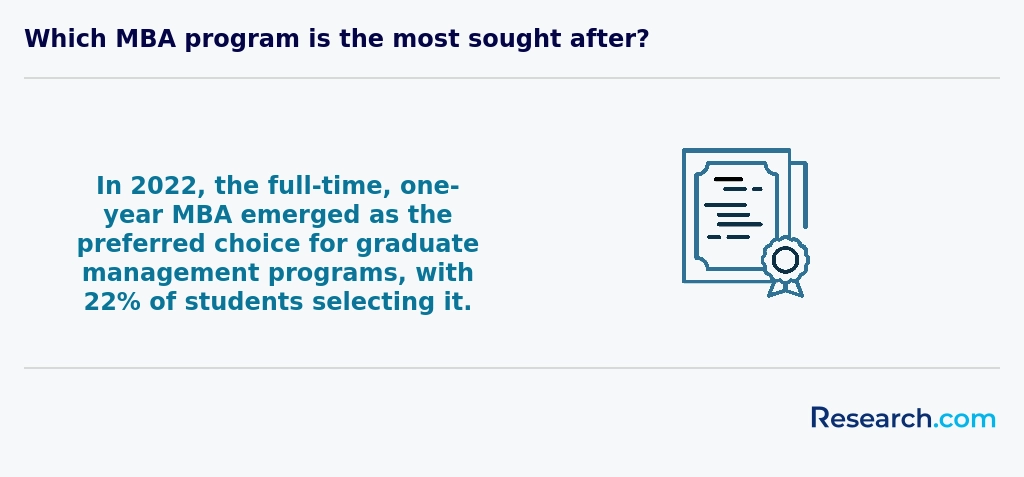
Graduates from Washington’s top MBA programs frequently secure roles at leading organizations that value analytical skills, strategic thinking, and leadership. In recent placement surveys, the most active recruiters include tech giants like Amazon and Microsoft, aerospace leaders such as Boeing, and global consultancies including Deloitte and PwC. These employers actively partner with business schools on campus career fairs, case competitions, and mentorship programs, ensuring students gain direct exposure to real-world challenges before graduation. • Amazon and Microsoft – Known for leadership development tracks, these companies recruit MBA interns for product management and strategy roles, with over 25% of program graduates accepting full-time offers. • Boeing and T-Mobile – Offering rotational leadership programs, they hire MBAs into operations management and supply chain leadership, emphasizing cross-functional project experience. • Deloitte, PwC, and EY – The Big Four consulting firms sponsor campus cohort projects, resulting in a 30% conversion rate of summer interns to consultants focused on strategy and digital transformation. • Starbucks and Costco – Retail and consumer goods recruiters seek MBAs for brand management and corporate strategy, highlighting Washington’s strength in consumer-focused enterprises. These partnerships not only streamline the recruitment cycle but also enable students to apply classroom theory to high-impact business initiatives. For candidates exploring cost-effective pathways, consider our Inexpensive Online Master's in MBA Degree Programs Ranking in Tennessee to compare ROI across regional offerings and identify programs that balance tuition savings with top-tier employer connections.
Financial aid for MBA students in Washington often transcends the usual expectations. Federal aid, accessed through FAFSA, unlocks crucial low-interest loans like the Direct Unsubsidized and Grad PLUS, which many MBA candidates at the University of Washington leverage to manage costs that easily climb above $60,000. Imagine a graduate balancing coursework and family life, relieved to know these loans offer the flexibility to repay post-graduation.
Merit-based scholarships are another lifeline, with nearly one-third of Foster School of Business students receiving substantial awards. Graduates frequently recount how these scholarships transformed their educational journey from a financial burden to an inspiring opportunity.
Employer tuition assistance adds a powerful dimension, especially in Seattle's vibrant corporate landscape. Many MBA students tap into employer benefits that pay partial or full tuition, blending professional growth with academic advancement.
While private loans fill remaining gaps, their higher rates prompt students to seek part-time or online MBA formats, allowing them to earn as they learn-an approach that many find emotionally empowering and practically sustainable.
Pursuing an MBA degree can be a costly investment, but there are several affordable options available in Washington. Students can explore various financial aid options, scholarships, and assistantships to help fund their education. For those looking for budget-friendly alternatives, considering the cheapest mba programs in washington can be a strategic move. Many of these programs offer a high-quality education at a lower cost, making them attractive to students who want to minimize their debt burden. By researching and comparing the costs of different MBA programs in Washington, students can find an affordable option that aligns with their career goals and financial situation.
Meeting the prerequisites for an MBA in Washington goes beyond merely ticking boxes; it's about aligning your past achievements and future ambitions with what leading programs seek. A bachelor's degree from an accredited institution is fundamental, whether from the University of Washington's Foster School of Business or Seattle University's Albers School, but don't be confined by your major. Graduates often reveal how diverse academic backgrounds-from engineering to communications-have enriched their MBA journeys, proving the value of varied perspectives.
Standardized test scores like the GMAT or GRE remain common requirements, though test waivers are increasingly granted for applicants with strong work experience or high undergraduate GPAs. For instance, many students recall that submitting test scores wasn't the toughest part; rather, articulating their career goals in personal statements and securing compelling recommendations truly showcased their potential.
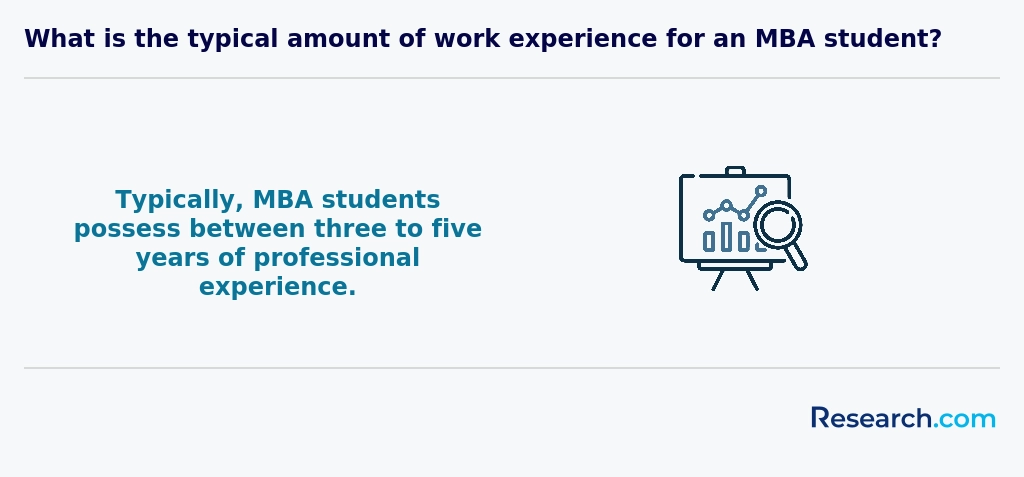
Work experience, typically two to three years, grounds classroom theories in real-world challenges. Those who've worked in Washington's tech hubs or nonprofit sectors often find their practical insights deeply resonate during case discussions, fostering a dynamic learning environment.
- Completed undergraduate degree from an accredited college or university
- Submission of GMAT or GRE scores, unless waived
- Relevant work experience, typically 2-3 years minimum
- Competitive undergraduate GPA, often around 3.0 or higher
- Letters of recommendation and a personal statement explaining career goals
Financial readiness is another reality-tuition ranges from $40,000 to $90,000 depending on the institution-yet many graduates emphasize the investment's payoff in confidence and career clarity. Navigating interviews, whether virtual or in person, often becomes a rite of passage that deepens self-awareness and affirms fit with the program's culture.
Courses in MBA programs in Washington consistently center around core disciplines that shape effective leaders. Graduates from institutions like the University of Washington often recount how mastering accounting and finance wasn't just about numbers but about interpreting real business challenges in Seattle's dynamic markets.
Strategic management, an essential course, pushes students to think beyond textbooks, encouraging them to craft actionable plans that respond to rapidly changing industries, much like those they experience firsthand in the city's thriving tech sector. Organizational behavior classes frequently resonate deeply, as students witness team dynamics unfold during group projects simulating real corporate negotiations.
Electives further personalize learning, offering concentrations in areas such as technology management and entrepreneurship, which align closely with Washington's innovation culture. Graduates often express pride in how these courses boosted their confidence to lead in competitive environments, turning theoretical knowledge into practical skills amid the state's unique economic landscape.
When considering the best MBA specializations in Washington, it's clear that the state's unique economic landscape shapes program offerings. Graduates from the University of Washington's Foster School of Business often reflect on how specializing in Technology Management allowed them to engage directly with giants like Microsoft and Amazon, transforming theoretical innovation management into real-world impact. Meanwhile, Seattle University's Albers School of Business draws students passionate about Healthcare Management, tapping into Seattle's vibrant medical research sector to tackle administration and policy challenges that matter.
For those drawn to global dynamics, international trade-oriented specializations leverage Washington's port connections, preparing students for careers that blend marketing and finance on a global stage. Others find themselves immersed in finance and accounting, driven by the region's financial market demands, or in entrepreneurship, inspired by Seattle's startup pulse.
Exploring the top MBA degree concentrations Washington state offers invites a deeper consideration of how location and industry interact, making the educational journey resonate beyond textbooks and into vibrant, career-defining experiences. For budget-conscious students, resources like most affordable mba online programs under 10000 per year provide practical pathways without sacrificing ambition.
Choosing the best MBA degree in Washington state demands more than just comparing rankings or tuition. Consider the accreditation-graduates from the University of Washington Foster School of Business often speak of the pride and confidence that comes from earning a degree recognized by AACSB, a mark of excellence influencing their career growth. Reflect on your lifestyle and priorities: do you envision immersing yourself full-time for two years, or balancing studies alongside work via a part-time or online program? Many working professionals have found part-time options transformative for maintaining income while advancing skills.
Cost remains a significant hurdle, but focusing solely on price misses the bigger picture. Affordable mba degrees Washington 2027 might vary widely; some students at local universities manage financial strain through scholarships and employer sponsorship, turning challenges into motivation and community support. Exploring programs that align with Washington's booming tech scene or entrepreneurship focus also matters-graduates frequently share how those specializations propelled them beyond expectations. For a practical resource on cost-conscious options, see Inexpensive Online Master's in MBA Degree Programs Ranking in Tennessee.

Graduates with an MBA degree in Washington often find themselves navigating a unique landscape of career opportunities that defy traditional limits. From major regional players like Amazon and Boeing to dynamic startups, MBA holders engage in strategic roles that include product management, business development, and corporate finance. These positions are not only lucrative but also richly rewarding, enabling graduates to lead innovation in a competitive market.
Many graduates from the University of Washington Foster School of Business share how their MBA experience opened doors to leadership in nonprofit organizations and government agencies, where they apply business acumen to solve societal challenges. This diverse career exposure highlights the wide spectrum of Washington MBA degree job prospects, emphasizing that success isn't confined to corporate offices.
Networking remains crucial, with alumni and local corporate partnerships offering pathways to exclusive opportunities. For those concerned about investment, exploring options like the Inexpensive Online Master's in MBA Degree Programs Ranking in Tennessee can complement the Washington experience by providing alternative routes with reduced financial strain.
For MBA degree job opportunities in Washington, the landscape is dynamic and promising, especially around hubs like Seattle and its vicinity. Graduates from the University of Washington and other popular institutions often find themselves drawn into thriving corporations such as Amazon and Microsoft, where advanced business strategies and leadership skills are highly sought after. Many alumni share how their hands-on experiences, combined with strong local networks, fuel immediate employment in competitive roles within technology and finance sectors.
Washington MBA graduate employment prospects extend beyond tech giants; the healthcare and nonprofit industries also actively recruit MBA holders for leadership positions. The state's commitment to innovation and sustainability creates unique opportunities that challenge graduates to apply their skills in emerging markets, often at a pace faster than expected. With tuition costs manageable through in-state rates or flexible programs, students often find pursuing a degree here both practical and rewarding, sometimes exploring quickest online degrees for working adults to balance work and study.
2027 Most Popular MBA Degree Programs Ranking in Washington
Investing in your education is a significant decision that can shape your future, and the Research.com team understands the importance of making informed choices. To assist prospective students in Washington, we have meticulously crafted the "2027 Most Popular MBA Degree Programs Ranking in Washington." Our commitment to quality, credibility, and accuracy is reflected in the extensive research and analysis conducted to compile this ranking.
We utilized the following reputable data sources to ensure a comprehensive evaluation of MBA programs:
By exploring this ranking, readers will gain valuable insights into the most popular MBA programs available in Washington, helping them make well-informed decisions about their educational journey. For more information on how this ranking was created, please visit our Research.com methodology page.


Frequently Asked Questions About MBA
MBA students in Washington can maximize their learning by engaging actively with local business communities. Seattle and Spokane offer numerous networking events and internships that connect students with prominent companies such as Amazon and Starbucks. According to the Graduate Management Admission Council, internships increase employment prospects by 19%, highlighting their value. Additionally, participating in case competitions and student organizations sharpens practical skills and leadership abilities. Washington schools also emphasize experiential learning; 63% of MBA programs in the state incorporate live projects into their curriculum, according to U.S. News & World Report. Utilizing these opportunities enriches academic knowledge and builds professional networks essential for career growth.
Emerging niches within the MBA field in Washington reflect shifts in industry demands and technological advancements. Notably, technology management MBAs have gained traction, focusing on skills relevant to Seattle's booming tech sector, including cloud computing and AI integration. According to the Graduate Management Admission Council (GMAC), tech-related specializations saw a 15% increase in enrollment nationally in 2023.
Additionally, sustainability and social impact MBAs are growing, aligning with Washington's commitment to environmental policies and green energy. These programs train leaders to manage sustainable business practices. Healthcare management MBAs also remain significant, meeting the needs of Washington's expanding health sector.
Finally, data analytics and entrepreneurship remain popular niches, aligning with regional startups and corporate innovation demands. Students should assess regional market trends for best fit.
After completing an MBA degree in Washington, preparing for the job market involves several strategic steps. First, leverage the strong local network of business schools, as many universities in Washington partner with regional firms for internships and job placements. According to data from the Graduate Management Admission Council (GMAC), nearly 60% of MBA graduates find employment within three months of graduation, highlighting the competitive nature of the market.
Building a robust LinkedIn profile and attending career fairs hosted by institutions like the University of Washington Foster School of Business can increase visibility to recruiters. Additionally, developing soft skills such as leadership and communication through campus resources enhances employability.
Washington's diverse economy offers opportunities in tech, finance, and government sectors, making targeted job searching crucial. Graduates should also consider certifications in emerging business trends to stay competitive.
Employers in Washington highly value MBA graduates who demonstrate strong leadership and strategic thinking skills. According to a 2023 report by the Washington State Workforce Board, 68% of businesses in the region prioritize candidates with proven abilities in decision-making and team management.
Financial analysis and data-driven problem solving are also crucial. The state's growing technology and finance sectors demand graduates who can interpret complex datasets to support business growth.
Communication skills remain essential, enabling MBA holders to effectively present ideas and collaborate across departments. Additionally, adaptability and innovation are seen as key traits amid Washington's evolving economic landscape.
Finding internships in Washington relevant to an MBA degree involves leveraging several local resources and networks. Many top MBA programs in Washington, including those at the University of Washington Foster School of Business, have dedicated career centers that connect students with internships at prominent local companies in tech, finance, and consulting sectors.
Washington's strong economy means over 50% of MBA students secure internships before graduation, according to recent data from the Graduate Management Admission Council. Networking events, informational interviews, and participating in professional organizations like the Seattle Chamber of Commerce are essential strategies.
Utilizing platforms like Handshake, LinkedIn, and university career portals will help MBA candidates discover internships aligned with their goals. Additionally, federal agencies and nonprofits headquartered in Washington provide unique internship opportunities relevant to business leadership and management.
In Washington, earning an MBA degree significantly enhances career mobility and advancement opportunities. According to the Graduate Management Admission Council's 2023 Corporate Recruiters Survey, over 85% of employers in the region prefer MBA graduates for leadership roles and management positions.
An MBA equips professionals with advanced skills in strategic thinking, finance, and operations, which are highly valued across Washington's diverse economy, including technology, healthcare, and finance sectors. For example, Seattle-based companies reported a 20% higher salary increase for employees with MBAs compared to peers without graduate business degrees, as noted by the Washington State Employment Security Department.
Moreover, the degree facilitates access to expansive alumni networks and professional connections in the area, accelerating career progression. This combination of specialized skills and networking helps MBA holders transition more rapidly into senior roles within local industries.
Studying for an MBA degree in Washington equips students with skills tailored for interdisciplinary roles by emphasizing diverse business disciplines alongside collaboration techniques. Washington's MBA programs often incorporate coursework in finance, technology, marketing, and leadership, reflecting the region's dynamic economy. According to the Graduate Management Admission Council, 68% of MBA graduates in Washington report roles requiring cross-functional teamwork.
Many universities in Washington partner with local industries like technology and healthcare, providing real-world projects that enhance problem-solving across fields. This hands-on approach fosters adaptability and broadens business perspectives.
Additionally, MBA curricula frequently include data analytics and communication modules, enabling graduates to bridge gaps between departments effectively. These combined elements prepare students to lead in complex, interdisciplinary environments.
When choosing between a thesis and a non-thesis MBA program in Washington, consider your career goals and learning preferences. Thesis programs focus more on research, requiring students to conduct original studies. This path suits those aiming for academic, consulting, or research roles.
Conversely, non-thesis MBA programs emphasize practical skills and coursework, often preferred by professionals targeting leadership or managerial positions. In Washington, non-thesis MBAs are more common and flexible, catering to working students, according to data from the Washington Student Achievement Council.
Cost and time commitment also differ; thesis options may take longer and involve more intensive work. Evaluate what aligns best with your future plans and learning style.
Students based in Washington seeking to study MBA programs abroad have several options through partnerships between Washington universities and international institutions. Many local schools, such as the University of Washington Foster School of Business, offer exchange programs or dual degrees with European and Asian universities. These opportunities allow students to gain global experience while earning credits toward their MBA.
According to the Graduate Management Admission Council (GMAC), approximately 15% of U.S. MBA candidates consider international study options to enhance their careers. Washington's strong tech and business sectors encourage MBA candidates to pursue programs focusing on global markets.
Additionally, some Washington MBA programs facilitate internships or study trips abroad, offering practical exposure without full relocation. Students should also explore Executive MBA international residencies designed for working professionals.
In Washington, part-time job opportunities that complement MBA studies often include roles in finance, marketing, and project management. Many MBA students seek positions as business analysts, financial advisors, or marketing assistants to gain practical experience alongside their coursework.
The state's strong presence in technology and corporate sectors offers roles in startups and established companies such as Amazon and Microsoft, where interns and part-time employees can apply business concepts directly. According to the Washington State Employment Security Department, demand for business and financial operations occupations is projected to grow by 10% through 2028, benefiting MBA students.
Students may also find opportunities in nonprofit management and consulting, which align with leadership skills taught in MBA programs. Networking in Seattle's dynamic business environment can additionally lead to project-based roles, enriching academic learning with real-world problem solving.
Washington offers MBA students multiple robust networking opportunities vital for career growth. Many universities, such as the University of Washington Foster School of Business, host regular networking events, career fairs, and alumni mixers connecting students with local and global business leaders.
Seattle's thriving business ecosystem, anchored by companies like Microsoft and Amazon, provides numerous internship and mentorship opportunities for MBA candidates. Regional chapters of national business organizations, including the MBA Association and local SBA groups, also hold events focused on professional development and connections.
According to a 2023 Graduate Management Admission Council report, about 65% of MBA students in Washington find jobs through networking during their studies.
Alumni networks provide significant benefits to MBA students in Washington by offering access to a wide range of professional connections. These networks enable students to build relationships with graduates who hold influential positions in local industries such as technology, finance, and healthcare. According to a 2023 report from the Graduate Management Admission Council, 85% of MBA graduates in the U.S. identified networking opportunities as crucial in securing job placements.
In Washington, strong alumni connections can lead to mentorship, internships, and exclusive job openings. Many universities also host events and online platforms specifically designed to facilitate these interactions, enhancing students' career prospects in the region.
Customizing an MBA program in Washington allows students to align their studies with specific career goals. Many universities in the state offer flexible curriculum options, including concentrations in fields like technology management, finance, marketing, or entrepreneurship. Part-time and online formats also enable working professionals to balance education with job commitments.
Schools such as the University of Washington Foster School of Business provide elective courses, internships, and mentorship opportunities tailored to industry needs. According to the Graduate Management Admission Council, nearly 75% of MBA candidates seek programs with specialization options, reflecting the demand for personalized learning experiences.
Additionally, Washington's strong tech and business environment gives students access to networking events and local company partnerships to further customize their career trajectories.
MBA students in Washington often face several challenges related to balancing academics and personal commitments. Many programs in the state, including those at well-known institutions like the University of Washington, require significant time for group projects, case studies, and internships. This workload can be difficult for students who are also working professionals.
Cost is another major issue. According to the National Center for Education Statistics, tuition for MBA programs in Washington averages around $50,000, making financial stress a common concern.
Additionally, networking within Washington's competitive job market is challenging but essential for career advancement.
With an MBA degree, especially from programs in Washington state, professionals can pursue a variety of certifications to further boost their career prospects. Common certifications include the Project Management Professional (PMP), which complements the leadership skills gained in an MBA program.
The Certified Management Accountant (CMA) is another popular choice, focusing on financial management and strategic planning, aligning well with MBA coursework. Additionally, earning a Certified Business Analysis Professional (CBAP) credential may benefit MBAs interested in business analytics roles.
In Washington, many MBA graduates also pursue the Certified Financial Planner (CFP) certification, especially those targeting roles in financial advisory. These certifications often improve salary potential and job opportunities in competitive markets.
To write a winning application for an MBA program in Washington, start with a clear and compelling personal statement. This essay should connect your career goals with the program's strengths, demonstrating why you're a strong fit. Highlight leadership experience, especially in professional or community settings, as Washington MBA programs often value practical management skills.
Be sure to have strong GMAT or GRE scores; the average GMAT score for top Washington MBA programs typically ranges between 600-700, reflecting competitive admissions standards. Include detailed recommendations from supervisors or colleagues who can attest to your abilities.
Finally, tailor your resume to emphasize relevant work experience and achievements, as many Washington schools prefer applicants with several years of professional background. According to U.S. News & World Report, programs like University of Washington Foster School prioritize well-rounded candidates with both academic and leadership potential.
The global perspective on an MBA career highlights its strong value in cultivating leadership and management skills sought worldwide. In the US, especially in Washington state, MBA graduates benefit from extensive international networks and diverse business connections that enhance career mobility.
According to the Graduate Management Admission Council (GMAC), over 90% of MBA alumni in the US report positive career outcomes within three years of graduation, indicating robust returns on investment. Washington's growing technology and international trade sectors create favorable opportunities for MBA holders.
Moreover, employers increasingly value MBA graduates for their strategic thinking and adaptability in a globalized economy. This makes pursuing an MBA in Washington a relevant choice for careers with multinational companies or roles requiring cross-cultural leadership.
Gaining practical experience while pursuing an MBA in Washington is essential for career readiness. Many MBA programs in the state, including those at the University of Washington and Seattle University, offer internships and cooperative education opportunities that connect students directly with local businesses and startups.
Additionally, MBA students can participate in consulting projects, case competitions, and experiential learning courses, which allow hands-on problem solving with real companies. According to the Graduate Management Admission Council, over 70% of MBA programs nationwide integrate such experiences, benefiting Washington students as well.
Networking events and career services also support internships and job placements during study, enhancing practical exposure.
Choosing the right concentration within an MBA program in Washington involves aligning your career goals with local industry demands. Washington state hosts major industries such as technology, aerospace, and international trade, making concentrations like Technology Management, Supply Chain, or International Business very relevant.
According to the University of Washington Foster School of Business, graduates with concentrations in Technology Management or Finance tend to secure higher starting salaries, reflecting regional economic strengths. Additionally, concentrations in Healthcare Management are gaining traction due to Washington's growing biotech sector.
Students should consider their professional experience, interests, and the networks available through the program's local partnerships. Researching alumni career paths and employer connections in Washington can provide insight into which specializations offer the best return on investment in this state.
- 2027 Most Popular MBA Degree Programs Ranking in Montana
- 2027 Most Popular MBA Degree Programs Ranking in California
- 2027 Most Popular MBA Degree Programs Ranking in Nevada
- 2027 Most Popular MBA Degree Programs Ranking in Arizona
- 2027 Most Popular MBA Degree Programs Ranking in New Mexico
- 2027 Most Popular MBA Degree Programs Ranking in Nebraska
- 2027 Most Popular MBA Degree Programs Ranking in Kansas
- 2027 Most Popular MBA Degree Programs Ranking in Oklahoma
- 2027 Most Popular MBA Degree Programs Ranking in Minnesota
- 2027 Most Popular MBA Degree Programs Ranking in Iowa
- 10 Highest-Paying MBA Specializations in 2026 (With Salary Data) - Paris School of Management (PSM) https://www.psm-paris.fr/en/10-highest-paying-mba-specializations-in-2026/
- What Work Experience Do You Need For an MBA? | Articles | Unimy https://www.unimy.com/article/blog-mba-preparation-admissions-mba-work-experience
- How to Use Your MBA for Career Growth While You’re Still Studying - International Career Institute USA https://icieducation.com/blog/how-to-use-your-mba-for-career-growth-while-youre-still-studying/
- Master of Business Administration - School of Business https://www.uwb.edu/business/graduate/master-of-business-administration
- Future-Proof Your Career with an MBA in India : MIT-WPU Blog https://mitwpu.edu.in/blog/emerging-specialisations-in-mba---how-to-future-proof-your-business-career-in-india
- MBA Requirements: What do you really need for an MBA degree https://www.obseducation.org/en/blog/mba-requirements-what-do-you-really-need-for-an-mba-degree
- Verifying that you are not a robot... https://krea.edu.in/ifmrgsb/top-5-emerging-career-paths-for-mba-graduates/
- MBA Networking Tips-Building Connections Pre-MBA https://menlocoaching.com/mba-applications-and-admissions-guide/networking/
- 5 Tips on How to Choose the Best MBA Concentration https://www.pointloma.edu/resources/business-leadership/5-tips-how-choose-best-mba-concentration
- How to Choose the Best MBA Program for Your Career Goals https://www.clearadmit.com/2025/05/how-to-choose-the-best-mba-program-for-your-career-goals/