2027 Best MBA Degree Programs Ranking in Madison

Co-Founder and Chief Data Scientist
Choosing the right MBA program in Madison can shape your future career and open new opportunities. To help you make an informed decision, this article presents the 2027 Best MBA Degree Programs Ranking in Madison, carefully created by the Research.com team of data scientists.
By exploring this ranking, you'll discover which programs offer the best value, quality, and fit for your goals. Earning an MBA is a rewarding step that enhances skills, confidence, and professional growth. Dive in and find the program that sparks your ambition.
Key benefits of getting MBA degree in Madison
- While specific salary data for MBA graduates in Madison is unavailable, MBA holders in the US typically enjoy strong earning potential, often ranging from $70,000 to $120,000 annually in various management roles.
- A Madison MBA graduate from the University of Wisconsin-Madison can pursue diverse career paths such as business consulting, financial management, or marketing leadership, reflecting the versatility of the degree.
- Completing an MBA online through a Madison-based program offers flexible scheduling and the chance to balance work and study, making it easier to advance your career without interrupting your daily life.
- 2027 Best MBA Degree Programs Ranking in Madison
- What can I expect from MBA degree in Madison?
- Where can I work with MBA degree in Madison?
What can I expect from MBA degree in Madison?
If you're considering an MBA in Madison, you'll find that the cost is refreshingly reasonable compared to similar programs across the country. At the University of Wisconsin-Madison's Wisconsin School of Business, full-time MBA tuition for in-state students hovers around $28,000 total for the entire program. This accessible price opens doors for many eager professionals ready to dive into advanced business studies.
Out-of-state students should anticipate higher tuition, but many graduates share that the investment is worth it-especially when paired with real-world experiences like internships and consulting projects scattered throughout the city. Imagine collaborating with local startups or established firms while studying, something many Madison MBA candidates cherish as a highlight of their journey.
Alumni often express excitement about balancing costs with the rich networking opportunities and strong career prospects available here. Knowing that over 90% of graduates find jobs within months adds to the confidence students have in Madison's MBA programs, making cost just one piece of an energizing educational adventure.
Where can I work with MBA degree in Madison?
Graduates from MBA programs at well-known Madison institutions often find themselves diving into diverse career paths, energized by the city's thriving industries. Imagine working at a cutting-edge tech firm like Epic Systems, where you can harness your MBA skills in product management or business analysis, contributing to innovations that transform healthcare through technology.
Others step into dynamic roles within Madison's bustling healthcare sector, joining respected organizations such as University of Wisconsin Health. Here, leadership and strategic thinking from their MBA translate into managing complex operations or financial planning, making a real impact on patient care.
Financial services and consulting firms across Madison offer exciting opportunities as well. MBA graduates find their expertise in investment strategies and business consulting opens doors to influential positions, leveraging their fresh insights from local MBA programs.
Beyond corporate roles, adventurous MBAs launch startups fueled by Madison's vibrant entrepreneurial ecosystem, supported by resources like the Wisconsin Innovation Hub. They thrive on transforming bold ideas into successful ventures, embodying the city's spirit of innovation and growth.
Public administration positions within Dane County and the City of Madison also attract MBA holders eager to apply their skills in budgeting and policy, tackling real-world challenges with confidence learned from local classrooms.
Embarking on an MBA journey in Madison sparks excitement for many graduates as they envision their future earnings. Graduates from the University of Wisconsin-Madison's MBA program often report average starting salaries near $85,000-an encouraging figure that reflects both the school's reputation and the city's vibrant economy.
Imagine stepping into roles such as business operations specialists or managers, where typical median salaries range from $90,000 to $120,000. These numbers aren't just statistics; they represent the real financial uplift students experience after their studies. Madison's robust sectors like healthcare, technology, and manufacturing provide a playground of opportunities where MBAs thrive and negotiate salaries that are 15-20% higher than many other local jobs.
For those passionate about climbing the leadership ladder, mid-career earnings can soar from $110,000 to $130,000, with senior positions like directors or VPs exceeding $150,000. The cost of living here adds to the appeal, making an MBA in Madison a rewarding adventure full of promising financial and professional growth.
- Tuition for MBA programs in Madison ranges from $30,000 to $60,000, with total costs including fees and living expenses reaching about $70,000.
- New MBA graduates can expect starting salaries between $70,000 and $85,000 per year, increasing to $100,000-$130,000 with experience.
- Most MBA programs take two years full-time to complete, with part-time and evening options available for working professionals.
- Admissions typically require a bachelor's degree, competitive GMAT or GRE scores, work experience, and letters of recommendation.
- The local economy supports strong demand for MBAs in sectors like healthcare, technology, manufacturing, and finance.
Diving into an MBA in Madison means embracing a journey tailored to your pace and lifestyle. Many full-time students at the University of Wisconsin-Madison find themselves immersed for 18 to 24 months, balancing intense coursework with exciting campus life. These months are packed with mastering foundational business strategies and diving into specialized areas, capturing the thrill of growth and discovery.
Part-time MBA students often weave their studies around busy workdays and family time, extending their path to about two to three years. Graduates frequently share how evening and weekend classes at local universities create a flexible rhythm that keeps ambition and life in harmony.
For those craving speed and intensity, accelerated programs offered in Madison can wrap up in just 12 to 15 months-an exhilarating sprint that challenges students to commit fully, often year-round.
Meanwhile, online MBA seekers appreciate the freedom to progress from 18 months up to three years, molding their education around personal commitments without sacrificing momentum.
Preparing a standout MBA application requires not only meeting the prerequisites but also showcasing your unique story and professional achievements. To boost your chances of admission into a competitive program, consider the following strategies: • Research and tailor each application: Understand the specific strengths and values of each institution. Customize your essays and personal statements to reflect how your experiences align with the program’s mission and culture. • Highlight leadership and innovation: Admissions committees value demonstrated leadership and the ability to drive change. Provide concrete examples from your professional or academic background that illustrate these capabilities. • Strengthen your professional portfolio: Elaborate on key projects, roles, and responsibilities that have prepared you for advanced business studies. Quantify your achievements where possible, as numbers and metrics can make your contributions more tangible. • Master the interview process: Practice your responses to common MBA interview questions. Focus on articulating your career goals, how the MBA fits into your long-term vision, and the unique qualities you bring to the program. • Leverage available resources: From preparing for standardized tests to seeking feedback on your application materials, use online tools, mentorship, and consultations. For those interested in flexibility and innovative learning methods, consider exploring fastest mba programs online that cater to working professionals. By implementing these tips and remaining authentic throughout the process, you can build a compelling application that not only meets the selection criteria but also positions you for success in the transformational journey of an MBA program.
Choosing between an online and on-campus MBA in Madison invites a journey through different learning landscapes. Imagine walking the vibrant halls of the University of Wisconsin-Madison, engaging face-to-face with professors and classmates, where spontaneous conversations and campus events spark new ideas and friendships. Graduates often cherish this immersive community feel, finding motivation in structured schedules and rich networking opportunities that pop up naturally between classes.
Now picture the flexibility of completing your MBA from anywhere, balancing work, family, and studies with ease. Online programs in Madison offer this freedom, blending recorded lectures and live discussions that fit your pace. Graduates tell stories of managing tight schedules without sacrificing quality, though they highlight the need for strong self-drive. Some even enjoy hybrid setups that mix occasional campus visits with remote learning, adding a dash of both worlds.
Both paths share rigorous curricula and accreditation, but your Madison MBA experience shifts between dynamic campus energy and adaptable virtual engagement, inviting you to explore which vibe fuels your growth.
For students considering an MBA in Madison, WI, but considering exploring other options, there are several alternatives worth exploring. One such option is pursuing an MBA from an affordable mba school in wisconsin, which can offer a high-quality education at a lower cost. Additionally, students may also consider online MBA programs, part-time MBA programs, or specialized master's degrees in fields like finance or marketing. These alternatives can provide flexibility and affordability, making them attractive options for students who want to advance their education without breaking the bank. By weighing these alternatives, students can make an informed decision about which path best aligns with their career goals and personal circumstances.
The average MBA degree cost Madison students face is around $12,526 for in-state attendees, while out-of-state learners see a median total cost closer to $55,617. This wide range reflects the significant advantage local students have when enrolling at celebrated institutions like the University of Wisconsin-Madison. Graduates often recall the excitement of balancing affordable tuition with the rich resources and networking opportunities available on campus, making the investment feel especially worthwhile.
At Madison's well-regarded business schools, the tuition and fees for 2027 also show how financial planning plays a key role. Many part-time students find it practical to spread costs out over several semesters, easing the immediate bite on their wallets. The city's moderate living expenses only add to this financial feasibility, encouraging more prospective students to pursue their MBA dreams without the stress often tied to pricier metropolitan areas.
Many MBA candidates discover that supplementing their tuition with scholarships, assistantships, or employer tuition reimbursement lightens the burden considerably. For example, students juggling work and study appreciate flexible options and can even explore GMAT optional MBA programs to avoid additional testing costs, making the journey smoother both financially and academically.

Accreditation serves as a hallmark of program excellence, ensuring that MBA degrees meet rigorous academic and professional standards. In Madison, WI, prospective students should prioritize programs accredited by organizations such as the Association to Advance Collegiate Schools of Business (AACSB), the Accreditation Council for Business Schools and Programs (ACBSP), or the International Accreditation Council for Business Education (IACBE). An AACSB-accredited MBA, for example, signals to employers that the curriculum has undergone extensive peer review and continuous improvement processes, leading to higher career placement rates and enhanced networking opportunities. When researching programs, verify accreditation status on each school’s official website and cross-check with accreditor directories. Accreditation also influences eligibility for federal financial aid and can affect transfer credits if you decide to pursue an additional graduate degree. For those balancing quality with affordability, consider comparing accredited options through our internal resources-explore the Cheapest MBA Degree Programs Ranking in Missouri to find cost-effective programs that maintain high standards. Investing in an accredited MBA not only safeguards your educational investment but also amplifies long-term return on investment and professional credibility.
Embarking on an MBA journey in Madison comes with exciting financial opportunities that many graduates have discovered firsthand. Imagine receiving a merit-based scholarship at the Wisconsin School of Business, where your leadership skills and academic achievements open doors to substantial tuition support. This kind of recognition not only eases the financial burden but also boosts confidence in your path.
Many MBA candidates also find part-time joy and income through graduate assistantships at local institutions. Picture working alongside seasoned professors or helping coordinate events, all while earning tuition remission or a stipend-making the bustling Madison campus feel even more like home.
Federal student loans through FAFSA offer another accessible route, with predictable repayment plans that put your mind at ease. Some peers have turned to private loans when needed, carefully weighing interest rates and terms to suit their goals.
And for those balancing work and study, employer sponsorships become a game-changer. Envision your company investing in your growth by covering part or all of your tuition because your new skills benefit the entire team. Such support transforms ambitious dreams into tangible realities in Madison's vibrant MBA community.
To embark on your MBA journey in Madison, you'll need to have a bachelor's degree from an accredited institution-no matter your major. Graduates from the University of Wisconsin-Madison often recount how their diverse academic backgrounds, from engineering to humanities, enriched their experience, proving that business savvy can come from anywhere.
A solid academic record is essential, with many programs expecting a minimum GPA of around 3.0. Imagine the excitement of reviewing your transcripts and realizing they open doors instead of closing them-this is the gateway many Madison MBA hopefuls cherish.
GMAT or GRE scores usually play a starring role, too. Though some schools offer a test-optional path, competitive scores between 600-650 often strengthen applications, reflecting the ambition felt by many MBA candidates in Madison's vibrant business education scene.
Work experience is another vital piece. Graduates often share how their 2-3 years of professional life fueled rich class discussions and grounded learning in real-world challenges, making each case study feel like a story they've lived or are ready to live.
Then there are the letters of recommendation, personal statements, and resumes-each a stepping stone to reveal your leadership potential and personal vision. Some programs even invite you to an interview, where your passion for growth truly shines through.
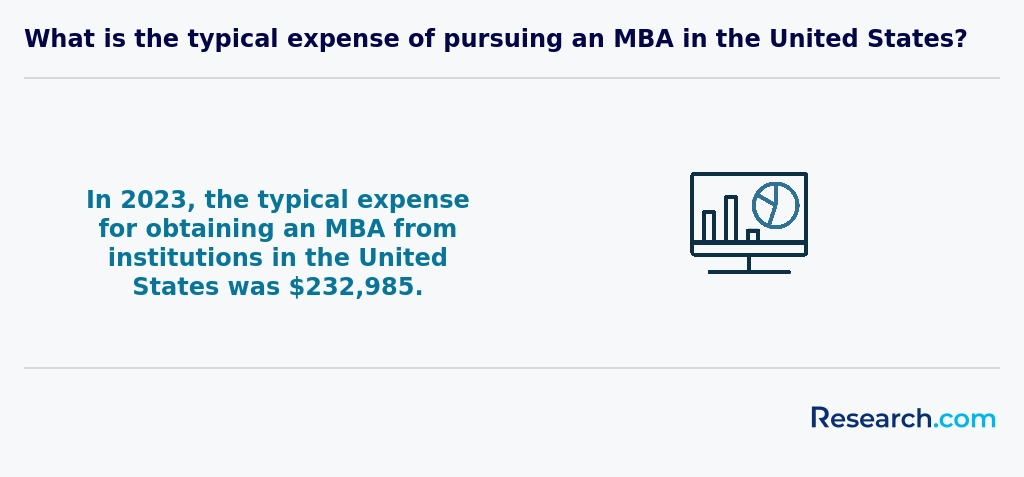
When evaluating MBA programs in Madison, WI, cost and return on investment (ROI) should guide your decision as much as curriculum and reputation. Beyond tuition rates, consider total program fees, living expenses, and the average time to recoup your investment. For example, the University of Wisconsin–Madison’s full-time MBA carries an in-state tuition of approximately $27,015 per year, while Edgewood College offers competitive per-credit rates that appeal to working professionals. To pinpoint programs that align with your budget and career goals: • Compare per-credit versus flat-rate tuition models to find the most transparent fee structure. • Assess scholarship and assistantship availability; many students secure awards covering 25–50% of tuition. • Calculate payback period by dividing total program cost by median post-MBA salary (often exceeding $80,000 in Madison). • Factor in networking and career services-programs with robust alumni networks can accelerate job placement and salary growth. For a broader affordability benchmark, explore similar rankings in other regions-such as the Cheapest MBA Degree Programs Ranking in Missouri-to gauge how Madison’s offerings measure up on a national scale.
Diving into an MBA in Madison means immersing yourself in courses that blend core business essentials with the buzz of local industry. Imagine sitting in finance classes at the University of Wisconsin-Madison, where you explore corporate finance and investment analysis, sharpening skills that graduates say helped them confidently manage real-world business challenges.
Marketing courses bring digital trends to life, with lessons on consumer behavior and brand management that alumni found essential when launching startups or driving campaigns in Madison's vibrant tech scene.
Electives open doors to specialties like Healthcare Management, perfectly syncing with Madison's booming biotech sector, or Data Analytics, where graduates recall hands-on projects turning raw data into strategic insights. Supply Chain Management also stands out, given the city's manufacturing heartbeat, offering practical knowledge through case studies and collaborations.
Leadership, ethics, and strategy courses weave through the curriculum, encouraging teamwork and thoughtful decision-making - experiences that former students treasure as they step into diverse leadership roles across Wisconsin and beyond.

Exploring MBA specializations in Madison programs reveals an exciting array of options tailored to diverse ambitions. Graduates from the University of Wisconsin-Madison often recount how diving into Finance opened doors to vibrant roles in local banks and investment firms, transforming textbook knowledge into dynamic corporate strategies.
Another favorite is Marketing, where students engage with Madison's buzzing tech startups, mastering digital campaigns and brand storytelling that bring their creative ideas to life. This hands-on approach makes learning feel like an adventurous experiment with real-world impact.
Many students eager to shape workplace culture gravitate toward Human Resources, finding joy in understanding people management and labor relations within Madison's collaborative companies. Entrepreneurship attracts the boldest, nurturing dreams of launching ventures in the city's innovative startup scene.
For those curious about operations, specializations like Supply Chain Management, linked closely to Wisconsin's industries, offer practical insights, occasionally requiring students to navigate logistics degree requirements. Healthcare Management and Business Analytics also stand out, reflecting Madison's unique economic heartbeat and opening rewarding career paths.
Imagine balancing your career with studies in Madison while diving into an MBA program that fits your unique lifestyle. Graduates from the University of Wisconsin-Madison often share how the AACSB-accredited Wisconsin School of Business gave them confidence in a rigorous yet flexible curriculum, blending part-time and evening classes to match their busy schedules. This kind of adaptability can make all the difference when exploring the best MBA programs in Madison.
Financial sense also sparks joy among students who found the in-state tuition rates more affordable here-typically around $40,000 to $50,000-compared to the national average. Many cherish the chances they had to tap into scholarships, assistantships, and employer tuition support, making education both an exciting challenge and a smart investment.
Besides academics, it's the vibrant alumni network and career services that often impress graduates, opening doors to internships and job opportunities in Madison's thriving business scene. If you're curious about enhancing your credentials, exploring the accounting careers certifications list can be a practical step toward defining your path.
Ultimately, choosing an affordable MBA degrees Madison offers is a journey of aligning your ambitions with a program that brings growth, connection, and new possibilities at every turn.

Graduates holding an MBA in Madison step into a world bursting with opportunity, where healthcare leadership roles in hospital administration or consulting thrive in this city known for medical research. Many find themselves energized by Madison's booming technology scene, navigating dynamic product management or spearheading business development in startups or established tech firms. It's a place where hands-on experience at the University of Wisconsin-Madison and local connections spark career momentum, turning classroom theories into real-world adventures.
Exploring MBA career opportunities in Madison reveals paths in finance, from investment banking to corporate finance, tailored by the city's growing financial sector. Others embrace general management, steering company strategies with the confident leadership skills honed during their studies. The spirit of entrepreneurship pulses here too, fueled by business incubators and venture capital networks supporting the boldest dreamers eager to launch their own ventures.
Some graduates dive into consulting, tackling complex challenges across industries, while others balance business savvy with creativity, even uncovering insights on online digital marketing degree requirements to broaden their skillsets. With an MBA, the top MBA jobs in Madison Wisconsin become more than goals-they turn into vivid realities filled with growth and promise.

The job market for MBA graduates in Madison pulses with opportunity and growth. Those finishing their degrees at local institutions like the Wisconsin School of Business find themselves drawn to dynamic employers such as Epic Systems and American Family Insurance, where their leadership and strategic skills come alive. Graduates often share excitement about stepping into roles that challenge their financial and management acumen, perfectly aligned with Madison's diverse economy.
Considering Madison MBA graduate employment outlook, the city surprises many with its steady 1.5% annual job growth, nurturing a fertile ground for management analysts and financial managers. The balance between competitive salaries-ranging from $90,000 to $120,000-and reasonable program costs creates an inviting environment for students eager to invest in their futures.
Networking is another treasure for those immersed in Madison's MBA scene. Alumni communities and business hubs are buzzing spaces where recent grads discover unique paths, from corporate roles to innovative startups. This environment especially favors those seeking MBA healthcare analytics jobs, blending Madison's strengths in education and healthcare with entrepreneurial spirit.
2027 Best MBA Degree Programs Ranking in Madison
Investing in your education is a significant decision that can profoundly influence your career and personal growth. The Research.com team recognizes the importance of making well-informed choices and has devoted extensive effort to developing the "2027 Best MBA Degree Programs Ranking in Madison." Our dedication to quality, credibility, and accuracy is demonstrated through careful research and analysis.
We utilized the following reputable data sources to ensure a comprehensive evaluation of MBA programs:
By consulting this ranking, readers will gain valuable insights into the top MBA degree programs in Madison, empowering them to make informed decisions about their educational investments. For more details on how we create our rankings, please visit our Research.com methodology page.

# 2 position
Herzing University-Madison
Master of Business Administration

Frequently Asked Questions About MBA
Students pursuing an MBA in Madison can maximize their learning by engaging deeply with experiential opportunities offered by local institutions. For example, the University of Wisconsin-Madison's Wisconsin School of Business integrates real-world projects and internships that connect students with Madison's vibrant business community. Networking is key; joining student organizations and attending industry events helps build important professional relationships. Leveraging Madison's growing tech and biotech sectors provides practical insights complementing classroom theory. Additionally, utilizing resources like career services and alumni mentorship programs can enhance skill development and job placement chances. According to recent data, 85% of UW-Madison MBA graduates report positive career outcomes within six months of graduation.
The MBA landscape in Madison is evolving, with several emerging niches gaining attention. One prominent area is healthcare management, driven by the presence of major health institutions like the University of Wisconsin Hospital. Programs focusing on this niche address growing demand for leaders who understand both business and healthcare.
Technology management is another rising field. Local tech startups and established firms create opportunities for MBAs with skills in IT strategy, data analytics, and innovation management.
Additionally, sustainability and social impact MBAs are expanding as students seek careers that blend profit with purpose, reflecting nationwide trends noted by the Graduate Management Admission Council (GMAC).
These niches reflect Madison's economic strengths and provide tailored MBA options for students targeting specialized roles.
After completing an MBA degree in Madison, effective job market preparation is crucial. Graduates should start by leveraging campus career services, which often provide resume reviews, interview workshops, and local employer networking events. According to the University of Wisconsin-Madison's School of Business, about 85% of their MBA graduates secure employment within six months.
Building a strong professional network is essential. Madison's growing business community, anchored by industries like healthcare, manufacturing, and technology, offers numerous networking opportunities through local chambers of commerce and alumni groups.
Additionally, gaining relevant internships or consulting experience during the program can greatly enhance employability. Many MBA programs in Madison emphasize experiential learning to boost practical skills.
Employers in Madison increasingly value MBA graduates who combine strong analytical skills with leadership abilities. According to the University of Wisconsin-Madison's 2023 employment report, over 70% of local employers prioritize expertise in data-driven decision-making, reflecting the growing role of business analytics.
Communication skills remain critical, as MBA holders often lead cross-functional teams and manage diverse stakeholders. Effective presentation and negotiation capabilities are regularly cited by employers in the Madison Metropolitan Chamber of Commerce surveys.
Additionally, familiarity with technology, especially financial software and project management tools, enhances a graduate's employability in Madison's competitive market. Ethical judgment and adaptability also rank highly as companies navigate evolving industry challenges.
Finding internships in Madison relevant to an MBA degree involves leveraging local resources and networks tailored to business students. The city hosts a variety of companies in finance, technology, and healthcare sectors that commonly seek MBA interns. According to the University of Wisconsin-Madison's Wisconsin School of Business, over 70% of their MBA students secured internships within the state, often using campus recruiting events and career fairs.
Students should utilize platforms like Handshake and LinkedIn, which are widely used by Madison employers to post internship opportunities specifically targeting MBA candidates. Additionally, local business organizations such as the Madison Region Economic Partnership provide valuable internship listings and networking events.
Networking remains critical; attending local Chamber of Commerce events or MBA student clubs can open doors to internship possibilities not always publicly advertised. Combining these strategies significantly improves chances of securing an MBA-relevant internship in Madison.
In Madison, earning an MBA degree significantly enhances career mobility and advancement opportunities. According to the University of Wisconsin-Madison's Wisconsin School of Business, MBA graduates often experience salary increases averaging 50% within three years post-graduation. The degree provides essential skills in leadership, strategic thinking, and financial analysis, valued by Madison's diverse economy, including sectors like technology, healthcare, and government.
Madison's strong professional networks and active alumni communities facilitate access to executive roles and entrepreneurial ventures. Employers in the region frequently seek MBA holders for management positions, recognizing their broad business acumen and problem-solving abilities. This trend aligns with national data from the Graduate Management Admission Council showing MBA graduates enjoy a median salary boost and faster promotion trajectories.
Studying for an MBA degree in Madison offers a strong foundation for interdisciplinary roles by combining core business disciplines with practical experiences. Programs often emphasize teamwork across functions like marketing, finance, and operations, reflecting real-world collaboration. According to the University of Wisconsin-Madison Business School, nearly 70% of MBA courses integrate case studies requiring skills from multiple areas, preparing students for diverse challenges.
Local employers in Madison, such as Epic Systems and American Family Insurance, seek graduates capable of managing projects that span technology, healthcare, and business strategy. This demand encourages MBA curricula to foster adaptability and cross-sector insight.
Additionally, many MBA programs in Madison promote experiential learning, including internships and consulting projects, which cultivate leadership in complex, interdisciplinary environments.
When choosing between a thesis and a non-thesis MBA program in Madison, consider your career goals and learning preferences. Thesis-based programs focus on original research and appeal to those interested in academic or research roles, requiring a significant time commitment to complete a formal thesis. Non-thesis programs typically emphasize practical skills through coursework and internships, catering to professionals aiming for leadership positions in business.
According to the University of Wisconsin-Madison, non-thesis MBA tracks are more common locally, with over 70% of students opting for them due to their flexibility and application-oriented curriculum. Meanwhile, thesis options may suit students planning further doctoral studies or specialized consulting roles.
Students based in Madison interested in pursuing an MBA abroad have various pathways through programs affiliated with US universities. Many institutions in Madison, such as the University of Wisconsin-Madison, offer dual-degree or exchange programs with international business schools. These partnerships allow students to study overseas while earning credits toward their MBA.
According to the Graduate Management Admission Council (GMAC), about 23% of US MBA candidates express interest in international study experiences, reflecting growing demand. Wisconsin schools often support study-abroad opportunities in Europe and Asia through semester exchanges and global immersion experiences.
Additionally, students can consider enrolling directly in foreign MBA programs available online or on campus, though these require careful credential evaluation. Advisors at Madison's graduate business departments can provide updated lists of partner institutions and scholarship options supporting study abroad.
Madison offers diverse part-time job opportunities that can effectively complement MBA studies. Many students engage in consulting roles with local businesses, gaining practical experience in strategy and problem-solving. The city's growing tech startups and financial firms often seek interns or part-time analysts, providing exposure to data-driven decision-making.
Retail management and marketing assistant positions are also common, helping students apply leadership and customer relations skills learned in class. According to the Wisconsin Department of Workforce Development, Madison's professional and business services sector grew by 3.5% in 2023, indicating increasing opportunities for MBA students.
These roles enhance resumes and networking prospects critical for career advancement.
Madison offers robust networking opportunities for MBA students, largely due to its strong connections with local industries and business communities. The University of Wisconsin-Madison's Wisconsin School of Business, for example, hosts numerous events, including career fairs and speaker series, helping students engage with over 250 corporate partners. According to the school's 2023 employment report, 85% of MBA graduates found jobs through networking or internship connections.
Beyond campus, Madison's thriving startup scene and organizations like Madison Region Economic Partnership foster professional networking through conferences, workshops, and mentorship programs tailored for graduate business students.
Alumni networks play a crucial role for MBA students in Madison by providing valuable connections within the local business community. Graduates from programs like the University of Wisconsin-Madison's MBA often find that strong alumni ties facilitate job placements and internships, enhancing career opportunities. According to a 2023 survey by the Graduate Management Admission Council, over 70% of MBA students nationwide reported career advancement through alumni referrals, a trend also noted locally. These networks offer mentorship, industry insights, and access to exclusive events, helping students navigate the competitive job market effectively. For Madison MBA candidates, this support can be a significant advantage in building a professional career.
Customizing an MBA degree program in Madison allows you to align your education with specific career goals. Many local universities offer flexible curricula featuring concentrations such as finance, marketing, or entrepreneurship. For example, the University of Wisconsin-Madison provides options to tailor electives and participate in hands-on consulting projects that reflect industry demands.
Additionally, students can select part-time or full-time schedules, accommodating working professionals. Internships and networking opportunities with Madison's diverse business community also play a key role in customizing your experience. According to U.S. News & World Report (2023), nearly 40% of MBA students in Wisconsin choose specializations that directly support their intended career path, enhancing job placement prospects post-graduation.
MBA students in Madison often face challenges balancing rigorous coursework with personal and professional responsibilities. Many are working professionals who must manage time effectively to attend classes and complete assignments.
Financial strain is another common issue; although tuition at local universities averages around $30,000 per year for MBA programs, additional costs for books and living expenses add up. According to the National Center for Education Statistics, about 60% of MBA students in Wisconsin rely on some form of financial aid or loans.
Networking opportunities can also be limited compared to larger metropolitan areas, impacting students' ability to connect with industry leaders and secure internships or jobs.
Finally, adapting to evolving business technologies and methodologies requires continuous learning, which some students find demanding amidst their schedules.
With an MBA degree in Madison, graduates can enhance their career prospects by pursuing several professional certifications. Popular options include the Project Management Professional (PMP) certification, highly regarded across industries for validating leadership and project skills.
Many MBA holders also pursue the Certified Public Accountant (CPA) credential, especially those focused on finance or accounting. The CPA is essential for many senior accounting positions in both public and private sectors.
Another notable option is the Certified Management Accountant (CMA), which aligns well with MBA studies focusing on management accounting and strategic financial management.
According to the Graduate Management Admission Council, nearly 40% of MBA graduates in the U.S. hold at least one professional certification, signaling its value in the competitive job market.
In Madison specifically, local employers often seek MBAs with these certifications when recruiting for leadership roles in healthcare, education, and technology sectors.
Writing a winning application for an MBA program in Madison requires careful preparation and attention to detail. Start by researching each program's unique offerings, such as the Wisconsin School of Business at UW-Madison, which often values leadership experience and community involvement. Highlight your professional achievements and quantify your impact where possible. Ensure your essays clearly convey your career goals and how the MBA fits into them. According to GMAC, a strong application also includes competitive GMAT or GRE scores, although some schools have flexible requirements. Letters of recommendation should come from supervisors familiar with your work ethic and potential.
Demonstrating knowledge of Madison's business environment and networking in local industries can strengthen your profile. Applying early and proofreading every component helps avoid mistakes and shows commitment. Following these guidelines increases your chances of admission in competitive Madison MBA programs.
The global perspectives on an MBA career reflect growing recognition of its value in both domestic and international markets. In Madison, MBA graduates benefit from strong connections to global industries due to the city's diverse economy, including healthcare, technology, and finance sectors. According to the Graduate Management Admission Council (GMAC), 89% of MBA alumni report positive career outcomes worldwide, with many advancing into leadership roles.
U.S. MBA programs, including those in Madison, emphasize global business strategies, preparing students for multinational environments. This approach aligns with employer demands for skills in cross-cultural communication and international business analytics.
Furthermore, data from the U.S. Bureau of Labor Statistics shows that MBA holders in Madison typically enjoy higher median salaries compared to those with only undergraduate degrees, underscoring the degree's economic value locally and beyond.
Gaining practical experience while pursuing an MBA in Madison is vital for career advancement. Many local programs, including those at the University of Wisconsin-Madison, offer hands-on learning through internships and consulting projects. In 2023, nearly 70% of MBA students at UW-Madison reported participating in internships relevant to their field.
Students can also join campus organizations like the MBA Consulting Group, which collaborates with real businesses on strategic challenges. Additionally, case competitions provide valuable opportunities to apply classroom knowledge to real-world business problems.
Networking events and connections with Madison's robust business community further enhance practical learning during the MBA journey.
Choosing the right concentration within an MBA program in Madison requires assessing your career goals and the local job market. Popular specializations here often include Finance, Marketing, and Supply Chain Management, reflecting the strengths of Madison's economy. According to the University of Wisconsin-Madison's School of Business, nearly 30% of MBA graduates pursue roles in finance and consulting.
Consider your background and skills-specializing in areas aligned with your experience can enhance employability. Research shows that MBA graduates with concentrations in Technology or Data Analytics are increasingly in demand as Madison's tech sector grows.
Lastly, evaluate program curriculum and faculty expertise. Visiting school websites or attending info sessions helps understand which concentrations offer practical projects or internships in Madison's business community.
- 2027 Best MBA Degree Programs Ranking in Dubuque
- 2027 Best MBA Degree Programs Ranking in River Forest
- 2027 Best MBA Degree Programs Ranking in Chicago
- 2027 Best MBA Degree Programs Ranking in Grand Rapids
- 2027 Best MBA Degree Programs Ranking in Saint Paul
- 2027 Best MBA Degree Programs Ranking in Fort Wayne
- 2027 Best MBA Degree Programs Ranking in Indianapolis
- 2027 Best MBA Degree Programs Ranking in Saint Louis
- 2027 Best MBA Degree Programs Ranking in Omaha
- 2027 Best MBA Degree Programs Ranking in Cincinnati
- How to Choose Between MBA Degree vs. Certificate | University of Phoenix https://www.phoenix.edu/articles/business/how-to-choose-between-mba-degree-vs-certificate-programs.html
- The Growing Demand for Niche Jobs and MBA Specializations https://www.clearadmit.com/2025/05/the-growing-demand-for-niche-jobs-and-mba-specializations/
- Top MBA programs with the best alumni networks in the world - MBA Crystal Ball https://www.mbacrystalball.com/blog/2025/07/07/top-mba-programs-with-the-best-alumni-network-in-the-world/
- MBA Career Outlook from a Global Perspective Margaret Buj https://interview-coach.co.uk/mba-career-outlook-from-a-global-perspective/
- Why Fit Matters: Matching Your Profile and Career Goals to Your Dream MBA Program https://merchantmba.com/blog/why-fit-matters-matching-your-profile-and-career-goals-to-your-dream-mba-program
- 5 Tips on How to Choose the Best MBA Concentration https://www.pointloma.edu/resources/business-leadership/5-tips-how-choose-best-mba-concentration
- The Pre-MBA Internship: Full Guide and Whether It's Worth It https://mergersandinquisitions.com/pre-mba-internship/
- MBA Internships: Find 5400 MBA Intern Jobs https://internshala.com/internships/mba-internship/
- Skills Employers Look for in Business Graduates – EU Business School https://www.euruni.edu/blog/skills-employers-look-for-in-business-graduates/
- Wisconsin Madison MBA Program Details 2025-26 https://www.expertsglobal.com/wisconsin-madison-mba-program-details-placements-class-profile/