
2027 Best MBA Degree Programs Ranking in Cincinnati

Co-Founder and Chief Data Scientist
Considering an MBA degree in Cincinnati? This article presents the 2027 Best MBA Degree Programs Ranking in Cincinnati, developed by the Research.com team of data scientists. It's designed to help you navigate the many options and identify programs that stand out for quality and value.
Taking the time to explore these rankings can guide you toward a program that fits your career goals and lifestyle. An MBA can open doors to new opportunities, growth, and confidence in your professional journey.
Discover which programs are worth your consideration and feel empowered to make an informed choice about your education.
Key benefits of getting MBA degree in Cincinnati
- The average salary for MBA graduates in Cincinnati can vary widely depending on the industry, but many professionals with an MBA in related careers often earn between $80,000 and $120,000 annually nationwide, reflecting strong earning potential.
- Graduates from popular Cincinnati universities have pursued careers in management, consulting, and finance, showcasing the degree's versatility in opening doors to leadership and strategic roles.
- Completing an MBA online from a respected Cincinnati institution allows flexible scheduling and the ability to balance work and study, making it easier for busy professionals to enhance skills without pausing their careers.
- 2027 Best MBA Degree Programs Ranking in Cincinnati
- What can I expect from MBA degree in Cincinnati?
- Where can I work with MBA degree in Cincinnati?
What can I expect from MBA degree in Cincinnati?
The average cost of pursuing an MBA degree in Cincinnati typically centers around $21,000 per year for in-state students, as reported by the University of Cincinnati's Lindner College of Business in 2023. This moderate tuition rate aligns well with the affordability expectations of many candidates seeking quality education without excessive financial burden. Graduates from the area's leading programs often remark on the value received, noting that the investment brings strong returns through experiential learning and meaningful career advancement.
Students benefit from flexible scheduling options such as evening, weekend, and online classes, which help balance work and study commitments without increasing costs. Tuition pricing is complemented by financial aid and scholarships, which many Cincinnati-based MBA candidates leverage to reduce expenses. For example, alumni from Xavier University's Williams College of Business have highlighted that scholarship support was crucial in making their values-based leadership education accessible and financially manageable.
Such cost considerations, combined with robust post-MBA salary prospects-median salaries near $85,000-encourage prospective students to view Cincinnati's MBA programs as an economically sound choice within a vibrant business ecosystem.
Where can I work with MBA degree in Cincinnati?
Graduates from MBA programs at institutions like the University of Cincinnati often find themselves well-positioned in Cincinnati's diverse job market. Many secure roles in finance and banking, taking advantage of opportunities at firms such as Fifth Third Bank and Western & Southern Financial Group. These companies frequently recruit MBA graduates for positions in financial analysis and corporate strategy, reflecting a strong demand for business leadership.
Healthcare is another robust sector. MBA holders working with Cincinnati Children's Hospital Medical Center or Mercy Health often thrive in healthcare administration and operations roles, where expertise in organizational efficiency is critical. Seeing classmates transition into these roles highlights the practical value of Cincinnati's healthcare landscape for MBA careers.
Cincinnati's manufacturing industry, anchored by giants like Procter & Gamble, also actively seeks MBAs for leadership development and supply chain management. Graduates frequently remark on the dynamic challenges and growth opportunities within this sector, which balances tradition and innovation.
Additionally, many MBA graduates engage with Cincinnati's vibrant startup ecosystem, supported by local business incubators affiliated with prominent universities, offering entrepreneurial pathways that excite those keen on driving innovation and growth.
MBA graduates in Cincinnati generally see starting salaries between $70,000 and $80,000, especially those entering roles like business analysts or project managers. Graduates from well-known local institutions such as the University of Cincinnati and Xavier University report initial earnings typically ranging from $75,000 to $95,000. These figures closely match regional employer expectations, indicating strong alignment between education and job market demands.
As MBA professionals gain experience, their earning potential grows significantly. Mid-career holders can expect average salaries around $105,000, with top executives earning in excess of $140,000. Industries like finance, consulting, and healthcare management tend to offer the highest salaries, often exceeding $120,000 annually for roles such as financial managers and marketing directors.
Although Cincinnati's MBA salaries are slightly below the national median of about $115,000, the city's lower cost of living enhances overall value for graduates. This balance makes Cincinnati an attractive location for MBA students who desire rewarding career growth without the high expenses typical of larger metropolitan areas.
- MBA programs in Cincinnati typically take two years full-time, with part-time and online options available for flexibility.
- Tuition ranges from $30,000 to $60,000, with public universities offering lower rates for in-state residents.
- Additional costs include books, fees, and living expenses that should be planned for alongside tuition.
- Average starting salaries for MBA graduates are around $70,000, increasing to $120,000 or more within five to ten years.
- Cincinnati's economy offers job opportunities in finance, healthcare, manufacturing, and consumer goods sectors.
- Networking options are available through local business organizations and alumni groups to support career growth.
An MBA degree in Cincinnati typically requires one to three years to complete, depending largely on the program type and student commitments. Graduates from local institutions like Xavier University or the University of Cincinnati report durations reflecting their chosen format. Full-time MBA programs often last between 18 and 24 months, ideal for those who can focus solely on studies and quickly advance in their careers. These students often appreciate the structured pace that allows for immersive learning and networking.
Part-time MBA students commonly take around two to three years, balancing coursework with full-time jobs and family life. They attend evening or weekend classes, managing a demanding schedule with flexibility. Many find this extended timeline rewarding, as it enables steady professional growth without pausing their careers.
Accelerated MBA programs in Cincinnati can be completed in as little as 12 months but demand intense effort and prior experience. Graduates from these programs often emphasize the satisfaction of rapid achievement despite a challenging workload, positioning them well for leadership roles soon after graduation.
When considering an MBA program in Cincinnati, affordability is a crucial factor. Prospective students should research the costs associated with each program, including tuition, fees, and living expenses. Exploring options for financial aid, such as scholarships, grants, and loans, can also help make an MBA more accessible. For those looking for affordable mba programs in ohio, it's essential to weigh the costs against the potential return on investment, including salary increases and career advancement opportunities. By carefully evaluating these factors, students can make informed decisions about their educational investments and choose an MBA program that aligns with their financial goals and aspirations.
Online and on-campus MBA programs in Cincinnati differ mainly in their mode of delivery and flexibility. Graduates from the University of Cincinnati often highlight the value of face-to-face interaction in on-campus classes, where spontaneous discussions and networking happen naturally, creating a vibrant learning environment. Conversely, alumni from the same university's online MBA program emphasize the convenience of studying asynchronously, which allows them to balance work, family, and education more effectively.
Financially, on-campus programs typically cost between $35,000 and $60,000, depending on factors like residency. Online MBAs usually range from $25,000 to $50,000, reflecting savings on campus-related expenses. Students attending Xavier University's on-campus MBA appreciate the access to career services and campus events, which enhances their job prospects through personal connections.
In real-life terms, the choice boils down to lifestyle and preferences: whether you value structured, in-person collaboration, or need the flexibility to learn at your own pace while managing job responsibilities in Cincinnati's busy economy. Both routes maintain accredited standards ensuring recognized qualifications.
When considering the true value of an MBA in Cincinnati, OH, return on investment (ROI) goes beyond tuition figures to account for salary uplift, career acceleration, and long-term earnings growth. A clear ROI analysis empowers you to choose the program that maximizes your financial and professional gains. Average Program Cost vs. Salary Uplift • Typical total investment: $30,000–$70,000 for public in-state to private institutions • Average starting salary increase: 29% post-MBA, translating into a $20,000–$30,000 annual boost • Payback period: 2–4 years, depending on specialization and industry Break-Even and Long-Term Earnings • Break-even point: Calculate by dividing total program cost by average annual salary increase • Long-term earnings: MBA graduates report median salaries of $95,000 by year three, accelerating ROI beyond the break-even point Factors Influencing ROI • Industry Choice: Finance and consulting roles often yield the highest short-term returns, while healthcare management and nonprofit leadership may offer steadier long-term growth • Networking and Alumni Outcomes: Strong alumni networks in Cincinnati can reduce job-search time by 30%, enhancing ROI through faster placement • Program Format: Full-time, accelerated one-year MBAs may shorten the payback period, whereas part-time or online options allow continued income during study Balancing Cost and Quality While Cincinnati offers competitive tuition rates, benchmarking against other markets can highlight cost-saving opportunities. For a comparative look at affordability and program value, consider the Cheapest MBA Degree Programs Ranking in Cambridge, MA and adapt best practices to your Cincinnati MBA decision.
The average MBA tuition cost in Cincinnati is shaped by the distinction between in-state and out-of-state students, as well as the type of institution attended. Data indicates that the median total cost for an MBA degree in Cincinnati is approximately $54,650, while in-state students benefit from a significantly lower median total cost near $38,150. Graduates from universities like the University of Cincinnati and Xavier University often share positive experiences tied to both cost and educational value, noting that their investment was balanced by the city's relatively affordable living expenses.
For many students, choosing a local public university means facing tuition rates closer to the in-state median, making the degree financially viable without compromising quality. These institutions commonly offer flexible program formats, such as part-time or executive MBA options, accommodating working professionals who must balance career demands with academic progress.
When considering total MBA degree expenses Cincinnati students should also factor in additional costs such as fees, textbooks, and living expenses, which can impact overall affordability. Financial aid, employer tuition reimbursement, and scholarships frequently ease this burden, providing real relief to students committed to advancing their careers. Prospective candidates seeking further guidance can explore the affordable mba programs in ohio to compare cost-saving opportunities.
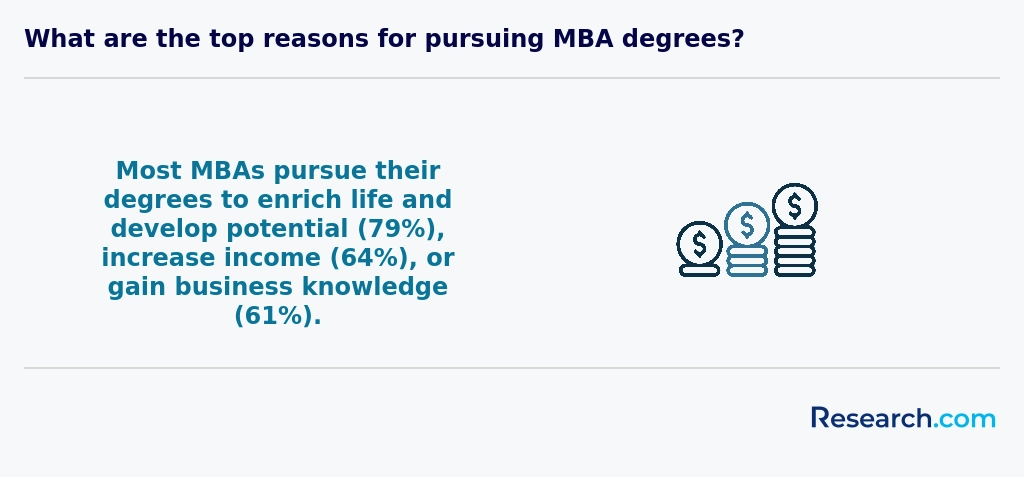
When evaluating an MBA program, understanding the balance between cost and career impact is essential. Prospective students in Cincinnati can find affordable MBA options by comparing tuition rates, available scholarships, and program length. Public institutions such as the University of Cincinnati often offer lower in-state tuition, while part-time or online formats at Xavier University provide additional flexibility to minimize lost wages. To maximize return on investment (ROI), consider programs with strong career placement services and robust alumni networks. Graduates from Cincinnati’s most cost-effective programs frequently report quicker salary increases, with many recouping tuition within two to three years post-graduation. Additionally, employer-sponsored MBA tracks and assistantship opportunities can significantly reduce out-of-pocket expenses. For those exploring nationally recognized affordable pathways, our Cheapest MBA Degree Programs Ranking in Cambridge, MA highlights programs that combine quality education with competitive pricing. Insights gleaned from these rankings can inform decisions for Cincinnati students seeking similar value. When comparing total costs, factor in indirect expenses such as textbooks, technology fees, and networking event fees. An MBA program that integrates paid internships or includes professional certifications-like Lean Six Sigma or PMP-can further enhance ROI by boosting employability immediately upon graduation. Ultimately, selecting a program that aligns with both financial constraints and long-term career goals ensures that your MBA investment yields maximum professional and personal rewards.
Students pursuing an MBA in Cincinnati benefit from multiple financial aid avenues tailored to local conditions. Federal loans such as Direct Unsubsidized and Grad PLUS loans provide accessible borrowing options upon completing the FAFSA, ensuring many can fund their education without immediate financial strain. Graduates from the University of Cincinnati's Carl H. Lindner College of Business often highlight scholarships and fellowships awarded for academic merit and leadership, which can cover significant tuition portions and ease budgeting pressures.
Employer tuition reimbursement programs are especially impactful in Cincinnati's diverse corporate landscape, where MBA students report substantial tuition offsets when their studies align with job roles. This real-world support fosters optimism and confidence among students balancing work and education. Additionally, private scholarships from entities like the Cincinnati Scholarship Foundation supplement federal and institutional aid, giving students multiple funding layers to rely on.
By combining these resources-federal loans, institutional awards, employer assistance, and private grants-MBA candidates in Cincinnati can navigate costs with a strategic approach that feels both practical and motivating.
Embarking on an MBA journey in Cincinnati requires not only strong academic credentials but also a proactive approach to planning and preparation. Prospective students should start by clearly defining their career goals and researching programs that align with their aspirations, whether they prefer a traditional classroom environment or need the flexibility of an online schedule. Preparing for entrance exams like the GMAT or GRE well in advance, and gathering insights from current students and alumni, can provide valuable guidance on tailoring your application. Additionally, exploring financial aid options and scholarship opportunities early on is crucial to alleviate the financial burden of advanced education. Networking with industry professionals through local business events and campus visits enhances your understanding of the program’s culture and market relevance. For those seeking a streamlined path, consider options that allow you to fast track mba online without compromising on quality. Personalizing your application with a compelling statement of purpose and strong recommendations can set you apart in a competitive admissions process. With these strategies in place, you’ll be well-equipped to choose an MBA program that not only meets your educational needs but also propels you toward a successful career.
Enrolling in an MBA program in Cincinnati typically requires applicants to hold a bachelor's degree from an accredited institution. Graduates from various fields have successfully transitioned into MBA studies at institutions like the University of Cincinnati's Carl H. Lindner College of Business, emphasizing that a non-business undergraduate major is not a barrier when combined with relevant coursework or experience.
Standardized test scores, mainly GMAT or GRE, remain common prerequisites, though many programs, including Lindner, offer waivers for applicants with substantial professional experience. For example, several graduates report that their 3 to 5 years in managerial roles helped them bypass the testing requirement, easing their application process.
Work experience is a crucial factor; Cincinnati MBA programs usually expect at least 2 to 3 years of relevant professional background. This requirement reflects the average five years cited nationally by the Graduate Management Admission Council (GMAC) and enhances practical learning, making classroom discussions more dynamic and real-world applicable.
Applicants must also submit letters of recommendation, a personal statement, and a resume. These components allow admissions teams to assess leadership potential and alignment with program goals, often highlighting candidates' career aspirations and personal growth, as reflected by many Cincinnati MBA students' experiences.

MBA programs in Cincinnati commonly include courses structured to build practical expertise and strategic insight. Graduates from institutions like the University of Cincinnati highlight courses such as Financial and Managerial Accounting, which provide critical skills to analyze company finances in real business settings. Marketing Management classes enable students to apply consumer behavior theories to Cincinnati's diverse markets, preparing them for effective brand positioning in local and national contexts.
Organizational Behavior courses are often praised for helping students understand team dynamics and leadership challenges encountered during internships with Cincinnati-based firms. Operations Management focuses on supply chain and process optimization, skills particularly relevant to manufacturing sectors prominent in the region.
Corporate Finance and Business Strategy courses allow students to develop investment decision-making skills and formulate long-term business plans aligned with Cincinnati's economic environment. Many students appreciate the emphasis on Data Analytics and Business Intelligence, which equips them with data-driven decision-making tools increasingly valued across the city's industries.
Graduates frequently recount how hands-on projects and case studies involving local businesses deepen their understanding and foster confidence in real-world applications.
MBA specializations in Cincinnati universities commonly include Finance, Marketing, Operations and Supply Chain Management, Healthcare Management, and Entrepreneurship. Finance stands out given Cincinnati's robust financial services industry, attracting graduates who want to excel in investment analysis and corporate finance. Marketing specialization appeals to those eager to explore digital marketing and brand management within the city's diverse economy.
Graduates often highlight practical learning experiences at well-known Cincinnati colleges that emphasize Operations and Supply Chain Management, reflecting the region's logistics strength. Many find this concentration aligns well with local employers, boosting job prospects. Healthcare Management is a growing field due to the presence of major healthcare institutions, preparing students to address sector-specific challenges. The Entrepreneurship track supports those motivated by Cincinnati's energetic startup scene.
Students pursuing these best Cincinnati MBA degree concentrations appreciate flexible formats, with some opting for fast track mba online programs to accommodate busy schedules. Emerging specializations like Business Analytics add data-driven decision-making skills that are increasingly vital for career advancement in the region.
Choosing the best MBA degree in Cincinnati requires analyzing accreditation, program availability, cost, and specialization. Graduates from the University of Cincinnati's Carl H. Lindner College of Business, known for its AACSB accreditation, emphasize how this quality assurance opens doors with local and national employers, confirming its value. Many Cincinnati programs offer versatile formats-full-time, part-time, online, and evening classes-that enable working professionals to balance career and study effectively, a common sentiment shared by part-time MBA students.
Financial factors also weigh heavily in decision-making. Cincinnati residents often find affordable MBA degrees Cincinnati 2027 options more accessible at public institutions due to lower in-state tuition, which typically ranges from $20,000 to $50,000 annually in Ohio. However, private schools may provide enhanced networking or resources.
Specializing in high-demand areas like finance or supply chain logistics increases career potential. Graduates report that career services and alumni networks in Cincinnati's business schools play a crucial role in securing internships and jobs in the region's industries.
Prospective students can also explore rankings such as the Cheapest MBA Degree Programs Ranking in Cambridge, MA to benchmark affordability and program quality.
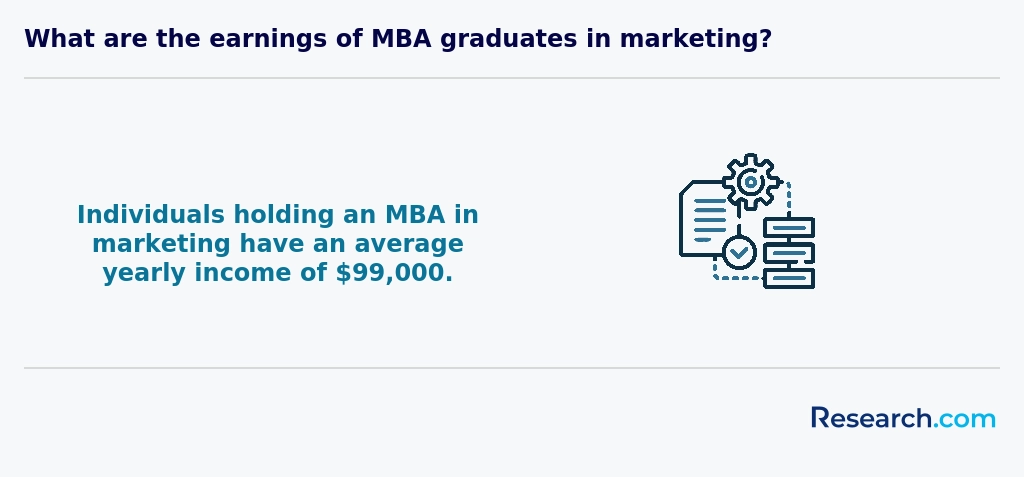
MBA graduates in Cincinnati find diverse career paths supported by the city's prominent industries like finance, healthcare, manufacturing, and logistics. Popular roles include management consulting, corporate finance, marketing management, and supply chain leadership. Graduates from well-known local schools often secure positions at Fortune 500 companies such as Procter & Gamble, Kroger, and Fifth Third Bank, engaging in strategic planning and financial analysis. MBA career opportunities in Cincinnati also extend to growing fields like healthcare administration, fueled by major institutions like Cincinnati Children's Hospital Medical Center.
Many graduates report positive outcomes entering finance roles as financial managers or risk analysts, with starting salaries typically ranging between $70,000 and $90,000 annually. This aligns with national data showing a median MBA base salary near $90,000 in 2023. The practical experience gained in Cincinnati's dynamic market prepares students well for leadership.
For those embracing entrepreneurship, Cincinnati's vibrant startup ecosystem offers significant potential, supported by local accelerators valuing the MBA skillset. Students often explore innovative ventures while completing a one year masters degree. Top Cincinnati MBA job prospects reflect this blend of established corporate and entrepreneurial opportunities.
The job market for MBA graduates in Cincinnati remains robust, supported by the city's diverse economy and concentration of Fortune 500 companies like Procter & Gamble and Kroger. Graduates from prominent local universities often secure roles in management, finance, and operations, benefiting from Cincinnati's strategic location and strong industry presence. This creates favorable conditions for MBA graduate job opportunities Cincinnati, particularly in sectors such as healthcare management and logistics, where demand is growing steadily.
Salary expectations align well with lower living costs in the region, with many graduates reporting starting salaries between $75,000 and $90,000. Networking facilitated by local business schools enhances these prospects, allowing students to connect directly with corporate recruiters. Those pursuing an MBA in Cincinnati can also find the cost of their degree more affordable compared to national averages, making the investment worthwhile.
For individuals balancing career advancement with study commitments, exploring the best degree programs for older adults online available in Cincinnati can offer flexible pathways. Overall, Cincinnati MBA degree employment outlook is positive, anchored by steady economic growth and expanding sectors that welcome strategic business leaders.
2027 Best MBA Degree Programs Ranking in Cincinnati
Investing in your education is a significant decision that can shape your future, and the Research.com team understands the importance of making informed choices. To assist prospective students in Cincinnati, we have meticulously crafted the "2027 Best MBA Degree Programs Ranking in Cincinnati." Our commitment to quality, credibility, and accuracy is reflected in the extensive research and analysis conducted to compile this ranking.
We utilized the following reputable data sources to ensure a comprehensive evaluation of MBA programs:
By exploring this ranking, readers will gain valuable insights into the best MBA degree programs available in Cincinnati, helping them make informed decisions about their educational paths. For more details on our methodology, please visit our Research.com methodology page.


Frequently Asked Questions About MBA
Students pursuing an MBA degree in Cincinnati can enhance their learning by actively engaging with local business communities. Cincinnati's diverse economy, including sectors like manufacturing, finance, and healthcare, offers practical opportunities for networking and internships. According to the Greater Cincinnati Chamber of Commerce, over 7,000 companies operate in the region, providing valuable real-world experience.
Additionally, participating in case competitions and workshops hosted by institutions such as the University of Cincinnati and Xavier University can deepen understanding of business concepts. Leveraging alumni networks and attending local business events also fosters professional growth. Combining classroom knowledge with experiential learning remains key to maximizing an MBA's value in Cincinnati.
The MBA landscape in Cincinnati is evolving with new specialized fields gaining popularity. Emerging niches include healthcare management, driven by Cincinnati's strong medical and biotech industries. According to the Greater Cincinnati Chamber of Commerce, demand for healthcare MBA graduates is expected to grow by 15% through 2027.
Another growing area is supply chain management. Cincinnati-based companies such as Procter & Gamble and Kroger actively seek MBA graduates with expertise in logistics and operations. This specialization aligns with the city's role as a transportation and distribution hub.
Technology management also attracts attention, reflecting Cincinnati's expanding tech startups and innovation centers. Programs focusing on data analytics, cybersecurity, and digital transformation are gaining traction. Institutions like the University of Cincinnati now offer tailored MBA tracks addressing these trends.
Preparing for the job market after completing an MBA degree in Cincinnati involves strategic networking and skill development. Cincinnati hosts several reputable MBA programs offering career services, including resume workshops and interview preparation, which can greatly enhance job readiness. According to the Graduate Management Admission Council (GMAC), 89% of MBA graduates in the U.S. report improved job prospects, a trend that applies to Cincinnati's market as well.
Engaging with local business organizations like the Cincinnati USA Regional Chamber can connect graduates with employers. Internships and experiential learning during the MBA program also boost practical experience, a key factor for employers in the region. Staying informed about industry trends in sectors such as healthcare, finance, and manufacturing-strong in Cincinnati-further prepares graduates for targeted job placement.
Employers in Cincinnati highly value MBA graduates who demonstrate strong leadership and strategic thinking skills. According to the Graduate Management Admission Council (GMAC), about 89% of businesses look for candidates who can effectively manage teams and drive organizational growth. Analytical abilities are crucial as well, with many Cincinnati companies emphasizing data-driven decision-making.
Communication skills remain a top priority-successful MBA graduates must convey complex ideas clearly to diverse stakeholders. Additionally, adaptability and proficiency in technology, especially in financial and marketing software, are increasingly important due to Cincinnati's growing tech and manufacturing sectors. Understanding local market dynamics also gives candidates an advantage.
Finding internships in Cincinnati relevant to an MBA degree involves utilizing local business networks and university resources. Cincinnati hosts a range of industries including finance, healthcare, and manufacturing, offering diverse internship opportunities for MBA students. According to the Greater Cincinnati Chamber of Commerce, over 30% of internships in the region are in business-related roles, a trend beneficial for MBA candidates.
Students should tap into Cincinnati's business schools, such as the University of Cincinnati and Xavier University, which have strong connections with local employers. Career services offices frequently list internships tailored for MBA students and host hiring events.
Additionally, networking through Cincinnati's professional organizations, like the Cincinnati USA Regional Chamber and business meetups, can provide valuable leads. Online platforms such as Handshake and LinkedIn also feature local MBA internship postings.
In Cincinnati, obtaining an MBA degree significantly enhances career mobility and advancement opportunities. According to the U.S. Bureau of Labor Statistics, MBA graduates often experience a salary increase of approximately 25-30% compared to those with only a bachelor's degree. This is particularly relevant in Cincinnati's diverse economy, which includes sectors like finance, healthcare, and manufacturing.
Local employers increasingly value the leadership and strategic skills acquired in MBA programs. Many Cincinnati-based companies, such as Procter & Gamble and Fifth Third Bank, frequently recruit MBA holders for management roles. Additionally, networking opportunities provided by Cincinnati's MBA programs connect students with influential business professionals in the region.
Data from the Graduate Management Admission Council (GMAC) shows that 65% of Cincinnati MBA graduates report career advancement within two years of completing their degree. This reflects the degree's strong role in facilitating promotions and new leadership positions locally.
Studying for an MBA degree in Cincinnati equips students with skills essential for interdisciplinary roles by integrating diverse business disciplines. Cincinnati's MBA programs emphasize collaboration across finance, marketing, operations, and management, reflecting real-world business challenges.
Local universities, such as the University of Cincinnati and Xavier University, offer curricula that foster analytical thinking and communication skills crucial for leading cross-functional teams. According to the U.S. Department of Education's College Scorecard, Cincinnati MBA graduates see an average salary increase of around 40% post-degree, highlighting the practical benefits of interdisciplinary training.
Additionally, partnerships with Cincinnati's robust industries, including healthcare and manufacturing, provide experiential learning opportunities. This exposure helps students apply knowledge from multiple fields, preparing them for leadership in complex organizational settings.
Choosing between a thesis and a non-thesis MBA program in Cincinnati depends on your career goals and learning preferences. A thesis MBA typically emphasizes research and academic writing, suited for those interested in pursuing a PhD or roles in consultancy and academia. Non-thesis programs focus more on practical skills through coursework and projects, ideal for professionals aiming for management positions.
According to recent data from the Association to Advance Collegiate Schools of Business (AACSB), about 60% of Cincinnati's MBA graduates prefer non-thesis programs, reflecting the city's strong business and industrial sectors. Cost and program length may also vary, with thesis options sometimes extending the duration.
Moreover, networking opportunities and faculty mentorship in thesis programs can be more intensive, which some students value highly. Ultimately, consider your professional ambitions, available time, and whether you prefer hands-on experience or research to make an informed decision.
Students in Cincinnati interested in pursuing an MBA abroad have several options through US universities that offer international study opportunities. Many local programs, such as those at the University of Cincinnati, feature study abroad components or global immersion trips lasting from one week to one semester. These experiences allow students to earn credits while gaining exposure to international business practices.
Additionally, some Cincinnati-based MBA candidates choose to enroll in joint degree programs with partner universities overseas or participate in exchange programs. According to the Graduate Management Admission Council, about 35% of MBA students nationwide pursue some form of international experience during their studies, reflecting a growing trend.
Part-time job opportunities in Cincinnati that complement MBA education often focus on roles that develop leadership, analytical, and strategic skills. Cincinnati's diverse economy supports positions in finance, marketing, and consulting firms, which align well with MBA coursework. For example, many MBA students find internships or part-time roles in Procter & Gamble, one of Cincinnati's largest employers, where they can apply business concepts in real-world projects.
Additionally, startups and local nonprofits offer roles in project management or business analysis, providing valuable practical experience. According to the Cincinnati USA Regional Chamber, industries like healthcare and logistics also present growing opportunities relevant to MBA students.
Networking internships through MBA programs at the University of Cincinnati and Xavier University can be particularly beneficial to students seeking roles that enhance their resumes while studying.
Networking opportunities for MBA students in Cincinnati are diverse and robust, supported by the city's strong business community and higher education institutions. The University of Cincinnati's Carl H. Lindner College of Business offers access to corporate events and alumni mixers that connect students with local industry leaders. According to the university, over 5,000 business professionals participate in networking events annually.
Moreover, Cincinnati's Chamber of Commerce hosts regular business forums that MBA students can attend to engage with entrepreneurs and executives from sectors such as healthcare, finance, and manufacturing. Local meetups and professional organizations also play a significant role in fostering connections.
These structured events, along with internships and experiential learning projects, provide MBA students with vital opportunities to build relationships that can lead to career advancement within the Cincinnati metropolitan area.
Alumni networks play a significant role in enhancing the MBA experience for students in Cincinnati. These networks provide access to a broad community of graduates who often hold influential positions in local businesses and industries. For example, the University of Cincinnati's Carl H. Lindner College of Business has over 37,000 alumni worldwide, many active in the Cincinnati area, offering valuable mentorship and professional connections.
Networking events and alumni panels allow students to gain insights into real-world business challenges and career opportunities. According to Cincinnati Business Courier, MBA graduates leveraging alumni contacts report higher job placement rates within six months of graduation.
Such networks also support collaborative ventures and entrepreneurial initiatives, fostering a strong regional business ecosystem.
Customizing an MBA degree program in Cincinnati often involves selecting specialized concentrations that align with your career objectives. Many local universities offer options such as finance, marketing, healthcare management, and entrepreneurship, allowing students to tailor coursework to their interests.
Students can also choose between part-time, full-time, or online formats, depending on their work schedule and personal commitments. This flexibility helps balance education with professional responsibilities.
Additionally, Cincinnati's MBA programs frequently include experiential learning through internships or consulting projects with local companies. These opportunities enhance practical skills and support networking in relevant industries.
According to the U.S. News & World Report, customization through electives and experiential components is a key feature in top Cincinnati MBA programs, helping students meet specific career goals effectively.
Many MBA students in Cincinnati face time management challenges. Balancing coursework with full-time jobs or family responsibilities often requires strong organizational skills. According to U.S. News & World Report, the average MBA program in Cincinnati demands 15 to 20 hours weekly outside of class, which can be difficult for working professionals.
Financial strain is another common issue. Tuition for MBA programs in Cincinnati averages around $30,000 to $50,000, not including living expenses, which may require loans or employer assistance.
Networking opportunities, though available, can be limited compared to larger metropolitan areas. Students must proactively engage with local business communities to maximize their connections.
Lastly, adapting to hybrid or online learning formats remains a challenge for some, as many Cincinnati MBA programs have expanded digital options post-pandemic. Students must stay disciplined to succeed in these flexible environments.
An MBA degree from Cincinnati-area institutions can open the door to many professional certifications that enhance career opportunities. Graduates often pursue the Certified Public Accountant (CPA) credential, especially those with accounting concentrations. According to the Ohio Society of CPAs, over 30% of CPAs in Ohio hold an advanced degree such as an MBA.
Additionally, the Project Management Professional (PMP) certification is popular among MBA graduates focusing on operations or management. The Project Management Institute reports strong demand for PMP holders in Cincinnati's growing business sectors.
Other common certifications include Certified Management Accountant (CMA) and Chartered Financial Analyst (CFA). These designations complement an MBA by providing specialized financial expertise highly valued in Cincinnati's corporate environment.
Writing a winning application for an MBA program in Cincinnati requires clear focus and strong preparation. Start by researching the specific schools, such as the University of Cincinnati's Carl H. Lindner College of Business, which is nationally recognized for its MBA offerings. Highlight your professional achievements and career goals in the personal statement. Admissions committees value applicants who demonstrate leadership potential and community involvement.
Submit a well-crafted resume, emphasizing quantifiable results and any relevant experience in Cincinnati's key industries like finance, healthcare, or manufacturing. Standardized tests like the GMAT or GRE may be required; aim for scores above the national average to improve your chances. Reference letters should be personalized and reflect your skills and character accurately.
The global perspective on a career with an MBA degree emphasizes versatility and leadership skills valued worldwide. Graduates from U.S. programs, including those in Cincinnati, often find opportunities across multiple industries such as finance, consulting, and technology. According to the Graduate Management Admission Council's 2023 Corporate Recruiters Survey, 88% of U.S. employers plan to hire MBA graduates, reflecting strong market demand.
Internationally, U.S. MBA degrees are recognized for rigorous business training and networking advantages. Cincinnati's growing business sectors, including healthcare and logistics, provide practical experience linked to global trends. The city's MBA programs integrate global case studies and international business strategies to prepare students for cross-border roles.
Such exposure equips graduates to navigate complex global markets, supporting career growth both in the U.S. and abroad.
Gaining practical experience while pursuing an MBA in Cincinnati is feasible through various opportunities offered by local universities and the city's business community. Many MBA programs in Cincinnati incorporate internships, cooperative education (co-op) placements, or consulting projects as part of their curriculum, allowing students to apply classroom knowledge in real-world settings. For example, the University of Cincinnati's Lindner College of Business emphasizes experiential learning through internships and employer partnerships.
Local networking events and Cincinnati's strong business sectors, such as healthcare and manufacturing, provide students with additional chances to engage with professionals. Students are encouraged to leverage university career services and attend business conferences in the city to build connections and gain hands-on experience.
According to the National Center for Education Statistics, about 60% of MBA students in Ohio universities participate in internships, which significantly enhance employability after graduation.
Choosing the right concentration within an MBA program in Cincinnati depends on your career goals and market demand. Popular concentrations include finance, marketing, healthcare management, and entrepreneurship. According to the Greater Cincinnati Chamber of Commerce, sectors like healthcare and manufacturing are significant local employers, which may influence your choice.
Consider your professional background and skill gaps. For example, if you work in healthcare, a specialization in healthcare administration may enhance your advancement opportunities. Many Cincinnati universities offer flexible MBA tracks allowing part-time or online study to balance work and education.
Researching alumni outcomes from Cincinnati schools such as the University of Cincinnati's Lindner College of Business can provide insight into successful concentrations. Always evaluate curriculum content, faculty expertise, and internship opportunities within your chosen field.
- 2027 Best MBA Degree Programs Ranking in Louisville
- 2027 Best MBA Degree Programs Ranking in Indianapolis
- 2027 Best MBA Degree Programs Ranking in Columbus
- 2027 Best MBA Degree Programs Ranking in Fort Wayne
- 2027 Best MBA Degree Programs Ranking in Knoxville
- 2027 Best MBA Degree Programs Ranking in Cleveland
- 2027 Best MBA Degree Programs Ranking in Nashville
- 2027 Best MBA Degree Programs Ranking in Chicago
- 2027 Best MBA Degree Programs Ranking in Pittsburgh
- 2027 Best MBA Degree Programs Ranking in River Forest
- Know and apply For MBA at the University of Cincinnati 2025 https://www.nomadcredit.com/blog/mba-at-the-university-of-cincinnati
- How an MBA gives you an international vision and helps you make smart decisions - AEEN https://www.aeen.org/how-an-mba-gives-you-an-international-vision-and-helps-you-make-smart-decisions/
- Skills Employers Look for in Business Graduates – EU Business School https://www.euruni.edu/blog/skills-employers-look-for-in-business-graduates/
- MBA Requirements https://www.collegeessayguy.com/blog/mba-requirements
- How to Use Your MBA for Career Growth While You’re Still Studying - International Career Institute USA https://icieducation.com/blog/how-to-use-your-mba-for-career-growth-while-youre-still-studying/
- Lessons learned: one year into pursuing an MBA while balancing full-time work - Franz Vitulli https://franzvitulli.com/mba-work/
- What Can You Do with an MBA in Today’s Market? | Elmhurst University Elmhurst University Blog https://www.elmhurst.edu/blog/what-can-you-do-with-an-mba-in-todays-market/
- 6 Tips to Make the Most of Your MBA Experience https://mbaschooled.com/2020/01/14/6-tips-to-make-the-most-of-your-mba-experience/
- Know more about thesis vs non- thesis: what is the difference? https://studyfans.com/en/blogs/816
- Top Challenges for MBA Students in 2025: Placements and Career Growth in India | BeJobbed.com https://bejobbed.com/challenges-mba-students-placements-career-growth-india/


