
2027 Most Popular MBA Degree Programs Ranking in Omaha

Co-Founder and Chief Data Scientist
Choosing the right MBA program in Omaha can shape your future career and open doors to new opportunities. This article presents the 2027 Most Popular MBA Degree Programs Ranking in Omaha, created by the Research.com team of data scientists. Their careful analysis helps you identify programs that truly stand out.
Reading this guide will empower you to make an informed decision about your education. Pursuing an MBA can enhance your skills, boost your confidence, and increase your professional network. Explore options designed to fit your goals and take the next step toward success.
Key benefits of getting MBA degree in Omaha
- MBA graduates in Omaha can expect competitive salaries in various business roles, with national averages for MBA-related careers often reaching between $80,000 and $120,000 annually, reflecting solid earning potential.
- A typical MBA graduate from the University of Nebraska Omaha can pursue diverse career paths such as management, marketing, finance, or entrepreneurship, offering exciting opportunities to grow and lead industries.
- Completing an MBA degree online, like through Bellevue University, offers flexibility and convenience, allowing busy professionals in Omaha to balance education with work and family while still gaining valuable skills.
- 2027 Most Popular MBA Degree Programs Ranking in Omaha
- What can I expect from MBA degree in Omaha?
- Where can I work with MBA degree in Omaha?
What can I expect from MBA degree in Omaha?
The average cost of pursuing an MBA degree in Omaha is notably affordable compared to larger metropolitan areas, typically ranging from $30,000 to $45,000. Graduates from programs like the University of Nebraska at Omaha often reflect on how this investment felt manageable given the quality and flexibility offered, especially when balancing work and study.
Many students choose part-time formats to spread out tuition payments while gaining hands-on experience locally. The practical coursework combined with an accessible price point allows them to feel confident about their return on investment. One graduate mentioned how the affordability enabled them to focus on networking with Omaha's vibrant business community, including opportunities with major employers like Berkshire Hathaway, without the stress of overwhelming debt.
Future trends may see even more competitive pricing and customizable payment plans as programs strive to attract professionals seeking lifelong learning. The cost-efficiency of Omaha's MBA options promises to remain a compelling factor for career-driven individuals aiming to grow without financial strain.
Where can I work with MBA degree in Omaha?
Graduates from MBA programs at Omaha's well-regarded institutions often find themselves stepping confidently into leadership roles across the city's robust business landscape. Many alumni report quickly landing positions in Omaha's financial sector, joining companies like Berkshire Hathaway and Union Pacific Corporation, where their strategic thinking and management skills are highly prized.
Others share experiences transitioning into healthcare administration with major local systems such as Nebraska Medicine or CHI Health. They describe tackling operational challenges and leading teams, enjoying the dynamic pace and meaningful impact their roles bring. The growing healthcare industry in Omaha clearly values MBA expertise, especially as hospitals embrace more complex business models.
Tech startups and innovation hubs around the University of Nebraska at Omaha have also become hubs for recent MBA grads, who thrive managing product development or directing projects. These roles often come with exciting opportunities to innovate and influence emerging technology trends.
Manufacturing and logistics firms like Werner Enterprises commonly recruit MBA holders for strategic planning and supply chain leadership, where analytical skills honed during studies prove invaluable. These varied career pathways help graduates feel optimistic about long-term growth in Omaha's diverse economy.
Graduates with an MBA in Omaha typically see annual earnings ranging from $75,000 to $120,000 within the first few years after completing their degrees. Many professionals from the University of Nebraska at Omaha find themselves stepping into managerial roles with salaries between $95,000 and $110,000, reflecting the region's growing demand for leadership in finance, technology, and healthcare sectors.
Entry-level MBA holders often start near $70,000, quickly advancing as they gain experience and leverage strong local networks. For example, an MBA graduate specializing in supply chain management might join a logistics firm in Omaha, benefiting from the city's position as a transportation hub and eventually earning above $100,000 within a few years.
Mid-career salaries around $108,000, according to recent Payscale data, highlight the city's competitive compensation landscape. Graduates feel confident that their MBA not only enhances earning potential but also opens doors to strategic roles in Omaha's diverse industries, fostering a rewarding career trajectory.
- The total tuition cost for MBA programs in Omaha ranges from $30,000 to $60,000 depending on the institution and enrollment status.
- Entry-level MBA graduates in Omaha earn around $65,000 per year, with salaries potentially exceeding $100,000 after gaining experience.
- Omaha's major industries supporting MBA roles include finance, insurance, telecommunications, healthcare, and manufacturing.
- Many MBA programs offer flexible schedules such as evening, weekend, and online classes to accommodate working professionals.
- Internships and networking opportunities are available through local businesses and universities to help students connect with employers.
Completing an MBA degree in Omaha usually takes about two years for full-time students, reflecting a commitment that many graduates from the University of Nebraska at Omaha have found rewarding. These students often share stories of balancing rigorous coursework while immersing themselves in campus life, creating a deep sense of achievement upon completion.
For those working professionals enrolling in part-time MBA programs, the journey typically spans three to four years. Many have described the experience as manageable and fulfilling, offering the chance to apply new skills directly to their careers while steadily progressing toward their degree.
Accelerated MBA options in Omaha compress the curriculum into 12 to 18 months, demanding intense focus but allowing ambitious students to advance quickly. Graduates from these programs often highlight the energizing pace and how it propelled their career momentum.
Online MBA programs in Omaha enhance flexibility, with completion times varying between 18 months and three years. Students have expressed appreciation for tailoring their studies around personal commitments, making the pursuit of an MBA feel realistically achievable no matter the circumstance.
Graduates from MBA programs at the University of Nebraska Omaha often describe their on-campus experience as deeply immersive, where face-to-face discussions spark spontaneous ideas and foster strong local connections. Walking through campus, they enjoy access to Omaha's vibrant business community events and career resources that are just steps away, creating a tangible sense of being part of a dynamic professional network.
In contrast, alumni from online MBA programs offered by Creighton University highlight the freedom to manage studies around demanding work schedules or family life. They appreciate logging in at midnight after a long workday and engaging with course materials on their own time. This flexibility often brings relief and motivation, especially for those juggling jobs or living outside Omaha's city limits.
Looking ahead, Omaha's online MBA programs are increasingly blending occasional on-site residencies, inviting students to meet peers and professors in person, thus combining flexibility with community feeling. This hybrid approach seems to promise a future where convenience meets connection, perfectly suited to evolving professional lifestyles.
When considering an MBA in Omaha, NE, it's essential to explore the various programs available to find the best fit for your career goals and aspirations. One crucial aspect of this exploration is understanding the different specializations and concentrations offered by local universities. For instance, the University of Nebraska at Omaha and Creighton University are renowned for their rigorous curricula and supportive communities, providing students with a solid foundation in business principles and practices. To delve deeper into the world of MBA programs in Omaha, visiting websites like popular mba programs can offer valuable insights into the most sought-after degrees, helping you make an informed decision about your educational investment. By examining the program structures, faculty expertise, and alumni success stories, you can better navigate the process of selecting an MBA program that aligns with your professional objectives and personal interests, ultimately leading to a fulfilling and successful career in Omaha's dynamic business landscape.
The average MBA degree cost Omaha reflects a balance between affordability and quality education, with the median total cost for students typically around $39,066. Public universities such as the University of Nebraska at Omaha offer more accessible tuition rates for in-state residents, averaging approximately $24,510 in total, which many local students find manageable. These figures contrast with private institutions, which generally charge higher rates but provide tailored learning experiences that graduates often describe as transformative and worth the investment.
Graduates from Omaha's notable MBA programs frequently recount the value of their education in helping them advance professionally without incurring overwhelming debt. Their experiences highlight that, while tuition remains a significant factor, the overall investment includes additional expenses like books, technology fees, and insurance, which smart financial planning can offset through scholarships and employer sponsorships.
Many students choose Omaha for its competitive pricing compared to national averages that often exceed $70,000, pairing quality study environments with a community-oriented feel. Such costs create opportunities for future business leaders to thrive locally or nationally. Indeed, when considering longer-term goals like pursuing a doctoral degree in accounting salary, starting with an affordable MBA in Omaha can be a stepping stone, making the total cost of MBA programs Omaha a crucial decision factor for prospective students.

Financial aid for MBA students in Omaha is evolving, blending traditional support with promising new trends. Graduates from the University of Nebraska Omaha often share how federal loans like Direct Unsubsidized and Grad PLUS provided critical flexibility during their studies. These loans, though widely accessible, may soon be complemented by more tailored institutional scholarships that reward leadership and professional growth.
At Creighton University, many MBA candidates currently benefit from merit-based scholarships covering up to half their tuition, which fosters a motivating environment where academic and career achievements are genuinely celebrated. Looking ahead, partnerships between employers and schools in Omaha's corporate scene may expand, increasing tuition reimbursement programs and creating pathways for working professionals eager to advance without financial strain.
Innovative aid options such as targeted fellowships from private organizations are gaining traction here. Imagine enrolling in an MBA program supported by grants tied to emerging sectors like healthcare technology or sustainable finance, aligning funds with students' passions and Omaha's economic growth. These evolving models promise a more accessible, empowering MBA journey.
Investing in an MBA demands careful analysis of both upfront costs and long-term earnings potential. In Omaha, the average total cost for a two-year full-time MBA ranges from $45,000 to $80,000, including tuition, fees, and living expenses. By comparing this against reported starting salaries-typically $75,000 to $95,000 for recent graduates-you can estimate a payback period of two to three years. Calculating your breakeven point involves subtracting pre-MBA earnings from post-MBA income, then dividing the total investment by that salary increase. For example, if your salary rises from $60,000 to $90,000, a $60,000 program cost would pay for itself in just two years. Alumni perspectives bring these numbers to life. One graduate from Creighton University shared that after receiving a $10,000 scholarship and securing a finance role at a local firm, she saw her salary jump by 35 percent within 18 months, effectively cutting her ROI window in half. Another alum from the University of Nebraska at Omaha described leveraging career services to negotiate a $20,000 signing bonus, further accelerating her breakeven timeline and demonstrating the multiplier effect of strong support networks. While Omaha’s MBA programs offer compelling returns, it’s wise to benchmark costs and outcomes against other markets. For prospective candidates exploring affordable options, our Low Cost MBA Degree Programs Ranking in California provides insights into programs where tuition can be up to 40% lower, helping you refine your ROI calculations and select the path that maximizes both career growth and financial health.
To enroll in an MBA program in Omaha, a bachelor's degree from an accredited institution is essential, often serving as the foundation for further business expertise. Graduates from local programs like the University of Nebraska Omaha often recall how this baseline prepared them for advanced concepts, even if their undergraduate major was outside business.
The GMAT or GRE remains a common hurdle, although some programs, including Metropolitan Community College, are increasingly flexible, offering waivers for strong professional experience. Many students share how their years of work sharpened their skills, making the test feel manageable or even unnecessary in some cases.
Speaking of experience, two to five years of full-time work is typically expected. This practical background enriches class discussions and helps transform abstract theories into relatable situations, something grads often describe as a turning point in their learning.
Beyond academics and tests, future MBA students should prepare a compelling statement of purpose and strong recommendations. These reflect leadership potential and career ambitions-key elements emphasized by admissions teams across Omaha's top programs.
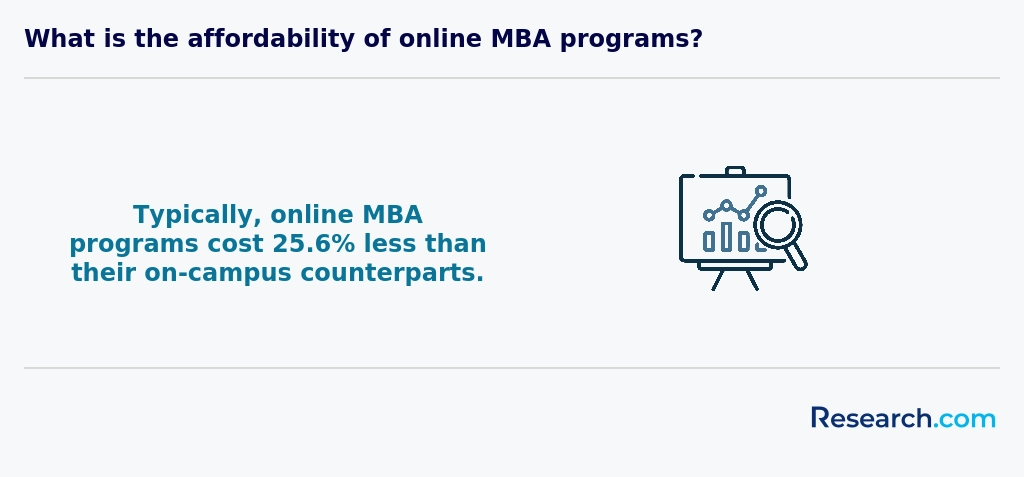
A comprehensive MBA curriculum is the heart of any quality program, offering a blend of theoretical frameworks and practical applications that equip students with the skills needed to excel in today’s dynamic business landscape. In a typical MBA program, students can expect courses in Accounting, Finance, Marketing, Operations Management, Organizational Behavior, Strategic Management, and Business Analytics, among others. These courses are designed to foster critical thinking and analytical skills while often incorporating case studies, group projects, and experiential learning opportunities that mirror real-world business challenges. Furthermore, many programs now offer electives and concentrations tailored to niche areas such as entrepreneurship, international business, and healthcare management, allowing students to customize their learning paths based on career goals. The integration of technology in the curriculum is also essential, with courses focusing on digital transformation and data-driven decision-making-skills increasingly demanded by employers. For applicants assessing affordability alongside quality, exploring options like mba programs under 10k can be a strategic approach to obtaining an MBA without compromising on the academic rigor or career advantages that a well-rounded curriculum offers. By staying informed about the structure and content of MBA courses, prospective students can better align their educational choices with their long-term professional objectives.
MBA students in Omaha often find themselves immersed in core courses like Accounting, Finance, Marketing, and Strategic Management that build a solid foundation for business leadership. Graduates from institutions such as the University of Nebraska at Omaha remark how these courses translate directly to real-world challenges-for example, applying operations management concepts during internships at local companies or using organizational behavior insights to improve team dynamics in group projects.
Looking ahead, these programs are likely to incorporate more technology-driven coursework, blending traditional subjects with data analytics and digital innovation to keep pace with evolving business landscapes. Electives focusing on entrepreneurship and healthcare management are especially popular, enabling students to tailor their studies while feeling a strong connection to Omaha's growing industries.
Many students appreciate the hands-on learning approach through case studies and teamwork, which fosters a deep sense of confidence in their leadership skills. The part-time options at Creighton University especially help busy professionals balance studies with career growth, contributing to a dynamic and supportive MBA community in Omaha.
Among the most sought-after MBA specializations in Omaha, graduates frequently highlight Finance, Marketing, and Healthcare Management as areas that align well with local industry strengths. Those focusing on Finance often describe rewarding internships at investment firms shaped by Omaha's unique financial ecosystem, gaining skills that feel immediately relevant to the city's corporate environment.
Marketing students from Omaha's top colleges share how their coursework on digital strategies and consumer trends prepares them to thrive in vibrant local startups. Supply Chain and Operations Management stands out too; its practical nature appeals to students imagining careers with Omaha's logistics and transportation companies. Experiential learning opportunities enable these graduates to directly apply classroom theories to real challenges.
Entrepreneurship remains an exciting specialization, fueled by Omaha's nurturing business atmosphere. Some MBA candidates actively leverage their education to launch ventures, reflecting a forward-looking mindset. For those balancing budget concerns, considering budget-friendly mba programs can be a strategic choice as they explore these popular MBA degree tracks Omaha offers.
Choosing the best MBA degree in Omaha means looking beyond just the curriculum to how the program fits your evolving lifestyle and career goals. Graduates from well-known Omaha universities often share how programs with flexible formats-such as part-time or online classes-allowed them to balance work and study effectively, boosting both confidence and skill.
Accreditation remains a key factor; programs accredited by bodies like AACSB generally open doors to wider opportunities. Many students from Omaha's top business schools highlight how this prestige helped them build a robust professional network, especially within the local business community. These connections often lead to internships and jobs in thriving sectors like finance and logistics.
With increasing attention on affordability, selecting affordable MBA degrees Omaha offers is critical. Prospective students can find programs with competitive tuition ranges, often offset by scholarships or assistantships, which previous graduates have found vital for reducing financial pressure while increasing academic focus.
Specializations aligned with Omaha's economic strengths, such as healthcare management or entrepreneurship, provide practical skills tailored for the future. For those curious about how market trends influence career prospects, exploring the mba job market may reveal emerging industries and opportunities in the region.
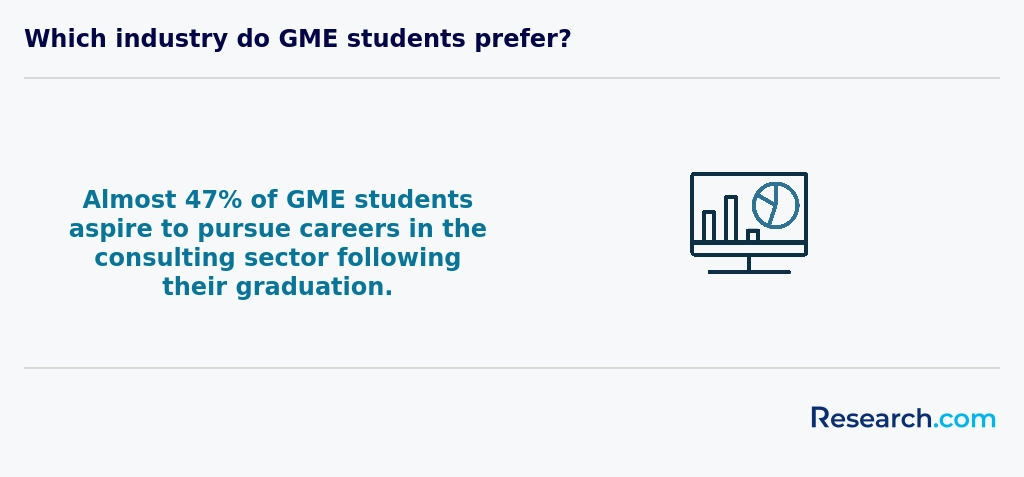
Graduates with an MBA degree in Omaha find themselves entering a thriving job market energized by sectors like finance, healthcare, and transportation. Many alumni from local institutions share stories of stepping into roles as financial managers within major companies such as TD Ameritrade, or advancing to healthcare administration at renowned centers like Nebraska Medical Center. This success is driven by the city's unique economic mix, making Omaha an exciting place for pursuing diverse MBA career opportunities in Omaha.
Emerging trends suggest growing demand for expertise in supply chain management and marketing as Omaha's tech startups and logistics hubs expand. MBA students often report feeling empowered by the practical skills gained, helping them confidently secure leadership roles. The city's supportive networks and business associations enhance these opportunities further, helping graduates align with evolving industry needs.
For those considering alternative trajectories, exploring specialized career paths beyond traditional roles is increasingly common. The comprehensive education at Omaha's top programs equips graduates to thrive in consulting, brand management, and operational leadership, positioning them well for the future job landscape.
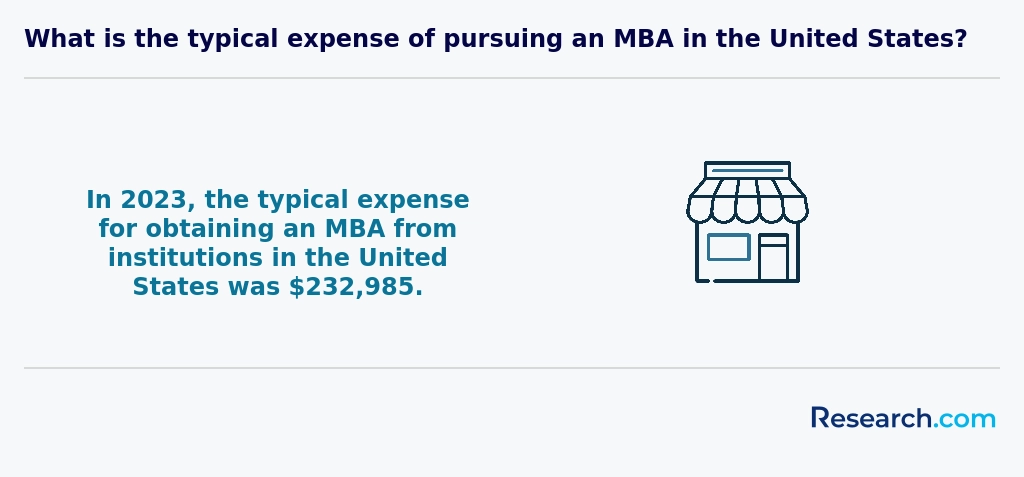
The job market for MBA degree holders in Omaha is characterized by promising growth and a variety of thriving industries. Graduates from well-regarded institutions in Omaha report exciting opportunities in sectors like finance, healthcare administration, and entrepreneurship. Many find themselves joining major local employers, such as Berkshire Hathaway or Mutual of Omaha, where their skills in organizational leadership and business strategy are highly valued. This dynamic environment reflects the broader job outlook for MBA graduates Omaha, with a projected employment growth that encourages fresh graduates to envision long-term career advancement in the city.
Students from popular Omaha business schools often share how their networking through chambers of commerce and professional groups led to leadership roles early in their careers. The growing startup ecosystem also invites MBA holders to embrace innovation and venture capital projects, offering fulfilling entrepreneurial pathways. For those considering further education, pairing an MBA with a doctorate in accounting can open even more premium career doors. With competitive tuition and a diverse economic base, Omaha's landscape fosters optimism among MBA students eager to build impactful careers.
2027 Most Popular MBA Degree Programs Ranking in Omaha
Investing in your education is a significant decision that can greatly impact your career and personal growth. The Research.com team recognizes the weight of this choice and has dedicated extensive effort to ensure the quality, credibility, and accuracy of the "2027 Most Popular MBA Degree Programs Ranking in Omaha." We have carefully analyzed diverse, authoritative sources to provide a trustworthy guide for prospective MBA students.
We utilized the following reputable data sources to create this ranking:
By exploring this ranking, readers will gain valuable insights into the most popular and credible MBA programs in Omaha, enabling them to make informed educational decisions with confidence. For more information about how this ranking was developed, please visit our Research.com methodology page.


Frequently Asked Questions About MBA
Students pursuing an MBA degree in Omaha can enhance their learning experience by engaging in local networking opportunities. Omaha is home to a diverse business community, including Fortune 500 companies such as Berkshire Hathaway and mutual insurance firms, offering valuable internships and mentorships. According to the Omaha Chamber of Commerce, approximately 40% of MBA students participate in practical experiences, which greatly improve employment outcomes.
Leveraging Omaha's growing startup ecosystem is also beneficial, allowing students to apply classroom knowledge in real-world settings. Additionally, attending local industry events and joining university business clubs fosters collaboration and skill development. Strategic use of resources at institutions like the University of Nebraska Omaha can further support academic success.
The MBA field is rapidly evolving, with emerging niches attracting Omaha students. One key area is data analytics and business intelligence, reflecting the growing demand for data-driven decision-making in local industries. Universities in Omaha, such as Creighton University, now offer specialized tracks to meet this trend.
Another significant niche is sustainability and green business management, responding to increased corporate focus on environmental responsibility. This aligns well with Omaha's expanding renewable energy sector, offering practical career opportunities for graduates.
Additionally, healthcare management MBAs are gaining prominence due to Omaha's strong presence of healthcare providers like CHI Health. This specialization prepares students for leadership roles in a complex, regulated industry.
These niches reflect broader national trends while leveraging Omaha's local economic strengths.
Preparing for the job market after completing an MBA degree in Omaha involves strategic planning and leveraging local resources. Graduates should begin by engaging with Omaha's strong business community, which includes headquarters of companies such as Berkshire Hathaway and Mutual of Omaha. According to the U.S. Bureau of Labor Statistics, Omaha's professional and business services sector is projected to grow by 5% through 2028, offering diverse opportunities.
Networking is critical; attending events hosted by the Greater Omaha Chamber of Commerce and University career centers can connect graduates with local employers. Additionally, gaining experience through internships or consulting projects during the MBA program enhances marketability.
Developing skills in data analysis, leadership, and digital marketing aligns with employer demands identified in the Nebraska Department of Labor's recent reports. Utilizing Omaha-based job platforms and alumni networks further boosts job search success.
Employers in Omaha consistently prioritize a combination of strong leadership and analytical skills when hiring MBA graduates. According to recent data from the Omaha Chamber of Commerce, 73% of employers seek candidates proficient in strategic thinking and decision-making. Communication skills, especially the ability to articulate ideas clearly to diverse teams, rank highly as well.
Technical competency with data analysis tools and financial acumen are also crucial, reflecting Omaha's growing finance and tech sectors. Additionally, adaptability and project management skills are frequently mentioned by local employers, given the fast-paced and evolving business environment.
Understanding local market dynamics and possessing a global mindset are advantages, helping graduates navigate both regional and international business challenges effectively.
Finding internships in Omaha that are relevant to an MBA degree involves leveraging local business networks and university resources. Omaha is home to several Fortune 500 companies like Berkshire Hathaway and Union Pacific, which often offer MBA internships. MBA students should connect with university career centers, such as those at Creighton University and the University of Nebraska Omaha, which maintain internship listings and host networking events.
Online platforms like Handshake and LinkedIn are crucial for discovering opportunities. Additionally, professional organizations such as the Omaha Chamber of Commerce provide valuable connections and events targeted at MBA students. According to the Nebraska Department of Labor, Omaha's internship market has grown by 8% over the past two years, reflecting expanding opportunities for business students.
An MBA degree in Omaha significantly enhances career mobility and advancement opportunities. According to recent data from the Graduate Management Admission Council (GMAC), MBA graduates typically see a 50% salary increase compared to their pre-MBA earnings, which reflects improved earning potential nationwide, including Omaha.
Omaha's diverse economy-with strengths in finance, insurance, and logistics-values the strategic management skills taught in MBA programs. Professionals with MBAs are more likely to secure leadership roles in these industries. The University of Nebraska at Omaha reports that local MBA holders often advance into management positions within two to three years of graduation.
Additionally, the networking opportunities provided by Omaha MBA programs connect students with key regional employers, fostering career growth and lateral moves. Companies such as Mutual of Omaha and Berkshire Hathaway actively recruit MBA candidates for executive training programs, which accelerates career progression.
Studying for an MBA degree in Omaha equips students with skills essential for interdisciplinary roles by integrating knowledge across business, technology, and management. Local programs emphasize real-world applications, combining courses in finance, marketing, and operations with leadership and communication training. According to the University of Nebraska at Omaha, MBA curricula foster problem-solving skills applicable to various industries such as healthcare, finance, and manufacturing, sectors prominent in the region.
Omaha's diverse economy encourages MBA students to collaborate across departments, preparing graduates for roles that require cross-functional expertise. Networking opportunities and internships within Omaha's corporate community further enhance this readiness.
Choosing between a thesis and a non-thesis MBA program in Omaha depends on your career goals and learning preferences. Thesis programs are research-intensive and suit students interested in academic careers or roles requiring strong analytical skills. Non-thesis tracks focus more on practical coursework and internships, appealing to professionals aiming for immediate advancement in business roles.
Thesis MBAs in Omaha often involve 6 to 12 months of research, requiring strong writing and critical thinking. Non-thesis options usually have a faster completion time. According to the Nebraska Department of Education, non-thesis MBAs are more common locally, reflecting employer demand for applied experience.
Consider your time availability and professional objectives when deciding which path aligns best with your personal and career ambitions.
Students based in Omaha who wish to study for an MBA abroad have several practical options. Many universities in Omaha, such as the University of Nebraska Omaha, offer partnerships with international institutions, enabling exchange programs or dual degrees. These programs typically last one to two semesters, allowing students to gain global business perspectives without committing to a full overseas degree.
Additionally, American students often consider MBA programs in countries with English-language instruction, such as the United Kingdom, Canada, and Australia. According to the Graduate Management Admission Council (GMAC), roughly 20% of US-based MBA candidates express interest in international study, driven by career globalization.
Financial aid and scholarships specifically for study abroad can sometimes be accessed through Omaha-based institutions or external foundations. Students should also evaluate accredited online global MBA programs, which offer international curriculum while maintaining flexibility.
Omaha's diverse economy offers numerous part-time job opportunities that complement MBA education. In sectors like finance, insurance, and healthcare, students can find roles such as financial analysts, marketing coordinators, or operations assistants. These positions allow practical application of business concepts learned in class.
Local companies like Mutual of Omaha and Union Pacific frequently provide internships and part-time positions relevant to MBA skills. According to the Omaha Economic Development Council, job growth in business services has increased by 5% annually, highlighting expanding opportunities.
Additionally, consulting firms and startups in Omaha often seek MBA students for project-based roles, enhancing leadership and problem-solving capabilities while studying.
Omaha offers robust networking opportunities for MBA students through its strong ties to the local business community. The city is home to headquarters of major companies such as Berkshire Hathaway and Union Pacific, providing real-world connections. Many MBA programs collaborate with these firms for guest lectures, internships, and live projects.
Additionally, organizations like the Omaha Chamber of Commerce and Nebraska Business Development Center frequently host networking events specifically for business students. These events often feature industry leaders and alumni, creating valuable mentorship possibilities.
Local MBA students also benefit from access to professional groups like the Omaha Young Professionals Network, which regularly organizes meetups and career workshops tailored to business students and graduates.
Alumni networks play a crucial role for MBA students in Omaha by offering valuable connections within the local business community. These networks often provide mentorship opportunities, career advice, and job leads that are particularly helpful in Omaha's diverse economy, which includes strong sectors like finance, healthcare, and agriculture.
Membership in an alumni network can increase access to exclusive events, workshops, and seminars that enhance learning beyond the classroom. According to the University of Nebraska Omaha, active engagement with alumni can improve job placement rates post-graduation, supporting students in launching or advancing their careers locally.
Additionally, alumni networks foster peer support, allowing current students to share resources and experiences. This collaborative environment can lead to partnerships and entrepreneurial ventures, reflecting Omaha's growing startup ecosystem.
Customizing your MBA degree program in Omaha allows you to tailor your education to align closely with your career goals. Many local universities offer flexible options, including concentrations in finance, marketing, healthcare administration, or entrepreneurship. Selecting a concentration helps you develop specialized skills relevant to your industry.
Omaha schools also provide opportunities for experiential learning, such as internships and consulting projects with regional businesses, enhancing real-world experience. Additionally, evening and online class options support working professionals aiming to balance job commitments while advancing their education.
According to the U.S. Department of Education's College Scorecard, MBA programs in Omaha often emphasize leadership development and practical business skills, making customization a strategic step in career advancement.
MBA students in Omaha commonly face challenges related to balancing work, family, and study commitments. Many programs in the area attract working professionals, which can lead to time management difficulties. According to the Graduate Management Admission Council, nearly 70% of MBA candidates in metropolitan areas juggle employment alongside their education.
Another issue is the rising cost of education. Tuition fees for MBA programs in Omaha vary but often range from $25,000 to $50,000, which can strain personal finances or require taking on student loans. Access to scholarships is competitive, making affordability a concern.
Additionally, networking opportunities, although present, may be more limited compared to larger cities with dense business communities, potentially affecting job placements and internships post-graduation.
With an MBA degree in Omaha, graduates can pursue several professional certifications that enhance credentials and career prospects. Popular options include the Project Management Professional (PMP) certification, which is highly regarded across industries and supported by the Project Management Institute. Another relevant certification is the Certified Public Accountant (CPA) credential, especially for those with an accounting focus in their MBA.
The Certified Management Accountant (CMA) is also a strong choice, recognized for expertise in financial management. Additionally, many MBA holders in Omaha pursue the Certified Financial Planner (CFP) designation to specialize in financial advising.
These certifications complement an MBA by adding practical skills and increasing competitiveness in the local job market. According to the Omaha Business Journal, professionals with combined MBA and certification credentials generally see faster salary growth and broader job opportunities.
Crafting a winning application for an MBA program in Omaha starts with understanding the city's competitive admissions landscape. Top programs, like those at the University of Nebraska at Omaha, seek candidates with strong academic records and clear career goals. Highlight your professional experience, as the average admitted student typically has five or more years in management or leadership roles, according to recent university reports.
Standardized test scores, such as the GMAT or GRE, remain important; aim for scores above the national average-around 550 GMAT-to strengthen your profile. Essays should be concise, reflect your motivation for an MBA, and demonstrate knowledge of Omaha's business environment.
Finally, secure recommendation letters from supervisors who can attest to your leadership potential and teamwork skills, as these are highly valued in local programs.
The global perspective on an MBA career reflects its continuing value in enhancing leadership and management skills across industries. In the United States, including Omaha, MBA graduates increasingly seek roles in multinational corporations and entrepreneurial ventures, capitalizing on their broad business knowledge. According to the Graduate Management Admission Council (GMAC) 2023 Corporate Recruiters Survey, 85% of employers planned to hire MBA graduates, highlighting strong demand.
Omaha, with its growing finance and healthcare sectors, offers unique opportunities for MBA holders to engage in global markets through local firms like Berkshire Hathaway. MBA programs emphasize cross-cultural communication and international business strategies, preparing graduates for global challenges. This trend aligns with the Association to Advance Collegiate Schools of Business (AACSB) data, showing 45% of MBA students focusing on global business coursework nationwide.
Gaining practical experience while pursuing an MBA degree in Omaha is achievable through multiple avenues. Many local universities encourage internships with Omaha-based companies, including firms in finance, healthcare, and logistics, sectors prominent in the metro area. According to the University of Nebraska at Omaha, over 70% of MBA students complete internships that enhance their real-world skills.
Additionally, Omaha offers numerous networking events and business competitions, which allow students to apply classroom knowledge to live projects. Part-time work or consulting with startups within the city's growing entrepreneurial ecosystem also provides hands-on experience often integrated into MBA curricula. Community engagement through case studies and collaborations with local organizations is another practical path.
Choosing the right concentration within an MBA program in Omaha begins with identifying your career goals and the industries thriving locally. Omaha's economy, known for finance, insurance, and healthcare sectors, often influences specialization choices. For example, concentrations in finance or healthcare management may offer stronger job prospects here.
Many Omaha MBA programs, like those at the University of Nebraska Omaha, provide detailed employment outcome reports showing that over 60% of graduates find roles in these fields within six months. Researching these local employment trends can guide your decision.
Additionally, consider programs offering practical experiences or local internships to build relevant skills. Aligning your concentration with Omaha's economic landscape increases your chances of relevant networking and career advancement.
- 2027 Most Popular MBA Degree Programs Ranking in Kansas City
- 2027 Most Popular MBA Degree Programs Ranking in Wichita
- 2027 Most Popular MBA Degree Programs Ranking in Dubuque
- 2027 Most Popular MBA Degree Programs Ranking in Minneapolis
- 2027 Most Popular MBA Degree Programs Ranking in Saint Paul
- 2027 Most Popular MBA Degree Programs Ranking in Saint Louis
- 2027 Most Popular MBA Degree Programs Ranking in River Forest
- 2027 Most Popular MBA Degree Programs Ranking in Chicago
- 2027 Most Popular MBA Degree Programs Ranking in Denver
- 2027 Most Popular MBA Degree Programs Ranking in Indianapolis
- Skills Employers Look for in Business Graduates – EU Business School https://www.euruni.edu/blog/skills-employers-look-for-in-business-graduates/
- Business Administration, Master of Business Administration https://catalog.unk.edu/graduate/departments/business-administration-programs/business-administration-mba/
- Know more about thesis vs non- thesis: what is the difference? https://studyfans.com/en/blogs/816
- MBA Networking Tips-Building Connections Pre-MBA https://menlocoaching.com/mba-applications-and-admissions-guide/networking/
- Top Challenges for MBA Students in 2025: Placements and Career Growth in India | BeJobbed.com https://bejobbed.com/challenges-mba-students-placements-career-growth-india/
- Business Administration (MBA) https://www.creighton.edu/academics/programs/business-administration-mba
- Thesis vs. Non-Thesis Master’s Programs: Which One Is Right for You? | UT Permian Basin Online https://online.utpb.edu/about-us/articles/humanities/thesis-or-no-thesis-which-one-is-right-for-you
- Why MBA Graduates Embrace Global Perspectives for Career Growth https://www.thehighereducationreview.com/editors-guest/why-mba-graduates-embrace-global-perspectives-for-career-growth-nid-6271.html
- MBA Requirements: What do you really need for an MBA degree https://www.obseducation.org/en/blog/mba-requirements-what-do-you-really-need-for-an-mba-degree
- Online Healthcare MBA Degree Program | Omaha https://www.methodistcollege.edu/health-professions/master-degrees/business-administration-in-healthcare


