
2027 Most Popular MBA Degree Programs Ranking in Minneapolis

Co-Founder and Chief Data Scientist
Choosing the right MBA program in Minneapolis is an important step toward advancing your career and personal growth. This article introduces the 2027 Most Popular MBA Degree Programs Ranking in Minneapolis, crafted by the Research.com team of data scientists to guide you through the best options available.
Reading this guide will help you make an informed decision based on data-backed insights, saving time and effort. Pursuing an MBA opens doors to new opportunities, networking, and skills that can transform your professional life.
Explore with confidence and find the program that fits your goals perfectly.
Key benefits of getting MBA degree in Minneapolis
- Salary benefits: Although specific salary data for Minneapolis MBA graduates is limited, typical U.S. MBA holders in management roles earn median annual salaries around $105,000, showcasing strong earning potential.
- Career paths: MBA graduates from local schools like the University of Minnesota often pursue leadership roles in finance, marketing, and operations, offering diverse and rewarding opportunities.
- Online MBA advantages: Completing an MBA online from Minneapolis institutions provides flexible scheduling and accessibility, allowing students to balance work and study while gaining the same respected credentials as traditional programs.
- 2027 Most Popular MBA Degree Programs Ranking in Minneapolis
- What can I expect from MBA degree in Minneapolis?
- Where can I work with MBA degree in Minneapolis?
What can I expect from MBA degree in Minneapolis?
The average cost of an MBA in Minneapolis, especially from a standout like the University of Minnesota's Carlson School of Management, hovers around $50,000 per year for residents. Imagine a graduate who balanced a part-time job while absorbing the pulse of Minnesota's finance scene through internships-this investment felt like fueling a rocket aimed at their career's stratosphere. For non-residents, tuition rises, reflecting broader trends but never eclipsing the value of real-world opportunities afforded here.
Graduates often recall how the tuition wasn't just a number-it was the price of unlocking access to boardrooms at Medtronic or brainstorming sessions with Target executives. Scholarships and financial aid softened this climb, rewarding ambition and academic rigor. In Minneapolis, paying for an MBA becomes less about cost and more about stepping into a marketplace buzzing with innovation, all while nestled in a city where the living expenses keep pace comfortably with dreams.
Where can I work with MBA degree in Minneapolis?
Graduates from Minneapolis' top MBA programs like those at the Carlson School of Management often find themselves stepping into dynamic roles across the city's vibrant industries. Picture walking into the sleek headquarters of U.S. Bancorp or Thrivent Financial, ready to dive into corporate finance or risk management, fueled by the leadership confidence gained during your MBA journey. The electric buzz of these firms' leadership development programs is where many grads ignite their careers.
Others envision themselves navigating strategic operations at 3M or Medtronic, applying their MBA-honed skills to innovate supply chains or product management. One can almost hear the hum of manufacturing floors blending with boardroom discussions on efficiency-a space where real impact meets creative problem-solving taught in Minneapolis classrooms.
Healthcare giants like Allina Health beckon MBAs who specialize in administration and strategic growth, blending business savvy with a mission-driven mindset. Meanwhile, the retail powerhouse Target offers fertile ground for MBAs drawn to marketing analytics and supply chain mastery, turning data into tangible business wins.
These stories echo the experiences of many MBA grads from Minneapolis, where education meets opportunity in a city buzzing with promise and diverse career paths that don't just build jobs-but forge legacies.
Imagine stepping out of the Carlson School of Management with an MBA in hand, your future shimmering with promise. In Minneapolis, MBA grads typically start with salaries around $90,000, especially if they land roles in finance or consulting. That's more than just a number-it's the key to unlocking a comfortable lifestyle in a vibrant city.
With a few years of grit and savvy, those figures climb. Experienced MBAs in leadership or executive positions can see paychecks soaring beyond $150,000, not counting bonuses or stock options that reward smart decision-making.
Consider graduates who specialize in tech management or supply chain leadership-these folks often surpass $120,000, riding the wave of high demand in Minneapolis's diverse industries. The city's economy, bustling with healthcare, finance, and manufacturing hubs, acts like fertile soil where MBA careers blossom.
Whether fresh from the University of Minnesota or seasoned in local firms, MBA grads here tap into a rich market that values their skills-and rewards them handsomely.
- The average total cost to complete an MBA in Minneapolis ranges from $50,000 to $80,000, with public universities being more affordable than private ones.
- MBA graduates in Minneapolis typically start with salaries between $75,000 and $90,000 depending on industry and position.
- Within five to ten years after graduation, average salaries for MBA holders increase to between $130,000 and $160,000.
- Both full-time and part-time MBA programs are available, offering flexibility for working professionals.
- Programs often include practical experience such as internships and local business partnerships to improve job readiness.
In the vibrant halls of Minneapolis colleges, the MBA clock ticks differently depending on your rhythm. Imagine a full-time MBA student at the Carlson School of Management, diving deep for two years-immersed in case studies and networking mixers under the city's ever-changing skyline. It's a journey marked by intensity and growth, perfectly timed to fast-track you into leadership.
Then picture a part-time MBA graduate balancing evening classes at the University of St. Thomas with a buzzing career and family life. Their journey stretches from three to five years, each semester adding chapters to a story of resilience and ambition. It's not just schooling; it's crafting a future while living one.
Meanwhile, the accelerated programs at Augsburg University blaze through a condensed 12 to 18 months-an adrenaline rush of back-to-back courses, designed for those who hunger to transform quickly without pause.
Executive MBA candidates blend weekend seminars with high-powered careers, capturing a one- to two-year experience that feels like equal parts challenge and celebration, all set against Minneapolis's urban pulse.
Investing in an MBA in Minneapolis, MN often yields significant returns, but understanding the true return on investment (ROI) requires a careful comparison of total program costs against post-graduation earnings. On average, MBA graduates from the Carlson School of Management report salary increases of 40% within two years of graduation, translating to a typical starting salary of $95,000–$110,000. When considering average tuition and fees of $44,597 per year plus living expenses, most students recoup their investment in 3–4 years through salary gains alone. A simple break-even analysis shows that graduates earning $100,000 annually, up from $70,000 pre-MBA, offset a $100,000 total cost within 3.3 years. Factoring in career support services and networking opportunities can accelerate this timeline, as alumni frequently secure promotions within 18 months. Prospective students can further optimize ROI by exploring flexible delivery formats; for example, part-time or online programs allow continued income during study, reducing the need for loans. For those prioritizing affordability without compromising quality, it’s worth comparing local options with nationally ranked cost-effective programs. Discover more budget-friendly alternatives in our Inexpensive Online Master's in MBA Degree Programs Ranking in the West, which highlights accredited programs with lower tuition and robust career outcomes. Ultimately, maximizing ROI hinges on selecting the right program format, leveraging employer tuition assistance, and engaging fully with career services. By considering both tangible costs and the long-term income uplift, MBA candidates in Minneapolis can make informed decisions that align financial investment with professional aspirations.
Imagine juggling your busy Minneapolis life while earning an MBA. Online programs from schools like the University of St. Thomas let graduates attend lectures between meetings or while cozy at home, embracing a flexible rhythm that beats the strict 9-to-5. This freedom lets students weave studies into their unique life fabric, whether they're parenting toddlers or tackling a full-time job.
On the flip side, graduates from the University of Minnesota's Carlson School of Management recount the buzz of walking campus halls, the spontaneous hallway debates, and face-to-face coffee chats after class. These moments build deep connections and immediate access to mentors and campus resources, like libraries and career services, forming bonds that feel like lifelines for future success.
Costs also paint a vivid contrast: local online MBAs ease financial strain with tuition around $40,000 to $80,000, sparing commuting woes and extra fees. In-person programs, while slightly pricier, around $60,000 to $100,000, invest students in immersive collegiate energy that's hard to replicate digitally.
The average cost of pursuing an MBA degree in Minneapolis centers around $49,481, a figure that captures the typical expenses faced by many students in this thriving academic hub. Graduates from esteemed institutions like the University of Minnesota often recall balancing tuition with personal commitments, especially when navigating the difference between in-state rates-about $24,717-and out-of-state costs. This variance brings a tangible edge to financial planning, transforming the educational journey into a vivid negotiation between ambition and affordability.
Many candidates find themselves weighing the allure of full-time immersion against part-time flexibility, each path bending the cost curve in unique ways. Imagine a part-time student at a popular MBA program, managing evening classes alongside a day job, appreciating how the popular mba colleges in Minneapolis offer a financial rhythm that matches their lifestyle while keeping total expenses within reach. The typical MBA degree total expenses Minneapolis students face isn't just about tuition: fees for books, materials, and campus activities weave into the delicate tapestry of cost.
Understanding the average MBA program cost Minneapolis students encounter pulls you into a dynamic scene where scholarships, employer sponsorships, and community resources act as unexpected sparks of hope. Many graduates describe a sense of accomplishment not only from the knowledge earned but also from navigating these financial intricacies-a challenge that forges resilience as much as intellect.
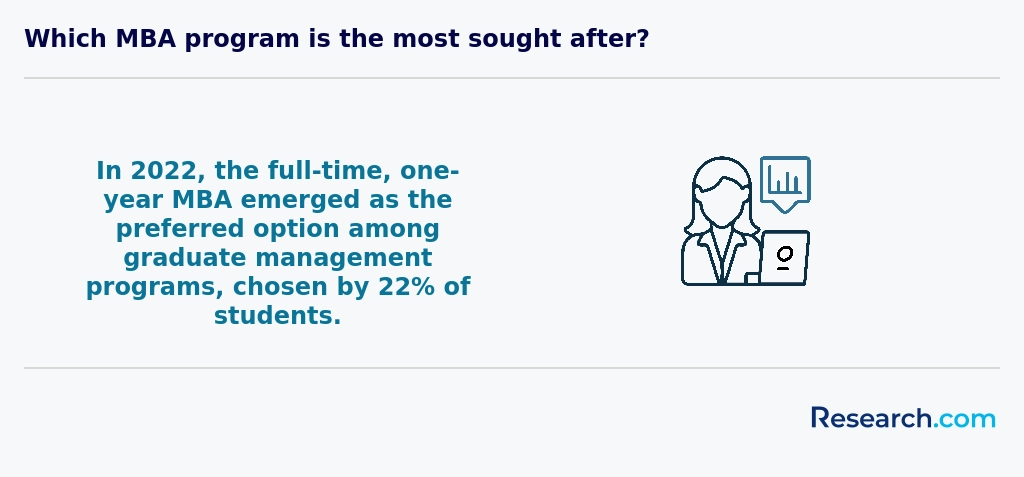
To make an informed decision, prospective students should research and compare various MBA programs in Minneapolis, considering factors such as accreditation, specializations, tuition, and career services. Exploring options like popular mba colleges can provide valuable insights into the strengths and weaknesses of each program. Additionally, reaching out to alumni and current students can offer a firsthand perspective on the program's quality and effectiveness. By carefully evaluating these factors, individuals can select an MBA program that aligns with their career goals and provides the necessary support for success.
Imagine starting your MBA journey at the Carlson School of Management in Minneapolis, where the buzz isn't just about cutting-edge business strategies but also the treasure trove of financial aid waiting to soften the tuition blow. Many grads glow when recalling how merit-based scholarships there slashed their bills, transforming anxiety into excitement. Federal loans like Direct Unsubsidized and Grad PLUS, applied for through FAFSA, often act as reliable safety nets, offering flexible repayment so you can focus on mastering your craft instead of stressing over debts.
Picture a resident tapping into Minnesota's State Grant Program - limited but impactful when it appears - easing the weight just enough to keep dreams alive. Or imagine working full-time at a Fortune 500 giant in Minneapolis, your employer chipping in through tuition reimbursement, turning your workplace into a learning ally.
Beyond that, there's the hidden gold: private scholarships from groups like the Forté Foundation or the National Black MBA Association, opening doors where you least expect. These layers of aid stitch together a quilt of opportunity, making the Minneapolis MBA experience feel both attainable and worth every stride.
As the business landscape continues to evolve, MBA programs in Minneapolis are increasingly adapting to the dynamic needs of modern professionals. Today’s curriculum is shifting beyond traditional business theories to include emerging technologies, innovative leadership strategies, and a strong focus on sustainability and ethical practices. Many programs are incorporating modules on digital transformation, data analytics, and entrepreneurship to better prepare graduates for the challenges and opportunities of tomorrow’s market. This forward-thinking approach not only enhances the academic experience but also significantly boosts career readiness. Students are exposed to real-time projects and collaborations with industry leaders, ensuring that they are well-equipped to navigate future disruptions. For example, recent trends indicate a rising demand for tech-savvy business leaders who can seamlessly integrate innovative tools with strategic planning. Moreover, as flexible learning options expand, more professionals are considering online formats to advance their careers without compromising their current roles. Institutions are now providing robust resources and support for remote learners, similar to those found in affordable master of business administration online programs, ensuring a blend of convenience and quality education. With insights from industry experts and ongoing research into market trends, prospective MBA students can expect to gain not only a competitive edge today but also the resilience needed to thrive in an ever-changing global economy.
Imagine stepping into the Carlson School of Management in Minneapolis, clutching your bachelor's degree from an accredited college-this is the key that unlocks the door to an MBA adventure. No matter if your undergrad was in psychology or engineering, Minneapolis schools embrace diverse academic backgrounds, though a sprinkle of business knowledge can boost your confidence and appeal.
Picture the buzz in study groups as you and your peers compare GMAT scores, aiming for that 550-600 range. While some graduates reminisced about submitting GRE scores or even skipping tests thanks to solid work experience, most agree a strong score lights the path forward. It's like the golden ticket to being taken seriously.
Then, there's the treasure trove of professional experience-two to three years minimum is the magic number. Graduates often share how this real-world savvy made classroom debates feel like masterminds at work, turning lessons into lively stories rather than dry concepts.
Beyond paperwork, letters of recommendation become your cheerleaders, and a heartfelt essay paints your ambitions vividly. Some even recall nerve-tingling interviews that revealed their true passion, solidifying their spot amidst Minneapolis' competitive MBA scene.

Understanding the return on investment (ROI) of an MBA program is critical for prospective students in Minneapolis, MN. On average, MBA graduates from institutions like the University of Minnesota’s Carlson School of Management report a post‐MBA salary increase of 40–60%, translating into a typical starting salary range of $80,000 to $120,000-often recouping tuition and fees within three to five years. To calculate your own breakeven point, consider:
- Total program cost (tuition, fees, living expenses)
- Estimated post‐MBA salary uplift
- Opportunity cost of foregone income during study Net Present Value (NPV) analyses further illuminate long‐term benefits. By discounting future earnings against upfront investment, you can compare programs on a consistent financial basis. For example, a two‐year program costing $70,000 with a 50% salary boost will often yield an NPV exceeding $150,000 over a ten‐year horizon. For budget-conscious applicants, exploring lower‐cost online options can significantly shorten payback periods. Check out our Inexpensive Online Master's in MBA Degree Programs Ranking in the West to identify programs that combine affordability with quality, maximizing your ROI and career acceleration.
Diving into an MBA in Minneapolis means engaging deeply with courses that build not only your business IQ but your real-world savvy, perfect for the city's thriving industries. Picture yourself mastering Financial Accounting and Marketing Management during late-night study sessions at the University of Minnesota's Carlson School, then applying that knowledge to case studies featuring local giants like Target or UnitedHealth Group.
Graduates often recall the thrill of dissecting Operations and Supply Chain Management through hands-on projects mirroring Minneapolis' logistical networks, turning abstract concepts into tangible expertise.
The urban pulse of Minneapolis drives electives toward specializations like Health Sector Management and Entrepreneurship, offering a front-row seat to innovation in tech and healthcare. One recent alum felt energized transforming classroom theory into a startup pitch focused on supply chain solutions tailored for Minnesota's unique market.
Communication, leadership ethics, and strategic thinking weave through the curriculum, awakening students to global business challenges yet anchored in the local Minnesota spirit - a perfect blend for those hungry to make an impact from day one.
Minneapolis MBA program focus areas unfold like a vibrant tapestry woven through the pulse of local industries. Imagine graduates from renowned Minneapolis institutions diving into Finance, mastering asset management as if steering a ship through the turbulent markets of downtown. In Marketing, students embrace digital marketing and brand storytelling with the energy of local retail giants and media hubs. Those drawn to Healthcare Management merge classroom theory with hands-on insights from titans like Allina Health and Mayo Clinic Health System, crafting skills that transcend spreadsheets to impact real patient care.
The city's unique logistics landscape sparks curiosity in Supply Chain & Operations, where learners optimize flow as deftly as the freight moving through bustling warehouses. IT Management specialization rides the wave of digital transformation, empowering students to become visionary tech-business hybrids. The dynamic nature of MBA degree specializations in Minneapolis offers ample room for customization-a path many graduates explore to tailor their journey.
Students often share how combining these specializations with electives creates exciting synergies, making their business education both innovative and deeply personal. For those seeking alternatives, discovering affordable master of business administration online programs can open doors without breaking the bank.
Imagine stepping into a vibrant Minneapolis classroom where seasoned professors challenge you with real-world cases while balancing the chilly city breeze outside. Graduates often reminisce about how choosing an AACSB-accredited program at local universities like the University of St. Thomas amplified their career trajectory, thanks to stellar faculty and a curriculum tuned to today's competitive market. When hunting for the best MBA programs in Minneapolis, picture evenings spent networking with local entrepreneurs, or mornings navigating classes tailored for working professionals juggling part-time schedules.
Budget whispers loudly here-tuition ranges dramatically, but savvy students dive deep into scholarships or employer tuition assistance. Checking out Inexpensive Online Master's in MBA Degree Programs Ranking in the West can reveal affordable MBA degrees Minneapolis students might overlook, opening doors without breaking the bank.
Think beyond numbers: graduates praise programs where intimate class sizes lead to mentorship bonds that last long after diplomas are in hand. Opportunities to intern in Minneapolis's lively business scene often propel alumni toward satisfying post-graduation salaries, making your investment feel like a spirited leap rather than a leap of faith.

Graduates from Minneapolis' top MBA programs often dive straight into the vibrant world of business management jobs in Minneapolis after MBA, navigating paths that mingle finance, healthcare, and innovation. Imagine stepping out of Carlson School of Management or the University of St. Thomas energized by case studies and ending your day managing risk at U.S. Bank or crafting bold brand strategies at Target, feeling the pulse of the city's economy firsthand.
One recent graduate shared how the dynamic healthcare sector, with giants like Mayo Clinic Health System, turned their MBA lessons into impactful leadership in hospital administration-where business acumen meets life-saving decisions. This kind of career path perfectly exemplifies the diverse MBA career opportunities in Minneapolis, where an analytical mind and a strategic vision are prized assets.
For those craving entrepreneurial spirit, Minneapolis is a playground full of startups ready to be transformed with savvy leadership and financial insight. And if you're aiming for a quicker yet lucrative route, exploring 6 month online courses that pay well can complement your MBA journey beautifully.
Minneapolis acts like a magnet for MBA graduates, pulling them into a vibrant whirlpool of opportunity where Fortune 500 giants like Target and 3M fuel an energetic business ecosystem. Graduates from the University of Minnesota's Carlson School of Management often share how the city's blend of corporate headquarters and innovative startups offers a playground for skills honed in finance, marketing, and digital transformation. The pulse of the job market here beats strong, mirroring an enthusiastic spirit that MBA students tap into as they network and secure coveted internships or leadership roles.
For those navigating the Minneapolis MBA graduate salary trends, it's encouraging to see a job market that not only embraces but demands expertise in emerging areas like data analytics and operational strategy. This city fuels professional growth while offering tuition costs much friendlier than the national average, making it an attractive launchpad for ambitious grads.
Some newcomers even find local opportunities so compelling that they reassess what is the easiest bachelors degree before diving into an MBA, appreciating how Minneapolis's diverse economy shapes a dynamic career landscape.
2027 Most Popular MBA Degree Programs Ranking in Minneapolis
Investing in your education is a significant decision that can profoundly impact your future, and the Research.com team recognizes the importance of making well-informed choices. To support prospective students in Minneapolis, we have carefully developed the "2027 Most Popular MBA Degree Programs Ranking in Minneapolis." Our dedication to quality, credibility, and accuracy is demonstrated through the rigorous research and analysis behind this ranking.
We utilized the following reputable data sources to ensure a comprehensive and trustworthy evaluation of MBA programs:
By reviewing this ranking, readers will gain valuable insights into the most popular MBA programs in Minneapolis, helping them confidently select the program that best aligns with their career goals. For a deeper understanding of how we created this ranking, please visit our Research.com methodology page.


# 5 position
Capella University
Master of Business Administration

Frequently Asked Questions About MBA
Students pursuing an MBA in Minneapolis can enhance their learning by engaging actively with local business communities. Minneapolis, home to Fortune 500 companies like Target and U.S. Bancorp, offers ample networking and internship opportunities that complement classroom learning. According to the University of Minnesota's Carlson School of Management, students who participate in internships increase their employment prospects by over 30%.
Additionally, many MBA programs in the area incorporate experiential learning through case competitions, consulting projects, and leadership workshops. These practical activities help students develop real-world skills alongside academic knowledge. Utilizing campus resources, such as career services and alumni networks, also significantly benefits MBA candidates in this region.
Emerging niches within the MBA field reflect evolving business demands, especially in Minneapolis, a growing hub for finance, healthcare, and technology. Specializations such as healthcare management are gaining traction due to the city's strong medical sector. According to the University of Minnesota, MBA programs now frequently offer healthcare-focused tracks to meet this demand.
Another developing area is data analytics and business intelligence, pivotal for companies relying on big data in decision-making. Minneapolis MBA programs increasingly integrate these skills, addressing workforce needs highlighted in a 2023 Minneapolis Fed report.
Sustainability and corporate social responsibility (CSR) are also critical. MBA candidates interested in environmental and ethical business practices can find relevant courses at institutions like Carlson School of Management.
Preparing for the job market after completing an MBA degree in Minneapolis involves strategic planning complemented by local resources. Graduates should leverage the city's strong corporate presence, including major companies in finance, healthcare, and retail sectors. Networking is crucial; Minneapolis hosts numerous career fairs and professional events through institutions like the University of Minnesota's Carlson School of Management, which reports a 90% employment rate within three months of graduation.
Building practical experience via internships or consulting projects while studying significantly improves job prospects. Additionally, developing proficiency in data analytics and digital skills aligns with current employer demands in the Twin Cities.
Utilizing the city's Career Services and alumni networks can provide valuable connections and job leads specific to Minneapolis' competitive market.
Employers in Minneapolis highly value MBA graduates who demonstrate strong leadership and strategic thinking skills. According to the Graduate Management Admission Council (GMAC), 85% of hiring managers seek candidates capable of driving innovation and managing change effectively. Analytical skills, including data-driven decision-making, rank as essential due to Minneapolis's growing finance and healthcare sectors. Communication abilities are also critical, as MBA holders often lead diverse teams and collaborate with multiple stakeholders. Additionally, proficiency in technology and understanding of digital business trends help graduates stand out in this competitive market. These skills reflect the demands of Minneapolis's dynamic economy and its evolving business landscape.
Finding internships in Minneapolis relevant to an MBA degree involves leveraging both university resources and the city's strong business network. Many MBA programs in Minneapolis, such as those at the University of Minnesota's Carlson School of Management, offer dedicated career services that connect students with local companies.
The Twin Cities area hosts numerous Fortune 500 headquarters, including Target and 3M, providing abundant internship opportunities in fields like finance, marketing, and operations. According to the Graduate Management Admission Council, nearly 80% of MBA students find internships through school connections or networking events.
Students should also utilize professional platforms like LinkedIn and attend local business events or Minneapolis Chamber of Commerce meetups to expand their network. Early application and engagement with alumni networks increase the chances of securing meaningful internships.
In Minneapolis, earning an MBA degree can significantly improve career mobility and advancement opportunities. According to recent data from the Graduate Management Admission Council (GMAC), MBA graduates in the region report higher salary increases and faster promotions than peers without this qualification.
The Minneapolis business environment, with strong industries in finance, healthcare, and retail, rewards MBA holders with leadership roles and specialized positions. Local employers often seek candidates with advanced business knowledge, making an MBA a valuable asset.
Additionally, networking opportunities through Minneapolis-based MBA programs contribute to career growth by connecting students to influential professionals and companies.
According to the U.S. Bureau of Labor Statistics, management occupations in Minneapolis are projected to grow by 8% over the next decade, further emphasizing the advantage an MBA provides.
Studying for an MBA degree in Minneapolis equips students to excel in interdisciplinary roles by integrating knowledge across business, technology, and social sciences. Local programs often emphasize collaboration with industries like healthcare, finance, and manufacturing, reflecting the city's diverse economy. According to the U.S. News & World Report, Minneapolis MBA programs offer courses in data analytics, supply chain management, and leadership, facilitating broad skill development.
The close proximity to major corporations allows students to engage in experiential learning projects, enhancing problem-solving abilities in real-world contexts. This practical exposure helps graduates adapt to complex challenges requiring cross-functional teamwork.
Additionally, many Minneapolis institutions encourage networking with professionals from varied sectors, fostering communication skills essential for interdisciplinary collaboration and management.
Choosing between a thesis and a non-thesis MBA program in Minneapolis depends on your career goals and learning preferences. Thesis MBA programs usually require original research and a formal paper, ideal for those considering a future in academia or research-intensive roles. Non-thesis programs focus more on coursework and practical skills, which suits professionals aiming for immediate application in business settings.
In Minneapolis, institutions like the University of St. Thomas and Augsburg University offer both options. According to the National Center for Education Statistics, approximately 40% of Minneapolis MBA students opt for the non-thesis track, favoring practical experience over research.
Cost and time commitment may also differ; thesis options often take longer and may require faculty supervision. Assess your professional ambitions before choosing.
Students based in Minneapolis who wish to study for an MBA abroad have several pathways to consider, often starting with partnerships between local universities and international institutions. For example, the University of Minnesota's Carlson School of Management offers exchange programs with schools in Europe and Asia, allowing students to earn credits toward their MBA while experiencing global business environments.
Additionally, many Minneapolis MBA candidates explore accredited online international programs recognized in the U.S., providing flexibility without relocating. According to the Graduate Management Admission Council (GMAC), about 15% of U.S. MBA students pursue some form of international study, reflecting growing demand for global exposure.
Another option includes short-term study-abroad residencies embedded within U.S. MBA programs, giving Minneapolis students overseas experience while maintaining local enrollment. Such opportunities emphasize global leadership skills vital in today's marketplace.
Minneapolis offers a variety of part-time job opportunities that align well with MBA studies. Many students find roles in financial services, as the city hosts headquarters for major banks like U.S. Bank and Wells Fargo. These positions provide practical experience in banking, investment, and risk management.
Consulting firms and marketing agencies in Minneapolis also offer part-time roles where MBA students can apply business strategy and analytics skills. These jobs help develop critical thinking and real-world problem-solving abilities.
According to the Minneapolis Regional Chamber of Commerce, internships and part-time jobs in project management and data analysis have grown by 12% in recent years, reflecting high demand in these fields among MBA students.
Minneapolis offers MBA students extensive networking opportunities through its strong business community and multiple academic institutions. Universities like the University of Minnesota's Carlson School of Management provide access to corporate events, alumni meetups, and mentorship programs.
The city hosts frequent business conferences and seminars that attract professionals from various industries including finance, healthcare, and technology. These events are valuable for MBA students aiming to build connections.
Local chambers of commerce and professional associations also offer networking resources, often partnering with business schools to facilitate student involvement.
According to the University of Minnesota, over 85% of MBA graduates secure internships or jobs through networking activities during their studies.
Alumni networks play a significant role in supporting MBA students in Minneapolis by providing valuable connections and career opportunities. Graduates from local programs, such as those offered by the University of Minnesota's Carlson School of Management, often access a wide network of professionals working in Minnesota's robust business sectors.
These networks enable students to gain mentorship, internships, and job leads, which can be crucial for career advancement. According to a 2023 LinkedIn report, 65% of Minneapolis MBA graduates found jobs through alumni introductions. Networking events and alumni panels also help students learn about industry trends and expand professional horizons.
Engagement with alumni fosters ongoing learning and access to resources beyond graduation, supporting long-term success in competitive markets.
Customizing an MBA degree program in Minneapolis is feasible through several flexible options offered by local universities. Many institutions provide concentrations such as finance, marketing, healthcare management, or supply chain, allowing students to align their studies with specific career aspirations. Minneapolis schools like the University of Minnesota often offer elective courses and capstone projects tailored to individual goals.
Part-time, online, and evening MBA formats make it easier for working professionals to balance study and career growth. Additionally, experiential learning opportunities, such as internships and consulting projects with Minneapolis-area companies, help students gain practical experience relevant to their industries.
According to the 2023 National Center for Education Statistics, about 45% of MBA students in Minneapolis choose programs emphasizing specialization and applied learning, reflecting a strong trend toward customized education paths.
MBA students in Minneapolis face several common challenges related to balancing their studies with professional and personal commitments. According to the Graduate Management Admission Council, many MBA candidates nationwide report time management as a primary issue, especially for those working full-time while attending school.
Minneapolis students also encounter financial pressures, as tuition costs for local MBA programs can range from $40,000 to $80,000, depending on the institution. This financial burden is heightened by limited availability of scholarships specific to the Minneapolis area.
Networking within Minneapolis's competitive business community is another challenge. While the Twin Cities boast a robust corporate environment, building meaningful industry connections often requires additional effort beyond classroom learning.
With an MBA degree from Minneapolis institutions, graduates can pursue a range of professional certifications to enhance their careers. Common options include the Project Management Professional (PMP) certification, which is valuable for those managing complex projects across industries. Another popular certification is the Certified Public Accountant (CPA) credential, especially for MBAs with a focus on accounting or finance. Additionally, the Certified Management Accountant (CMA) is well-regarded for professionals seeking expertise in financial management.
According to the Minneapolis/St. Paul Business Journal, around 40% of MBA graduates in the area pursue at least one professional certification within three years of graduation. These certifications can significantly increase job prospects and salary potential, aligning with the city's growing demand for skilled business leaders.
To write a winning application for an MBA program in Minneapolis, begin by thoroughly researching local schools such as the University of Minnesota's Carlson School of Management, which reported an average GMAT score of 686 for admitted students in 2023. Highlight your professional achievements with clear examples of leadership and teamwork, as these are highly valued by admissions committees.
Craft a compelling personal statement that demonstrates your career goals and how the MBA program aligns with them. Strong letters of recommendation from supervisors or colleagues who can attest to your skills are essential.
Finally, prepare meticulously for interviews to express your motivation and fit for the program.
Globally, an MBA degree enhances career prospects by equipping graduates with versatile business skills valued across industries. In the United States, including Minneapolis, MBA holders often see higher salaries and increased leadership opportunities. According to the Graduate Management Admission Council's 2023 report, 89% of MBA graduates receive job offers within three months, with an average starting salary above $115,000 nationally.
Minneapolis, a growing business hub, offers diverse MBA programs focused on global business challenges. Employers increasingly value international experience and cross-cultural management skills, reflecting the interconnected world economy. The U.S. MBA is recognized worldwide for fostering strategic thinking and innovation, which helps graduates compete in global markets.
Gaining practical experience during an MBA in Minneapolis is possible through multiple avenues. Many local programs integrate internships, allowing students to work with prominent companies such as Target, 3M, and Medtronic, which have headquarters nearby. These internships provide real-world business challenges that complement academic learning.
Additionally, several Minneapolis MBA programs offer consulting projects, where students collaborate with nonprofits or startups to solve actual business problems. According to the University of Minnesota's Carlson School of Management, about 70% of MBA students participate in such experiential learning opportunities.
Networking events and local business competitions also serve as valuable platforms for hands-on experience. Access to Minneapolis's diverse corporate community enhances practical exposure throughout the study period.
When choosing the right concentration within an MBA program in Minneapolis, consider your career goals and the local job market. Minneapolis has a strong presence in industries such as finance, healthcare, and manufacturing, which influence popular MBA concentrations like Finance, Healthcare Administration, and Supply Chain Management. According to the Minneapolis Regional Chamber, companies often seek MBA graduates with specialized knowledge aligned to these sectors.
Next, assess your personal interests and strengths, as well as the curriculum offered. Many Minneapolis MBA programs provide options to customize concentrations through electives and practical projects.
Additionally, research internship opportunities and connections with Minneapolis businesses to gain relevant experience during your studies.
- 2027 Most Popular MBA Degree Programs Ranking in Saint Paul
- 2027 Most Popular MBA Degree Programs Ranking in Dubuque
- 2027 Most Popular MBA Degree Programs Ranking in River Forest
- 2027 Most Popular MBA Degree Programs Ranking in Chicago
- 2027 Most Popular MBA Degree Programs Ranking in Kansas City
- 2027 Most Popular MBA Degree Programs Ranking in Saint Louis
- 2027 Most Popular MBA Degree Programs Ranking in Fort Wayne
- 2027 Most Popular MBA Degree Programs Ranking in Indianapolis
- 2027 Most Popular MBA Degree Programs Ranking in Wichita
- 2027 Most Popular MBA Degree Programs Ranking in Louisville
- Skills Employers Look for in Business Graduates – EU Business School https://www.euruni.edu/blog/skills-employers-look-for-in-business-graduates/
- What Work Experience Do You Need For an MBA? | Articles | Unimy https://www.unimy.com/article/blog-mba-preparation-admissions-mba-work-experience
- 5 Tips on How to Choose the Best MBA Concentration https://www.pointloma.edu/resources/business-leadership/5-tips-how-choose-best-mba-concentration
- Top Challenges for MBA Students in 2025: Placements and Career Growth in India | BeJobbed.com https://bejobbed.com/challenges-mba-students-placements-career-growth-india/
- How to balance a part-time MBA while working full-time https://www.manchester.ac.ae/blog-post/how-to-balance-a-part-time-mba-while-working-full-time
- Why Alumni Networks Matter in Business School: 7 Reasons https://europe.ceibs.edu/article/why-alumni-networks-matter-business-school
- How much does an MBA vs. an MS cost in the USA, and what funding options exist? https://mentr-me.com/question/how-much-does-an-mba-vs-an-ms-cost-in-the-usa-and-what-fu
- MBA studies https://moderna.edu.pl/majors/management/master-of-management/mba-management-masters-degree/
- MBA Career Outlook from a Global Perspective Margaret Buj https://interview-coach.co.uk/mba-career-outlook-from-a-global-perspective/
- Financial Aid for MBAs | OnlineMBA.com https://www.onlinemba.com/resources/fafsa-guide/







