
2027 Most Popular MBA Degree Programs Ranking in Hawaii

Co-Founder and Chief Data Scientist
Considering an MBA in Hawaii? Choosing the right program can feel overwhelming, but we're here to help. This article features the 2027 Most Popular MBA Degree Programs Ranking in Hawaii, created by the Research.com team of data scientists. It provides clear, data-driven insights to guide your decision.
Exploring this ranking helps you discover MBA programs that align with your goals and lifestyle. Earning an MBA opens doors to new career opportunities and personal growth. Dive in to make a confident, informed choice for your future.
Key benefits of getting MBA degree in Hawaii
- While specific salary data for MBA graduates in Hawaii is not available, MBA professionals in the US typically earn between $75,000 and $120,000 annually, reflecting strong earning potential.
- Graduates from the University of Hawaii's MBA program often find career paths in management, finance, and entrepreneurship, benefiting from the school's local business connections and practical experience.
- Completing an MBA online, such as through the University of Hawaii's distance learning options, allows flexibility for busy professionals and can accelerate career growth without sacrificing quality education.
- 2027 Most Popular MBA Degree Programs Ranking in Hawaii
- What can I expect from MBA degree in Hawaii?
- Where can I work with MBA degree in Hawaii?
What can I expect from MBA degree in Hawaii?
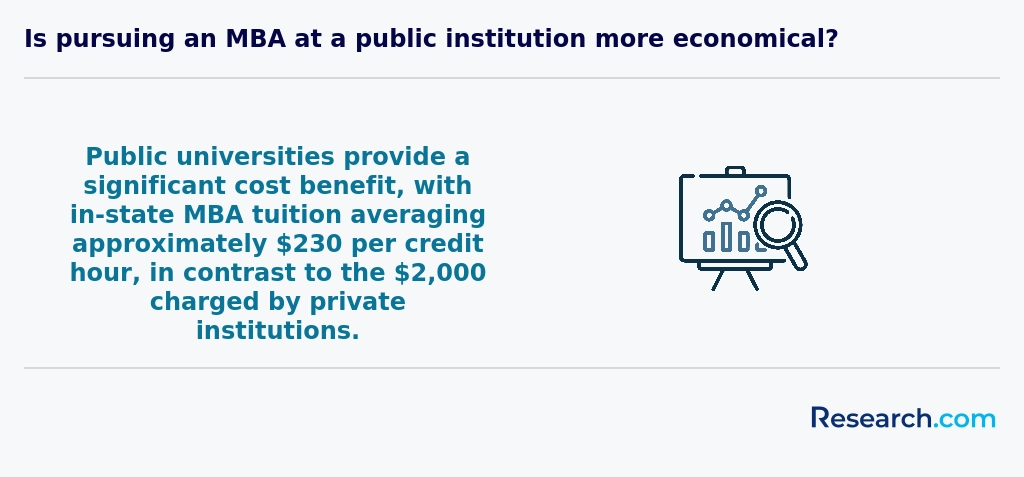
The average cost of pursuing an MBA degree in Hawaii typically ranges between $11,000 and $15,000 per year for in-state students attending public universities like the University of Hawaii at Manoa's Shidler College of Business. This aligns with data from the National Center for Education Statistics, which highlights that private institutions in Hawaii may charge considerably higher tuition fees. Graduates often describe the investment as worthwhile due to the program's strong emphasis on leadership, business ethics, and sustainable practices specific to Hawaii's economic landscape.
Students appreciate the smaller class sizes at Shidler, which foster personalized interactions with faculty and community business leaders, enhancing both learning and networking opportunities. Many MBA candidates balance work and study successfully through flexible formats such as part-time or executive MBA options.
Financial aid and scholarships are commonly accessed by students, helping to mitigate the tuition costs. Graduates report feeling confident entering sectors like tourism, real estate, and government, where the practical, Hawaii-focused curriculum offers a competitive advantage.
Where can I work with MBA degree in Hawaii?
MBA graduates from institutions like the University of Hawaii at Manoa find diverse career opportunities across Hawaii's key industries. Management roles in tourism and hospitality, including companies such as Hawaiian Airlines and Marriott Vacations Worldwide, dominate pathways where graduates apply strategic marketing and operational skills to enhance guest experiences and boost revenue.
Healthcare management is another expanding field, driven by Hawaii's aging population. Graduates frequently secure executive positions at organizations like The Queen's Health Systems, handling administration, finance, and human resources with strong business acumen gained during their studies.
Financial services, including Central Pacific Bank and First Hawaiian Bank, attract MBAs for roles in investment analysis and corporate finance. Data from the Hawaii Department of Labor confirms these occupations offer salaries well above the state average, making them desirable for ambitious professionals.
Government agencies and startups also seek MBA-trained managers to spearhead public projects or foster innovation, especially in renewable energy and sustainable agriculture sectors. Such real-world applications of MBA education contribute to graduates feeling empowered and optimistic about their career impact locally.
MBA graduates from institutions like the University of Hawaii at Manoa experience diverse earning potentials influenced by their industry, experience, and job function. Data from the U.S. Bureau of Labor Statistics does not provide specific figures for MBA-related roles in Hawaii, but general trends show that management positions in Hawaii have a median annual wage close to $96,880 as of May 2023. This aligns closely with national figures, making management careers attractive for local MBA holders.
Graduates typically find entry-level roles such as business analysts or marketing managers starting around $70,000 to $75,000 annually. As they gain experience, salaries rise to the $110,000 to $130,000 range, especially in finance, consulting, or technology sectors, which are vibrant in Honolulu's corporate landscape.
Many MBA graduates from Hawaii's top schools report satisfaction with their compensation, especially when leveraging skills like data analytics and leadership. These roles not only offer competitive pay but also align well with the state's cost of living levels, making an MBA a valuable investment in Hawaii's unique job market.
- MBA tuition and fees for in-state students in Hawaii usually range from $30,000 to $50,000 for the entire program.
- Early career MBA graduates earn about $75,000 annually, with experienced professionals often making over $110,000 in key sectors like hospitality, finance, and healthcare management.
- Most full-time MBA programs take around two years, while part-time options can extend to three or more years with flexible scheduling, including evening and online courses.
- Hawaii's job market for MBA holders is focused on tourism, government, non-profits, and SMEs, where local networking is crucial for job opportunities.
- Accreditation by recognized organizations such as AACSB is important for ensuring degree quality and employer recognition.
Completing an MBA degree in Hawaii typically takes about two years for full-time students enrolled at institutions like the University of Hawaii at Manoa. Graduates often describe this period as immersive, balancing rigorous coursework with valuable networking and internship opportunities that align with local business environments.
Part-time or executive MBA programs, popular among working professionals in Hawaii, generally extend the duration to three or more years. These formats allow students to maintain their careers while progressing steadily, which many find rewarding despite the longer timeline.
Some students at places such as Hawaii Pacific University opt for accelerated MBA tracks, completing their degrees in 12 to 18 months. While intense, these programs appeal to individuals eager to fast-track their careers without compromising education quality.
Across Hawaii's MBA programs, credit requirements range from 30 to 60 credit hours. Students juggling two to three courses per semester appreciate the flexibility this provides, helping them fit studies into dynamic work and family schedules with confidence.
Pursuing an MBA in Hawaii can be a costly endeavor, but understanding the expenses and exploring options for financial aid can make this dream more attainable. For prospective students looking to minimize costs, considering the cheapest mba school in hawaii can be a strategic move. By weighing the tuition fees against potential salaries and the overall cost of living in Hawaii, students can make informed decisions about their investment in education. Many institutions in Hawaii offer scholarships, grants, and assistantships to help offset the cost of tuition, and some even provide support for living expenses. Planning ahead, creating a budget, and applying for financial aid can significantly reduce the financial burden of an MBA program, making it feasible for a wider range of students to pursue their academic and professional goals in this beautiful and unique educational setting.
Students pursuing an MBA in Hawaii face a distinct choice between online and on-campus formats, each offering unique benefits. Online programs, favored by over 40% of MBA students nationally, provide unparalleled flexibility. This allows busy professionals across Hawaii's islands to study asynchronously, fitting coursework around demanding schedules without sacrificing family or work commitments. For example, graduates from the University of Hawaii at Manoa's online MBA often highlight the freedom to learn without daily commutes as a major advantage.
Conversely, on-campus MBAs foster immediate peer and faculty interaction, enriching networking opportunities crucial in Hawaii's close-knit business environment. Graduates frequently praise access to resources like career services and live events that propel local job prospects. Tuition costs differ as well; on-campus programs average between $30,000 to $60,000, while online options may be slightly cheaper due to lower fees, though students still consider technology and occasional travel expenses.
Both formats cover core business subjects comprehensively, but on-campus students benefit from spontaneous collaboration, whereas online learners develop strong self-discipline. Employers in Hawaii value both credentials equally, though the personal connections built on campus can offer additional career leverage.
The average MBA degree cost in Hawaii reflects a significant investment, with the median total cost for earning an MBA around $50,339. For in-state students attending flagship programs such as those at the University of Hawaii at Manoa, the median in-state total cost is approximately $21,530, which is competitive compared to costs nationally but still represents a sizeable financial commitment. Many graduates recall balancing rigorous coursework with part-time employment to manage expenses effectively.
Out-of-state students face a similar median cost of $50,339, reflecting higher tuition rates combined with Hawaii's elevated living expenses. Private institutions like Chaminade University of Honolulu often have tuition rates in this range or slightly higher, providing more flexible schedules and smaller class sizes that alumni frequently cite as enhancing their learning experience despite the increased cost.
Beyond tuition, the total cost to earn an MBA Hawaii residents must consider includes fees, textbooks, and especially living expenses, which are notably high in the state. Housing, transportation, and daily necessities can add thousands of dollars annually, impacting overall affordability.
Prospective students exploring the balance between cost and convenience should also evaluate financial aid options and scholarships early. Those interested in expanding their management knowledge while considering cost efficiency might explore related fields as well, such as the best online supply chain management degrees, which may offer alternative or complementary pathways in business education.

While the rankings and detailed program information provide an excellent overview of what traditional MBA programs in Hawaii offer, it’s equally important to explore cost-effective and flexible alternatives for aspiring business leaders. Many prospective students are increasingly seeking options that balance quality education with affordability, especially when managing financial constraints. A growing trend in higher education is the rise of online MBA programs that maintain academic rigor while helping students control costs. These programs not only offer the convenience of a flexible schedule but also present a pathway to obtaining a respected business degree without the burden of high tuition fees. For example, institutions and platforms now provide competitive pathways to earning a prestigious MBA at a fraction of the standard cost, ensuring that education remains accessible to a broader audience. Interested students may also consider programs like cheap master of business administration online programs under 10000 per year, which highlight innovative learning models that are both budget-friendly and comprehensive. This section aims to help future candidates weigh the benefits of traditional campus experiences against the potential savings and flexibility of their online counterparts, ensuring they make well-informed decisions that align with both their career aspirations and financial situations.
Financial aid for MBA students in Hawaii typically includes federal loans such as Direct Unsubsidized Loans and Graduate PLUS Loans, both accessible through the Free Application for Federal Student Aid (FAFSA). These loans offer lower interest rates and flexible repayment terms, making them a reliable option for many enrolling at schools like the University of Hawaii at Mānoa. Graduates often recall how federal loan options substantially eased their upfront financial burden.
Many students also benefit from merit-based scholarships provided by Hawaiian universities and external organizations. For example, MBA candidates at the University of Hawaii at Mānoa have reported receiving scholarships covering thousands of dollars, significantly reducing tuition costs. Employers in Hawaii frequently support workers pursuing an MBA through tuition reimbursement programs, encouraging professionals to advance their careers without excessive debt.
- Additional resources include private scholarships from local foundations and business groups
- Limited state grants from Hawaii's Department of Education or higher education agencies
- Federal Work-Study allowing students to work part-time while enrolled
Choosing one of Hawaii’s most popular MBA programs often means investing in top‐tier faculty, networking opportunities, and experiential learning-but it also requires careful financial planning. To strike the right balance, start by comparing total tuition, fees, and living expenses across programs. Public institutions like the University of Hawaii at Manoa may offer in-state rates that reduce costs, while private universities often publish merit-based scholarships. Creating a month-by-month budget can help you anticipate housing, food, and transportation expenses unique to island living, ensuring you don’t encounter unexpected financial shortfalls during your studies. Next, explore cost-saving strategies such as part-time enrollment, employer tuition reimbursement, and summer or winter intensive courses that let you spread expenses over a longer period. Online MBA courses can further reduce overhead by eliminating relocation and commute costs, letting you continue to earn while you learn. Don’t overlook external funding: many community foundations and business organizations in Hawaii award project-based grants to students who demonstrate a clear vision for applying their MBA skills to local economic development. For a broader perspective on budgeting and low-tuition alternatives, consider reviewing the nationwide options in our Most Affordable MBA Degree Programs. By weighing program popularity alongside affordability, you’ll be equipped to select an MBA path that advances your career without compromising financial stability.
Enrolling in an MBA program in Hawaii typically requires a bachelor's degree from an accredited institution, with popular schools like the University of Hawaii at Manoa prioritizing applicants holding four-year degrees. While degrees in any field are accepted, many successful applicants have backgrounds in business or economics, reflecting the programs' focus on these disciplines.
Applicants must submit official transcripts showing strong academic performance, often with a GPA of around 3.0 or above. Some graduates recall how maintaining this threshold helped them stand out during admissions. Additionally, many programs require GMAT or GRE scores; however, leading institutions in Hawaii sometimes waive these for candidates with several years of relevant work experience, typically between two to five years, which strengthens applications by showcasing managerial skills.
Real-world professional experience matters significantly. Graduates from Hawaii-based programs often highlight how their resumes and recommendation letters reflecting leadership roles helped secure admission. A well-crafted personal statement is equally important, allowing applicants to convey clear career goals and enthusiasm for the unique opportunities MBA programs in Hawaii provide.

Evaluating the true value of an MBA in Hawaii means balancing tuition and living expenses against projected salary growth and career advancement. On average, Hawaii MBA graduates report a 40–50% increase in base salary within three years of graduation, translating to a typical payback period of 4–6 years. By factoring in state-specific costs-where annual living expenses can range from $20,000 to $60,000-prospective students can calculate the net present value (NPV) of their investment. For those prioritizing cost-effectiveness without sacrificing quality, it’s wise to explore Most Affordable MBA Degree Programs that still offer AACSB accreditation and robust career services. Key considerations for maximizing ROI: • Break-Even Analysis: Estimate total program cost (tuition + living expenses) vs. expected incremental earnings over 5–10 years. • Scholarship Leverage: Target merit-based and need-based awards early in the admissions cycle to reduce loan reliance. • Program Format Impact: Compare on-campus vs. online MBA programs’ fee structures-online formats often slash indirect expenses like housing and commuting. • Career Services Utilization: Active engagement with alumni networks and on-campus recruiting events can accelerate job placement and salary negotiations. • Specialization Demand: Finance, healthcare management, and renewable energy concentrations typically yield the highest post-MBA salary premiums in Hawaii’s job market. By conducting a thorough ROI calculation and selecting cost-savvy program options, Hawaii MBA candidates can confidently invest in their future, knowing they’ll achieve both personal growth and financial resilience.
MBA programs in Hawaii typically include core courses critical to mastering business management, offering students a solid foundation combined with regional relevance. Graduates from institutions like the University of Hawaii's Shidler College of Business highlight courses such as Accounting for Managers, which equips them with financial reporting skills essential for roles in local and international companies based in the Pacific region.
Students engage in Business Ethics and Corporate Social Responsibility, a course reflecting Hawaii's commitment to sustainability and community values, resonating deeply with those passionate about ethically grounded leadership.
Other fundamental courses cover Marketing Management, where learners develop strategies based on consumer behavior, often relating concepts to Hawaii's unique tourism-driven economy. Operations Management and Organizational Behavior prepare students to streamline processes and lead diverse teams in culturally rich environments.
Additionally, classes like Financial Management and Strategic Management ensure graduates can make informed investment decisions and craft competitive strategies, skills necessary for navigating both local markets and global business challenges faced by Hawaii's dynamic economy.
Electives frequently address island-specific topics such as sustainable business and tourism management, enabling students to apply their learning directly to Hawaii's economic landscape with enthusiasm and confidence.
Students pursuing an MBA in Hawaii typically select from specializations that leverage the state's unique economic landscape. Popular choices include International Business, Hospitality and Tourism Management, Finance, Entrepreneurship, Marketing, and Sustainable Business Practices. For example, a graduate from a well-known Hawaiian university emphasized how the Hospitality and Tourism Management focus enabled practical internships at local resorts, creating valuable industry connections. This aligns well with Hawaii's dominant tourism sector.
The best MBA specializations in Hawaii often reflect the state's strategic position as a gateway to Asia-Pacific markets, particularly through International Business, which trains students in global trade, logistics, and cross-cultural management. Graduates frequently report career benefits, supported by regional internships and focused curriculum. For those interested in emerging business models, the Sustainable Business Practices specialization addresses environmental stewardship, a priority in Hawaii's business community.
Many students value the Hawaii MBA degree concentration options for blending academic rigor with experiential learning. Those aiming for roles in finance or entrepreneurship find tailored coursework that prepares them for the local market. Students researching these paths can also explore the international business career outlook to understand opportunities in that specialization.
Choosing the best MBA degree in Hawaii requires focusing on accreditation, curriculum, and cost. Graduates from the University of Hawaii at Manoa often comment on the value of its AACSB-accredited program coupled with affordable tuition around $15,000 to $20,000 for in-state students. Many appreciate the flexibility of part-time or hybrid formats tailored for working professionals. The key is to align the program's curriculum with your career goals, whether in tourism, healthcare, or entrepreneurship, sectors vital to Hawaii's economy.
Cost is crucial; private schools may charge upwards of $60,000 annually but offer scholarships to offset expenses. Alumni networks and experiential learning opportunities, such as internships and consulting projects with local firms, significantly improve job placement, according to graduates. Those seeking specialized business knowledge can leverage the region's resources. For prospective students comparing options, examining affordable MBA degrees Hawaii ranking data alongside career service quality proves insightful. Also, exploring how the local job market interacts with your MBA specialization helps maximize ROI.
For additional guidance on choosing the right business degree, consider reviewing accounting schools rankings Texas as a model for assessing program quality and outcomes.
MBA career opportunities in Hawaii span several dynamic sectors driven by the state's unique economy. Graduates from prominent local institutions often enter management roles within hospitality and tourism, managing hotel operations or directing marketing efforts. Given tourism's contribution of nearly 21% to Hawaii's GDP, leadership roles here are both abundant and impactful. Other career paths include business and project management positions in government and non-profit organizations, where strong leadership and financial skills from MBA training are highly prized.
Many graduates embrace entrepreneurship, launching ventures in sustainable agriculture or eco-tourism, reflecting Hawaii's growing focus on environmental stewardship. Financial management roles such as analysts and consultants are also common within local banking institutions. The availability of high paying MBA jobs in Hawaii is supported by the median graduate salary range of $85,000 to $110,000 five years post-MBA, motivating students to pursue advanced skills.
Many students from the University of Hawaii and other well-known colleges leverage their MBA to explore emerging industries like renewable energy, while others prefer flexible options such as turbo online mba programs to balance personal and professional goals.
The job market for MBA graduates in Hawaii is shaped by key industries such as tourism, healthcare, finance, and government, making it essential for students to align their skills with these sectors. Graduates from popular universities in Honolulu often find rewarding opportunities in hotel management or travel companies, where leadership roles in operations are in demand due to Hawaii's high visitor traffic.
Hawaii's job outlook for MBA holders is cautiously optimistic, with management occupations expected to grow about 7% from 2020 to 2030. Many MBA graduates leverage their education by focusing on finance or business analytics within Honolulu's financial firms. Those who have completed degrees emphasizing sustainability and innovation report positive career outcomes, feeling well-prepared to contribute to the island economy.
However, competition remains strong due to Hawaii's geographic isolation and smaller market size. Salaries range approximately from $70,000 to $120,000, balancing the investment in tuition costs typically between $30,000 and $50,000 at Hawaii institutions. Graduates often emphasize how strategic networking in the community and pursuing specialized skills have enhanced their employment prospects, supporting a realistic return on investment.
Students interested in relevant regional programs might also explore affordable accounting programs Florida as a complementary path, enhancing versatility in finance roles.
2027 Most Popular MBA Degree Programs Ranking in Hawaii
Investing in your education is a significant decision that can shape your future, and the Research.com team understands the importance of making informed choices. To assist prospective students in Hawaii, we have meticulously crafted the "2027 Most Popular MBA Degree Programs Ranking in Hawaii." Our commitment to quality, credibility, and accuracy is reflected in the extensive research and analysis conducted to compile this ranking.
We utilized the following reputable data sources to ensure a comprehensive evaluation of MBA programs:
By exploring this ranking, readers will gain valuable insights into the most popular MBA degree programs in Hawaii, helping them make informed decisions about their educational paths. For more details on our methodology, please visit our Research.com methodology page.


Frequently Asked Questions About MBA
Students pursuing an MBA degree in Hawaii can maximize their learning by engaging actively in both academic and practical experiences. Hawaii's unique economic landscape, including tourism, international trade, and renewable energy sectors, offers students opportunities to participate in internships that enhance real-world business skills.
Networking is vital; joining organizations such as the Hawaii Business Roundtable and attending local events can connect students with experienced professionals. Utilizing resources from universities like the University of Hawaii at Manoa, which offers AACSB-accredited MBA programs, ensures access to high-quality instruction and career services.
Additionally, students should embrace online and hybrid course options to balance work and study effectively, a flexibility supported by many Hawaiian institutions. According to the Graduate Management Admission Council, over 60% of MBA students in the US report career benefits from internships, underscoring their importance for Hawaii's MBA candidates.
The MBA field is evolving, with emerging niches attracting growing interest among students in Hawaii. Sustainability and green business practices are becoming central themes, reflecting the state's commitment to environmental stewardship. According to recent data from the Graduate Management Admission Council (GMAC), programs integrating sustainable management have seen a 15% enrollment increase nationwide.
Another expanding niche is technology management, focusing on leading innovations in areas like data analytics, cybersecurity, and digital transformation. Hawaii's growing tech sector supports demand for such expertise. Healthcare management is also gaining traction, as the state addresses unique challenges in providing care across remote islands.
These specialized MBAs prepare graduates for future-focused roles, blending core business skills with sector-specific knowledge, valuable in Hawaii's diverse economy.
After completing an MBA degree in Hawaii, preparing for the job market involves strategic planning and skill development. Graduates should leverage resources from local institutions like the University of Hawaii's Career Development Services, which offer specialized job fairs and internships focused on the Pacific region's industries. Networking is crucial; Hawaii's economy is closely tied to tourism, healthcare, and emerging technology sectors. Understanding these key areas can improve job prospects.
Additionally, gaining certifications in data analytics or project management can complement an MBA and enhance employability. According to the U.S. Bureau of Labor Statistics, business-related roles in Hawaii are projected to grow steadily, emphasizing the importance of combining education with practical experience and local market knowledge.
Employers in Hawaii highly value specific skills in MBA graduates, reflecting both local economic priorities and national trends. Key among them is strong leadership ability, essential for managing diverse teams and projects in Hawaii's unique multicultural business environment. Communication skills are also critical, enabling graduates to negotiate effectively and foster collaboration.
Analytical thinking is another top skill, as businesses increasingly rely on data-driven decision-making. According to the Graduate Management Admission Council (GMAC), over 75% of employers in the U.S. emphasize problem-solving capabilities in MBA hires, a trend echoed in Hawaii's competitive job market.
Finally, adaptability and cultural awareness remain vital due to Hawaii's role as a global tourism and trade hub. Employers seek graduates who can innovate and adjust strategies amid changing market conditions.
Finding internships in Hawaii relevant to an MBA degree involves combining local business knowledge with leveraging university resources. Top MBA programs like those at the University of Hawaii at Manoa often provide career services specifically for MBA students, including internship listings and employer connections. Hawaii's economy heavily features tourism, hospitality, and renewable energy sectors, offering fields where MBA interns can gain meaningful experience. Networking events organized by local business associations such as the Hawaii Chamber of Commerce also play a crucial role in internship placement.
Online platforms like Handshake and LinkedIn list internships in Hawaii that match MBA skill sets. According to the National Association of Colleges and Employers, internships significantly boost MBA job prospects, emphasizing the importance of proactive searching in Hawaii's competitive market.
In Hawaii, earning an MBA degree significantly enhances career mobility and advancement opportunities. According to the National Association of Colleges and Employers (NACE), MBA graduates in the U.S. can expect a salary increase of about 20-30% compared to those with only a bachelor's degree. This holds true in Hawaii's competitive job market, especially in industries like tourism, finance, and healthcare.
The University of Hawaii reports that its MBA alumni often move into leadership roles within five years of graduation. Advanced management skills and a strong professional network gained during the program contribute to promotions and higher-level positions.
The state's growing economy and business sectors value MBA credentials for strategic planning and operational roles, making it a practical choice for career-focused professionals in Hawaii.
Studying for an MBA degree in Hawaii uniquely prepares students for interdisciplinary roles by combining traditional business education with the region's diverse economic and cultural environment. Hawaii's MBA programs often emphasize cross-sector collaboration, integrating insights from tourism, environmental management, and international trade. According to the U.S. Department of Education's College Scorecard, some Hawaii MBA programs include coursework in sustainability and global business, which are critical for roles requiring multifaceted expertise.
Additionally, many programs encourage teamwork and leadership skills through real-world projects involving local businesses, enhancing practical understanding across industries. This approach equips graduates to navigate complex problems by applying knowledge from multiple disciplines.
Choosing between a thesis and a non-thesis MBA program in Hawaii depends on your career goals and learning preferences. A thesis MBA often suits students interested in research, academic careers, or specialized fields. It requires conducting original research and writing a formal thesis. For many Hawaii-based students, this can be a gateway to further study or analyst roles.
Conversely, a non-thesis MBA focuses more on practical skills through coursework and projects, appealing to professionals aiming for leadership or managerial positions. According to the National Center for Education Statistics, over 70% of MBA students in the US prefer non-thesis options for expedited completion and hands-on experience.
Hawaiian universities such as the University of Hawaii at Manoa offer both formats, so consider your time commitment and career objectives carefully when choosing.
Students based in Hawaii who wish to study for an MBA abroad have several pathways within the US higher education system. Many choose online or hybrid programs offered by mainland universities, providing classroom quality education while remaining in Hawaii. Additionally, some students participate in exchange programs or short-term international residencies through their home institutions, which can broaden their global business perspective without fully relocating.
Top US business schools regularly report that about 10-15% of their MBA cohorts include students from states like Hawaii, with flexible study options becoming increasingly popular. According to the Graduate Management Admission Council (GMAC), interest in international MBA experiences grew by 8% in 2023, signaling more opportunities for Hawaiian students to engage with global curricula.
For those considering full-time study overseas, it is important to research American-accredited programs abroad or schools partnered with US universities to ensure credit transferability and compliance with visa requirements. Various scholarships and financial aid options may also support Hawaiian students seeking international MBA degrees.
Part-time job opportunities in Hawaii that complement MBA degree education often focus on industries with steady growth like tourism, finance, and technology. MBA students frequently find roles in business analytics, marketing coordination, or project management. These positions allow practical application of classroom theories, such as data-driven decision making and strategic planning.
Hawaii's unique economy offers chances in hospitality management or retail operations, where leadership and financial skills gained from an MBA can be valuable. According to the U.S. Bureau of Labor Statistics, jobs in management and business fields are projected to grow by 8% nationally through 2030, reflecting solid prospects for MBA students locally.
Many universities in Hawaii promote internship programs and partnerships with local businesses, enhancing hands-on experience. Additionally, part-time consulting or financial advisory roles with smaller firms can build a professional network and strengthen practical expertise during study periods.
Networking opportunities for MBA students in Hawaii are robust due to the state's unique business environment and community focus. Hawaii's universities often host industry events, guest lectures, and career fairs that connect students with local employers, especially in tourism, finance, and global trade sectors. For example, the University of Hawaii at Manoa's Shidler College of Business offers alumni networking events and mentorship programs aimed at MBA students.
Local professional organizations such as the Hawaii Business Roundtable and chambers of commerce provide additional avenues for networking, with many MBA students participating in these groups to build contacts. According to a 2023 report from the Hawaii Business Magazine, over 70% of MBA graduates found their first post-degree role through networking activities within the state.
Moreover, Hawaii's smaller business community allows for more personalized interactions between students and industry leaders, which can be advantageous for building lasting professional relationships.
Alumni networks play a crucial role for MBA students in Hawaii by fostering lasting professional connections. Graduates from Hawaii's top MBA programs often remain connected through these networks, which facilitate mentorship and career guidance. According to data from the Graduate Management Admission Council, MBA alumni networks increase job placement rates by nearly 15% nationwide, a benefit also observed in Hawaii's localized market.
Hawaiian alumni groups provide access to exclusive job fairs and local business events, both vital in the islands' unique economy. These networks also support entrepreneurship by connecting students to seasoned professionals familiar with Hawaii's industries.
Customizing your MBA degree program in Hawaii to fit your career goals involves selecting electives, concentrations, and experiential learning opportunities that align with your professional interests. Many Hawaiian institutions offer specializations such as entrepreneurship, hospitality management, or sustainable business, reflecting the state's local economy and global connections.
Flexible formats, including part-time, online, or hybrid classes, help accommodate working professionals. Some programs also feature internships and projects with local businesses, providing practical experience. According to the Graduate Management Admission Council, tailored MBA programs improve post-graduate salary outcomes and job satisfaction, emphasizing the importance of career alignment in your studies.
MBA students in Hawaii often face unique challenges compared to their mainland counterparts. One common difficulty is the higher cost of living, which impacts tuition affordability and daily expenses. According to the U.S. Bureau of Labor Statistics, Hawaii's cost of living is about 80% higher than the national average, making financial planning crucial for students.
Another challenge is limited access to large corporate networking opportunities. Hawaii's smaller business community means fewer internships and job placements in major industries. This can affect practical experience and career growth during and after the MBA program.
Additionally, time zone differences can complicate participation in online programs offered by mainland universities, impacting interaction with instructors and peers.
An MBA degree from a Hawaii institution can open doors to various professional certifications that enhance career prospects. Popular options include the Project Management Professional (PMP) certification, which is highly valued in multiple industries and complements MBA skills well.
Finance-focused MBA graduates often pursue the Chartered Financial Analyst (CFA) credential, recognized nationwide and relevant for careers in investment and portfolio management. Additionally, the Certified Public Accountant (CPA) license is accessible for those with finance or accounting concentration and meets state requirements.
The Certified Manager (CM) certification is another relevant option, emphasizing leadership and managerial competencies. According to the Graduate Management Admission Council (GMAC), about 35% of MBA graduates in the U.S. pursue at least one professional certification within three years of graduation.
Writing a winning application for an MBA program in Hawaii requires careful preparation and clarity. Start by researching the specific requirements of universities such as the University of Hawaii at Manoa, which often include a strong GPA, competitive GMAT or GRE scores, and relevant work experience. Highlight your unique connection to Hawaii's business environment or community to strengthen your personal statement.
Demonstrate leadership skills and career goals that align with Hawaii's growing industries like tourism, hospitality, and renewable energy. According to U.S. News & World Report, the University of Hawaii's Shidler College of Business values well-rounded candidates who contribute to campus diversity and local economic development.
Request recommendations from supervisors who can attest to your professional achievements. Lastly, proofread thoroughly to avoid errors, as attention to detail reflects your professionalism and commitment.
The global perspective on an MBA career highlights the degree's value in fostering leadership and management skills applicable across industries worldwide. In the U.S., including Hawaii, MBA graduates often see increased earning potential, with an average salary around $115,000 according to the Graduate Management Admission Council's 2023 report. This aligns with global trends where MBA holders fill executive roles and drive organizational growth.
Hawaii's unique economy, reliant on tourism, technology, and international business, benefits from MBAs equipped with global knowledge and cross-cultural competence. Many local programs emphasize sustainability and innovation, reflecting global challenges.
Employers increasingly value MBA graduates who can navigate multinational markets and adapt to shifting economic conditions. Networking opportunities offered by MBA programs also enhance global career prospects.
Gaining practical experience while pursuing an MBA in Hawaii is essential for applying classroom knowledge to real-world business challenges. Many Hawaii universities encourage students to engage in internships with local companies across industries such as tourism, technology, and finance. For example, internships at Honolulu-based firms offer valuable exposure to unique market dynamics.
Additionally, project-based learning is common in Hawaii's MBA programs. Students often collaborate with local businesses or non-profits on consulting projects that deliver tangible results. This practical approach enhances skills like problem-solving and teamwork.
According to the U.S. Bureau of Labor Statistics and Hawaii Department of Labor data, MBA graduates with hands-on experience typically see better job placement and higher salaries within the state's competitive job market.
Choosing the right concentration within an MBA program in Hawaii requires aligning your interests with the local economy and job market. Hawaii's key industries include tourism, hospitality, healthcare, and renewable energy, so concentrations like Hospitality Management, Healthcare Administration, and Sustainable Business are popular among students. According to the Hawai'i Workforce Development Council, sectors like professional services and health care are projected to grow significantly by 2027.
Consider your career goals and research each concentration's curriculum carefully. Use accredited programs, such as those recognized by AACSB, to ensure quality education. Additionally, connect with local business networks or alumni to understand which specializations offer the best employment prospects in Hawaii's unique market.
- 2027 Most Popular MBA Degree Programs Ranking in Alaska
- 2027 Most Popular MBA Degree Programs Ranking in California
- 2027 Most Popular MBA Degree Programs Ranking in Washington
- 2027 Most Popular MBA Degree Programs Ranking in Nevada
- 2027 Most Popular MBA Degree Programs Ranking in Arizona
- 2027 Most Popular MBA Degree Programs Ranking in Montana
- 2027 Most Popular MBA Degree Programs Ranking in New Mexico
- 2027 Most Popular MBA Degree Programs Ranking in Nebraska
- 2027 Most Popular MBA Degree Programs Ranking in Kansas
- 2027 Most Popular MBA Degree Programs Ranking in Oklahoma
- Lessons learned: one year into pursuing an MBA while balancing full-time work - Franz Vitulli https://franzvitulli.com/mba-work/
- The Pre-MBA Internship: Full Guide and Whether It's Worth It https://mergersandinquisitions.com/pre-mba-internship/
- How an MBA gives you an international vision and helps you make smart decisions - AEEN https://www.aeen.org/how-an-mba-gives-you-an-international-vision-and-helps-you-make-smart-decisions/
- Why MBA Graduates Embrace Global Perspectives for Career Growth https://www.thehighereducationreview.com/editors-guest/why-mba-graduates-embrace-global-perspectives-for-career-growth-nid-6271.html
- Overcoming Common Challenges Faced by Management Students https://iilm.edu/iilm-lucknow/blog/challenges-faced-by-management-students/
- MBA Internships: Find 5400 MBA Intern Jobs https://internshala.com/internships/mba-internship/
- How To Write An MBA Admissions Essay That Stands Out? https://www.personalmbacoach.com/mba-essay-guiding-principles/
- How to balance a part-time MBA while working full-time https://www.manchester.ac.ae/blog-post/how-to-balance-a-part-time-mba-while-working-full-time
- How an MBA contributes to career advancement https://online.wlv.ac.uk/blog/how-an-mba-contributes-to-career-advancement/
- Future-Proof Your Career with an MBA in India : MIT-WPU Blog https://mitwpu.edu.in/blog/emerging-specialisations-in-mba---how-to-future-proof-your-business-career-in-india


