2027 Most Affordable MBA Degree Programs Ranking in Hawaii

Co-Founder and Chief Data Scientist
Choosing the right MBA program in Hawaii can feel overwhelming, especially with so many options available. This article presents the 2027 Most Affordable MBA Degree Programs Ranking in Hawaii, created by the Research.com team of data scientists to guide you through the best value programs.
By exploring this ranking, you'll discover quality MBA programs that fit your budget and career goals. Earning an MBA can open doors to new opportunities and personal growth, making it a rewarding investment in your future.
Let this guide help you make an informed, confident decision about your education path.
Key benefits of getting MBA degree in Hawaii
- While specific salary data for MBA graduates in Hawaii is not available, nationally, MBA holders typically enjoy higher earning potential, with median salaries around $90,000 to $120,000 annually in key business roles.
- MBA graduates from Hawaiian universities often explore diverse career paths such as management, finance, and entrepreneurship, benefiting from strong local business networks and opportunities in tourism and international trade.
- Online MBA programs from Hawaii's respected colleges offer flexibility for working professionals, enabling them to balance studies and personal life while gaining the same respected credentials as traditional students.
- 2027 Most Affordable MBA Degree Programs Ranking in Hawaii
- What can I expect from MBA degree in Hawaii?
- Where can I work with MBA degree in Hawaii?
What can I expect from MBA degree in Hawaii?
The average cost of pursuing an MBA degree in Hawaii offers an intriguing balance between investment and value. For Hawaii residents attending the University of Hawaii at Mānoa, tuition typically ranges from $13,000 to $15,000 per year. Graduates often reflect on this as a reasonable price for an education enriched by the unique cultural and economic context of the islands. Compared to mainland options, this figure surprisingly challenges the assumption that island education is prohibitively expensive.
Out-of-state students, however, face tuition rates nearly twice as high, which some view as a significant hurdle yet recognize as an investment in a distinctive Pacific Rim-focused experience. Graduates recount how smaller class sizes and personal faculty interaction made each dollar feel well spent, fostering connections not just in classrooms but in real-world settings through internships and consulting projects.
This hands-on approach in programs accredited by the Shidler College of Business sheds light on how tuition translates into opportunities-learning sustainability strategies tied to Hawaii's economy or navigating global trade routes influences perspectives beyond standard textbooks. Such value redefines what students expect from the cost of an MBA, transcending simple financial calculations to a richer, lived experience.
Where can I work with MBA degree in Hawaii?
Graduates from MBA programs at institutions like the University of Hawaii at Manoa often find themselves in dynamic roles within Honolulu's bustling hospitality and tourism sector. Imagine managing a luxury hotel's strategic growth or leading marketing efforts for a local travel company-these roles reflect Hawaii's unique economic heartbeat, where business meets island culture. Such positions tap into skills honed during the MBA, such as operations management and strategic planning.
Others leverage their degrees in Honolulu's financial districts, joining banks or insurance firms where analytical expertise drives decision-making. Healthcare leadership roles also attract MBA holders, especially as Hawaii's aging population fuels demand for innovative service solutions; envision leading a hospital's efficiency overhaul or steering a healthcare startup.
Government agencies are another common destination, where MBA graduates influence budgetary and policy decisions. Many also embrace entrepreneurship, launching ventures that blend local values with business acumen, supported by resources from Hawaii's business development centers.
Graduates from MBA programs in Hawaii often see salary ranges that challenge common expectations. While precise salary data from the Bureau of Labor Statistics is limited, many MBA holders in Hawaii report earning between $80,000 and $120,000 annually. This range is influenced by sectors such as finance, healthcare management, and hospitality, which thrive in the Hawaiian economy.
Imagine a graduate from the University of Hawaii's Shidler College of Business stepping into a financial management role earning close to $130,000. This aligns with BLS data for financial managers nationwide and highlights the premium value of MBA skills in local industries. Entry-level MBA graduates can expect positions paying $70,000 to $90,000, with scope for rapid growth as experience and leadership responsibilities increase.
The transformative power of an MBA is felt beyond numbers: recent graduates share stories of securing strategic roles in tourism or real estate, industries crucial to Hawaii's economy. With networking and local internships, these opportunities become reality, making a Hawaii MBA a gateway to rewarding, well-compensated careers.
- Tuition for MBA programs in Hawaii ranges from $30,000 to $60,000, varying between public and private institutions.
- Entry-level MBA graduates typically earn between $70,000 and $85,000 annually in Hawaii.
- Experienced MBA professionals can expect salaries around $110,000 or more, especially in tourism, finance, and health care sectors.
- Job demand is steady in business management, marketing, finance, and hospitality, but competition is high due to a smaller market.
- Part-time and online MBA options are available, helping working professionals manage education alongside their careers.
In Hawaii, completing an MBA is not a one-size-fits-all journey. Full-time students at the University of Hawaii at Manoa often finish their degree in about two years, pacing themselves through a structured course load. Graduates frequently share how this timeframe allowed them to deeply engage with peers and faculty, creating a supportive learning community amidst the island's unique lifestyle.
For those balancing work and family, part-time options can stretch to three years or more. Many find this slower pace rewarding, offering the flexibility to apply lessons in real time and maintain their professional momentum. Alumni often reflect on the relief of progressing steadily without sacrificing income or personal commitments.
Executive MBA programs, lasting 18 to 24 months, challenge students to accelerate their studies while drawing on rich career experience. This intensive path sparks excitement and growth, appealing especially to those eager to fast-track their leadership skills within Hawaii's vibrant business scene.
Ultimately, the duration depends on your life rhythm and goals, blending academic demands with Hawaii's distinctive pace of living.
As the landscape of business and education evolves, MBA programs in Hawaii are set to embrace new trends that will further empower students and shape the future of the local economy. Institutions are increasingly integrating digital learning platforms, augmented reality simulations, and data-driven decision-making into their curricula, ensuring that graduates are not only versed in traditional business principles but also equipped to navigate emerging technologies and global market shifts. With a growing emphasis on sustainability and innovation, programs are fostering collaborations with local industries, preparing students to drive forward initiatives that address both economic growth and environmental challenges in Hawaii. This forward-thinking approach also extends to program affordability and accessibility. For those interested in exploring flexible yet cost-effective options, you might find out more about what is the most affordable mba online program and how online platforms are breaking down conventional barriers to quality education. Ultimately, as technological advancements and industry demands continue to evolve, MBA education in Hawaii is poised to further enrich its learning experience, offering graduates a competitive edge in a dynamic job market while upholding the region’s unique cultural and environmental values.
Choosing between online and on-campus MBA programs in Hawaii often surprises students with how differently they shape the educational journey. Graduates from the University of Hawaii at Manoa frequently describe on-campus learning as an immersive experience-collaborating face-to-face on projects, attending lively discussions, and networking at campus events that spark meaningful connections. This traditional format thrives on personal interaction, enriching not only professional skills but also social bonds.
Conversely, graduates who opted for online MBAs often highlight the freedom to study from Kauai's remote beaches or busy cityscapes without sacrificing career momentum. The flexibility to set their own pace-sometimes stretching the program beyond two years-allowed them to balance family, work, and study with less stress, an option that resonates strongly in Hawaii's geographically dispersed communities.
Cost is another tangible difference. On-campus tuition in Hawaii tends to be steep, influenced by operational costs, whereas online MBAs offer a financially more accessible path without forgoing recognized accreditation, essential for credibility in the business world.
The average cost of an MBA degree in Hawaii reflects a unique blend of opportunity and challenge, with a median total cost around $50,339. Graduates from well-regarded programs at the University of Hawaii at Mānoa often describe the investment as significant but rewarding, considering the state's higher living costs. The median in-state total cost is lower, approximately $21,530, making affordability a more accessible goal for local students committed to staying on island.
Many MBA candidates in Hawaii recount balancing rigorous coursework with the realities of Hawaii's elevated expenses for housing and daily life. This makes financial planning crucial, especially when accounting for tuition, fees, and personal living costs. Such a scenario underscores why exploring affordable part-time MBA programs is an important step for those seeking to manage costs while continuing their careers or family obligations.
The average MBA degree cost in Hawaii often surprises prospective students who assume on-island education comes at a premium similar to mainland private institutions. Yet, many find that the supportive academic community coupled with Hawaii's vibrant culture creates a tangible sense of having made a worthwhile decision, despite the financial outlay.
Ultimately, these experiences highlight that understanding the full scope of expenses-not just tuition-is vital for anyone looking to pursue an MBA in Hawaii, where cost and value intertwine in complex ways.

To answer this question, it's essential to consider the unique blend of cultural, environmental, and economic factors that make Hawaii an attractive location for MBA studies. Pursuing an MBA in Hawaii offers a distinct advantage, particularly for those interested in industries such as tourism, healthcare, and sustainability. For instance, the opportunity to study at a top MBA school in Hawaii can provide unparalleled access to local business networks, internships, and job opportunities that are tailored to the state's specific economy. The cultural diversity and the renowned aloha spirit of Hawaii also contribute to a unique learning environment that fosters collaboration, creativity, and ethical leadership. Furthermore, the state's growing demand for skilled professionals in management and leadership roles across various sectors presents a promising job market for MBA graduates. By choosing to pursue an MBA in Hawaii, individuals can position themselves for a successful and rewarding career in a location that offers an exceptional quality of life.
Many MBA students in Hawaii find that federal financial aid programs like Direct Unsubsidized Loans and Grad PLUS Loans provide a crucial lifeline, easing the weight of tuition fees that can exceed $30,000 annually at institutions such as the University of Hawaii at Manoa. One graduate recalled how these loans, with their manageable fixed interest rates, made pursuing an MBA feel achievable rather than overwhelming.
Beyond federal loans, work-study opportunities offer practical benefits, allowing students to gain hands-on experience while earning income-something that many local candidates at Hawaii's business schools have appreciated for balancing finances and career growth.
- Scholarships tailored for Hawaii's MBA community, especially merit-based awards reflecting academic and professional milestones, serve as a motivational boost for students at public and private universities alike.
- Employer tuition reimbursement programs stand out in Hawaii's thriving tourism and business sectors, transforming education into a shared investment between employee and company-a reality for numerous working professionals.
- Graduate assistantships, although competitive, effectively marry tuition waivers with stipends, creating a pathway for those eager to deepen their engagement in research or teaching within Hawaii's academic milieu.
Understanding the return on investment (ROI) for an MBA in Hawaii is crucial when evaluating affordability. By comparing average program costs against typical salary outcomes, prospective students can estimate their payback period and long-term financial benefits. On average, tuition and fees for a Hawaii MBA range from $30,000 to $60,000, depending on institution and residency status. Graduates report starting salaries between $70,000 and $90,000, suggesting a payback period of roughly one to two years for in-state students at public universities. Key ROI metrics: • Payback Period: In-state students at the University of Hawaii at Mānoa often recoup tuition costs within 12–18 months, based on average starting salaries of $75,000. • Lifetime Earnings Uplift: Over a 20-year career, an MBA holder in Hawaii can expect an additional $400,000–$600,000 in cumulative earnings compared to a bachelor’s degree. • Cost per Incremental Dollar: Each additional $1,000 invested in tuition typically yields $1,300–$1,500 in first-year salary increase, reflecting strong employer demand for MBA-level skills. For those weighing online alternatives, examining comparable affordability benchmarks can be illuminating. For additional regional affordability insights, see our Inexpensive Online Master's in MBA Degree Programs Ranking in Iowa, which highlights programs with similarly favorable ROI profiles. By analyzing both direct costs and projected earnings, you can make an informed decision that maximizes both career growth and financial health.
Securing a spot in an MBA program in Hawaii demands more than just ambition-it requires meeting specific benchmarks that prepare you for the unique challenges of business education in this vibrant state. For instance, graduates from the University of Hawaii at Manoa's Shidler College often reflect on how holding a bachelor's degree was just the starting line, regardless of their undergraduate major. This foundation matters because admissions committees want to see your ability to adapt and excel in diverse academic environments.
Test scores like the GMAT or GRE remain a significant part of the application, though some programs have embraced flexibility by waiving these requirements for candidates with rich professional backgrounds. Imagine classmates who leveraged years of full-time work experience to bring real-world perspectives to lively discussions, enhancing everyone's learning.
- Official transcripts from all post-secondary institutions attended
- Letters of recommendation, often from professional supervisors or academic mentors
- A personal statement or essay explaining career goals and motivation for pursuing an MBA
- Proof of English proficiency (TOEFL or IELTS) for international students
Work experience itself acts as a vital proof point of your readiness. Hawaii-based MBA students often recount how two to three years in a professional setting sharpened their leadership skills and prepared them emotionally to thrive in demanding courses, blending island culture with global business insights.

Choosing an accredited MBA program in Hawaii ensures rigorous academic standards, global recognition, and enhanced employability. The Association to Advance Collegiate Schools of Business (AACSB) accreditation, considered the gold standard, signifies that a business school meets stringent criteria in faculty qualifications, curriculum relevance, and learning outcomes. Other respected bodies, such as the Accreditation Council for Business Schools and Programs (ACBSP) and the European Quality Improvement System (EQUIS), also validate program excellence. Employers often prioritize candidates from regionally and internationally accredited institutions, as accreditation indicates a commitment to continuous improvement and up-to-date business practices. Accreditation directly impacts financial aid eligibility and credit transferability. Many federal grants and loans require enrollment in an accredited institution, and credits earned at accredited schools are more readily accepted by other universities or professional certification bodies. When evaluating MBA options, verify accreditation through the U.S. Department of Education’s Database of Accredited Postsecondary Institutions and Programs or each accreditor’s official website. This due diligence safeguards your investment and ensures that your degree holds value across industries-whether you aim to lead a hospital system, consult in hospitality, or launch a startup. For a broader perspective on affordability paired with accreditation standards, explore our sister ranking of affordable online MBA pathways: Inexpensive Online Master's in MBA Degree Programs Ranking in Iowa. By aligning program quality with cost considerations, you’ll maximize your return on investment and position yourself for long-term career success.
MBA programs in Hawaii blend rigorous business fundamentals with rich, localized content that resonates deeply with students. Graduates from the University of Hawaii at Manoa often recall how courses like Financial Accounting and Managerial Accounting weren't just about numbers-they became tools for understanding how local tourism businesses manage costs and maximize profits in a competitive island market.
Marketing Management classes challenge students to analyze consumer behavior unique to Hawaii's diverse population, making strategies feel immediately applicable to nearby hospitality ventures. Organizational Behavior and Leadership courses are regularly enriched by discussions on multicultural team dynamics, reflecting Hawaii's distinct social fabric.
Operations Management isn't confined to theory; instead, it's about optimizing supply chains affected by island geography, a reality driven home during group projects. Strategic Management seminars push students to think beyond typical business models, often pivoting toward sustainable practices critical to maintaining Hawaii's natural beauty.
These courses come alive when paired with experiential learning-internships or case studies with local companies-which graduates say foster a genuine connection between classroom knowledge and Hawaii's economic pulse, making the MBA experience both challenging and rewarding.
Exploring the best MBA specializations in Hawaii reveals a unique blend of traditional and regionally focused tracks that challenge the typical MBA framework. For example, students at popular universities here often choose Marketing, not just to master consumer behavior, but to directly engage with Hawaii's booming tourism and retail markets. Many graduates find themselves strategizing digital campaigns that feel personal and impactful in these close-knit communities.
Finance remains a strong option, tailored for those eyeing careers in local banking and financial services, where understanding Hawaii's distinct economic context is critical. Meanwhile, International Business specializations capitalize on the state's Pacific location, preparing students for cross-cultural management and global trade, skills highly prized in Hawaii's export-driven sectors.
Graduates pursuing Healthcare Management find growing opportunities linked to demographic shifts, a trend reflected in the rising demand for MBA healthcare policy jobs. For those attracted to entrepreneurial ventures, the Entrepreneurship track provides hands-on guidance suitable for Hawaii's vibrant small business scene. These diverse MBA degree tracks available in Hawaii equip students to thrive locally while thinking globally.
Choosing the best MBA degree in Hawaii isn't just about picking the most prestigious program; it's about finding one that resonates with your lifestyle and career goals within the unique Hawaiian economic landscape. Graduates from the University of Hawaii at Manoa often highlight how the Shidler College of Business's AACSB accreditation provides confidence in rigorous academics while offering strong ties to local industries like tourism and international trade.
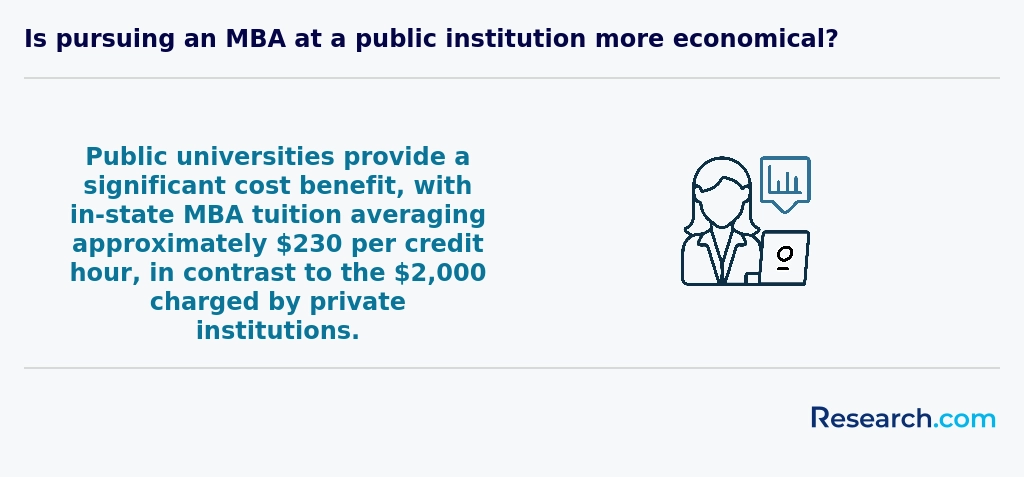
Think beyond tuition costs-though affordable MBA programs in Hawaii like those at Manoa, with in-state tuition near $28,000, make advanced education accessible. Consider program formats and specializations that can fit your life, such as part-time or online options, which enable balancing work and studies. Many students share how these flexible choices made their learning meaningful and manageable.
Networking here is unlike anywhere else, fueled by genuine connections to Hawaii's business community. Exploring career services and alumni success stories can reveal how deeply programs prepare you for local opportunities. For deeper insight, investigate the mba job market to understand how your chosen path aligns with Hawaii's evolving industries and your ambitions.

Graduates holding an MBA in Hawaii find themselves navigating a vibrant professional landscape uniquely shaped by the islands' economic fabric. Among the best MBA career opportunities in Hawaii are distinct roles in healthcare administration, tourism management, and finance-fields where leadership and strategic thinking thrive amid local demands. Many graduates from popular institutions like the University of Hawaii at Manoa describe the excitement of steering healthcare projects that impact community wellbeing, while others flourish in tourism by managing resort operations or developing innovative marketing strategies.
Yet, the appeal extends beyond these traditional roles. The growing emphasis on renewable energy and sustainability creates a rare chance to merge business acumen with environmental stewardship. Some graduates pursue diverse roles in project management that drive Hawaii's clean energy targets, blending practical solutions with visionary leadership. This dynamic career path reflects the unique intersection of economic growth and ecological responsibility on the islands.
Entrepreneurs also find fertile ground here. With a supportive startup ecosystem, MBA holders often launch or scale ventures tailored to Hawaii's distinctive market needs. Whether managing finances for local businesses or leading sustainable initiatives, these top business jobs for MBA graduates in Hawaii embody a rewarding blend of challenge and purpose.
The job market for MBA graduates in Hawaii defies the common narrative of saturated business fields by aligning closely with the state's unique economic demands. Industries like hospitality, government, and healthcare consistently seek talent with advanced management skills, making the MBA a strategic investment for local career growth. Graduates from well-known institutions such as the University of Hawaii at Manoa often share stories of landing roles in tourism management or healthcare administration, fields where leadership and strategic planning are critical.
With an 8% growth projected in management occupations, these opportunities translate into tangible career momentum. Prospective students should consider that pursuing an MBA here not only offers competitive salaries-surpassing the national median due to the cost of living-but also the chance to tap into tight-knit business networks. These connections often come through internships or partnerships emphasized by local programs, helping graduates transition confidently into managerial roles.
For those weighing the costs, tuition at Hawaii's universities typically ranges between $40,000 and $50,000 for in-state students, which is comparatively reasonable. This balance of cost and opportunity makes the MBA a compelling choice for anyone interested in business management career opportunities Hawaii offers. Prospective students may also explore the top colleges for salary to understand how local educational paths stack up nationally.
2027 Most Affordable MBA Degree Programs Ranking in Hawaii
Investing in your education is a significant decision that can greatly influence your career and future, and the Research.com team is fully aware of the importance of making well-informed choices. To help prospective students explore cost-effective options, we have carefully developed the "2027 Most Affordable MBA Degree Programs Ranking in Hawaii." Our dedication to quality, credibility, and accuracy is demonstrated through rigorous research and thorough analysis.
We utilized the following reputable data sources to ensure a comprehensive and reliable evaluation of MBA programs:
By reviewing this ranking, readers will gain valuable insights into the most affordable MBA programs in Hawaii, empowering them to make strategic and cost-conscious decisions about their education. For further information on how this ranking was created, please visit our Research.com methodology page.


Frequently Asked Questions About MBA
Students pursuing an MBA in Hawaii can maximize their learning by engaging deeply with local business networks and community-oriented projects. Hawaii's unique economy, centered on tourism, agriculture, and international trade, offers rich practical case studies for MBA candidates. Participating in internships within Honolulu's growing tech sector or with hospitality firms provides valuable hands-on experience.
Many Hawaii MBA programs encourage collaboration through group work, which develops essential leadership and teamwork skills. Utilizing on-campus resources like career services and networking events can lead to internships and job placements.
According to the U.S. Department of Education, Hawaii's higher education institutions maintain strong connections with local industries, supporting students' professional growth during their studies.
The MBA field is evolving, with new niches gaining popularity among students, especially in Hawaii's unique economic context. One emerging area is sustainable business management, reflecting the state's focus on environmental preservation and green industries. Programs incorporating sustainability principles are growing, supported by local job markets prioritizing eco-friendly initiatives.
Another rising niche is healthcare management, driven by Hawaii's aging population and expanding medical facilities. According to the Hawaii Department of Labor, healthcare administration roles are projected to grow faster than average through 2030, making this specialization appealing.
Additionally, technology management and data analytics are becoming crucial parts of MBA curricula. With Hawaii's increasing investment in tech startups and digital innovation, these areas offer valuable skills demanded by local employers. These niches align with national trends, positioning MBA graduates for diverse career paths.
Graduates with an MBA degree in Hawaii benefit from the state's unique economic landscape, which includes tourism, healthcare, and renewable energy sectors. To prepare for the job market, it is essential to leverage local networking opportunities, such as the Hawaii Business Roundtable and professional events hosted by the Hawaii Chamber of Commerce. According to the U.S. Bureau of Labor Statistics, business-related jobs in Hawaii are projected to grow by 5% through 2031, underscoring the importance of practical experience.
Internships during the MBA program can enhance real-world skills and connections. Additionally, developing proficiency in digital tools and data analysis aligns with employer demand in Hawaii's competitive market. Utilizing university career services for resume building and interview preparation is highly recommended.
Employers in Hawaii value a blend of technical and interpersonal skills in MBA graduates. Key skills include strong leadership abilities, critical thinking, and effective communication. According to the Graduate Management Admission Council (GMAC), over 80% of employers nationwide seek these competencies, and Hawaii aligns closely with these trends.
Hawaii's unique business environment also emphasizes cultural awareness and adaptability given its diverse economy, including tourism, healthcare, and technology sectors. Knowledge of financial management and data analytics remains critical, with a 2023 report from Hawaii's Department of Labor highlighting increased demand for quantitative decision-making skills.
Teamwork and ethical judgment are also prioritized, reflecting employers' focus on corporate social responsibility in the region.
Finding internships in Hawaii relevant to an MBA degree involves targeting key industries such as tourism, finance, and renewable energy, which dominate the local economy. Students can leverage resources from Hawaii's universities, like the University of Hawaii's Shidler College of Business, which offers career services and internship placement support specifically tailored for MBA candidates.
Networking plays a crucial role; attending local business events and joining professional organizations like the Hawaii Venture Capital Association increases internship opportunities. Online platforms such as Handshake and LinkedIn also list internships focused on MBA skills within the island's companies.
According to the National Association of Colleges and Employers (NACE), internship participation boosts post-graduation employment by 20-30%, making early and proactive engagement essential.
An MBA degree in Hawaii can significantly enhance career mobility and advancement opportunities. According to recent data from the U.S. Bureau of Labor Statistics, professionals with an MBA typically earn 20% to 40% more than those with only a bachelor's degree.
In Hawaii, industries such as tourism, finance, and healthcare benefit from advanced management skills taught in MBA programs. Graduates often move into leadership roles more quickly, with a notable increase in job responsibilities.
Local employers value the strategic thinking and networking abilities fostered by MBA studies, leading to better promotion prospects. Additionally, Hawaii's unique market requires business leaders who understand both global trends and local culture, which MBA programs address.
Sources such as the Graduate Management Admission Council highlight consistent growth in MBA graduate employment rates nationwide, which reflects positively on Hawaii's job market.
Studying for an MBA degree in Hawaii uniquely equips students for interdisciplinary roles by blending traditional business education with a focus on the region's diverse economic sectors. Programs often incorporate elements from tourism, international trade, environmental sustainability, and native Hawaiian culture, reflecting the state's multifaceted economy. According to the U.S. News & World Report, Hawaii MBA programs emphasize experiential learning and applied projects, encouraging collaboration across disciplines.
Students gain skills in leadership, strategic thinking, and problem-solving, essential for managing teams from varied backgrounds. The state's growing emphasis on sustainability and innovation also allows MBA candidates to engage with emerging industries.
Overall, Hawaii's MBA education fosters adaptability and cross-sector knowledge to prepare graduates for complex, interdisciplinary challenges.
Choosing between a thesis and a non-thesis MBA program in Hawaii depends on your career goals and learning preferences. Thesis programs require conducting original research and writing a detailed paper, suitable for those interested in academic or research roles. Non-thesis options focus on coursework and practical experience, appealing to professionals wanting to enter management quickly.
According to the National Center for Education Statistics, about 40% of MBA graduates in Hawaii choose non-thesis paths for flexibility and faster completion. Additionally, thesis tracks often demand more time, which may affect working professionals balancing jobs.
Evaluate your long-term plans and available time before deciding.
Students based in Hawaii who wish to study for an MBA abroad have several options tied to U.S. higher education pathways. Many Hawaiian students enroll in programs offered by mainland universities with international campuses or global partnerships, allowing them to earn U.S.-accredited degrees while gaining overseas experience.
Popular destinations for MBA study abroad include well-known business schools in Europe, Asia, and North America, often facilitated through exchange or dual-degree agreements. These programs typically maintain U.S. accreditation, such as AACSB, which ensures recognition back home.
According to the Graduate Management Admission Council (GMAC), over 30% of U.S. MBA candidates consider study-abroad options to gain global business exposure. Hawaii's geographic location makes travel connections feasible, despite additional costs.
Financial aid and scholarship availability remain limited, so students are encouraged to seek programs aligned with their career goals and funding capacity.
Hawaii offers a variety of part-time job opportunities that can complement MBA studies, particularly in growing sectors like tourism, hospitality, and finance. Many MBA students find value in roles such as financial analyst interns, marketing assistants, or project coordinators with local businesses. According to the Hawaii Department of Labor, tourism-related businesses employ a significant portion of the workforce, making marketing and management positions relevant for developing practical MBA skills.
Additionally, Honolulu's expanding tech and startup scene provides opportunities in business development or operations. These roles offer hands-on experience in strategic planning and leadership, crucial for MBA graduates. Part-time consulting or administrative positions at local companies also help students apply classroom knowledge to real-world challenges, strengthening their resumes.
MBA students in Hawaii benefit from a variety of networking opportunities that connect them to local industries and professionals. Universities such as the University of Hawaii at Manoa host regular events, career fairs, and guest lectures involving business leaders from sectors like tourism, technology, and renewable energy. These events allow students to build relationships with employers actively seeking MBA graduates.
Student organizations and business clubs play a vital role, offering workshops and social gatherings aimed at enhancing leadership and collaboration skills. According to the Hawaii Business Magazine, 60% of MBA students in the state report increased job prospects through networking activities sponsored by their programs.
Alumni networks play a significant role in enhancing the value of an MBA degree in Hawaii. Graduates from Hawaii's MBA programs gain access to local business leaders and professionals through these networks, fostering valuable mentorship and career opportunities. According to the Graduate Management Admission Council, 85% of MBA graduates in the US report that alumni connections help secure job placements, a trend relevant in Hawaii's close-knit business community.
These networks often organize events, workshops, and seminars, which enable current students to develop practical skills and expand their professional contacts. Additionally, Hawaii-based alumni can provide insights into regional industries like tourism, real estate, and renewable energy, aligning with market needs.
Local alumni support also increases international business exposure, crucial in Hawaii's geostrategic position. Thus, for MBA students, engagement with alumni networks directly supports professional growth and access to Hawaii's unique economic landscape.
Customizing an MBA degree program in Hawaii allows students to tailor their education to meet specific career objectives. Many universities in the state offer concentrations such as finance, marketing, entrepreneurship, and healthcare management, which help align coursework with professional goals.
Additionally, students can choose between full-time, part-time, or online MBA formats for flexibility, accommodating working professionals. According to U.S. News & World Report, Hawaii-based MBA programs often incorporate local business insights, providing students with unique regional perspectives valuable for careers in tourism, renewable energy, or Pacific Rim trade.
Internships and networking opportunities within Hawaiian industries also enrich practical experience aligned with career ambitions.
MBA students in Hawaii often face unique challenges influenced by the state's geographic isolation. Limited access to large business hubs means fewer local internship and networking opportunities compared to mainland counterparts, which can impact practical experience and job placement.
Additionally, the cost of living in Hawaii is significantly higher than the U.S. average, with housing expenses nearly twice the national median, creating financial stress for students balancing studies and living expenses (U.S. Census Bureau, 2023).
Students also navigate time zone differences affecting communication with mainland-based professors and employers, potentially complicating virtual learning and networking.
Furthermore, Hawaii's smaller MBA market results in fewer specialized programs, limiting options for niche career paths.
With an MBA degree from Hawaii, graduates can pursue various professional certifications to enhance their careers. Popular options include the Project Management Professional (PMP) certification, which is highly valued in industries across the state, especially tourism and banking. Another strong choice is the Certified Public Accountant (CPA) credential, often pursued by those focusing on finance and accounting roles.
The Chartered Financial Analyst (CFA) designation is relevant for MBA holders interested in investment and financial analysis, with several Hawaii firms preferring it. Additionally, Certified Supply Chain Professional (CSCP) is growing in demand due to Hawaii's unique logistics challenges. These certifications align well with the practical skills gained in Hawaiian MBA programs, such as those reported by U.S. News & World Report.
Writing a winning application for an MBA program in Hawaii requires careful preparation and a clear understanding of what local schools value. Programs like those at the University of Hawaii emphasize leadership potential, community involvement, and professional experience in their selection process. Research shows that applicants with at least three to five years of work experience have a higher chance of admission. Strong essays that highlight your career goals and how a Hawaii-based MBA will support them are essential. Additionally, a competitive GMAT or GRE score boosts your profile, with typical averages around 550-600 for Hawaii programs. Letters of recommendation should come from supervisors or colleagues familiar with your work ethic and impact.
The global perspective on an MBA career is increasingly centered on leadership, adaptability, and cross-cultural skills. According to the Graduate Management Admission Council (GMAC), over 90% of MBA graduates in the U.S. find employment within three months of graduation, highlighting strong demand. In Hawaii, with its unique geographic and economic ties to Asia-Pacific markets, MBA graduates often leverage global business knowledge to work in international trade, tourism, and sustainable development sectors.
Hawaii's MBA programs emphasize global business strategy, preparing students to navigate diverse cultural and economic environments. Employers value graduates who can manage international teams and understand global market trends. The U.S. Department of Education reports that MBA holders have a median annual salary of approximately $115,000, reflecting the degree's strong economic benefits nationwide, including in Hawaii.
Gaining practical experience during an MBA program in Hawaii enhances both learning and career prospects. Many universities in Hawaii, such as the University of Hawaii at Mānoa, offer internships and cooperative education opportunities that connect students with local businesses and multinational companies based in the region. These internships often provide hands-on experience in finance, marketing, and management fields.
Additionally, students can engage in consulting projects and case competitions sponsored by their schools, which allow them to solve real business problems. Networking events and local business incubators also serve as valuable platforms for practical learning.
According to the U.S. Bureau of Labor Statistics and Hawaii Department of Labor, students who participate in internships related to their MBA studies often experience a 15-20% higher rate of employment within six months of graduation.
Choosing the right concentration within an MBA program in Hawaii begins with assessing your career goals and local industry demands. Popular concentrations include healthcare management, tourism, and international business, reflecting Hawaii's key economic sectors. According to the U.S. Bureau of Labor Statistics, industries like healthcare and hospitality are growing steadily in the state, which may influence your specialization choice.
Consider speaking with current students and alumni from Hawaii-based MBA programs to gain insights into how concentrations align with job opportunities. Additionally, examine program curricula to confirm that courses match your interests and professional objectives.
Financial factors and program flexibility matter. Some concentrations may offer scholarships or partnerships with local companies, which can enhance practical experience in Hawaii's unique market environment.
- 2027 Most Affordable MBA Degree Programs Ranking in Alaska
- 2027 Most Affordable MBA Degree Programs Ranking in California
- 2027 Most Affordable MBA Degree Programs Ranking in Oregon
- 2027 Most Affordable MBA Degree Programs Ranking in Washington
- 2027 Most Affordable MBA Degree Programs Ranking in Arizona
- 2027 Most Affordable MBA Degree Programs Ranking in Idaho
- 2027 Most Affordable MBA Degree Programs Ranking in Colorado
- 2027 Most Affordable MBA Degree Programs Ranking in Kansas
- 2027 Most Affordable MBA Degree Programs Ranking in Oklahoma
- 2027 Most Affordable MBA Degree Programs Ranking in Minnesota
- The Growing Demand for Niche Jobs and MBA Specializations https://www.clearadmit.com/2025/05/the-growing-demand-for-niche-jobs-and-mba-specializations/
- How to balance a part-time MBA while working full-time https://www.manchester.ac.ae/blog-post/how-to-balance-a-part-time-mba-while-working-full-time
- MBA Career Outlook from a Global Perspective Margaret Buj https://interview-coach.co.uk/mba-career-outlook-from-a-global-perspective/
- Why Employers Prize a Global Perspective from MBA Graduates | WU Executive Academy https://executiveacademy.at/en/knowledge/career/why-employers-prize-a-global-perspective-from-mba-graduates
- Trevor's Journey from Hawaii High School Teacher to University of Arizona Full-Time MBA Student https://blog.accepted.com/trevors-journey-from-hawaii-high-school-teacher-to-university-of-arizona-full-time-mba-student/
- Overcoming Common Challenges Faced by Management Students https://iilm.edu/iilm-lucknow/blog/challenges-faced-by-management-students/
- Future-Proof Your Career with an MBA in India : MIT-WPU Blog https://mitwpu.edu.in/blog/emerging-specialisations-in-mba---how-to-future-proof-your-business-career-in-india
- Executive MBA University of Hawaii at Manoa: Shidler College of Business https://www.unimy.com/school/university-of-hawaii-at-manoa-shidler-college-of-business/executive-part-time/1632
- Verifying that you are not a robot... https://krea.edu.in/ifmrgsb/top-5-emerging-career-paths-for-mba-graduates/
- Online MBA Programs in Hawaii https://www.onlinemba.com/rankings/states/hawaii/