
2027 Most Popular MBA Degree Programs Ranking in California

Co-Founder and Chief Data Scientist
Choosing the right MBA program can feel overwhelming, especially with so many options available in California. This article introduces the 2027 Most Popular MBA Degree Programs Ranking in California, carefully crafted by the Research.com team of data scientists to guide you in making an informed decision.
By exploring this ranking, you'll discover programs that align with your goals and lifestyle, helping you pursue a rewarding career path. Earning an MBA opens doors to new opportunities and personal growth, making it a smart investment in your future.
Key benefits of getting MBA degree in California
- Salary for MBA graduates: While specific data is unavailable here, MBA graduates in California typically see strong earning potential, often earning well above the national average in business-related roles, boosting financial stability and career satisfaction.
- Career paths: Many MBA graduates from top California schools pursue leadership positions in finance, marketing, or consulting, benefiting from a wide array of exciting and rewarding opportunities across industries.
- Online MBA benefits: Earning an MBA online from a reputable California university offers flexibility and convenience, allowing working professionals to balance studies with personal commitments while gaining the same valued credentials as traditional programs.
- 2027 Most Popular MBA Degree Programs Ranking in California
- What can I expect from MBA degree in California?
- Where can I work with MBA degree in California?
What can I expect from MBA degree in California?
When it comes to the average cost of an MBA degree in California, students often find themselves navigating a spectrum from approximately $50,000 at public institutions like the University of California, Berkeley (Haas) to over $75,000 at prestigious private schools such as Stanford University or USC Marshall. Graduates recall balancing this investment with excitement for the immersive experiences ahead, from engaging in Silicon Valley internships to collaborating on entertainment projects in Los Angeles.
Beyond tuition, living expenses in cities like San Francisco and Los Angeles add another layer to the budget, reflecting the vibrant, fast-paced urban lifestyle MBA students embrace. Many describe the financial challenge as worthwhile, considering the rich networking opportunities and exposure to sectors like tech, finance, and media that California uniquely offers.
Scholarships and financial aid frequently help ease this burden, allowing students to focus on absorbing knowledge and building connections rather than stressing over costs. The investment often pays off swiftly, as alumni celebrate landing influential roles at top firms thanks to their tailored education and the state's booming economy.
Where can I work with MBA degree in California?
Graduates from top California MBA programs like Stanford, UC Berkeley, and UCLA find themselves diving into an exciting array of career paths across the state's vibrant economy. Imagine stepping directly into a role at a Silicon Valley tech giant like Google or Apple, where your MBA skills push innovative projects forward as a product manager or business strategist. Many alumni from these programs share stories of leading dynamic teams at these tech hubs, thriving on fast-paced challenges that blend creativity with data-driven decisions.
Others thrive in healthcare administration, managing complex systems at organizations like Kaiser Permanente, where they transform patient care through smart operations and financial strategies. The bustling financial districts in San Francisco also beckon MBA grads eager to join firms like Wells Fargo, tackling investment management or corporate finance with sharp analytical expertise.
Consulting remains a thrilling route for many, offering roles at Deloitte or PwC where graduates advise diverse businesses, sharpening versatile leadership skills daily. The adventurous spirit of California's MBA students often leads them to launch startups too, fueled by the region's supportive venture capital landscape and innovation hubs.
With an MBA degree in California, many graduates discover exciting salary opportunities that reflect their ambitions and hard work. For instance, MBA holders from renowned schools near Silicon Valley or Los Angeles often report median salaries between $110,000 and $150,000, fueled by the thriving tech and finance industries.
Imagine a recent graduate landing a management role at a fast-growing startup in San Francisco, starting with a salary close to $120,000. This mirrors data reported by Glassdoor for MBA graduates across California, where those advancing into senior positions-like Product Managers or Financial Managers-can break $160,000 annually.
Entry-level positions typically begin around $80,000 to $100,000, but as graduates sharpen skills in areas such as data analytics or strategic management, their paycheck can climb quickly, especially in dynamic urban centers.
MBA alumni from top-tier California universities often share stories of robust networks opening doors to premium salary roles, making the degree a dynamic investment in both career and lifestyle.
- Tuition for MBA programs in California ranges from around $50,000 to over $120,000 for a full two-year program, with public schools generally offering lower rates for in-state students.
- Average starting salaries for MBA graduates in California are between $90,000 and $120,000 per year, with long-term earnings often reaching $150,000 to $200,000.
- Top job markets for MBA holders include San Francisco, Los Angeles, and San Diego, focusing on industries such as tech, entertainment, finance, and biotechnology.
- Silicon Valley provides extensive opportunities in product management, consulting, finance, and operations management roles.
- Admissions to California MBA programs are competitive, emphasizing work experience, GMAT/GRE scores, and leadership potential.
- Many programs offer flexible formats like part-time, executive, or online MBAs to accommodate working professionals.
Embarking on an MBA journey in California sparks exciting questions about timing-how long until you call yourself a graduate? Most full-time MBA seekers at schools like the University of Southern California's Marshall School of Business dive into an immersive two-year adventure. Imagine balancing intense coursework with summer internships that turn theory into hands-on experience, fueling career growth.
For those juggling jobs and life's twists, part-time MBAs stretch the timeline-often from three to four years-offering the freedom to learn at your own rhythm. Graduates treasure this flexibility, sharing how fitting classes between work meetings transformed their hectic days into purposeful progress.
Feeling ambitious? Accelerated programs zip through the curriculum in 12 to 18 months, packing knowledge into a fast-paced ride perfect for go-getters eager to leap ahead. And online MBAs add another layer of freedom, with some students crafting their own pace, potentially finishing anywhere between 18 and 36 months.
California's vibrant educational landscape lets you tailor your MBA timeline, mixing and matching possibilities to align with your unique path.
To make an informed decision about pursuing an MBA in California, it's essential to understand the costs involved and explore options for making your degree more affordable. One key consideration is the cost of tuition, which can vary significantly depending on the institution and program you choose. For example, tuition for MBA programs in California can range from approximately $60,000 to over $100,000 for a two-year program. Additionally, students must also consider living expenses, health insurance, and other fees, which can add up quickly. However, there are also many resources available to help make an MBA more affordable, such as scholarships, financial aid, and assistance from employers. For those looking for cheapest mba schools in california, researching and comparing programs can help identify the most cost-effective options. By carefully considering these factors and exploring available resources, prospective students can create a budget that works for them and achieve their goal of earning an MBA in California.
Choosing between an online or on-campus MBA in California opens doors to two distinct adventures. Imagine studying at UCLA or Stanford, where on-campus programs immerse you in vibrant classrooms buzzing with face-to-face ideas and spontaneous debates-perfect for those craving lively networking and immediate access to career resources. Graduates often recall how these moments sparked collaborations and lasting connections.
Alternatively, picture yourself balancing work and family while enrolled in an online MBA through the California State University system. The flexibility to study anywhere in your own rhythm excites many professionals. Online learners delight in avoiding commutes and campus costs, making education more accessible.
While on-campus tuition can soar between $60,000 and $120,000, online options commonly range from $30,000 to $70,000, easing financial pressure. Graduates from both paths share a sense of accomplishment-whether from in-person camaraderie or mastering self-discipline in their home office. The journey you choose reflects your lifestyle, ambition, and the California MBA experience you envision.
For those considering an MBA, it is essential to approach the application process with both strategic planning and personal reflection. Begin by defining your career objectives and matching them with a program that aligns with your professional vision. Research extensively on program curriculum, faculty expertise, and networking opportunities to ensure a well-rounded educational experience. Prospective students should also prepare for admission tests like the GMAT or GRE, polishing relevant skills through practice tests and preparatory courses. Additionally, make the most of alumni networks and attend informational events to gain insider insights into each institution’s culture and post-graduation success. Considering the flexibility of modern education, some find that hybrid or online options can complement their busy schedules; for instance, exploring opportunities such as the fastest online mba program can provide the necessary balance between work and study. Lastly, seek advice from current students or professionals in the field to gain a realistic perspective of the program’s challenges and rewards, ensuring you choose a path that is both sustainable and aligned with your long-term career goals.
The average cost of an MBA degree in California can vary widely, depending on your choice of institution and residency status. Data shows that the median total cost for pursuing an MBA here is about $43,598. However, in-state students often enjoy significantly lower tuition, sometimes paying around $14,304, which makes the dream of earning an MBA more attainable. Graduates from schools like the University of California campuses often remark on the financial relief and value they gained by staying in state, which helped them focus on expanding networks and mastering new skills rather than worrying about expenses.
When exploring the average cost of MBA degree in California, it's fascinating to note how private universities like Stanford push the top end of the tuition spectrum close to six figures, with many graduates describing their experience as a transformative investment. Meanwhile, public institutions such as San Diego State or the California State University campuses offer a more budget-friendly approach that students appreciate for combining affordability with quality education. Those balancing work and study often find part-time or online programs excellent alternatives, sometimes costing even less.
For prospective students eager to dive deeper into cost comparisons and choices, checking out the cheapest mba schools in california can open up exciting possibilities to align budgets with ambitions while experiencing the vibrant business community California organically fosters.

Exploring MBA financial aid in California reveals a treasure trove of support options that ease the hefty price tag. Imagine a graduate from Stanford who leveraged a Direct Unsubsidized Loan and later benefited from flexible repayment-this federal aid reduces the worry of upfront costs. Meanwhile, another graduate at UC Berkeley might recall how merit-based scholarships lifted significant weight off their shoulders, rewarding leadership and academic excellence with real dollars.
State-specific grants like Cal Grants occasionally surprise public university students, offering a welcome boost. Many MBA candidates find joy in employer sponsorship-picture a tech professional turning tuition bills into a memory thanks to a company's full tuition reimbursement program. Private scholarships also ripple through the community, thanks to foundations valuing diversity and leadership, creating pathways where financial strain might otherwise block progress.
Some adventurous students dive into assistantships, exchanging work for tuition remission or stipends, blending experience with support. This variety lets Californian MBA seekers chart a personalized course toward success without the weight of overwhelming debt.
Investing in an MBA is not just about tuition-it’s about the time it takes to recoup that investment through post-graduation earnings and career growth. In California, the average two-year MBA program can cost between $130,000 and $200,000 when factoring in tuition, fees, and living expenses. With starting salaries ranging from $110,000 to $150,000 in consulting and technology roles, graduates often see a payback period of roughly two to three years. However, ROI extends beyond salary figures. Leadership roles and entrepreneurship ventures launched by MBA holders frequently yield equity stakes and accelerated career trajectories, amplifying long-term returns. For example, Stanford GSB alumni report an average 10-year salary growth of over 200%, while UCLA Anderson graduates cite a 150% increase. Calculating your own break-even point involves comparing total program costs to expected salary uplift and equity gains. It can also be helpful to benchmark California ROI against more affordable markets. While California’s premier programs command premium fees, prospective students can explore cost-effective alternatives-for instance, the Inexpensive MBA Degree Programs Ranking in Georgia-to gauge regional differences in tuition-to-salary ratios. Understanding these comparisons ensures a holistic view of value. Ultimately, a robust ROI analysis should factor in salary growth, career acceleration, network value, and personal goals. By mapping projected earnings against total investment and comparing across regions, you’ll be equipped to choose an MBA path that delivers the strongest long-term returns.
Jumping into an MBA program in California means gearing up with a solid academic foundation-most schools expect a bachelor's degree from an accredited institution, but it doesn't have to be business-related. Graduates from diverse fields like engineering or humanities find themselves thriving at campuses like UC Berkeley Haas or Stanford Graduate School of Business, where their unique perspectives add flavor to lively class discussions.
Work experience is key, usually between two to five years. Imagine sharing real-world challenges from your job during case studies at USC Marshall, where fellow students bring their professional stories to life. This practical knowledge creates a vibrant learning atmosphere, bridging theory with practice.
While GMAT or GRE scores still hold weight, many programs offer test-optional paths-a relief for those who might not test well but shine elsewhere. Letters of recommendation and personal essays become storytelling tools that reveal your leadership spark and career dreams, making your application truly memorable.
Financial readiness is a part of the adventure too, with costs ranging from $60,000 to $120,000. But this investment often feels worth it as California's top programs open doors to exciting futures.
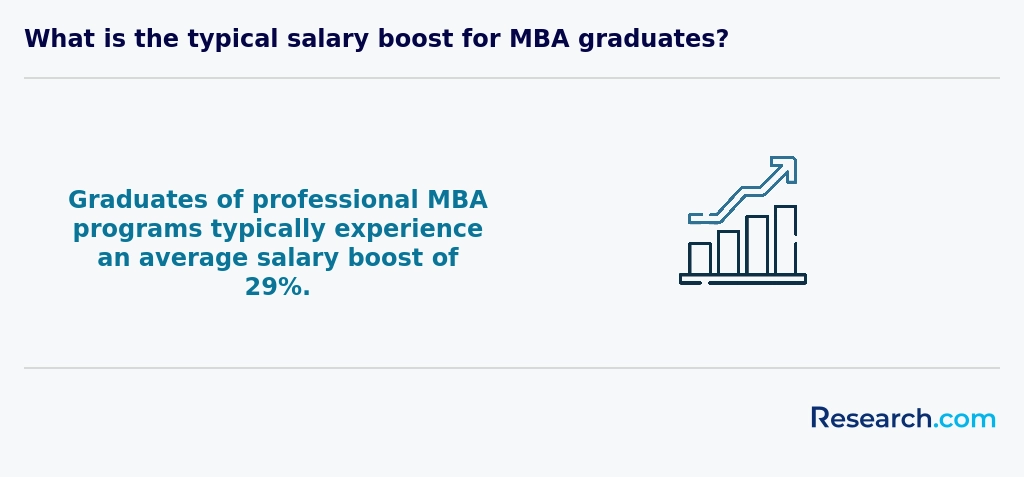
Understanding the true value of an MBA goes beyond prestige-it’s about how quickly your investment pays off. Follow these steps to calculate ROI for California programs: • Estimate Total Investment: Combine tuition, fees, and living expenses over program length. For example, a two-year MBA at a top California school can exceed $200,000 in total costs. • Project Salary Increase: Research average post-MBA salaries in your target sector. Graduates often report starting salaries between $100,000 and $150,000, depending on industry and location. • Calculate Payback Period: Divide total investment by annual salary bump. If your pre-MBA salary was $80,000 and post-MBA jumps to $130,000, a $200,000 program cost yields a payback of approximately four years. • Factor Opportunity Cost: Account for forgone earnings if you leave a full-time job. For part-time or online programs, this cost may be lower. • Compare Alternatives: While California’s MBAs offer high returns, consider more affordable pathways. For a budget-friendly benchmark, explore our Inexpensive MBA Degree Programs Ranking in Georgia to see how lower tuition impacts ROI. By systematically assessing these variables, you can choose an MBA program in California that aligns with your financial goals and accelerates your career growth.
Diving into an MBA program in California means immersing yourself in courses that build a robust foundation of business expertise. Graduates from schools like Stanford Graduate School of Business or UC Berkeley Haas often recall mastering Accounting and Financial Reporting to decode complex financial statements, a skill they vividly applied during internships and case competitions.
Courses such as Marketing Management fire up creativity, teaching you how to read consumer behavior and craft compelling product campaigns-just as many USC Marshall students did when launching startup ideas during class projects.
Organizational Behavior brings the human side of business to life, preparing you to lead diverse teams, often reflected in how alumni describe navigating real-world corporate challenges. Meanwhile, Operations Management hones your ability to streamline processes, a vital skill in California's vibrant supply chain and tech industries.
Courses like Corporate Finance, Business Strategy, and Quantitative Methods tie everything together, helping you make data-driven decisions that fuel sustainable growth-exactly what many graduates practice in the bustling Bay Area business scene.
Diving into an MBA degree in California opens up a playground of specializations that reflect the state's vibrant economy and innovative culture. Many MBA students gravitate toward Finance, honing skills to thrive in the bustling financial scenes of Los Angeles and San Francisco, where internships match classroom theory with real-world investment strategies. Graduates often share enthusiastic stories about landing roles with major firms, feeling empowered by hands-on experiences that shaped their careers.
In places like Silicon Valley, the adrenaline rush of Technology Management offers MBA candidates a chance to lead cutting-edge projects and startup ventures. The opportunity to work alongside tech pioneers at renowned universities makes this specialization a magnet for those eager to drive digital transformation.
For adventurous spirits, Entrepreneurship programs at California's top colleges provide incubators buzzing with innovation, fueling dreams of launching new businesses amidst a supportive startup ecosystem. These programs reflect the broad array of California MBA degree program specializations, inviting exploration beyond the usual.
Other pathways-Marketing, Healthcare Management, Supply Chain Management, and International Business-offer exciting, focused journeys into industries vital to the state. If you're pressed for time, consider exploring the fastest online mba program options to jumpstart your adventure quickly.
Choosing the best MBA degree in California is like embarking on an exciting journey where each decision shapes your future path. Imagine graduates from Stanford or UC Berkeley Haas sharing how AACSB accreditation gave them confidence in their education's quality, fueling their adventurous spirit to dive into Silicon Valley's tech scene. If cost weighs on your mind, explore affordable MBA degrees in California 2027 options like UC Davis or San Diego State, where many students appreciate balancing quality and value without missing out on rich networking experiences.
Picture yourself navigating the bustling San Francisco Bay Area, where MBA programs align perfectly with your entrepreneurial dreams, or soaking up LA's vibrant energy if you're drawn to entertainment or healthcare careers. Flexible schedules and online formats, as offered by the University of Southern California, empower working professionals to savor learning without sacrificing life's other thrilling moments.
Curious about cost-efficient opportunities beyond California? Some students expand their horizons by checking rankings like the Inexpensive MBA Degree Programs Ranking in Georgia, mixing affordability with ambition.
Graduates with an MBA degree in California find themselves at the crossroads of thrilling career paths perfectly suited to their adventurous spirit. From vibrant Silicon Valley tech giants to bustling financial hubs in San Francisco and Los Angeles, MBA career opportunities in California spark excitement and promise. Imagine guiding a tech startup's growth or shaping investment strategies at a leading venture capital firm-graduates from popular universities in California often share how their MBA experience unlocked doors to these dynamic roles.
Management consulting remains a favored route, with many graduates embracing the challenge of solving complex business puzzles for major firms scattered across the state. Others dive into healthcare administration, leading innovative programs that improve lives, especially in California's vast medical centers. The marketing and brand management arenas buzz with energy, where creative MBAs craft compelling campaigns that influence millions.
For those eager to accelerate their journey, leadership development programs across booming industries offer transformation into executives, a trajectory frequently reported by alumni of top California colleges. If you seek fast-tracked success, exploring 1 year masters degree programs could be your perfect next step.
Exploring these top MBA job prospects California unveils a landscape where ambition meets opportunity in endlessly inspiring ways.
The MBA degree job outlook California offers is vibrant and full of potential, especially for those who thrive in bustling metropolitan hubs like San Francisco and Los Angeles. Graduates from prestigious California programs often find themselves immersed in industries ranging from tech startups to entertainment giants, where their leadership and strategic thinking skills shine. Imagine an MBA graduate navigating the fast-paced Silicon Valley scene, blending innovation with financial acumen to drive business success. This dynamic environment fuels excitement and opportunity, encouraging graduates to push boundaries and carve unique career paths.
California MBA career opportunities 2027 look promising, with management roles expected to grow steadily. Graduates specializing in areas like sustainable business or data analytics often feel empowered by the diverse, cutting-edge roles available near top institutions such as those in the Bay Area or Los Angeles. With an average starting salary higher than the national average, many graduates eagerly embrace the challenge, knowing their investment can quickly pay off. Students exploring options can also consider online open college enrollment to expand their access to quality programs while balancing their busy lives.
2027 Most Popular MBA Degree Programs Ranking in California
Investing in your education is a significant decision that can shape your future, and the Research.com team understands the importance of making informed choices. To aid prospective students in California, we have carefully developed the "2027 Most Popular MBA Degree Programs Ranking in California." Our dedication to quality, credibility, and accuracy is demonstrated through rigorous research and thorough analysis conducted to create this ranking.
We utilized the following reputable data sources to ensure a comprehensive evaluation of MBA programs:
By consulting this ranking, readers will obtain valuable insights into the most popular MBA programs in California, enabling them to make well-informed decisions about their educational journey. For further information about how this ranking was created, please visit our Research.com methodology page.


# 7 position
California Polytechnic State University-San Luis Obispo
Master of Business Administration


Frequently Asked Questions About MBA
To maximize their learning experience, MBA students in California should actively engage in networking opportunities offered by local business hubs like Silicon Valley and Los Angeles. According to the Graduate Management Admission Council (GMAC), hands-on projects and internships increase job placement rates by 25% for MBA graduates nationwide.
California's top programs emphasize experiential learning, including case competitions and consulting projects. Students should leverage these resources to apply classroom theories to real-world problems. Additionally, joining student clubs and attending industry conferences enhances both soft skills and professional connections.
Accessing mentorship programs and alumni networks available at many California universities further enriches learning and career development.
The field of MBA degrees in California is rapidly evolving, with several emerging niches gaining attention. One prominent area is Sustainability and Environmental Management. As California leads the nation in green policies, MBA programs increasingly incorporate courses on renewable energy and sustainable business practices.
Another growing niche is Technology Management. Given Silicon Valley's influence, many MBA programs focus on innovation, digital transformation, and entrepreneurship in tech industries. According to the Graduate Management Admission Council (GMAC), about 30% of California MBA students in 2023 chose tech-focused electives.
Health Care Management is also rising, reflecting California's large and diverse health sector. MBA programs here now offer specialized tracks catering to hospital administration and biotech startups. This shift aligns with national trends reported by AACSB, highlighting health care as among the fastest-growing MBA specializations.
After completing an MBA degree in California, preparing for the job market involves strategic steps to leverage local opportunities. California hosts numerous top business schools, producing MBA graduates sought by industries like technology, finance, and healthcare. Networking is crucial; engaging with alumni groups and attending career fairs in cities like San Francisco and Los Angeles can connect candidates with employers.
Additionally, developing strong digital skills aligned with California's innovation-driven economy enhances employability. According to the Graduate Management Admission Council's 2023 report, 85% of California MBA graduates found jobs within three months, highlighting the state's dynamic job market. Internships and real-world projects completed during the MBA are valuable for gaining practical experience and easing the transition into leadership roles.
Employers in California highly value MBA graduates for a combination of technical expertise and leadership skills. According to a 2023 report by the Graduate Management Admission Council (GMAC), skills in strategic thinking, data analytics, and financial acumen rank among the top priorities for hiring managers in the state.
Communication and teamwork abilities are also crucial, as many companies emphasize collaborative problem-solving in California's dynamic business environment. Additionally, adaptability and proficiency in digital tools are increasingly important, reflecting the tech-driven economy of Silicon Valley and beyond.
Understanding of global markets and ethical decision-making rounds out the top skills employers seek in MBA graduates here.
Finding internships in California related to an MBA degree involves strategic planning and utilizing local resources. Many top California business schools, such as Stanford GSB and Haas School of Business, offer strong career services that connect students with internships in industries like tech, finance, and consulting. According to the Graduate Management Admission Council (GMAC), 65% of MBA students nationwide secure internships before graduation, with California markets being among the most competitive.
Networking is crucial; attending industry events, joining MBA clubs, and leveraging LinkedIn can open doors to internships. Additionally, California's large economy and concentration of Fortune 500 companies provide diverse opportunities tailored to MBA skills. Websites like Handshake and Indeed are widely used by MBA students to find internships aligned with their career goals.
In California, an MBA degree significantly enhances career mobility and advancement opportunities. According to the Graduate Management Admission Council's 2023 survey, 89% of MBA graduates in the U.S. reported salary increases within three years of graduation, with California professionals often seeing higher increases due to the state's robust economy.
Many California employers prioritize MBA holders for leadership and management roles. The degree equips graduates with skills in strategic thinking, finance, and marketing, which are highly valued across industries such as technology, healthcare, and finance.
Additionally, MBA programs in California often provide extensive networking opportunities within influential business communities, which can lead to faster promotions and better job offers.
Studying for an MBA degree in California equips students with skills essential to interdisciplinary roles by blending business knowledge with varied industry insights. California's MBA programs often include coursework in technology, healthcare, sustainability, and entrepreneurship, reflecting the state's diverse economy. According to the Graduate Management Admission Council (GMAC), over 60% of California MBA graduates engage in cross-functional roles, highlighting this trend.
Many universities promote teamwork across disciplines, encouraging students to tackle real-world problems collaboratively. This approach fosters adaptability, critical thinking, and leadership skills, which are highly valued in interdisciplinary settings.
Access to Silicon Valley and major industries offers unique experiential learning opportunities, further preparing students for multifaceted careers.
When choosing between a thesis and a non-thesis MBA program in California, consider your career goals and learning preferences. Thesis programs typically require original research and a formal dissertation, which suits students aiming for academic roles or research-oriented careers. Non-thesis options focus on coursework and practical projects, ideal for those targeting immediate application in business or management.
According to the Graduate Management Admission Council, about 70% of MBA candidates in the U.S. prefer non-thesis tracks due to flexibility and faster completion. In California, top schools like UCLA and UC Berkeley offer both options, with thesis routes generally demanding more time and commitment.
Another factor is networking: non-thesis programs may provide more internships and experiential learning opportunities, valuable in California's competitive markets. Review curriculum details and speak to alumni or advisors to align your choice with long-term objectives.
Students based in California seeking to study for an MBA abroad have a variety of opportunities to consider. Many California institutions, such as UCLA Anderson and UC Berkeley Haas, offer exchange programs with top global business schools, enabling students to gain international experience while earning credits toward their degree. Additionally, some students pursue dual-degree programs that combine an MBA from a California university with a partner school's qualification overseas.
According to the Graduate Management Admission Council (GMAC), approximately 12% of California MBA candidates explore international study options to enhance their global business perspectives. Popular destinations include the United Kingdom, Spain, and Singapore, known for prestigious MBA programs.
Financial aid and scholarships are often available to support study abroad plans, making these options more accessible. Students should consult their home institution's international office for tailored advice and application deadlines.
Part-time job opportunities in California that complement MBA education often include roles in consulting, marketing, and financial services. Many MBA students find internships or part-time analyst positions with local startups or established firms in Silicon Valley, gaining valuable experience in strategic decision-making. According to the Graduate Management Admission Council (GMAC) 2023 report, nearly 45% of MBA students in California engage in part-time jobs related to business analytics or project management.
Additionally, roles such as business development assistants or operations coordinators provide practical insight into managing business processes. Networking through these positions can significantly enhance career prospects after graduation.
MBA students in California benefit from extensive networking opportunities due to the state's dynamic economy and diverse industries. Top business schools, like Stanford Graduate School of Business and UC Berkeley Haas School of Business, organize regular networking events, conferences, and speaker series featuring prominent industry leaders.
California's tech hubs, such as Silicon Valley, provide MBA students unique access to startups and established companies, fostering connections with entrepreneurs and venture capitalists. According to the Graduate Management Admission Council, 65% of MBA graduates in California report job offers as a direct result of networking during their studies.
Additionally, professional student organizations and alumni networks are active across campuses, creating mentorship and job placement opportunities. These resources enable students to build valuable relationships crucial for career advancement within California's competitive job market.
Alumni networks play a crucial role in enhancing the MBA experience for students in California. These networks connect graduates with industry leaders, providing valuable mentorship and career opportunities. According to the Graduate Management Admission Council, over 70% of MBA students in the U.S. report that alumni connections influence their job search positively.
In California, top business schools like Stanford and UCLA have extensive alumni communities that actively engage with current students. These networks facilitate internships, job placements, and entrepreneurial collaborations, fostering professional growth.
Access to alumni events and online platforms also broadens students' industry knowledge and encourages lifelong learning beyond graduation.
Customizing an MBA degree program in California to align with your career goals involves selecting specific concentrations, electives, and experiential opportunities. Many California business schools offer focused tracks such as technology management, healthcare, finance, or entrepreneurship, which allow students to develop specialized skills.
Additionally, internships and capstone projects provide practical experience connected to local industries, especially in Silicon Valley and Los Angeles, two major business hubs. Online and part-time MBA options also let professionals balance work and study efficiently.
According to Poets&Quants data for 2023, approximately 67% of MBA programs in California allow flexible curriculum choices. This flexibility helps students tailor learning to industry demands and personal ambitions.
MBA students in California often face significant challenges balancing rigorous coursework with work and personal commitments. The high cost of living, especially in cities like San Francisco and Los Angeles, adds financial pressure on students, many of whom already face steep tuition fees averaging around $60,000 for top programs (U.S. News 2023).
Additionally, competition for internships and post-graduation employment remains intense due to the state's saturated business market. Networking demands and maintaining professional relationships can be stressful yet essential for career advancement.
Students also report managing the stress of accelerated program formats, which compress coursework into shorter timeframes, impacting work-life balance and mental health (Graduate Management Admission Council 2023).
An MBA degree from a California institution can open doors to numerous professional certifications that enhance career prospects. Popular choices include the Certified Public Accountant (CPA) for finance professionals, especially given California's complex regulatory environment. Another common certification is the Project Management Professional (PMP), valued across industries for leadership and organizational skills. Additionally, the Certified Management Accountant (CMA) credential appeals to MBA graduates focused on strategic financial management.
California MBA holders often pursue the Chartered Financial Analyst (CFA) certification to specialize in investment management. According to the Graduate Management Admission Council, about 35% of MBA graduates nationwide obtain at least one certification within three years of completing their degree, reflecting the increasing importance of these credentials in competitive job markets.
Writing a winning application for an MBA program in California requires careful preparation and a clear strategy. Start by researching the specific programs you want to apply to, as requirements can vary widely. Most top California MBA programs, such as those at UCLA and Berkeley, expect a competitive GMAT or GRE score, often above the 70th percentile. Alongside test scores, a strong résumé highlighting leadership experience, career progression, and community involvement is essential. Admissions committees also value thoughtful essays that clearly explain your goals and why the program fits your needs. Finally, secure compelling recommendation letters from professional contacts who can attest to your abilities.
Global perspectives on an MBA career emphasize its growing value in connecting professionals across diverse markets. In the United States, and particularly in California, an MBA is often seen as a gateway to leadership roles in multinational corporations, startups, and tech industries. According to the Graduate Management Admission Council (GMAC), 89% of employers in the U.S. planned to hire MBA graduates in 2023, reflecting strong demand.
California's MBA programs, including those in the Bay Area, attract international students and foster global business networks. This worldwide exposure helps graduates adapt to cross-cultural management challenges.
Moreover, a 2023 report by the California Chamber of Commerce highlighted that MBA holders have a 20% higher average salary compared to non-MBA professionals in business roles within the state.
Gaining practical experience during an MBA program in California is vital for career advancement. Many California business schools offer internships, co-op programs, and consulting projects that allow students to apply classroom knowledge in real-world settings. For example, the University of California, Berkeley, reports over 77% of MBA students complete internships in sectors like tech and finance, providing valuable hands-on learning.
Students also benefit from networking events and career fairs hosted by California universities, connecting them to local companies and startups. Additionally, some programs encourage participation in entrepreneurship labs and case competitions, fostering problem-solving skills relevant to business challenges.
Choosing the right concentration within an MBA program in California depends on your career goals and local industry demands. California's economy is diverse, with strong sectors like technology, entertainment, healthcare, and finance. For example, concentrations in technology management or entrepreneurship align well with Silicon Valley's innovation hub. Meanwhile, healthcare management is growing due to California's aging population and expanding medical facilities.
Consider the curriculum and faculty expertise offered by programs. According to the Graduate Management Admission Council, more than 60% of MBA candidates in California select specializations that directly support their intended career path. Research programs at universities such as UCLA Anderson or Stanford Graduate School of Business, which regularly update concentrations based on market trends.
Practical experience opportunities matter. Choose concentrations offering internships or partnerships with local companies to build industry connections in California's competitive job market.
- 2027 Most Popular MBA Degree Programs Ranking in Nevada
- 2027 Most Popular MBA Degree Programs Ranking in Arizona
- 2027 Most Popular MBA Degree Programs Ranking in Washington
- 2027 Most Popular MBA Degree Programs Ranking in New Mexico
- 2027 Most Popular MBA Degree Programs Ranking in Montana
- 2027 Most Popular MBA Degree Programs Ranking in Hawaii
- 2027 Most Popular MBA Degree Programs Ranking in Oklahoma
- 2027 Most Popular MBA Degree Programs Ranking in Kansas
- 2027 Most Popular MBA Degree Programs Ranking in Nebraska
- 2027 Most Popular MBA Degree Programs Ranking in Minnesota
- 6 Tips to Make the Most of Your MBA Experience https://mbaschooled.com/2020/01/14/6-tips-to-make-the-most-of-your-mba-experience/
- Future-Proof Your Career with an MBA in India : MIT-WPU Blog https://mitwpu.edu.in/blog/emerging-specialisations-in-mba---how-to-future-proof-your-business-career-in-india
- MBA Internships: Find 5400 MBA Intern Jobs https://internshala.com/internships/mba-internship/
- Scholarships, Grants, and Other Financial Resources for California MBA Students https://mbacaliforniaedu.org/scholarships-grants-and-financial-resources/
- MBA Requirements https://www.collegeessayguy.com/blog/mba-requirements
- Tips for Writing an MBA Program Essay - GMAT Ninja https://www.gmatninja.com/articles/mba-admissions/essays-and-applications/minimizing-mba-application-essay-agony/
- Skills Employers Look for in Business Graduates – EU Business School https://www.euruni.edu/blog/skills-employers-look-for-in-business-graduates/
- Why Fit Matters: Matching Your Profile and Career Goals to Your Dream MBA Program https://merchantmba.com/blog/why-fit-matters-matching-your-profile-and-career-goals-to-your-dream-mba-program
- Best Online MBA Programs in California for 2025 https://www.onlinemastersdegrees.org/best-programs/mba-programs/california/
- Lessons learned: one year into pursuing an MBA while balancing full-time work - Franz Vitulli https://franzvitulli.com/mba-work/





