
2027 Best MBA Degree Programs Ranking in Kansas

Co-Founder and Chief Data Scientist
Choosing the right MBA program in Kansas can shape your future career and open doors to new opportunities. This article features the 2027 Best MBA Degree Programs Ranking in Kansas created by the Research.com team of data scientists to guide you through the best choices available.
By exploring this ranking, you'll gain valuable insights into programs that align with your goals and lifestyle. Getting an MBA can expand your skills, boost confidence, and enhance your professional growth. Let's explore your pathway to success together.
Key benefits of getting MBA degree in Kansas
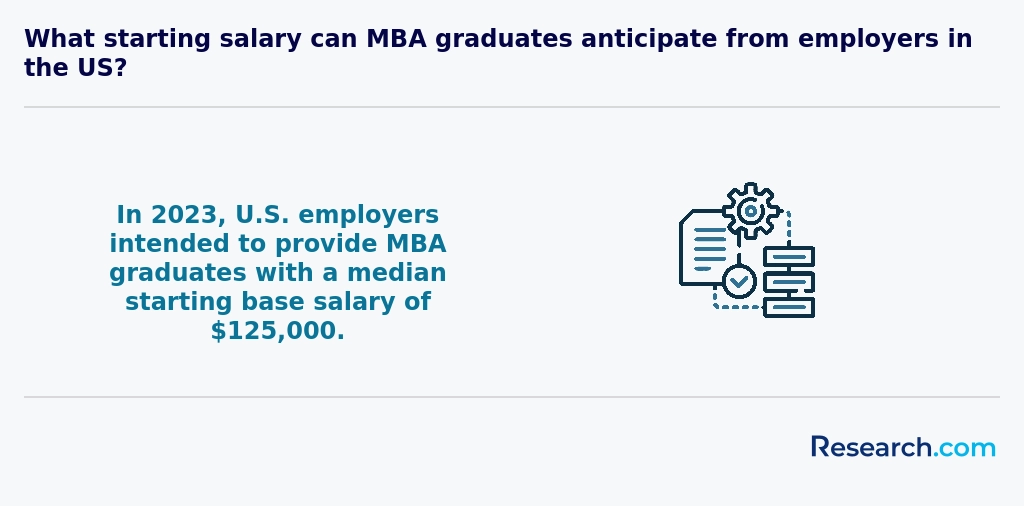
- MBA graduates in Kansas can expect competitive salaries nationally, with median annual wages for management occupations around $125,000, reflecting strong earning potential.
- Graduates from Kansas universities often pursue diverse careers in finance, marketing, or operations, leveraging their MBA to gain leadership roles in well-established local and regional companies.
- Obtaining an MBA online from Kansas-based universities offers flexible scheduling and the chance to balance work and study, making it easier to gain skills without interrupting your career path.
- 2027 Best MBA Degree Programs Ranking in Kansas
- What can I expect from MBA degree in Kansas?
- Where can I work with MBA degree in Kansas?
What can I expect from MBA degree in Kansas?
When weighing the cost of pursuing an MBA in Kansas, you'll find that tuition typically ranges between $9,000 and $15,000 per year for in-state students at public universities like the University of Kansas or Kansas State University. Many graduates recall balancing their budgets knowing these costs, especially appreciating the options for financial aid, scholarships, or employer tuition reimbursement programs. These supports can transform the expense from daunting to manageable.
Private colleges in Kansas might ask for a higher investment, but many students find the specialized programs or flexible schedules, such as the professional MBA with evening classes at the University of Kansas School of Business, well worth the premium. Graduates often share how they tailored their education around work commitments without sacrificing quality or networking opportunities.
Thinking about your return on investment? Remember that Kansas' vibrant economy, with steady growth in sectors like manufacturing and healthcare, creates ample job opportunities. The hands-on learning and local consulting projects embedded in these programs don't just help cover tuition mentally-they open doors to careers that make the cost feel like an investment well made.
Where can I work with MBA degree in Kansas?
With an MBA degree from respected institutions like the University of Kansas or Wichita State University, you open doors to vibrant career paths across Kansas's thriving industries. Imagine stepping into a financial analyst role in Overland Park's bustling banking sector, where graduates leverage their strategic skills daily to drive growth in regional investment firms.
Many MBA alumni find rewarding opportunities in healthcare administration, working with hospitals such as the University of Kansas Health System. They manage operations and lead strategic initiatives, combining business acumen with a passion for improving community health outcomes.
Others thrive in Wichita's manufacturing hubs, overseeing supply chains and operations in aerospace or automotive companies. These roles allow MBAs to transform complex production challenges into streamlined successes, a real-world application of their project management training.
Entrepreneurial graduates often join Kansas City's startup scene, using knowledge gained to launch innovative businesses with support from the Kansas Small Business Development Center. Consulting firms statewide also welcome MBAs, offering roles where you can solve critical business problems and make a tangible impact.
Each path reflects the diverse strengths cultivated during your MBA journey in Kansas, preparing you to excel and lead confidently in a variety of dynamic environments.
Graduates holding an MBA degree in Kansas typically see a rewarding jump in earnings, with many reporting annual salaries ranging broadly from $75,000 to $120,000. Those who studied at well-regarded institutions like the University of Kansas or Kansas State University often find themselves stepping into roles within management, finance, or healthcare administration, especially in cities such as Wichita and Overland Park, where business hubs are concentrated.
For example, management consultants with MBAs in Kansas frequently earn between $85,000 and $125,000, reflecting real opportunities for financial growth. Entry-level alumni might start near $65,000 but can expect upward mobility as they gain experience. Executive-level graduates, especially with a decade or more in the field, can command salaries reaching $130,000 to $150,000-an inspiring prospect for those committed to their career journey.
These figures highlight the tangible value of pursuing an MBA in Kansas, where strong alumni networks and local industry connections significantly boost earning potential. The path after graduation is bright, filled with engaging challenges and well-compensated leadership roles that turn ambition into achievement.
- The cost of an MBA in Kansas ranges from $30,000 to $60,000 depending on the school type and residency status.
- Most full-time MBA programs take about two years to complete, with part-time, online, and accelerated options also available.
- Starting salaries for MBA graduates in Kansas average between $70,000 and $80,000 annually.
- Mid-career MBA holders often earn between $100,000 and $130,000 per year based on experience.
- MBA graduates are in demand for leadership, management, consulting, finance, and strategy roles across key industries like manufacturing, healthcare, and finance.
- Kansas MBA programs emphasize practical experience through internships and networking, supporting job placement after graduation.
Completing an MBA in Kansas usually takes between one and two years for full-time students, depending on the university and course structure. For example, graduates from the University of Kansas often share how the traditional two-year program gave them enough time to deeply engage with their studies while working on real projects. If you have a busy schedule, Wichita State University offers accelerated paths where motivated students finish in as little as one year by enrolling in summer classes and taking heavier course loads.
Part-time options across Kansas colleges, like those at Kansas State University, allow working professionals to balance career and family while earning their degree over two to three years. Many graduates appreciate this flexibility, as evening or weekend classes make learning manageable without sacrificing income.
Online MBA programs also shine in Kansas, enabling students to complete their degree in 18 to 24 months. This format suits anyone needing a blend of convenience and quality education, especially those juggling demanding jobs or family commitments.
Planning ahead is crucial to secure a spot in top Kansas MBA programs. Here’s a typical timeline to guide your application process: • 9–12 Months Before Enrollment: - Research Programs: Compare curriculum, specializations, and accreditation of Kansas schools. For additional insights on affordability in other regions, check our Cheapest MBA Degree Programs Ranking in Worcester, MA. - Prepare for Standardized Tests: Register for the GMAT or GRE at least six months before deadlines to allow for retakes if needed. • 6–8 Months Before Enrollment: - Gather Application Materials: Request transcripts, draft your resume, and secure two to three letters of recommendation. - Write and Refine Essays: Tailor personal statements to highlight career goals, leadership experiences, and why a Kansas MBA aligns with your ambitions. • 4–6 Months Before Enrollment: - Submit Applications: Aim to apply by early deadlines (October–November) for priority consideration and scholarship opportunities. - Schedule Interviews: Be prepared for virtual or on-campus interviews; practice common MBA questions and presentation skills. • 2–3 Months Before Enrollment: - Monitor Admissions Decisions: Check your email regularly and respond promptly to interview invites or requests for additional information. - Compare Financial Aid Offers: Review scholarship packages, assistantships, and loan options to determine the best fit for your budget. • 1 Month Before Enrollment: - Confirm Enrollment: Accept your offer, submit deposit, and complete required paperwork (housing, orientation, health forms). - Plan Orientation: Attend virtual or in-person pre-MBA sessions to network with peers and learn about career services. Staying organized with a clear timeline ensures you meet all requirements and maximize your chances of admission into Kansas’s top MBA programs.
Choosing between an online and on-campus MBA in Kansas comes down to your lifestyle and learning preferences. Graduates from the University of Kansas often speak about the rich, face-to-face interactions that on-campus programs provide-whether it's brainstorming in study groups or networking events held right on campus. This direct connection can spark lasting professional relationships and boost your confidence in live discussions.
Meanwhile, graduates from Wichita State University who pursued online MBAs highlight the flexibility as a game-changer. They balanced work, family, and studies by accessing lectures whenever their schedule allowed. This remote learning style suits busy professionals who need to study around job commitments without sacrificing program quality.
Both options in Kansas usually span about two years for full-time students, covering essentials like finance and leadership. Tuition varies but expect roughly $30,000 to $60,000, with online students saving on commuting and housing. Balancing cost, interaction style, and flexibility will help you find the path that feels right for your ambitions and daily life.
The average cost of an MBA degree in Kansas is an important factor to consider when planning your educational journey. Graduates from prominent Kansas schools such as the University of Kansas or Kansas State University often share how budgeting wisely for tuition helped them fully embrace their studies and networking opportunities. The median total cost of earning an MBA in Kansas is around $44,958, with in-state students typically paying closer to $34,192, making it more affordable than many other states.
Many students considering Kansas MBA program tuition and fees appreciate how this investment balances quality and value. Public universities offer competitive rates for residents while private institutions like Rockhurst University may have higher tuition but offer smaller class sizes and enriched learning experiences. Alumni often recall how factoring in additional expenses like fees and textbooks-usually between $3,000 and $5,000-enabled them to plan more effectively and avoid surprises.
Planning with realistic financial expectations allows you to focus on your growth and the unique opportunities in Kansas. If you want detailed insights about cost-efficient options, it's helpful to explore resources like the affordable mba schools in kansas, which can guide you toward programs that match your goals and budget while maximizing your return on investment.
When considering an MBA program in Kansas, affordability is a crucial factor for many prospective students. The cost of tuition, fees, and living expenses can vary significantly between institutions, making it essential to research and compare prices. For those seeking a more affordable option, exploring affordable mba schools in kansas can be a great starting point. By weighing the costs against the potential benefits, including networking opportunities, skill enhancement, and career advancement, students can make an informed decision that aligns with their financial situation and career goals. Many universities in Kansas offer competitive pricing for their MBA programs, coupled with financial aid options and scholarships, which can help reduce the overall cost of obtaining a degree.
Many MBA students in Kansas find vital financial support through scholarships, which don't require repayment and can significantly ease the burden of tuition. For instance, graduates from the University of Kansas often recall how merit-based scholarships, granted for leadership and academic excellence, transformed their educational journey by reducing their out-of-pocket expenses.
In addition, some students tap into grants offered through state programs or private organizations, especially those coordinated by the Kansas Board of Regents. Though less common, these grants provide crucial help, especially when paired with other aid.
Federal student loans like the Direct Unsubsidized Loan and Grad PLUS loans are reliable options, offering manageable interest rates and flexible repayment plans. Many Kansas State University graduates advise approaching these loans thoughtfully to maintain financial balance after graduation.
Working professionals pursuing MBAs often benefit from employer tuition assistance programs, a valuable resource in cities like Wichita and Overland Park. Some assistantships or fellowships at Kansas universities provide stipends or tuition waivers in exchange for research or teaching, blending financial help with meaningful experience.
Kansas MBA programs are evolving to meet the demands of a rapidly changing business landscape by integrating innovative teaching methods, advanced technologies, and industry-driven curricula. Many programs now emphasize digital transformation and sustainability, equipping students with skills in data analytics, AI-driven business strategies, and eco-friendly practices. For example, some universities have partnered with local tech firms to offer hands-on learning experiences that simulate real-world challenges-this blend of academic rigor and practical insight ensures graduates are prepared for future disruptions. Additionally, hybrid learning models that combine online convenience with on-campus engagement are increasingly popular; if you are interested in exploring flexible yet highly efficient pathways, check out quickest mba degree online options. These curricular innovations not only foster creativity and resilience but also enhance networking opportunities by connecting students with leaders in emerging industries, ensuring that Kansas MBA grads remain competitive in the global market.
To enroll in an MBA program in Kansas, you'll generally need a bachelor's degree from an accredited school, though the field of study can be quite flexible. Many graduates from the University of Kansas or Kansas State University share how their diverse academic backgrounds-from engineering to liberal arts-didn't limit their MBA ambitions.
Work experience is highly valued, often two to three years full-time. Graduates who balanced careers while studying at Wichita State University recall how their professional insights deepened classroom discussions, making learning immediately applicable.
Standardized tests like the GMAT or GRE are typical hurdles, yet schools like Wichita State offer test waivers if your work history or academic record is strong, easing the path forward.
Letters of recommendation and personal statements are essential; they reveal your leadership potential and passion beyond numbers. Imagine sharing a story from your career that shows resilience-that's the impact admissions committees in Kansas appreciate.
International students should prepare for additional steps like TOEFL scores and visa documents, ensuring smooth entry into these vibrant programs.

Evaluating the return on investment (ROI) for an MBA in Kansas is essential to understanding how quickly you can recoup tuition and fees through elevated earnings. On average, MBA graduates in Kansas report starting salaries between $70,000 and $100,000, representing a 76% premium over bachelor’s degree holders. When typical total program costs (tuition plus living expenses) range from $40,000 to $60,000, the payback period often falls between 1 and 2 years, depending on your specialization and employment sector. Key factors influencing ROI:
- Total Cost of Attendance: Include tuition, fees, books, and living expenses.
- Salary Uplift: Compare your pre-MBA earnings with post-MBA compensation; alumni surveys indicate a $25,000–$30,000 average increase.
- Specialization Impact: Finance and consulting specializations tend to yield higher starting salaries, shortening the payback period.
- Scholarship and Aid: Merit-based and need-based awards can reduce your break-even horizon by 6–12 months. To maximize ROI, prospective students should research affordable yet high-quality options. For example, for cost-conscious candidates interested in benchmarking affordable programs outside Kansas, see our Cheapest MBA Degree Programs Ranking in Worcester, MA. By comparing program costs, financial aid packages, and expected salary outcomes, you can make an informed choice that balances investment with long-term career growth.
The backbone of an MBA degree in Kansas is a carefully crafted set of courses that build essential business skills. Graduates from institutions like the University of Kansas and Wichita State University often reflect on how foundational studies such as Financial Accounting and Managerial Accounting helped them confidently navigate company finances in real-world jobs. Courses in Corporate Finance and Financial Management sharpen your ability to make strategic investment decisions, an invaluable skill in Kansas' thriving manufacturing and agricultural sectors.
Marketing Management coupled with Consumer Behavior classes offer practical insights that graduates have used when launching local startups or managing brand strategies in Kansas City's competitive markets. Hands-on learning through Operations Management and Supply Chain Strategies prepares you for the logistical challenges faced by regional businesses. Meanwhile, Organizational Behavior and Human Resource Management courses teach you to inspire teams and lead change - skills praised by those working in Wichita's bustling corporate environments.
Core classes also address ethics and social responsibility, qualities that Kansas MBA alumni consistently say helped them build trust in the community. Quantitative Methods, Strategic Management, and Leadership courses round out the program, equipping you to solve complex problems and guide organizations toward success. Many students appreciate the chance to tailor their experiences further with electives like entrepreneurship or healthcare management, perfectly aligning with Kansas' diverse economic landscape.
If you're exploring different MBA specializations in Kansas, you'll find options tailored to meet local industry needs and broader business ambitions. For instance, many graduates from universities like the University of Kansas and Kansas State have thrived by focusing on Finance. This specialization opens doors in corporate finance and investment banking, fields that are growing alongside Kansas City's financial sector.
Kansas MBA degree focus areas also include Marketing, where students develop skills in digital marketing and brand management - essential for businesses responding to changing consumer trends nationwide. Entrepreneurship is another standout path; several graduates have launched startups successfully, benefiting from Kansas's supportive small business networks and incubators.
Others choose Supply Chain Management, leveraging Kansas's reputation as a logistics hub, or Healthcare Management, which addresses the state's strong healthcare industry presence. Many also pursue Information Technology Management or Human Resource Management, reflecting evolving business demands in Kansas. If you're eager to start your degree swiftly, consider programs designed for accelerated learning, available in options like the quickest mba degree online.
Choosing the best MBA degree in Kansas means looking beyond just the name of the school. Consider programs like those at the University of Kansas or Wichita State University, where graduates share how flexible schedules helped them balance work and study with confidence. Make sure the program is AACSB accredited-this gold standard signals quality that employers recognize statewide and beyond. Think about what excites you most; whether it's entrepreneurship, healthcare management, or supply chain logistics, matching your passions with a program's curriculum will light your path forward.
Affordability also matters. Kansas offers some of the most affordable MBA degrees Kansas residents can pursue, with tuition costs generally lower than national averages. Keep budgeting for fees and living expenses, and explore rankings that offer insight into value. For a perspective on affordable options elsewhere, you might want to check the Cheapest MBA Degree Programs Ranking in Worcester, MA.
Don't overlook the power of alumni networks and career services-the personal connections and mentorships reported by many graduates in Kansas City and Wichita helped them launch rewarding careers. Practical learning like internships tied to local industries enriches your experience and builds confidence as you prepare for future success.

Graduates of MBA programs in Kansas frequently find themselves positioned for dynamic roles such as Financial Manager, where they oversee budgets and investments for companies rooted in the state's strong manufacturing and finance sectors. Many graduates from institutions like the University of Kansas have shared how stepping into marketing manager roles allowed them to creatively influence business growth in the evolving Kansas market. Those who choose to specialize as Operations Managers benefit directly from Kansas' thriving manufacturing and logistics industries, often improving processes and efficiency on a daily basis.
Because the state is a key hub for industries like healthcare and agriculture, Human Resources Manager positions are in demand, providing graduates opportunities to foster workplace culture and talent development. Consulting roles also stand out, with MBA holders advising companies to solve operational challenges and accelerate business success. These examples highlight the variety of MBA career opportunities in Kansas and showcase the practical advantage of studying locally.
Emerging fields like data analytics and supply chain management are expanding rapidly here too. For those interested in fast-tracking their career growth while balancing cost and education quality, many Kansas universities offer flexible options-some even 1 year masters-that make transitioning into these roles accessible and rewarding.
The job market for MBA graduates in Kansas is filled with opportunity and growth, especially for those who pursue a Kansas MBA degree job outlook with intent and local connections. Graduates from well-known regional programs often find themselves stepping confidently into roles within manufacturing hubs like Wichita or financial centers in Overland Park. Many alumni share how the practical skills gained during their MBA helped them secure positions in management, finance, and operations with mid-sized companies or regional offices.
In these roles, professionals contribute to industries ranging from healthcare administration to logistics, where their leadership and strategic thinking directly impact business success. For students exploring business career opportunities in Kansas, the lower cost of living combined with competitive salary offers an attractive balance. Graduates appreciate the strong community networks at Kansas universities that open doors to corporations seeking savvy managers.
If you're considering your next steps, it's worth exploring options among open enrollment colleges online that provide flexibility while maintaining connections to these local markets.
2027 Best MBA Degree Programs Ranking in Kansas
Investing in your education is a significant decision that can shape your future, and the Research.com team understands the importance of making informed choices. To assist prospective students, we have meticulously crafted the "2027 Best MBA Degree Programs Ranking in Kansas." Our commitment to quality, credibility, and accuracy is reflected in the extensive research and analysis conducted to compile this ranking.
We utilized the following reputable data sources to ensure a comprehensive evaluation of MBA programs:
By exploring this ranking, readers will gain valuable insights into the best MBA programs available in Kansas, empowering them to make well-informed decisions about their educational and professional futures. For more details on our methodology, please visit our Research.com methodology page.


Frequently Asked Questions About MBA
To maximize their learning experience, MBA students in Kansas should actively engage with both academic and professional opportunities offered by local universities. Many programs, including those at the University of Kansas and Kansas State University, emphasize experiential learning through case studies, internships, and consulting projects. According to the Kansas Board of Regents, such hands-on experiences greatly enhance skill application and job readiness.
Networking is also crucial. Attending events organized by the Kansas City Chamber of Commerce or regional business groups allows students to connect with industry leaders and alumni. Additionally, leveraging resources like career services and mentorship programs boosts employment prospects after graduation.
Staying current with evolving business trends by participating in workshops and online seminars offered in Kansas further enriches the MBA curriculum. Effective time management and collaborative team projects, encouraged in Kansas MBA programs, improve leadership and communication skills essential for business success.
The MBA field is evolving rapidly, with emerging niches that reflect current economic and technological trends. In Kansas, growing industries such as healthcare, logistics, and agriculture are influencing specialized MBA programs. For example, MBA concentrations in healthcare management and supply chain management are gaining popularity, aligning with Kansas's strong healthcare sector and its central location for distribution networks.
Additionally, sustainability-focused MBA programs are becoming more prominent, addressing increasing corporate interest in environmental responsibility. Programs emphasize skills in sustainable business practices and social impact leadership. According to the Kansas Board of Regents, enrollment in such specialized MBA tracks has grown by 12% over the past three years.
Students seeking innovative careers may also explore technology management MBAs, which integrate data analytics and digital transformation skills, crucial for Kansas's expanding tech startups and manufacturing firms.
Preparing for the job market after completing an MBA degree in Kansas involves a strategic combination of skill-building and networking. Graduates are encouraged to leverage career services offered by Kansas universities, which often report placement rates above 80% within six months of graduation. Building strong connections with local industries such as finance, manufacturing, and healthcare is crucial, as Kansas hosts headquarters for companies like Sprint and Koch Industries.
Internships and experiential learning during the MBA program significantly improve job prospects. Additionally, developing expertise in data analytics, leadership, and project management aligns with employer demands in the region. Online platforms like LinkedIn and local business chambers also provide valuable networking opportunities.
Employers in Kansas seek MBA graduates with a strong mix of leadership, analytical, and communication skills. According to the Kansas Board of Regents, business employers frequently emphasize strategic thinking, financial acumen, and data analysis abilities.
Leadership and team management are crucial as MBA graduates often oversee diverse teams and projects. Communication skills, both written and oral, enable graduates to clearly present ideas and work collaboratively.
Additionally, adaptability and problem-solving are vital due to Kansas's growing industries, including finance, manufacturing, and healthcare.
Experts suggest that technical proficiency in tools like Excel and familiarity with current business software also enhance employability in the Kansas job market.
Finding internships in Kansas relevant to an MBA degree involves leveraging multiple resources to maximize opportunities. Many universities, including the University of Kansas and Kansas State University, provide dedicated career services that connect MBA students with businesses statewide. These services often host job fairs and networking events tailored to business students.
Additionally, students should explore internships offered by Kansas-based companies in sectors such as finance, healthcare, and manufacturing, which frequently seek MBA candidates. Using platforms like Handshake and LinkedIn can increase visibility to local internship openings.
The Kansas Department of Commerce also promotes workforce development initiatives that support internship programs in collaboration with employers across the state.
Networking through professional organizations like the Kansas City Chamber of Commerce can provide further access to internship listings and mentorship opportunities.
In Kansas, earning an MBA degree significantly enhances career mobility and advancement opportunities. MBA graduates often see increased access to leadership roles across various industries such as finance, healthcare, and manufacturing, which are key sectors in the state. According to data from the Kansas Board of Regents, MBA holders experience an average salary increase of 20-30% compared to those with just a bachelor's degree.
The practical skills gained during MBA programs, including strategic management and data analytics, align well with employer demands in Kansas's evolving job market. Furthermore, networking opportunities provided by Kansas-based business schools help graduates connect with local businesses and industry leaders, further boosting their career prospects.
Studying for an MBA degree in Kansas equips students with diverse skills essential for interdisciplinary roles. Many Kansas MBA programs emphasize collaboration across business functions such as finance, marketing, operations, and technology. This approach reflects the state's growing industries, including manufacturing, healthcare, and agriculture, where cross-sector knowledge is critical.
Universities like the University of Kansas and Kansas State University offer curricula that integrate data analytics, leadership, and strategic management, fostering critical thinking applicable to varied fields. According to the Kansas Board of Regents, over 60% of MBA graduates find employment in roles requiring multi-disciplinary expertise within six months of graduation.
This training helps students adapt to evolving market demands and collaborate effectively in complex organizational environments.
When choosing between a thesis and a non-thesis MBA program in Kansas, consider your career goals and learning preferences. Thesis programs involve conducting original research, which suits students aiming for academic careers or specialized roles that require strong analytical skills. Non-thesis programs focus more on coursework and practical experience, appealing to professionals seeking immediate advancement in business management.
In Kansas, many top MBA programs offer both options, with non-thesis tracks typically completed faster, around 18 to 24 months, while thesis tracks may take longer due to research requirements. According to the Kansas Board of Regents, non-thesis MBAs are more popular among working professionals.
Assess faculty expertise and available resources for thesis projects at your chosen school to ensure strong support if pursuing research.
Students based in Kansas who wish to study for an MBA abroad have several pathways suited to their needs. Many Kansas universities, such as the University of Kansas and Kansas State University, offer dual-degree or exchange programs with international institutions, allowing students to gain global experience while earning credits toward their degrees. According to the Graduate Management Admission Council (GMAC), nearly 20% of U.S. MBA candidates consider international study important in their programs, reflecting a growing trend among Kansas students.
Options also include enrolling directly in foreign business schools, although this requires careful consideration of accreditation and visa requirements. Scholarships and financial aid for international MBA study, such as those offered by Fulbright or host universities, can help offset costs.
Online international MBA programs with global curricula offer another flexible alternative for Kansas students looking abroad without relocating. These programs maintain accreditation by bodies like AACSB, ensuring quality education.
Part-time job opportunities in Kansas that complement an MBA education often focus on roles developing business, management, and analytical skills. Common positions include business analyst internships, marketing assistants, and financial services representatives. These roles allow students to apply classroom knowledge in real-world settings while networking within industries prominent in Kansas, such as finance, manufacturing, and agriculture.
According to the Kansas Department of Labor, sectors like professional, scientific, and technical services show steady growth, providing rich part-time options for MBA students. Many students find opportunities in local companies within Wichita and Kansas City, where corporate headquarters and startups alike seek talent with business acumen. Educational institutions also often partner with firms offering part-time management consulting or project coordination roles suited for MBA candidates.
Gaining experience in these areas can enhance practical skills in leadership, strategic planning, and financial analysis, which are critical for career advancement post-graduation. Such jobs typically accommodate flexible schedules to balance work with demanding MBA curricula, enabling students to gain professional experience relevant to their studies.
Networking is a crucial part of pursuing an MBA in Kansas, offering students many opportunities to connect with industry professionals and alumni. Universities like the University of Kansas and Kansas State University host regular networking events, career fairs, and speaker series specifically for MBA candidates. According to the Graduate Management Admission Council, over 75% of MBA graduates gain employment through networking.
Local business organizations, such as the Kansas City Chamber of Commerce, also provide valuable platforms for MBA students to build professional relationships. Additionally, Kansas MBA programs often include mentorship programs and access to alumni networks, which enhance career prospects and practical learning.
Alumni networks provide significant benefits for MBA students in Kansas by creating valuable professional connections. These networks help students access job opportunities within the state's diverse economy, including industries like agriculture, finance, and manufacturing. According to the Kansas Board of Regents, over 70% of MBA graduates report their alumni contacts played a role in securing employment.
Through events, mentorship programs, and online platforms, alumni offer career advice and industry insights that can guide current students. Networking with experienced professionals in cities like Wichita and Overland Park can lead to internships and collaborations. Overall, Kansas MBA alumni networks serve as vital resources for career growth and knowledge sharing.
Customizing an MBA degree program in Kansas allows students to align their education with specific career goals. Many universities in the state, including those in Wichita and Kansas City, offer concentration options such as finance, marketing, entrepreneurship, and healthcare management. These specializations help students develop targeted skills relevant to their industries.
Students can also choose between full-time, part-time, or online formats, providing flexibility to balance work and study. According to the Kansas Board of Regents, the average MBA program length ranges from 18 to 24 months, enabling timely completion based on personal schedules.
Additionally, opportunities for internships and partnerships with local businesses provide practical experience, which is critical for career advancement.
Many MBA students in Kansas face the challenge of balancing work, family, and school commitments. According to the National Center for Education Statistics, over 60% of MBA candidates nationwide attend school part-time, a trend common in Kansas as professionals seek to advance careers without leaving jobs.
Financial pressures also impact students, as the average MBA program in the region can cost between $30,000 and $50,000. Scholarships and assistantships are limited, increasing reliance on loans.
Additionally, adapting to technology-driven learning environments poses difficulties for some, especially with the rise of hybrid and online MBA formats. Time management and networking opportunities remain significant hurdles.
With an MBA degree in Kansas, graduates can pursue a variety of professional certifications to enhance their career prospects. Common options include the Certified Management Accountant (CMA), which focuses on financial management and strategic planning, and the Project Management Professional (PMP) certification, valued across many industries for leadership skills.
The Certified Financial Planner (CFP) credential is also popular for those interested in financial advising. Additionally, the Chartered Financial Analyst (CFA) certification suits MBA holders targeting investment management roles. According to recent data from the Graduate Management Admission Council, over 60% of MBA graduates in the Midwest, including Kansas, seek these certifications to boost their employability and salary potential.
Writing a winning MBA application for Kansas programs requires careful preparation and attention to detail. Start by researching specific schools such as the University of Kansas and Kansas State University, which are known for their reputable business schools. Highlight your professional achievements, leadership experience, and clear career goals, as these are critical criteria evaluated by admissions committees nationwide.
Many Kansas MBA programs emphasize the importance of a strong GMAT or GRE score; aim for scores in the 600+ range to be competitive. Including well-crafted essays that reflect your motivation and fit with the school's culture is essential. Letters of recommendation should come from supervisors or mentors who can attest to your skills and readiness for graduate study.
According to data from the Graduate Management Admission Council, 85% of MBA programs in the US value demonstrated leadership and quantitative skills as key factors in admissions decisions. Demonstrating knowledge of Kansas's economic environment or regional industries can further strengthen your application.
The global perspective on an MBA career highlights the degree's value in enhancing leadership and management skills across diverse industries. In the United States, MBA graduates often find opportunities in multinational corporations, consulting firms, and finance sectors. For students in Kansas, institutions such as the University of Kansas emphasize global business strategies, preparing candidates for international markets. According to the Graduate Management Admission Council (GMAC), 89% of MBA graduates report career progress within three years after graduation, underlining the degree's broad applicability.
Internationally, employers value MBAs for their strategic thinking and adaptability. Kansas-based MBA programs integrate global case studies and exchange experiences, equipping graduates to work efficiently in a global economy.
Gaining practical experience while pursuing an MBA in Kansas is achievable through various avenues. Many Kansas universities, such as the University of Kansas and Wichita State University, incorporate internships and consulting projects within their MBA curricula. These opportunities enable students to work with local businesses, applying classroom knowledge to real-world challenges.
Students can also engage in experiential learning through business competitions and networking events commonly offered on campus. Additionally, part-time MBA programs often attract working professionals, allowing students to gain experience simultaneously.
According to the U.S. News 2023 data, over 70% of MBA students in Kansas participate in internships, highlighting the program's practical focus.
Choosing the right concentration within an MBA program in Kansas involves aligning your career goals with the most relevant business skills. Popular concentrations include finance, marketing, healthcare management, and supply chain management, reflecting key industries in Kansas such as agriculture, aviation, and healthcare. According to the U.S. Bureau of Labor Statistics, Kansas has strong job growth in healthcare and logistics, making related MBA focuses practical choices.
Research specific program offerings at Kansas universities, as some provide specializations tailored to regional economic needs. Consider local networking opportunities and internship placements that match your desired field. The Princeton Review and U.S. News & World Report provide updated rankings on MBA concentrations available in Kansas schools, helping to identify high-quality options that support your professional ambitions.
- 2027 Best MBA Degree Programs Ranking in Nebraska
- 2027 Best MBA Degree Programs Ranking in Missouri
- 2027 Best MBA Degree Programs Ranking in Iowa
- 2027 Best MBA Degree Programs Ranking in Illinois
- 2027 Best MBA Degree Programs Ranking in New Mexico
- 2027 Best MBA Degree Programs Ranking in Louisiana
- 2027 Best MBA Degree Programs Ranking in Mississippi
- 2027 Best MBA Degree Programs Ranking in North Dakota
- 2027 Best MBA Degree Programs Ranking in Kentucky
- 2027 Best MBA Degree Programs Ranking in Michigan
- MBA Management Masters Degree https://moderna.edu.pl/majors/management/master-of-management/mba-management-masters-degree/
- Top MBA programs with the best alumni networks in ... https://www.mbacrystalball.com/blog/2025/07/07/top-mba-programs-with-the-best-alumni-network-in-the-world/
- 10 Highest-Paying MBA Specializations in 2026 (With Salary Data) - Paris School of Management (PSM) https://www.psm-paris.fr/en/10-highest-paying-mba-specializations-in-2026/
- MBA Requirements: What do you really need for an MBA degree https://www.obseducation.org/en/blog/mba-requirements-what-do-you-really-need-for-an-mba-degree
- MBA Internships: Find 5400 MBA Intern Jobs https://internshala.com/internships/mba-internship/
- What Can You Do with an MBA in Today's Market? https://www.elmhurst.edu/blog/what-can-you-do-with-an-mba-in-todays-market/
- Top 6 MBA Career Paths https://stmary.edu/prelaw/top-mba-career-paths.html
- How an MBA contributes to career advancement https://online.wlv.ac.uk/blog/how-an-mba-contributes-to-career-advancement/
- Why Fit Matters: Matching Your Profile and Career Goals to Your Dream MBA Program https://merchantmba.com/blog/why-fit-matters-matching-your-profile-and-career-goals-to-your-dream-mba-program
- The Growing Demand for Niche Jobs and MBA ... https://www.clearadmit.com/2025/05/the-growing-demand-for-niche-jobs-and-mba-specializations/


