
2027 Most Popular MBA Degree Programs Ranking in San Francisco

Co-Founder and Chief Data Scientist
Choosing the right MBA program is a big step toward advancing your career and achieving your goals. For students in San Francisco, understanding which programs stand out can make all the difference.
This article introduces the 2027 Most Popular MBA Degree Programs Ranking in San Francisco, created by the Research.com team of data scientists. It aims to help you explore top programs worth considering, based on thorough data analysis.
Reading this guide will give you clearer insights to make an informed decision, setting you on a rewarding path to personal and professional growth.
Key benefits of getting MBA degree in San Francisco
- Although specific salary data from the BLS is not available, MBA graduates in San Francisco typically enjoy higher-than-average wages, often earning between $90,000 and $150,000 annually based on common industry trends.
- Graduates from top San Francisco schools often pursue careers in technology management, finance, or consulting, offering dynamic opportunities to grow professionally in thriving industries.
- Online MBA programs provide flexibility and accessibility, allowing students to balance work and study effectively, as demonstrated by successful graduates from local universities who now lead innovative projects.
- 2027 Most Popular MBA Degree Programs Ranking in San Francisco
- What can I expect from MBA degree in San Francisco?
- Where can I work with MBA degree in San Francisco?
What can I expect from MBA degree in San Francisco?
The journey to an MBA degree in San Francisco comes with an average cost ranging from $60,000 to $100,000, depending on the institution and program format. Graduates from the University of San Francisco's School of Management often recall balancing this investment with the exciting opportunities the city offers. They dive into innovation hubs and startup culture, which feel worth every penny. Others from the Leavey School of Business at Santa Clara University nearby describe managing expenses while enjoying flexible MBA options that fit around their busy professional lives.
Living in San Francisco adds another layer of budgeting, as the city's vibrant atmosphere comes with a higher cost of living. Yet, many students find this trade-off compelling due to strong employer connections in tech, finance, and consulting. Hands-on internships and consulting projects allow students to translate their learning into real-world wins, making the financial commitment feel like a thrilling step toward their future careers.
Where can I work with MBA degree in San Francisco?
Graduates from MBA programs in San Francisco often find themselves immersed in thriving industries that ignite their passions and fuel their ambitions. Picture yourself collaborating with product managers at Salesforce or shaping strategic plans alongside startups nestled in Silicon Valley's vibrant ecosystem-this is a common reality for many from local institutions like the University of San Francisco and Golden Gate University.
Finance careers also beckon, with many graduates stepping into roles at Wells Fargo or venture capital firms, analyzing portfolios or managing risk, energized by the city's dynamic financial landscape. Consulting opportunities are equally enticing; firms like McKinsey and Bain seek MBA graduates for their sharp problem-solving skills, often involving exciting digital transformation projects that challenge and inspire.
Healthcare business management attracts those passionate about improving lives through biotech innovation, leveraging San Francisco's proximity to renowned research hubs. Others dive fearlessly into entrepreneurship, turning classroom lessons into startups supported by local incubators and venture capital networks, living the thrill of launching new ventures in this innovative city.
In San Francisco, earning an MBA can feel like unlocking a door to a world of opportunity and impressive salaries. Graduates from renowned schools like UC Berkeley's Haas School of Business often find themselves stepping into roles with starting salaries between $115,000 and $135,000, reflecting the city's competitive landscape and high living costs. Imagine joining a tech startup or financial firm where your annual pay could easily climb to $160,000 or more, especially in management roles that reward leadership and innovation.
Many MBA alumni here report early-career salaries exceeding $130,000, particularly in vibrant fields like venture capital and consulting. As you advance, it's common to hear stories of mid-career professionals hitting $180,000+, with senior positions soaring past $200,000. These figures aren't just numbers; they represent exciting career trajectories fueled by strong networks and local industry access that San Francisco's MBA programs uniquely provide.
For anyone dreaming about an MBA here, the financial rewards often mirror the city's dynamic spirit-challenging yet highly rewarding.
- Full-time MBA tuition in San Francisco ranges from $60,000 to $100,000 for the entire program.
- Entry-level MBA salaries average between $110,000 and $130,000 annually in the city.
- Over 80% of MBA graduates find employment within three months after graduation.
- Salary growth for MBA holders can reach $170,000 or more annually within five to ten years.
- MBA programs emphasize internships and consulting projects to improve job prospects and salaries.
- The high cost of living in San Francisco should be considered alongside tuition fees when budgeting.
Imagine diving into a full-time MBA at a renowned San Francisco school like the University of California, Berkeley's Haas School of Business, where two years of immersive study open doors to rich networking and hands-on projects. Graduates often recall the exhilaration of balancing intense coursework with city explorations and internships that shape their future careers.
For those craving speed without losing depth, accelerated programs in the Bay Area pack the MBA journey into just 12 to 18 months. Professionals juggling prior work experience find this pulse-pounding pace both challenging and deeply rewarding, like mastering Silicon Valley's fast-moving startup scene firsthand.
On the other hand, part-time MBAs at institutions such as San Francisco State University stretch up to four years, offering a flexible rhythm for working students eager to blend study with real-world experience. Evening classes become lively hubs of inspiration after a busy workday, creating a rewarding balance.
Executive MBA programs orbit around the same two-year mark but tailor every weekend or block session to fit ambitious leaders' commitments, often sparking a powerful fusion of strategy insights and leadership growth unique to the city's dynamic business culture.
When evaluating MBA options beyond San Francisco, it’s valuable to explore how programs stack up in terms of affordability, specialty strengths, and regional job markets. For example, prospective students seeking cost-effective alternatives may want to review the Most Affordable MBA Degree Programs Ranking in District of Columbia, which highlights top-value programs and average tuition metrics in the DC area. By comparing these insights with our 2024 Most Popular MBA Degree Programs Ranking in San Francisco, candidates can strike the optimal balance between program reputation, cost, and local employment opportunities. In addition to price comparisons, examining varied rankings helps identify unique program features-such as specialized concentrations in sustainability finance or technology management-that align with evolving industry demands. While San Francisco excels in tech-driven entrepreneurship and venture capital connections, other regions may offer deeper strengths in public policy, nonprofit leadership, or federal consulting pathways. A holistic view of multiple rankings and resources ensures your MBA investment matches both your career objectives and financial goals.
The difference between online and on-campus MBA degrees in San Francisco feels like choosing between two thrilling adventures. Imagine stepping into Berkeley's Haas School of Business, where students thrive on lively classroom debates, spontaneous hallway conversations, and face-to-face teamwork that sparks fresh ideas. On-campus graduates often treasure the buzz of networking events held right on campus, connections that can open doors in the city's dynamic business world. The immersive experience carries a price tag of about $65,000 to $75,000 per year, but many find the investment worthwhile for the hands-on learning and deep relationships.
On the flip side, envision a busy professional tackling an online MBA through San Francisco State University, carving study time between work and family while soaking up lessons remotely. The flexibility to access coursework anywhere in the city-or beyond-gives this path a unique appeal. With tuition ranging roughly from $30,000 to $50,000 total, online students appreciate the affordability. Still, some miss the vibe of face-to-face interaction, exchanging insights via video lectures and discussion boards instead of lively campus chatter.
- Flexibility: Online programs let students study on their own schedule, perfect for balancing life's demands, while on-campus classes follow a fixed, full-time rhythm.
- Networking Opportunities: On-campus MBAs provide richer, spontaneous connections with peers and local business leaders, vital in San Francisco's competitive market.
- Cost: Online degrees offer a budget-friendly alternative without sacrificing accreditation or quality.
- Learning Environment: On-campus students get immediate feedback and vibrant discussions, whereas online learners engage through structured digital platforms.
To get the most out of your MBA experience in San Francisco, it's essential to explore the various popular mba programs available. Each program has its unique strengths, whether it's a focus on entrepreneurship, finance, or sustainability, and understanding these can help you choose the one that best aligns with your career goals and interests. Many graduates have found that the connections they made during their MBA, combined with the knowledge they gained, were instrumental in landing their dream jobs in the competitive San Francisco market. By researching and comparing different programs, you can make an informed decision that sets you up for success in the vibrant business landscape of San Francisco.
Exploring the average MBA degree cost San Francisco reveals an inviting yet challenging investment in your future. The median total cost of an MBA here hovers around $43,880, reflecting a balance between the prestigious education and the city's lifestyle. Many students who chose to pursue their MBA at renowned institutions such as the University of San Francisco or nearby programs found this figure align well with their ambitions, especially when weighed against the vibrant community and networking opportunities available in the Bay Area.
Living in San Francisco adds its own flavor to the adventure: graduates often recall juggling tuition alongside the city's higher living expenses, incorporating rent, meals, and books. This total cost MBA programs San Francisco figure deepens when considering out-of-state tuition can mirror the median total cost, highlighting the value remote learners place on these respected programs. The experience of managing finances while soaking in the tech-driven energy of the city makes the journey uniquely memorable.
For those tuning their search, checking out popular mba programs offers insights into which local schools balance cost, curriculum, and connectivity most effectively. Many graduates speak fondly of how the education and experience together fuel career growth, making every dollar feel like a worthwhile step toward future success.

Navigating the MBA admissions process can be both exciting and challenging. To help you stand out in competitive San Francisco programs, consider developing a well-rounded application that not only highlights your academic and professional accomplishments but also showcases your unique story and long-term vision. Successful candidates often blend strong test scores, real-world leadership experiences, and clear career objectives. Begin by thoroughly researching each institution’s culture and values. Tailor your personal statement and recommendations to reflect how your background aligns with the program’s strengths. Preparing for standardized tests like the GMAT or GRE early on, and taking advantage of prep courses or study groups, can significantly boost your confidence and scores. Additionally, leveraging professional networks and seeking advice from current students or alumni can provide insights that elevate your application strategy. Another tip is to carefully manage your application timeline. Start gathering necessary documents, draft essays, and request recommendation letters well ahead of deadlines to avoid last-minute stress. Consider exploring alternative paths to achieve your goals-for example, many prospective students have found success by comparing full-time degrees with more cost-effective options. For budgeting insights, check out our list of cheapest mba online programs under 10000 per year, which can offer additional avenues to pursue quality education without breaking the bank. Finally, ensure that every aspect of your application reflects both your professional ambitions and a genuine passion for learning. By presenting a thoughtful, personalized, and strategic application, you're more likely to capture the attention of admissions committees and secure your place in one of San Francisco’s top MBA programs.
MBA students in San Francisco dive into a world of financial aid possibilities that can make the hefty tuition feel a bit lighter. Graduates from the University of San Francisco often share how federal student loans like Direct Unsubsidized and Grad PLUS Loans became a reliable backbone, covering tuition with manageable fixed interest rates around 7%. It's like having a steady companion while navigating the city's high costs.
Scholarships and fellowships at institutions like San Francisco State University bring joy and relief-some students have celebrated receiving awards that cut their tuition by 25% or even half, turning stress into excitement. The catch? Act fast, as these funds vanish quickly!
Imagine working at a tech startup in the city, and your employer covers your MBA through tuition reimbursement. Many locals chase this golden ticket, committing post-graduation but gaining invaluable support.
Others explore private loans or tap into niche grants from Bay Area professional groups. Balancing part-time studies or work-study programs becomes a smart strategy to juggle expenses and soak in the vibrant San Francisco professional scene.
Understanding the return on investment for an MBA in San Francisco is crucial given the city’s high tuition and living costs. On average, total expenses-including tuition (approximately $70,000–$120,000 per year), living ($20,000–$40,000 annually), and fees-can reach over $200,000 for a two-year program. However, with starting salaries ranging from $80,000 to $120,000 and mid-career earnings often between $120,000 and $180,000, many graduates recoup their investment within 3–5 years. Key ROI metrics to consider: • Payback Period: Estimate total program cost divided by the annual salary premium (MBA vs. bachelor’s degree) to determine how many years it takes to break even. For example, a $200,000 investment with a $40,000 salary bump yields a 5-year payback. • Net Present Value (NPV): Discount future salary gains by an assumed rate (e.g., 5%) to compare programs; a positive NPV suggests worthwhile investment. • Internal Rate of Return (IRR): Calculate the discount rate at which the NPV equals zero; the higher the IRR, the better the program’s long-term value. For students exploring cost-effective alternatives or comparing tuition outlays, see our Most Affordable MBA Degree Programs Ranking in District of Columbia, which highlights lower-cost options and helps benchmark ROI against national standards. By carefully analyzing these ROI factors, prospective candidates can make data-driven decisions that align with both career aspirations and financial goals.
Diving into an MBA program in San Francisco means embracing a journey that starts with solid foundations. Graduates from the University of San Francisco often share how their diverse academic pasts-from arts to engineering-enriched their business discussions, proving that your bachelor's degree, regardless of field, is your launchpad. Most programs expect at least a 3.0 GPA, setting a steady academic pace.
Work experience plays a starring role in this adventure. Imagine walking into San Francisco State University's classrooms, sharing real-world challenges from your two to five years on the job-this experience makes coursework and leadership growth more vivid and impactful. Many students recall how these contributions elevated their learning and networking potential.
Tests like the GMAT or GRE still surface, but some schools, embracing flexibility, waive these if your track record shines brightly. Now, picture crafting personal essays and gathering glowing recommendations from supervisors who have witnessed your growth-these stories are your ticket to standing out in the competitive Bay Area landscape.
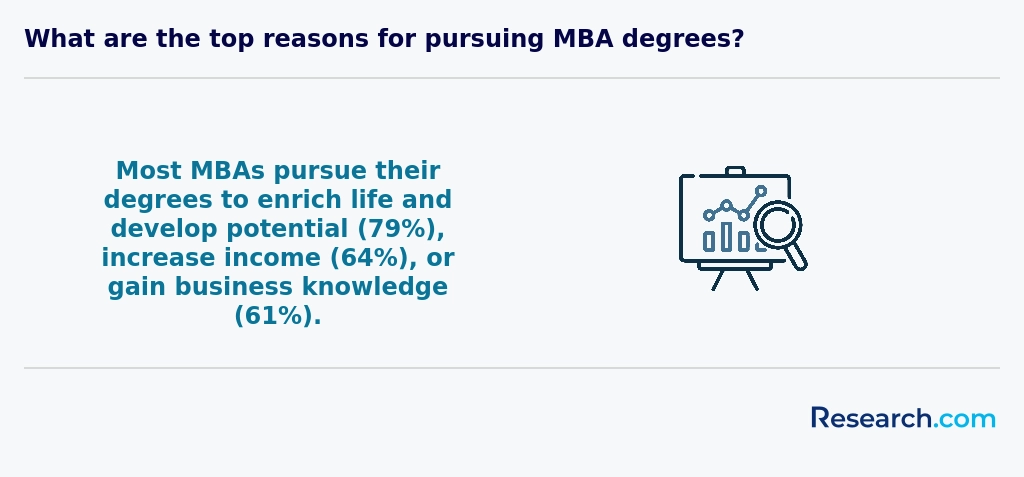
Diving into an MBA in San Francisco means immersing yourself in a dynamic blend of traditional business wisdom and cutting-edge innovation. Graduates from schools like the University of California, Berkeley's Haas School of Business often recall grappling with core courses such as Financial Accounting and Marketing Management, which lay the groundwork for understanding complex corporate ecosystems.
But the adventure doesn't stop there. The city's tech-driven energy invites students to explore electives like Technology Strategy and Management or Entrepreneurship and Venture Capital, connecting classroom theories to the pulse of Silicon Valley startups. Imagine collaborating on a group project where you design a product launch strategy tailored to Bay Area tech trends - these experiences foster a real sense of excitement and purpose.
Leadership classes, focusing on communication and negotiation, often become eye-opening moments for students who realize their potential to inspire and lead diverse teams. This balance of solid foundations and forward-thinking electives truly shapes adaptable, innovative business leaders ready to thrive in San Francisco's vibrant economy.
Exploring mba specializations in san francisco reveals a vibrant array of options designed to match the city's innovative pulse. Graduates from top schools near Silicon Valley often share how specializing in Technology Management immersed them in startup culture, product innovation, and data-driven decision-making, truly preparing them for leadership in tech hubs. At another popular institution, those focused on Finance gained valuable exposure to investment strategies and risk management, benefiting from San Francisco's prominent financial firms and venture capital networks.
Entrepreneurship is a thrilling specialization here, where students tap into local incubators and mentorship programs, fueling ambitions to launch successful startups. Other concentrations like Marketing, Healthcare Management, and Supply Chain stand out for their connection to regional industry demands, offering students hands-on projects that feel immediately relevant and inspiring. Whether you envision a career in tech or finance, these diverse paths make choosing the best mba concentration options san francisco more an adventure than a decision. If budget matters, consider this list of cheapest mba online programs under 10000 per year to explore affordable routes.
Choosing the best MBA degree in San Francisco means diving into a vibrant scene fueled by innovation and opportunity. Graduates from the University of San Francisco's School of Management often share how the program's strong ties to Silicon Valley startups energized their career paths, blending rigorous academics with real-world tech exposure. When weighing your options, focus on the accreditation to ensure a respected credential, and explore how each program's culture aligns with your ambitions.
Cost is a practical adventure to navigate-public universities offer more affordable tuition, which helps balance the city's high living expenses. Part-time or executive MBA formats can transform your studies into a flexible journey that fits a busy lifestyle, a choice many working professionals in San Francisco find thrilling and empowering.
To unearth hidden gems and compare tuition fees, you might want to check the Most Affordable MBA Degree Programs Ranking in District of Columbia, providing insights useful for broadening your perspective on best MBA programs in San Francisco cost.
Strong career support and alumni networks are crucial for jumping into industries like finance, healthcare, and tech. Whether your goal is entrepreneurship or corporate leadership, choosing the right MBA goes beyond numbers-it's about embracing the city's adventurous spirit to shape your future.
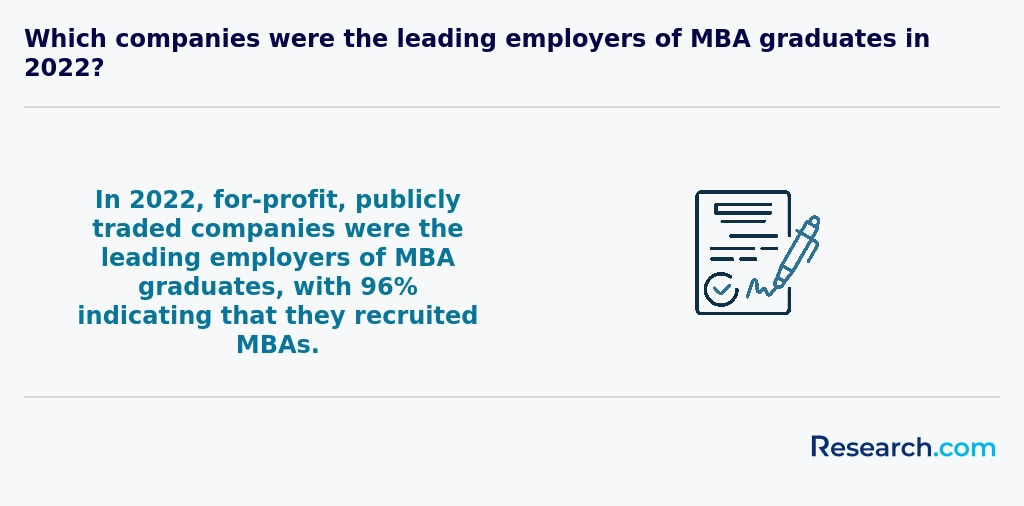
Imagine stepping out of a top San Francisco MBA program, energized by the city's buzz and ready to explore the vast MBA career opportunities in San Francisco. Graduates from renowned universities find themselves drawn to management consulting with firms like McKinsey or Bain, where strategic thinking is rewarded with salaries nearing $200,000. Many others dive into financial services, joining banks or fintech startups that thrive in the city's dynamic market, often earning starting salaries above $140,000. The technology sector beckons with open arms as well-graduates team up at giants like Apple and Salesforce, leading projects that shape the future of innovation and product management.
Beyond traditional paths, the adventurous spirit of San Francisco's startup scene inspires many MBA graduates to launch new ventures or scale emerging businesses, supported by university resources and vibrant networking events. For those curious about planning their studies, it's worth considering what are the most useful college majors to complement the MBA journey, opening doors even wider in this exciting career landscape filled with top MBA jobs San Francisco offers.
The job market for MBA graduates in San Francisco pulses with opportunity, driven by the city's status as a technology and finance epicenter. Graduates from local institutions often find themselves stepping into dynamic roles at companies like Salesforce or financial firms in the Financial District. One graduate describes landing a product management role at a tech giant where creativity meets strategy daily, reflecting the vibrant possibilities available. For those exploring MBA graduate job opportunities San Francisco provides positions where compensation often mirrors the city's high living costs, with starting salaries typically between $125,000 and $140,000.
Walking the halls of renowned business schools in San Francisco, students frequently share excitement about networking with venture capitalists and startup founders, leading to roles offering equity and rapid growth. Many leverage strong leadership skills cultivated during their studies, embracing the city's entrepreneurial spirit. If you're curious about pathways that combine business savvy with innovation, consider exploring an easiest bachelor of science degree as a foundation before diving into an MBA focused on tech or analytics.
San Francisco MBA salary and employment outlook remain bright, especially for those with analytical and strategic talents. Graduates often view their journey here as an adventurous step into a world where business meets bold ideas and boundary-pushing ventures.
2027 Most Popular MBA Degree Programs Ranking in San Francisco
Investing in your education is a significant decision that can shape your future, and the Research.com team understands the importance of making informed choices. To assist prospective students in San Francisco, we have meticulously crafted the "2027 Most Popular MBA Degree Programs Ranking in San Francisco." Our commitment to quality, credibility, and accuracy is reflected in the extensive research and analysis conducted to compile this ranking.
We utilized the following reputable data sources to ensure a comprehensive evaluation of MBA programs:
By exploring this ranking, readers will gain valuable insights into the most popular MBA programs in San Francisco, empowering them to make well-informed decisions about their educational and professional futures. For further details on how this ranking was developed, please visit our Research.com methodology page.


# 3 position
Minerva University
Master of Business Administration

# 4 position
Golden Gate University
Master of Business Administration

Frequently Asked Questions About MBA
MBA students in San Francisco can maximize their learning by engaging deeply with the city's dynamic business ecosystem. The San Francisco Bay Area hosts numerous startups, tech giants, and venture capital firms, offering valuable networking and internship opportunities. According to the Graduate Management Admission Council, hands-on experience complements classroom learning and significantly boosts career prospects.
Students should also leverage local events, such as industry conferences and speaker series hosted by schools like the University of California, Berkeley. Active participation in case competitions and student-led consulting projects provides practical skills beyond theory.
Moreover, collaborating with diverse peers enhances problem-solving and leadership abilities crucial for today's business challenges.
Emerging niches within the MBA field reflect growing industry demands, especially in a dynamic market like San Francisco. Among these, technology management and data analytics have gained significant traction. According to the Graduate Management Admission Council, 40% of MBA programs nationwide now offer specializations in these areas, responding to the tech-driven economy centered in Silicon Valley.
Sustainability and social impact MBA concentrations are also on the rise. Business schools in San Francisco increasingly integrate curriculum addressing environmental, social, and governance (ESG) principles, reflecting broader corporate priorities.
Additionally, healthcare management is an expanding niche due to California's large medical sector. Programs emphasizing health innovation and policy prepare students for leadership roles that bridge business and healthcare.
After completing an MBA degree in San Francisco, preparing for the job market requires strategic planning and leveraging local resources. Graduates should begin by tapping into the robust Silicon Valley network, which is home to numerous startups and tech giants. According to the Graduate Management Admission Council (GMAC), MBA employment rates in the Bay Area hover around 85%, with technology and finance sectors leading.
Building a strong LinkedIn profile and attending career fairs, like those hosted by the Bay Area Council, enhance networking opportunities. San Francisco's proximity to venture capital firms also makes understanding funding trends valuable. Additionally, taking advantage of university career services and alumni connections can provide tailored job leads and interview preparation.
Employers in San Francisco increasingly seek MBA graduates possessing strong analytical and leadership skills. The city's competitive tech and finance sectors prioritize candidates who can interpret complex data to inform strategic decisions. According to a 2023 report by the Graduate Management Admission Council (GMAC), 78% of San Francisco employers value critical thinking and problem-solving abilities in MBA graduates. Communication skills also rank highly, as teams rely on clear collaboration to innovate in fast-paced environments. Additionally, adaptability and digital literacy are crucial, reflecting the city's emphasis on technology-driven business models. These combined skills help MBA graduates stand out in San Francisco's dynamic job market.
Finding internships in San Francisco relevant to an MBA degree involves strategic planning and leveraging local resources. San Francisco hosts numerous Fortune 500 companies and startups in sectors like technology, finance, and biotech, offering diverse internship opportunities for MBA students. According to the Graduate Management Admission Council (GMAC), about 70% of MBA students in the Bay Area secure internships through university career centers.
Utilizing university-affiliated career fairs and alumni networks can significantly increase your chances. Many top San Francisco business schools, such as the University of California, Berkeley's Haas School of Business, maintain strong corporate partnerships. Additionally, online platforms like Handshake and LinkedIn provide localized internship listings to connect MBA candidates with employers focused on management and business development roles within the city.
An MBA degree significantly enhances career mobility and advancement opportunities in San Francisco's competitive job market. According to the Graduate Management Admission Council (GMAC) 2023 report, MBA graduates in the San Francisco Bay Area report a median starting salary increase of over 25% compared to their pre-MBA earnings. This boost reflects the high demand for advanced business skills in the region's technology, finance, and healthcare industries.
Employers in San Francisco often prefer MBA holders for leadership roles and strategic positions, recognizing their analytical and management capabilities. A 2022 LinkedIn Workforce Report highlights that MBA graduates from local schools experience a 15% higher rate of promotion within two years after graduation compared to peers without an MBA.
Moreover, MBA programs in the city provide extensive networking opportunities with major corporations and startups, facilitating career growth. Access to San Francisco's vast professional community allows graduates to pivot industries or ascend within their current field more rapidly.
Studying for an MBA degree in San Francisco equips students with skills essential for interdisciplinary roles by combining core business knowledge with exposure to technology, innovation, and entrepreneurship. San Francisco's position as a global tech hub offers MBA programs access to leading companies and diverse industries, fostering collaboration across sectors.
Many local MBA curriculums integrate data analytics, product management, and sustainability, reflecting cross-functional demands. According to the Graduate Management Admission Council, over 60% of MBA employers in the Bay Area seek candidates with versatile skills applicable beyond traditional business functions.
Students often benefit from internships and networking events with firms in finance, tech, and healthcare, further supporting interdisciplinary learning and real-world problem solving in dynamic environments.
Choosing between a thesis and a non-thesis MBA program in San Francisco depends on your career goals and learning preferences. Thesis programs typically involve in-depth research, suited for students aiming for academic, consulting, or analytical roles. Non-thesis programs focus on coursework and practical skills, appealing to professionals targeting management or entrepreneurial positions.
San Francisco MBA graduates often weigh the time commitment; thesis tracks generally require more months of study and research. According to the Graduate Management Admission Council, about 30% of U.S. MBA students select thesis options, but many San Francisco schools emphasize experiential learning, favoring non-thesis formats.
Consider if you enjoy independent research or prefer applied projects, as well as how your choice aligns with local industry demands in tech and finance sectors.
Students based in San Francisco seeking to study MBA abroad have multiple pathways through US universities offering international study options. Many top business schools, such as Stanford Graduate School of Business and Haas School of Business at UC Berkeley, provide exchange programs or dual-degree partnerships with renowned institutions worldwide.
These programs enable San Francisco students to gain global business exposure while earning credits toward their MBA. According to the Graduate Management Admission Council (GMAC), nearly 35% of MBA candidates from leading US schools participate in international study components.
Additionally, some programs offer specialized tracks focusing on international business, allowing students to combine online coursework with short-term overseas residencies or internships.
These alternatives provide valuable global experience without requiring a full transfer to a foreign university, catering to the flexibility needed by professionals in San Francisco's dynamic market.
San Francisco offers diverse part-time job opportunities that can enhance MBA education through practical experience. Many MBA students pursue roles in finance and consulting sectors, benefiting from the city's strong presence of startups and established tech firms. According to the Graduate Management Admission Council, 35% of MBA students in major U.S. cities take internships or part-time jobs related to consulting or finance.
Additionally, positions in marketing, business analytics, and product management align well with MBA curricula. Working part-time in these fields helps students apply classroom knowledge to real business challenges. The city's vibrant entrepreneurial ecosystem also provides roles in venture capital and business development, ideal for networking and skill-building.
San Francisco offers robust networking opportunities for MBA students due to its thriving business ecosystem. The city hosts numerous events, conferences, and workshops where students can connect with leaders from tech, finance, and startups. According to the Graduate Management Admission Council, around 70% of MBA students in major US cities report increased access to industry contacts during their studies.
Top local business schools also provide access to alumni networks with connections to Silicon Valley companies. Many programs partner with firms for internships and consulting projects, enabling practical relationship-building. Additionally, professional organizations such as the San Francisco Bay Area MBA Association facilitate regular meetups and speaker series for students to expand their networks.
Alumni networks play a crucial role for MBA students in San Francisco by offering access to a diverse community of over 20,000 graduates from local schools such as the University of California, Berkeley Haas School of Business. These networks provide valuable opportunities for mentorship, internships, and job placements within the city's thriving finance and tech industries.
Participation in alumni events fosters professional relationships that often lead to leadership roles and entrepreneurial ventures. According to data from the Graduate Management Admission Council (GMAC), 85% of MBA alumni in San Francisco report that their network directly influenced career advancement.
Furthermore, alumni networks facilitate introductions to key industry players, enhancing students' chances of securing competitive positions in companies headquartered in the Bay Area.
Customizing an MBA degree program in San Francisco allows students to align their education with specific career goals. Most local business schools offer various concentrations such as technology management, entrepreneurship, and finance, which reflect the city's strong tech and startup presence. According to the Graduate Management Admission Council, about 70% of MBA students in the Bay Area choose electives tailored to their career interests.
Students can also opt for part-time or executive MBA formats, balancing work experience with studies. Internship opportunities and networking events with San Francisco's top companies enhance practical learning. Additionally, many programs provide capstone projects or consulting assignments that address real business challenges, which help build relevant skills.
MBA students in San Francisco often face high living costs, which significantly impact their budgets. According to the U.S. Bureau of Labor Statistics, the Bay Area ranks among the most expensive metropolitan areas in the country. This financial pressure can affect students' ability to focus solely on their studies.
Additionally, balancing demanding coursework with networking and internship opportunities in a competitive tech-driven market is a challenge. Many students find it difficult to leverage Silicon Valley connections while managing academic obligations.
Finally, the diverse student body and rapidly changing business landscape require adaptability and cultural competence, which can be demanding for those unprepared for such environments.
With an MBA degree, professionals in San Francisco can pursue several respected certifications to enhance their careers. Popular options include the Project Management Professional (PMP) certification, valued across industries for leadership in managing complex projects. Another is the Certified Management Accountant (CMA), which emphasizes financial management and strategic planning.
The Chartered Financial Analyst (CFA) credential is also sought after by MBA graduates interested in investment and asset management roles. Additionally, many pursue the Certified Business Analysis Professional (CBAP) certification, which focuses on business analytics and requirements management.
Local data from the Graduate Management Admission Council highlights that about 32% of MBA graduates in California aim for such certifications to improve their job prospects.
To write a winning application for an MBA program in San Francisco, start by thoroughly researching each school's unique curriculum and values. Tailor your essays to highlight how your goals align with their offerings. Strong applications clearly demonstrate leadership experience and community engagement, which are highly valued by institutions like the University of San Francisco and Golden Gate University. Include quantifiable achievements and reflect on challenges to showcase resilience. According to Poets&Quants, programs in San Francisco often look for candidates with a blend of technical skills and soft skills due to the city's tech-driven economy. Lastly, secure compelling recommendations that emphasize your potential for growth and collaboration.
The global perspective on an MBA career highlights its value in fostering leadership and strategic thinking skills that are recognized worldwide. For students in San Francisco, pursuing an MBA connects them to a dynamic, tech-driven economy and offers access to international business networks. According to the Graduate Management Admission Council (GMAC), 89% of MBA graduates from U.S. programs report improved career opportunities globally.
San Francisco's MBA graduates benefit from strong ties to Silicon Valley, attracting multinational companies seeking talent with global business acumen. The diversity of industries in the region expands career options in finance, technology, and entrepreneurship.
Salary prospects remain competitive; the U.S. MBA average starting salary exceeds $115,000 annually, according to 2023 data from the U.S. Bureau of Labor Statistics. This reflects the degree's international prestige and practical value in navigating complex global markets.
Gaining practical experience while pursuing an MBA in San Francisco is highly encouraged by many local programs. Students often engage in internships, consulting projects, or part-time roles with startups and established companies in the region's vibrant tech and financial sectors.
Many San Francisco MBA programs offer structured experiential learning opportunities, such as live case studies and corporate partnerships. For example, the Graduate Management Admission Council highlights that hands-on projects can improve employment outcomes for MBA students.
Additionally, networking events and local business incubators provide valuable connections for gaining real-world experience alongside academic studies.
According to the Graduate Management Admission Council, 65% of MBA students in California secure internships during their program, reflecting the state's strong industry ties.
Choosing the right concentration within an MBA program in San Francisco requires careful consideration of both personal interests and local market demands. Popular concentrations include technology management, entrepreneurship, and finance, reflecting the city's strong tech and startup ecosystem. According to the Graduate Management Admission Council (GMAC), nearly 40% of MBA candidates in Bay Area schools prioritize tech-related specializations.
Assess your career goals and research which industries are thriving locally. San Francisco's proximity to Silicon Valley makes tech and innovation-focused programs particularly valuable. Networking opportunities and internship availability within these sectors can also influence your decision.
Finally, review the curriculum, faculty expertise, and alumni outcomes for each concentration to ensure alignment with your professional objectives.
- 2027 Most Popular MBA Degree Programs Ranking in Fresno
- 2027 Most Popular MBA Degree Programs Ranking in Pasadena
- 2027 Most Popular MBA Degree Programs Ranking in Los Angeles
- 2027 Most Popular MBA Degree Programs Ranking in Fullerton
- 2027 Most Popular MBA Degree Programs Ranking in Irvine
- 2027 Most Popular MBA Degree Programs Ranking in Eugene
- 2027 Most Popular MBA Degree Programs Ranking in Riverside
- 2027 Most Popular MBA Degree Programs Ranking in San Diego
- 2027 Most Popular MBA Degree Programs Ranking in Salem
- 2027 Most Popular MBA Degree Programs Ranking in Portland
- How To Write An MBA Admissions Essay That Stands Out? https://www.personalmbacoach.com/mba-essay-guiding-principles/
- 10 Highest-Paying MBA Specializations in 2026 (With Salary Data) - Paris School of Management (PSM) https://www.psm-paris.fr/en/10-highest-paying-mba-specializations-in-2026/
- 6 Tips to Make the Most of Your MBA Experience https://mbaschooled.com/2020/01/14/6-tips-to-make-the-most-of-your-mba-experience/
- Verifying that you are not a robot... https://krea.edu.in/ifmrgsb/top-5-emerging-career-paths-for-mba-graduates/
- MBA Career Outlook from a Global Perspective Margaret Buj https://interview-coach.co.uk/mba-career-outlook-from-a-global-perspective/
- MBA studies https://moderna.edu.pl/majors/management/master-of-management/mba-management-masters-degree/
- Skills Employers Look for in Business Graduates – EU Business School https://www.euruni.edu/blog/skills-employers-look-for-in-business-graduates/
- Top MBA programs with the best alumni networks in the world - MBA Crystal Ball https://www.mbacrystalball.com/blog/2025/07/07/top-mba-programs-with-the-best-alumni-network-in-the-world/
- How to Choose the Best MBA Program for Your Career Goals https://www.clearadmit.com/2025/05/how-to-choose-the-best-mba-program-for-your-career-goals/
- Lessons learned: one year into pursuing an MBA while balancing full-time work - Franz Vitulli https://franzvitulli.com/mba-work/





