
2027 Most Affordable MBA Degree Programs Ranking in Savannah

Co-Founder and Chief Data Scientist
Considering an MBA degree in Savannah? Choosing the right program can shape your future career and open doors to new opportunities. The 2027 Most Affordable MBA Degree Programs Ranking in Savannah offers carefully researched data to guide your decision.
This ranking, created by the Research.com team of data scientists, highlights cost-effective options without sacrificing quality. Reading this article will help you identify programs that balance affordability and value, so you can invest wisely in your education.
Taking the step toward an MBA is exciting, empowering, and a smart move for long-term success.
Key benefits of getting MBA degree in Savannah
- While specific salary data for MBA graduates in Savannah is unavailable, MBA holders in the US typically enjoy strong earning potential, with average salaries often exceeding $80,000 annually in management roles.
- Graduates from popular Savannah schools often pursue diverse career paths, including finance, marketing, and operations management, offering exciting opportunities to grow and lead in various industries.
- Obtaining an MBA online in Savannah allows flexibility to balance work and study, often accelerating career advancement without sacrificing income or personal commitments.
- 2027 Most Affordable MBA Degree Programs Ranking in Savannah
- What can I expect from MBA degree in Savannah?
- Where can I work with MBA degree in Savannah?
What can I expect from MBA degree in Savannah?
Paying for an MBA in Savannah feels like an investment that won't break the bank. Graduates from Georgia Southern University's Armstrong Campus often describe their tuition-hovering between $9,000 and $15,000 a year-as a smart trade-off for quality education paired with career agility. Imagine juggling a full-time job while chipping away at an MBA curriculum that's designed *just for you*, whether through part-time classes or online modules.
A recent graduate shared how the manageable in-state tuition allowed them to dive into hands-on projects with Savannah-based companies without the crushing weight of massive debt. This blend of affordable costs and real-world opportunities creates a vibrant learning atmosphere, fueling enthusiasm and confidence.
At Savannah State University, students often find that this financial accessibility aligns perfectly with the city's welcoming vibe, making the dream of earning an MBA both tangible and energizing. The cost doesn't just pay for classes-it opens doors in a thriving regional economy.
Where can I work with MBA degree in Savannah?
Graduates with an MBA from Savannah's top schools often find themselves stepping into the vibrant pulse of the city's bustling industries. Picture a fresh graduate from a local university confidently navigating the sprawling Port of Savannah as a logistics coordinator, where every container moved means a puzzle solved and a supply chain mastered. Others leap into healthcare administration at Memorial Health University Medical Center, transforming patient services with sharp financial insights obtained during their studies.
Imagine alumni walking the corridors of regional banks, wielding analytical skills to reshape lending strategies or driving risk management with a blend of savvy and leadership honed in Savannah classrooms. Meanwhile, the tourism and hospitality managers emerging from these programs craft memorable experiences, blending business strategy with local charm-turning Savannah's historic streets into thriving economic stories.
Some graduates dive into manufacturing, orchestrating production planning that fuels growth and innovation, while savoring the satisfaction of tangible results springing from their MBA's real-world strategies. An MBA in Savannah is less a degree and more a passport to dynamic, diverse career landscapes alive with opportunity.
Thinking about how much you can rake in with an MBA in Savannah? Imagine a fresh graduate from one of Savannah's top schools stepping into a business analyst role with a starting salary hovering around $65,000. It's real money, enough to cover your first downtown apartment and weekend adventures along River Street.
Fast forward a few years, and some alumni are cruising past the six-figure mark, especially those who dive into management or finance gigs. Local financial managers clock median earnings near $115,000 annually-a solid return for the sweat and late nights during those MBA projects at Savannah State University or Savannah College of Art and Design.
Though the city's cost of living keeps things affordable, this doesn't mean MBA paychecks are modest. The local industries-finance, healthcare admin, and logistics-are hungry for savvy leaders, making those salaries climb steadily with experience. Picture your neighbor, once a marketing coordinator fresh out of school, now steering major projects at a Savannah-based firm, well on their way to a rewarding career.
Even consulting and tech management roles, popular with MBA grads here, lean toward the higher end of the salary spectrum, fueling dreams of both professional growth and a vibrant Savannah lifestyle.
- MBA tuition in Savannah ranges from $20,000 to $40,000, with public universities offering lower costs compared to private institutions.
- Average starting salaries for MBA graduates are between $65,000 and $75,000 annually, increasing to $90,000-$110,000 for mid-career professionals.
- Key industries hiring MBA graduates include shipping and logistics, healthcare administration, technology, finance, and consulting.
- MBA programs often provide flexible schedules with part-time and online options for working professionals.
- Accreditation by organizations like AACSB ensures program quality and is important for employer recognition in Savannah.
In Savannah, completing an MBA feels like navigating a personalized adventure-full-time students at Savannah State University often sail through roughly two years of coursework, syncing their lives with the traditional academic rhythm. One graduate fondly recalls juggling late-night case studies and weekend networking events, energized by the clear timeline pressing forward. Meanwhile, accelerated programs transform the journey into a sprint-imagine diving into intense semesters with summer lessons woven in, shaving months off the typical path and graduating within 12 to 18 months. For those balancing careers and families, part-time tracks stretch the experience into a flexible three-year dance, offering grace to life's unpredictable beats.
Pick your tempo knowing that each pathway-full-time, part-time, accelerated-molds how quickly you emerge with your MBA. Nearby University of Georgia campuses add another layer, inviting Savannah students to weave extended study schedules that fit their unique rhythms. This dance between duration and daily life makes every MBA timeline in Savannah a story worth living.
Understanding the dynamic intersection between advanced business education and evolving industry demands can be pivotal for prospective MBA students. In today’s rapidly shifting market, experts emphasize that successful MBA programs not only deliver robust academic foundations but also prepare students to navigate emerging trends such as digital transformation, sustainable business practices, and global market integration. Industry leaders and academic professionals are increasingly integrating topics like data-driven decision-making, remote collaboration, and innovative leadership into their curricula, ensuring that graduates are well-equipped for modern challenges. For instance, as the remote learning landscape continues to expand, many institutions are refining their online MBA offerings to provide the same rigorous academic standards through flexible, technologically advanced platforms. This increased focus on adaptability is reflected in resources like the list of most affordable mba online programs under 10000 per year, which helps prospective students compare cost-effective pathways without sacrificing quality. By staying informed about these emerging trends and expert recommendations, MBA candidates can make a well-rounded decision that not only meets their immediate educational needs but also positions them for long-term career success in a competitive global market.
Imagine diving into your MBA while sipping coffee at a Savannah café, logging into your online classes from the comfort of your own home-this is the reality for many online MBA students tackling programs from schools like Georgia Southern University. The freedom to shape your own schedule fuels a powerful sense of control and focus, especially for working professionals juggling careers and family life.
Contrast that with the on-campus MBA experience at institutions like Savannah State University, where hallway conversations spark unexpected ideas and late-night study sessions build lasting friendships. Graduates often recall how walking onto campus each day immersed them in a vibrant, collaborative energy, with immediate access to mentors and business clubs.
While tuition fees in Savannah hover similarly for both options, on-campus students add commuting adventures or cozy campus housing to their journey. Online learners save those dollars, investing instead in discipline and self-motivation-skills that reward their independence every step of the way in the city's evolving business scene.
Investing in an MBA is as much about future earnings as it is about education quality. In Savannah, GA, the average MBA graduate sees a salary increase of 30–40% within three years of graduation, translating to an estimated payback period of 2–4 years based on program cost and living expenses. When factoring in tuition (ranging from $13,800 at public universities to $120,000 at private institutions) and additional fees, most students recoup their investment through higher starting salaries-typically $70,000 to $100,000-and accelerated career advancement. Comparing regional affordability and outcomes can further refine your decision. For example, if you’re evaluating ROI in other parts of the country, exploring the Most Affordable MBA Degree Programs Ranking in the Midwest reveals similar salary growth patterns with lower average tuition, resulting in an even shorter breakeven point for midwestern programs. When assessing ROI, consider:
- Total program cost versus salary uplift
- Duration until salary growth covers tuition and opportunity costs
- Long-term earning potential beyond the first job post-MBA By quantifying these factors, prospective students can choose the MBA path that delivers the strongest financial and professional returns.
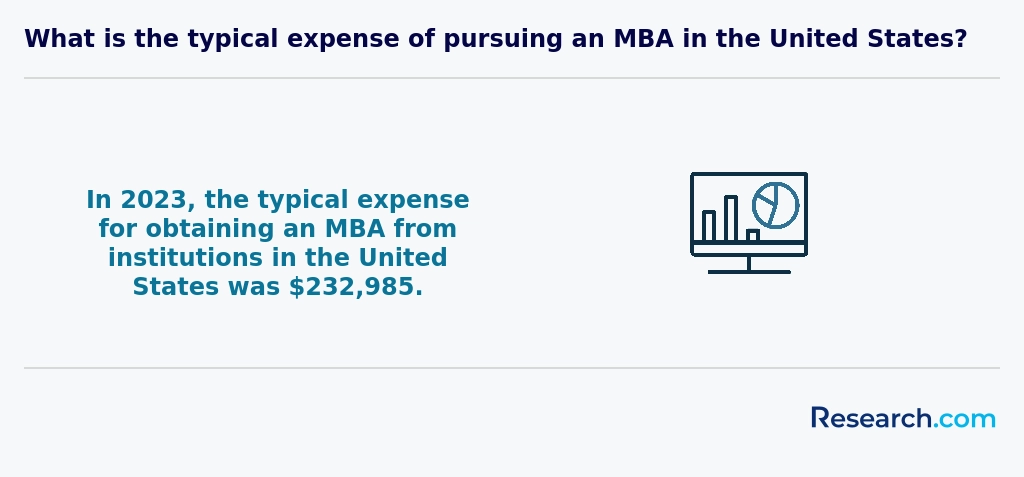
The average cost of an MBA degree in Savannah sits comfortably around $28,124, weaving together the varied experiences of local students chasing their business aspirations. For those who live and study in-state, the journey feels more accessible at approximately $18,145, making programs like those at Georgia Southern University a favorite for many. Graduates often reflect on how this blend of affordability and quality shaped their confidence and opened doors in the professional world.
Imagine balancing classes and career ambitions in a vibrant city where an affordable MBA tuition fees Savannah makes sense not just on paper but in daily life. Part-time or online options at private institutions-where tuition can reach $60,000-offer flexible paths that help students stretch their dollars by continuing to earn while they learn. These choices mean less pressure from living expenses, which can include everything from textbooks to health insurance, turning costly commitments into viable, exciting challenges.
Many MBA hopefuls also discover the hidden value of Savannah's educational landscape through financial aid and scholarships. Nearly 80% of students tap into assistance programs, calming worries about tuition and aiding in turning bold dreams into real achievements. If you want to explore related requirements around the region, check out South Carolina accounting school requirements to see how neighboring states configure degree costs and options that might influence your choices.
Imagine starting your MBA journey at one of Savannah's well-regarded schools, like the University of West Georgia's Savannah campus or Georgia Southern's Armstrong Campus, with a financial safety net woven from diverse aid threads. Federal aid kicks off this tapestry-submitting your FAFSA unlocks low-interest Direct Unsubsidized and Grad PLUS Loans, easing concerns about looming tuition bills. One graduate fondly recalls how these loans kept stress at bay during crunch time.
Merit-based scholarships sparkle next, awarded for achievements and potential, sometimes covering significant chunks of tuition. Savvy students often find these gems by connecting directly with the financial aid office, turning hopeful applications into tangible savings.
Working professionals in Savannah harness employer tuition assistance like a secret weapon. Over 60% of MBA candidates juggle jobs alongside studies, turning workplace benefits into tuition paychecks that transform balancing acts into celebrations.
Finally, local flavors enrich the financial aid menu-state loans, repayment aid, and community scholarships provide vital boosts. Many graduates share how tapping into these programs felt like discovering hidden treasure tailored especially for Savannah's ambitious MBA explorers.
As the business landscape evolves at breakneck speed, MBA programs in Savannah, GA are increasingly incorporating digital transformation, sustainability, and data-driven decision-making into their curricula. One notable trend is the integration of artificial intelligence and machine learning modules, equipping students with the skills to leverage predictive analytics in strategic planning. Sustainability and ethical leadership courses are also on the rise, reflecting corporate demand for responsible business practices. Blended learning formats continue to gain traction, with hybrid programs combining online lectures, in-person workshops, and immersive global residencies to foster both flexibility and networking. Micro-credentials and stackable certificates-such as digital marketing or fintech micro-courses-allow candidates to tailor their skill set to emerging market needs without committing to a full extra semester. Moreover, cohort-based learning circles and mentorship networks are strengthening alumni engagement, creating lifelong professional connections that translate into faster career advancement. For students exploring cost-effective alternatives beyond Savannah’s offerings, the Most Affordable MBA Degree Programs Ranking in the Midwest provides a comprehensive comparison of emerging trends and affordability metrics. Continuous feedback loops-via peer reviews, capstone presentations, and real-world consulting projects-ensure graduates remain adaptable to shifting industry demands, positioning them for leadership roles in an increasingly digital and sustainable economy.
Picture yourself walking the charming campus paths of Mercer University or Savannah State, clutching a bachelor's degree earned after years of sweat and late nights. That degree, from an accredited institution, is your golden ticket into Savannah's MBA realm. But it's more than just paper-schools here want proof you can handle the intellectual marathon: many ask for GMAT or GRE scores. Imagine the relief of one graduate who, after five years steering teams in local startups, saw their GMAT requirement waived because real-world chops often outshine test results.
Work experience is the secret spice that flavors MBA classes around Savannah. Think of classmates sharing leadership tales from hospitality ventures or regional banks, turning theory into lively debate that resonates beyond textbooks. Letters of recommendation from mentors or bosses and a heartfelt personal essay further reveal who you are-your ambitions, your dreams weaving into the city's vibrant business tapestry.
The best part? Tuition here keeps dreams affordable, unlike pricier metro areas, making Savannah an inviting gateway for your MBA adventure.

To make an informed decision about pursuing an MBA in Savannah, GA, it's essential to consider various factors, including program accreditation, curriculum, faculty credentials, cost, and financial aid. For instance, exploring affordable mba schools in georgia can provide valuable insights into programs that balance quality education with affordability. By examining these aspects, prospective students can identify a program that aligns with their career goals, financial situation, and personal preferences, ultimately leading to a successful and fulfilling MBA experience.
In Savannah's MBA programs, a vibrant tapestry of courses awaits, expertly weaving together the essentials of business life. Imagine sitting in a University of Savannah classroom, diving into Financial Accounting with real company balance sheets or deciphering Consumer Behavior in lively marketing debates that echo through the halls.
Graduates often recall how Corporate Finance wasn't just theory-it was a hands-on challenge navigating budgets for local startups in group projects, while Organizational Behavior classes revealed the human heartbeat behind every business decision. Operations Management sessions equate to orchestrating a smooth supply chain, a skill sharpened with case studies grounded in Savannah's bustling port economy.
Students delight in courses like Business Strategy, where competitive analysis simulates boardroom battles, alongside the data-driven pulse of Analytics and Decision Making. The thrill of crafting ethical leadership and embracing global perspectives in electives brings a personalized edge, transforming Savannah's classrooms into incubators of innovative, responsible future leaders ready to shape industries.
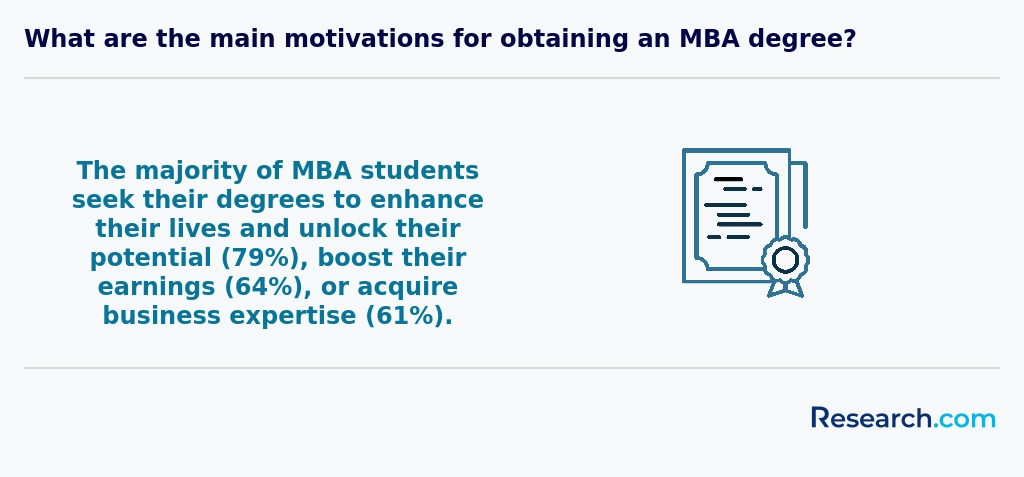
Finance, marketing, healthcare management, technology management, and supply chain operations are the vibrant threads weaving through MBA specializations in Savannah. Imagine graduates from popular colleges here, energized by real-world projects where they map out investment strategies one day and unravel the complexities of port logistics the next. These specializations in Savannah don't just sit in textbooks-they pulse with the city's economic rhythms.
For students diving into business degree concentrations Savannah offers, the journey often includes customizing dual tracks-merging entrepreneurship with finance or blending marketing savvy with healthcare insights. One graduate recalls triumphing in a digital marketing campaign for a local startup, feeling the thrill of turning classroom theory into tangible success amid Savannah's dynamic service industry.
The true charm lies in the hands-on experiences fostered by these programs, including networking with local businesses and tapping into internships that open doors to Savannah's vibrant sectors. Curious students can explore cop schools with scholarships to find programs that match their ambition and budget.
Imagine stepping into a bustling Savannah classroom where a graduate, juggling evening classes with a full-time job, praises the flexible schedules offered by popular colleges here. To choose the best MBA degree in Savannah, seek programs that not only boast accreditation but also echo your lifestyle's rhythm-whether that's weekend courses or part-time paths. Many find value in the best affordable MBA programs in Savannah, where tuition fits real-world budgets without sacrificing quality.
Picture another graduate excited about a concentration in supply chain management, tailor-made by the university's curriculum to align with Savannah's thriving port industry. This customized learning transforms abstract theory into tangible skills. When you explore possibilities, think about post-degree business career development and hands-on connections to local employers that make your next job feel like destiny rather than a shot in the dark.
Real stories of career counseling at Savannah institutions reveal how alumni networks become communities, opening doors in ways rankings alone can't describe. In your search for top accredited MBA degrees Savannah promises, let authenticity and practical support guide your choice as much as prestige.
Graduates from Savannah's prominent institutions, like Georgia Southern University, dive into vibrant business management jobs in Savannah with MBA credentials that unlock doors across industries. Imagine steering the complex supply chain at the bustling port-each decision rippling through global trade-or driving innovation in healthcare leadership at local hospitals, where strategic vision turns challenges into triumphs. Some alumni launch startups fueled by creative MBA-built strategies, weaving local culture with bold entrepreneurship.
Beyond these traditional tracks, savvy MBAs tap into growing sectors by leveraging skills honed in classrooms and internships right here in Savannah. They become sought-after financial consultants in the city's trusted banks or consultants exploring paths beyond typical routes, even evolving into roles akin to a doctorate in accounting within specialized finance careers. The dynamic Savannah economy offers fertile ground for these adventures, igniting ambition and rewarding quick-thinking graduates eager to chase impact and growth.
For those sculpting their future, Every corridor from project management hubs to entrepreneurial enclaves pulses with opportunity, proving that an MBA in Savannah fuels not just a job, but a compelling journey of transformation.

In Savannah, the MBA job market outlook pulses with opportunity, especially for graduates from well-regarded local universities. Imagine walking the halls of a Savannah business school, where classmates transform theoretical frameworks into impactful logistics solutions at the nearby port. The city's diversified economy-spanning manufacturing, financial services, tourism, and logistics-welcomes MBA holders who combine strategic thinking with hands-on leadership.
Many MBA graduates find themselves steering careers in business development, sales management, or marketing within well-established industries here. One graduate shared how an internship through partnerships with the Georgia Ports Authority became the launchpad for a thriving career in supply chain management. Such real-world connections within Savannah make career opportunities with MBA in Savannah feel within reach.
Tuition remains affordable, too, with options like affordable mba schools in georgia enriching the experience without heavy debt. The result? Competitive salaries, practical expertise, and a vibrant professional network rooted firmly in Savannah's unique economic landscape.
2027 Most Affordable MBA Degree Programs Ranking in Savannah
Investing in your education is a significant decision that can shape your future, and the Research.com team understands the importance of making informed choices. To assist prospective students in Savannah, we have carefully developed the "2027 Most Affordable MBA Degree Programs Ranking in Savannah." Our dedication to quality, credibility, and accuracy is demonstrated through thorough research and detailed analysis in constructing this ranking.
We utilized the following reputable data sources to ensure a comprehensive evaluation of MBA programs:
By examining this ranking, readers will gain valuable insights into affordable MBA options in Savannah, empowering them to make informed decisions about their education and career pathways. For more information on how this ranking was created, please visit our Research.com methodology page.
# 1 position
South University-Savannah
Master of Business Administration

# 2 position
South University-Savannah Online
Master of Business Administration

Frequently Asked Questions About MBA
Students pursuing an MBA degree in Savannah can maximize their learning by actively engaging with local business communities. Savannah hosts several networking events and industry conferences, which provide practical insights beyond classroom theory. Joining student organizations or clubs related to business also enhances collaboration skills and leadership experience.
Utilizing internships offered through Savannah State University or Armstrong State University helps students apply academic concepts in real workplaces. According to the U.S. Department of Education, MBA students with internship experience have a 20% higher employment rate within six months of graduation.
Additionally, taking advantage of Savannah's growing sectors-such as logistics and tourism-can offer specialized knowledge relevant to the regional economy.
The MBA field in Savannah is evolving with several emerging niches gaining popularity. One notable area is healthcare management, reflecting Savannah's growth in medical facilities and related industries. Programs in this niche prepare students to manage complex healthcare organizations efficiently.
Technology management is another expanding niche. With Savannah's increasing focus on logistics and port technology, MBA candidates who specialize in IT and supply chain technology are in demand. Specialized offerings often include courses on data analytics and cybersecurity.
Additionally, sustainable business is becoming significant within Savannah's MBA programs. This aligns with wider environmental concerns and local business interests in sustainable development. Students trained in this area learn to integrate eco-friendly strategies into business models.
After completing an MBA degree in Savannah, preparing for the job market involves several strategic steps. First, graduates should leverage the strong local business networks, including connections facilitated by institutions such as the Georgia Southern University College of Business. Networking events and career fairs are crucial for meeting potential employers.
Second, tailoring resumes and LinkedIn profiles to highlight practical skills gained, such as leadership, finance, and marketing, is important. Savannah's growing industries, including logistics, tourism, and manufacturing, offer diverse opportunities, so understanding local market demands helps in targeting applications effectively.
Internships and part-time roles during the program also enhance employability. According to the U.S. Bureau of Labor Statistics, MBA graduates typically see a 10-15% wage increase by engaging in relevant work experiences before graduation.
Lastly, utilizing university career services for interview preparation and job placement can provide a competitive edge in Savannah's job market.
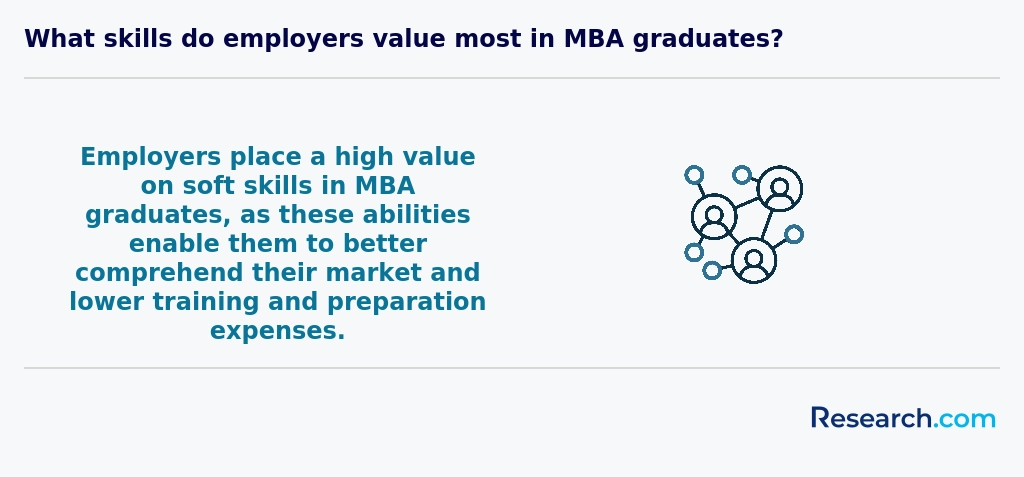
Employers in Savannah prioritize several core skills when hiring MBA graduates. According to data from the Bureau of Labor Statistics and local employment reports, leadership and strategic thinking remain critical. Business leaders seek graduates who can manage teams effectively and make data-driven decisions.
Analytical skills are essential, especially in finance, marketing, and operations roles. Proficiency in digital tools and technologies, such as Excel, Tableau, and CRM software, is increasingly demanded, reflecting trends in Savannah's growing tech and service sectors.
Communication skills-both written and verbal-are highly valued to facilitate cross-functional collaboration. Additionally, adaptability and problem-solving skills are vital given the dynamic nature of Savannah's business environment.
Finding internships in Savannah relevant to an MBA degree involves leveraging both local business connections and university resources. Savannah is home to a growing business community, including finance, logistics, and tourism sectors, which often seek MBA interns. Students should explore opportunities through on-campus career centers at institutions like Savannah State University or the University of South Carolina Beaufort. These centers typically have partnerships with local companies and provide job fairs, resume workshops, and internship listings tailored for MBA students.
Utilizing online platforms such as Handshake and LinkedIn, filtered by Savannah location, can also help identify available internships.
Networking through local chapters of professional organizations like the Savannah Chamber of Commerce or the Association for MBAs enhances access to internship leads and mentorships relevant to business fields.
In Savannah, obtaining an MBA degree significantly enhances career mobility and advancement opportunities. According to data from the Georgia Department of Labor, MBA graduates in the Savannah metropolitan area experience a 15% higher median salary compared to those with only a bachelor's degree in business fields. The city's growing sectors, such as logistics, finance, and hospitality management, increasingly seek MBA holders for leadership roles.
Employers value the strategic thinking and management skills developed through MBA programs. Many candidates find that an MBA opens doors to upper management positions and executive roles more quickly than experience alone.
Additionally, local networking opportunities through Savannah's business schools and alumni associations provide crucial connections that support career growth. This combination of enhanced skills and professional networks makes an MBA a valuable asset for career advancement in Savannah's competitive job market.
Studying for an MBA degree in Savannah equips students with skills essential for interdisciplinary roles by combining business fundamentals with practical applications across various industries. Programs often integrate coursework in finance, marketing, operations, and leadership, helping students develop a holistic understanding of organizational functions.
Local institutions emphasize real-world problem solving, encouraging collaboration with sectors like logistics, technology, and tourism, which are prominent in Savannah's economy. According to the Georgia Department of Economic Development, these cross-industry interactions enhance adaptability, critical for managerial roles that demand coordination across departments.
This approach prepares graduates to navigate complex challenges, promoting strategic thinking and communication skills valued in diverse professional settings.
When deciding between a thesis and a non-thesis MBA program in Savannah, consider your career goals and learning style. Thesis programs often appeal to students interested in research or academic careers, requiring the completion of a significant research project. Non-thesis programs usually focus on coursework and practical skills, taking less time to finish.
According to recent data from the U.S. Department of Education, Savannah's MBA programs offering thesis options may take up to two years, while non-thesis tracks can often be completed in 12 to 18 months. Employers in Savannah's business sectors often value practical experience, which non-thesis programs emphasize.
Cost differences should also be considered. Thesis programs might involve additional fees for research resources, while non-thesis programs typically have more flexible schedules for working professionals.
Students based in Savannah interested in studying for an MBA abroad have several practical pathways within the US higher education system. Many universities offer exchange programs or dual-degree options that allow Savannah students to spend a semester or more at partner universities overseas. According to the Institute of International Education, about 8% of MBA candidates participate in such programs annually.
Additionally, Savannah students can enroll in international MBA programs that offer study components abroad, often blending online coursework with short residencies in global business hubs. Local institutions such as the University of Georgia provide support and resources to connect students with these opportunities.
Tuition costs and visa requirements vary, so consulting university international offices early is advisable for planning purposes.
In Savannah, part-time job opportunities that complement an MBA degree often arise within the city's vibrant business and port sectors. Roles such as business analyst intern, marketing assistant, or financial services associate provide practical experience aligned with MBA coursework. According to the Savannah Economic Development Authority, companies in logistics and finance frequently seek MBA students for project-based work and internships.
Moreover, Savannah's growing tech startups offer part-time positions in data analysis and product management, which reinforce strategic decision-making skills. Local universities sometimes partner with businesses to provide consulting roles for MBA candidates, adding valuable real-world exposure. These part-time opportunities enable students to apply classroom theory while networking within Savannah's professional community.
Networking opportunities for MBA students in Savannah are robust, thanks to the city's growing business environment and access to regional professional groups. Savannah's universities, such as Savannah State University and the University of South Carolina Beaufort, often host events that connect MBA candidates with local industry leaders. These occasions include guest lectures, career fairs, and business competitions.
Additionally, Savannah Chamber of Commerce and organizations like the Savannah Area Business Networking Group provide platforms for MBA students to build relationships beyond campus. According to the Georgia Department of Economic Development, Savannah hosts over 30 networking events monthly, benefiting business students. Such connections are crucial for internships and job placements post-graduation.
Alumni networks play a crucial role in supporting MBA students in Savannah by providing valuable connections within the local business community. Graduates from Savannah's MBA programs often gain access to these established networks, which can enhance career opportunities through mentorship and job referrals.
According to the Georgia Chamber of Commerce, strong professional ties in Savannah's economic sectors, such as logistics and finance, help MBA alumni stay competitive. Networking events hosted by universities also facilitate relationship-building, often leading to internships or leadership roles.
Additionally, alumni networks can offer support for entrepreneurship, as many Savannah MBA graduates launch local startups. This collaborative environment encourages knowledge sharing and access to regional resources, maximizing students' career growth potential.
Customizing an MBA degree program in Savannah allows students to align their education with specific career goals. Many local colleges offer concentrations such as finance, marketing, and healthcare management, enabling tailored skill development. Savannah State University, for example, provides flexible scheduling options including evening and online courses, ideal for working professionals.
Students can also select elective courses based on industries prominent in Savannah, like logistics or tourism. Internship opportunities with local businesses further personalize learning experiences while building professional networks. The average MBA cohort size in Savannah tends to be small, promoting personalized academic advising and mentorship. According to the Graduate Management Admission Council, 65% of Savannah MBA students customize their programs to enhance career readiness.
MBA students in Savannah often face challenges related to balancing rigorous coursework with work and personal commitments. Many programs attract professionals who continue working full time, making time management a critical issue. According to the Graduate Management Admission Council, about 85% of MBA candidates nationally juggle job responsibilities during their studies, a trend reflected in Savannah's local programs.
Additionally, the financial burden can be significant. Although some local schools offer competitive tuition rates, students must budget for living expenses and study materials. Networking opportunities, vital in business education, may also be limited compared to larger metropolitan areas, affecting career growth and internship access.
With an MBA degree in Savannah, graduates can pursue various professional certifications to enhance their careers. Common certifications include the Project Management Professional (PMP), which is highly valued in many industries. The Certified Management Accountant (CMA) is another popular choice, especially for those interested in finance and accounting roles.
The Chartered Financial Analyst (CFA) designation is suitable for MBA holders focused on investment management. For professionals aiming at human resources, the Senior Professional in Human Resources (SPHR) certification is beneficial.
These certifications complement an MBA by providing specialized skills and can lead to higher salaries or leadership positions. According to the Graduate Management Admission Council (GMAC), about 35% of MBA graduates seek certifications to boost their professional profile.
Writing a winning application for an MBA program in Savannah requires careful preparation, focusing on both academic and professional achievements. Start by researching the specific requirements of local programs like those at Armstrong State University or Savannah State University. Highlight your leadership skills, work experience, and career goals clearly in your personal statement. Admissions committees value practical experience combined with strong academic performance.
Standardized test scores, such as the GMAT or GRE, remain important for many Savannah programs though some may waive them for experienced professionals. Be sure to gather strong recommendation letters from supervisors who can attest to your abilities.
According to the Graduate Management Admission Council, clear career goals and a demonstrated fit with the school's values improve acceptance chances significantly.
The global perspective on an MBA career highlights significant advantages for graduates, especially in a city like Savannah that connects regional business with international markets. According to the Graduate Management Admission Council's (GMAC) 2023 survey, 85% of MBA graduates pursue opportunities that offer cross-border business exposure, a trend growing in importance among Savannah employers.
Many MBA programs in Savannah emphasize global business strategies, preparing students for diverse, multicultural work environments. This focus aligns with U.S. Department of Commerce reports showing that Savannah's logistics and port industries engage heavily in international trade, creating demand for managers with global insights.
Additionally, MBA graduates with international experience tend to earn 20% higher salaries on average, according to recent PayScale data. For Savannah students, this translates to expanding career options in sectors like shipping, finance, and consulting that value global competencies.
Gaining practical experience while studying for an MBA degree in Savannah is achievable through multiple avenues. Many local universities emphasize hands-on learning by offering internships with Savannah's thriving industries such as port logistics, tourism, and financial services. These internships often provide credits toward the MBA degree.
Additionally, MBA programs in Savannah sometimes include consulting projects with real businesses, allowing students to apply classroom concepts to solve actual organizational challenges. According to the U.S. Bureau of Labor Statistics, MBA graduates with such experience typically have better job prospects upon graduation.
Networking events hosted by Savannah business schools also help students connect with local professionals.
Choosing the right concentration within an MBA program in Savannah depends on your career goals and the local job market. Key concentrations offered by Savannah universities include finance, marketing, supply chain management, and entrepreneurship. For example, the Savannah State University MBA program highlights concentrations that align with regional industries such as logistics and tourism.
According to the U.S. Bureau of Labor Statistics, Savannah's growing port and logistics sector make supply chain management a strategic choice for higher employment prospects.
Researching faculty expertise and the availability of internships with Savannah businesses can also guide your decision. Many programs emphasize practical experience within the city's economic ecosystem.
The program's curriculum flexibility and graduation outcomes should be compared before finalizing a concentration to ensure it matches your professional aspirations and Savannah's market demands.
- 2027 Most Affordable MBA Degree Programs Ranking in Charleston
- 2027 Most Affordable MBA Degree Programs Ranking in Jacksonville
- 2027 Most Affordable MBA Degree Programs Ranking in Columbia
- 2027 Most Affordable MBA Degree Programs Ranking in Macon
- 2027 Most Affordable MBA Degree Programs Ranking in Daytona Beach
- 2027 Most Affordable MBA Degree Programs Ranking in Charlotte
- 2027 Most Affordable MBA Degree Programs Ranking in Atlanta
- 2027 Most Affordable MBA Degree Programs Ranking in Winter Park
- 2027 Most Affordable MBA Degree Programs Ranking in Fayetteville
- 2027 Most Affordable MBA Degree Programs Ranking in Orlando
- How to balance a part-time MBA while working full-time https://www.manchester.ac.ae/blog-post/how-to-balance-a-part-time-mba-while-working-full-time
- Verifying that you are not a robot... https://krea.edu.in/ifmrgsb/top-5-emerging-career-paths-for-mba-graduates/
- Why Alumni Networks Matter in Business School: 7 Reasons https://europe.ceibs.edu/article/why-alumni-networks-matter-business-school
- Top MBA programs with the best alumni networks in the world - MBA Crystal Ball https://www.mbacrystalball.com/blog/2025/07/07/top-mba-programs-with-the-best-alumni-network-in-the-world/
- MBA Internships: Find 5400 MBA Intern Jobs https://internshala.com/internships/mba-internship/
- Best Georgia Online MBA Programs https://savannahceo.com/news/2020/01/best-georgia-online-mba-programs/
- Shape Your Future with a MBA Degree in Savannah, GA https://www.southuniversity.edu/savannah/business-administration-mba
- 6 Tips to Make the Most of Your MBA Experience https://mbaschooled.com/2020/01/14/6-tips-to-make-the-most-of-your-mba-experience/
- Why MBA Graduates Embrace Global Perspectives for Career Growth https://www.thehighereducationreview.com/editors-guest/why-mba-graduates-embrace-global-perspectives-for-career-growth-nid-6271.html
- How to Choose an MBA Program That Fits Your Career Goals https://www.mobileviewer.io/blog/how-to-choose-an-mba-program-that-fits-your-career-goals


