2027 Most Affordable MBA Degree Programs Ranking in Charleston

Co-Founder and Chief Data Scientist
Choosing the right MBA program in Charleston can feel overwhelming, especially when budget matters. This article introduces the 2027 Most Affordable MBA Degree Programs Ranking in Charleston, crafted by the Research.com team of data scientists. It's designed to help you make informed decisions and find programs that offer great value without sacrificing quality.
Reading this guide will give you clarity on affordable options that align with your career goals. Earning an MBA opens doors to new opportunities and growth, making it a rewarding investment in your future.
Key benefits of getting MBA degree in Charleston
- MBA graduates in Charleston can expect competitive salaries in management roles, with U.S. managers earning a median annual wage around $109,760, showcasing strong earning potential.
- Career paths include leadership positions in finance, marketing, and operations, as seen with graduates from the University of Charleston who often advance quickly into executive roles.
- Online MBA programs offer flexibility and convenience, allowing students to balance work and study effectively, as experienced by graduates from Charleston Southern University's online MBA program.
- Key benefits of getting MBA degree in Charleston
- What can I expect from MBA degree in Charleston?
- Where can I work with MBA degree in Charleston?
- How much can I make with MBA degree in Charleston?
- 2027 Most Affordable MBA Degree Programs Ranking in Charleston
- Key Findings
- How long does it take to complete MBA degree in Charleston?
- What's the difference between online and on-campus MBA degree?
- What is the average cost of MBA degree in Charleston?
- What financial aid is available to MBA degree students in Charleston?
- Return on Investment (ROI) for MBA Graduates in Charleston, SC
- What are the prerequisites for enrolling in MBA degree program in Charleston?
- Exploring Affordable MBA Options in Charleston, SC
- What courses are typically in MBA degree programs in Charleston?
- What types of specializations are available in MBA degree programs in Charleston?
- How do you choose the best MBA degree in Charleston?
- What career paths are available for MBA degree students in Charleston?
- What is the job market for MBA degree in Charleston?
- Top Trending MBA Rankings
What can I expect from MBA degree in Charleston?
The average cost of an MBA degree in Charleston is notably affordable compared to national standards. Graduates from institutions like the College of Charleston often recall tuition expenses ranging between $15,000 and $25,000 for in-state students, a figure significantly lower than the national average of roughly $66,000 for a two-year MBA program. This affordability has been a key factor for many local students who balance work and study, allowing them to pursue advanced education without overwhelming financial strain.
Students appreciate the practical value of their investment when attending Charleston-based programs, where they benefit from a robust curriculum paired with local business connections. Graduates frequently highlight how competitively priced tuition coupled with flexible course schedules-such as evening and weekend classes-enabled them to gain leadership and management skills relevant to Charleston's dynamic economy.
For example, MBA students at The Citadel express satisfaction knowing their tuition allows for growth in fields like finance and technology, often securing meaningful internships within the city. This combination of cost-effectiveness and professional development contributes to an overall positive educational experience in Charleston.
Where can I work with MBA degree in Charleston?
MBA graduates from Charleston's prominent institutions, such as the College of Charleston and The Citadel, benefit from a dynamic job market rich with diverse employment opportunities. Local banks and financial firms actively recruit MBA holders for leadership roles in financial analysis and strategic planning, reflecting the city's strong financial sector. Graduates often find rewarding careers managing complex projects at Boeing's North Charleston aerospace facility, where advanced manufacturing and operations expertise are highly prized.
Technology companies within the Charleston Digital Corridor welcome MBA professionals capable of driving business development and product management initiatives, enabling graduates to contribute meaningfully to a fast-growing tech ecosystem. Healthcare organizations, including major hospital systems, offer MBA roles focused on healthcare policy, administration, and finance, providing graduates with impactful positions that combine business acumen with community service.
Many alumni express enthusiasm about opportunities in Charleston's hospitality and tourism industries, where their business skills enhance management practices in this vibrant cultural hub. These real-world experiences highlight how an MBA in Charleston equips graduates with versatile competencies tailored to flourishing local sectors.
How much can I make with MBA degree in Charleston?
Graduates who complete their MBA programs in Charleston, such as those attending popular institutions like The Citadel or the College of Charleston, often see substantial salary improvements. Entry-level MBA holders typically earn between $65,000 and $75,000, reflecting a solid start in roles within finance, healthcare, or logistics sectors prevalent in the region.
Mid-level managers commonly earn between $85,000 and $110,000 annually. These graduates benefit from Charleston's expanding industries, including port operations and technology firms, which value the leadership and strategic skills honed during an MBA program.
Senior roles, including financial managers and marketing directors, command salaries starting around $115,000, with some experienced professionals surpassing $130,000. Graduates who combine their MBA with certifications or extensive experience report earnings reaching $150,000 or more, showcasing the degree's tangible impact on career advancement and financial reward.
These figures align with the strong demand for advanced business skills in Charleston's evolving economy, reinforcing the MBA as a valuable investment for ambitious professionals.
2027 Most Affordable MBA Degree Programs Ranking in Charleston
How do we rank schools?
Investing in your education is a significant decision that can greatly impact your future, and the Research.com team recognizes the importance of providing trustworthy information to help guide that choice. To support prospective students seeking affordable MBA programs in Charleston, we have carefully developed the "2027 Most Affordable MBA Degree Programs Ranking in Charleston." Our dedication to quality, credibility, and accuracy is evident in the thorough research and rigorous analysis behind this ranking.
We utilized the following reputable data sources to ensure a comprehensive evaluation of MBA programs:
By consulting this ranking, readers will gain valuable insights into affordable and quality MBA degree options in Charleston, empowering them to make well-informed educational decisions. For a deeper understanding of how this ranking was created, please visit our Research.com methodology page.


Key Findings
- MBA programs in Charleston offer flexible formats including full-time, part-time, and online options suitable for working professionals.
- Tuition costs range from $25,000 to $45,000, with scholarships and tuition reimbursement available to reduce expenses.
- Starting salaries for MBA graduates typically range from $65,000 to $85,000 annually, increasing to $90,000-$120,000 or more with experience.
- Key hiring industries include finance, healthcare, logistics, technology, and hospitality, supported by Charleston's diverse economy.
- Charleston's status as a port city creates strong demand for expertise in supply chain management and international business.
How long does it take to complete MBA degree in Charleston?
Completing an MBA degree in Charleston generally takes between one and two years when enrolled full-time. For instance, graduates from the College of Charleston often finish their program in about 18 months, a timeframe that allows for intensive study and deep immersion in the curriculum. This accelerated path is ideal for those able to fully commit to their education without balancing extensive outside responsibilities.
Alternatively, many Charleston institutions offer part-time MBA options designed for working professionals. These programs typically extend completion time to two or more years, accommodating students who prefer to manage work and family alongside their studies. Graduates choosing this route often appreciate the flexibility and practical application of coursework in real-time professional environments.
Additionally, flexible and online MBA formats are increasingly popular, allowing students to tailor their pace over periods reaching up to three years. This option suits those juggling career and personal commitments, enabling them to maintain momentum while advancing academically.
Overall, Charleston's MBA programs provide diverse timelines adaptable to varying lifestyles, ensuring a positive, manageable experience for students pursuing advanced business education.
What's the difference between online and on-campus MBA degree?
In Charleston, the choice between online and on-campus MBA programs reflects distinct differences in learning experience and lifestyle flexibility. On-campus MBA students at institutions like the College of Charleston benefit from direct interaction with professors and classmates, fostering a close-knit community and immediate feedback during scheduled class times. Graduates often recall enriching networking events and access to campus resources that enhanced their academic journey.
Conversely, online MBA programs, such as those offered by The Citadel, provide adaptable schedules suited for working professionals balancing careers and family. Students engage through video lectures and virtual group projects, creating professional connections despite the physical distance. Many Charleston graduates appreciate the lower tuition costs and ability to tailor study pace, often completing the degree in as little as 18 months.
Both formats maintain regional accreditation, ensuring employer recognition locally and nationally. While on-campus programs lean toward a traditional semester calendar, online degrees offer modular timing, appealing to diverse student needs in Charleston's dynamic community.
What is the average cost of MBA degree in Charleston?
The average cost of an MBA degree in Charleston is approximately $53,917 for out-of-state students, while in-state students benefit from significantly lower tuition, averaging around $12,978. These figures reflect the affordability of MBA programs Charleston offers compared to many other regions, making higher education accessible without compromising on quality.
Graduates from well-known institutions such as the College of Charleston and the Citadel often share experiences highlighting how the balance between cost and value impacted their decision. Many emphasize the advantage of living in Charleston, where lower living expenses contribute to manageable overall costs-even when budgeting for additional necessities like books, materials, and fees.
Prospective students seeking affordable MBA programs Charleston offers might consider part-time and online options frequently available in the area. These flexible programs allow many to continue working while studying, reducing financial strain. Additionally, some graduates have pursued scholarships, employer tuition reimbursement, or financial aid to further ease their investment.
Understanding the financial commitment is crucial, especially for those interested in sectors such as healthcare sales management, where specialized degrees and practical experience translate into strong career prospects. For example, many students leverage the combination of practical learning and cost effectiveness, which is a hallmark of Charleston's MBA offerings, including those focusing on the healthcare sales management MBA career path.

What financial aid is available to MBA degree students in Charleston?
MBA students in Charleston often find a variety of financial aid options tailored to their needs, making graduate business education more accessible. Federal aid through FAFSA enables many to secure low-interest loans such as Direct Unsubsidized Loans and Graduate PLUS Loans, crucial for covering tuition and living costs. Graduates from Charleston universities frequently highlight how this helped alleviate financial stress during their studies.
State-specific grants and scholarships are significant for South Carolina residents, with local schools offering merit-based awards that reward academic excellence and leadership. Many MBA candidates at Charleston's business schools benefit from institutional scholarships, which recognize professional experience and diversity, enhancing both affordability and motivation.
Working professionals often rely on employer tuition assistance programs, allowing them to advance their careers without sacrificing income. Additionally, assistantships and fellowships offered by some Charleston institutions provide stipends or tuition waivers in exchange for teaching or research support, making graduate study more feasible.
Private loans remain a last resort due to higher cost, but they can supplement other aid. This blend of funding avenues empowers students to pursue MBAs in Charleston with confidence and optimism.
Return on Investment (ROI) for MBA Graduates in Charleston, SC
Understanding the return on investment (ROI) is critical when assessing affordable MBA programs in Charleston. By comparing program costs against expected salary increases, students can estimate their payback period and long-term financial gains. Many MBA graduates in Charleston report a substantial salary uplift within two years of graduation. Key metrics include:
- Average Program Cost: $35,000–$60,000 (tuition and fees)
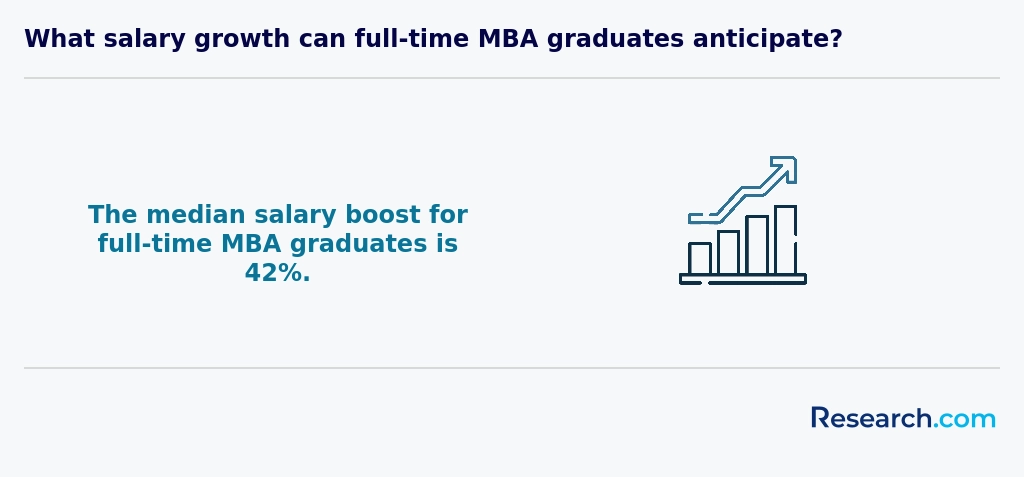
- Mean Post-MBA Salary Increase: 25%–40% over pre-MBA earnings
- Estimated Payback Period: 3–4 years, based on an average salary bump of $20,000 annually Program-specific ROI insights: • College of Charleston MBA: Total cost ~$45,000; average post-MBA salary $85,000; payback in under 3 years. • The Citadel Online MBA: Cost savings of 20% vs. on-campus; median salary gain of $18,000; payback in 3.5 years. • Charleston Southern University: Cost ~$38,000; salary increase of $15,000; payback in 2.5 years. Factors influencing ROI: • Specialization choice (finance and consulting often yield higher starting salaries). • Employer reimbursement and tuition assistance programs. • Online vs. on-campus delivery (online formats can reduce living and commuting expenses). For a broader comparison of affordable online MBA options and their ROI potential, explore Affordable Online Master's in MBA Degree Programs Ranking in Colorado, which highlights cost savings and salary outcomes across regional offerings.
What are the prerequisites for enrolling in MBA degree program in Charleston?
To enroll in an MBA program in Charleston, candidates must first hold a bachelor's degree from an accredited institution, which serves as the foundational academic qualification. While graduates of non-business fields have successfully gained admission by highlighting relevant coursework or work experience, those with diverse academic backgrounds often emphasize their professional skills during applications to institutions like the College of Charleston.
Standardized tests such as the GMAT or GRE remain common prerequisites, yet several Charleston programs now offer test-optional admissions, especially for applicants with strong managerial experience or advanced degrees. Graduates frequently recount how submitting competitive GMAT scores strengthened their candidacy, even when not strictly mandatory.
Most programs in Charleston expect two to five years of meaningful professional experience. This requirement enriches classroom interactions, creating dynamic discussions that reflect real-world challenges. Alumni often reflect on how their prior career experience at local companies enhanced their learning and networking opportunities.
- A completed bachelor's degree from an accredited university
- Submission of GMAT or GRE scores, if required
- Two to five years of professional work experience
- Personal statement or essays outlining career goals and motivations
- Letters of recommendation, typically from professional or academic contacts
- Resume or curriculum vitae detailing relevant experience
Additionally, applicants provide a personal statement and letters of recommendation, which allow admissions committees at universities like The Citadel to evaluate leadership potential and career aspirations holistically. These materials help contextualize professional journeys and future goals, making an application stand out.

Exploring Affordable MBA Options in Charleston, SC
To make the most of their MBA journey, students should also consider factors beyond the program's curriculum and cost, including the plethora of affordable MBA options available in Charleston, SC. When evaluating these options, it's essential to look into the most affordable mba schools in south carolina, as they often provide competitive pricing without compromising on the quality of education. This involves researching institutions that offer scholarships, grants, and flexible payment plans, which can significantly reduce the financial burden of pursuing an MBA. Furthermore, students should explore the various specializations available, such as finance, marketing, and entrepreneurship, to ensure they align with their career aspirations. By taking a holistic approach to selecting an MBA program, students can set themselves up for success, both academically and professionally, in the vibrant city of Charleston, SC.
What courses are typically in MBA degree programs in Charleston?
MBA degree programs in Charleston feature a robust set of core courses designed to equip students with essential business competencies. Graduates from popular local institutions often highlight their deep engagement with Financial and Managerial Accounting, where understanding financial statements became crucial in real-world decision-making scenarios during internships or consulting projects. Courses like Marketing Management enable students to devise effective campaigns by analyzing market trends, which many found directly applicable when collaborating with regional businesses in Charleston's growing market.
Operations Management is another cornerstone, emphasizing efficient production and supply chains, particularly resonant given Charleston's strong logistics and manufacturing sectors. Many MBA students describe how Organizational Behavior classes helped them navigate team dynamics in diverse work environments, fostering leadership and motivation skills essential for managerial roles.
Corporate Finance and Strategic Management round out the curriculum, contextualizing investment decisions and long-term planning-areas where graduates applied their knowledge while working on case studies reflecting South Carolina's economic landscape.
What types of specializations are available in MBA degree programs in Charleston?
Students pursuing an MBA degree in Charleston frequently select from several well-established specializations that prepare them for distinct career paths. Many graduates from local universities choose Finance, gaining expertise in investment strategies and corporate financial management. Others find Marketing especially rewarding, developing skills in brand management and digital outreach-abilities highly prized in Charleston's growing business community. The city's expanding healthcare and technology industries have also made Healthcare Management and Information Technology Management sought-after options, with alumni emphasizing how these programs have opened leadership opportunities in hospitals, tech firms, and consulting roles.
MBA specializations in Charleston also include Entrepreneurship, appealing to individuals eager to launch startups or innovate within existing companies. Students often reflect on how these focused tracks at Charleston institutions deliver practical knowledge and connections that prove invaluable in real-world business scenarios. Given the flexibility of many programs, including part-time and online formats, working professionals successfully integrate these specializations into their careers. For further information on MBA opportunities comparable to those in Charleston, prospective students can explore Texas online mba program rankings.
How do you choose the best MBA degree in Charleston?
When choosing the best MBA degree in Charleston, start by examining program accreditation and flexibility. Graduates from the College of Charleston often cite its AACSB accreditation as a mark of credibility that enhanced their confidence in the program's rigor. Given the demanding schedules many face, selecting affordable MBA programs in Charleston that offer part-time or online options allows working professionals to balance career and study effectively. For example, students appreciate programs with evening classes or hybrid formats, which reduce the stress of conflicting commitments.
Cost also plays a significant role. Many find that the College of Charleston's competitive tuition, around $24,000 for in-state students, provides excellent value compared to pricier national options. Additionally, consider curriculum focus and career alignment; graduates who prioritized programs emphasizing local industry connections often benefitted from robust networking opportunities in Charleston's growing sectors.
Finally, exploring specialized courses alongside general MBA offerings can be advantageous. Prospective students interested in finance or entrepreneurship might also explore the best online accounting schools to complement their studies.

What career paths are available for MBA degree students in Charleston?
MBA graduates in Charleston benefit from diverse career paths driven by the city's vibrant economy and strong industry sectors. Many graduates from popular colleges find rewarding roles in management and consulting, stepping into positions such as project managers or business consultants tasked with enhancing operational efficiency. This aligns well with the forecasted 8% growth in management occupations, indicating robust opportunities for those with Charleston MBA degree job prospects.
Financial services represent another key area, with Charleston's numerous banks and investment firms seeking skilled financial analysts and risk managers. Graduates often highlight the competitive salaries and dynamic workplace environments as major draws. Marketing and sales roles also attract MBA holders who use their strategic and analytical skills to excel as marketing managers or brand strategists within Charleston's evolving tech startups and advertising agencies.
Entrepreneurship flourishes locally, supported by incubators that enable graduates to launch startups or lead ventures. For students interested in practical experience alongside study, programs often recommend an affordable bookkeeping certification to complement financial expertise and enhance career versatility, thus broadening the range of MBA career opportunities in Charleston.
What is the job market for MBA degree in Charleston?
The job market for MBA graduates in Charleston is robust, supported by the city's expanding economy and diverse industry sectors. Graduates from well-regarded local institutions often secure roles in management, project leadership, and business development within companies such as Boeing, Blackbaud, and Benefitfocus. The practical application of skills in strategic management and operations aligns well with Charleston's thriving aerospace, finance, healthcare, and logistics sectors, offering meaningful career paths.
Many MBA graduates from Charleston colleges share positive experiences about leveraging their education and connections to access thriving opportunities in the city's evolving marketplace. The presence of a major port and logistics network expands career prospects in supply chain management, a skill set increasingly valued by local employers. This favorable local employment environment enhances the appeal of pursuing an MBA in Charleston for students evaluating their future.
- MBA job opportunities in Charleston
- Charleston MBA graduate career outlook
When considering the return on investment for local MBA programs, graduates benefit not only from competitive compensation-around $93,000 annually on average-but also from relatively affordable tuition compared to national costs. Those interested in finance or accounting may find additional incentives such as online accounting degree scholarship opportunities to ease the financial burden. Strong alumni networks and community connections further empower MBA holders to excel professionally in Charleston's competitive but growing job market.
Frequently Asked Questions About MBA
Students pursuing an MBA degree in Charleston can enhance their learning by engaging actively with the city's robust business community. Charleston's growing economy, driven by sectors like technology, manufacturing, and tourism, offers numerous networking opportunities, including internships and part-time roles that complement classroom instruction.
Additionally, leveraging resources such as the College of Charleston's MBA program, which emphasizes experiential learning and case study analysis, can deepen practical understanding. According to U.S. News & World Report, local MBA programs typically maintain small class sizes, fostering personalized interactions with faculty and peers.
Joining professional organizations like the Charleston Chamber of Commerce also helps students build connections and stay current on market trends.
The MBA field is evolving rapidly, with emerging niches responding to shifts in the business environment. In Charleston, a growing demand exists for MBAs specializing in sustainable business practices, reflecting the city's commitment to environmental responsibility. According to data from the Graduate Management Admission Council (GMAC), 27% of US programs now offer sustainability-focused courses, a trend mirrored locally.
Another rising niche is healthcare management, driven by Charleston's expanding medical sector. MBA graduates with expertise in healthcare administration are increasingly sought after for leadership roles. Additionally, the rise of digital transformation highlights a need for MBAs skilled in data analytics and technology management, aligning with Charleston's growing tech industry.
These niches offer students the opportunity to align their education with Charleston's economic strengths and future trends.
After completing an MBA degree in Charleston, preparing for the job market involves strategic networking and skill refinement. Charleston's growing economy, especially in sectors like finance, healthcare, and manufacturing, offers varied opportunities for MBA graduates. According to the Charleston Metro Chamber of Commerce, local employers increasingly seek candidates with strong leadership and data analytics skills.
Graduates should leverage career services at their universities, which often provide resume workshops, interview preparation, and access to job fairs. Internships and part-time roles during the program can also enhance practical experience.
Staying updated on regional industry trends and obtaining certifications in project management or business analytics can improve employability. Connecting with local professional groups such as the Charleston MBA Association is recommended for networking and mentorship opportunities.
Employers in Charleston highly value a diverse set of skills in MBA graduates. According to local industry reports, strong leadership and strategic thinking abilities top the list. Graduates who can navigate complex business challenges and guide teams effectively are preferred.
Analytical skills are equally important. With Charleston's growing finance and tech sectors, employers seek MBA holders proficient in data interpretation and financial modeling. Communication skills, both written and verbal, are critical for collaboration across departments and with clients.
Additionally, adaptability and proficiency in digital tools rank highly. The Charleston Chamber of Commerce highlights that MBA graduates familiar with emerging technologies and agile project management are in great demand. Ethical decision-making and global awareness also enhance employability in this competitive market.
Finding internships in Charleston relevant to an MBA degree involves several strategic steps. First, leverage the career services offered by local MBA programs; many schools in Charleston maintain strong connections with regional businesses.
The Charleston metropolitan area hosts a growing business sector with opportunities in finance, supply chain management, and technology, which aligns well with MBA student interests. According to the Charleston Metro Chamber of Commerce, over 1,000 companies actively recruit interns in the region annually.
Networking events, such as those organized by the Charleston MBA Association, provide valuable face-to-face engagement with potential employers. Additionally, online platforms like Handshake and LinkedIn list internship openings specifically targeted at MBA candidates in Charleston.
Local government and nonprofit organizations also offer internships, providing diverse professional experiences. Early application and tailoring resumes to business trends in Charleston improve chances of securing valuable internships.
In Charleston, obtaining an MBA degree significantly enhances career mobility and advancement opportunities. The city's growing economy, with strong sectors like finance, aerospace, and logistics, values MBA graduates for their leadership and business skills. According to the U.S. Bureau of Labor Statistics, professionals with an MBA typically earn 20% to 30% more than those with only a bachelor's degree.
The College Consensus 2024 report shows Charleston MBA graduates experience a 15% higher promotion rate within three years compared to peers without the degree. The networking opportunities in Charleston's business community also facilitate access to executive roles and entrepreneurial ventures. Employers increasingly prioritize MBA credentials when considering candidates for managerial and strategic positions.
Studying for an MBA degree in Charleston equips students with skills essential for interdisciplinary roles by combining core business knowledge with practical applications across multiple fields. Charleston's MBA programs emphasize leadership, strategic thinking, and communication, which are critical when working with diverse teams.
Many local programs integrate case studies from sectors such as technology, healthcare, and logistics, reflecting Charleston's growing industries. According to the College Scorecard, graduates of Charleston-based MBAs report collaboration readiness, with 83% feeling prepared to manage cross-functional projects.
This multidisciplinary training is supported through partnerships with Charleston's business community, providing students access to internships and real-world challenges that sharpen their adaptive problem-solving skills.
Choosing between a thesis and a non-thesis MBA program in Charleston depends on your career goals and learning preferences. Thesis-based MBAs typically involve research and writing a substantial paper, preparing students for roles in academia, consulting, or research-intensive positions. Non-thesis programs focus more on coursework and practical skills, favored by professionals aiming for immediate application in business settings.
In Charleston, non-thesis MBA programs are more common, with local universities offering flexible schedules and internship opportunities. According to the U.S. Department of Education data, about 70% of MBA students in South Carolina choose non-thesis tracks for faster completion and practical training.
Consider your professional timeline, interests in research, and whether you prefer applied learning when deciding your path.
Students based in Charleston seeking to study an MBA abroad have several pathways, largely influenced by partnerships between U.S. and international institutions. While Charleston itself does not host dedicated study-abroad MBA campuses, local universities such as the College of Charleston offer exchange programs facilitating semesters overseas. These options provide exposure to global business practices without requiring full enrollment abroad.
Moreover, Charleston MBA candidates often consider universities with strong international accreditations such as AACSB, which can ease credit transfer and recognition. According to the Graduate Management Admission Council, nearly 15% of U.S. MBA students participate in study-abroad experiences, a trend growing steadily.
Additionally, joint MBA programs with partner schools in Europe or Asia allow Charleston students to earn dual degrees, combining local accreditation with global expertise. This option suits professionals aiming to build international networks and credentials while maintaining ties to Charleston's business community.
Charleston offers diverse part-time job opportunities ideal for MBA students seeking practical experience alongside their studies. Positions in local financial firms, marketing agencies, and consulting companies are common. These roles often provide hands-on experience in data analysis, project management, and strategic planning, which directly align with MBA coursework.
Additionally, Charleston's growing tech startup scene offers internships and part-time roles focused on business development and operations. According to Charleston Regional Development Alliance, the city's economy supports over 50,000 small businesses, creating many openings for MBA students. Jobs in supply chain management and healthcare administration also complement business education due to Charleston's expanding medical sector.
Working part-time in these industries helps sharpen leadership and communication skills, often highlighted in MBA program outcomes reported by U.S. News & World Report. For MBA candidates, these opportunities provide valuable networking within Charleston's vibrant business community.
Charleston offers MBA students a variety of valuable networking opportunities through local universities and the broader business community. Institutions like The College of Charleston and Charleston Southern University regularly host networking events, speaker series, and alumni meetups designed to connect students with industry professionals.
The Charleston Metro Chamber of Commerce also serves as a vital platform where MBA students can engage with local business leaders and entrepreneurs. According to the Charleston Metro Chamber, over 3,000 businesses participate in its events, providing ample opportunities for mentorship and collaboration.
Additionally, Charleston's growing sectors in finance, technology, and tourism create diverse internship and job prospects, allowing MBA candidates to build practical connections during their studies.
Alumni networks play a crucial role in enhancing the MBA experience for students in Charleston. These networks create opportunities for mentorship, connecting current students with experienced graduates who offer career guidance and industry insights. Members often share job openings and internship opportunities exclusive to their community, which helps students gain a competitive edge.
According to Charleston Area Business Journal, alumni engagement has helped increase local MBA graduate employment rates by approximately 15% over the last five years. Networking events, both virtual and in-person, foster relationships that can lead to partnerships or entrepreneurial ventures.
Overall, strong alumni connections form an essential support system for MBA students aiming to advance their careers in Charleston's dynamic business environment.
Customizing an MBA degree in Charleston allows students to align their education with specific career ambitions. Many local universities offer flexible electives and concentrations such as finance, marketing, or supply chain management. This flexibility helps students build expertise relevant to their goals.
Additionally, experiential learning options, including internships and consulting projects with Charleston businesses, provide practical skills. Part-time and online formats enable working professionals to tailor pace and scheduling, supporting career advancement alongside study.
According to the Charleston Metro Chamber of Commerce, industries like tourism, healthcare, and manufacturing offer rich opportunities, so choosing relevant specializations can increase job prospects locally.
Accredited programs in Charleston also provide access to networking events and mentorships, further customizing professional growth.
Many MBA students in Charleston face the challenge of balancing rigorous coursework with professional and personal commitments. According to data from the Charleston Metro Chamber of Commerce, about 40% of local MBA candidates are working professionals, which often leads to time management difficulties. Additionally, the cost of tuition and living expenses in Charleston can be a concern, despite some of the city's more affordable options compared to other major cities in the US.
Students also encounter the challenge of building strong local networks in a relatively smaller business community. Access to internship opportunities and specialized electives can be limited compared to larger metropolitan areas. Furthermore, adapting to hybrid or online learning formats introduced recently requires self-discipline and technological proficiency.
An MBA degree from Charleston-area institutions can open doors to a variety of professional certifications that enhance career prospects. Many graduates pursue the Project Management Professional (PMP) certification, which is highly regarded in business management roles. Additionally, the Certified Management Accountant (CMA) credential is popular among MBA holders focusing on finance, improving skills in financial analysis and strategic assessment.
For those interested in human resources, the Society for Human Resource Management's SHRM-CP or SHRM-SCP certifications complement the leadership training gained through an MBA. Furthermore, the Chartered Financial Analyst (CFA) certification is available for MBAs targeting investment and financial analysis careers. According to the Graduate Management Admission Council, over 40% of MBA graduates nationally pursue one or more professional certifications to increase their employability.
Writing a winning application for an MBA program in Charleston begins with clear, focused essays that highlight your professional goals and leadership potential. Admissions committees look for candidates who can demonstrate both strong academic ability and relevant work experience, often requiring a minimum GPA of around 3.0.
Charleston MBA programs, such as those at the College of Charleston, emphasize community involvement and regional business knowledge. Applicants should tailor their personal statements to reflect an understanding of Charleston's unique economic environment, including its strengths in port logistics, tourism, and finance.
Standardized tests like the GMAT or GRE remain important, with average scores for admitted students typically ranging between 550 and 650 on the GMAT. Including professional recommendations that address your leadership skills and teamwork adds strength to your application.
Finally, demonstrate your commitment to career advancement by explaining how the MBA will help you achieve specific goals. Attention to detail and meeting all application deadlines are crucial to stand out in Charleston's competitive MBA admissions.
Globally, an MBA degree is widely recognized as a valuable credential for advancing leadership and management careers. In the United States, and specifically in Charleston, MBA graduates benefit from a strong job market, with the City of Charleston Economic Development reporting a 6% annual growth in professional services jobs that favor MBA holders.
Internationally, an MBA can open doors to global business opportunities, though employers often seek candidates with experience in cross-cultural management and language skills. Many Charleston MBA programs emphasize global business trends, helping students prepare for multinational roles.
According to the Graduate Management Admission Council, over 60% of MBA employers in the US plan to increase hiring in 2024, reflecting ongoing demand for MBA skills in finance, consulting, and technology sectors. Charleston's growing startup ecosystem further enhances local career prospects.
Gaining practical experience while studying for an MBA degree in Charleston is achievable through several key opportunities. Many local schools integrate internships and cooperative education programs into their MBA curriculum, allowing students to work with Charleston's diverse business community.
Charleston's growing sectors, such as hospitality, logistics, and finance, provide fertile ground for internships, often unpaid or paid. According to the Charleston Metro Chamber of Commerce, over 60% of MBA students engage in internships during their studies.
Additionally, business schools frequently offer consulting projects with real companies, enabling students to apply classroom knowledge on live problems. Networking events and mentorship programs with Charleston-area business leaders further support practical learning.
Choosing the right concentration within an MBA program in Charleston begins with assessing your career goals. Charleston business schools often offer concentrations such as Finance, Marketing, Healthcare Management, and Entrepreneurship. According to the U.S. Bureau of Labor Statistics, sectors like healthcare and technology are growing in the Charleston area, which may influence your decision.
Many programs, including those at the College of Charleston, provide local networking opportunities aligning with specific industries. Evaluating the curriculum and faculty expertise can also help you gauge which concentration offers the practical skills you seek.
Lastly, consider alumni outcomes. The Charleston Metro Chamber of Commerce highlights strong demand for management roles in logistics and tourism, reflecting regional economic strengths relevant to certain MBA concentrations.
Related MBA Rankings for Nearby Cities
- 2027 Most Affordable MBA Degree Programs Ranking in Savannah
- 2027 Most Affordable MBA Degree Programs Ranking in Columbia
- 2027 Most Affordable MBA Degree Programs Ranking in Fayetteville
- 2027 Most Affordable MBA Degree Programs Ranking in Charlotte
- 2027 Most Affordable MBA Degree Programs Ranking in Jacksonville
- 2027 Most Affordable MBA Degree Programs Ranking in Macon
- 2027 Most Affordable MBA Degree Programs Ranking in Raleigh
- 2027 Most Affordable MBA Degree Programs Ranking in Greensboro
- 2027 Most Affordable MBA Degree Programs Ranking in Durham
- 2027 Most Affordable MBA Degree Programs Ranking in Winston-Salem
Top Trending MBA Rankings
References
- MBA Career Outlook from a Global Perspective Margaret Buj https://interview-coach.co.uk/mba-career-outlook-from-a-global-perspective/
- MBA Internships: Find 5400 MBA Intern Jobs https://internshala.com/internships/mba-internship/
- MBA or EMBA? https://charleston.edu/mba/mba-or-emba.php
- How an MBA contributes to career advancement https://online.wlv.ac.uk/blog/how-an-mba-contributes-to-career-advancement/
- How to Choose an MBA Program That Fits Your Career Goals https://www.mobileviewer.io/blog/how-to-choose-an-mba-program-that-fits-your-career-goals
- 5 Tips on How to Choose the Best MBA Concentration https://www.pointloma.edu/resources/business-leadership/5-tips-how-choose-best-mba-concentration
- How to Choose Between MBA Degree vs. Certificate | University of Phoenix https://www.phoenix.edu/articles/business/how-to-choose-between-mba-degree-vs-certificate-programs.html
- Master of Business Administration https://www.citadel.edu/mba/
- Tips for Writing an MBA Program Essay - GMAT Ninja https://www.gmatninja.com/articles/mba-admissions/essays-and-applications/minimizing-mba-application-essay-agony/
- Top MBA programs with the best alumni networks in the world - MBA Crystal Ball https://www.mbacrystalball.com/blog/2025/07/07/top-mba-programs-with-the-best-alumni-network-in-the-world/