
2027 Most Affordable MBA Degree Programs Ranking in Raleigh

Co-Founder and Chief Data Scientist
For students in Raleigh looking to advance their careers, choosing the right MBA program can feel overwhelming. This article introduces the 2027 Most Affordable MBA Degree Programs Ranking in Raleigh, developed by the Research.com team of data scientists. It's designed to help you make an informed decision by highlighting cost-effective options without sacrificing quality.
Reading this article will give you clearer insight into programs that fit your budget and goals. Pursuing an MBA is an exciting step that opens doors to new opportunities and personal growth. Let's explore the best affordable choices together.
Key benefits of getting MBA degree in Raleigh
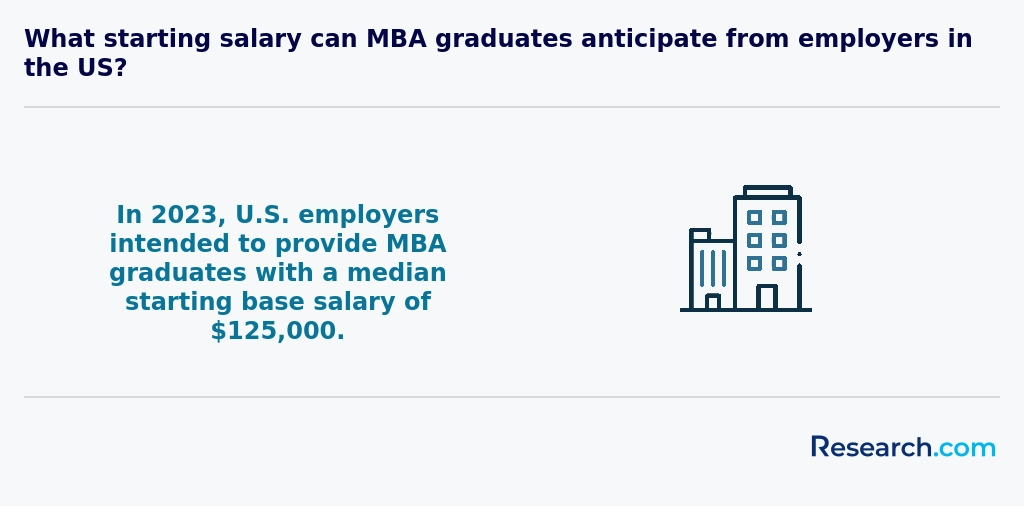
- Although specific salary data for MBA roles in Raleigh is not available, MBA graduates in the US often earn competitive salaries ranging from $70,000 to over $120,000 annually, depending on their industry and experience.
- Graduates from popular Raleigh universities like North Carolina State University can pursue diverse careers in management, finance, marketing, or entrepreneurship, opening many doors for exciting professional growth.
- Completing an online MBA from a well-known Raleigh institution provides flexibility to balance work and study, making it easier to gain valuable experience while advancing your education.
- Key benefits of getting MBA degree in Raleigh
- What can I expect from MBA degree in Raleigh?
- Where can I work with MBA degree in Raleigh?
- How much can I make with MBA degree in Raleigh?
- 2027 Most Affordable MBA Degree Programs Ranking in Raleigh
- Key Findings
- How long does it take to complete MBA degree in Raleigh?
- Comparing Local and National Trends in MBA Education
- What's the difference between online and on-campus MBA degree?
- What is the average cost of MBA degree in Raleigh?
- Application Process & Admission Tips
- What financial aid is available to MBA degree students in Raleigh?
- What are the prerequisites for enrolling in MBA degree program in Raleigh?
- Internships and Experiential Learning Opportunities
- What courses are typically in MBA degree programs in Raleigh?
- What types of specializations are available in MBA degree programs in Raleigh?
- How do you choose the best MBA degree in Raleigh?
- What career paths are available for MBA degree students in Raleigh?
- What is the job market for MBA degree in Raleigh?
- Top Trending MBA Rankings
What can I expect from MBA degree in Raleigh?
The average cost of pursuing an MBA in Raleigh can vary, but many students attending public institutions such as North Carolina State University find the total tuition fees to be between $20,000 and $35,000. This affordability is a significant advantage compared to many other cities, especially when balancing quality with cost. Graduates often share how this manageable investment allowed them to focus on their studies and career growth without overwhelming debt.
Private colleges like Meredith College may have higher tuition rates, but students frequently find value in scholarships, assistantships, or employer tuition reimbursements that ease the financial burden. Many MBA candidates juggling work and family life appreciate Raleigh's diverse program formats-part-time, online, or executive options-helping them maintain income while advancing their education.
One common story from Raleigh MBA graduates is how achieving an affordable MBA enabled them to seize new job opportunities in local industries like technology or healthcare, ultimately leading to salary boosts and stronger professional networks.
Where can I work with MBA degree in Raleigh?
If you're pursuing an MBA in Raleigh, you're stepping into a city bursting with career possibilities. Graduates from top local schools like North Carolina State University often find themselves drawn to the thriving tech scene within the Research Triangle, landing roles in product management or business development at companies like IBM or Cisco. These positions let you apply your leadership and strategic skills to fast-paced, innovative projects.
Many MBA holders also thrive in Raleigh's robust financial sector. Banks and investment firms, such as PNC Financial Services and Bank of America, highly value the analytical and risk management expertise you develop during your studies. Graduates often recall how their coursework in financial strategy directly prepared them to make impactful decisions in these roles.
The healthcare industry is another rewarding path. Working with major systems like Duke University Health, MBAs contribute to improving patient care through business operations. Graduates often share how this blend of management and purpose makes their work deeply fulfilling.
Consulting and entrepreneurship are popular too. Raleigh's vibrant startup culture welcomes MBA graduates eager to innovate or offer smart solutions to local businesses. Studying here gives you the network and know-how to turn ideas into reality in a supportive community.
How much can I make with MBA degree in Raleigh?
Graduates holding an MBA in Raleigh typically enjoy a strong boost in earning potential, often experiencing salaries that exceed $90,000 annually. Many alumni from well-regarded local programs, such as those at NC State University's Poole College of Management, report landing roles in industries like technology and finance where salaries can reach $120,000 or more as they gain experience.
Imagine starting your post-MBA career around $75,000, then steadily climbing to $110,000 or $130,000 within a few years by mastering leadership and strategic skills taught in Raleigh's business schools. Several graduates find that securing management roles in healthcare administration or energy sectors rewards their efforts handsomely, reflecting Raleigh's robust economy.
Particularly inspiring are stories of those advancing to senior management or executive positions where salaries surpass $150,000 annually. These successes highlight how an MBA in Raleigh isn't just about paper credentials-it's your gateway to meaningful growth and financial security in a thriving job market.
2027 Most Affordable MBA Degree Programs Ranking in Raleigh
How do we rank schools?
Investing in your education is a significant decision that can shape your future, and the Research.com team understands the importance of making informed choices. To assist prospective students in Raleigh, we have meticulously crafted the "2027 Most Affordable MBA Degree Programs Ranking in Raleigh." Our commitment to quality, credibility, and accuracy is reflected in the extensive research and analysis conducted to compile this ranking.
We utilized the following reputable data sources to ensure a comprehensive evaluation of MBA programs:
By exploring this ranking, readers will gain valuable insights into the most affordable and high-quality MBA degree options in Raleigh, enabling them to make well-informed decisions about their educational investments. For more details on our methodology, please visit our Research.com methodology page.


Key Findings
- The average tuition for MBA programs in Raleigh ranges from $25,000 to $45,000 depending on the type of school and residency status.
- Entry-level MBA graduates in Raleigh earn about $70,000 on average, with experienced professionals making between $110,000 and $130,000.
- Raleigh offers a moderate cost of living compared to larger cities, helping reduce overall expenses for students.
- Many MBA programs provide flexible formats like part-time, evening, and online classes to accommodate working students.
- Most MBA programs in Raleigh have AACSB accreditation, which is a recognized standard of quality in business education.
How long does it take to complete MBA degree in Raleigh?
Completing an MBA degree in Raleigh usually takes between one and three years, depending on the format you choose and how much time you can dedicate. Many graduates from North Carolina State University's Poole College of Management share that their part-time MBA stretched over two to three years, allowing them to balance demanding jobs and family commitments. This flexible pace makes it easier to stay motivated while building a career.
On the other hand, if you're ready to dive in fully, the traditional full-time MBA programs commonly take about two years. Graduates often describe this path as immersive and transformative, providing the focused environment needed to sharpen business skills quickly. For those eager to accelerate their goals, Raleigh offers intensive one-year MBA options tailored for experienced professionals who want to return to work swiftly with a competitive edge.
Online programs add another layer of freedom, letting you set a pace between 18 and 36 months. Imagine crafting your own schedule, juggling family, work, and study harmoniously while earning your degree. Raleigh's MBA programs truly meet you where you are, empowering you to chart a path that matches your life and ambitions.
Comparing Local and National Trends in MBA Education
To fully understand the landscape of MBA education in Raleigh, NC, it's essential to compare local trends with national patterns. While national data indicates a slight decline in MBA enrollment and hiring rates, Raleigh's unique blend of technological innovation, healthcare growth, and strategic business environments creates a distinct market. For instance, the demand for MBAs in consulting and healthcare management remains high, driven by the presence of the Research Triangle Park and major healthcare institutions. When considering the variety of MBA programs, including the most affordable mba programs in north carolina, prospective students should weigh these local factors against broader national trends to make informed decisions about their educational investments. This balance is crucial, as it can significantly impact career trajectories and financial returns on investment. By exploring both local and national trends, aspiring MBA graduates can better navigate the complexities of the modern business environment and leverage their degree to achieve professional success.
What's the difference between online and on-campus MBA degree?
Choosing between an online and on-campus MBA in Raleigh means weighing your lifestyle and learning preferences carefully. On-campus programs at places like North Carolina State University immerse you in campus life, offering face-to-face interactions with professors and peers that many graduates recall as invaluable for building strong networks. Picture attending evening classes, collaborating in business clubs, and accessing university resources right on campus-these moments often spark motivation and immediate feedback that fuels growth.
Online MBA students, however, celebrate the freedom to study anytime, anywhere, balancing coursework with full-time jobs or family commitments. Graduates who took this route appreciate the flexibility to learn asynchronously without commuting. Online options often cost less, reflecting savings on housing and transport, which can ease financial pressures.
In Raleigh, both paths maintain rigorous accreditation, so quality remains assured. Whether you thrive in live discussions or self-paced learning, your success is shaped by embracing the environment that matches your rhythm and goals.
What is the average cost of MBA degree in Raleigh?
The average MBA degree cost in Raleigh usually centers around a median total of approximately $53,907, with in-state students paying closer to $27,214. This difference highlights the advantage of being a North Carolina resident, as in-state tuition rates at institutions like North Carolina State University's Poole College of Management make the pursuit of an MBA more financially accessible. Many graduates reflect on how this balance of cost and quality gave them the confidence to invest in their futures without overwhelming debt.
Affordability plays a key role when considering MBA programs Raleigh tuition fees, which can vary depending on public or private status and residency. Students often find that public universities offer competitive pricing with excellent support systems, while private schools, although higher in cost, provide unique networking opportunities and specialized resources. One student recalled how attending a well-regarded institution in Raleigh brought a strong return on investment thanks to the career connections formed there.
When budgeting, don't overlook additional expenses like technology fees, campus activities, and living costs, which can add significantly to the overall outlay. Many students balance these by choosing part-time or online offerings, which sometimes provide flexible payment plans and cost savings. Exploring financial aid options is wise; scholarships, loans, and employer assistance frequently lower the net price substantially. You can also review the average cost of executive mba to gauge broader financial expectations.

Application Process & Admission Tips
Navigating the MBA application process in Raleigh, NC, is a critical step towards securing a rewarding educational experience. Prospective students should begin by thoroughly researching each program's requirements, paying close attention to application deadlines, required documentation, and any preparatory coursework recommended by the institution. Start by scheduling informational sessions and campus visits, if possible, to gain firsthand insight into the program environment and faculty expertise. Additionally, before finalizing your application, craft a compelling personal statement that highlights your professional achievements, leadership experiences, and future career aspirations. In this phase, it’s beneficial to leverage available resources such as workshops or webinars on application strategies; for example, many candidates explore opportunities provided by initiatives on the most affordable executive mba programs to better understand cost-effective pathways that align with their career goals. Finally, securing strong letters of recommendation from supervisors or academic mentors, coupled with a well-prepared resume, can significantly enhance your application, setting the stage for a successful admission journey in the competitive landscape of MBA programs.
What financial aid is available to MBA degree students in Raleigh?
When pursuing an MBA in Raleigh, tapping into financial aid can transform your journey from daunting to empowering. Graduates from North Carolina State University often share how applying for federal aid through FAFSA opened doors to low-interest Direct Unsubsidized and Graduate PLUS Loans, making tuition more manageable while they balanced work and study.
At Meredith College, institutional scholarships and graduate assistantships are a game-changer. Imagine earning a stipend each month while gaining real teaching or research experience that enriches your resume and significantly trims your MBA costs. This hands-on involvement not only covers expenses but builds confidence and connections.
Local scholarship opportunities from business groups add another layer of support. Many Raleigh students have leveraged these awards by demonstrating leadership and work experience, fueling their motivation to succeed.
Working professionals in the Research Triangle Park area often benefit from employer-sponsored tuition reimbursement-turning career advancement into an affordable reality while maintaining income.
Veterans also find valuable support through GI Bill benefits, easing the path to their MBA goals in this vibrant city.
What are the prerequisites for enrolling in MBA degree program in Raleigh?
To enroll in an MBA program in Raleigh, you typically need a bachelor's degree from an accredited institution-any major works, but having some business coursework can boost your profile. Graduates from places like North Carolina State University often share that their diverse academic backgrounds helped them stand out and connect with peers from various fields, enriching their learning experience.
Many programs request GMAT or GRE scores, but recently these tests have become optional, especially if you bring strong professional experience. Imagine a working professional with three years in marketing applying part-time at a Raleigh university; their hands-on skills often carry as much weight as test scores, reflecting the city's growing flexibility.
Speaking of experience, most Raleigh MBA programs value two to five years of relevant work. This practical experience makes classroom discussions vibrant and relatable-graduates often recall how their real-world insights sparked deeper team debates. You'll also need a solid resume, recommendation letters, and a personal statement that shares your passion and goals for pursuing an MBA.

Internships and Experiential Learning Opportunities
Raleigh’s MBA programs emphasize hands-on learning through structured internships, consulting projects, and capstone experiences that bridge classroom theory with real-world practice. Many local universities maintain partnerships with Research Triangle Park companies, healthcare systems, and financial institutions, offering students summer internships that often convert into full-time positions. For example, participants in North Carolina State University’s Corporate Residency Program spend six months embedded in partner organizations, tackling strategic challenges from supply-chain optimization to digital marketing analytics. Consulting practicums are another hallmark of Raleigh’s MBA curriculum. In small teams, students collaborate with nonprofits, startups, and Fortune 500 firms to diagnose problems, develop recommendations, and present findings to executive sponsors. These engagements not only sharpen analytical and communication skills but also expand professional networks. One recent graduate credited a semester-long analytics project with a biotech company for landing her role as a product manager, noting that the company’s hiring manager was impressed by her ability to translate data into actionable strategy. Capstone courses synthesize core disciplines-finance, operations, marketing, and leadership-into immersive simulations. Teams compete to grow a virtual enterprise, making decisions on pricing, product development, and global expansion. Employers often attend these final presentations, using them as recruitment touchpoints. Beyond coursework, many programs facilitate short-term abroad modules, where students tackle business challenges in emerging markets, gaining cultural fluency and global perspectives critical for today’s interconnected economy. Prospective students seeking cost-effective programs with robust experiential offerings can compare Raleigh’s internships alongside other regional options. For insights into budget-friendly alternatives that also prioritize practical learning, explore the Cheapest MBA Degree Programs Ranking in Maryland. By combining affordability with immersive, hands-on experiences, Raleigh’s MBA graduates emerge career-ready and connected to a vibrant professional ecosystem.
What courses are typically in MBA degree programs in Raleigh?
When pursuing an MBA in Raleigh, you'll dive into courses that build a strong foundation in core business skills while preparing you to lead with confidence. Graduates from well-known Raleigh schools often share how classes like Accounting and Financial Reporting helped them master the language of finance, giving them the confidence to make sound business decisions in high-pressure situations.
Marketing Management and Strategic Management courses often become favorite subjects because they teach you how to spot opportunities and create impactful plans-skills essential for thriving in Raleigh's dynamic economy. For example, students at local universities frequently work on real projects that simulate launching a product or managing a startup, reflecting the area's innovative spirit.
Courses such as Operations Management and Organizational Behavior are also key components, helping you understand the efficient flow of business activities and the human dynamics behind every successful company. Plus, the emphasis on Business Ethics aligns perfectly with Raleigh's focus on sustainable and responsible economic growth.
Electives tailored to regional industries, like Data Analytics, Healthcare Management, and Entrepreneurship, enable you to customize your studies and prepare for the vibrant tech and healthcare sectors here. This practical approach ensures you graduate ready to make a meaningful impact in Raleigh's thriving business community.
What types of specializations are available in MBA degree programs in Raleigh?
When exploring MBA specializations in Raleigh universities, you'll find options tailored to the city's vibrant industries. Graduates from programs at institutions like North Carolina State University often praise tracks such as Finance, Marketing, Healthcare Management, Supply Chain Management, and Technology Management for their relevance and practical application.
Imagine focusing on Finance in Raleigh-where the growing financial services sector provides ample networking opportunities and real-world challenges. Or consider Healthcare Management, which benefits from the city's proximity to leading biotech and hospital systems, giving students hands-on experiences that shape their leadership skills. A graduate specializing in Supply Chain Management might work closely with local manufacturers, gaining insight into logistics and operations pivotal to the region's economy.
Many students find that aligning their studies with business management concentrations Raleigh MBA programs offer not only enhances their expertise but significantly boosts their career prospects. To truly excel, take advantage of partnerships with local companies and seek advice on mba study tips provided by your professors and alumni. These experiences make the learning journey rich and rewarding.
How do you choose the best MBA degree in Raleigh?
Choosing the best MBA degree in Raleigh starts with focusing on programs that align with your career goals and lifestyle. Graduates from local universities often highlight the value of attending an AACSB-accredited business school, which enhances credibility and opens doors in Raleigh's competitive job market.
Many students find that affordable MBA programs in Raleigh, especially at public institutions, allow them to balance quality education with manageable tuition costs. One graduate shared how part-time classes enabled continued work while gaining real-world experience, making the investment worthwhile.
Emphasizing specializations like entrepreneurship or technology management can deepen your expertise and foster meaningful connections. Take advantage of internships or consulting projects offered by these programs to secure hands-on learning with Raleigh businesses.
Don't overlook the power of a strong alumni network in locating job opportunities locally. Additionally, crafting your application thoughtfully-highlighting key skills and achievements-can make a difference; check resources on MBA resume accomplishments to stand out effectively.

What career paths are available for MBA degree students in Raleigh?
Graduates with an MBA degree in Raleigh find themselves stepping into diverse, high-demand roles across the city's vibrant economy. Having studied at popular institutions like North Carolina State University, many alumni have shared how their career paths branched into management consulting within the Research Triangle Park, where companies value their analytical skills and leadership qualities. This area is a hotbed for those focused on improving business strategies and fostering innovation.
For those pursuing MBA graduate career opportunities in Raleigh, finance offers abundant options, from financial analysts to portfolio managers in well-established banks and investment firms. Graduates often mention how their courses made roles in Raleigh's finance sector feel accessible and fulfilling, especially within the city's growing banking and insurance industries.
Healthcare management is another career avenue where MBA holders shine. Working with healthcare giants like UNC Health, graduates efficiently lead departments and manage finances to improve patient outcomes. Others pivot toward technology firms, blending business savvy and tech insights to drive product management success in companies like IBM or Red Hat.
Many MBA students from Raleigh's top universities take advantage of the city's resources to advance through the management accounting certification process, which complements their leadership aspirations and amplifies career prospects.

What is the job market for MBA degree in Raleigh?
The job market for MBA degree holders in Raleigh is vibrant and full of promise. Graduates from well-known schools like North Carolina State University often find themselves stepping into roles in management, consulting, and financial services with confidence. Many report starting salaries between $85,000 and $95,000, a reflection of Raleigh's strong economy and demand for skilled business leaders.
Business management careers in Raleigh benefit from the city's position as part of the Research Triangle, where tech giants and established companies actively recruit MBA graduates. Alumni share that tapping into the extensive professional networks available locally, including connections fostered through university programs, opens doors that transform job searches into exciting opportunities.
For those looking to explore entrepreneurship or innovation sectors, Raleigh's many business incubators provide lively environments to grow ideas alongside a supportive community. This dynamic ecosystem helps graduates launch and thrive, reinforcing the city's appeal as a top destination for an MBA degree job outlook.
Frequently Asked Questions About MBA
Students pursuing an MBA degree in Raleigh can maximize their learning by actively engaging with the local business community. Raleigh's robust economy, including industries like technology and finance, offers valuable networking opportunities through internships and business events. According to the U.S. Bureau of Labor Statistics, Raleigh's job growth rate remains above the national average, emphasizing the advantage of practical experience.
Additionally, leveraging resources at local universities, such as career services and mentorship programs, can enhance understanding and professional development. Collaborative projects and case studies reflecting Raleigh's market conditions help contextualize theoretical concepts effectively.
Staying updated on trends via regional business journals and participating in study groups further supports success in MBA programs.
The field of MBA education is evolving rapidly, with several emerging niches gaining attention in Raleigh and beyond. One prominent niche is technology management, reflecting the growth of the Research Triangle Park and demand for leaders who can bridge business with innovation. Another growing area is sustainability and environmental management, as companies prioritize green practices and social responsibility.
Health care management is also expanding, driven by Raleigh's increasing medical and biotech industries. According to recent data from the Graduate Management Admission Council, about 20% of MBA students nationwide now specialize in these growth sectors.
Additionally, data analytics and artificial intelligence are reshaping decision-making roles, prompting many Raleigh MBA programs to offer relevant electives and concentrations.
Preparing for the job market after completing an MBA degree in Raleigh involves strategic planning and leveraging local resources. Graduates should start by building professional networks through events hosted by the Raleigh Chamber of Commerce and business incubators like the American Underground. According to the Bureau of Labor Statistics, the Triangle area (including Raleigh) has a strong demand for business and management professionals, with a projected 7% job growth over the next decade.
Internships and cooperative education programs offered by universities in Raleigh provide valuable real-world experience. Additionally, utilizing the career services of your MBA program, which often includes resume workshops and interview prep, enhances employability. Participating in local industry meetups, particularly in technology and healthcare sectors, can help connect with potential employers in this growing region.
Employers in Raleigh value MBA graduates who demonstrate strong leadership and strategic thinking skills. According to the Graduate Management Admission Council (GMAC), 89% of employers seek candidates with problem-solving abilities and effective communication. Raleigh's growing business sectors, such as technology and healthcare, emphasize data analysis and digital literacy as crucial skills.
Financial acumen and project management remain top priorities, with nearly 75% of local firms highlighting these abilities in job postings. Collaboration and adaptability are also critical due to the region's dynamic economy and innovation-driven environment. These competencies prepare MBA graduates to meet Raleigh employers' demands effectively.
Finding internships in Raleigh relevant to an MBA degree involves leveraging the city's strong business environment and university networks. Raleigh's Research Triangle Park hosts numerous corporations such as SAS Institute and Red Hat, which frequently offer MBA internships. Connecting with career services at local universities like North Carolina State University or Duke University can provide access to exclusive internship listings and networking events. Utilizing platforms like Handshake, LinkedIn, and local job fairs increases chances of finding relevant positions. According to the Graduate Management Admission Council, networking is crucial, with 75% of MBA students securing internships through connections. Early application and tailored resumes improve success rates.
An MBA degree in Raleigh significantly enhances career mobility and advancement opportunities within the region's competitive job market. Raleigh, as part of the Research Triangle, boasts a strong presence of technology, healthcare, and finance sectors where leadership skills gained through an MBA are highly sought after. According to the Graduate Management Admission Council (GMAC), MBA graduates nationwide report a median salary increase of 68% post-degree, a trend mirrored in the Raleigh area due to local economic growth.
Employers in Raleigh increasingly value MBAs for strategic roles, often preferring candidates with advanced management training to fill leadership positions. The degree also enables professionals to pivot industries, supported by networking opportunities through local universities like NC State and Duke University's Fuqua School. Data from the Bureau of Labor Statistics indicates that Raleigh's management occupation jobs are expected to grow by over 10% through 2030, further underlining the MBA's role in career advancement.
Studying for an MBA degree in Raleigh offers significant advantages for those aiming to excel in interdisciplinary roles. Many Raleigh institutions, such as NC State University, integrate cross-functional curricula combining business management with technology, analytics, and public policy. This approach equips students with versatile skills needed to navigate diverse industries.
Raleigh's growing tech and research sectors emphasize collaborative problem-solving, reflected in MBA programs that promote teamwork across fields. According to the Graduate Management Admission Council (GMAC), 65% of MBA employers in the region seek candidates with interdisciplinary expertise.
Courses often include case studies requiring knowledge from multiple disciplines, preparing graduates to manage complex projects with diverse teams. Furthermore, networking opportunities in Raleigh's business ecosystem help MBA students engage with professionals from varied backgrounds.
When choosing between a thesis and a non-thesis MBA program in Raleigh, students should consider their career goals and learning preferences. Thesis programs often appeal to those interested in research, academic careers, or specialized fields, as they require a formal research project. Non-thesis options focus more on coursework and practical skills, which suit professionals aiming to enter or advance in business roles quickly.
Data from the Raleigh Chamber of Commerce notes that local employers value practical experience, which may favor non-thesis MBAs. However, universities like NC State offer both paths, allowing students to tailor their education based on their individual professional needs. Cost and program length can also differ, so these factors should be weighed carefully.
Students based in Raleigh interested in studying an MBA abroad have several paths to consider. Many opt for exchange programs or partnerships between local universities like North Carolina State University and international business schools. These collaborations often allow students to complete part of their MBA overseas, gaining global experience while maintaining accreditation in the US.
Another option is enrolling directly in online or hybrid MBA programs offered by foreign universities, which provide international curricula accessible from Raleigh. This approach is growing in popularity, especially given recent advances in remote learning technology.
According to the Graduate Management Admission Council (GMAC), about 30% of US-based MBA candidates express interest in international study opportunities, reflecting increased demand for global business skills.
Raleigh offers diverse part-time job opportunities that can effectively complement an MBA education. Many MBA students find internships or roles in financial services, given the city's growing banking sector, which includes branches of major banks like Bank of America and Wells Fargo.
Consulting firms in Raleigh also seek part-time analysts, providing students practical experience in strategic problem-solving. According to the Economic Development Partnership of North Carolina, the city's professional and business services sector has grown steadily, enhancing job availability.
Marketing assistant positions at Raleigh's expanding tech startups or healthcare companies align well with MBA coursework, allowing students to apply skills in data analysis and consumer behavior. These roles help build networks while balancing academic commitments.
Raleigh offers robust networking opportunities for MBA students through its vibrant business community and academic partnerships. Students can connect with professionals via events organized by local business groups like the Raleigh Chamber of Commerce, which hosts regular mixers and industry panels. Many MBA programs in Raleigh, including those at North Carolina State University, provide access to exclusive networking sessions and mentorship from alumni working in nearby Research Triangle Park.
Additionally, Raleigh's strong presence in technology, finance, and healthcare sectors creates diverse networking avenues. According to the U.S. News & World Report, these industries employ a large portion of MBA graduates locally, enhancing career connections for students.
Alumni networks play a crucial role in supporting MBA students in Raleigh by offering valuable connections that facilitate career advancement. Many local MBA programs in Raleigh boast alumni communities that actively engage in mentoring, job referrals, and networking events. According to the Graduate Management Admission Council, 85% of MBA graduates find jobs through professional networks, highlighting the importance of alumni ties.
In Raleigh, a city with a growing business ecosystem, strong networks can provide access to regional opportunities in technology, healthcare, and finance sectors. Local alumni often share insights on industry trends and company cultures, aiding students in making informed career decisions.
Furthermore, alumni events often feature guest speakers and workshops that enhance professional development. For MBA candidates balancing work and study, these networks offer convenient platforms for learning and growth without relocating. Engaged alumni can also facilitate internships and consulting projects, giving students practical experience aligned with Raleigh's job market demands.
Customizing an MBA degree program in Raleigh to fit your career goals involves selecting the right specialization, course format, and experiential learning opportunities. Many Raleigh institutions offer concentrations such as finance, marketing, healthcare management, and entrepreneurship, allowing students to align coursework with their professional interests. According to the Graduate Management Admission Council, over 60% of MBA students in the U.S. choose programs that offer flexible scheduling, including part-time, evening, and online options, which Raleigh schools also provide.
Moreover, internships and partnerships with local companies like Red Hat and Credit Suisse provide practical experience relevant to regional industries. Networking events and career services tailored to Raleigh's growing job market further help customize your MBA experience toward targeted career advancement.
MBA students in Raleigh often face the challenge of balancing rigorous coursework with professional and personal responsibilities. Many programs in the area offer part-time or evening classes, which while flexible, demand strong time management skills. According to the Graduate Management Admission Council (GMAC), time constraints rank among the top stressors for MBA candidates nationally, a trend likely reflected in Raleigh's busy professional community.
Another challenge is the competitive admissions process. Raleigh hosts several renowned business schools, increasing competition for limited spots. Prospective students must prepare strong applications, including competitive GMAT or GRE scores and relevant work experience.
Additionally, financing an MBA is a concern. While tuition rates in Raleigh may be more affordable than other US metros, the average 2023 MBA tuition in North Carolina ranges from $22,000 to $50,000 per year, according to NC School Cost Reports. Students often rely on loans or employer sponsorships.
With an MBA degree in Raleigh, graduates can enhance their credentials by pursuing several respected professional certifications. Popular options include the Project Management Professional (PMP) certification, which complements the leadership and organizational skills gained during the MBA program.
Another common path is the Certified Public Accountant (CPA) for those with accounting backgrounds, especially given Raleigh's growing financial sector. The Certified Management Accountant (CMA) credential is also highly valued in corporate finance and strategy roles.
Additionally, the Chartered Financial Analyst (CFA) designation appeals to MBA graduates interested in investment management or financial analysis.
According to the Graduate Management Admission Council, about 40% of MBA holders in the U.S. seek at least one of these certifications to boost career prospects and earning potential.
Writing a winning application for an MBA program in Raleigh begins with understanding what local schools value. Many programs, such as those at NC State's Poole College of Management, emphasize leadership experience and clear career goals. Applicants should craft a compelling personal statement that highlights professional achievements and plans to contribute to the Raleigh business community.
Strong GMAT or GRE scores remain important; recent data from MBA.com shows average GMAT scores around 600-650 for regional programs. Additionally, Raleigh programs highly regard well-rounded candidates with community involvement or unique perspectives.
Letters of recommendation should come from professional supervisors who can attest to your management potential. Finally, tailor your resume to emphasize relevant skills and experiences aligned with your target program's strengths.
The global perspective on an MBA career emphasizes adaptability and leadership in a constantly changing market. For Raleigh students, earning an MBA aligns with growing international business demands, especially since the Research Triangle hosts multinational corporations like IBM and Cisco. According to the Graduate Management Admission Council, 89% of MBA graduates reported career benefits worldwide, highlighting the degree's global value.
US-based MBA programs, including those in Raleigh, are recognized for combining theoretical knowledge with practical skills. This balance prepares graduates to navigate global markets, making them attractive to employers across various industries.
Salary projections for MBA holders in Raleigh average around $90,000 annually, reflecting competitive local and international opportunities. The degree also fosters networking that extends beyond US borders, increasingly important in a connected economy.
Gaining practical experience while studying for an MBA in Raleigh is feasible through several avenues. Many local universities, including NC State University's Poole College of Management, offer internship programs that connect students with businesses in the Research Triangle Park area, a major hub for tech and biotech companies. These internships provide valuable hands-on experience and networking opportunities.
Additionally, MBA students can engage in consulting projects, case competitions, and co-op programs often integrated into the curriculum. These activities help develop real-world problem-solving skills.
According to a 2023 report by the Graduate Management Admission Council, over 60% of MBA students nationwide secure internships before graduation, a trend reflected in Raleigh's MBA programs.
Choosing the right concentration within an MBA program in Raleigh involves assessing your career goals and the local job market. Raleigh's economy is strong in technology, healthcare, and finance, so concentrations like Information Technology Management, Healthcare Administration, and Finance are popular choices. According to the Raleigh Chamber of Commerce, jobs in these sectors are expected to grow by over 10% by 2030, offering promising career prospects.
Consider your background and skill set. If you have experience in business analytics or interest in data-driven decisions, an MBA concentration in Business Analytics may be beneficial. Networking opportunities in Raleigh, home to several Fortune 500 companies, also influence your choice.
Lastly, review each program's curriculum and faculty expertise. Schools like NC State University provide detailed information on courses aligned with local industry needs, offering practical experiences that boost employability.
Related MBA Rankings for Nearby Cities
- 2027 Most Affordable MBA Degree Programs Ranking in Winston-Salem
- 2027 Most Affordable MBA Degree Programs Ranking in Washington
- 2027 Most Affordable MBA Degree Programs Ranking in Baltimore
- 2027 Most Affordable MBA Degree Programs Ranking in Savannah
- 2027 Most Affordable MBA Degree Programs Ranking in Pittsburgh
- 2027 Most Affordable MBA Degree Programs Ranking in Macon
- 2027 Most Affordable MBA Degree Programs Ranking in Atlanta
- 2027 Most Affordable MBA Degree Programs Ranking in Jacksonville
- 2027 Most Affordable MBA Degree Programs Ranking in Cleveland
- 2027 Most Affordable MBA Degree Programs Ranking in Louisville
Top Trending MBA Rankings
References
- MBA Career Outlook from a Global Perspective https://interview-coach.co.uk/mba-career-outlook-from-a-global-perspective/
- How to Choose an MBA Program That Fits Your Career Goals https://www.mobileviewer.io/blog/how-to-choose-an-mba-program-that-fits-your-career-goals
- What Work Experience Do You Need For an MBA? | Articles https://www.unimy.com/article/blog-mba-preparation-admissions-mba-work-experience
- How to Use Your MBA for Career Growth While You're Still ... https://icieducation.com/blog/how-to-use-your-mba-for-career-growth-while-youre-still-studying/
- English - Ranking MBA Perspektywy https://mba.perspektywy.pl/english
- MBA Scholarships & Financial Aid | A Comprehensive Guide https://www.collegeadvisor.com/resources/mba-scholarships/
- Top 5 Emerging Career Paths for MBA Graduates https://krea.edu.in/ifmrgsb/top-5-emerging-career-paths-for-mba-graduates/
- What Can You Do with an MBA in Today’s Market? | Elmhurst University Elmhurst University Blog https://www.elmhurst.edu/blog/what-can-you-do-with-an-mba-in-todays-market/
- Explore Online MBA Programs in Raleigh | edX https://www.edx.org/masters/online-mba/raleigh
- one year into pursuing an MBA while balancing full-time work https://franzvitulli.com/mba-work/


