
2027 Most Popular MBA Degree Programs Ranking in South Dakota

Co-Founder and Chief Data Scientist
Choosing the right MBA program in South Dakota can shape your future career and open new opportunities. This article presents the 2027 Most Popular MBA Degree Programs Ranking in South Dakota created by Research.com's team of data scientists.
Designed to help you make an informed choice, this ranking highlights programs worth considering based on data and popularity. Earning an MBA can boost your skills, confidence, and professional network, leading to exciting career growth.
Explore the options with clear insights and take a step closer to achieving your goals.
Key benefits of getting MBA degree in South Dakota
- Although specific salary data for MBA-related jobs in South Dakota is unavailable, MBA graduates in the US generally earn between $70,000 and $120,000 annually, reflecting strong earning potential.
- An MBA graduate from a popular South Dakota university often pursues careers in management, finance, or marketing, opening diverse and rewarding paths with growth opportunities.
- Completing an MBA degree online from a well-known South Dakota school offers flexibility and convenience, allowing students to balance work and study while gaining valuable skills without relocating.
- 2027 Most Popular MBA Degree Programs Ranking in South Dakota
- What can I expect from MBA degree in South Dakota?
- Where can I work with MBA degree in South Dakota?
What can I expect from MBA degree in South Dakota?
The average cost of pursuing an MBA degree in South Dakota is notably affordable compared to national standards. Graduate tuition at public universities such as the University of South Dakota and South Dakota State University typically ranges from $9,000 to $12,000 per year for residents. This cost-effectiveness allows many students to pursue advanced business education without incurring excessive debt. Graduates often recall balancing part-time coursework alongside employment, supported by flexible scheduling and evening classes offered by these institutions.
Affordability extends beyond tuition. Living in cities like Sioux Falls or Vermillion provides a manageable cost of living, contributing to a positive overall student experience. Graduates appreciate how this financial accessibility, paired with high-quality AACSB-accredited programs, enables them to focus on gaining practical business skills and making valuable industry connections. Many report feeling confident that their investment in an MBA from South Dakota institutions offers strong returns in career growth within local and regional markets.
Where can I work with MBA degree in South Dakota?
Graduates with an MBA from institutions like the University of South Dakota or South Dakota State University find strong employment prospects across several key industries in the state. Many secure positions in the finance sector, benefiting from South Dakota's favorable banking regulations and presence of major firms such as Citibank and Wells Fargo in Sioux Falls. These roles often involve management, compliance, and operational strategy, where analytical and leadership skills acquired during the MBA program are highly valued.
Healthcare also offers robust opportunities. MBA graduates frequently join organizations like Avera Health and Sanford Health, taking on responsibilities in health administration and financial planning. The expanding healthcare sector promises continued growth, making it an attractive path for graduates seeking meaningful, stable careers.
Additionally, agriculture and manufacturing industries in South Dakota welcome MBAs for supply chain and business development roles. Graduates often describe their education as instrumental in navigating the complex challenges faced by these traditional sectors, empowering them to innovate and lead effectively.
Many also pursue entrepreneurship or consulting, leveraging their MBA training to launch businesses or support local enterprises in driving growth.
Graduates holding an MBA degree from institutions such as the University of South Dakota or South Dakota State University typically enter competitive job markets with promising salary prospects. While specific salary data from the Bureau of Labor Statistics for MBA-related roles in South Dakota is unavailable, general regional figures and national trends offer clear guidance.
Entry-level MBA graduates often begin their careers earning between $60,000 and $70,000, particularly in sectors like healthcare administration, banking, and supply chain management. Those advancing into management positions, including business or financial managers, frequently see salaries rise to between $80,000 and over $110,000 annually. For example, business operations managers in Sioux Falls earn approximately $85,000 to $100,000, showcasing the financial benefits of an MBA in this region.
Graduates express enthusiasm about career growth opportunities, highlighting how the region's expanding finance and professional services industries amplify earning potential. By developing specialized skills or certifications, such as project management, MBA holders in South Dakota can achieve six-figure incomes, reinforcing the degree's significant value locally and nationally.
- Tuition and fees for MBA programs in South Dakota typically range from $20,000 to $40,000, which is more affordable than the national average.
- Entry-level MBA graduates earn around $65,000 to $75,000 annually, with mid-career salaries increasing to over $100,000.
- Major job markets for MBA graduates include Sioux Falls and Rapid City, focusing on industries like healthcare, finance, manufacturing, and government services.
- Business schools offer flexible MBA formats such as full-time, part-time, and online, with an emphasis on practical learning and internships.
- Employment growth for business and financial roles in South Dakota is steady and aligns closely with national trends, indicating continued demand for MBA graduates.
The time required to complete an MBA degree in South Dakota typically ranges from 18 months to three years, depending on the program format and the student's circumstances. Graduates from Dakota State University and the University of South Dakota often share that full-time programs usually take about two years, offering a well-balanced curriculum combining core business principles with opportunities for specialization.
Part-time MBA students, often working professionals, appreciate the flexibility these programs provide, extending the timeline to two and a half or even three years. Many describe this path as ideal for maintaining career momentum while steadily progressing toward their degree.
For those eager to accelerate their studies, accelerated MBA options enable completion in as little as 12 to 18 months. Students pursuing these intensive courses highlight the rewarding challenge of balancing heavier coursework with summer sessions.
Online MBA formats further adapt to individual schedules, allowing completion within one to three years and supporting students juggling family and employment responsibilities. This versatility resonates strongly with many South Dakota learners seeking both efficiency and quality in their educational journey.
Choosing between online and on-campus MBA programs in South Dakota hinges on lifestyle and learning preferences. Graduates from the University of South Dakota often reflect positively on the dynamic in-person environment, where attending campus classes fosters robust discussions and hands-on group projects. The structure of on-campus schedules helps maintain discipline, complemented by direct access to career services and networking events that build strong local business connections.
Conversely, alumni of South Dakota State University's online MBA highlight the flexibility afforded by virtual learning. Balancing coursework with full-time jobs or family life becomes feasible when lectures and assignments are accessible anytime. These graduates appreciate the ability to pursue accredited programs without relocating, though they occasionally note challenges in replicating the networking intensity found on campus.
Cost considerations also shape decisions. On-campus programs typically range from $15,000 to $35,000, reflecting campus resource fees, while online options generally cost between $12,000 and $30,000, sometimes offsetting technology expenses. Both paths meet rigorous accreditation standards set by regional authorities, ensuring recognized quality regardless of format.
To make an informed decision about pursuing an MBA in South Dakota, it's essential to consider the affordability of programs. Exploring options for affordable mba schools in south dakota can help prospective students find a program that fits their budget. By weighing the costs against potential returns, such as increased salary and career advancement opportunities, students can determine the best value for their investment. Factors to consider include tuition fees, additional expenses, and available financial aid options, as well as the program's reputation, accreditation, and alumni network. Ultimately, finding the right balance between cost and quality will enable students to maximize their MBA experience and set themselves up for long-term success in their chosen career paths.
The average cost of an MBA degree in South Dakota reflects a balance between quality education and affordability. For in-state students attending public institutions like South Dakota State University and the University of South Dakota, the median total cost is approximately $16,065. This cost includes tuition and fees over the duration of the program, making these universities appealing to residents who seek value without compromising educational rigor. Graduates from these schools often highlight the supportive learning environment and practical experience gained, which justify this investment.
Out-of-state students face higher expenses, with a median total cost around $30,465, a figure closer to private university tuition such as that at Augustana University. These private options typically offer a more personalized academic experience that fosters close faculty interaction but at a higher financial commitment. Many students pursuing an MBA in South Dakota appreciate this diversity of choice, as it allows alignment of their personal and professional goals with corresponding tuition levels.
When considering the total cost of MBA programs in South Dakota, prospective students must include additional expenses like textbooks, technology, and living costs, which vary depending on lifestyle and program format. Part-time, online, and executive MBA options are increasingly popular for their financial flexibility and scheduling advantages, allowing candidates to work while studying. Those interested in exploring options further can find detailed information on affordable mba schools in south dakota, helping them plan an investment that suits both their career aspirations and budget.
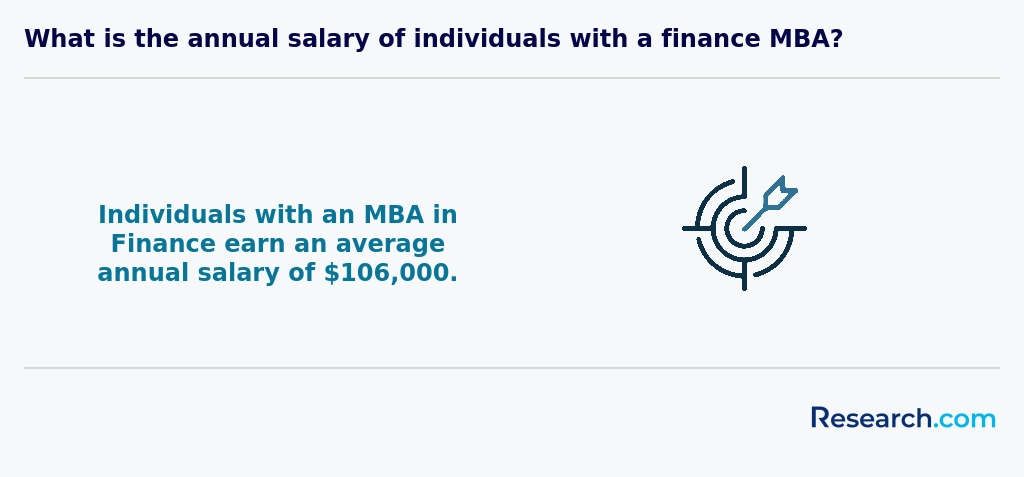
Understanding the return on investment (ROI) is essential when weighing the long-term benefits of an MBA in South Dakota. On average, graduates report salary increases of 25–35% within two years, recouping tuition costs in approximately 3–5 years. For example, a starting salary of $75,000 that jumps to $95,000 after graduation represents a payback period of about four years, considering average program costs between $30,000 and $60,000. Key factors influencing ROI include: • Tuition vs. Salary Uplift: Compare program fees to expected salary growth. Public institutions like the University of South Dakota often offer lower tuition, leading to faster breakeven points. • Opportunity Cost: Full-time students forego income for two years, while part-time or online formats allow continued earnings. Balance immediate earnings against long-term gains. • Career Services Impact: Strong career support and alumni networks expedite job placements and negotiate higher salaries. • Specializations and Industry Demand: Finance and technology concentrations tend to command higher premiums, reducing payback periods. For cost-conscious applicants, benchmarking against other affordable options can highlight value differences. You may also explore our Inexpensive MBA Degree Programs Ranking in Maryland to see how South Dakota’s programs compare nationally in terms of tuition and outcomes. By calculating estimated salary growth, factoring in program length and format, and leveraging career services, prospective students can make data-driven decisions that maximize the ROI of their MBA investment.
MBA students in South Dakota commonly rely on federal student loans, such as Direct Unsubsidized and Graduate PLUS Loans, to finance their education. These loans offer manageable interest rates and repayment plans, providing vital support for graduates attending schools like the University of South Dakota. Many graduates recall how these loans helped them manage tuition costs without compromising their professional or personal responsibilities.
Merit-based scholarships at South Dakota institutions also play a key role. For example, MBA candidates with strong academic and leadership records often receive scholarships through the University of South Dakota or the South Dakota Board of Regents system. These awards reduce financial pressure significantly, enabling students to focus on advancing their careers.
Employer tuition reimbursement programs are another invaluable resource. Numerous part-time and online MBA students in the state report that employer assistance alleviated their financial burden, allowing them to pursue their degrees while maintaining job stability and work-life balance.
- Federal student loans remain the most accessible financial aid form for MBA students.
- Merit-based scholarships and fellowships specific to South Dakota schools offer direct tuition discounts.
- Employer tuition reimbursement programs support many part-time and online MBA students.
- Private loans exist but often carry higher interest rates and less favorable terms.
Beyond institutional offers, local professional groups like the South Dakota Society of Certified Public Accountants provide additional scholarship opportunities, fostering a supportive network for MBA students. Engaging early with these resources often leads to greater financial ease and a more rewarding educational experience.
Assessing the return on investment (ROI) of an MBA in South Dakota is crucial for prospective students who want to balance cost, time commitment, and long-term earning potential. On average, tuition at public institutions like the University of South Dakota and South Dakota State University ranges between $30,000 and $60,000, while private programs can exceed $100,000. Given reported starting salaries of $70,000–$90,000 for MBA graduates in the state, most students recoup their tuition within three to five years post-graduation. Key factors influencing ROI include:
- Salary Growth Trajectory: Graduates often experience a 20–30% increase in base salary within two years, especially in finance and management roles.
- Payback Period: At an average salary increase of $20,000 per year, the break-even point for a $50,000 investment occurs in approximately 2.5 years.
- Opportunity Cost: Full-time students forgo one to two years of income, whereas part-time and online learners mitigate this by continuing to work. Comparatively, students seeking ultra-affordable pathways might explore programs outside South Dakota. For example, the Inexpensive MBA Degree Programs Ranking in Maryland highlights options where total tuition can be as low as $20,000, shortening the payback period to under two years. Ultimately, understanding ROI-factoring in tuition, salary uplift, and missed earnings-reveals that an MBA in South Dakota can be a financially sound investment, provided students select programs that align with their career goals and budget constraints.
To enroll in an MBA program in South Dakota, applicants typically must hold a bachelor's degree from an accredited institution. This requirement is flexible, as many programs at institutions like the University of South Dakota and South Dakota State University welcome candidates from non-business academic backgrounds, with some recommending foundational business courses before or during the program.
Standardized tests such as the GMAT or GRE are commonly required, though several schools offer waivers for experienced professionals. For example, graduates from South Dakota MBA programs often recall how their substantial work history helped bypass these tests, allowing them to focus on leadership and strategy aspects during their studies.
Relevant professional experience is highly valued, usually around two to three years, enriching class discussions with real-world insights. Many students appreciate how their work experience in local industries enhances collaborative learning environments at these institutions.
Letters of recommendation and a compelling personal statement are essential, providing an opportunity to showcase leadership potential and career aspirations, which many successful MBA graduates credit as pivotal in their admissions.
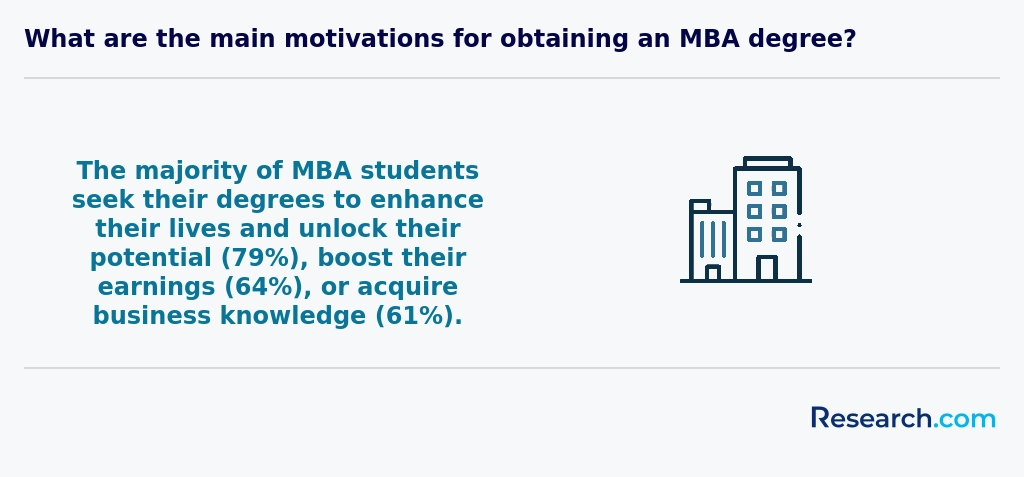
When embarking on your MBA journey, it’s essential not only to focus on academics but also to actively engage in opportunities that can enrich your overall experience. Start by planning your time effectively-balancing classes, group projects, and self-study will help you absorb complex business concepts while still affording room for extracurricular activities. Leveraging campus resources, like networking events and career services, can provide invaluable contacts and mentorship opportunities that often lead to internships and even full-time positions after graduation. In addition to traditional learning, embrace a proactive approach toward professional development by joining student associations and attending industry conferences. These experiences offer real-world insights and foster relationships with alumni and local business leaders. Moreover, utilizing online resources such as the ranking of cheapest mba online programs can help you compare cost-effective alternatives and supplement your studies with flexible learning options. Finally, continuously seek feedback from professors and peers. This iterative process not only sharpens your knowledge but also instills confidence in your decision-making skills-a critical asset in today’s competitive business landscape. By integrating these strategies, you’ll be better prepared to maximize your MBA experience and unlock powerful career opportunities in South Dakota and beyond.
MBA programs in South Dakota typically include a comprehensive range of core courses designed to equip students with fundamental business expertise. These courses cover essential topics such as Accounting and Financial Reporting, Marketing Management, Organizational Behavior, Managerial Economics, Operations Management, Corporate Finance, Business Strategy and Policy, and Quantitative Methods and Statistics for Decision-Making.
Graduates from institutions like the University of South Dakota often share how these subjects build a strong foundation that prepares them for diverse management roles. For example, understanding corporate finance and strategy frequently aids students in making confident decisions during internships or consulting projects within South Dakota's key industries, such as agriculture or healthcare.
Additionally, electives allow students to personalize their MBA experience with specialized study areas like data analytics or supply chain management. This flexibility helps students align their education with career aspirations, boosting their enthusiasm and engagement throughout the program.
The blend of theory and practical application through case studies and experiential learning deeply resonates with South Dakota MBA candidates, fostering leadership skills and ethical business practices crucial for today's dynamic market.
South Dakota universities offer a diverse set of MBA specializations designed to meet the state's unique economic landscape. Graduates from these programs often highlight concentrations such as Healthcare Management, a vital focus given the region's expanding medical facilities and the demand for skilled leadership in hospitals and clinics. Finance remains a sought-after specialization, reflecting the presence of major financial institutions in the state and drawing students who envision careers in banking or corporate finance.
Other prominent MBA degree concentration options include Marketing, where students engage with real-world challenges like digital campaigns and brand strategies; Agribusiness, which aligns closely with South Dakota's large agricultural sector, preparing students to lead in this essential industry; and General Management, popular among those seeking versatile leadership roles across various fields. Alumni recount positive experiences at well-known schools such as the University of South Dakota and South Dakota State University, where the curriculum blends theory with practical regional insights. Prospective students interested in cost-effective education may also explore a ranking of cheapest mba online programs to supplement their options.
Choosing the best MBA programs South Dakota offers involves prioritizing accreditation, cost, and program flexibility tailored to your professional ambitions. Graduates from well-known schools such as the University of South Dakota emphasize the value of AACSB accreditation for ensuring rigorous curriculum and stronger industry connections, especially in sectors like agriculture and healthcare prevalent in the state. Cost remains a major concern; public institutions often provide more affordable MBA degrees in South Dakota, with average annual tuition around $8,000 for in-state students, while private universities may demand higher fees combined with living expenses.
Many students appreciate programs that offer evening or online classes, enabling them to maintain work-life balance while advancing their education. Curriculum options with specializations in finance or entrepreneurship reflect real-world demands, helping students stand out during job placement. Robust alumni networks further support career growth through mentorship and internships. For a comprehensive view of affordability, students often consult resources like the Inexpensive MBA Degree Programs Ranking in Maryland to benchmark costs and benefits.

Graduates with an MBA degree in South Dakota often pursue varied career paths that reflect the state's diverse economy. Many find success in corporate management roles such as project manager or business development manager, leveraging skills developed at popular institutions like the University of South Dakota. These MBA career opportunities in South Dakota frequently involve strategic planning and leadership in manufacturing, agriculture, and retail sectors.
The financial industry in Sioux Falls, a prominent regional hub, offers promising positions for MBAs specializing in finance. Graduates often secure roles as financial analysts or investment managers, benefiting from the strong banking presence. The average salary for these roles ranges from $70,000 to $100,000, drawing many students from South Dakota State University's well-regarded MBA program.
Entrepreneurship also thrives here, with many MBA graduates inspired by a supportive business environment fostering small business growth. Skills in marketing and operations, acquired through their studies, empower them to launch startups or manage existing companies. Those interested can explore options alongside the best 6 month programs that pay well in the state.
The healthcare sector represents another expanding field for MBA holders. Graduates contribute to hospitals and consulting firms by improving efficiency and financial management. Public and nonprofit roles also appeal to MBA graduates, applying their analytical and leadership expertise toward program management and policy development within South Dakota's communities, further enhancing South Dakota MBA degree job prospects.
The MBA job outlook in South Dakota is characterized by strong demand in diverse industries such as finance, healthcare, agriculture, and manufacturing. Graduates from popular programs at universities like the University of South Dakota and Dakota State University often find that their advanced management skills and strategic knowledge align well with the needs of local employers. Many MBA holders report successful placement in roles related to financial management in Sioux Falls, which is a regional financial hub, or in healthcare administration with organizations like Sanford Health.
South Dakota's consistently low unemployment rate fosters a stable environment that supports career growth for MBA graduates. The state's affordable living costs combined with competitive salaries between $70,000 and $95,000 make pursuing an MBA here a rewarding investment. Networking within local business communities around institutions such as South Dakota State University further enhances career opportunities, a factor many graduates appreciate as they navigate their post-MBA job search.
Students contemplating advanced education might also explore tailored degrees for older adults available in the state, which complement career ambitions alongside traditional MBA paths. Overall, the South Dakota MBA career opportunities remain promising for those seeking professional advancement within a close-knit economic landscape.
2027 Most Popular MBA Degree Programs Ranking in South Dakota
Investing in your education is a significant decision that can shape your future, and the Research.com team understands the importance of making informed choices. To assist prospective students in South Dakota, we have meticulously developed the "2027 Most Popular MBA Degree Programs Ranking in South Dakota." Our dedication to quality, credibility, and accuracy is demonstrated through the thorough research and analysis behind this ranking.
We utilized the following reputable data sources to ensure a comprehensive evaluation of MBA programs:
By exploring this ranking, readers will gain valuable insights into the most popular MBA programs in South Dakota, empowering them to make well-informed decisions about their educational journeys. For more information on how this ranking was created, please visit our Research.com methodology page.


# 5 position
National American University-Rapid City
Master of Business Administration

Frequently Asked Questions About MBA
Students pursuing an MBA degree in South Dakota can maximize their learning by actively engaging with local business networks and internship programs. Many South Dakota universities, including the University of South Dakota and South Dakota State University, offer partnerships with regional companies, allowing students to gain real-world experience while studying. According to the South Dakota Department of Labor, practical experience significantly enhances employment outcomes for MBA graduates in the state.
Additionally, taking advantage of mentorship programs and professional workshops can deepen understanding of business concepts. Online resources and case competitions hosted by South Dakota institutions also provide valuable opportunities to apply theory in practical scenarios. Staying connected with the wider Midwestern business community helps students build relevant skills and networks essential for career advancement.
The MBA field is evolving with several emerging niches gaining popularity among students in South Dakota. Areas such as data analytics and technology management have seen increased demand, reflecting the broader business trend towards digital transformation.
Additionally, MBA programs emphasizing sustainability and green business practices are growing, aligning with global priorities on environmental responsibility.
Health care management remains a strong niche due to South Dakota's expanding medical sector, supported by data from the South Dakota Department of Labor indicating a steady rise in health services jobs.
Finally, entrepreneurship and innovation track MBAs are appealing to students aiming to start new ventures or grow family businesses in the region, due to South Dakota's supportive economic environment.
After completing an MBA degree in South Dakota, preparing for the job market involves strategic planning and skill development. According to data from the U.S. Bureau of Labor Statistics, South Dakota's business management sector is growing steadily, with a 6% projected job increase by 2030.
Networking is crucial; graduates should engage with local business groups such as the South Dakota Chamber of Commerce. Utilizing university career services and attending job fairs can provide access to internships and employment opportunities within the state.
Many employers in South Dakota value practical experience alongside academic credentials. Building skills in data analysis, leadership, and digital marketing can improve employability.
Employers in South Dakota increasingly seek MBA graduates with strong leadership and strategic thinking skills. According to the South Dakota Department of Labor, effective communication and problem-solving abilities rank among the top traits desired in business professionals. MBA programs in the state emphasize data-driven decision-making, reflecting local industry needs in agriculture, finance, and healthcare sectors.
A report by the Graduate Management Admission Council (GMAC) shows 85% of South Dakota employers value adaptability and technical proficiency, especially in analytics and information systems. Additionally, teamwork and ethical judgment are critical, as companies prioritize collaboration within diverse work environments.
These skills prepare MBA graduates for dynamic roles across South Dakota's evolving economy.
Finding internships in South Dakota relevant to an MBA degree involves several strategic steps. Start by exploring opportunities through university career centers such as those at the University of South Dakota or South Dakota State University, which maintain relationships with local businesses and alumni networks. These centers often host job fairs targeted to business students.
Businesses in South Dakota's key sectors, including agriculture, finance, and healthcare, frequently seek MBA interns to assist with management and analytics projects. According to the South Dakota Department of Labor, sectors like finance and insurance showed a 3% employment growth in 2023, increasing internship availability.
Online platforms like Handshake and LinkedIn also list local internships, and joining area-specific professional associations can provide networking opportunities crucial for MBA candidates.
In South Dakota, earning an MBA degree significantly enhances career mobility and advancement opportunities. According to the U.S. Bureau of Labor Statistics, professionals with graduate business degrees often see a higher likelihood of promotion and salary increases compared to those with only bachelor's degrees.
South Dakota's growing industries such as finance, healthcare, and agriculture increasingly seek MBA graduates for leadership roles. Local employers value the strategic thinking and management skills that MBA programs develop, which can lead to quicker career progression.
Furthermore, MBA holders in South Dakota benefit from strong networking connections through regional universities. These connections often translate into new job prospects and professional mentorship, facilitating upward career movement.
Studying for an MBA degree in South Dakota equips students with versatile skills vital for interdisciplinary roles. Programs often emphasize leadership, strategic thinking, and effective communication, which are applicable across varied industries. South Dakota universities integrate real-world projects and case studies, encouraging collaboration among students from diverse academic backgrounds.
According to the South Dakota Board of Regents, MBA curricula frequently combine business fundamentals with electives in data analytics, healthcare management, and technology. This interdisciplinary approach enables graduates to address complex challenges by bridging gaps between departments and functions.
Moreover, local business partnerships offer practical experiences, further preparing students for roles that require cross-sector knowledge and adaptability.
Choosing between a thesis and a non-thesis MBA program in South Dakota depends on your career goals and learning preferences. Thesis programs emphasize research, requiring a formal paper that can strengthen analytical skills and prepare students for doctoral studies or research-heavy roles. Non-thesis options usually focus on coursework and practical experience, appealing to professionals seeking immediate application of business knowledge.
The University of South Dakota reports that about 30% of its MBA students opt for thesis tracks, often those aiming for academia or consulting. On the other hand, non-thesis options tend to be preferred by working professionals due to flexibility and shorter completion times.
Consider your long-term plans: choose thesis if interested in research or teaching; non-thesis if focused on advancing in industry or management quickly.
Students in South Dakota seeking to study for an MBA abroad have several options to consider. Many U.S. universities, including those in South Dakota, offer exchange programs and partnerships with international business schools. These programs allow students to spend a semester or a year studying overseas while earning credits toward their MBA.
Additionally, some South Dakota MBA programs incorporate global study components or short-term international residencies. For example, schools may collaborate with programs in Europe or Asia, providing real-world experience.
For independent study abroad, students often choose countries with strong business education reputations such as the UK, Canada, or Germany. The Graduate Management Admission Council (GMAC) reports increasing interest in international MBA experiences among U.S. graduate students, reflecting the value placed on global perspectives in business.
Part-time job opportunities that complement MBA studies in South Dakota include roles in finance, marketing, and business consulting. Many MBA students find positions as financial analysts or accounting assistants in industries like agriculture, manufacturing, and healthcare, which are prominent in the state.
Additionally, companies in Sioux Falls and Rapid City often seek interns or part-time marketing coordinators, providing practical experience with digital campaigns and market research. MBA students can also explore opportunities with small businesses or startups, where hands-on management skills and strategic planning are valuable.
According to the U.S. Bureau of Labor Statistics, these sectors show steady growth in South Dakota, aligning well with MBA curriculum goals.
Networking opportunities for MBA students in South Dakota are diverse and robust, reflecting the state's growing business environment. Universities such as the University of South Dakota and South Dakota State University offer access to local business leaders through guest lectures, career fairs, and alumni events. These institutions often connect students with South Dakota's prominent industries, including agriculture, finance, and healthcare.
Additionally, MBA students benefit from regional chapters of national organizations like the South Dakota Chamber of Commerce and the Association for Corporate Growth. These platforms facilitate networking with established professionals and potential employers.
According to the South Dakota Department of Labor, MBA-related roles in the state have increased by approximately 8% in recent years, highlighting growing job market connections available for students.
Alumni networks provide significant advantages for MBA students in South Dakota by enhancing professional connections and career opportunities. Graduates from local MBA programs, such as those at the University of South Dakota and South Dakota State University, often join active alumni groups that facilitate networking events and mentorship programs.
These networks allow current students to access job leads and industry insights from alumni working in key sectors like agriculture, finance, and healthcare, important to South Dakota's economy. According to the Graduate Management Admission Council, 85% of MBA alumni report that their networks helped them secure job opportunities.
For MBA students in South Dakota, engaging with alumni can lead to internships and partnerships that boost real-world experience and employment prospects after graduation.
In South Dakota, MBA programs often offer flexible options to tailor your studies according to career goals. Many universities provide elective courses and concentrations such as finance, healthcare management, or entrepreneurship. This flexibility helps students develop specialized skills that align with their industry interests.
Additionally, some programs incorporate experiential learning through internships, consulting projects, or networking opportunities with local businesses. This practical exposure strengthens professional connections and real-world expertise.
Online and part-time formats are also common, allowing working professionals to balance education with career demands while focusing on areas relevant to their advancement plans.
Many MBA students in South Dakota face challenges related to balancing work, family, and academic demands. Since a significant portion of MBA candidates in the state are working professionals, time management is often cited as a primary concern.
Additionally, access to diverse networking opportunities can be limited compared to larger metropolitan areas. South Dakota's smaller business community means fewer local corporate partnerships and experiential learning options.
Cost is another factor. While South Dakota generally offers lower tuition rates than the national average, financing a graduate degree can still strain budgets, especially without extensive scholarship availability.
Finally, some students note difficulties in customizing MBA programs to align with niche industries prominent in South Dakota, such as agriculture and manufacturing.
With an MBA degree from South Dakota institutions, graduates can pursue several valued professional certifications that enhance their career prospects. Popular options include the Project Management Professional (PMP), highly regarded across industries for its focus on leadership and project execution.
The Certified Business Manager (CBM) credential is another path, emphasizing managerial skills relevant to business operations, which aligns well with MBA coursework.
Additionally, MBA holders often pursue financial certifications like Certified Financial Planner (CFP) or Chartered Financial Analyst (CFA), particularly if their studies included finance or accounting specialties.
South Dakota MBA graduates benefit from access to regional professional networks and continuing education resources that support certification exam preparation.
To write a winning application for an MBA program in South Dakota, start by thoroughly researching the specific schools, such as South Dakota State University or University of South Dakota, to tailor your statement of purpose. Admissions committees look for clear goals and how their program aligns with your career plans. Highlight your professional experience, leadership skills, and any measurable achievements. South Dakota MBA programs favor applicants with a strong academic record and well-rounded profiles.
Standardized tests like the GMAT or GRE are often optional but submitting competitive scores can strengthen your application. Additionally, secure compelling letters of recommendation from supervisors or professors familiar with your abilities.
According to U.S. News & World Report, regional programs value community involvement and clear leadership potential, so include relevant extracurriculars or volunteer work. Proofread carefully to ensure a polished, error-free application.
The global perspective on an MBA career highlights its value in developing leadership, strategic thinking, and management skills recognized around the world. For students in South Dakota, earning an MBA aligns with growing international business trends and cross-cultural collaboration.
According to the Graduate Management Admission Council (GMAC), MBA graduates often report increased career opportunities both domestically and abroad. In South Dakota, universities offering MBA programs emphasize global business practices, preparing students for multinational roles.
Data from the U.S. Bureau of Labor Statistics shows that MBA holders, including those from South Dakota, typically earn 25% more than those with only a bachelor's degree. This advantage extends into global markets where business acumen is in high demand.
Additionally, MBA programs in South Dakota integrate case studies and projects reflecting global economic challenges, equipping graduates with insights needed for international business environments.
Gaining practical experience while studying for an MBA in South Dakota is essential for career readiness. Many universities, including the University of South Dakota and South Dakota State University, offer internships and cooperative education programs. These opportunities allow students to work with local businesses, gaining hands-on experience in management and leadership roles.
Additionally, MBA programs often include capstone projects or consulting assignments with regional companies. These experiences provide real-world problem-solving practice under faculty supervision.
Networking events and career fairs in South Dakota further connect MBA students with industry professionals, enhancing practical learning.
According to the South Dakota Board of Regents, over 60% of MBA students engage in internships during their studies.
Choosing the right concentration within an MBA program in South Dakota depends largely on your career goals and the local job market. The state's economy is strong in agriculture, finance, healthcare, and manufacturing, so concentrations like Agribusiness, Finance, Healthcare Management, or Operations may offer good opportunities.
Research local employers and South Dakota's industry trends via sources like the South Dakota Department of Labor and Regulation. Some MBA programs in the state provide specialized tracks aligned with regional business needs. For instance, South Dakota State University offers concentrations tailored to agribusiness and supply chain management.
Consider also your background and skills. Aligning concentration with your experience can enhance learning and job prospects.
- 2027 Most Popular MBA Degree Programs Ranking in Nebraska
- 2027 Most Popular MBA Degree Programs Ranking in Minnesota
- 2027 Most Popular MBA Degree Programs Ranking in Iowa
- 2027 Most Popular MBA Degree Programs Ranking in Montana
- 2027 Most Popular MBA Degree Programs Ranking in Kansas
- 2027 Most Popular MBA Degree Programs Ranking in Missouri
- 2027 Most Popular MBA Degree Programs Ranking in Illinois
- 2027 Most Popular MBA Degree Programs Ranking in Oklahoma
- 2027 Most Popular MBA Degree Programs Ranking in Arkansas
- 2027 Most Popular MBA Degree Programs Ranking in Kentucky
- Verifying that you are not a robot... https://krea.edu.in/ifmrgsb/top-5-emerging-career-paths-for-mba-graduates/
- Tips for Writing an MBA Program Essay - GMAT Ninja https://www.gmatninja.com/articles/mba-admissions/essays-and-applications/minimizing-mba-application-essay-agony/
- How to Choose Between MBA Degree vs. Certificate | University of Phoenix https://www.phoenix.edu/articles/business/how-to-choose-between-mba-degree-vs-certificate-programs.html
- Top Challenges for MBA Students in 2025: Placements and Career Growth in India | BeJobbed.com https://bejobbed.com/challenges-mba-students-placements-career-growth-india/
- 5 Tips on How to Choose the Best MBA Concentration https://www.pointloma.edu/resources/business-leadership/5-tips-how-choose-best-mba-concentration
- South Dakota Board of Regents Employment Opportunities https://yourfuture.sdbor.edu/postings/search
- MBA Requirements https://www.collegeessayguy.com/blog/mba-requirements
- MBA Career Outlook from a Global Perspective Margaret Buj https://interview-coach.co.uk/mba-career-outlook-from-a-global-perspective/
- LIS MBA Programme | Apply Now for Our Innovative MBA https://www.lis.ac.uk/mba
- Follow These 10 Steps To Write Your MBA Application Essays - ApplicantLab https://www.applicantlab.com/blog/10-steps-to-write-your-mba-application-essay/


