
2027 Most Affordable MBA Degree Programs Ranking in Omaha

Co-Founder and Chief Data Scientist
Choosing the right MBA program in Omaha can feel overwhelming, especially when balancing quality with affordability. This article introduces the 2027 Most Affordable MBA Degree Programs Ranking in Omaha, developed by the Research.com team of data scientists to guide you through this important decision.
By exploring this ranking, you'll discover programs that offer great value without compromising on education quality. An MBA opens doors to new career opportunities and personal growth.
Reading this guide will help you confidently choose a program that fits your goals and budget.
Key benefits of getting MBA degree in Omaha
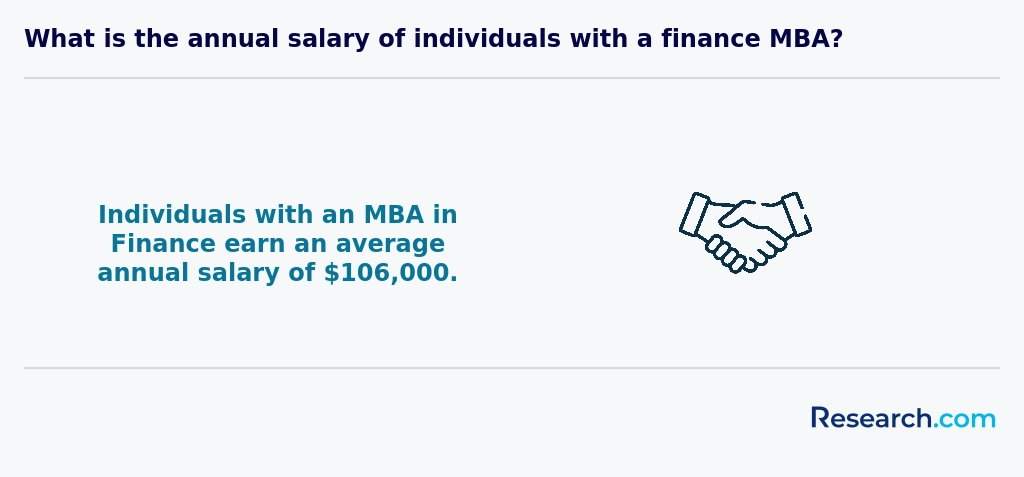
- MBA graduates often enjoy strong earning potential, with many roles in business management and finance offering median annual salaries around $90,000 to $130,000 nationwide, reflecting encouraging financial growth.
- An MBA graduate from a popular Omaha university can explore diverse career paths such as corporate leadership, marketing management, or entrepreneurship, opening doors to exciting opportunities in various industries.
- Completing an MBA online through a well-regarded Omaha college offers great flexibility, allowing students to balance work and study while gaining valuable skills that employers highly value.
- 2027 Most Affordable MBA Degree Programs Ranking in Omaha
- What can I expect from MBA degree in Omaha?
- Where can I work with MBA degree in Omaha?
What can I expect from MBA degree in Omaha?
The average cost of an MBA degree in Omaha tends to fall between $25,000 and $40,000 for in-state students, a range that surprises many who expect prices to rival costly coastal programs. Graduates from institutions like the University of Nebraska at Omaha often reflect on this affordability as a pivotal factor in choosing their path, allowing them to focus more on learning and less on overwhelming debt.
For many, this investment feels justified not only because of the reasonable price tag but due to the tangible connections forged with Omaha's vibrant business community. Imagine completing courses infused with real-world scenarios-finance projects tied to local firms or leadership challenges inspired by nearby transportation companies-and then leveraging those insights through internships. This practical approach adds value beyond the tuition dollar, creating confidence and career momentum.
The balance of cost and opportunity here prompts a deeper question: can a quality education be measured solely by price, or is there something uniquely empowering about earning an MBA in a city committed to blending affordability with applied business experience?
Where can I work with MBA degree in Omaha?
Graduates of MBA programs at Omaha's well-regarded institutions often find themselves immersed in dynamic industries that define the city's economic heartbeat. Imagine stepping into a role at a major financial firm like Berkshire Hathaway or Mutual of Omaha, where analytical rigor from your MBA transforms into strategic decision-making, guiding complex investments or corporate finance projects. These opportunities aren't hypothetical; many local MBA holders share how their degree opened doors to leadership roles within Omaha's thriving financial services landscape.
Healthcare administration is another vivid career pathway. Graduates from Omaha-based programs recount navigating the challenges of hospitals and healthcare systems such as CHI Health, applying their business acumen to streamline operations and design efficient resource strategies amidst the fast-paced healthcare environment.
Moreover, the city's position as a transportation hub through companies like Union Pacific offers MBAs practical experience in supply chain and project management roles, where problem-solving skills honed in classrooms translate directly to managing complex logistics networks.
Beyond corporate giants, many MBA students appreciate how Omaha's entrepreneurial spirit and strong SME and nonprofit sectors provide immediate impact roles, allowing them to lead marketing initiatives or develop business strategies that create local community value.
In Omaha, earning an MBA often leads to meaningful financial rewards, with many graduates seeing starting salaries between $65,000 and $75,000. Graduates from the University of Nebraska Omaha and Creighton University frequently report starting salaries in the $70,000 to $85,000 range, reflecting both the value of their education and the city's strong business environment.
As you gain experience, especially moving into mid-level management or specialized roles in finance and healthcare, it's common to surpass $95,000 annually. Those with five to ten years of experience often enjoy salaries well above $110,000, showcasing how leadership skills and industry expertise amplify earning power.
Imagine an MBA graduate rising to become a financial manager or marketing director in Omaha's vibrant economy-a role that not only offers financial growth but also a sense of accomplishment and community impact. The networking opportunities cultivated during an MBA program here frequently open doors to such positions, combining local business knowledge with leadership training to create powerful career trajectories.
- Tuition for MBA programs in Omaha ranges from $25,000 to $50,000, varying by school and whether attendance is full-time or part-time.
- Entry-level MBA graduates earn between $65,000 and $75,000 annually, with mid-career salaries rising to $100,000-$120,000.
- Omaha's job market for MBA holders is strong, especially in industries like finance, insurance, healthcare, and logistics.
- Key local employers include Berkshire Hathaway, Mutual of Omaha, and Kiewit Corporation, offering many leadership roles.
- Many MBA programs in Omaha have AACSB accreditation, which adds value and global recognition to the degree.
Completing an MBA degree in Omaha often challenges the assumption that it takes a fixed two years. Many graduates from universities like Creighton or the University of Nebraska at Omaha find this timeline deeply personal. Full-time students typically finish in about two years, balancing core courses with elective choices that ignite their passions.
However, consider the experience of working professionals juggling families and careers. At UNO's part-time MBA, some spend nearly three years mastering the curriculum during evenings and weekends, discovering a rewarding but prolonged journey. Others embrace accelerated options, completing intense programs within 12 to 18 months, driven by a clear sense of urgency to return to the workforce swiftly.
Online and hybrid formats popular in Omaha add another layer: students can pace their studies around life's unpredictability. One graduate noted that this flexibility transformed what seemed like an overwhelming commitment into a manageable, empowering experience-proving that MBA duration is truly about aligning with your unique path and goals.
Investing in an MBA in Omaha, NE involves weighing program costs against potential salary gains and career advancement. A clear ROI framework helps prospective students make informed choices: • Average Total Cost vs. Starting Salary Increase - Average Omaha MBA cost: $56,850 (tuition, fees, living expenses) - Average pre-MBA salary: $65,000; post-MBA: $85,000–$90,000 - Estimated annual salary increase: $20,000–$25,000 • Payback Period and Lifetime Earnings - Break-even point: 2.5 years (based on median increase of $22,500/year) - 10-year net gain: $225,000–$250,000 - 20-year net gain: $450,000–$500,000 • Factors Affecting ROI - Specialization choice (e.g., Finance vs. Healthcare Management) - Program format (accelerated vs. part-time) - Employer sponsorship and scholarships For a comparative look at cost-efficiency and ROI metrics in a different market, explore Low Cost MBA Degree Programs Ranking in Indianapolis, IN.
Choosing between an online and on-campus MBA in Omaha is more than just picking a learning style-it's about shaping your entire experience. Graduates from the University of Nebraska at Omaha often reminisce about walking through campus halls, engaging in spontaneous conversations with professors, or attending networking mixers that sparked career-changing connections. This face-to-face interaction fosters a strong sense of community, something that's difficult to replicate online.
Conversely, graduates from Creighton University's online MBA program emphasize the freedom to study after work while managing family life. The flexibility to pause lectures or dive into coursework at midnight without the stress of commuting transforms their education into a personalized journey. Yet, some admit missing the energy of live classrooms and local business events Omaha campuses facilitate.
Financially, on-campus programs hover around $25,000 to $45,000, while online options can be more accessible at $20,000 to $40,000, a crucial consideration for many working professionals. Ultimately, each format delivers accredited learning but invites you to weigh what atmosphere and flexibility truly empower your ambitions.
When evaluating the most affordable MBA programs in Omaha, NE, it's essential to consider various factors, including tuition costs, program duration, and networking opportunities. Prospective students can explore affordable mba schools in nebraska to find the best fit for their budget and career aspirations. By comparing these options, individuals can make informed decisions about their educational investment and ensure they maximize their return on investment. Key considerations include the program's accreditation, curriculum, and faculty expertise, as well as the availability of financial aid and career support services.
The average cost of an MBA degree in Omaha offers a surprising balance between quality and affordability, challenging the notion that advanced business education must come with overwhelming debt. With a median in-state total cost around $24,510 and a median out-of-state cost near $39,066, students at institutions like the University of Nebraska Omaha (UNO) and Creighton University find a range of financial options suited to different needs. Graduates often reflect on how this investment felt manageable given Omaha's overall living expenses, which are notably lower than in larger US cities.
Those pursuing more affordable MBA tuition fees Omaha often choose UNO, where public university rates typically fall between $800 and $1,000 per credit hour. This structure helps many students maintain enthusiasm and focus during their studies, as financial stress is less burdensome. On the other hand, private university graduates frequently emphasize the added value and networking opportunities from Creighton's higher tuition which ranges from $900 to $1,200 per credit hour, showing that costs align with program quality and potential career benefits.
The journey isn't just about tuition. Scholarships, assistantships, and thoughtful budgeting around books, supplies, and tech fees make the overall experience more accessible. Many Omaha MBA students, inspired by success stories, turn to strategies highlighted on research.com to optimize their post-degree opportunities, demonstrating how understanding the average MBA degree cost in Omaha can empower smarter choices about education and career paths.
The landscape of MBA education in Omaha, NE, is evolving rapidly to meet the demands of a dynamic business environment. Prospective students can expect a growing emphasis on hybrid learning formats, advanced technology integration, and curricula that blend traditional business concepts with emerging trends such as data analytics, sustainability, and digital transformation. These changes are designed to prepare graduates for a future where adaptability and continuous learning are essential. Institutions are increasingly offering flexible learning options-including hybrid and fully online courses-to cater to a diverse range of student needs. In fact, many schools now integrate modern teaching practices with virtual platforms, making it easier for busy professionals to balance work and study. For example, to explore flexible and innovative degree options, you can check out online emba programs. Additionally, employers are placing greater value on forward-thinking skill sets. Graduates well-versed in digital business strategies and agile problem-solving are particularly in demand, ensuring that an MBA today is not only a rigorous academic pursuit but also a forward-looking investment in one’s career. Educational institutions and industry leaders alike advocate for continual curriculum updates and emerging specializations that mirror the future market landscape, further enhancing the value of an MBA degree.
Financial aid for MBA students in Omaha goes beyond the standard expectations, offering diverse pathways to ease the hefty price tag. Graduates from Creighton University often speak to the transformative impact of merit-based scholarships that reward leadership and academic excellence, significantly cutting tuition burdens. Meanwhile, those enrolled at the University of Nebraska Omaha find opportunities through the Peter Kiewit Institute's blend of merit and need-based awards, which feel like personalized investments in their future.
Federal loans, especially Direct Unsubsidized and Grad PLUS Loans, are lifelines for many, delivering lower interest rates with flexible repayments that create breathing room amidst financial pressures. Imagine working professionals who rely on employer tuition assistance programs, a resource so often overlooked, yet powerful in Omaha's workforce-driven culture-these programs can cover substantial tuition portions, turning dreams into achievable realities.
Beyond the obvious, less conventional options such as private loans, veteran education benefits, and local nonprofit scholarships quietly support determined MBA candidates. Each source embodies a chance to challenge the overwhelming costs and pursue higher ambitions with confidence.
Enrolling in an MBA program in Omaha means more than just submitting transcripts; it's about demonstrating readiness for a dynamic business environment. Graduates from the University of Nebraska at Omaha recall how their diverse undergraduate degrees-from sciences to liberal arts-didn't limit their acceptance, as long as they showed an eagerness to build business acumen. This challenges the notion that only business majors fit the MBA mold.
Many programs expect standardized tests like the GMAT or GRE, yet successful applicants often find their real-world experience-sometimes two to three years working in startups or corporate roles-helps waive these requirements. One alum described how their entrepreneurial journey added unique value beyond test scores, highlighting the importance of practical insight in the classroom.
Applicants also navigate letters of recommendation and personal essays, which aren't mere formalities but windows into leadership potential and goals. In Omaha's MBA community, these components allow candidates to articulate authentic stories, turning abstract prerequisites into meaningful reflections on ambition and resilience.
MBA programs in Omaha, such as those at Creighton University and the University of Nebraska Omaha, center around a rigorous curriculum designed to produce versatile leaders. Graduates often recall how courses like Accounting and Financial Reporting or Strategic Management challenged them to think beyond textbook theories and apply concepts to local business realities.
Core courses include essential topics like Marketing Management and Operations and Supply Chain Management, equipping students with skills directly relevant to Omaha's thriving sectors, including finance and agribusiness. Many students find themselves immersed in Organizational Behavior and Leadership classes, where case studies mimic situations they'll face in Omaha's collaborative corporate culture.
Electives also play a crucial role, allowing personalization with concentrations relevant to Omaha's economy-graduates mention how specializing in risk management gave them a competitive edge in the city's insurance industry. The program's blend of quantitative skills, business ethics, and real-world projects consistently empowers students to approach complex challenges with confidence and practical insight.
MBA specializations in Omaha go beyond standard offerings, reflecting the city's unique economic fabric and the aspirations of its students. Graduates from local programs often highlight how concentrations like finance and accounting leverage Omaha's status as a financial hub, providing a tangible edge in careers backed by institutions such as Berkshire Hathaway. This grounding empowers students not only with theories but clear, real-world applications.
Others find their passion in business analytics, a field rapidly gaining momentum. At prominent Omaha colleges, students revel in using data visualization and predictive modeling to solve complex business challenges, which fuels enthusiasm and a sense of purpose. Choosing Omaha affordable MBA concentrations like marketing sparks creativity, allowing students to engage directly with digital strategies and brand management critical for firms rooted in the region or expanding globally.
Specializations such as entrepreneurship or healthcare management also resonate deeply. Graduates often recount the thrill of crafting startups or driving innovations within healthcare systems, industries vital to Omaha's growth. Prospective students keen to explore career trajectories can find practical insights at https://research.com/careers/best-jobs-for-mba-graduates, linking specializations with vibrant job markets.
Choosing the best MBA degree in Omaha is not just about picking the most popular program or the one with the highest price tag. Graduates from well-regarded schools in Omaha often reflect that their success came from aligning the program's flexibility and specialization with their personal career goals. For example, some found that part-time evening classes at the University of Nebraska Omaha allowed them to balance work, family, and study, making the experience more fulfilling and manageable.
Cost plays an unexpected but crucial role. While Omaha's programs tend to be more affordable than many national counterparts, prospective students should consider the true return on investment. Programs range between $20,000 and $40,000, a favorable comparison to pricier options. Reflecting on their journey, many graduates advise calculating not just tuition but also how the degree's network and career services boost advancement. For a practical comparison, check bookkeeping certificate cost options to weigh different financial paths.
Finally, don't overlook the unique focus of each program. Some highlight entrepreneurship or finance, while others foster connections within Omaha's evolving business community-a key factor graduates credit with opening doors. Exploring these aspects will guide you toward the best affordable MBA programs Omaha can offer.
MBA graduates in Omaha find their skills highly sought after in finance, healthcare, and logistics-sectors that define the city's vibrant economy. Many graduates from local institutions like Creighton University or the University of Nebraska Omaha share how their leadership training propelled them into roles at companies such as Berkshire Hathaway or Union Pacific. This real-world application of their education is a testament to the strong alignment between academic programs and Omaha's job market.
Those pursuing the best Omaha MBA job prospects often cite opportunities in healthcare administration, where degrees blend business acumen with industry-specific knowledge. Graduates describe the rewarding challenge of managing complex hospital operations or pharmaceutical ventures, experiences that spark genuine passion and impact.
Entrepreneurship is another compelling path. Urban incubators support MBAs eager to launch innovative startups, proving the city's entrepreneurial spirit is alive and thriving. This environment nurtures confidence and creativity, qualities MBA holders bring into every venture.
Consulting roles also attract many graduates, offering diverse projects that refine problem-solving skills. For students exploring options outside Omaha's mainstream industries, programs sometimes recommend looking into a pr degree near me to complement their business expertise and broaden career versatility.
The job market for MBA degree holders in Omaha defies the notion that only coastal cities offer robust opportunities. Graduates from local institutions often find themselves valued for leadership and strategic thinking, landing roles in finance, insurance, and healthcare-sectors thriving in Omaha's diverse economy. One graduate shared how their MBA opened doors at companies like Berkshire Hathaway, emphasizing the real-world advantage of studying an MBA in Omaha's business ecosystem. This perspective challenges the assumption that an MBA must come from a top-tier national program to matter.
Omaha MBA career opportunities are further enhanced by the city's stable unemployment rate, consistently below the national average, creating fertile ground for advanced business professionals seeking meaningful growth. Aspiring leaders from Nebraska universities frequently leverage networking with local employers, illustrating how proximity can translate into career success. For students prioritizing value, exploring an accelerated mba in information technology also presents a strategic path aligned with regional job demands.
2027 Most Affordable MBA Degree Programs Ranking in Omaha
Investing in your education is a significant decision that can profoundly impact your career and future, and the Research.com team recognizes the importance of providing trustworthy information to support that choice. To help prospective students in Omaha find the most affordable MBA programs, we have carefully developed the "2027 Most Affordable MBA Degree Programs Ranking in Omaha." Our dedication to quality, credibility, and accuracy is demonstrated through rigorous research and analysis behind this ranking.
We utilized the following reputable data sources to ensure a comprehensive evaluation of MBA programs:
By exploring this ranking, readers will gain valuable insights into affordable and credible MBA options in Omaha, empowering them to make well-informed educational decisions. For more details on how this ranking was created, please visit our Research.com methodology page.


Frequently Asked Questions About MBA
To maximize their learning experience, MBA students in Omaha should engage actively with both academic and local business communities. Omaha hosts several well-regarded business schools offering opportunities for internships and networking in industries like finance, insurance, and logistics, which are prominent in the region.
Students benefit from participating in case competitions, workshops, and guest lectures often held by institutions such as the University of Nebraska at Omaha. These activities foster practical skills alongside theoretical knowledge.
Additionally, leveraging Omaha's strong corporate presence can provide real-world project experience and mentorship, crucial for career advancement. According to U.S. News, programs here emphasize applied learning.
The field of MBA education in Omaha is evolving with several emerging niches gaining prominence. Areas such as data analytics, supply chain management, and healthcare administration are attracting growing interest. These specializations reflect Omaha's strong local industries, including finance, logistics, and healthcare services.
For example, Bellevue University in Omaha offers an MBA concentration in business analytics, catering to the increasing demand for professionals skilled in data-driven decision making, a sector expected to grow by 15% nationally through 2030 (U.S. Bureau of Labor Statistics).
Additionally, the healthcare sector in Omaha supports specialized MBAs focused on healthcare management and policy, addressing needs highlighted by the city's expanding medical facilities and Nebraska Medicine's regional influence.
After completing an MBA degree in Omaha, preparing for the job market involves strategic steps tailored to the local economic landscape. Omaha's strong industries include finance, insurance, and transportation, offering diverse career opportunities for MBA graduates.
Networking is essential; leveraging connections through Omaha-based business groups such as the Greater Omaha Chamber can open doors. Additionally, many MBA programs in Omaha offer career services that include resume reviews, mock interviews, and job fairs focused on regional employers.
Internships during the MBA program significantly increase employability, with reports showing 70% of local hires come from internship experiences (Source: Nebraska Department of Labor, 2023).
Staying updated with relevant skills like data analytics and leadership, which are in demand locally, helps graduates remain competitive in Omaha's job market.
Employers in Omaha highly value MBA graduates who demonstrate strong leadership and strategic thinking skills. These abilities are critical for managing teams and driving business growth in the region's diverse economy. According to recent surveys by the Graduate Management Admission Council, communication and problem-solving skills rank among the top traits sought by local employers.
Analytical skills, including data interpretation and financial acumen, are particularly important in Omaha's finance and insurance sectors. Additionally, adaptability and technological proficiency, especially with business software and digital tools, are increasingly essential due to the rise of tech-driven industries.
Overall, successful MBA graduates in Omaha combine traditional management knowledge with practical, tech-savvy capabilities to meet employer expectations.
Finding internships in Omaha relevant to an MBA degree involves leveraging local business networks and university resources. Omaha hosts headquarters of several Fortune 500 companies like Berkshire Hathaway and Union Pacific, which frequently offer internships suited for MBA students. According to the Bureau of Labor Statistics, industries such as finance, logistics, and healthcare in Omaha have shown steady growth, providing various internship opportunities.
Prospective MBA students should utilize career services at institutions like Creighton University and the University of Nebraska Omaha, which maintain partnerships with local employers. Networking events, job fairs, and online portals like Handshake are valuable tools for accessing internship openings.
Additionally, contacting the Omaha Chamber of Commerce can help MBA candidates discover small and midsize businesses seeking interns. Early application and tailored résumés focused on managerial skills increase chances of success in Omaha's competitive internship market.
In Omaha, obtaining an MBA degree significantly enhances career mobility and advancement opportunities. The city's growing sectors, including finance, insurance, and logistics, often prefer candidates with advanced business skills. According to the U.S. Bureau of Labor Statistics, MBA holders in metropolitan areas like Omaha tend to experience a salary premium of approximately 20-25% compared to those with only a bachelor's degree.
Employers in Omaha value the leadership, strategic thinking, and analytical skills gained through MBA programs. This degree frequently leads to promotions or transitions into management roles within regional companies such as Berkshire Hathaway and Union Pacific.
Furthermore, local networking opportunities through university alumni groups and business organizations strengthen career growth prospects for MBA graduates.
Studying for an MBA degree in Omaha provides strong preparation for interdisciplinary roles by integrating business fundamentals with practical experience across sectors. Local programs emphasize collaboration between departments such as finance, marketing, and healthcare management, reflecting Omaha's diverse economy. For example, the average cohort includes professionals from various industries, enhancing peer learning and broadening perspectives.
Omaha's MBA curricula often incorporate case studies, internships, and projects involving multiple fields, which develop flexible problem-solving skills crucial for interdisciplinary work. According to the U.S. Department of Education data and regional workforce reports, over 40% of MBA graduates in Omaha engage in roles requiring cross-functional expertise within two years of graduation.
This approach equips students with the ability to manage complex challenges that span different business areas, improving adaptability and leadership in dynamic environments.
Choosing between a thesis and a non-thesis MBA program in Omaha depends largely on your career goals and learning preferences. Thesis programs emphasize research and require you to complete a substantial academic project, beneficial if you plan to pursue a PhD or a research-oriented job. Non-thesis programs focus more on practical coursework and often include internships or capstone projects, which appeal to professionals aiming for immediate career advancement.
In Omaha, many accredited MBA programs offer both options. For example, the University of Nebraska at Omaha provides a thesis track designed for students interested in deep specialization. According to the U.S. Department of Education's College Scorecard, graduates from Omaha's MBA programs typically see strong employment outcomes within six months.
Consider the time commitment as well: thesis programs usually take longer due to research demands. Ultimately, deciding involves assessing your long-term plans and the type of learning environment you prefer.
Students based in Omaha seeking to study for an MBA abroad have several pathways available. Many opt for exchange programs or dual-degree partnerships between the University of Nebraska at Omaha and international business schools. These collaborations often enable students to spend a semester or year overseas while paying in-state tuition rates.
Alternatively, online MBA programs from globally recognized universities offer international perspectives without the need to relocate, a convenient option for working professionals.
According to the Graduate Management Admission Council, roughly 25% of U.S. MBA candidates express interest in global study opportunities, showing a rising trend.
Financial aid and scholarships specifically for international study may help offset costs, but require early planning.
Part-time job opportunities in Omaha that complement MBA education often involve roles in finance, marketing, and business consulting. Many MBA students find internships or part-time positions with Omaha's growing industries such as finance firms, healthcare companies, and technology startups valuable for gaining practical experience alongside their studies. According to the Greater Omaha Chamber of Commerce, financial services and health sectors are among the city's largest employers.
Positions such as financial analyst assistants, marketing coordinators, or business development associates may align well with MBA coursework. These roles support skill development in data analysis, strategic planning, and leadership.
Additionally, Omaha's numerous small businesses and nonprofits offer opportunities for students to apply classroom knowledge in real-world settings, creating valuable networking channels needed for future career growth.
Omaha offers MBA students numerous networking opportunities through its strong business community and academic partnerships. Local universities, such as the University of Nebraska at Omaha, host regular networking events, career fairs, and guest lectures featuring executives from Fortune 500 companies like Berkshire Hathaway and Union Pacific.
Professional organizations like the Omaha Chamber of Commerce and SCORE provide additional venues for MBA students to connect with business leaders and entrepreneurs. According to the University of Nebraska at Omaha's College of Business, more than 85% of MBA graduates engage in these networking activities during their studies.
Additionally, many Omaha-based firms actively recruit MBA candidates, creating internship and mentorship opportunities that broaden professional connections.
Alumni networks offer significant benefits for MBA students in Omaha by providing access to a robust community of former graduates. These networks facilitate professional connections, mentorship opportunities, and job referrals, which are especially valuable in a competitive job market. According to the University of Nebraska Omaha, its MBA alumni network includes over 10,000 professionals, fostering local business relationships.
Students can leverage these connections during internships and job searches, often finding openings not publicly advertised. Additionally, alumni events and online platforms encourage knowledge sharing and career development. Research from the Graduate Management Admission Council highlights that 85% of MBA graduates find mentors through alumni networks, underscoring their importance for career advancement in Omaha's business landscape.
In Omaha, MBA programs offer various ways to tailor your degree to align with your career ambitions. Many universities provide concentrations such as finance, marketing, healthcare management, and entrepreneurship, allowing students to focus on industries relevant to their goals. For example, the University of Nebraska at Omaha offers specialized tracks and elective courses that enable deeper expertise in key areas.
Students can often choose between full-time, part-time, and online formats, providing flexibility for working professionals. Furthermore, internships and networking opportunities with Omaha's robust business community can enhance practical skills tailored to your career path.
Consulting academic advisors early helps identify courses and experiences that best support your career objectives.
MBA students in Omaha often face challenges related to balancing work, family, and study commitments. Since many MBA candidates are mid-career professionals, time management becomes a critical issue. According to the Graduate Management Admission Council (GMAC), nearly 70% of MBA students in the U.S. work while studying, which is also true for Omaha's programs.
Another challenge is navigating the competitive job market. Omaha's economy is growing, especially in finance and healthcare sectors, but MBA graduates must differentiate themselves with practical experience and networking.
Finally, the cost of tuition remains a concern. Although Omaha offers some affordable MBA options, students must consider expenses beyond tuition, like books and commuting.
With an MBA degree from Omaha, graduates can pursue various professional certifications that enhance their career prospects. Popular options include the Project Management Professional (PMP) certification, which is widely respected in business and management fields. Another common path is the Certified Management Accountant (CMA) credential, especially beneficial for MBA holders focused on finance or accounting.
Omaha's growing business environment supports certifications like the Certified Financial Planner (CFP) and the Chartered Financial Analyst (CFA), which attract professionals aiming to advance in finance roles. Additionally, MBA graduates often pursue the Certified Business Analysis Professional (CBAP) for expertise in business analysis.
Writing a winning application for an MBA program in Omaha starts with thorough research. Applicants should carefully review the specific requirements of each school, such as the University of Nebraska at Omaha (UNO) or Creighton University, which are well-known for their business programs.
A strong GMAT or GRE score is important; average GMAT scores in Omaha MBA programs typically range between 550 and 650. Highlighting professional experience, leadership roles, and community involvement strengthens the profile.
Personal statements must be clear, tailored, and reflect your career goals tied to the Omaha business environment. Strong recommendation letters from supervisors or academics also play a key role. According to the Graduate Management Admission Council (GMAC), concise and authentic essays improve chances significantly.
The global perspective on an MBA career emphasizes the value of leadership, strategic thinking, and cross-cultural management skills. Graduates with an MBA are often sought after in multinational companies, reflecting a demand for professionals who can navigate complex global markets. According to the Graduate Management Admission Council (GMAC), 65% of MBA employers worldwide prioritize candidates with international business knowledge.
For Omaha students, the local business environment offers growing opportunities in finance, healthcare, and technology sectors, which increasingly require global awareness. Area MBA programs regularly incorporate global case studies and international internships to prepare students for careers beyond the US market.
Additionally, alumni surveys from Omaha-based universities report that nearly 40% of MBA graduates engage with international business activities within five years of graduation, highlighting the expanding global reach of MBA careers starting locally.
Gaining practical experience while pursuing an MBA in Omaha is vital for career advancement. Many local programs offer internship opportunities with Omaha's diverse business sectors, including finance, healthcare, and technology. The University of Nebraska Omaha, for example, connects MBA students with companies through its Business Career Center, facilitating internships that often lead to job offers.
Additionally, students can engage in consulting projects or case competitions, providing real-world problem-solving skills. Networking events and partnerships with Omaha's Chamber of Commerce also promote experiential learning. According to U.S. News data, MBA internships in Omaha have a success rate of over 70% in securing post-graduation employment, underscoring their value during studies.
Choosing the right concentration within an MBA program in Omaha depends on your career goals and local industry demand. Omaha is known for its strong finance, insurance, and healthcare sectors. Concentrations such as Finance, Healthcare Management, or Risk Management often align well with job opportunities in the region.
Research from the Omaha Chamber of Commerce highlights a growing need for leaders with skills in financial analysis and healthcare administration. Additionally, technology and supply chain management are emerging fields offering promising prospects.
Consider schools' faculty expertise, partnerships with Omaha-based companies, and internship availability when deciding your concentration to enhance real-world experience. Finally, evaluate curricula flexibility to tailor your education effectively.
- 2027 Most Affordable MBA Degree Programs Ranking in Kansas City
- 2027 Most Affordable MBA Degree Programs Ranking in Wichita
- 2027 Most Affordable MBA Degree Programs Ranking in Dubuque
- 2027 Most Affordable MBA Degree Programs Ranking in Minneapolis
- 2027 Most Affordable MBA Degree Programs Ranking in River Forest
- 2027 Most Affordable MBA Degree Programs Ranking in Chicago
- 2027 Most Affordable MBA Degree Programs Ranking in Denver
- 2027 Most Affordable MBA Degree Programs Ranking in Indianapolis
- 2027 Most Affordable MBA Degree Programs Ranking in Fort Wayne
- 2027 Most Affordable MBA Degree Programs Ranking in Louisville
- MBA Networking Tips-Building Connections Pre-MBA https://menlocoaching.com/mba-applications-and-admissions-guide/networking/
- Business Administration (MBA) https://www.creighton.edu/academics/programs/business-administration-mba
- How to Use Your MBA for Career Growth While You’re Still Studying - International Career Institute USA https://icieducation.com/blog/how-to-use-your-mba-for-career-growth-while-youre-still-studying/
- How to balance a part-time MBA while working full-time https://www.manchester.ac.ae/blog-post/how-to-balance-a-part-time-mba-while-working-full-time
- Business Administration, Master of Business Administration https://catalog.unk.edu/graduate/departments/business-administration-programs/business-administration-mba/
- MBA Requirements https://www.collegeessayguy.com/blog/mba-requirements
- 10 Highest-Paying MBA Specializations in 2026 (With Salary Data) - Paris School of Management (PSM) https://www.psm-paris.fr/en/10-highest-paying-mba-specializations-in-2026/
- How an MBA contributes to career advancement https://online.wlv.ac.uk/blog/how-an-mba-contributes-to-career-advancement/
- MBA Scholarships & Financial Aid: A Comprehensive Guide https://www.collegeadvisor.com/resources/mba-scholarships/
- MBA Career Outlook from a Global Perspective Margaret Buj https://interview-coach.co.uk/mba-career-outlook-from-a-global-perspective/


