
2027 Most Valuable MBA Degree Programs Ranking in Saint Paul

Co-Founder and Chief Data Scientist
Choosing the right MBA program is a big step toward advancing your career and achieving your goals. This article introduces the 2027 Most Valuable MBA Degree Programs Ranking in Saint Paul, created by the Research.com team of data scientists. It's designed to help you find the best MBA options based on real data and insights.
By exploring this ranking, you'll gain clarity on programs that offer strong value and opportunities. Investing in an MBA can open new doors, and we're here to guide you through making an informed, confident choice.
Key benefits of getting MBA degree in Saint Paul
- While specific salary data for MBA graduates in Saint Paul is not available, the general U.S. average for MBA-related roles often ranges from $80,000 to $120,000 annually, offering strong earning potential and financial growth.
- An MBA graduate from the University of St. Thomas in Saint Paul can pursue diverse career paths including finance, marketing, and management, opening doors to leadership roles in various industries.
- Completing an MBA online from institutions like St. Catherine University allows flexible learning schedules and the opportunity to balance work and study, making it easier to advance your career without pausing your current job.
- 2027 Most Valuable MBA Degree Programs Ranking in Saint Paul
- What can I expect from MBA degree in Saint Paul?
- Where can I work with MBA degree in Saint Paul?
What can I expect from MBA degree in Saint Paul?
The average cost of pursuing an MBA degree in Saint Paul typically centers around $40,000 for full-time programs, as exemplified by the University of St. Thomas. This figure aligns closely with regional averages for private institutions, making it a realistic benchmark for prospective students.
Graduates frequently describe balancing this investment with the value of hands-on learning opportunities integrated into their curriculum, such as consulting projects and collaborations with local companies. These experiences not only enhance practical skills but also contribute to strong employment outcomes, making the tuition cost feel worthwhile.
Public universities in the Minnesota area may offer more affordable tuition rates, especially for in-state applicants, providing additional pathways for cost-conscious students. Many MBA candidates find this balance crucial as they manage expenses alongside work and family commitments.
Ultimately, the cost of an MBA in Saint Paul includes more than tuition: access to seasoned faculty, robust alumni networks, and career services all play a role in supporting graduates toward rewarding business careers.
Where can I work with MBA degree in Saint Paul?
MBA graduates in Saint Paul typically secure roles across diverse industries due to the city's broad economic base. Many find opportunities at major local companies such as Ecolab and 3M, where MBAs are valued for leadership in operations management, marketing, and product development. Graduates from universities like the University of St. Thomas often highlight their ability to leverage these connections for business development positions.
The strong finance sector offers careers in corporate finance, risk management, and financial analysis, especially with firms like Wells Fargo maintaining a large regional presence. The region's expanding fintech industry also creates roles demanding expertise in business analytics and innovation, appealing to MBA alumni aiming to combine tech-savvy skills with business acumen.
Healthcare employers, including Fairview Health Services and HealthPartners, actively hire MBAs for managerial and consulting roles, making healthcare management a significant pathway. Graduates report satisfaction working on strategic projects that impact community health outcomes.
Furthermore, many MBAs engage with public sector and nonprofit organizations in Saint Paul, applying skills in budgeting and project management to leadership roles that foster local development, as noted by alumni from Hamline University's MBA programs.
Data from GMAC indicates starting salaries for MBA holders in Minnesota range between $85,000 and $105,000, reflecting competitive compensation aligned with Saint Paul's job market demands. This supports a positive outlook for graduates investing in MBA education locally.
MBA graduates in Saint Paul can expect competitive earnings that reflect the region's growing demand for advanced business skills. Graduates from local institutions such as the University of St. Thomas or Hamline University often start with salaries ranging from $85,000 to $95,000 in roles like financial management or business analysis. Over five to ten years, these salaries have the potential to grow beyond $120,000 as professionals gain experience and move into leadership positions.
Saint Paul's major employers, including 3M and Ecolab, value MBA-trained candidates for management-track roles, offering entry-level salaries near $90,000 plus performance bonuses. Many alumni report feeling confident and motivated entering these companies, appreciating the practical business education they received locally.
Nationally, MBA graduates had a median starting salary of about $115,000 in 2023, aligning closely with Saint Paul's market. Experienced professionals with skills in data analytics and strategic leadership in this metro area can earn upwards of $150,000, providing a satisfying career trajectory and a comfortable lifestyle in a moderately priced city.
- Full-time MBA tuition in Saint Paul ranges from about $40,000 to $70,000, with part-time and online options offering lower costs based on credit load.
- Average starting salaries for MBA graduates in Saint Paul are between $75,000 and $85,000, often increasing to six figures with experience and senior roles.
- Key industries hiring MBA holders include finance, healthcare, technology, and manufacturing, with many regional headquarters located in the city.
- Experiential learning through internships and consulting projects is common, helping students gain local business connections and improve job prospects.
- MBA admissions usually require a bachelor's degree and GMAT or GRE scores, with waivers available; work experience of two to five years is highly valued.
- Financial aid, scholarships, and employer tuition reimbursement programs are widely available to reduce education costs.
MBA completion times in Saint Paul vary widely, typically ranging from one to three years depending on the chosen program format and individual pace. Full-time MBA students at well-known institutions like the University of Saint Thomas often complete their degrees in about two years, balancing around 48 to 60 credit hours. These students frequently highlight the immersive experience gained through on-campus interactions and internships as a rewarding aspect of their journey.
Part-time MBA candidates, frequently working professionals enrolled at colleges such as Hamline University, may take closer to three years to finish. These students share positive feedback on the flexibility of evening or weekend courses, enabling steady progress without sacrificing career commitments.
Accelerated MBA tracks, less common but available in Saint Paul, enable completion within a year. Graduates from these intensive programs report a challenging yet highly motivating experience that fast-tracks career advancement.
Online and hybrid options also thrive locally, with durations spanning approximately 18 months to three years, often crediting professional experience to shorten coursework. This variety allows prospective MBA students to align timing with lifestyle and professional goals effectively.
The landscape of MBA education is evolving rapidly, driven by advancements in technology and the increasing demand for flexible, career-oriented learning. Today’s programs are integrating cutting-edge digital tools, experiential learning, and hybrid delivery models that cater to both full-time students and working professionals. Innovative approaches, such as virtual classrooms, interactive case studies, and real-time collaboration with industry experts, are becoming standard practice. These developments not only enhance the learning experience but also prepare graduates for the dynamic challenges of the modern business world. Additionally, many institutions are expanding their online offerings; for instance, exploring emba online programs can provide an opportunity to balance professional commitments with a rigorous academic schedule. This evolution in MBA education is marked by an emphasis on practical skills, adaptive learning methods, and robust digital networking, ensuring that students are well-equipped to thrive in an increasingly competitive market.
Online and on-campus MBA programs in Saint Paul differ primarily in delivery and flexibility. Graduates from the University of St. Thomas often highlight the immersive experience of face-to-face classes and strong local networking, which they credit for helping secure internships and job offers in the city's business community. This traditional format features fixed schedules requiring physical attendance, which suits those valuing direct access to professors and campus resources.
Conversely, alumni from Saint Paul College's online MBA emphasize the flexibility to balance work and family, thanks to asynchronous classes accessible anywhere. While the digital format limits spontaneous networking, these graduates appreciate reduced costs and the ability to study without disrupting careers.
Tuition rates in Saint Paul range widely-from around $30,000 to over $60,000-and although online programs sometimes offer lower fees, top institutions often price both formats similarly. Career services tend to be more comprehensive on-campus, facilitating closer connections with employers via events and fairs.
The average MBA degree cost in Saint Paul reflects a balance between quality education and manageable expenses. Based on recent data, the median total cost for an MBA in this region stands at approximately $55,156, which includes tuition, fees, and other required expenses. For in-state residents, the median cost is notably lower, around $44,226, offering a significant financial advantage for those who qualify. These figures provide a clear benchmark for prospective students when considering their educational investment.
Students enrolled in the University of Minnesota's Carlson School of Management, a leading institution in Saint Paul, often report satisfaction with the value they receive given the competitive pricing. Graduates frequently highlight the comprehensive curriculum and strong local business connections as key benefits that justify the cost. This local reputation boosts the confidence of many students about the return on investment in their MBA journey.
Part-time and executive MBA programs available in Saint Paul present additional flexibility, and their tuition ranges are often geared to accommodate working professionals' schedules and budgets. For those researching costs more broadly, exploring the valuable mba schools in minnesota can provide insight into programs that optimize both affordability and academic quality.
When planning for an MBA degree in Saint Paul, it's important to account for not only tuition but also living expenses, study materials, and fees. The combination of these factors typically places the full program cost within a realistic range for many local students aiming to boost their career without excessive financial strain.

Financing an MBA in Saint Paul typically involves leveraging federal loans, institutional scholarships, employer tuition assistance, private scholarships, and work-study opportunities. Graduates from the University of St. Thomas Opus College of Business often rely on federal Direct Unsubsidized Loans and Grad PLUS Loans obtained through FAFSA, which offer manageable interest rates and repayment plans. While Pell Grants are not available for MBAs, these federal loans frequently cover a significant share of tuition and living expenses.
Many MBA candidates in Saint Paul benefit from merit-based scholarships offered by institutions like St. Thomas, which reward academic achievement, leadership, and professional experience. Working professionals pursuing part-time or executive MBAs regularly tap into employer tuition reimbursement programs, a prevalent perk in Saint Paul's diverse corporate sectors such as finance and healthcare. Private scholarships from business foundations also provide valuable supplemental aid, particularly for students emphasizing specialization or diversity.
Some students enhance their budgets through graduate assistant roles or federal work-study programs, gaining practical experience while offsetting costs. These combined options make MBA education in Saint Paul more affordable and accessible.
. When evaluating the best MBA programs, prospective students often find it beneficial to explore the value proposition of different schools. By considering factors such as program reputation, alumni success, and financial outcomes, students can make informed decisions about their educational investments. For those interested in pursuing an MBA in Minnesota, researching valuable mba schools in minnesota can provide valuable insights into the state's top MBA programs, helping them navigate their educational journey with confidence and clarity. This process involves examining various aspects of each program, including curriculum, faculty expertise, and career support services, to determine which schools offer the most valuable MBA experience.
To enroll in an MBA program in Saint Paul, candidates must first hold a bachelor's degree from an accredited institution, often regardless of their major. For instance, graduates from the University of St. Thomas or Hamline University typically meet this foundational requirement. Most programs also require standardized test scores, primarily the GMAT, with competitive Saint Paul schools expecting ranges between 560 and 600. Some admittees successfully apply with GRE scores, which provides flexibility.
Work experience is another crucial prerequisite. Many programs prefer applicants to have two to five years of professional experience. This real-world background enhances classroom engagement and leadership skills, as graduates frequently share how their prior roles contributed to vibrant discussions and practical insights during their studies.
Non-native English speakers need to demonstrate language proficiency through TOEFL or IELTS scores that meet minimum thresholds defined by each institution. Additionally, letters of recommendation and personal statements give admissions committees a window into candidates' leadership potential and career aspirations, often reflecting the diverse ambitions of Saint Paul's business community.

MBA programs in Saint Paul, such as those at the University of St. Thomas, typically include a robust set of core courses designed to build essential business skills. Graduates often highlight courses like Financial Accounting and Managerial Accounting, which provide practical abilities to interpret and prepare financial statements-a skill frequently applied when managing budgets in real-world business settings.
Marketing Management and Organizational Behavior courses teach students how to develop effective strategies and navigate team dynamics, experiences that many recall using during internships or collaborative projects. Operations Management classes focus on optimizing production and service delivery, crucial for students aiming to enter supply chain roles.
Courses in Corporate Finance and Business Strategy equip learners with analytical tools for investment decisions and competitive planning, while Economics for Managers ensures a strong grasp of market forces. Data Analytics or Decision Sciences are especially valued by students leveraging data-driven decision-making during capstone projects. Leadership and Ethics rounds out the curriculum, preparing Saint Paul students to lead with confidence and integrity in demanding business environments.
MBA specializations offered in Saint Paul cover a range of industry-relevant fields, directly aligning with local economic strengths. Graduates from institutions like the University of St. Thomas often highlight concentrations in finance, marketing, and healthcare management as key to their career advancement. Finance is especially pertinent due to Minnesota's strong banking and insurance sectors. Marketing specializations equip students with digital and consumer strategy skills, essential for dynamic sectors like retail and healthcare.
Supply Chain Management and Data Analytics are increasingly popular, reflecting the region's logistics importance and the demand for data-driven decision-making. Entrepreneurial tracks foster innovation and startup growth, resonating with Saint Paul's expanding business community. Many students find that these focused areas not only enhance job prospects but also engage them in practical scenarios like managing local healthcare operations or navigating Midwestern supply routes.
Given these options, students can strategically select programs that fit their ambitions and local market demand. For those seeking further flexibility, exploring emba online programs in Saint Paul offers accessible pathways to specialization, backed by competitive tuition compared to national averages.
When choosing the best MBA degree in Saint Paul, start by examining the accreditation of the business school. Graduates from AACSB-accredited institutions in Saint Paul often share how this ensures quality faculty and effective career services, which are critical for professional success. Consider the program format as well; many students appreciate part-time or online options that allow them to maintain their jobs and balance family commitments while studying. These flexible formats are increasingly popular-reflecting national trends where about 40% of MBA students pursue non-full-time paths.
Cost is a key consideration for affordable MBA degrees Saint Paul offers, with tuition typically ranging from $30,000 to $65,000. Graduates often advise factoring in additional expenses like textbooks and fees to avoid surprises. Also, look for programs offering specializations in finance, healthcare management, or technology, which align with Saint Paul's local economy and improve job prospects.
Strong local alumni networks and career support services have helped many graduates secure roles in the Twin Cities market. For those prioritizing cost and flexibility, exploring Inexpensive Online Master's in MBA Degree Programs Ranking in Lincoln, NE can provide useful benchmarks.
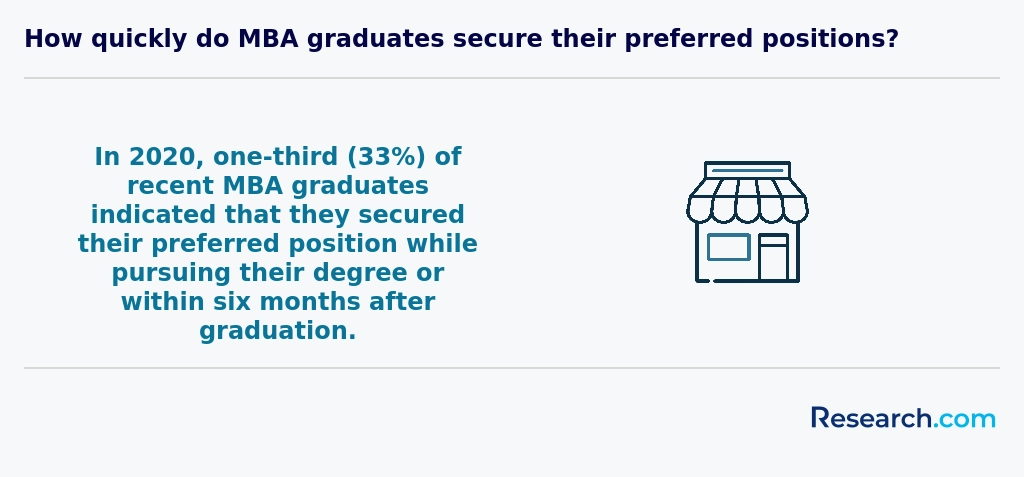
Graduates of MBA programs in Saint Paul commonly step into diverse roles across finance, healthcare, manufacturing, and technology sectors, reflecting the demand from major local employers like 3M and Ecolab. These career paths include corporate leadership positions such as business analysts, financial managers, and marketing directors. The city's economic environment supports a robust job market for MBA holders, with financial managers earning a median annual wage of about $134,180 nationwide, which highlights strong earning potential. This data supports optimism expressed by recent graduates from universities in Saint Paul, who share experiences of swift career progression and meaningful impact in roles like product management and operations.
Growing local healthcare companies like HealthPartners open additional opportunities in healthcare administration and consulting, appealing to MBAs who want to make a difference in patient care and organizational efficiency. Entrepreneurship is also a viable path; Saint Paul's business incubators offer practical support, making startup leadership accessible to ambitious graduates. For those seeking quicker workforce entry, exploring 6 month certificate courses that lead to high paying careers can complement the MBA journey.
MBA career opportunities in Saint Paul tend to be dynamic, offering graduates stable, well-compensated, and satisfying roles supported by the region's strong corporate presence and low unemployment rates.
The MBA job market trends in Saint Paul display promising growth, driven by a diverse economy anchored by major employers such as Ecolab and 3M. Graduates from popular local universities often find opportunities in finance, healthcare, and technology sectors, with many securing leadership roles shortly after graduation. Management occupations in Minnesota are projected to grow by 7% from 2022 to 2032, reinforcing the demand for advanced business skills in the region.
Saint Paul MBA career opportunities extend beyond established corporations, as startups in the Twin Cities foster innovation management and entrepreneurship roles. Graduates frequently report satisfaction with their career trajectories, especially those who leverage flexible MBA programs available locally, including part-time and executive options suitable for working professionals.
Costs of education remain reasonable, with programs averaging $25,000 to $45,000, providing a significant return on investment given the area's competitive salaries. Many graduates consider supplementing their MBA with online certs that pay well to further enhance employability and salary potential.
2027 Most Valuable MBA Degree Programs Ranking in Saint Paul
Investing in your education is a significant decision that can shape your future, and the Research.com team understands the importance of making informed choices. To assist prospective students in Saint Paul, we have meticulously crafted the "2027 Most Valuable MBA Degree Programs Ranking in Saint Paul." Our dedication to quality, credibility, and accuracy is reflected in the thorough research and analysis undertaken to develop this ranking.
We utilized the following reputable data sources to ensure a comprehensive evaluation of MBA programs:
By exploring this ranking, readers will gain valuable insights into the most valuable MBA programs available in Saint Paul, empowering them to make well-informed educational decisions. For a deeper understanding of how this ranking was created, please visit our Research.com methodology page.


Frequently Asked Questions About MBA
Students pursuing an MBA degree in Saint Paul can maximize their learning by actively engaging with the city's robust business community. Saint Paul hosts events and networking opportunities through organizations such as the Saint Paul Chamber of Commerce, giving students real-world exposure.
Additionally, many local MBA programs emphasize experiential learning, encouraging participation in internships and consulting projects with Minnesota-based companies. According to the Minnesota Private College Council, nearly 70% of MBA students in Saint Paul complete internships, which enhances both skills and employability.
Leveraging resources at institutions like the University of St. Thomas, including career services and alumni networks, also enriches the educational experience. Finally, balancing coursework with involvement in student-led business clubs enables application of theory in collaborative settings.
The MBA field continues to evolve, with new niches gaining traction especially in a business hub like Saint Paul. One emerging area is sustainability management, where MBA programs integrate environmental concerns with business strategies. According to the Graduate Management Admission Council (GMAC), interest in sustainability-focused MBA courses increased by 25% nationwide in recent years, a trend reflected in Saint Paul's schools.
Another growing niche is data analytics and business intelligence. Saint Paul MBA programs are emphasizing skills in big data and decision-making tools, preparing graduates for tech-driven industries. Additionally, healthcare management MBAs attract professionals aiming to lead in the expanding medical sector in Minnesota. These niches align with local economic growth areas and offer students targeted career paths supported by regional demand.
After completing an MBA degree in Saint Paul, preparing for the job market involves strategic planning and leveraging local resources. Graduates should utilize career services offered by institutions such as the University of St. Thomas and Hamline University, which provide job placement assistance and networking events.
Building a strong professional network is crucial in Saint Paul's competitive market, especially within the Twin Cities business community, known for industries like finance, healthcare, and manufacturing. According to the Minnesota Department of Employment and Economic Development, MBA holders in this region see an average salary increase of 15-20% within two years of graduation.
Internships and experiential learning during the MBA program also enhance employability by providing practical skills and local employer connections.
Employers in Saint Paul highly value MBA graduates who demonstrate strong leadership and strategic thinking skills. According to the Graduate Management Admission Council, employers nationwide emphasize abilities in effective communication and problem-solving. In Saint Paul's competitive job market, these skills help graduates navigate complex business environments and drive organizational growth.
Analytical proficiency is another sought-after trait. Local employers look for candidates comfortable with data-driven decision-making, reflecting the increasing reliance on business analytics in the region. Moreover, adaptability and teamwork are critical in Saint Paul's diverse industries, including finance, healthcare, and manufacturing.
Lastly, ethical judgment and global awareness are growing priorities, aligning with the values promoted by many Saint Paul MBA programs.
Finding internships in Saint Paul relevant to an MBA degree involves strategic use of local university career services, professional networks, and online platforms. The University of St. Thomas, a major MBA provider in Saint Paul, offers dedicated internship listings and employer connections specifically for graduate business students. According to the National Association of Colleges and Employers (NACE), internships increase job placement likelihood by over 60%, making early application critical.
Local business hubs such as the Saint Paul Chamber of Commerce provide networking events that often lead to internship opportunities. Additionally, websites like Handshake and LinkedIn list internships with companies headquartered or operating in the Twin Cities metro area, including finance, healthcare, and technology sectors.
An MBA degree in Saint Paul significantly enhances career mobility and advancement opportunities for professionals in the region. According to the Graduate Management Admission Council, MBA graduates in Minnesota experience a median salary increase of around 30% within three years post-graduation. The Twin Cities area, including Saint Paul, hosts a diverse business environment with industries such as finance, healthcare, and manufacturing actively seeking MBA holders for managerial roles.
The network and leadership skills gained during an MBA program also increase candidates' competitiveness for promotions or lateral moves into higher-paying or specialized positions. Local employers often value practical experience combined with business education, which MBAs provide.
Studying for an MBA degree in Saint Paul equips students for interdisciplinary roles by emphasizing a broad curriculum that integrates business fundamentals with specialized knowledge. Many programs in Saint Paul offer courses combining finance, marketing, technology, and leadership, fostering versatile skill sets. According to the University of St. Thomas, a prominent institution in the city, their MBA emphasizes practical teamwork and cross-functional problem-solving, key for interdisciplinary careers.
Saint Paul's MBA programs often collaborate with local industries including finance, healthcare, and technology, providing students with hands-on projects. This exposure helps graduates adapt to various sectors. The Greater Minneapolis-St. Paul Business Journal highlights that nearly 60% of MBA holders in the region work in roles requiring multiple domain expertise, reflecting the value of such training.
Choosing between a thesis and a non-thesis MBA degree program in Saint Paul depends on your career goals and learning preferences. A thesis MBA involves conducting original research and writing a detailed paper, which is ideal if you plan to pursue a PhD or a research-oriented role. Non-thesis programs focus more on coursework and practical skills, suitable for professionals seeking to advance in business without engaging in extensive research.
Local universities in Saint Paul, such as the University of St. Thomas, offer both options. According to the National Center for Education Statistics, about 65% of MBA students in Minnesota prefer non-thesis tracks for faster completion and practical experience.
Consider your time commitment as thesis programs usually require more months to complete than non-thesis ones. Employers in Saint Paul value practical skills, making non-thesis programs appealing for applied business roles.
Students based in Saint Paul seeking to study for an MBA abroad have several pathways available through US higher education resources. Many universities in Minnesota, including those near Saint Paul, offer exchange programs or dual-degree partnerships with international business schools. This allows students to gain global exposure while still benefiting from US accreditation standards.
Additionally, top-ranked MBA programs frequently include study-abroad options, often lasting one semester, in countries with leading economies. According to the Graduate Management Admission Council (GMAC) 2023 report, about 30% of MBA students in the US participate in international study components.
Financial aid and scholarships for such experiences are often accessible through the home institution or specific international programs, broadening opportunities for Saint Paul residents.
Saint Paul offers diverse part-time job opportunities that complement MBA education by providing practical experience alongside academic learning. Many MBA students find roles in local financial services firms, leveraging Saint Paul's strong banking and insurance sectors. These positions often include internships or part-time analyst roles that develop skills in financial modeling and data analysis.
Additionally, part-time consulting or project management roles at small to mid-sized businesses in Saint Paul allow MBA students to apply strategic and operational knowledge. According to the Minnesota Department of Employment and Economic Development, professional services jobs in the Twin Cities metro area are projected to grow by 5% through 2028, benefiting MBA candidates.
Retail management and marketing assistant positions in downtown Saint Paul also provide experience in leadership and customer analytics, key aspects of MBA curricula. These roles enhance communication, problem-solving, and team management skills, essential for future executives.
Saint Paul offers a variety of networking opportunities for MBA students through its local universities and business communities. Institutions like the University of St. Thomas provide MBA programs with strong alumni networks and connections to Twin Cities businesses. According to the university's career services, more than 70% of MBA graduates engage in internships or networking events during their studies, boosting their professional contacts.
The city's numerous business associations, such as the Saint Paul Area Chamber of Commerce, host regular events and seminars where MBA students can meet entrepreneurs, executives, and recruiters. Additionally, regional conferences and workshops cater specifically to business students and professionals, expanding practical and peer networks.
Alumni networks provide significant advantages for MBA students in Saint Paul, facilitating valuable connections within the local business community. Graduates often access exclusive job opportunities and mentorship programs through these networks, enhancing career prospects.
Saint Paul's MBA programs benefit from alumni involvement in organizing networking events and workshops, helping students build practical skills. According to the University of St. Thomas, the strength of its alumni network has contributed to a reported 85% employment rate within six months after graduation.
Active alumni networks also foster partnerships with local corporations, opening doors for internships and consulting projects. This regional focus supports students aiming for leadership roles in Minnesota's diverse economy.
Customizing an MBA degree program in Saint Paul allows students to align their education with specific career goals. Many local universities offer flexible curricula where students can choose concentrations such as finance, marketing, or entrepreneurship. For example, University of St. Thomas provides several specialization tracks, enabling focused skill development. Elective courses and experiential learning opportunities, including internships and consulting projects with local businesses, further enhance career relevance.
Students can also select part-time or online options to balance work and study. According to the National Center for Education Statistics, about 35% of MBA students in Minnesota pursue part-time formats, reflecting this trend.
Networking events and local industry connections in Saint Paul provide practical pathways to career advancement alongside academic customization.
MBA students in Saint Paul commonly face several challenges as they balance academics, work, and personal commitments. Many programs expect students to manage rigorous coursework, which includes classes on finance, marketing, and leadership, often requiring 20-25 hours of study weekly. According to the Graduate Management Admission Council, time management remains a top concern for part-time and working students.
Additionally, the cost of tuition and living expenses in Saint Paul can be significant. Local institutions may charge between $30,000 and $60,000 for the full MBA program, depending on the school and format. Financial strain is reported by about 40% of MBA enrollees nationally, which often impacts focus and retention.
Students also report challenges in networking due to Saint Paul's smaller business community compared to larger metropolitan areas, which can limit internship and job placement opportunities. Navigating diverse cohort dynamics and adapting to hybrid or online learning models are further difficulties reported in recent surveys.
Obtaining an MBA degree in Saint Paul opens the door to various professional certifications that can enhance your career. Common options include the Certified Public Accountant (CPA) credential for finance professionals aiming to expand accounting expertise. Additionally, many MBA graduates pursue the Project Management Professional (PMP) certification to demonstrate advanced project leadership skills.
The Chartered Financial Analyst (CFA) certification is also popular among MBA holders focusing on investment and financial analysis. For those in marketing and operations, the Certified Supply Chain Professional (CSCP) provides a valuable credential. These certifications often complement the practical knowledge gained in MBA programs offered by local institutions like the University of St. Thomas, a respected school in Saint Paul.
The MBA's broad curriculum supports preparation for these exams, enhancing employability and earning potential across industries in Minnesota and beyond.
Writing a winning application for an MBA program in Saint Paul requires a clear strategy. Start by researching the specific offerings and values of local institutions like the University of St. Thomas, which emphasizes leadership and ethical decision-making in its MBA curriculum.
Highlight your professional achievements and quantify your impact when possible, since Saint Paul programs often value practical experience. A strong GMAT or GRE score remains crucial, though some schools accept the Executive Assessment or waive test requirements for experienced candidates.
Craft a compelling personal statement that explains your career goals and why an MBA from Saint Paul fits these ambitions. Include specific examples to demonstrate leadership and teamwork abilities. Letters of recommendation should come from supervisors or colleagues familiar with your business skills.
Finally, ensure your application is meticulously proofread. Attention to detail reflects your seriousness about joining the competitive Saint Paul MBA market.
Global perspectives on an MBA career highlight the degree's strong value in fostering leadership and managerial skills that are applicable worldwide. Graduates from MBA programs in Saint Paul benefit from the city's diverse economy, including finance, healthcare, and manufacturing sectors. According to the Graduate Management Admission Council (GMAC), 89% of MBA graduates report career progression within three years of graduation.
In the US, employers increasingly seek MBA holders who demonstrate cross-cultural awareness and strategic thinking, essential for roles in multinational companies. Saint Paul's MBA programs emphasize these global competencies through diverse cohort experiences and international case studies.
Data from the Saint Paul Chamber of Commerce shows local MBA graduates often command starting salaries around $85,000, reflecting competitive compensation aligned with national trends.
Gaining practical experience while pursuing an MBA in Saint Paul is achievable through various structured opportunities. Many programs encourage internships with local businesses in finance, healthcare, and technology, sectors prominent in the Twin Cities area. According to the University of St. Thomas, about 60% of MBA students complete internships during their studies, providing real-world skills and networking advantages.
Additionally, students can engage in consulting projects or participate in business competitions offered by schools such as Hamline University. These experiences simulate workplace challenges and enhance problem-solving abilities.
Part-time and evening MBA programs also allow students to work while studying, integrating lessons directly into professional contexts.
Choosing the right concentration within an MBA program in Saint Paul depends largely on your career goals and local industry demands. Saint Paul's economy thrives in sectors like healthcare, finance, education, and manufacturing, making concentrations in healthcare management, finance, and supply chain management highly relevant. According to the Minnesota Department of Employment and Economic Development, these sectors show consistent job growth through 2030. Consider your background and long-term plans when selecting a focus, as specialized concentrations often lead to better networking opportunities and higher employment rates post-graduation.
Research available programs at institutions like the University of St. Thomas and Hamline University, which offer concentrations aligned with Saint Paul's job market. Also review alumni outcomes and local employer partnerships to gauge the practical value of each concentration in this region.
- 2027 Most Valuable MBA Degree Programs Ranking in Minneapolis
- 2027 Most Valuable MBA Degree Programs Ranking in Dubuque
- 2027 Most Valuable MBA Degree Programs Ranking in River Forest
- 2027 Most Valuable MBA Degree Programs Ranking in Chicago
- 2027 Most Valuable MBA Degree Programs Ranking in Grand Rapids
- 2027 Most Valuable MBA Degree Programs Ranking in Kansas City
- 2027 Most Valuable MBA Degree Programs Ranking in Fort Wayne
- 2027 Most Valuable MBA Degree Programs Ranking in Indianapolis
- 2027 Most Valuable MBA Degree Programs Ranking in Wichita
- 2027 Most Valuable MBA Degree Programs Ranking in Louisville
- How to Choose an MBA Program That Fits Your Career Goals https://www.mobileviewer.io/blog/how-to-choose-an-mba-program-that-fits-your-career-goals
- MBA Networking Tips-Building Connections Pre-MBA https://menlocoaching.com/mba-applications-and-admissions-guide/networking/
- Master of Business Administration (M.B.A.) Major in Business Administration (General Flex Non-thesis Option) https://mycatalog.txstate.edu/graduate/mccoy-business-administration/business-genflex-nonthesis-mba/
- 10 Highest-Paying MBA Specializations in 2026 (With Salary Data) - Paris School of Management (PSM) https://www.psm-paris.fr/en/10-highest-paying-mba-specializations-in-2026/
- Overcoming Common Challenges Faced by Management Students https://iilm.edu/iilm-lucknow/blog/challenges-faced-by-management-students/
- Business School Saint Paul | Online MBA Program | Metropolitan School of Business & Management UK https://msbm.org.uk/saint-paul_5
- Follow These 10 Steps To Write Your MBA Application Essays - ApplicantLab https://www.applicantlab.com/blog/10-steps-to-write-your-mba-application-essay/
- How to Choose the Best MBA Program for Your Career Goals https://www.clearadmit.com/2025/05/how-to-choose-the-best-mba-program-for-your-career-goals/
- MBA Requirements: What do you really need for an MBA degree https://www.obseducation.org/en/blog/mba-requirements-what-do-you-really-need-for-an-mba-degree
- Tips for Writing an MBA Program Essay - GMAT Ninja https://www.gmatninja.com/articles/mba-admissions/essays-and-applications/minimizing-mba-application-essay-agony/


