
2027 Most Valuable MBA Degree Programs Ranking in Kansas City

Co-Founder and Chief Data Scientist
Choosing the right MBA program in Kansas City can shape your future career and open doors to exciting opportunities. This article introduces the 2027 Most Valuable MBA Degree Programs Ranking in Kansas City, developed by the Research.com team of data scientists. It's designed to help you make an informed decision based on thorough data analysis.
By exploring this ranking, you'll discover programs that offer great value, balancing quality education with career prospects. Pursuing an MBA is a rewarding step that can boost your skills, confidence, and professional growth in today's competitive market.
Key benefits of getting MBA degree in Kansas City
- The average salary for MBA-related roles across the US often exceeds $80,000 annually, offering a strong financial incentive despite the lack of specific Kansas City data.
- MBA graduates from universities in Kansas City typically pursue careers in management, finance, and consulting, enjoying diverse opportunities within thriving local industries.
- Online MBA programs provide flexibility and convenience, allowing Kansas City students to balance work and study while still gaining respected credentials from well-known institutions.
- 2027 Most Valuable MBA Degree Programs Ranking in Kansas City
- What can I expect from MBA degree in Kansas City?
- Where can I work with MBA degree in Kansas City?
What can I expect from MBA degree in Kansas City?
The average cost of pursuing an MBA degree in Kansas City typically ranges between $25,000 and $55,000 for the entire program. This range reflects the tuition fees at notable institutions like the University of Missouri-Kansas City (UMKC) and Rockhurst University, which offer flexible options tailored to both full-time students and working professionals.
Graduates often share how scholarships and assistantships played a key role in easing financial burdens, making these programs more accessible. One student, for instance, was able to balance part-time study at UMKC with a local internship, gaining valuable experience without sacrificing their budget.
The return on investment comes not only in the classroom but through meaningful connections with Kansas City's vibrant business community, including firms in finance, healthcare, and technology. With personalized attention in smaller class sizes, you benefit from mentorship that opens doors, turning the cost of tuition into a worthwhile step toward career growth and confidence.
Where can I work with MBA degree in Kansas City?
With an MBA degree earned from institutions like the University of Missouri-Kansas City or Rockhurst University, graduates often find themselves stepping confidently into leadership roles across Kansas City's diverse economy. Imagine joining UMB Financial Corporation or Commerce Bank, where your skills in finance and risk management directly influence major investment decisions.
Many MBA holders I've advised have transitioned smoothly into healthcare management at organizations such as HCA Midwest Health or Cerner Corporation, driving improvements in patient care through strategic operations. These roles require not just expertise, but the ability to innovate within complex systems.
Technology sector opportunities frequently draw MBA graduates into project management or business analytics roles at industry leaders like Garmin or Cerner. The vibrant tech scene here rewards professionals eager to blend business acumen with cutting-edge innovation.
Finally, consider manufacturing and logistics giants such as Burns & McDonnell. Graduates thrive managing supply chains and optimizing operations, capitalizing on Kansas City's key geographic and infrastructural advantages. Your MBA truly opens doors to impactful, well-compensated careers in these dynamic fields.
Graduates with an MBA from respected Kansas City institutions like the University of Missouri-Kansas City or Rockhurst University often find their efforts reflected in impressive salary gains. Although specific federal salary data for these roles isn't available, local reports and surveys consistently show MBA holders earning between $85,000 and $120,000 annually in this region.
Many MBA alumni share stories of moving swiftly from entry-level roles earning around $70,000 to management positions paying near or above $100,000 within a few years. Those entering finance or healthcare sectors report the highest earnings, sometimes reaching $150,000 or more in senior roles. This upward trajectory is fueled by leadership skills and practical business knowledge gained through local MBA programs.
One graduate described how networking through Kansas City's corporate community, including with firms like Cerner or Hallmark, opened doors to lucrative roles. Remember, investing in an MBA here doesn't just offer a credential but a chance to join a thriving market where your career and salary can grow meaningfully.
- The cost of earning an MBA in Kansas City ranges from $30,000 to $70,000, covering tuition, fees, and sometimes materials.
- Entry-level MBA graduates in Kansas City earn around $75,000 annually, with mid-career salaries reaching approximately $120,000 or more.
- Kansas City's job market for MBA holders is strong, featuring industries like finance, healthcare, technology, and manufacturing.
- MBA programs offer full-time, part-time, and online options to fit various professional schedules.
- Admission typically requires a bachelor's degree, a GMAT or GRE score (sometimes waived), and 2 to 5 years of work experience.
The journey to completing an MBA in Kansas City often varies but generally takes around two years for full-time students. Many graduates from the University of Missouri-Kansas City share how the full-time program helped them immerse deeply in business concepts, finishing in about two years while building strong professional networks.
For those balancing work and life, part-time programs stretch the experience to three or four years. These students find the flexibility invaluable, allowing them to maintain careers while steadily advancing their education. It's common to hear how part-time learners cherish tailoring their study pace around real-life demands without sacrificing progress.
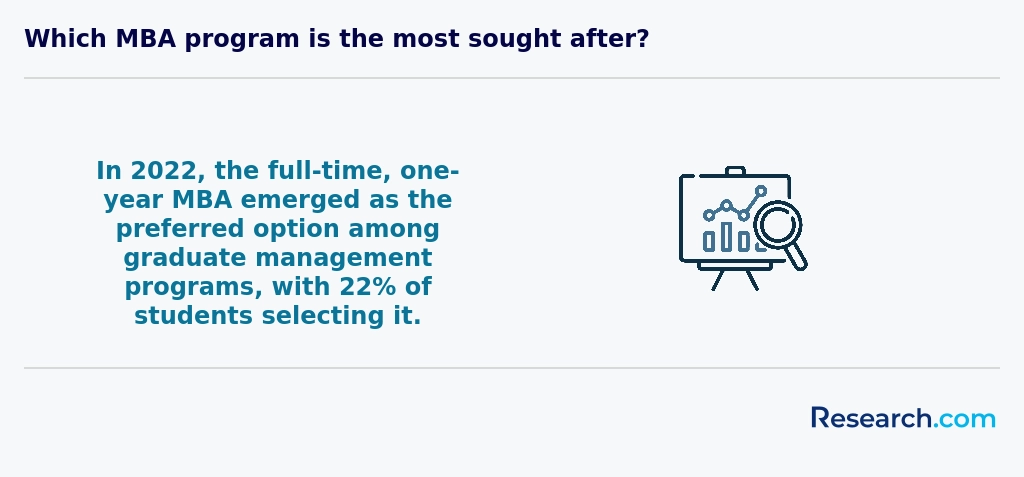
Accelerated or hybrid options are also gaining popularity. Some graduates finish within 12 to 18 months by taking intensive courses or summer sessions, which requires dedication but offers an energizing fast track. In Kansas City, these varied formats truly empower students to choose a path matching their ambitions and lifestyles.
Beyond rigorous academics and strong career prospects, Kansas City MBA programs offer a dynamic student life that plays a pivotal role in shaping well-rounded business leaders. Prospective students should consider the vibrant campus culture, which includes an array of networking events, student clubs, industry conferences, and mentorship opportunities that foster both personal and professional growth. Engaging in group projects, case competitions, and social events not only nurtures teamwork and leadership but also creates connections that often evolve into long-term career partnerships. The collaborative environment allows students to build relationships with peers, faculty, and industry professionals, supporting an exchange of innovative ideas and practical insights. Many campuses host regular guest lectures, workshops, and career fairs designed to prepare students for real-world challenges and keep them updated on current business trends. Additionally, for those considering a blended learning experience, exploring executive mba programs can offer flexibility while still providing robust networking and hands-on learning opportunities. By actively participating in campus activities and leveraging support networks, students in Kansas City not only enhance their MBA experience but also cultivate skills that contribute to long-term success in the competitive business landscape.
Choosing between an online and on-campus MBA in Kansas City comes down to how you want to live your learning journey. Graduates from the University of Missouri-Kansas City often share how the on-campus experience fueled their growth through face-to-face connections and spontaneous collaborations after class. Being physically present on campus lets you tap into vibrant networking events and campus resources that spark real-time inspiration and career opportunities.
On the other hand, those who pursued online MBAs at UMKC or Park University appreciate the freedom it offers. Imagine balancing family life, a demanding job, and study by logging in to lectures whenever it suits your schedule. This flexibility is a game changer for many working professionals who want to advance without pausing their careers.
Tuition-wise, Kansas City's on-campus MBA programs tend to be affordable compared to national averages, hovering around $30,000 to $40,000 for residents. Online options can save you additional costs like commuting or housing, making them especially attractive if you need to keep expenses low. Both paths foster strong leadership skills, but the best choice depends on your lifestyle and how you thrive best as a learner.
Investing in an MBA is a major financial decision, and understanding the return on investment (ROI) can help you gauge how quickly you’ll recoup tuition costs and start seeing a net benefit. In Kansas City, full-time MBA programs typically range from $40,000 to $100,000 in total tuition. By comparing this investment against average post-MBA salaries and career progression, you can make a data-driven choice. • Average Starting Salary Increase: MBA graduates in Kansas City report starting salaries between $75,000 and $95,000, representing a 25–35% increase over pre-MBA earnings. • Payback Period: Given this salary uplift, most students break even on tuition within 3–4 years post-graduation, assuming standard living expenses and moderate salary growth. • Net Present Value (NPV): Discounted at a 5% rate, the typical MBA in Kansas City generates an NPV of $150,000–$200,000 over a ten-year career span, factoring in salary increases, bonuses, and career advancements. To optimize ROI, consider program formats that allow you to work while studying (part-time or online) and leverage employer tuition reimbursement programs. For a deeper look at cost-effective alternatives and how they compare, check out the Cheapest Online Master's in MBA Degree Programs Ranking in Gainesville, GA, which highlights programs with low tuition and strong outcomes.
The average cost of an MBA degree in Kansas City typically centers around $49,712, with in-state students benefiting from notably lower tuition near $27,293. This range offers a realistic glimpse for anyone budgeting their graduate education here. Graduates from institutions like the University of Missouri-Kansas City often describe balancing affordable tuition with enriching academic experiences, especially when taking advantage of in-state rates and financial aid.
Many students pursuing their MBA degree in Kansas City reflect on how tuition and fees intertwine with their overall journey. For example, some have navigated part-time or online formats to manage costs while maintaining career momentum. When comparing Kansas City MBA tuition and fees, it's clear that private schools might charge closer to $40,000 or above, while public universities provide more accessible options without compromising program quality.
Understanding the average MBA degree cost Kansas City means factoring in not only tuition but also additional expenses like textbooks and living costs. These elements combine to shape a student's investment in their future. Financial aid and scholarships often prove critical, and many alumni emphasize how these opportunities enhanced their ability to focus on learning rather than finances.
To explore options carefully and select the best fit, prospective students should research specific programs like those at UMKC or other local institutions. For a deeper look at the valuable mba schools in Kansas City, visit valuable mba schools in Kansas City.
When pursuing an MBA in Kansas City, tapping into financial aid is not just smart-it's essential. Graduates from places like the University of Missouri-Kansas City and Rockhurst University often share how merit-based scholarships dramatically eased their journey, sometimes covering up to half of their tuition. Imagine the relief of paying just half or less for a program that often costs tens of thousands nationally.
Federal aid is another pillar, with FAFSA opening doors to Direct Unsubsidized and Grad PLUS loans that offer manageable repayment plans designed for graduate students. These options provide a sense of stability amid financial uncertainty.
Many local employers also invest in their employees' futures by offering tuition reimbursement programs, especially in sectors like finance and healthcare. Picture balancing your studies while your company helps foot the bill-this support makes achieving your MBA much more attainable.
Choosing to study locally not only connects you with scholarships and employer support but also keeps living costs down compared to other big cities, enabling you to focus fully on your growth.
To enroll in an MBA program in Kansas City, you'll first need a bachelor's degree from an accredited institution, often in any field. Many successful graduates from schools like the University of Missouri-Kansas City recall how their varied academic backgrounds enriched classroom discussions and teamwork. Some programs, however, encourage applicants to have foundational knowledge in subjects like accounting or economics, which helps ease into the curriculum.
Standardized test scores are usually required, with GMAT or GRE being the norm. Many local programs now accept either, providing flexibility if you're balancing work and study. Graduates frequently share that a strong test score boosts confidence and opens doors.
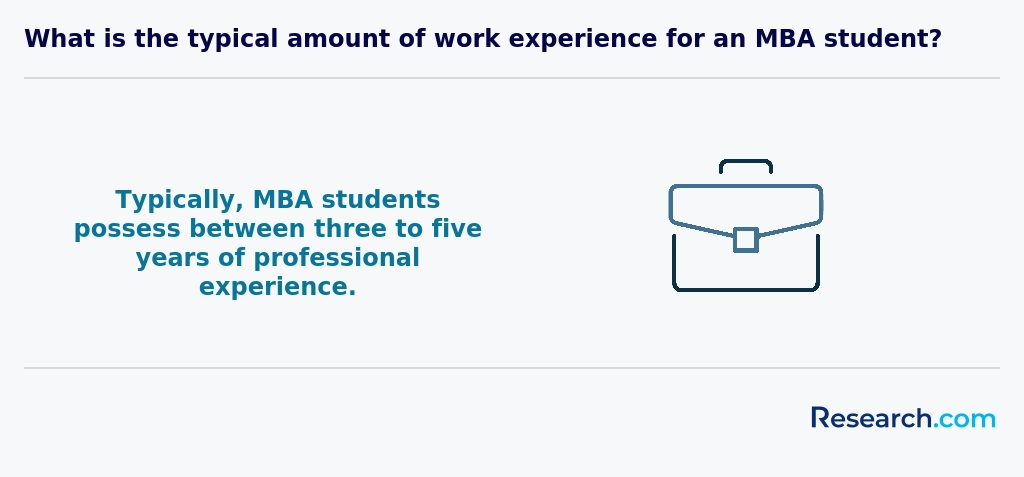
Work experience is a vital part of your application. Most Kansas City MBA programs prefer two to three years in a professional setting. This real-world experience fuels meaningful class participation and leadership opportunities. For example, recent alumni from Rockhurst University often speak about how their prior careers helped them connect theory with practice.
- Letters of recommendation from supervisors or professors are crucial to showcase your skills and character.
- A thoughtful personal essay expressing your goals helps admission committees understand your motivation.
- Interviews, either virtual or in-person, are sometimes part of the process, allowing you to demonstrate your passion and fit.

When considering an MBA program, it's essential to look into the valuable mba schools in Kansas City to ensure you receive a comprehensive education that meets industry demands. This involves evaluating aspects such as program format, specializations available, cost considerations, accreditation, and networking opportunities. Employers are looking for candidates who possess strong analytical skills, leadership qualities, and the ability to adapt in a fast-paced environment. By carefully considering these factors, prospective students can embark on a fulfilling MBA journey that aligns with their career goals, ultimately leading to a successful and rewarding career in their chosen field.
When you embark on an MBA journey in Kansas City, expect a curriculum that strengthens your core business skills while preparing you to lead confidently. Graduates from local institutions often share how courses in accounting, finance, marketing, and strategic management provided them with practical tools to analyze real company financials or craft impactful marketing campaigns based on the city's vibrant business climate.
Organizational behavior and human resources classes stand out, teaching students how to inspire teams and communicate effectively-skills one graduate vividly recalls using to transform a diverse workforce in a Kansas City manufacturing firm into a cohesive, high-performing unit. These lessons resonate deeply with the leadership demands of local industries.
Data analytics and business technology courses also play a key role, equipping students to harness insights from complex data sets. This capability is crucial in Kansas City's growing logistics and tech sectors, where one alumnus applied learned concepts to optimize supply chain operations across multiple distribution centers.
Electives like entrepreneurship or healthcare management offer a personalized touch, helping you align your studies with the city's economic strengths. With this comprehensive approach, Kansas City MBA programs uniquely blend foundational knowledge with real-world applications that inspire confidence and readiness.
The array of MBA specializations in Kansas City perfectly matches the city's dynamic economy and diverse industries. Graduates from University of Missouri-Kansas City and Rockhurst University often highlight how choosing Finance as a concentration opened doors to internships at local banks like U.S. Bank, enabling them to apply classroom concepts to real investment challenges. This specialization immerses you in risk management and portfolio strategies, key for competitive roles in financial sectors. Another sought-after option is Marketing, where students gain hands-on experience with digital tools, helping businesses from startups to established firms craft compelling brand narratives in a tech-driven world.
Entrepreneurship thrives here, too. Across Kansas City's innovation hubs, MBA students learn about venture capital and business planning, often collaborating with local startups-a thrilling, practical immersion. Other practical paths include Healthcare Management and Supply Chain Management, which leverage the region's strengths in medical services and logistics. If you want to explore further, don't overlook accessible executive mba programs that balance quality with affordability in this vibrant market.
Choosing the best affordable MBA programs Kansas City offers means diving into details that truly impact your future. Accreditation, especially from the AACSB, guarantees that the education you receive meets rigorous standards-graduates from local universities often share how this credential opened doors in competitive markets. Reflect on your career goals and seek programs with specializations like finance or entrepreneurship that match your ambitions. Many successful grads praise the local business schools for their strong faculty connections, which translate into real networking opportunities and meaningful internships in Kansas City's vibrant economy.
Cost matters, too. With programs spanning a wide range of tuition, exploring options from public versus private schools can save thousands without compromising quality. One graduate described relief after discovering part-time and online MBA formats, which allowed balancing work and studies seamlessly. To navigate expenses wisely, check out resources like the Cheapest Online Master's in MBA Degree Programs Ranking in Gainesville, GA for comparative insights.
When weighing your choices, consider local reputation and graduate employment rates-these reflect how well alumni integrate into Kansas City's job market. Connecting with alumni networks helps build mentorships, fueling confidence and opening doors. Always explore scholarships and employer tuition assistance, which many grads recommend as game changers in managing cost. This practical approach ensures you select a program fitting both your aspirations and lifestyle.
MBA graduates in Kansas City find themselves well-positioned for a range of exciting career paths. Many from local universities land roles in finance, where they apply strategic thinking and regulatory knowledge to thrive as financial analysts or portfolio managers. The city's dynamic healthcare sector also attracts MBA holders, who step confidently into hospital administration or healthcare consulting, bringing leadership skills that directly improve patient outcomes.
Manufacturing and logistics represent another vibrant opportunity in Kansas City's economy. Graduates often recount their success managing supply chains or leading product development for companies embedded in this industrial hub. Each role demands strong project management and analytical abilities, skills refined during their MBA journey. For those drawn to innovation, the burgeoning tech and startup scene offers exciting prospects in product management and business development, a pathway many have embraced by leveraging local resources and their business expertise.
If you're considering different avenues, exploring college fast track programs can help fast-forward your career. With these diverse options, pursuing an MBA in Kansas City unlocks pathways to some of the top business roles for MBA graduates Kansas City has to offer, paving the way for fulfilling and well-compensated careers.
The mba job outlook in kansas city is vibrant, fueled by a diverse economy that embraces finance, healthcare, technology, manufacturing, and logistics. Graduates from well-known institutions like the University of Missouri-Kansas City and Park University often share stories of securing roles with local giants such as Cerner Corporation or H&R Block, where leadership skills and strategic thinking are highly valued. These graduates report feeling optimistic about their growth potential and work environments that support innovation and continuous learning.
Kansas City's unemployment rate hovers below the national average, creating a competitive advantage for MBA holders seeking positions in management, consulting, or finance. Many graduates praise the networking and internship opportunities available through programs that connect them directly with regional companies, an essential step toward landing meaningful roles. For those curious about boosting their skills further, exploring what certifications can i get online that pay well can also enhance career prospects in this thriving market.
The kansas city mba employment opportunities are strong, with starting salaries typically ranging from $85,000 to $110,000. This return on investment encourages many students who balance tuition costs between $25,000 and $50,000. Real-life experiences shared by recent graduates often highlight how the city's business-friendly climate supports career advancement and opens doors to impactful leadership roles.
2027 Most Valuable MBA Degree Programs Ranking in Kansas City
Investing in your education is a significant decision that can shape your future, and the Research.com team understands the importance of making informed choices. To assist prospective students in Kansas City, we have meticulously crafted the "2027 Most Valuable MBA Degree Programs Ranking in Kansas City." Our commitment to quality, credibility, and accuracy is reflected in the extensive research and analysis conducted to compile this ranking. We utilized the following reputable data sources to ensure a comprehensive evaluation of MBA programs:
By exploring this ranking, readers will gain valuable insights into the most valuable MBA degree programs available in Kansas City, enabling them to make well-informed decisions about their educational investment. For more details on our methodology, please visit our Research.com methodology page.


# 4 position
City Vision University
Master of Business Administration

Frequently Asked Questions About MBA
Students pursuing an MBA degree in Kansas City can maximize their learning by engaging actively with local business networks. The city is home to several Fortune 500 companies, such as Cerner and Hallmark, offering valuable internship and networking opportunities for MBA candidates. Participating in local case competitions and industry workshops enhances practical skills beyond classroom theory.
Leveraging resources at institutions like the University of Missouri-Kansas City, where MBA programs integrate real-world consulting projects, also deepens understanding. According to the Graduate Management Admission Council, hands-on experience significantly improves job placement rates. Moreover, connecting with alumni through professional organizations in Kansas City helps students build mentorship relationships critical for career growth.
The field of MBA education in Kansas City is evolving with several emerging niches reflecting broader economic and technological trends. Specializations such as data analytics and business intelligence are gaining traction, driven by regional demand from tech firms and logistics companies. According to the Kansas City Business Journal, enrollments in MBA tracks focusing on analytics increased by 15% from 2021 to 2023.
Another growing niche is supply chain management, fueled by Kansas City's status as a central logistics hub in the U.S. Programs emphasizing sustainable supply chain practices are especially popular. Additionally, healthcare management MBAs have seen rising interest, reflecting ongoing growth in the local healthcare sector.
Entrepreneurship and innovation-based MBAs also attract students eager to start businesses in Kansas City's vibrant startup ecosystem. These specialized areas offer pathways aligned with job market demands and are supported by several local universities and business accelerators.
Preparing for the job market after completing an MBA degree in Kansas City involves a strategic approach focused on both networking and skill application. Kansas City's diverse economy offers opportunities in finance, healthcare, and technology, all sectors actively seeking MBA graduates, according to the Greater Kansas City Chamber of Commerce.
Graduates should leverage local resources such as career fairs at institutions like the University of Missouri-Kansas City and attend networking events hosted by groups like the Kansas City MBA Association. Building connections with local employers can enhance job prospects significantly.
Additionally, gaining hands-on experience through internships or consulting projects during your MBA program can increase employability. Data from the Graduate Management Admission Council shows that 87% of MBA graduates with internships receive job offers within six months.
Finally, developing soft skills like leadership, communication, and problem-solving remains crucial, as employers in the region prioritize these traits when hiring MBA holders.
Employers in Kansas City highly value MBA graduates who demonstrate strong leadership and critical thinking skills. According to the Graduate Management Admission Council (GMAC), over 80% of employers seek candidates proficient in communication and strategic decision-making.
Analytical abilities are also crucial, as many companies rely on data-driven insights to guide business strategies. Local employers often emphasize project management and adaptability, reflecting the dynamic economic environment in Kansas City's diverse industries.
Additionally, interpersonal skills such as teamwork and negotiation stand out. The Missouri Economic Research and Information Center highlights that these competencies contribute significantly to career advancement in the region.
Finding internships in Kansas City relevant to an MBA degree involves leveraging the city's strong business environment and academic resources. Kansas City hosts several Fortune 500 companies, including Cerner and Hallmark, which offer internships targeted at MBA students focused on healthcare management, marketing, and finance.
Prospective MBA students should utilize university career centers such as those at the University of Missouri-Kansas City, which maintain partnerships with local businesses and offer tailored internship listings. Additionally, professional networking events organized by the Kansas City Chamber of Commerce and the Midwest MBA Association provide valuable connections.
Online platforms like Handshake and LinkedIn often list local MBA internships, and engaging with alumni networks can reveal hidden opportunities. According to the Kansas City Business Journal, MBA internships in the area often pay competitively, with stipends ranging from $15 to $25 per hour depending on the industry.
In Kansas City, earning an MBA significantly enhances career mobility and advancement opportunities. According to data from the U.S. Bureau of Labor Statistics and local employment reports, MBA graduates in this region typically experience a salary increase of 15-25% compared to those with only a bachelor's degree. Employers in Kansas City's growing sectors, such as finance, healthcare, and technology, highly value the strategic and leadership skills gained through MBA programs.
Networking opportunities provided by local MBA programs also play a crucial role. Schools often connect students with regional businesses, facilitating internships and job placements. This network advantage helps graduates access mid- and senior-level positions more rapidly.
Additionally, MBA training in Kansas City addresses specific market needs, including supply chain management and data analytics, making graduates competitive candidates for advancement in these in-demand fields.
Studying for an MBA degree in Kansas City offers distinct preparation for interdisciplinary roles by combining business fundamentals with regional industry insights. Kansas City's MBA programs often emphasize collaboration across fields like healthcare, technology, and finance, reflecting the city's diverse economic landscape.
Many programs integrate hands-on projects and case studies that require students to work with peers from varied backgrounds, enhancing problem-solving skills in complex environments. According to the Association to Advance Collegiate Schools of Business (AACSB), Kansas City houses several accredited institutions recognized for their focus on cross-disciplinary leadership.
This approach equips graduates to navigate multiple sectors effectively, a critical skill given Kansas City's growing startup ecosystem and large corporate headquarters presence.
Choosing between a thesis and a non-thesis MBA program in Kansas City depends on your career goals and learning preferences. A thesis MBA involves conducting original research and writing a substantial paper, which is ideal for students aiming for academic or research-oriented careers. In contrast, a non-thesis MBA focuses more on coursework and practical experience, suiting professionals targeting leadership roles in business.
According to the Kansas City Business Journal (2023), most local employers prefer graduates with practical skills gained through non-thesis programs. However, thesis options are usually offered at research-intensive universities like the University of Missouri-Kansas City (UMKC).
Consider your schedule, too: non-thesis degrees often allow faster completion. Reviewing program requirements and consulting admissions offices can clarify which path fits best.
Students based in Kansas City interested in studying for an MBA abroad have several pathways available through U.S. universities offering exchange programs or dual degrees with international institutions. Many Kansas City-area MBA programs, such as those at the University of Missouri-Kansas City, provide partnerships with schools in Europe, Asia, and Latin America, allowing students to gain global experience while maintaining compliance with U.S. accreditation standards.
Additionally, some students opt for online or hybrid MBA programs from foreign universities recognized in the U.S., which can offer more flexibility and international perspectives. According to the Graduate Management Admission Council, nearly 25% of U.S. MBA students consider studying abroad to enhance their career prospects.
Exchange opportunities often last from a few weeks to a full semester, focusing on international business practices relevant to today's global economy.
Part-time job opportunities in Kansas City can effectively complement MBA degree studies by providing practical experience alongside academic learning. Positions in financial services, such as bank teller or loan officer assistant roles, allow MBA students to apply concepts in finance and risk management. Kansas City's growing tech sector also offers internships and part-time roles in project management and data analysis, aligning well with MBA coursework.
Many local companies, including top employers like Cerner and Hallmark, provide internships tailored for business students, enhancing leadership and strategic planning skills. According to the Greater Kansas City Chamber of Commerce, over 20% of MBA students in the area engage in part-time roles during their studies, which improves employability after graduation.
Marketing assistant and business development positions are other common options, helping students build skills in communications and client relations. These roles often accommodate class schedules, giving students the flexibility to balance work and study effectively.
MBA students in Kansas City benefit from a variety of networking opportunities through local universities such as the University of Missouri-Kansas City (UMKC) and Rockhurst University. These institutions host regular events connecting students with alumni and business leaders in the region.
The Kansas City area is known for its strong Midwestern business community, including established firms in finance, technology, and healthcare. This environment provides practical internship and mentorship programs for MBA students.
Additionally, professional organizations like the Kansas City Chamber of Commerce and industry-specific groups frequently offer workshops and networking mixers that are accessible to MBA candidates.
According to UMKC's 2023 career services report, over 70% of MBA graduates secured positions through networking contacts developed during their studies.
Alumni networks in Kansas City play a crucial role in enhancing the experience of MBA students. These networks provide valuable connections to local businesses, fostering mentorship opportunities and career advancement. According to a 2023 study by the Graduate Management Admission Council, 72% of MBA graduates in the Midwest reported finding jobs through alumni referrals.
For MBA students in Kansas City, where industries such as finance, healthcare, and tech are growing, these connections can be pivotal. Alumni often offer insights into company cultures, interview preparation, and networking events specific to the region. This local expertise helps students transition smoothly into professional roles.
Moreover, active alumni associations organize events and continuous learning programs, allowing MBA students to build relationships beyond graduation. This ongoing engagement supports career growth and fosters community within Kansas City's business environment.
Customizing your MBA degree in Kansas City allows you to align the program with your career goals by selecting specialized concentrations such as finance, marketing, or entrepreneurship. Many institutions offer elective courses tailored to local industry demands, including healthcare and technology sectors prominent in Kansas City. Some programs provide flexible formats like part-time, evening, or online classes to accommodate working professionals. Additionally, students can benefit from internships and networking opportunities within the city's robust business community, enhancing practical experience. According to the Graduate Management Admission Council, 68% of MBA students seek programs offering customization options to maximize career impact.
Many MBA students in Kansas City face the challenge of balancing work, family, and studies simultaneously. According to the U.S. Bureau of Labor Statistics, about 60% of MBA students nationwide attend school part-time, a trend reflected in Kansas City. This juggling act can increase stress and extend the time needed to complete the degree.
Another common challenge is the rising cost of education. The average tuition for MBA programs in Kansas City ranges from $30,000 to $60,000, which may require students to seek loans or employer sponsorships.
Additionally, adapting to evolving business technologies and virtual learning formats has been demanding for some students, especially as institutions incorporate more hybrid models post-pandemic.
An MBA degree opens pathways to numerous professional certifications that enhance career prospects in Kansas City's competitive job market. Many graduates pursue the Project Management Professional (PMP) certification, a globally recognized credential valued across industries. According to the Project Management Institute, PMP holders can expect a median salary increase of 20% compared to non-certified peers.
The Certified Management Accountant (CMA) is another popular choice, especially for those focused on finance and accounting. It validates expertise in financial analysis and strategic management.
Additionally, the Chartered Financial Analyst (CFA) certification is valuable for MBA graduates planning careers in investment or asset management. Kansas City employers in finance and consulting often prefer candidates with this credential.
These certifications complement an MBA by demonstrating specialized skills beyond broad business knowledge, reinforcing a candidate's value in the local market.
To write a winning application for an MBA program in Kansas City, start by thoroughly researching local schools such as the University of Missouri-Kansas City (UMKC) Bloch School, known for its strong emphasis on leadership and entrepreneurship. Admissions committees value clarity and specificity, so clearly articulate your career goals and how the MBA will help achieve them.
Highlight relevant work experience and quantify achievements to demonstrate your impact. Kansas City MBA programs typically seek candidates with at least two to three years of professional work history.
Strong letters of recommendation from supervisors or professionals familiar with your skills are essential. Finally, prepare for the GMAT or GRE and aim for scores competitive within Kansas City programs; UMKC reports average GMAT scores around 580.
Globally, an MBA degree is highly valued for leadership and management roles across industries. In the United States, including Kansas City, MBA graduates often benefit from increased salary prospects and career advancement opportunities. According to the U.S. Bureau of Labor Statistics, managers with MBAs can earn a median annual wage well above the national average.
Kansas City offers programs with international business components, reflecting global economic trends. Many schools incorporate global case studies and exchange programs, preparing students for multicultural work environments.
A 2023 survey by the Graduate Management Admission Council (GMAC) reports that 70% of MBA employers seek candidates with global business understanding. This highlights the importance of a global perspective in MBA careers today.
Gaining practical experience while studying for an MBA in Kansas City is possible through several avenues. Many local programs encourage internships with prominent companies such as Cerner and Hallmark, offering students hands-on exposure to real business challenges. According to the Kansas City Business Journal, about 60% of MBA students in the area secure internships before graduation.
Additionally, Kansas City houses numerous business incubators and networking events where students can engage directly with startups and seasoned professionals. Universities often integrate consulting projects into their curriculum, allowing students to apply classroom theories in practical settings. These opportunities enhance skills and improve employability upon graduation.
Choosing the right concentration within an MBA program in Kansas City depends largely on your career goals and the local job market. Kansas City has strengths in industries such as healthcare, finance, and technology, making concentrations like healthcare management, finance, and information systems particularly relevant. According to the Kansas City Economic Development Corporation, healthcare and finance sectors have shown steady growth, which could influence your decision.
Consider your background and future aspirations. If you aim to join corporate finance or banking, a finance concentration is advantageous. For entrepreneurial ambitions, look for programs emphasizing innovation or strategy. Kansas City offers several accredited MBA programs, including those at the University of Missouri-Kansas City, which provide diverse specializations reflecting regional economic trends.
Also, examine the curriculum flexibility and networking opportunities provided by each program. Local business partnerships and internship options are essential for practical experience in Kansas City's market. Finally, review job placement statistics of recent graduates to measure how each concentration performs in the city's competitive environment.
- 2027 Most Valuable MBA Degree Programs Ranking in Wichita
- 2027 Most Valuable MBA Degree Programs Ranking in Dubuque
- 2027 Most Valuable MBA Degree Programs Ranking in River Forest
- 2027 Most Valuable MBA Degree Programs Ranking in Saint Paul
- 2027 Most Valuable MBA Degree Programs Ranking in Minneapolis
- 2027 Most Valuable MBA Degree Programs Ranking in Chicago
- 2027 Most Valuable MBA Degree Programs Ranking in Indianapolis
- 2027 Most Valuable MBA Degree Programs Ranking in Louisville
- 2027 Most Valuable MBA Degree Programs Ranking in Fort Wayne
- 2027 Most Valuable MBA Degree Programs Ranking in Jackson
- Follow These 10 Steps To Write Your MBA Application Essays - ApplicantLab https://www.applicantlab.com/blog/10-steps-to-write-your-mba-application-essay/
- The Growing Demand for Niche Jobs and MBA Specializations https://www.clearadmit.com/2025/05/the-growing-demand-for-niche-jobs-and-mba-specializations/
- Top Challenges for MBA Students in 2025: Placements and Career Growth in India | BeJobbed.com https://bejobbed.com/challenges-mba-students-placements-career-growth-india/
- MBA Requirements: What do you really need for an MBA degree https://www.obseducation.org/en/blog/mba-requirements-what-do-you-really-need-for-an-mba-degree
- 10 Highest-Paying MBA Specializations in 2026 (With Salary Data) - Paris School of Management (PSM) https://www.psm-paris.fr/en/10-highest-paying-mba-specializations-in-2026/
- MBA Internships: Find 5400 MBA Intern Jobs https://internshala.com/internships/mba-internship/
- Know more about thesis vs non- thesis: what is the difference? https://studyfans.com/en/blogs/816
- Why MBA Graduates Embrace Global Perspectives for Career Growth https://www.thehighereducationreview.com/editors-guest/why-mba-graduates-embrace-global-perspectives-for-career-growth-nid-6271.html
- Why Alumni Networks Matter in Business School: 7 Reasons https://europe.ceibs.edu/article/why-alumni-networks-matter-business-school
- Why Employers Prize a Global Perspective from MBA Graduates | WU Executive Academy https://executiveacademy.at/en/knowledge/career/why-employers-prize-a-global-perspective-from-mba-graduates


