
2027 Most Popular MBA Degree Programs Ranking in South Carolina

Co-Founder and Chief Data Scientist
Choosing the right MBA program can shape your future, especially here in South Carolina. This article presents the 2027 Most Popular MBA Degree Programs Ranking in South Carolina, created by the Research.com team of data scientists. It aims to guide you toward making a well-informed decision about which programs stand out in quality and value.
Reading this article will help you explore options that fit your goals, boost your career prospects, and expand your network. Earning an MBA is a rewarding step that opens doors to new opportunities. Let's discover the best paths together.
Key benefits of getting MBA degree in South Carolina
- Though specific salary data for MBA graduates in South Carolina is not available, MBA holders in the US generally enjoy competitive salaries, often earning between $80,000 and $120,000 annually in managerial and business roles.
- An MBA graduate from Clemson University can pursue diverse careers such as financial management, marketing leadership, and business consulting, providing exciting opportunities to grow professionally within South Carolina's expanding economy.
- Obtaining an MBA online from the University of South Carolina offers flexible scheduling and the ability to balance work and studies, enabling busy professionals to advance their careers without relocating or interrupting their income.
- 2027 Most Popular MBA Degree Programs Ranking in South Carolina
- What can I expect from MBA degree in South Carolina?
- Where can I work with MBA degree in South Carolina?
What can I expect from MBA degree in South Carolina?
The average cost of earning an MBA in South Carolina can vary widely depending on the school and your residency status. For in-state students attending public universities like Clemson University or the University of South Carolina, tuition typically ranges from $25,000 to $45,000 for the entire program. Many graduates recall the value of this investment, especially when considering the scholarships, assistantships, and employer tuition reimbursement opportunities available that helped ease their financial burden.
Private institutions such as Furman University often charge higher fees, but students there frequently emphasize the personalized attention and networking opportunities that come with that investment. One graduate shared how attending the Darla Moore School of Business allowed flexible scheduling with part-time and online options, making the cost feel manageable alongside a full-time job.
Knowing the upfront costs helps you plan, but remember the real payoff comes in the local business connections and career growth opportunities found in Charleston or Greenville's vibrant markets, where MBA holders are highly sought after.
Where can I work with MBA degree in South Carolina?
Graduates from MBA programs at institutions like the University of South Carolina and Clemson University often find themselves stepping confidently into dynamic roles across diverse industries. Picture yourself working in Charleston's bustling financial sector, joining banks or fintech startups as a financial analyst or portfolio manager, where sharp strategy and analytical skills lead the way. Many graduates speak of the excitement in navigating these fast-paced environments, knowing their MBA prepared them to make confident decisions.
Others have discovered rewarding paths in healthcare management, leveraging their business acumen to improve hospital operations and patient services. In Greenville, for example, graduates fill vital leadership roles that blend compassion with strategic planning, driving meaningful change.
The manufacturing and logistics hubs around South Carolina, including companies like BMW and Boeing, offer graduates operational and supply chain roles that demand problem-solving and innovation. Marketing, HR, and entrepreneurship also beckon, especially in Columbia's growing startup scene, where MBA grads contribute to new ventures and growth initiatives with enthusiasm and fresh ideas.
Across these fields, the sense of purpose and opportunity is palpable, motivating students to invest fully in their MBA journey, knowing the state's thriving economy supports their ambitions.
Graduates from MBA programs at institutions like the University of South Carolina and Clemson University often find their efforts rewarded with competitive salaries in South Carolina. Many report starting salaries between $85,000 and $110,000, especially when entering fields such as finance, marketing, and management within growing cities like Charleston and Greenville.
For example, an MBA graduate working as a marketing manager in Charleston might earn around $90,000 annually, with seasoned professionals exceeding $120,000 as they climb into senior roles. Those stepping into management analyst or business consultant positions typically see salaries ranging from $75,000 to $105,000, reflecting strong demand for strategic skills.
Beyond numbers, graduates often describe a real sense of confidence moving into leadership roles where their MBA training unlocks opportunities to influence company direction. Programs in South Carolina emphasize practical leadership skills that translate to well-paying roles in healthcare, logistics, and manufacturing sectors. The lower local cost of living also means your salary goes further as you build your career.
- South Carolina offers MBA programs in various formats, including full-time, part-time, and online options to suit different needs.
- Tuition costs for MBA programs range from $20,000 to over $50,000, with public universities generally charging less than private ones.
- Entry-level MBA graduates can expect salaries between $65,000 and $75,000 annually, while mid-career professionals earn around $90,000 to $110,000.
- Senior management and executive MBA holders often earn more than $120,000, especially in finance, healthcare, and manufacturing sectors.
- The state's growing industries such as logistics, aerospace, technology, and tourism create strong demand for MBA graduates.
- MBA programs in South Carolina often include specializations like supply chain management, healthcare administration, and entrepreneurship to align with market needs.
Completing an MBA in South Carolina typically takes around two years for full-time students, which aligns with the standard across the U.S. Many graduates from the Darla Moore School of Business at the University of South Carolina or Clemson University mention how this timeline felt just right-long enough to deeply master business concepts but short enough to maintain their motivation and momentum.
If you're balancing work or family, part-time programs often extend to three or four years. This flexibility, common at South Carolina institutions, allows you to progress steadily without sacrificing your other commitments. Graduates often appreciate this balance, sharing how evening or weekend classes fit their busy schedules and kept them engaged.
For those eager to accelerate their careers, one-year MBA tracks are an exciting option. These accelerated programs demand focus but reward you with rapid advancement, especially if you already have a business background. Online MBAs also add freedom, typically lasting 18 months to three years, helping you tailor your studies to your personal rhythm while accessing top South Carolina programs.
Calculating the return on investment (ROI) of an MBA program in South Carolina involves weighing the total cost of attendance against projected salary gains and career advancements. On average, students invest between $20,000 and $80,000 in tuition and fees, plus living expenses. With starting salaries typically ranging from $70,000 to $100,000, the breakeven point for full-time graduates often occurs within three to five years post-graduation. Specializations such as finance and business analytics tend to accelerate ROI, thanks to higher median salaries exceeding $120,000. Beyond immediate salary increases, the value of networking and alumni connections significantly enhances long-term ROI. MBA graduates report that mentorship programs and executive networking events translate into promotions and entrepreneurship opportunities. Moreover, companies frequently reimburse tuition through employer sponsorships, effectively reducing out-of-pocket expenses and shortening payback periods. For prospective students comparing cost structures, our analysis extends to other metropolitan areas. For more insight on cost-effective alternatives, review our Inexpensive MBA Degree Programs Ranking in Chicago, IL to benchmark tuition rates and financial aid offerings against South Carolina institutions. To maximize ROI, applicants should pursue scholarships, assistantships, and part-time internships during their studies. Leveraging university career centers and industry partnerships can also lead to high-impact roles immediately upon graduation. By strategically selecting specializations aligned with market demand and negotiating employer tuition assistance, MBA candidates can optimize both financial and professional returns from their South Carolina investment.
Choosing between an online and on-campus MBA in South Carolina often comes down to your lifestyle and learning preferences. Graduates from the University of South Carolina's online MBA program frequently share how the flexibility allowed them to balance work, family, and study without missing a beat. They appreciated accessing lectures on their own time while staying connected through virtual discussions. On the other hand, those who attended Furman University's on-campus MBA vividly recall the energy of face-to-face collaborations and late-night group projects, which built lasting professional networks and honed teamwork skills.
Online students save money by avoiding commuting or relocating, making it a practical choice, especially when juggling career demands. Conversely, on-campus learners enjoy spontaneous access to campus resources and networking events, which can spark unexpected opportunities. Clemson University's MBA graduates often highlight the value of in-person mentorship and live case study sessions that deepen their understanding.
Both paths carry AACSB accreditation in South Carolina, ensuring you receive a respected education. Your choice should reflect how you thrive best-whether that's through flexible digital learning or immersive campus experiences.
The average cost of obtaining an MBA degree in South Carolina varies widely depending on whether you attend a public or private institution and your residency status. For in-state students, the median total cost is approximately $18,145, making programs at public universities like the University of South Carolina more accessible. Many graduates recall feeling empowered knowing they invested in quality education without overwhelming debt, appreciating how the affordability aligned with their career goals.
Out-of-state students typically face a median total cost near $40,136, similar to what they might expect at private institutions in South Carolina. Schools like Charleston Southern University provide competitive programs within this range, and graduates often emphasize the value of the connections and experiences they gained, which helped launch their careers despite the higher price tag.
When you consider the average MBA degree cost in South Carolina, it's important to factor in additional expenses such as books, materials, and living costs, which add to the total financial commitment. However, many find that scholarships, assistantships, or employer tuition assistance ease this burden, turning the MBA journey into a manageable, exciting challenge.
For prospective students seeking the cheapest mba schools in south carolina, comparing these costs and benefits can illuminate a clear path forward. Understanding the total expenses for MBA programs South Carolina offers helps you make strategic decisions that balance affordability and academic excellence while embracing your personal ambitions.
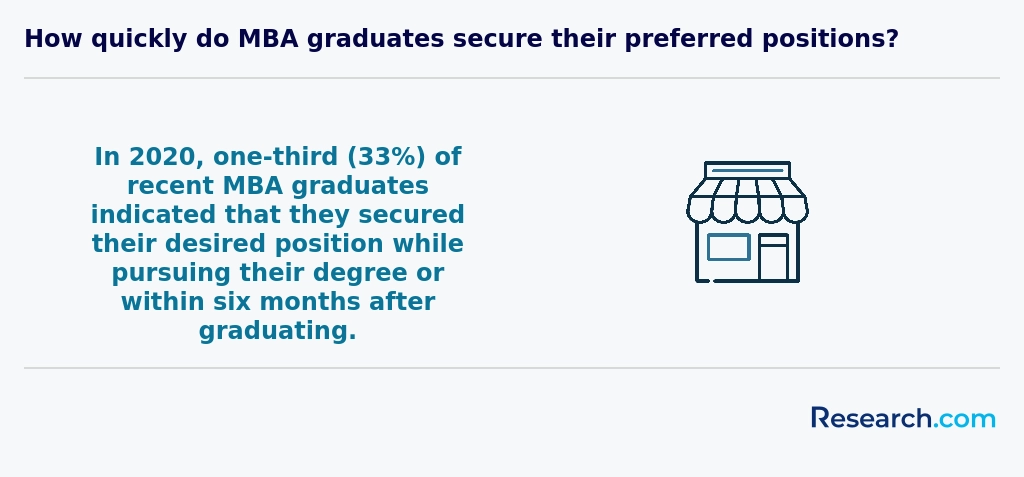
A comprehensive MBA journey extends far beyond classroom lectures and textbooks-it encompasses a vibrant community, dynamic campus culture, and an array of extracurricular opportunities that enrich the personal and professional growth of each student. In South Carolina, MBA programs are designed to not only impart academic rigor but also foster an environment where students can build lasting relationships with peers, engage with industry leaders through campus events, and participate in hands-on projects that challenge them to apply theory in real-life scenarios. This immersive experience is further enhanced by dedicated student services, professional clubs, networking events, and mentorship programs that help bridge the gap between academia and the business world. Many candidates also consider flexible options, particularly when balancing work life and studies. For example, if you are exploring online alternatives, check out what are the most affordable mba online programs to see how they blend flexibility with a supportive online community. Ultimately, the student life and campus culture in South Carolina MBA programs are critical components that contribute to developing not only skilled professionals but also well-rounded leaders ready to tackle real-world challenges with confidence and strategic insight.
Financial aid for MBA students in South Carolina comes in many forms, making your dream of earning that degree much more attainable. Graduates from schools like Clemson University often share how merit-based scholarships rewarded their hard work and professional achievements, easing the tuition burden significantly. These scholarships can range from modest amounts to substantial tuition reductions, encouraging you to apply early and highlight your strengths.
Federal aid is another solid option. By completing the FAFSA, you might qualify for low-interest student loans that help manage costs without overwhelming debt. Some federal programs, although rarer for graduate students, could fit your career goals-imagine qualifying for a TEACH Grant if you're interested in education-related fields.
For those balancing work and study, employer tuition reimbursement is a game changer. Many South Carolina companies support employees advancing their education, partially or even fully covering MBA expenses, which graduates say motivates both personal and professional growth.
Private scholarships and fellowships from corporations and foundations also provide valuable opportunities. Many MBA students at the University of South Carolina emphasize that early research and timely applications open doors to these competitive funds, turning ambitions into reality.
To make an informed decision about pursuing an MBA in South Carolina, it's essential to consider the costs involved and explore available financial aid options. Prospective students can start by researching the tuition fees of their desired program, which can vary significantly between institutions. For example, in-state tuition at public universities can be as low as $9,800 per year, while out-of-state tuition can range from $26,000 to over $74,910 annually. Additionally, students should factor in extra costs such as administrative fees, textbooks, transportation, and living expenses, which can add up to $15,000 to $25,000 per year. To offset these costs, students can look into financial aid options like federal grants, subsidized loans, and institutional scholarships. Many universities in South Carolina, such as the University of South Carolina and Clemson University, offer generous scholarship packages and assistantships to help make their MBA programs more accessible. For those seeking more affordable options, exploring cheapest mba schools in south carolina can provide valuable insights into cost-effective education pathways. By carefully planning their finances and exploring available aid, aspiring MBA students in South Carolina can set themselves up for success and make the most of their investment in graduate education.
To enroll in an MBA program in South Carolina, you need a bachelor's degree from an accredited institution, which opens the door regardless of your undergraduate major. Graduates from the University of South Carolina's Darla Moore School of Business often share how their diverse academic backgrounds enriched class debates and teamwork-proving that business knowledge can grow with the program.
Most programs expect you to submit GMAT or GRE scores. Many students recall how achieving a score between 600 and 650 boosted their confidence, knowing it met the competitive South Carolina standards. Work experience is highly valued, too. Clemson University graduates often highlight how their two to three years in management roles gave them real-world insights that energized classroom discussions and projects.
Letters of recommendation and personal essays are essential for showcasing your leadership potential and career vision. For international candidates, demonstrating English proficiency through tests like TOEFL or IELTS ensures you're ready to thrive. Remember, these prerequisites are not obstacles-they are stepping stones to your success in South Carolina's vibrant MBA community.
Investing in an MBA requires careful analysis of costs versus expected financial and career gains. In South Carolina, MBA graduates report an average salary increase of 45–60% within three years of completion, translating to a typical payback period of 3–4 years when comparing additional earnings against total program expenses. Key ROI Metrics:
- Average Total Cost (tuition + fees + living): $60,000–$90,000
- Average Starting Salary Post-MBA: $80,000–$100,000
- Average Pre-MBA Salary: $50,000–$65,000
- Estimated Salary Uplift: $30,000 per year
- Break-Even Point: 2–4 years Beyond pure salary gains, South Carolina MBA programs deliver long-term value through enhanced career mobility, access to executive networks, and specialized skill sets in finance, consulting, and healthcare management. According to a recent survey, 78% of graduates reported that the strategic management and leadership modules directly contributed to promotions within 18 months of graduation. For cost-conscious applicants seeking alternative benchmarks, see our Inexpensive MBA Degree Programs Ranking in Chicago, IL, which highlights programs with competitive tuition and strong ROI in another major U.S. business hub. Actionable Tips to Maximize ROI: 1. Leverage employer tuition reimbursement to reduce out-of-pocket expenses. 2. Target specializations-such as Business Analytics or Healthcare Management-that command premium salaries. 3. Engage actively in career services and alumni networks to accelerate job placement and salary negotiation. By comparing projected earnings, payback periods, and program costs, prospective students can make data-driven decisions to ensure their MBA investment yields substantial dividends over the long term.
If you're pursuing an MBA in South Carolina, you'll encounter a curriculum that builds a strong foundation in essential business areas to prepare you for real-world challenges. Graduates from institutions like the University of South Carolina's Darla Moore School of Business often share how courses in Accounting Principles give them confidence in analyzing financial reports, helping them make sound business decisions.
Other core subjects include Marketing Management, where you learn creative strategies to attract and keep customers, and Operations Management, which sharpens your skills in improving processes and managing supply chains-crucial for any business.
Courses on Organizational Behavior and Strategic Management deepen your understanding of leadership and long-term planning, enabling you to inspire teams and compete successfully in any market.
Many graduates recall how electives in finance, entrepreneurship, or data analytics allowed them to tailor their MBA experience to their career goals, making the tough coursework feel rewarding and practical for their futures in South Carolina's dynamic business landscape.
Among the most sought-after MBA specializations in South Carolina, you'll find Finance, Marketing, Healthcare Management, Supply Chain and Logistics, and Entrepreneurship. Graduates from institutions like the University of South Carolina and Clemson University often share how focusing on Finance equipped them to excel in the state's expanding financial services sector, opening doors to rewarding internships and careers. Those who pursue Healthcare Management find themselves well-prepared to navigate the complexities of South Carolina's robust healthcare industry, managing organizations and policies with confidence.
Many students in South Carolina also explore the dynamic fields of Marketing and Supply Chain, leveraging regional strengths such as Charleston's strategic port to create impactful careers. The diverse MBA specializations in South Carolina allow you to align your degree with both your passion and the state's economic demands, making your education highly practical and future-focused. If affordability is a priority, you might want to explore what are the most affordable mba online programs to balance cost and specialization.
For prospective students considering South Carolina MBA degree concentration options, these tailored paths represent not just academic pursuits but real-life stepping stones into the industries shaping the state's future.
Choosing the best MBA degree in South Carolina starts with looking at accredited programs like those from the University of South Carolina's Darla Moore School of Business or Clemson University's College of Business. Graduates often praise the strong curriculum and national recognition that come with AACSB accreditation. Imagine attending classes that challenge you while opening doors through a respected alumni network.
Consider how your life fits into the program format-many students balancing work opt for part-time or online MBAs, which can range from 12 to 24 months. One graduate shared how a flexible schedule allowed them to keep their job while advancing their education. For those seeking affordable MBA degrees South Carolina offers many choices, with in-state tuition at USC around $15,000 annually, much less than private schools.
Think about your career goals and choose a program with a curriculum focus that excites you-whether that's entrepreneurship, finance, or supply chain management. Strong career services are vital; South Carolina programs report job placement rates above 85%, which means you can feel confident about your investment. For more insights on affordable options, check out the Inexpensive MBA Degree Programs Ranking in Chicago, IL.
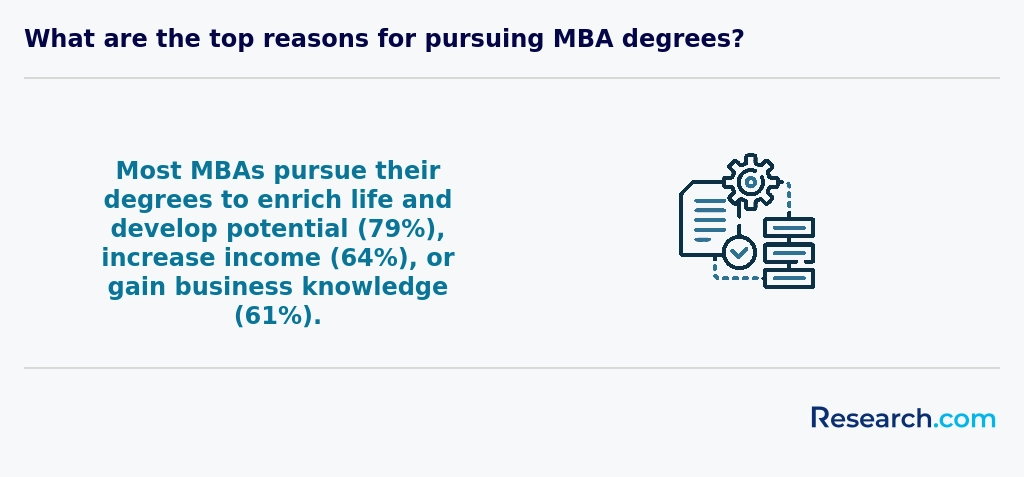
Pursuing an MBA degree in South Carolina opens doors to a variety of rewarding career paths tailored to the state's dynamic economy. Graduates from institutions like the University of South Carolina often step into general management and consultancy roles, confidently leading teams and driving strategic initiatives. These roles tap deeply into skills developed during the program, making complex challenges feel like opportunities for growth. This insight into top MBA jobs South Carolina graduates achieve is invaluable for aspiring students.
Finance is another thriving sector, with many MBA holders securing positions in banking, investment, and corporate finance. The strong earnings reported by financial managers here reflect the premium employers place on advanced training and analytical expertise gained through local MBA programs. Similarly, healthcare administration attracts graduates who combine business acumen with compassion to improve hospital operations and patient care systems.
The logistics and supply chain sectors stand out as a fast-growing field thanks to South Carolina's strategic ports. Graduates specializing in operations management are increasingly in demand, helping companies optimize distribution in the region. For those eager to accelerate their studies and enter the workforce faster, considering the shortest masters programs online can provide a practical path forward.
- General management and consultancy roles
- Finance positions including banking and corporate finance
- Healthcare administration and management
- Supply chain and logistics management
The job market for MBA degree holders in South Carolina is strong and growing, especially in key sectors like finance, healthcare administration, aerospace, and information technology. Graduates from popular programs at Clemson University and the University of South Carolina often share how internships and networking events connected them directly with local employers, turning classroom knowledge into real leadership opportunities. These experiences make the South Carolina MBA career outlook particularly promising for those ready to step into strategic roles in established companies like Boeing or SCANA.
Many MBA graduates find that the combination of competitive salaries and a lower cost of living in South Carolina creates a rewarding professional life. Management roles typically offer salaries around $105,000 annually, and with experience, this number often grows. South Carolina's unemployment rate in managerial categories remains below the national average, giving students confidence in their future prospects.
If you're considering how to boost your earning potential beyond an MBA, exploring what certification pays the most can provide additional pathways to success within this vibrant market of MBA job opportunities in South Carolina.
2027 Most Popular MBA Degree Programs Ranking in South Carolina
Investing in your education is a significant decision that can shape your future, and the Research.com team understands the importance of making informed choices. To assist prospective students in South Carolina, we have meticulously crafted the "2027 Most Popular MBA Degree Programs Ranking in South Carolina." Our commitment to quality, credibility, and accuracy is reflected in the extensive research and analysis conducted to compile this ranking.
We utilized the following reputable data sources to ensure a comprehensive evaluation of MBA programs:
By exploring this ranking, readers will gain valuable insights into South Carolina's most popular MBA programs, empowering them to make well-informed decisions about their education and career prospects. For more details on our methodology, please visit our Research.com methodology page.




Frequently Asked Questions About MBA
Students pursuing an MBA degree in South Carolina can enhance their learning experience by engaging in active networking within the state's vibrant business community. The South Carolina Department of Commerce highlights a growing economy with industries such as manufacturing, finance, and technology, offering internship opportunities that complement academic studies.
Participating in case competitions and collaborating on real-world projects with local companies helps students apply classroom theories practically. Additionally, many South Carolina universities offer access to experienced faculty and alumni mentors, enabling students to gain insights into regional business trends and leadership strategies.
Utilizing resources like the Graduate Management Admission Council's reports, which note the increasing demand for skills in data analytics and digital marketing, MBA students can tailor their elective courses to meet market needs. Staying involved in professional organizations such as the South Carolina Business Leadership Forum further aids in career advancement and skill development.
The MBA field is evolving with new niches that match today's business demands. In South Carolina, growing industries such as healthcare, technology, and renewable energy drive demand for specialized MBA programs. For example, healthcare management MBAs focus on leadership skills tailored to hospitals and medical facilities, reflecting the state's expanding health sector.
Another emerging niche is data analytics and business intelligence. MBA graduates skilled in data-driven decision-making are increasingly sought after, as South Carolina companies adopt advanced technologies. According to the South Carolina Commission on Higher Education, programs integrating analytics have grown by 15% since 2020.
Sustainability and green business MBAs are also gaining traction, reflecting national business trends and South Carolina's investments in clean energy. Such niches prepare graduates for roles in corporate social responsibility and environmental strategy.
After completing an MBA degree in South Carolina, preparing for the job market involves several key steps. First, networking is essential; South Carolina's business hubs like Charleston and Greenville offer numerous professional events and industry meetups to connect with employers. Second, utilize your university's career services, which often provide tailored workshops, resume reviews, and internship placement support.
Graduates should also focus on gaining relevant experience through internships or consulting projects, which improve employability. According to the South Carolina Department of Employment and Workforce, MBA holders see a median annual salary around $85,000, with the strongest demand in finance, healthcare, and manufacturing sectors.
Building skills in data analytics and leadership, increasingly valued by local employers, can provide a competitive edge.
Employers in South Carolina highly value MBA graduates who demonstrate strong leadership and strategic thinking skills. According to a 2023 survey by the South Carolina Chamber of Commerce, over 70% of local businesses prioritize these abilities when hiring MBA candidates. Communication skills, both written and verbal, are crucial as well, enabling graduates to effectively manage teams and client relationships.
Analytical skills and proficiency with data-driven decision-making are also in demand, reflecting the growing importance of technology and business intelligence in the region. Additionally, adaptability and cultural awareness are frequently mentioned due to South Carolina's diverse and evolving business landscape.
Finding internships in South Carolina relevant to an MBA degree involves several key steps. Start by exploring the career services offered by business schools such as the University of South Carolina's Darla Moore School of Business, which maintains relationships with local companies and posts internship opportunities.
Networking plays a major role. Attend industry events, business seminars, and MBA fairs in cities like Columbia and Charleston, where many Fortune 500 companies have regional offices.
Additionally, websites like Handshake and LinkedIn often list internships specifically targeted to MBA students. According to the South Carolina Department of Commerce, the state's growing economy supports internships in finance, consulting, and supply chain management.
In South Carolina, an MBA degree significantly enhances career mobility and advancement opportunities across various industries such as finance, healthcare, and manufacturing. According to the U.S. Bureau of Labor Statistics, professionals with an MBA typically earn 20-35% more than those with only a bachelor's degree, which holds true in the South Carolina job market. Many local employers, including companies like Michelin and Bosch, prefer hiring MBA graduates for managerial and leadership roles. Additionally, MBA programs in the state emphasize practical skills and networking, helping graduates move into higher-level positions more quickly. The Greenville and Charleston metro areas show growing demand for MBA-educated professionals, reflecting regional economic growth trends.
Studying for an MBA degree in South Carolina equips students with the skills needed for interdisciplinary roles by combining core business knowledge with insights from various fields. South Carolina's MBA programs often emphasize collaboration, critical thinking, and problem-solving across sectors such as finance, marketing, technology, and healthcare. According to the South Carolina Commission on Higher Education, many MBA curricula integrate real-world projects which require cross-departmental teamwork.
Additionally, the state's growing industries encourage MBA graduates to adapt business strategies to diverse environments. This practical approach fosters versatility, helping students thrive in roles bridging multiple disciplines.
Choosing between a thesis and a non-thesis MBA program in South Carolina depends on your career goals and learning preferences. A thesis MBA requires original research, suitable for students interested in academic or research careers. It usually takes longer and demands strong analytical skills. In contrast, a non-thesis MBA focuses on practical skills through coursework and internships, ideal for professionals aiming to advance in corporate or managerial roles.
South Carolina MBA programs, like those at Clemson and the University of South Carolina, offer both options. According to U.S. News & World Report, non-thesis MBAs tend to attract more working professionals, while thesis routes are more common in research universities.
Students in South Carolina interested in studying for an MBA abroad have several pathways. Many South Carolina universities offer exchange programs or partnerships with international business schools, allowing students to spend a semester or year overseas while earning credits toward their degree. According to the National Center for Education Statistics, about 9% of South Carolina graduate students participate in study abroad or international exchange programs.
Popular destinations include Europe, Asia, and Latin America, where students gain exposure to global business practices and networks. Additionally, South Carolina residents can apply to international MBA programs with online or hybrid formats, which often provide flexibility and lowered travel costs.
Financial aid and scholarships specific to study abroad are available through institutions like the University of South Carolina and Clemson University, helping to support these opportunities for MBA students.
Part-time job opportunities in South Carolina that complement MBA education often focus on roles that enhance business acumen and leadership skills. Popular options include internships or positions in financial analysis, marketing coordination, and project management within key industries such as finance, healthcare, and manufacturing. According to the South Carolina Department of Employment and Workforce, the state's finance and insurance sectors have grown by 4.5% annually, providing ample roles for MBA students.
Many students also find value in consulting assistant roles or administrative positions in local startups, which foster practical experience. These jobs help apply classroom theories to real-world business challenges and improve networking opportunities with regional companies.
South Carolina offers diverse networking opportunities for MBA students, crucial for career growth. Many universities, such as Clemson University and the University of South Carolina, host regular networking events, including industry panels, career fairs, and alumni mixers. According to the South Carolina Commission on Higher Education, MBA students benefit from connections with over 10,000 business alumni statewide.
Local chapters of professional organizations like the South Carolina Chamber of Commerce and the American Marketing Association provide additional platforms for MBA students to engage with professionals and potential employers. These connections often lead to internships and job placements, making networking integral to the MBA experience in South Carolina.
Alumni networks play a crucial role for MBA students in South Carolina by providing valuable connections that enhance career opportunities. According to the Graduate Management Admission Council, strong alumni ties often lead to mentorships and job referrals that can significantly improve post-graduation employment rates. South Carolina's business schools actively engage their alumni, creating events and platforms where current students can interact with seasoned professionals.
Beyond networking, alumni offer practical insights into local industries, including finance, healthcare, and manufacturing, important sectors in the state's economy. Participation in these networks often results in internships, job placements, and collaborations that benefit students throughout their studies and beyond.
Many MBA programs in South Carolina offer flexible curricula allowing students to tailor their education to specific career goals. Options often include selecting concentrations such as finance, marketing, healthcare management, or entrepreneurship. According to the U.S. Department of Education's College Navigator, institutions like Clemson University and the University of South Carolina provide elective courses and capstone projects that enable practical application in distinct industries.
Additionally, some programs offer part-time, online, or executive formats to accommodate working professionals. Students can also pursue internships or collaborate with local businesses, which enhances real-world experience. Career services at these schools often support personalized mentoring and networking opportunities aligned with individual goals.
MBA students in South Carolina often face challenges balancing rigorous coursework with professional and personal responsibilities. Many programs expect students to manage group projects, case studies, and extensive reading while possibly maintaining full-time jobs. According to the Graduate Management Admission Council, time management is one of the top difficulties MBA candidates nationwide, which applies locally as well.
Another challenge is adapting to the competitive environment, especially in schools with strong business networks like Clemson University and the University of South Carolina. Students must also navigate rising tuition costs, which for in-state MBA programs can range from $20,000 to $40,000, as reported by U.S. News & World Report in 2023.
Finally, securing relevant internships and job placements during enrollment can be complex due to South Carolina's smaller metropolitan business hubs compared to larger cities, affecting experiential opportunities available to students.
Graduates with an MBA degree in South Carolina have access to several professional certifications that can enhance their careers. Popular options include the Project Management Professional (PMP) certification, which is highly valued in business and management roles nationwide.
Additionally, many MBA holders pursue the Certified Public Accountant (CPA) credential, especially if their studies focused on accounting or finance. The CPA is regulated by South Carolina's Board of Accountancy and requires passing a rigorous exam along with experience.
For those interested in finance, certifications like the Chartered Financial Analyst (CFA) can complement MBA skills. In South Carolina, MBA graduates benefit from local chapters and resources that support exam preparation. According to the U.S. Bureau of Labor Statistics, these certifications often lead to higher salaries and job advancement.
Writing a winning application for an MBA program in South Carolina begins with a clear understanding of the admissions requirements specific to the state's institutions, such as Clemson University and the University of South Carolina. Applicants should highlight their professional experience, academic achievements, and career goals concisely. South Carolina MBA programs often emphasize leadership potential and community involvement, so including tangible examples is essential. According to U.S. News & World Report, a competitive GPA usually exceeds 3.0, and a strong GMAT score averages around 600 for top programs. Tailoring your personal statement to reflect both your unique background and the program's values improves your chances substantially.
Demonstrating knowledge of South Carolina's business environment, like its growing tech and manufacturing sectors, can also add relevance to your application. Letters of recommendation should ideally come from professionals familiar with your work ethic and leadership skills. Lastly, proofread carefully and meet all deadlines, as South Carolina schools tend to have strict application timelines. Utilizing resources such as each school's admissions website and free workshops can provide valuable guidance during the process.
The global perspective on an MBA career highlights its value as a versatile and internationally recognized qualification. Graduates from MBA programs in South Carolina often find opportunities both domestically and abroad, as U.S. business schools are highly regarded worldwide.
According to the Graduate Management Admission Council (GMAC), more than 60% of MBA graduates pursue careers with multinational companies, reflecting the degree's global appeal. South Carolina's growing industries, including manufacturing, finance, and technology, benefit from MBA professionals who bring diverse, strategic business skills.
Additionally, MBA graduates often experience higher earning potential globally, with U.S. MBA holders averaging salaries near $115,000 annually, based on recent GMAC data. Such prospects attract students seeking an international career footprint from South Carolina business schools.
Gaining practical experience during an MBA program in South Carolina is essential for applying classroom knowledge to real-world business challenges. Many local MBA programs encourage internships with businesses in industries like healthcare, manufacturing, and finance, which are prominent in the state. For example, Clemson University and the University of South Carolina offer internship placements that connect students with regional employers.
Additionally, students can engage in consulting projects or participate in business competitions hosted by schools and organizations across South Carolina. These opportunities allow MBA candidates to develop leadership and problem-solving skills.
Networking events and workshops often take place in major cities such as Charleston and Columbia, providing further exposure to the professional community. According to the South Carolina Department of Commerce, internships in the state's growing economy have increased by 12% over recent years, enhancing practical learning prospects for MBA students.
Choosing the right concentration within an MBA program in South Carolina involves assessing your career goals and local market demands. Popular specializations include Healthcare Management, Supply Chain, and Finance, reflecting South Carolina's economy, with healthcare jobs expected to grow 15% by 2030 according to the Bureau of Labor Statistics.
Review concentrations offered by universities like Clemson and the University of South Carolina, which tailor programs to regional industries. Consider if you want technical skills or leadership focus. Talking to alumni and employers in South Carolina's key sectors can provide insights on which specialization offers stronger job prospects and higher salaries.
Additionally, ensure the program's accreditation and flexibility fit your needs, especially if balancing work and study.
- 2027 Most Popular MBA Degree Programs Ranking in Georgia
- 2027 Most Popular MBA Degree Programs Ranking in North Carolina
- 2027 Most Popular MBA Degree Programs Ranking in Florida
- 2027 Most Popular MBA Degree Programs Ranking in Alabama
- 2027 Most Popular MBA Degree Programs Ranking in Kentucky
- 2027 Most Popular MBA Degree Programs Ranking in Mississippi
- 2027 Most Popular MBA Degree Programs Ranking in Arkansas
- 2027 Most Popular MBA Degree Programs Ranking in Missouri
- 2027 Most Popular MBA Degree Programs Ranking in Ohio
- 2027 Most Popular MBA Degree Programs Ranking in Delaware
- Skills Employers Look for in Business Graduates – EU Business School https://www.euruni.edu/blog/skills-employers-look-for-in-business-graduates/
- What Work Experience Do You Need For an MBA? | Articles | Unimy https://www.unimy.com/article/blog-mba-preparation-admissions-mba-work-experience
- Master of Business Administration https://www.citadel.edu/mba/
- Top 10 Career Options After a Global MBA | SP Jain Global https://www.spjain.org/blog/articles/top-global-mba-careers
- Top Challenges for MBA Students in 2025: Placements and Career Growth in India | BeJobbed.com https://bejobbed.com/challenges-mba-students-placements-career-growth-india/
- A Guide to MBAs in South Carolina - Columbia Business Monthly https://www.columbiabusinessmonthly.com/stories/a-guide-to-mbas-in-south-carolina,4505
- How to balance a part-time MBA while working full-time https://www.manchester.ac.ae/blog-post/how-to-balance-a-part-time-mba-while-working-full-time
- Verifying that you are not a robot... https://krea.edu.in/ifmrgsb/top-5-emerging-career-paths-for-mba-graduates/
- 6 Tips to Make the Most of Your MBA Experience https://mbaschooled.com/2020/01/14/6-tips-to-make-the-most-of-your-mba-experience/
- Why Employers Prize a Global Perspective from MBA Graduates | WU Executive Academy https://executiveacademy.at/en/knowledge/career/why-employers-prize-a-global-perspective-from-mba-graduates


