
2027 Most Popular MBA Degree Programs Ranking in Missouri

Co-Founder and Chief Data Scientist
Choosing the right MBA program in Missouri can shape your future career and open new opportunities. This article features the 2027 Most Popular MBA Degree Programs Ranking in Missouri, developed by the Research.com team of data scientists to help you make an informed decision.
By exploring the ranking, you'll discover top programs that match your goals and aspirations. Earning an MBA can boost your skills, confidence, and financial potential. Take a step closer to achieving your dreams with the right guidance and knowledge.
Key benefits of getting MBA degree in Missouri
- While specific Missouri salary data for MBA graduates is unavailable, MBA holders in the U.S. often earn an average annual salary ranging from $80,000 to $120,000, reflecting strong earning potential.
- Graduates from the University of Missouri's MBA program pursue diverse careers in finance, marketing, and management, opening doors to leadership roles in various industries.
- An online MBA from Missouri State University offers flexibility for working professionals, allowing students to balance career and studies while gaining the same respected credentials as traditional programs.
- 2027 Most Popular MBA Degree Programs Ranking in Missouri
- What can I expect from MBA degree in Missouri?
- Where can I work with MBA degree in Missouri?
What can I expect from MBA degree in Missouri?
Imagine stepping into a vibrant lecture hall at the University of Missouri-Columbia, where the buzz is not just about case studies but also about tuition bills. For many MBA students here, the total cost hovers between $20,000 and $40,000 for residents taking full-time programs. It's a figure that sparks both excitement and careful budgeting, especially compared to pricier private options like Washington University in St. Louis.
Graduates from Saint Louis University often share how they balanced the rigorous coursework with scholarship opportunities and employer tuition support, easing the financial weight. The spectrum of costs mirrors Missouri's blend of affordability and quality, allowing students to chase their ambitions without drowning in debt.
This range opens doors for diverse learners: from young professionals pivoting careers to seasoned executives sharpening their leadership skills. The cost isn't just a number-it's the investment powering dreams amid Missouri's thriving economic landscape.
Where can I work with MBA degree in Missouri?
Graduates from Missouri's top MBA programs, like those at Washington University in St. Louis or the University of Missouri in Columbia, often find themselves stepping confidently into diverse career landscapes. Picture a recent alum negotiating multi-million dollar deals at a St. Louis financial powerhouse, blending analytical rigor with leadership finesse honed during their MBA journey.
Others thrive in the booming healthcare industry, managing complex operations for giants such as BJC HealthCare, where strategic vision translates into better patient outcomes and streamlined services. Imagine the satisfaction of an MBA graduate crafting supply chain solutions at Emerson Electric, transforming manufacturing workflows with innovative business strategies developed through their studies.
Kansas City's vibrant startup scene also beckons MBA holders, who channel entrepreneurial energy into launching tech ventures or advising consulting firms like Deloitte. The pulse of opportunity in Missouri is strong, inviting you to join a network of alumni who shape industries and ignite change armed with skills grown right in their home state.
If you earn an MBA in Missouri, your paycheck often tells a story of smart investment meeting real-world opportunity. Graduates from well-regarded programs like those at Washington University in St. Louis or the University of Missouri-Columbia often step into roles where salaries start around $60,000 to $75,000 annually. This range may surprise you: it's competitive and realistic, especially considering Missouri's lower cost of living compared to coastal hubs.
Picture a mid-level manager navigating the bustling offices of Kansas City's financial sector, pulling in between $85,000 and $120,000 annually. This isn't just a number; it's the fruit of an MBA blending leadership acumen with local market savvy. And as these graduates climb into senior management or executive roles, salaries can comfortably exceed $130,000, reflecting both their growing experience and Missouri's thriving business terrain.
Many grads find themselves in finance, consulting, or tech companies, where the MBA becomes a ticket to leadership roles loaded with strategic challenges-and generous paychecks. It's a blend of ambition and environment that turns the Missouri MBA into a launching pad with tangible rewards felt in everyday living.
- Missouri offers diverse MBA programs including full-time, part-time, and online options at public and private universities.
- Tuition costs range from $20,000 to $40,000 at public universities for in-state students and from $40,000 to $80,000 or more at private institutions.
- Recent MBA graduates in Missouri typically earn between $70,000 and $85,000 annually, with long-term salaries rising to $110,000 to $130,000 depending on industry and role.
- Key job sectors for MBA graduates include finance, healthcare administration, technology, and manufacturing.
- Missouri's affordable cost of living supports financially accessible MBA education and living expenses.
Imagine balancing your day job while soaking in evening classes at Washington University in St. Louis, knowing your MBA journey might stretch to three years-but with every late-night lecture, you're building a future that feels just within reach. For the determined graduate diving into the full-time MBA at the University of Missouri, 36 to 48 credit hours usually translate into a focused two-year adventure, broken into four to six semesters where knowledge accelerates alongside real-world growth.
Some ambitious souls chase the adrenaline of accelerated programs, tackling heavier course loads and summer sprints that shrink the journey to just 12-18 months. Picture yourself hustling through packed weekends, fueling dreams faster than the traditional pace.
Then there are the seasoned professionals enrolling in Executive MBAs, slicing time between work and study over 18 to 24 months, molding leadership skills without pausing their careers. In Missouri, the MBA timeline is not a rigid chain but a customizable path-crafted by your lifestyle, ambition, and the unique rhythm of top institutions.
As the business landscape evolves, prospective MBA students in Missouri need to stay ahead by understanding emerging trends that shape their education and future careers. Today's programs are increasingly blending traditional classroom experiences with digital innovations, paving the way for more flexible and technology-driven learning environments. Many institutions are incorporating emerging topics such as digital transformation, sustainability, and artificial intelligence into their core curriculum to meet the demands of a rapidly changing market. For example, innovative institutions are now offering short mba programs online that cater to busy professionals seeking accelerated yet comprehensive learning pathways. Moreover, strengthened industry partnerships and evolving internship opportunities are integrating real-world experience into academic programs, ensuring that students acquire not only theoretical knowledge but also practical skills that align with future business needs. By aligning your MBA journey with these forward-thinking trends, you can maximize your return on investment and position yourself for leadership roles in tomorrow’s competitive business environment.
Imagine juggling a full-time job in downtown Kansas City while catching up on lectures late at night-this is the rhythm for many online MBA students at Missouri State University. The online format offers a freedom that's almost poetic: logging in whenever the coffee kicks in, connecting through virtual boards instead of crowded hallways. Meanwhile, on-campus MBA students at the University of Missouri savor the buzz of face-to-face debates in historic Columbia classrooms, where networking happens organically over coffee breaks and study groups.
A graduate from an on-campus program might recall the pulse of campus life-the spontaneous hallway chats leading to career-changing connections. Conversely, an online learner appreciates skipping traffic and campus fees, saving tens of thousands, while earning a degree that holds AACSB accreditation just like their peers on campus.
Scheduling is a dance: on-campus demands fixed seats and times, online offers the fluidity of asynchronous lessons. Cost-wise, online MBAs in Missouri charm with price tags from $25,000 to $50,000, noticeably leaner than the $40,000 plus often seen on campus for in-state students.
Accreditation serves as a critical benchmark for measuring the rigor and credibility of MBA programs in Missouri, ensuring that curricula meet established standards set by leading educational bodies. The most recognized accrediting agency for business schools is the Association to Advance Collegiate Schools of Business (AACSB), which less than 5% of global institutions achieve. In Missouri, AACSB accreditation signals to employers and students alike that a program’s faculty, resources, and learning outcomes have been rigorously evaluated. Beyond AACSB, some schools pursue international credentials such as AMBA (Association of MBAs) or EQUIS (EFMD Quality Improvement System), adding further prestige and global recognition. When evaluating program quality, prospective students should verify regional accreditation by bodies like the Higher Learning Commission (HLC) to confirm that credits will transfer and federal financial aid applies. Key indicators of program excellence include faculty research output, student–faculty ratios, and up-to-date facilities. For example, Washington University in St. Louis holds AACSB accreditation and consistently ranks in the top tier nationally due to its strong research portfolio and close industry partnerships, which translate into high job placement rates for graduates. Program quality also hinges on continuous improvement processes, where institutions solicit feedback from current students and alumni. Transparent reporting of graduation rates, employment statistics, and average starting salaries can signal a school’s commitment to outcomes. Many Missouri institutions publish these metrics on their websites and in accreditation reports; students should review them alongside third-party evaluations such as U.S. News & World Report or Forbes. For those prioritizing both quality and affordability, consider institutions that balance accreditation with competitive tuition rates. In addition to Missouri’s offerings, prospective learners may explore cost-effective accredited programs in other regions. For instance, our Affordable Online Master's in MBA Degree Programs Ranking in Orange Beach, AL highlights institutions that deliver AACSB-accredited curricula at a lower cost, helping students maximize return on investment without compromising on academic standards.
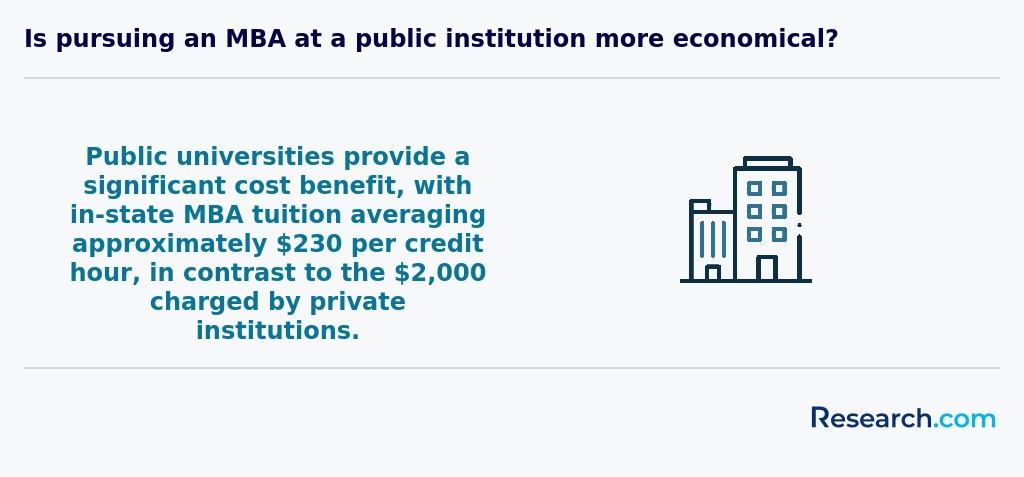
Imagine diving into an MBA journey in Missouri where the average cost of an MBA degree hovers around $37,992 total. Many students find that attending a public university as an in-state resident can significantly soften the financial impact, with median in-state tuition settling near $21,600. Graduates from these institutions often share stories of balancing work and study, grateful for the manageable price tag that doesn't sacrifice quality.
Across town, private universities beckon with more exclusive programs, but their tuition usually spirals closer toward the $40,000 to $60,000 range. Missouri graduates from these schools often describe the value of smaller class sizes and personalized mentorship, making the higher price feel like an investment in unique opportunities. Such perspectives add color to the broader narrative of the total cost of MBA programs Missouri offers.
Beyond tuition, many students recount the challenge of budgeting for books, fees, and living expenses-each adding layers to the overall cost. Yet, the promise of flexible formats like part-time or online MBA programs eases concerns by offering alternatives that often trim expenses. For those curious about navigating these choices, exploring the most affordable mba programs in missouri can spark both inspiration and practical insight.
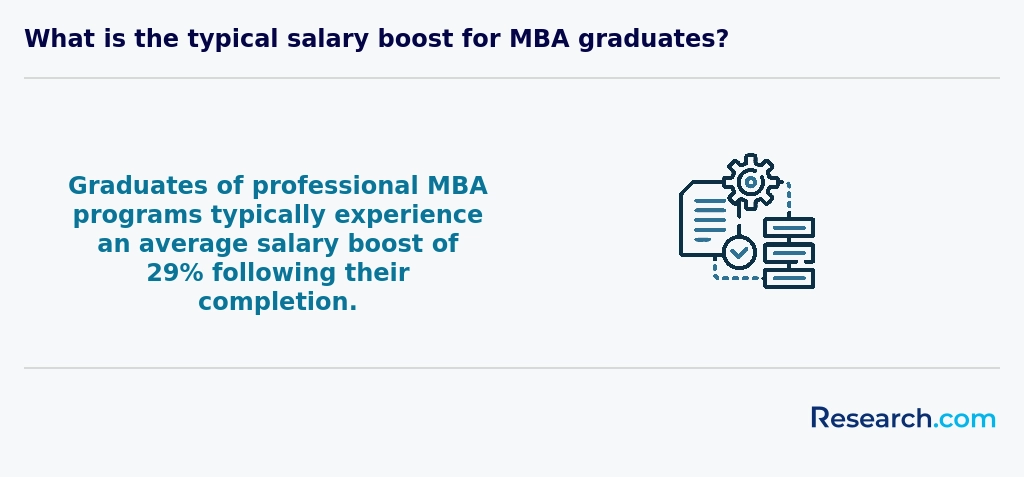
Imagine stepping into the University of Missouri-Columbia's buzzing campus, clutching a scholarship that slices your MBA tuition in half. Many Missouri MBA students find their financial lifeline in merit-based scholarships or assistantships offered by their own schools, turning arduous costs into achievable dreams. Across Saint Louis University, ambitious grads often juggle teaching assistant roles, earning stipends while mastering business concepts-this blend of work and study not only reduces debt but cultivates invaluable experience.
For residents, the Access Missouri Financial Assistance Program offers a glimmer of hope, although it mainly favors undergraduates. Still, some MBA candidates tap into these funds, weaving together scattered opportunities. Federal loans like Grad PLUS become a common fallback, granting breathing room even when grants run dry.
Meanwhile, suites buzzing in corporate towers often hide tuition reimbursement programs, rewarding hardworking employees pursuing MBAs with generous financial aid tied directly to career growth. When all else falls short, private loans stand ready but with a cautionary tale of higher costs.
, for students looking to pursue an MBA without breaking the bank, considering the most affordable mba programs in missouri is essential. This involves evaluating not just the tuition fees but also the overall cost of attendance, including living expenses, textbooks, and any additional costs associated with the program. Many universities in Missouri offer competitive pricing for their MBA programs, making them attractive options for both in-state and out-of-state students. Additionally, some institutions provide financial aid, scholarships, and assistantships to help mitigate the costs. Prospective students should research these options thoroughly, weighing the benefits of affordability against other critical factors such as program reputation, accreditation, and career outcomes. By doing so, they can make informed decisions that align with their financial situation and career aspirations, ensuring that they can achieve their goals without incurring excessive debt.
Picture yourself stepping into a buzzing room at a renowned Missouri MBA program-the air thick with ambition and determination. To unlock this door, you need more than just a penchant for business jargon. A bachelor's degree from an accredited school acts as your ticket in, whether your major was finance, marketing, or something delightfully unexpected. Missouri's universities, like the University of Missouri or Saint Louis University, require transcripts that chronicle your academic journey, proving you're ready for what comes next.
Then there's the GMAT or GRE, those gatekeeper scores that float around 558 nationally. Some programs might waive them if your experience shines bright enough-think two or three years steering projects or leading teams in the real world. Graduates often share how this hands-on know-how transformed dry theories into lively boardroom triumphs.
Letters of recommendation, resumes, and essays are your storytelling tools, capturing your unique career vision and leadership spark. For many international students, proving English prowess with TOEFL or IELTS is a small hurdle before diving into Missouri's vibrant MBA ecosystem.
To help you navigate the most sought-after MBA offerings in Missouri, our 2024 ranking highlights key factors such as enrollment growth, graduate employment rates, and student satisfaction. For cost-conscious applicants exploring alternative online options, see our Affordable Online Master’s in MBA Degree Programs Ranking in Orange Beach, AL for comparative insights. • Washington University in St. Louis – Enrollment Growth: 12% year-over-year – 94% job placement within six months – Average starting salary: $120,000 • University of Missouri–Columbia – Enrollment Growth: 9% – 90% of graduates secure roles in finance and consulting – Average starting salary: $98,000 • University of Missouri–Kansas City – Enrollment Growth: 15% (strongest growth among public programs) – 88% internship-to-job conversion – Flexible online and hybrid formats • Saint Louis University – Enrollment Growth: 7% – 92% alumni satisfaction with career services – Emphasis on healthcare management and entrepreneurship • Missouri State University – Enrollment Growth: 8% – 85% of graduates enter leadership roles in regional corporations – Affordable tuition for in-state and out-of-state students This ranking is based on our analysis of IPEDS, College Scorecard, and direct student feedback, providing a clear snapshot of Missouri’s leading MBA programs.
Imagine diving into Financial Accounting at the University of Missouri-grappling with real balance sheets that mimic the ups and downs of a local startup. Graduates recall how Corporate Finance classes at Washington University transformed abstract numbers into thrilling tales of capital budgeting and risk, fueling their confidence to lead investments in Missouri's bustling industries.
From Marketing Management lessons at Missouri State University, students learned to decode consumer behavior like detectives unraveling clues in Springfield's vibrant marketplaces. Meanwhile, courses in Operations and Supply Chain Management painted vivid pictures of logistic puzzles akin to managing the flow of goods through St. Louis' busy ports.
In every cohort, Organizational Behavior isn't just theory-it's the lived experience of navigating team dynamics during projects reflecting Missouri's unique corporate culture. Electives like healthcare administration resonate deeply, echoing the heartbeat of Missouri's growing medical sector.
This dynamic curriculum blends foundational knowledge with hands-on practice, making Missouri's MBA not only educational but an empowering journey to mastering regional business realities.
Imagine diving into an MBA program in Missouri where the choices stretch as wide as the state's horizons-finance graduates from St. Louis boast stories of cracking complex investment strategies that fuel Kansas City's booming banking sector. Marketing enthusiasts, often molded by vibrant classrooms in Columbia, revel in mastering digital tactics that ignite startups across Missouri's tech corridors. Graduates who tackled Healthcare Management share how their leadership skills seamlessly empower major hospital networks, proving indispensability in a state with a growing health economy.
Supply Chain Management is a favorite among students at Springfield's institutions, who appreciate Missouri's geographic heartbeat that makes logistics more than a topic-it's a daily puzzle solved with flair. Entrepreneurial spirits, nurtured in Missouri's entrepreneurial hubs, speak passionately about turning ideas into ventures, tapping into rich local resources. These vivid options embody the best MBA concentration options Missouri has, perfectly blending regional edge with aspirational dreams.
For those seeking focused paths within a short mba programs online, Missouri's landscape offers adaptable tracks that fit evolving careers and ambitions.
Imagine walking through the bustling halls of a Missouri university, where graduates radiate confidence, having chosen MBA programs that fit their unique rhythms-some balancing full-time jobs in St. Louis, others diving into healthcare management electives tailored by universities steeped in real-world Missouri business challenges. The secret? Prioritizing AACSB accreditation as your beacon, just as seasoned grads do, knowing it unlocks doors to premium networking scenes and salary boosts. Envision your future self at a lively Kansas City alumni event, where those invaluable connections spark career leaps.
Many who chase the best mba programs in Missouri 2027 swear by weighing costs-not just tuition, but the unseen dance of living expenses-because Missouri's blend ranges from affordable public gem schools to pricier private options. This careful balance is what lets you savor the journey without financial burnout.
Exploring curriculum flexibility, like electives in supply chain or emerging tech, is how some grads found their niche. For hands-on tips and smart budget strategies, consider checking out the Affordable Online Master's in MBA Degree Programs Ranking in Orange Beach, AL. This approach matches the growing trend to personalize education as Missouri's ecosystems evolve.
If you crave community, look at universities nestled in Missouri's thriving economic hubs-places where internships turn into dream jobs and professors aren't just lecturers but career catalysts. This vibrant blend of factors shapes those dreamy, successful outcomes you read about in affordable MBA degrees Missouri ranking stories, turning ambition into action.

Missouri's MBA graduates dive into a thrilling mosaic of career paths where their sharp business acumen transforms ideas into impact. Picture a graduate from the University of Missouri stepping into St. Louis's bustling financial district, thriving as a risk management specialist or investment strategist, basking in salaries over $130,000. These top business careers with Missouri MBA echo across Kansas City's banks and insurance firms, where numbers meet strategy in a high-stakes game.
Meanwhile, others from Washington University sail smoothly into healthcare management, steering large hospital systems with the finesse taught through the MBA's leadership lens. They find fulfillment in accelerating operations and patient care, thriving in a sector with 15% anticipated growth-a beacon for future-focused professionals.
The spirit of entrepreneurship beams brightly among graduates, fueled by Missouri's thriving incubators and innovation hubs. Whether launching tech startups or service ventures, MBA holders from colleges across Missouri embrace the state's fertile ground for dreams turned ventures, often reflecting on programs highlighted in the Affordable Online Master's in MBA Degree Programs Ranking in Orange Beach, AL.
Consulting and marketing careers also pulse vibrantly, with graduates channeling their expertise into boutiques or national firms, crafting strategies that shift industries from manufacturing to agriculture. These MBA career opportunities in Missouri are not just jobs-they're journeys of transformation, confidence, and continual growth.
In Missouri, the job market for MBA graduates pulses with vitality across sectors like healthcare, finance, and technology, especially in thriving hubs such as St. Louis and Kansas City. Graduates from renowned institutions find themselves stepping into roles teeming with challenge and opportunity-whether leading innovative startups or steering large corporations. The steady growth in management and consulting opens doors wide, reflecting a robust demand driven by Missouri's diverse economy and the steady call for business leadership. Many MBA holders share stories of landing well-paying roles that blend strategic thinking with hands-on problem solving, fueling both their confidence and career momentum.
Tuition costs remain a welcomed relief; earning an MBA in Missouri is notably more affordable than national averages, with public universities offering quality programs within a $25,000 to $40,000 range. This cost-effectiveness, paired with the strong job market, creates fertile ground for those weighing options among college degrees that are worth it. Prospective students can expect that their investment pays off through access to exciting positions in fields highlighted by data analytics and supply chain management, cementing the positive job outlook for MBA graduates Missouri.
2027 Most Popular MBA Degree Programs Ranking in Missouri
Investing in your education is a significant decision that can shape your future, and the Research.com team recognizes the importance of making well-informed choices. To support prospective students in Missouri, we have carefully developed the "2027 Most Popular MBA Degree Programs Ranking in Missouri." Our dedication to quality, credibility, and accuracy is demonstrated through thorough research and detailed analysis to deliver a trustworthy ranking.
We utilized the following reputable data sources to ensure a comprehensive evaluation of MBA programs:
By reviewing this ranking, readers will gain valuable insights into the top MBA programs in Missouri, empowering them to make confident educational decisions. For further information on how our ranking was created, please visit our Research.com methodology page.


Frequently Asked Questions About MBA
To maximize their learning experience, MBA students in Missouri should actively engage with their programs beyond the classroom. Many Missouri universities offer opportunities for networking through local business events and alumni groups, which can be invaluable for career growth. Students should also seek internships or consulting projects with regional companies to gain practical experience.
Participating in study groups and utilizing campus resources such as career services and leadership workshops can enhance understanding and skill development. According to the Missouri Department of Higher Education, programs that include experiential learning components report higher job placement rates. Additionally, students should leverage online resources and flexible course options to tailor their studies to evolving business trends.
Emerging niches within the MBA field in Missouri reflect broader trends in the U.S. business landscape. Specialized areas such as healthcare management, supply chain analytics, and sustainability are gaining traction as regional industries expand. For instance, Missouri's strong healthcare sector fuels demand for MBAs skilled in healthcare administration and policy, with programs incorporating data-driven decision-making.
Supply chain management is another growing field due to Missouri's role as a transportation and logistics hub, notably in Kansas City and St. Louis. MBAs focusing on supply chain strategies often report higher employment rates and salaries.
Additionally, sustainability and entrepreneurship are rising niches, aligning with student interest in social impact and innovation.
After completing an MBA degree in Missouri, preparing for the job market involves several strategic steps. Graduates should leverage the strong alumni networks of Missouri business schools, which often facilitate connections with local employers. According to the Missouri Economic Research and Information Center, key industries such as finance, healthcare, and manufacturing actively seek MBA graduates.
Internships and practical experience gained during the program are crucial. Many Missouri universities encourage partnerships with companies in the St. Louis and Kansas City metropolitan areas, where business hubs offer ample employment opportunities. Developing skills in data analytics, leadership, and digital transformation increases competitiveness.
Additionally, tailoring resumes to highlight measurable achievements and engaging in Missouri's professional business organizations can enhance visibility. The Missouri Chamber of Commerce recommends continuous networking and skills updating to meet evolving market demands.
Employers in Missouri highly value MBA graduates who demonstrate strong leadership and strategic thinking skills. According to the Graduate Management Admission Council, these competencies are among the top priorities nationwide, including Missouri's key industries like finance and healthcare. Communication skills are equally essential, enabling graduates to effectively manage teams and present ideas clearly.
Analytical abilities and problem-solving are also critical, as companies rely on MBAs to interpret data and make informed decisions. Additionally, proficiency in technology and understanding of digital business trends are increasingly sought after in Missouri's evolving market. These skills collectively enhance an MBA graduate's career prospects in the state.
Finding internships in Missouri relevant to an MBA degree involves leveraging both university resources and local business networks. Many Missouri institutions, including the University of Missouri and Saint Louis University, offer career centers that connect MBA students with internships in firms across sectors like finance, healthcare, and technology.
The Missouri Chamber of Commerce and local economic development agencies often list internship opportunities, particularly in the Kansas City and St. Louis metropolitan areas. According to the National Association of Colleges and Employers, internships significantly increase employment prospects post-graduation, emphasizing their importance in MBA programs.
Students should also consider professional networking events and platforms like LinkedIn to build connections with Missouri-based executives.
In Missouri, earning an MBA degree significantly enhances career mobility and advancement opportunities. According to the Bureau of Labor Statistics, professionals with master's degrees, including MBAs, earn approximately 20% more than those with only a bachelor's degree. Missouri's diverse economy, centered on finance, healthcare, and manufacturing, highly values the leadership and strategic skills MBA graduates bring.
Employers in cities like St. Louis and Kansas City commonly seek MBA graduates for management roles, making the degree a key factor in promotions and career progression. The Missouri Economic Research and Information Center highlights that MBA holders have lower unemployment rates compared to the general population, supporting stronger job security.
Further, local networking opportunities and alumni connections from Missouri's business schools facilitate career transitions and growth. Overall, an MBA in Missouri is a strategic investment for professionals aiming to advance into senior management and specialized business roles.
Studying for an MBA degree in Missouri equips students with essential skills needed for interdisciplinary roles by emphasizing a broad understanding of business functions combined with specialized knowledge. Missouri's top MBA programs, such as those at Washington University and the University of Missouri, offer curricula that integrate finance, marketing, operations, and data analytics to create versatile leaders.
Many programs encourage collaboration across departments and industries, reflecting Missouri's diverse economy-from agriculture to biotechnology and manufacturing. This approach helps students develop problem-solving abilities adaptable to various sectors.
According to the Graduate Management Admission Council (GMAC) 2023 report, Missouri MBA graduates report higher-than-average gains in leadership and cross-functional teamwork skills, making them well-prepared for interdisciplinary roles.
When choosing between a thesis and a non-thesis MBA degree program in Missouri, consider your career goals and learning preferences. Thesis programs typically focus on research and academic writing, suitable for students aiming to pursue doctoral studies or research-intensive roles. Non-thesis options emphasize practical skills through coursework and internships, appealing to professionals targeting immediate advancement in business roles.
Missouri schools like the University of Missouri and Saint Louis University offer both paths, with thesis MBAs often requiring 6-12 months longer to complete. According to the Missouri Department of Higher Education, about 65% of MBA candidates choose non-thesis programs to accelerate entry into the workforce.
Assess your time availability and interest in research, as thesis programs demand significant independent study. Financial considerations also matter since longer thesis tracks may incur higher costs and opportunity expenses.
Students based in Missouri seeking to study for an MBA abroad have several viable pathways. Many Missouri universities, such as the University of Missouri and Washington University in St. Louis, offer dual-degree programs or exchange partnerships with international institutions. These options allow students to gain global business perspectives while earning credits toward their Missouri-based MBA.
Additionally, Missouri students often consider enrolling directly in international business schools, especially in Europe and Asia, known for their strong MBA programs. According to the Graduate Management Admission Council, approximately 15% of U.S. MBA candidates pursue studies abroad, reflecting growing interest in global business exposure.
Students should also explore scholarships and financial aid targeting Missouri residents for international study, helping to reduce costs. Consulting a school's international office can provide tailored guidance on visa requirements and program accreditation, essential for a smooth study abroad experience.
Part-time job opportunities in Missouri that complement MBA education often align with business, finance, and management fields. Many MBA students find roles as financial analysts, marketing assistants, or project coordinators, which help develop practical skills alongside academic knowledge.
In Missouri, the business sector is robust, with companies like Edward Jones and Cerner Corporation offering internships and part-time roles suited for MBA students. According to the Missouri Economic Research and Information Center, finance and information services are among the fastest-growing sectors, increasing the demand for part-time roles in these areas.
Additionally, working part-time in consulting firms or non-profit organizations can enhance leadership and strategic thinking skills, valuable for any MBA candidate. These positions often provide exposure to real-world business challenges, aiding in classroom theory application.
MBA students in Missouri benefit from diverse networking opportunities that enhance their professional growth. Many universities, such as the University of Missouri and Washington University in St. Louis, host regular networking events, career fairs, and speaker series featuring industry leaders. These programs connect students with alumni and local business communities.
The Missouri Career Center and organizations like the Missouri Chamber of Commerce also offer valuable platforms for MBA students to meet professionals and potential employers.
According to the Missouri Economic Research and Information Center, networking contributes significantly to job placement rates for MBA graduates in the state, often leading to employment within six months post-graduation.
Alumni networks play a crucial role for MBA students in Missouri by providing valuable connections and career support. Graduates from Missouri business schools often join active local and national alumni groups. These networks offer mentorship, job leads, and opportunities for professional development. According to data from the Missouri Economic Research and Information Center, strong local business connections can significantly improve employment prospects for MBA holders in the state.
In addition, Missouri's top MBA programs, like those at Washington University in St. Louis and the University of Missouri, emphasize alumni engagement, enhancing students' access to experienced professionals. Networking through alumni can lead to internships, partnerships, and leadership roles across various industries in Missouri's growing economy.
Customizing an MBA program in Missouri allows students to align their education with specific career goals. Many Missouri business schools offer concentrations such as finance, marketing, healthcare management, and supply chain, enabling specialization that matches industry demands. For example, the University of Missouri system provides flexible electives and dual-degree options that combine MBA studies with law or engineering, enhancing professional versatility.
Additionally, part-time and online MBA formats common in Missouri accommodate working professionals seeking practical, real-world application. Internship opportunities and collaboration with local businesses also play a key role in tailoring the MBA experience toward networking and skill-building in desired fields.
According to the Graduate Management Admission Council, demand for customized MBA programs rises as professionals aim to update specific skill sets relevant to regional markets.
MBA students in Missouri commonly face challenges balancing rigorous coursework with professional and personal responsibilities. Many are working professionals, making time management a critical concern. According to the Missouri Department of Higher Education, around 60% of MBA candidates enroll part-time, which can extend program duration and increase stress.
Financial burden is another significant hurdle. Tuition for MBA programs in Missouri averages between $25,000 and $50,000, depending on the institution, which can deter some applicants or lead to reliance on student loans.
Additionally, adapting to rapidly changing business trends and technologies requires continuous learning outside of regular class hours. Limited networking opportunities in smaller cities pose challenges for job placements after graduation. These factors contribute to a demanding yet rewarding educational journey.
With an MBA degree in Missouri, graduates gain eligibility for various professional certifications that can enhance career prospects. Popular choices include the Certified Management Accountant (CMA), which focuses on financial management and strategy. Another key certification is the Project Management Professional (PMP), valued in sectors requiring leadership in project execution.
Additionally, MBA holders often pursue the Certified Financial Planner (CFP) credential if their focus is finance or wealth management. The Certified Business Analyst Professional (CBAP) is also relevant for those interested in business analysis. These certifications not only complement an MBA but also improve earning potential and job security.
According to data from the Missouri Economic Research and Information Center, holders of MBA degrees with certifications typically see higher employment rates statewide. Pursuing these certifications can be a strategic step to advance professional credentials and stand out in Missouri's competitive job market.
Applying for an MBA program in Missouri requires careful preparation to stand out among a competitive applicant pool. Start by researching accredited Missouri schools like Washington University in St. Louis or the University of Missouri, focusing on their program strengths and admission criteria.
Craft a compelling personal statement that clearly outlines your career goals and why an MBA fits into your professional path. Missouri programs often value leadership experience and community involvement, reflecting the state's strong business networks.
Strong standardized test scores (GMAT or GRE) remain important; in Missouri, the average GMAT score for top programs hovers around 600-650, based on data from the Graduate Management Admission Council.
Additionally, secure recommendation letters that highlight your business acumen and teamwork skills. Missouri MBA programs frequently emphasize practical experience, so illustrating your contributions to previous roles is essential for a winning application.
An MBA career is increasingly viewed through a global lens, with employers valuing diverse business skills applicable worldwide. Graduates from Missouri's MBA programs, such as those at Washington University and the University of Missouri, often find opportunities in multinational firms that prize cross-cultural competence and global strategic thinking.
According to the Graduate Management Admission Council (GMAC), nearly 60% of MBA graduates in the U.S. report that their education prepared them well for international business roles. This trend reflects the growing interconnectedness of markets and the need for managers who understand global supply chains, finance, and marketing.
Moreover, Missouri's central location and vibrant economic sectors in manufacturing, logistics, and healthcare provide practical exposure to global business operations. Many Missouri MBA programs include international study or collaboration projects, enhancing students' awareness of global challenges and opportunities.
Gaining practical experience while studying for an MBA degree in Missouri is essential for career development. Many universities in the state offer internship programs connected to local businesses, providing hands-on experience. For example, the University of Missouri system and Saint Louis University emphasize internships as part of their MBA curriculum.
Additionally, Missouri's strong network of industries - including finance, healthcare, and manufacturing - offers students opportunities for project collaborations and consulting assignments. Participating in case competitions and attending career fairs organized by Missouri business schools can also enhance practical learning.
Some programs integrate experiential learning through live client projects, helping students apply classroom concepts in real-world settings. According to the Missouri Department of Higher Education & Workforce Development, nearly 60% of MBA students in the state engage in such activities to boost employability.
Choosing the right concentration within an MBA program in Missouri depends on your career goals and the local job market. Popular MBA concentrations in Missouri include finance, healthcare management, and supply chain management, reflecting the state's strong industries such as financial services and healthcare.
Research from the Missouri Economic Research and Information Center shows growing demand in healthcare and logistics sectors, which may guide your choice. You should also consider your professional background and interests to find a concentration that complements your skills.
Many Missouri schools offer flexible concentrations allowing specialization alongside core business skills. Make sure to review each program's curriculum and alumni outcomes before deciding.
- 2027 Most Popular MBA Degree Programs Ranking in Kansas
- 2027 Most Popular MBA Degree Programs Ranking in Iowa
- 2027 Most Popular MBA Degree Programs Ranking in Nebraska
- 2027 Most Popular MBA Degree Programs Ranking in Arkansas
- 2027 Most Popular MBA Degree Programs Ranking in Oklahoma
- 2027 Most Popular MBA Degree Programs Ranking in Illinois
- 2027 Most Popular MBA Degree Programs Ranking in Kentucky
- 2027 Most Popular MBA Degree Programs Ranking in Minnesota
- 2027 Most Popular MBA Degree Programs Ranking in Mississippi
- 2027 Most Popular MBA Degree Programs Ranking in Ohio
- MBA Networking Tips-Building Connections Pre-MBA https://menlocoaching.com/mba-applications-and-admissions-guide/networking/
- Future-Proof Your Career with an MBA in India : MIT-WPU Blog https://mitwpu.edu.in/blog/emerging-specialisations-in-mba---how-to-future-proof-your-business-career-in-india
- Top Challenges for MBA Students in 2025: Placements and Career Growth in India | BeJobbed.com https://bejobbed.com/challenges-mba-students-placements-career-growth-india/
- Top MBA programs with the best alumni networks in the world - MBA Crystal Ball https://www.mbacrystalball.com/blog/2025/07/07/top-mba-programs-with-the-best-alumni-network-in-the-world/
- MBA Career Outlook from a Global Perspective Margaret Buj https://interview-coach.co.uk/mba-career-outlook-from-a-global-perspective/
- How to Choose the Best MBA Program for Your Career Goals https://www.clearadmit.com/2025/05/how-to-choose-the-best-mba-program-for-your-career-goals/
- Why Fit Matters: Matching Your Profile and Career Goals to Your Dream MBA Program https://merchantmba.com/blog/why-fit-matters-matching-your-profile-and-career-goals-to-your-dream-mba-program
- How to balance a part-time MBA while working full-time https://www.manchester.ac.ae/blog-post/how-to-balance-a-part-time-mba-while-working-full-time
- Tips for Writing an MBA Program Essay - GMAT Ninja https://www.gmatninja.com/articles/mba-admissions/essays-and-applications/minimizing-mba-application-essay-agony/
- Master of Business Administration (M.B.A.) Major in Business Administration (General Flex Non-thesis Option) https://mycatalog.txstate.edu/graduate/mccoy-business-administration/business-genflex-nonthesis-mba/


