2027 Most Affordable MBA Degree Programs Ranking in Missouri

Co-Founder and Chief Data Scientist
Choosing the right MBA program in Missouri can feel overwhelming, especially when cost is an important factor. This article introduces the 2027 Most Affordable MBA Degree Programs Ranking in Missouri, developed by the Research.com team of data scientists. It's designed to guide you toward programs that offer great value without compromising quality.
Reading this ranking can help you make a well-informed decision about your education and future career. An MBA degree opens doors to new opportunities and growth, making your investment worthwhile.
Key benefits of getting MBA degree in Missouri
- Salary for MBA graduates: While specific Missouri salary data is unavailable, MBA holders in the US typically earn around $90,000 to $120,000 annually, reflecting strong earning potential in management and business roles.
- Career paths: Graduates from Missouri's top schools, like the University of Missouri, often pursue roles in finance, marketing, consulting, and operations, offering diverse and rewarding opportunities.
- Online MBA benefits: Earning an MBA online from institutions such as Missouri State University allows flexible scheduling and balancing work-life commitments, making it ideal for busy professionals seeking advancement.
- 2027 Most Affordable MBA Degree Programs Ranking in Missouri
- What can I expect from MBA degree in Missouri?
- Where can I work with MBA degree in Missouri?
What can I expect from MBA degree in Missouri?
The average cost of earning an MBA degree in Missouri typically falls between $15,000 and $25,000 annually at public universities, offering a surprisingly affordable path compared to many other states. Graduates from the University of Missouri's Trulaske College of Business often reflect on how the reasonable tuition allowed them to pursue specialized fields like data analytics without overwhelming debt. Meanwhile, private institutions, such as Saint Louis University and Webster University, do charge higher tuition-sometimes exceeding $40,000 per year-but students there often recall the value they gained from robust networking opportunities and personalized career support.
For many Missouri MBA students, this balance between cost and opportunity challenges the common notion that higher tuition always translates to better outcomes. They report that being immersed locally, in cities like St. Louis or Kansas City, not only enhanced their learning but also connected them directly to vibrant job markets and industries.
Where can I work with MBA degree in Missouri?
With an MBA from a Missouri school like the University of Missouri or Washington University in St. Louis, graduates step into a world where opportunities span surprisingly diverse sectors. Imagine a recent grad who leverages their school's strong ties with financial firms in St. Louis to secure a leadership role at a major bank, managing investment portfolios with confidence built during case studies and internships.
Others might find themselves navigating the expansive healthcare landscape, taking on roles in administration at organizations like Mercy Health. The fast-paced challenges there sharpen their strategic thinking, reminiscent of scenarios tackled during their MBA cohort projects.
Manufacturing giants such as Emerson Electric offer another pathway, where MBAs orchestrate supply chains and innovate processes-skills honed through Missouri's emphasis on practical, data-driven coursework. Graduates also thrive in government and nonprofit sectors, often energized by the real-world project management experience gained from university collaborations with state agencies.
And as the Kansas City tech scene blossoms, MBA holders are increasingly driving startup growth, embodying the entrepreneurial spirit nurtured by Missouri's business programs. The salary advantage noted by the U.S. Bureau of Labor Statistics isn't just numbers-it's the tangible outcome of mastering versatile skills in a state full of potential.
Graduates from MBA programs at well-known Missouri institutions often find their degrees open doors to competitive salaries that outpace many bachelor's degree holders. For instance, a graduate from the University of Missouri or Washington University in St. Louis might start at salaries around $60,000 to $70,000 in entry-level roles, reflecting the state's moderate cost of living and strong regional markets.
With five to ten years of experience, these MBA holders typically see their earnings rise to ranges of $75,000 to $110,000, depending on the industry. Mid-level managers in finance or marketing roles often reach closer to $85,000, while senior executives or management consultants in metropolitan areas like St. Louis and Kansas City can surpass $100,000 annually. These salary levels reward graduates who leverage their networks and the solid reputations of Missouri's business schools.
Choosing fields such as finance, healthcare administration, or IT management in Missouri can make a significant difference, as these sectors tend to offer higher pay. Graduates repeatedly report a sense of accomplishment and optimism when their ROI on an MBA becomes clear through these increasing salary prospects in the local economy.
- The average total cost for completing an MBA in Missouri ranges from $30,000 to $70,000, varying by school, program length, and residency status.
- Entry-level MBA salaries in Missouri average between $65,000 and $75,000 annually, increasing to $110,000 to $130,000 for professionals with five to ten years of experience.
- Public universities offer more affordable tuition rates for Missouri residents compared to private institutions.
- Key job markets for MBA graduates include St. Louis, Kansas City, and Springfield, with opportunities in finance, marketing, management, consulting, healthcare, manufacturing, technology, and financial services.
- Many Missouri MBA programs provide part-time and online options, plus partnerships with local businesses that help with internships and job placements.
- Missouri schools typically offer merit-based scholarships and assistantships, and the state's relatively low cost of living reduces overall education expenses.
Completing an MBA degree in Missouri usually ranges from one to three years, but the real story lies in how you tailor it to your life. Many full-time students at public schools like the University of Missouri finish in about two years, juggling 36 to 54 credit hours while diving deep into projects and internships. Graduates often share how this immersive experience pushed them out of their comfort zones, yet made the achievement feel truly rewarding.
For those balancing careers and families, part-time MBAs stretch to three years or more. Alumni from schools like Saint Louis University recall the patience and persistence required to manage work, study, and personal life simultaneously-yet they emphasize the pride in gradually building expertise without sacrificing stability.
Accelerated MBA options, like those at Washington University in St. Louis, crush traditional timelines into a fast-paced one-year journey. While intense, many who chose this path describe a surge of confidence and momentum that propelled them swiftly into career advancement, a trade-off worth embracing for the ambitious.
Online programs add a fresh dynamic-flexible pacing allowing degrees in as little as 18 months or up to three years. For working professionals in Missouri, this freedom often transforms learning into a lifeline rather than a burden, turning dreams into reality within manageable frames.
For many prospective students, the flexibility and cost efficiency of online MBA programs are game changers in today’s fast-paced world. These programs have evolved to deliver interactive content, well-structured curricula, and real-time feedback-all designed to mirror the rigor of on-campus experiences while keeping tuition affordable. Online MBAs provide a perfect balance between professional commitments and academic growth, offering asynchronous learning, virtual networking events, and digital access to world-class faculty, all from the comfort of your home. In addition, many students are now taking advantage of comprehensive resource guides and toolkits that detail the financial benefits and long-term career outcomes of online learning. For those seeking to explore cost-effective options, consider our ranking of cheapest mba online programs under 10000 per year which highlights schools that combine quality education with affordability. Optimizing your educational journey with an online MBA not only minimizes overhead costs but also maximizes networking opportunities and career advancement, ensuring you remain competitive in a rapidly evolving job market.
Choosing between an online and an on-campus MBA in Missouri often boils down to what you value most in your educational journey. Graduates from the University of Missouri-Columbia's online program often praise the flexibility that lets them juggle work, family, and study without sacrificing any one part. They recall late-night video lectures and collaborative projects done entirely through digital platforms, highlighting how this adaptability made earning a quality degree possible without uprooting their lives.
Conversely, students attending Washington University in St. Louis cherish the vibrant campus energy-the daily face-to-face interactions with professors and peers, the spontaneous conversations after class, and the networking events that don't just happen online but unfold in real time. Many find that this immersion in the academic environment accelerates their personal growth and builds connections that extend well beyond graduation.
Missouri's on-campus MBA candidates often navigate higher costs linked to housing and commuting, which online students sidestep entirely. Yet, those same in-person learners emphasize that investing in these experiences pays off through stronger ties to the local business community and tailored career services.
The decision rests partly on how you want to engage with your studies and your future network-will convenience and paced learning win out, or will presence and direct interaction tip the scales? Both paths bring distinct rewards in Missouri's competitive MBA landscape.
The average cost of an MBA degree in Missouri hovers around $21,600 for in-state students, making it a compelling option for residents who want to balance quality and affordability. Public universities like the University of Missouri offer programs that sit comfortably within this range, allowing students to pursue advanced business knowledge without the overwhelming debt often associated with graduate education. Graduates often recount the mix of pride and relief felt upon earning their degrees knowing they managed the financial investment wisely.
When factoring in out-of-state tuition, the expenses tend to rise significantly, often approaching double the in-state rates, which adds complexity to the decision-making process for many. Yet, for Missouri residents, these affordable MBA programs tuition Missouri presents a realistic path to advancing careers, particularly when compared to pricier private institutions like Washington University in St. Louis, where tuition can soar between $50,000 and $70,000. Students attending such schools still report satisfaction due to the prestige and networking opportunities, highlighting that cost is one part of the broader value equation.
Understanding these costs encourages reflection on what an MBA in Missouri truly represents beyond just numbers. Some graduates reflect on how the reasonable pricing allowed them to focus more on their studies and less on financial strain, making their educational journey more rewarding. Exploring the best mba schools in missouri helps prospective students see how these costs align with program quality, offering a practical guide to making an informed investment in their futures.

When evaluating affordable MBA programs in Missouri, it’s instructive to benchmark against neighboring states such as Georgia to understand relative value and cost savings. On average, Missouri’s public MBA tuition ranges from $30,000 to $50,000, while Georgia’s comparable programs often list between $32,000 and $55,000. Despite similar price points, Missouri schools benefit from lower living expenses-roughly 10%–15% below Georgia’s urban centers-reducing the total cost of attendance by several thousand dollars annually. Return on investment (ROI) also favors Missouri graduates. Data shows that Missouri MBA alumni typically recoup tuition costs within 4–5 years post‐graduation, owing to a median starting salary of approximately $75,000. In Georgia, the payback period can extend to 5–6 years due to slightly higher average tuition and living costs. Factoring in career services, Missouri’s strong industry partnerships in finance, healthcare, and manufacturing contribute to faster job placement and higher early‐career salaries. For students seeking alternative benchmarks, reviewing the Most Affordable MBA Degree Programs Ranking in Georgia offers insights into cost structures, scholarship opportunities, and average GMAT waivers. Comparing financial aid packages and campus fee structures between these states can further optimize budget planning. Whether your priority is minimizing debt or maximizing ROI, this comparative analysis underscores why Missouri remains a top choice for cost‐conscious MBA candidates-and how Georgia’s offerings stack up against it.
Many MBA students in Missouri find that financial aid is not just about relief, but a gateway to opportunity. Graduates from the University of Missouri system often recall how merit-based scholarships transformed their ability to focus on leadership and innovation rather than finances. These scholarships reward academic and professional excellence, creating a direct incentive to excel.
Need-based grants, though rarer for MBA candidates, become a crucial lifeline for some who qualify under federal income standards. Imagine relying on federal programs like the Pell Grant to access the career shifts MBA education promises-this makes the pursuit tangible and less daunting.
Federal student loans remain a backbone of support, with options like Direct Unsubsidized and Graduate PLUS loans offering fixed interest and manageable repayment plans. Filling out FAFSA is more than paperwork; it's a strategic move to unlock these resources annually.
Assistantships and fellowships at Missouri business schools are often the unsung heroes, with students balancing teaching or research duties and tuition relief. The blend of practical experience and financial support creates a rewarding journey.
Finally, part-time or online MBA students tapping into employer tuition reimbursement often share a sense of empowerment, knowing their company invests in their growth. This kind of financial aid connects education directly with career advancement.
Understanding the ROI of affordable MBA programs in Missouri helps prospective students weigh tuition costs against potential earnings. On average, public institutions charge between $30,000 and $50,000 for an MBA, and graduates report starting salaries of $75,000–$95,000. Given a median salary bump of 25–30%, most students recoup their investment within two to three years of graduation, assuming full-time employment. Key factors driving ROI include employment rate, salary growth, and career progression. Recent data indicate that over 88% of Missouri MBA graduates secure positions within six months, with many advancing into management roles that command salaries upwards of $110,000 after three years. When calculating payback period, consider total cost of attendance (tuition plus living expenses) and average post-MBA income growth to estimate break-even points. Comparing regional benchmarks can further inform your decision. For instance, students exploring similarly priced programs in neighboring states may review the Most Affordable MBA Degree Programs Ranking in Georgia to understand how Missouri’s ROI stacks up against Georgia’s offerings, where average tuition ranges slightly higher but boasts similar salary outcomes. Ultimately, evaluating ROI requires a balanced view of cost, career trajectory, and personal goals. By analyzing payback periods alongside employment statistics, you can select an affordable MBA program in Missouri that maximizes both professional growth and long-term financial returns.
To enroll in an MBA program in Missouri, the cornerstone prerequisite is a bachelor's degree from an accredited institution-no need to stress over having it in business specifically. Graduates from universities like the University of Missouri often share how their diverse academic backgrounds didn't hold them back but enriched class discussions and projects. This opens doors for candidates from all walks of academic life to bring fresh perspectives.
Standardized tests like the GMAT or GRE are common hurdles, yet many Missouri programs understand the value of real-world experience. Graduates who navigated this path recall how their professional achievements allowed them to bypass these exams, especially in executive programs at well-known business schools. These programs emphasize leadership grown through work, often requiring three or more years of relevant experience, fostering confidence and practical insight.
Supplementing academics and work history are letters of recommendation and personal statements, where applicants reveal motivations and business visions. Missouri students describe this as an empowering opportunity to show their authentic selves beyond transcripts, often supported by interviews that feel like meaningful conversations, not mere formalities.
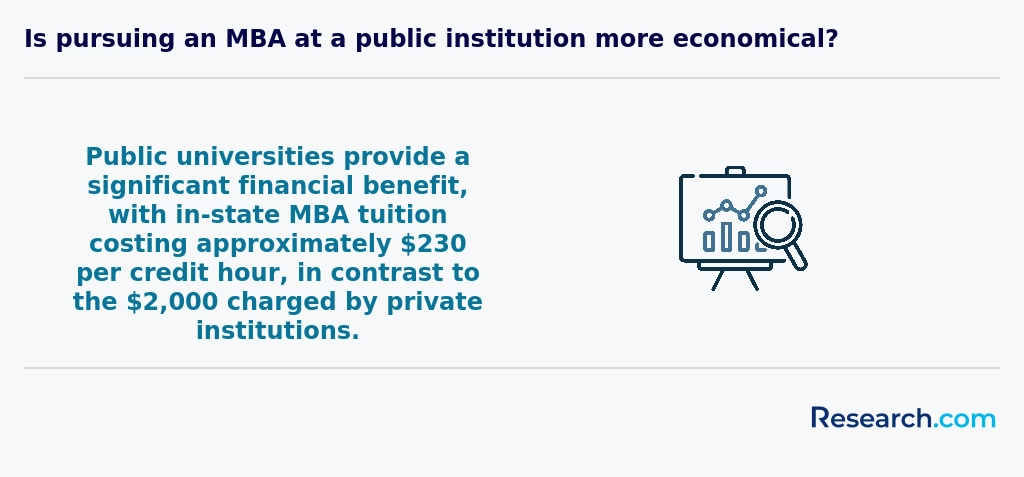
When selecting an MBA program in Missouri, it's essential to consider several factors that can significantly impact your educational and career trajectories. To find the best fit, you should explore the various options available, such as the best mba schools in missouri, and evaluate them based on accreditation, program format, curriculum, and specializations. Understanding the duration and credit requirements of each program can also help you make an informed decision. Additionally, considering the career opportunities and industry connections provided by each program can give you insight into the potential return on investment. By carefully evaluating these factors and weighing your options, you can choose an MBA program that aligns with your goals and sets you up for success in your future career.
In Missouri MBA programs like those at the University of Missouri and Missouri State University, students dive into courses that do more than fill credits-they shape adaptable leaders. Graduates often recall grappling with financial reports during demanding accounting classes, realizing these skills translate directly to negotiating budgets in real boardrooms.
Marketing Management courses don't just teach theory; they challenge students to untangle consumer behavior, a skill one graduate described as "unlocking the code" behind successful brand campaigns. Meanwhile, Organizational Behavior and Human Resources classes provide insights into team dynamics, helping future managers inspire collaboration rather than command it.
Operations and Supply Chain Management bring vivid case studies that echo the real-world challenges in Missouri's manufacturing hubs, making learning immediately applicable. Managerial Economics and Business Strategy stimulate strategic thinking that alumni credit for their confidence in competitive markets.
Data Analytics courses equip students with analytical tools they've used to pivot business tactics swiftly. Ethics classes deepen understanding of corporate responsibility, a topic Missouri graduates often mention as profoundly shaping their leadership values.
Focusing an MBA degree in Missouri means diving into specializations that resonate deeply with the state's economic fabric. Missouri universities craft their curricula to mirror both national business trends and local industry demands, creating programs where students don't just learn theory but prepare for authentic challenges faced by employers here. Graduates from places like Washington University in St. Louis or the University of Missouri often share how their Finance specialization opened doors in thriving corporate finance departments, while peers pursuing Supply Chain Management tapped into Missouri's pivotal logistics and transportation networks, feeling invigorated by the hands-on collaborations with local companies.
The array of top MBA concentration options Missouri offers extends beyond the classics. Healthcare Management thrives because of the state's vast medical sector, sparking passionate student engagement as they pore over cases involving regional hospitals and insurers. Others eager to innovate embrace Entrepreneurship, where practical projects and start-up incubators in cities like Kansas City fuel optimism and creativity. For those considering emerging fields, some institutions offer niches in sustainability or international business, reflecting Missouri's role in agriculture and global trade.
Students searching for affordability while maintaining quality often consult the ranking of cheapest mba online programs under 10000 per year, supplementing their local options to maximize ROI. Understanding these MBA specializations in Missouri universities enables prospective students to tailor their education for meaningful career impact while connecting with Missouri's unique business landscape.
Choosing the best MBA degree in Missouri requires more than just reviewing rankings or tuition costs. Graduates from top programs, such as those at the University of Missouri or Washington University in St. Louis, often emphasize the importance of program flexibility and real-world connections over mere prestige. Many find that part-time or online formats fit their lives better, allowing them to maintain a career while studying. This balance also maximizes ROI by minimizing lost income, a crucial factor when considering top MBA degrees in Missouri cost.
Accreditation, especially from AACSB, is non-negotiable; it validates the education and opens doors in a competitive job market. But beyond that, look at the curriculum focus-graduates who specialized in entrepreneurship or healthcare management share stories of how targeted learning gave them confidence and clarity in their career paths.
Finally, resources like the Most Affordable MBA Degree Programs Ranking in Georgia can help gauge cost efficiency in Missouri's offerings, guiding you toward the best affordable MBA programs in Missouri that align with your ambitions.
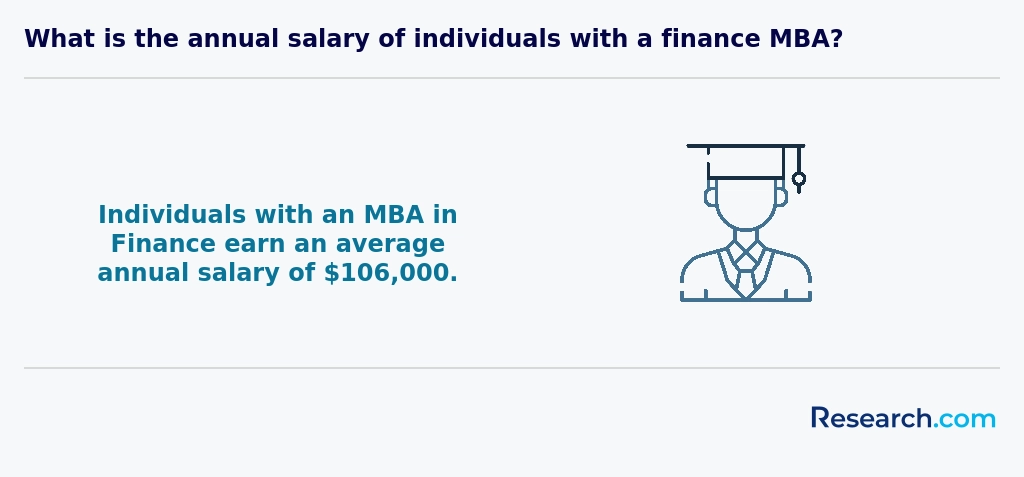
Graduates from Missouri's well-known MBA programs often find themselves navigating career paths that defy traditional expectations. Rather than sticking solely to corporate finance or marketing, many explore dynamic roles in healthcare administration or supply chain management, sectors flourishing uniquely in Missouri's economic landscape. Alumni from institutions like Washington University and the University of Missouri share how their MBA journey transformed ambitions into leadership roles within major Kansas City and St. Louis companies.
These MBA career opportunities in Missouri are not merely about landing a job but about shaping industries. For instance, graduates step into strategic positions managing complex operations or leading growth initiatives in the state's growing healthcare sector, balancing innovation and impact. The diverse range also makes entrepreneurship a captivating avenue, where business acumen gained in Missouri's programs drives real-world success stories.
Students weighing their options often consider cost versus outcome, with programs ranging from $30,000 to $60,000 preparing them to unlock such opportunities. Some alumni emphasize how interning locally and engaging with Missouri's businesses created invaluable networks, complementing their classroom learning with practical experience. Exploring high paying certificate programs alongside MBA paths further enhances competitive edge in the job market.
The job market for MBA graduates in Missouri reveals a dynamic landscape where steady demand meets practical opportunity. Graduates from well-known institutions such as the University of Missouri or Washington University often describe how their degrees opened doors to leadership roles in thriving sectors like healthcare administration and finance. These stories underline the real advantage of pursuing an MBA here: access to executive positions in growing industries rooted in St. Louis or Kansas City's expanding business hubs. For those weighing their options, understanding the job market outlook for MBA graduates Missouri highlights the competitive salaries that significantly surpass many other local occupations, reflecting the high value employers place on these advanced skills.
Many MBA holders find themselves consulting for regional firms or managing strategic projects in startups, gaining firsthand experience that's both challenging and rewarding. Such personal trajectories emphasize how an affordable Missouri MBA program-often costing less than national averages-can turn into a powerful career investment. Prospective students seeking insight into the easiest phd to earn might also consider how the state's competitive, practical MBA pathways align with their career aims.
2027 Most Affordable MBA Degree Programs Ranking in Missouri
Investing in your education is a significant decision that can shape your future, and the Research.com team understands the importance of making informed choices. To assist prospective students in Missouri, we have meticulously crafted the "2027 Most Affordable MBA Degree Programs Ranking in Missouri." Our commitment to quality, credibility, and accuracy is reflected in the extensive research and analysis conducted to compile this ranking.
We utilized the following reputable data sources to ensure a comprehensive evaluation of MBA programs:
By exploring this ranking, readers will gain valuable insights into the most affordable MBA programs available in Missouri, enabling them to make informed and confident decisions about their educational investments. For more details on our methodology, please visit our Research.com methodology page.
# 1 position
City Vision University
Master of Business Administration


Frequently Asked Questions About MBA
Students pursuing an MBA degree in Missouri can maximize their learning by engaging deeply with practical experiences, such as internships and consulting projects. Missouri hosts several AACSB-accredited business schools, like the University of Missouri and Washington University, where experiential learning is emphasized.
Networking is another crucial element. Attending events facilitated by local chapters of organizations like the Missouri Chamber of Commerce can help students build professional connections.
Utilizing university resources, including career services and faculty office hours, supports academic success. Missouri's MBA programs often include personalized mentoring, which enhances understanding of real-world business challenges.
According to the Missouri Department of Higher Education, MBA enrollment has steadily grown, reflecting a competitive job market where practical skills and networking matter most.
Emerging niches within the MBA field in Missouri reflect the state's evolving economic landscape and workforce needs. Specialized areas such as healthcare management, sustainability, and data analytics are gaining prominence. According to the Missouri Economic Research and Information Center, healthcare remains a top industry sector, driving demand for MBA graduates skilled in healthcare administration.
Additionally, with Missouri's growing emphasis on green initiatives, MBAs focusing on sustainable business practices are increasingly relevant. Data analytics specialization is also expanding, supported by Missouri's rising technology sector, which requires professionals adept at interpreting complex data for strategic decisions.
Many Missouri universities now offer tailored MBA concentrations in these areas to meet local market demands.
After completing an MBA degree in Missouri, effective preparation for the job market involves several key steps. Networking is crucial; many Missouri MBA programs, including those at the University of Missouri and Saint Louis University, host career fairs and alumni events that help graduates connect with local employers. According to the Missouri Economic Research and Information Center, industries like finance, healthcare, and manufacturing are significant employers of MBA graduates in the state.
Gaining relevant internships during the program enhances practical skills, while certifications in data analytics or project management can boost a resume. Missouri's cost of living and competitive salaries make local opportunities attractive for new graduates.
Employers in Missouri value a range of skills when hiring MBA graduates, reflecting the dynamic business landscape of the state. According to the Graduate Management Admission Council (GMAC), leadership and strategic thinking rank as top priorities, with 78% of employers emphasizing these abilities in recent surveys. Communication skills, both written and verbal, are crucial for effective collaboration across Missouri's diverse industries.
Analytical and quantitative skills are also highly sought after, especially given Missouri's strong manufacturing and healthcare sectors where data-driven decisions are critical. Additionally, adaptability and problem-solving are valued to navigate the evolving business challenges. Networking and relationship-building within Missouri's business communities remain important for career advancement.
Finding internships in Missouri relevant to an MBA degree involves strategic research and networking within the state's robust business community. Many Missouri universities, such as the University of Missouri and Saint Louis University, offer dedicated career services that connect MBA students with local companies.
Internships often come from sectors like finance, healthcare, and manufacturing, which are significant in Missouri's economy. According to the Missouri Department of Economic Development, firms in these industries actively seek MBA interns to support management, analytics, and operational roles.
Utilizing platforms like Handshake, LinkedIn, and university job boards can increase exposure to internship listings. Participation in Missouri-based professional organizations, such as the Missouri Economic Development Council, also aids networking opportunities. Additionally, students should attend career fairs held by business schools and local chambers of commerce to meet potential employers directly.
An MBA degree significantly enhances career mobility and advancement opportunities in Missouri's diverse economy. Graduates often report greater access to leadership roles across key industries such as finance, healthcare, and manufacturing. According to the Missouri Economic Research and Information Center, individuals with an MBA earn on average 30-50% higher salaries than those with only a bachelor's degree in the state.
Employers in Missouri value the strategic, analytical, and managerial skills developed through MBA programs, which facilitates faster promotions and job changes. Networking opportunities provided by Missouri's business schools further support career growth locally.
Overall, earning an MBA in Missouri provides measurable advantages in salary and leadership potential within the region's competitive job market.
Studying for an MBA degree in Missouri equips students with a versatile skill set crucial for interdisciplinary roles. Missouri's MBA programs emphasize collaboration across business, technology, and healthcare sectors, reflecting the state's diverse economy. Programs at universities like the University of Missouri and Washington University incorporate case studies and team projects that simulate real-world challenges involving multiple disciplines.
According to the Missouri Department of Higher Education, over 60% of MBA graduates in the state work in roles requiring integration of finance, management, and technology skills. This interdisciplinary focus prepares students for leadership in dynamic environments where understanding different business functions is essential.
When choosing between a thesis and a non-thesis MBA program in Missouri, consider your career goals and learning preferences. Thesis programs typically involve conducting original research and writing a detailed paper. This path suits students aiming for academic work or research-driven roles.
Non-thesis MBA programs focus on coursework and practical skills, which many Missouri business schools offer. These programs often appeal to professionals seeking to advance quickly in industry positions without the commitment of a research project.
According to the National Center for Education Statistics, over 70% of MBA candidates in Missouri choose non-thesis options due to their flexibility and shorter duration.
Cost and time commitment are also factors: thesis programs may require more semesters, impacting tuition and living expenses. Evaluate your learning style, career plan, and available resources before deciding.
Students in Missouri interested in studying for an MBA abroad have several viable options facilitated by partnerships between Missouri universities and international institutions. Many MBA programs offer exchange programs or dual degrees with schools in Europe, Asia, or Latin America, allowing students to gain global experience while earning credits toward their Missouri-based degree.
For instance, the University of Missouri system partners with several European business schools to enable semester-long study abroad opportunities. According to the Graduate Management Admission Council (GMAC), globally focused MBA programs are increasingly popular among Missouri students, with about 15% of enrolled MBA candidates exploring international study options each year.
Additionally, several Missouri schools provide support for students seeking fully online or hybrid MBA programs offered by accredited foreign universities, making international education more accessible without relocation. These pathways broaden perspectives while maintaining affordability and accreditation standards important to U.S. employers.
In Missouri, part-time job opportunities that complement MBA education often focus on roles in finance, marketing, and management. Common positions include financial analyst assistant, marketing coordinator, and business consultant trainee. These roles provide practical experience directly related to core MBA subjects.
The Missouri Economic Research and Information Center reports steady growth in business services, making consulting or project management roles accessible alongside studies. Additionally, internships with local firms in cities like St. Louis and Kansas City allow MBA students to apply classroom knowledge in real-world settings.
Many MBA students also pursue part-time jobs in nonprofit organizations or small businesses to develop leadership skills and network locally. Data from the Missouri Department of Higher Education suggests that combining work and study enhances career outcomes for MBA graduates across the state.
Missouri MBA programs offer robust networking opportunities that are vital for career advancement. Schools like the University of Missouri and Saint Louis University facilitate connections with local businesses and alumni, creating valuable professional contacts. The Kansas City MBA programs often organize industry events, workshops, and career fairs, encouraging students to engage with executives and recruiters from top companies.
Professional organizations such as the Missouri Business Development Association provide additional platforms for MBA students to expand their networks. According to MBA Central, about 70% of Missouri MBA graduates report improved career opportunities due to networking activities during their studies.
These events, combined with active alumni networks, help students access mentorship and job leads within the state's diverse economy.
Alumni networks play a crucial role for MBA students in Missouri by offering valuable professional connections. Graduates from Missouri business schools, such as the University of Missouri and Saint Louis University, can access a growing network of over 10,000 alumni, enhancing job opportunities and career growth. Research from the Graduate Management Admission Council shows MBA alumni networks increase post-graduation employment rates by connecting students to local companies and industries.
These networks also provide mentorship programs, industry events, and exclusive job listings tailored to Missouri's business environment. For students, leveraging alumni support can accelerate career advancement and build lasting professional relationships within the state's business community.
Customizing an MBA program in Missouri allows students to align their education with specific career goals. Many Missouri universities offer concentrations such as finance, healthcare management, marketing, and entrepreneurship. This helps students focus on industries relevant to Missouri's economy, which is strong in manufacturing, healthcare, and agriculture.
Students can also choose part-time, full-time, or online formats, enabling flexibility for working professionals. Some schools, like the University of Missouri and Saint Louis University, provide experiential learning through internships and consulting projects, enhancing practical skills.
Additionally, MBA programs in Missouri often feature elective courses and networking opportunities geared toward local industries, allowing students to tailor their experience based on emerging market demands.
MBA students in Missouri often face challenges related to balancing work, family, and academic responsibilities. Many pursue their degrees part-time while maintaining full-time jobs, which can create time management difficulties. According to the Missouri Economic Research and Information Center, nearly 60% of graduate students in the state juggle employment alongside their studies, increasing stress levels.
Financial pressures also impact MBA candidates. Although Missouri offers some affordable programs, tuition and fees still pose significant concerns, especially without employer assistance or scholarships. Additionally, adapting to rigorous coursework and case-study methods demands strong analytical and communication skills.
Networking opportunities can be limited in smaller cities, requiring proactive engagement with local business communities and alumni networks to build professional connections.
With an MBA degree in Missouri, graduates open doors to various professional certifications that can enhance their career prospects. Popular options include the Project Management Professional (PMP), recognized nationwide for individuals managing projects across industries. The Certified Public Accountant (CPA) credential is also common for MBAs focusing on finance or accounting, with Missouri's Board of Accountancy overseeing certification requirements.
Additionally, the Certified Management Accountant (CMA) is valuable for those interested in management accounting and financial analysis. Many Missouri MBA graduates also pursue the Certified Financial Planner (CFP) designation if they aim for careers in financial advising.
According to the Missouri Economic Research and Information Center, these certifications can lead to a salary increase of 15-25%, making them attractive options after earning an MBA in the state.
Writing a winning application for an MBA program in Missouri starts with a clear and concise personal statement. Missouri schools, including the University of Missouri and Saint Louis University, value applicants who articulate their career goals and how the MBA fits into their plans.
Highlight your professional achievements and leadership experience, as these are key evaluation criteria. According to the Missouri Department of Higher Education, programs often prefer candidates with at least two years of work experience.
Strong letters of recommendation that speak to your work ethic and skills can boost your application. Also, prepare thoroughly for the GMAT or GRE; Missouri programs typically require scores within the national average ranges.
Lastly, ensure your application is error-free and submitted before deadlines, often in early spring, to maximize your chance of acceptance.
The global perspective on an MBA career highlights its value in developing leadership and management skills applicable worldwide. Graduates from Missouri's MBA programs often benefit from the state's strong ties to industries such as healthcare, manufacturing, and finance, which are increasingly globalized. According to the Graduate Management Admission Council (GMAC), over 90% of MBA graduates in the U.S. report significant career advancement within three years, reflecting broad demand across markets.
International employers frequently seek MBAs for their strategic thinking and adaptability. Missouri's MBA programs emphasize global business trends, preparing students to navigate economic shifts and cultural differences effectively. The average salary for MBA holders in Missouri ranged around $100,000 in recent reports, underscoring the degree's economic value.
Missouri's central location also supports access to various multinational companies, enhancing internship and employment opportunities. Networking through Missouri-based MBA programs often includes a global outlook, which remains crucial as supply chains and markets expand worldwide. This regional advantage strengthens the international career prospects of MBA graduates.
Gaining practical experience while studying for an MBA degree in Missouri is essential for career development. Many Missouri universities offer internship programs that connect students with local businesses. According to the Missouri Department of Higher Education & Workforce Development, internships help over 70% of MBA students improve job prospects after graduation.
Students can also participate in consulting projects, where they work with real companies to solve business challenges. These projects provide hands-on experience in strategy, marketing, and finance.
Additionally, networking events hosted by Missouri business schools often include mentorship opportunities with industry professionals. Engaging in student organizations related to business also enhances teamwork and leadership skills critical for future managers.
Choosing the right concentration within an MBA program in Missouri depends largely on your career goals and local market demand. Missouri universities often offer concentrations in fields like Finance, Marketing, Healthcare Management, and Supply Chain Management, reflecting key industries in the state.
Healthcare and finance sectors are especially prominent in Missouri's economy, with healthcare employers contributing to 13% of the state's workforce, according to the Missouri Economic Research and Information Center (MERIC).
Consider also the flexibility of the concentration. Some programs allow cross-disciplinary study, which may be valuable in Missouri's diverse job market.
Research program outcomes such as graduate employment rates in your concentration of interest to make an informed choice.
- 2027 Most Affordable MBA Degree Programs Ranking in Kansas
- 2027 Most Affordable MBA Degree Programs Ranking in Arkansas
- 2027 Most Affordable MBA Degree Programs Ranking in Oklahoma
- 2027 Most Affordable MBA Degree Programs Ranking in Illinois
- 2027 Most Affordable MBA Degree Programs Ranking in Kentucky
- 2027 Most Affordable MBA Degree Programs Ranking in Indiana
- 2027 Most Affordable MBA Degree Programs Ranking in Minnesota
- 2027 Most Affordable MBA Degree Programs Ranking in Colorado
- 2027 Most Affordable MBA Degree Programs Ranking in Louisiana
- 2027 Most Affordable MBA Degree Programs Ranking in Alabama
- Why Employers Prize a Global Perspective from MBA Graduates | WU Executive Academy https://executiveacademy.at/en/knowledge/career/why-employers-prize-a-global-perspective-from-mba-graduates
- Overcoming Common Challenges Faced by Management Students https://iilm.edu/iilm-lucknow/blog/challenges-faced-by-management-students/
- Skills Employers Look for in Business Graduates – EU Business School https://www.euruni.edu/blog/skills-employers-look-for-in-business-graduates/
- What Can You Do with an MBA in Today’s Market? | Elmhurst University Elmhurst University Blog https://www.elmhurst.edu/blog/what-can-you-do-with-an-mba-in-todays-market/
- How to Choose an MBA Program That Fits Your Career Goals https://www.mobileviewer.io/blog/how-to-choose-an-mba-program-that-fits-your-career-goals
- How to Choose Between MBA Degree vs. Certificate | University of Phoenix https://www.phoenix.edu/articles/business/how-to-choose-between-mba-degree-vs-certificate-programs.html
- MBA Career Outlook from a Global Perspective Margaret Buj https://interview-coach.co.uk/mba-career-outlook-from-a-global-perspective/
- Why Alumni Networks Matter in Business School: 7 Reasons https://europe.ceibs.edu/article/why-alumni-networks-matter-business-school
- Verifying that you are not a robot... https://krea.edu.in/ifmrgsb/top-5-emerging-career-paths-for-mba-graduates/
- LIS MBA Programme | Apply Now for Our Innovative MBA https://www.lis.ac.uk/mba