
2027 Most Valuable MBA Degree Programs Ranking in Chicago

Co-Founder and Chief Data Scientist
Choosing the right MBA program can shape your future career and open doors to exciting opportunities. This article presents the 2027 Most Valuable MBA Degree Programs Ranking in Chicago, thoughtfully crafted by the Research.com team of data scientists.
Designed to help you make an informed decision, this ranking highlights programs that combine quality education with strong career outcomes. Whether you're starting your journey or seeking advancement, understanding which programs offer the best value can boost your confidence and set you on a path to success.
Explore the possibilities and take a confident step toward your goals.
Key benefits of getting MBA degree in Chicago
- MBA graduates in Chicago can expect competitive salaries in various roles, with many U.S. MBA holders earning between $80,000 and $120,000 annually depending on the industry and experience.
- An MBA from a top Chicago university opens doors to diverse career paths such as management, finance, and consulting, offering exciting opportunities to grow in dynamic fields.
- Completing an MBA online from a reputable Chicago school provides flexibility to balance work and study, while gaining the same valuable skills and network as traditional students.
- 2027 Most Valuable MBA Degree Programs Ranking in Chicago
- What can I expect from MBA degree in Chicago?
- Where can I work with MBA degree in Chicago?
What can I expect from MBA degree in Chicago?
The average cost of an MBA degree in Chicago varies significantly based on the institution, but prospective students can expect to budget accordingly to make their education worthwhile. For example, graduates from the University of Chicago's Booth School of Business often share how its prestigious reputation justifies the tuition, which exceeds $77,000 per year, reflecting a top-tier investment in future career potential.
In contrast, many students pursuing their MBA at DePaul University or Loyola University Chicago benefit from more affordable tuition, generally ranging between $40,000 and $65,000 in total. These programs attract professionals balancing work and study, who appreciate the value of quality education without excessive financial strain.
Several alumni highlight that considering cost alongside factors like networking opportunities and program flexibility offers a clearer picture of value. Choosing a program with part-time or evening options enables managing expenses more comfortably while gaining experience in Chicago's dynamic business scene.
Where can I work with MBA degree in Chicago?
Graduates with an MBA from Chicago's top schools, like the University of Chicago Booth School of Business or Northwestern's Kellogg School, often find themselves quickly hired by leading local companies. For example, many alumni have landed roles in finance at firms such as JPMorgan Chase or BMO Harris Bank, where they engage in investment banking, financial analysis, or risk management. This direct connection to major financial players demonstrates how an MBA in Chicago translates into real, high-impact career paths.
Other graduates report success entering consulting roles at firms like McKinsey, Boston Consulting Group, or Accenture, working on strategic projects that shape the future of major industries. The strong presence of these firms in Chicago means you can start building valuable networks while still in school.
Healthcare also presents exciting opportunities; MBA holders contribute to healthcare administration and strategic planning at major providers such as Northwestern Medicine. For tech-enthusiasts, companies like Motorola Solutions and Boeing actively seek MBA grads for product management and supply chain leadership roles, helping you turn classroom knowledge into hands-on leadership.
Studying MBA in Chicago equips you with the local connections and skills to step confidently into leadership and analytical roles across finance, consulting, healthcare, technology, and manufacturing sectors.
MBA graduates in Chicago can expect to earn between $90,000 and $150,000 annually depending on experience and industry. For example, graduates from well-known local programs such as those at the University of Chicago Booth School of Business often start with salaries in the $80,000 to $100,000 range. As they gain experience or move into executive roles, salaries commonly rise above $130,000, reaching $150,000 or more for senior managers and directors.
Many graduates find opportunities in Chicago's robust financial services sector, where banks and consulting firms offer competitive compensation packages. Others leverage their MBA in growing fields like technology or healthcare, industries known locally for rewarding skilled business leaders.
A graduate shared how their MBA experience helped them secure a management role at a major Chicago healthcare firm, nearly doubling their pre-MBA salary. The city's moderate cost of living compared to coast cities like New York also makes these salary levels especially attractive, supporting a comfortable lifestyle alongside career growth.
- The average cost of an MBA degree in Chicago ranges from $60,000 to $120,000, covering tuition, fees, and sometimes materials.
- Many MBA programs offer part-time, evening, or executive formats to accommodate working professionals, which can affect cost and duration.
- Starting salaries for MBA graduates typically range from $85,000 to $100,000 annually, with mid-career salaries often between $130,000 and $150,000.
- Key industries hiring MBA holders in Chicago include finance, consulting, technology, healthcare, and manufacturing.
- MBA programs in Chicago report employment placement rates above 85% within three months of graduation.
MBA completion times in Chicago vary based on program formats and student commitments. Full-time MBA students at schools like the University of Chicago Booth or Northwestern's Kellogg typically graduate in about two years. These graduates often appreciate the immersive experience and quicker career advancement that results from a focused schedule.
For working professionals, part-time MBA programs at institutions such as DePaul University allow flexibility by extending the duration to three or more years. Many part-time students balance jobs and family, sharing how they successfully integrate coursework into their busy lives, completing their degrees within three to four years without sacrificing income.
Accelerated MBA tracks, available at some Chicago business schools, offer an intensive one-year option. Graduates from these programs highlight the challenge but value the swift return to the workforce, especially for those with prior business experience.
Online or hybrid MBAs provide personalized pacing, with durations ranging from two to five years. Students at schools offering these formats, like Loyola University Chicago, enjoy the freedom to tailor their schedules around personal and professional demands while steadily progressing toward graduation.
When evaluating MBA programs, it's essential to consider not just the program's reputation and curriculum but also its location. Chicago, being a hub for business and finance, offers unique opportunities for networking and career advancement. However, prospective students may also want to explore other locations, such as Illinois, to find the best fit for their career goals. For instance, those interested in valuable mba schools in illinois can find a range of programs that offer specialized courses and industry connections. By comparing MBA programs in Chicago to those in other locations, students can make an informed decision about which program will provide them with the best possible outcomes.
Choosing between an online and an on-campus MBA in Chicago means weighing flexibility against immersion. Online MBA programs, favored by many working professionals, let you study anytime without leaving home. Graduates from local schools appreciate how they can balance their job and family while accessing top courses from institutions like DePaul University or Loyola University Chicago. This format saves commuting time and reduces costs, making it ideal if you need geographic freedom and a self-paced environment.
On-campus MBAs, such as those at the University of Chicago Booth or Northwestern Kellogg, offer vibrant, in-person networking that many students find energizing. Alumni recall hands-on group projects, leadership seminars, and real-time case studies that link directly to Chicago's business scene. This format suits those who thrive on face-to-face interaction and want to build strong peer and recruiter relationships.
Cost differences are notable; on-campus programs often range from $60,000 to $95,000, while online options are typically 20-30% cheaper. When considering your MBA choice, reflect on your learning style, career goals, and how much value you place on live engagement versus flexibility.
The average MBA tuition cost Chicago students face is around $47,825 for the entire degree. This figure aligns with many graduates' experiences from both public and private institutions across the city. For instance, those attending a prestigious school like the University of Chicago Booth or Northwestern's Kellogg School often report tuition near $76,000 per year, which can quickly add up. However, many find success at public universities such as the University of Illinois at Chicago (UIC) where tuition can be significantly lower-closer to $30,000 to $45,000 for in-state students-making the degree more accessible and affordable.
Graduates from these programs often mention that while tuition is a considerable part of total expenses, the overall investment includes fees, books, and living costs. Living in Chicago typically adds another $15,000 to $20,000 annually, depending on lifestyle choices. Clever budgeting and exploring financial aid options help many students manage these costs. Scholarships, employer sponsorships, and assistantships are key strategies that can ease financial pressure during the MBA journey.
Understanding your total MBA degree expenses Illinois means looking carefully at the entire scope of costs, not just tuition. Prospective students benefit greatly by comparing tuition and financial aid packages at various schools. Looking for the most valuable mba schools in illinois ensures you get the best educational return within your budget.

Chicago’s dynamic urban environment offers MBA students a vibrant campus culture that goes far beyond classroom learning. In addition to rigorous academics, students experience a lively mix of professional networking events, extracurricular clubs, and social activities that foster lifelong connections among peers and industry leaders. From business competitions to collaborative projects, the community actively supports personal growth and leadership development, enabling students to build the essential soft skills demanded in today’s competitive job market. Many institutions in Chicago also organize events where current students and alumni share success stories and career insights, further enhancing the learning experience outside the classroom. Engaging in these activities can be particularly beneficial when planning an accelerated learning path, such as enrolling in the most affordable executive mba programs, which combine flexibility with high-caliber education. Overall, the rich student life and inclusive campus culture in Chicago provide an indispensable, holistic complement to the academic and professional journey of an MBA student.
Many MBA students in Chicago successfully reduce costs through merit-based scholarships offered by top schools like the University of Chicago Booth and Northwestern's Kellogg. These scholarships reward leadership and academic excellence, often covering up to half of the tuition, making the investment feel more manageable.
Need-based financial aid is available but less common; completing the FAFSA is essential to access federal loans, including Graduate PLUS Loans that help bridge remaining expenses. Graduates often mention how tapping into federal aid first eased their financial stress compared to relying on high-interest private loans.
Employer sponsorship is a favored route for working professionals. Chicago's corporate environment supports tuition reimbursement programs that allow students to pursue their MBA while feeling secure in their income. However, alumni advise confirming any work commitments tied to sponsorship.
- Teaching and research assistantships offering tuition discounts or stipends
- Fellowships for underrepresented groups in business education
- Scholarships from local organizations and professional bodies
Networking groups like the Graduate Management Admission Council also share scholarships, helping students feel supported on their journey. Consulting school financial aid offices early helps tailor a clear funding plan, turning the hefty Chicago MBA price tag into an achievable goal.
Investing in an MBA requires a clear understanding of its financial return. In Chicago, the average full-time MBA graduate sees a salary increase of approximately $35,000 to $45,000 annually within two years of graduation, translating to a payback period of roughly 2–3 years when considering total program costs (tuition, fees, and living expenses). To calculate net ROI, subtract your cumulative investment-often $120,000–$160,000 over two years-from projected post‐MBA earnings across a 10‐year horizon, then discount future cash flows at a conservative rate of 5%. Key factors influencing ROI include: • Program format: Part-time and online options can reduce opportunity costs by allowing continued employment. Prospective students seeking to maximize ROI while minimizing debt should review the Low Cost Online Master's in MBA Degree Programs Ranking in the South to explore alternative formats. • Specialization: Finance and consulting concentrations typically yield the highest salary uplift, with median salaries exceeding $130,000. • Alumni network strength: Access to targeted mentorship and recruitment pipelines can shorten job search times and increase signing bonuses. Scenario analysis: • Conservative case: 3% annual salary growth; 4-year payback period; 150% 10-year ROI. • Optimistic case: 5% annual salary growth; 2-year payback period; 200%+ 10-year ROI. By modeling individual scenarios and factoring in scholarship opportunities, prospective MBA candidates can make data-driven decisions to ensure their Chicago MBA delivers a competitive return on investment.
To enroll in an MBA program in Chicago, you typically need a bachelor's degree from an accredited institution, which can be in any field. Many successful applicants have found that having a business-related undergraduate degree can ease their transition into rigorous MBA studies, especially at institutions like the University of Chicago Booth School of Business or Northwestern University's Kellogg School of Management.
Work experience is crucial-most programs prefer candidates with two to five years of professional experience. Graduates often share that their real-world insights from this experience enrich classroom discussions and help them connect theory to practice effectively.
Standardized tests such as the GMAT remain common admission requirements, though an increasing number of Chicago programs accept the GRE. Some applicants with extensive work histories or advanced degrees may even qualify for waivers, making the process more flexible.
You'll also need to submit letters of recommendation, personal statements, and sometimes participate in interviews. These elements allow admissions committees to assess your leadership potential and cultural fit within the MBA community, which many Chicago graduates say was key to their success.
MBA programs in Chicago typically feature core courses that build essential business skills, directly preparing students for leadership roles. Graduates from schools like the University of Chicago Booth School of Business or Northwestern's Kellogg School often highlight classes in Financial and Managerial Accounting, where they learned to interpret balance sheets and make strategic decisions based on real company data.
Courses such as Corporate Finance teach you how to analyze investments and navigate capital markets, invaluable for those aiming at finance careers in Chicago's robust financial district. Marketing Management classes focus on customer behavior and brand strategy, which graduates found essential when launching successful projects during internships.
Operations Management shows how to streamline processes, a skill highly praised by alumni working in Chicago's manufacturing and tech sectors. Organizational Behavior and Business Strategy courses help students master leadership dynamics and develop long-term plans, often practiced through immersive case studies mirroring Chicago business challenges.
Many students appreciate flexible electives in entrepreneurship or healthcare management, reflecting the city's diverse economy and allowing specialization that fits personal career goals.
MBA degrees in Chicago offer a variety of specializations tailored to match the city's dynamic economic environment. Common choices include Finance, Marketing, Entrepreneurship, and Operations Management, which directly connect students to sectors like banking and manufacturing. Graduates from top Chicago colleges often share how specializing in Finance helped them secure roles in investment banking within the city's vibrant financial district.
Many students also pursue emerging fields such as Business Analytics and Technology Management to harness data-driven strategies and tech leadership. Experienced professionals in Chicago's growing tech scene value these concentrations for real-world applications, like predictive modeling for regional businesses. For those seeking flexible study options, programs also accommodate part-time and online learning, with access to strong local networks.
Additional specializations include Human Resources Management, Healthcare Management, International Business, and Supply Chain Management, matching Chicago's robust healthcare and logistics industries. For cost-conscious learners looking for the most affordable executive mba options that still offer valuable specialization tracks, many Chicago schools provide competitive pathways that blend quality with flexibility.
When choosing the best MBA programs in Chicago, start by focusing on well-established business schools like the University of Chicago Booth School of Business or Northwestern University's Kellogg School of Management. Graduates from these programs often share how their strong alumni networks opened doors to internships and career opportunities in Chicago's competitive finance and tech sectors.
Next, consider the program's curriculum flexibility and specializations that align with your career goals. For example, some students at Chicago schools found that focusing on entrepreneurship or marketing provided them with tailored skills and hands-on experiences relevant to local industries.
Cost is a significant factor; top MBA programs here can exceed $70,000 per year. Successful students carefully balance expenses by seeking scholarships, employer tuition aid, and financial aid options. Exploring affordable alternatives can also help, like consulting resources such as the Low Cost Online Master's in MBA Degree Programs Ranking in the South.
Finally, look into post-graduate support. Graduates emphasize the value of Chicago's career services in connecting them to companies nearby and hosting networking events crucial for job placement. Prioritize programs with proven outcomes to maximize your investment in an MBA.

Graduates with an MBA in Chicago often find themselves drawn to career paths in sectors like financial services, where the city's robust banking and trading environment offers roles in investment banking, asset management, and risk analysis. Many MBA holders from popular Chicago schools appreciate how their education prepared them to thrive at firms such as JPMorgan Chase and CME Group, applying strategic financial knowledge to real-world challenges. Exploring MBA career opportunities in Chicago also leads many toward consulting. The presence of major firms like Deloitte and McKinsey allows graduates to engage in impactful strategy and operations roles, where problem-solving skills developed during their studies prove invaluable.
Another promising path comes in the technology sector, rapidly expanding in Chicago's vibrant startup ecosystem. Graduates from top institutions enjoy opportunities in product management and digital transformation, blending analytical abilities with business insight. Manufacturing and supply chain management are also key fields, given Chicago's logistical importance and companies like Boeing. For a quicker entry into the workforce, some students consider 6 month certificate programs that pay well online, complementing their MBA for targeted skills. Exploring top MBA job prospects Chicago reveals a wide spectrum of exciting roles across industries.
The job market for MBA degree holders in Chicago is particularly vibrant, with graduates from top local schools frequently securing roles in finance, consulting, and healthcare sectors. Many find opportunities with leading corporations headquartered in the city, like JPMorgan Chase and Boeing, where advanced business skills open doors to management and strategic positions. MBA students often highlight how the strong alumni networks and active career services at prominent institutions in Chicago ease the transition from study to employment, helping them connect with targeted internships and job fairs.
Chicago MBA degree employment outlook shows graduates earning competitive starting salaries near $130,000 annually, reflecting the high demand for business leadership skills. Graduates with expertise in emerging fields such as data analytics and digital marketing benefit from an edge in this dynamic landscape. Those still exploring options might consider the best open admission colleges for flexibility while preparing for diverse job opportunities.
Practical experience combined with strong academic credentials is key. MBA job opportunities in Chicago thrive when candidates leverage local industry ties, apply strategic thinking, and remain adaptable to evolving business trends.
2027 Most Valuable MBA Degree Programs Ranking in Chicago
Investing in your education is a significant decision that can shape your future, and the Research.com team fully understands the importance of making informed choices. To guide prospective students in Chicago, we have carefully developed the "2027 Most Valuable MBA Degree Programs Ranking in Chicago." Our dedication to quality, credibility, and accuracy is demonstrated through thorough research and rigorous analysis performed to compile this ranking.
We utilized the following reputable data sources to ensure a comprehensive evaluation of MBA programs:
By exploring this ranking, readers will gain valuable insights into the most valuable MBA degree programs in Chicago, enabling them to make well-informed decisions about their educational and career paths. For more details on our methodology, please visit our Research.com methodology page.


Frequently Asked Questions About MBA
Students pursuing an MBA degree in Chicago can maximize their learning experience by engaging deeply with the city's vast professional network. Chicago hosts over 50 Fortune 500 companies, providing ample internship and networking opportunities that complement academic study.
Joining student organizations and participating in case competitions allow MBA candidates to apply theoretical knowledge in practical settings, enhancing skills like leadership and problem-solving. According to the Graduate Management Admission Council, hands-on experience is a key factor in employer satisfaction for MBA graduates.
Additionally, attending events at Chicago's business incubators and innovation hubs helps students stay updated on industry trends and expand their professional connections.
The MBA landscape in Chicago is evolving with several emerging niches reflecting current business trends. One notable area is technology and data analytics, where programs emphasize skills in big data, AI, and machine learning. According to the Graduate Management Admission Council (GMAC) 2023 report, over 40% of Chicago MBA candidates express strong interest in tech-focused curricula.
Another growing field is sustainability and social impact management. Chicago schools increasingly integrate environmental, social, and governance (ESG) topics into MBA programs to meet demand from companies prioritizing responsible business.
Healthcare management is also gaining traction due to Chicago's robust medical sector, with MBA specializations blending business acumen with healthcare knowledge.
Furthermore, entrepreneurship tailored toward digital innovation remains vital, supported by Chicago's dynamic startup ecosystem.
Preparing for the job market after completing an MBA degree in Chicago involves strategic steps tailored to the local business environment. Chicago hosts top recruiters in finance, consulting, and technology sectors, making networking essential. Graduates should engage with local alumni associations and attend industry events like those hosted by the Chicago Booth School of Business or Kellogg School's Chicago alumni chapter.
Internships and experiential learning through Chicago-based companies significantly improve employment prospects. According to the Graduate Management Admission Council's 2023 report, nearly 70% of MBA graduates in Chicago secured jobs within three months of graduation.
Additionally, proficiency in data analytics and leadership skills are highly valued by employers in Chicago's competitive market.
Employers in Chicago seeking MBA graduates prioritize a combination of analytical and leadership skills. According to the Graduate Management Admission Council (GMAC), 79% of hiring managers value problem-solving abilities the most, highlighting the need for strong critical thinking.
Communication skills rank highly as well; effective teamwork and clear interpersonal communication are essential in Chicago's diverse business environment. Data from the Chicago Booth School of Business shows that 65% of recruiters specifically look for proficiency in data analysis and financial modeling.
Additionally, adaptability and technological literacy, especially in digital tools and analytics, are increasingly critical for MBA grads entering the Chicago job market.
Finding internships in Chicago relevant to an MBA degree involves leveraging the city's strong business ecosystem. Chicago hosts headquarters for numerous Fortune 500 companies, such as Boeing and McDonald's, offering diverse internship opportunities.
Students should use university career services, which often have established connections with local employers. According to the Graduate Management Admission Council (GMAC), nearly 60% of MBA students secure internships through school-supported recruiting.
Networking is also crucial. Attending local business events, joining MBA or professional organizations like the Chicago Booth Alumni Network, and using LinkedIn can broaden access to opportunities.
Finally, online platforms like Handshake and MBA-specific job boards provide listings tailored to MBA candidates in Chicago's competitive market.
An MBA degree in Chicago significantly enhances career mobility and advancement opportunities for professionals. The city's diverse economy, which includes finance, technology, manufacturing, and healthcare, values MBA graduates for their leadership and management skills. According to the Graduate Management Admission Council (GMAC), MBA graduates in Chicago report an average salary increase of 35% within three years after graduation.
Employers in Chicago often seek MBA holders for higher-level positions, especially in managerial and executive roles. Networking opportunities through Chicago's universities and alumni groups also play a crucial role in career progression. The Chicago metropolitan area boasts over 50,000 business professionals with MBAs, indicating strong demand.
Furthermore, local MBA programs often partner with Chicago businesses, providing students internships and real-world experience that further boost employability and upward career movement.
Studying for an MBA degree in Chicago equips students with skills essential for interdisciplinary roles by combining core business knowledge with exposure to diverse industries ranging from finance to technology. Chicago's business schools emphasize collaboration, leadership, and analytical thinking, which foster adaptability in complex, cross-functional environments.
Many programs integrate experiential learning through partnerships with local companies, allowing students to tackle real-world challenges that span various sectors. According to the Graduate Management Admission Council, Chicago ranks among top U.S. cities for MBA employment opportunities, reflecting strong demand for versatile business leaders capable of integrating insights across disciplines.
Furthermore, Chicago's diverse economic landscape encourages MBA candidates to develop competencies in teamwork, communication, and innovation, all critical for succeeding in interdisciplinary roles.
When choosing between a thesis and a non-thesis MBA program in Chicago, consider your career goals and learning preferences. Thesis programs focus on deep research and writing, ideal for students interested in academic or analytical roles. Non-thesis programs emphasize practical skills through coursework and internships, suitable for professionals seeking immediate application in business.
Many Chicago business schools, such as the University of Chicago Booth School and DePaul University, offer both options. According to the National Center for Education Statistics, over 60% of MBA students in Illinois pursue non-thesis tracks for faster completion and flexibility.
Assess if you prefer a research-intensive experience or practical training before deciding, as this impacts your workload and timeline.
Students based in Chicago seeking MBA programs abroad have several pathways to consider. Many top U.S. schools in Chicago, like the University of Chicago Booth School of Business and Northwestern's Kellogg School, offer global study options and exchange programs with prestigious international institutions. According to GMAC's 2023 Application Trends Survey, about 27% of MBA candidates in the U.S. express interest in international studies, showing growing demand.
There are also joint-degree programs that allow students to earn credits from partner schools overseas. Additionally, accredited online MBA programs based in the U.S. often include global case studies and virtual international projects, which can simulate abroad experiences without leaving Chicago.
Chicago offers a variety of part-time job opportunities that can complement MBA education by providing practical experience alongside academic learning. Business consulting roles with local firms allow MBA students to apply strategic and financial concepts in real-world scenarios. According to the U.S. Bureau of Labor Statistics, management analyst positions in Chicago are expected to grow 14% through 2030, highlighting demand in this area. Part-time finance internships at institutions such as the Chicago Board of Trade can deepen understanding of markets and risk management. Marketing assistant roles at Chicago-based companies also provide hands-on insights into consumer behavior and digital strategies.
Additionally, some MBA students find value in project management assistant roles in Chicago's booming tech and manufacturing sectors. Networking opportunities in these positions often lead to better career prospects post-graduation. Chicago's diverse economy and large corporate presence make it particularly suitable for part-time work that enhances business acumen while maintaining academic commitments.
Chicago offers MBA students extensive networking opportunities thanks to its position as a major financial and business hub. Schools like the University of Chicago Booth School of Business and Northwestern's Kellogg School maintain strong ties with local industries, providing students access to corporate events, alumni panels, and career fairs.
Many MBA programs facilitate connections through consulting projects and internships with Chicago-based companies such as Boeing, McDonald's, and United Airlines. Additionally, local chapters of professional organizations like the Chicago chapter of the National Black MBA Association regularly host networking mixers and conferences.
According to the Graduate Management Admission Council, nearly 70% of MBA graduates in Chicago found employment through networking activities, underscoring its importance in career advancement.
Alumni networks play a crucial role in supporting MBA degree students in Chicago by offering valuable connections within the city's robust business community. Many MBA programs in Chicago boast extensive alumni bases, including thousands of graduates actively working in industries such as finance, consulting, and technology. According to the Chicago Booth School of Business, their global alumni network exceeds 57,000 members, providing students with access to mentorship, job opportunities, and industry insights.
For MBA students, these networks facilitate professional growth through events, workshops, and exclusive recruiting sessions. Access to experienced alumni can be instrumental in navigating Chicago's competitive job market, which is known for hosting Fortune 500 headquarters such as Boeing and McDonald's.
Furthermore, alumni connections often enhance internships and post-graduation employment chances by leveraging personal introductions and referrals. Studies show that candidates connected through alumni networks have up to a 20% higher likelihood of securing positions within top companies.
Customizing an MBA degree program in Chicago allows students to tailor their education to specific career goals. Many Chicago-based business schools offer concentrations such as finance, marketing, entrepreneurship, or technology management, enabling focused skill development. According to the Graduate Management Admission Council, about 70% of MBA students seek such specializations to enhance career prospects.
Flexibility is also offered through part-time, evening, or online classes, ideal for working professionals balancing studies and careers. Internship and networking opportunities in Chicago's diverse economy can supplement academic learning with practical experience. Additionally, some programs offer dual degrees or certificates, further personalizing the MBA to industry demands and individual ambitions.
MBA students in Chicago often face a variety of challenges during their studies. A key issue is balancing rigorous coursework with professional and personal commitments. Many students are working full-time while pursuing their degree, which can create significant time management pressures. According to a 2023 report from the Graduate Management Admission Council, nearly 60% of MBA students nationwide are employed while studying, a trend mirrored in Chicago's business schools.
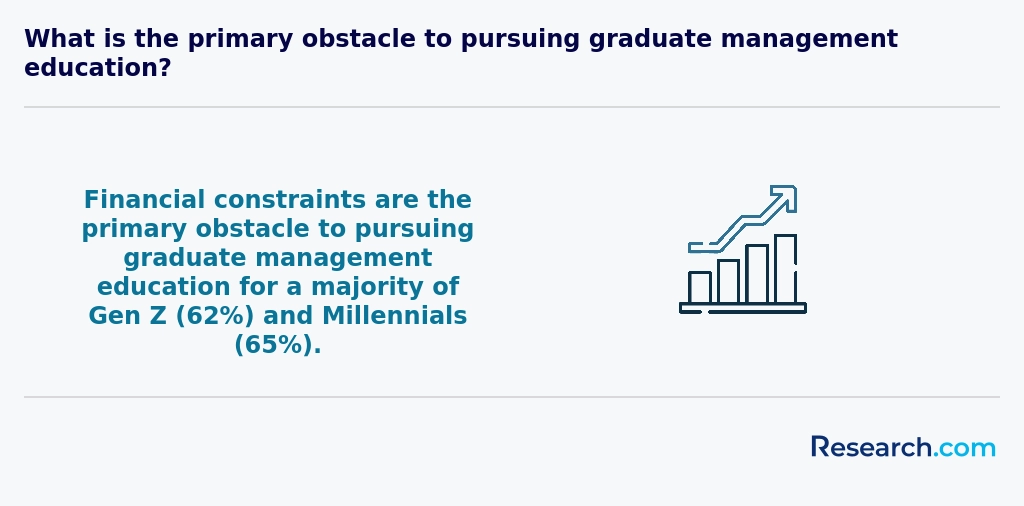
Cost is another major concern, as the average MBA program tuition in Chicago ranges from $50,000 to over $100,000. Financing these programs through loans or savings adds stress to students.
Additionally, networking and gaining relevant local business experience can be challenging, especially for students new to the city. Chicago's competitive job market requires strong connections and practical exposure to set graduates apart.
Language and cultural differences also present hurdles for international students enrolled in city programs, affecting integration and communication.
An MBA degree from Chicago-area universities opens numerous pathways to professional certifications that can enhance career prospects. Many MBA graduates pursue certifications such as the Certified Public Accountant (CPA), especially if their program has a strong accounting focus. The CPA credential is highly valued in Chicago's competitive finance market.
Another common certification is the Project Management Professional (PMP), popular among MBA holders aiming for leadership roles in diverse industries. The PMP is recognized nationwide and is relevant in Chicago's large corporate and tech sectors.
Additionally, the Chartered Financial Analyst (CFA) designation is often sought by MBA graduates targeting careers in investment banking and asset management, both prominent fields in Chicago's economy. According to the CFA Institute, Chicago ranks among the top U.S. cities for CFA professionals.
Applying for an MBA program in Chicago requires a clear strategy focused on highlighting your strengths and fit with local business culture. According to the Graduate Management Admission Council (GMAC), leadership experience and career progression are crucial factors in admissions decisions. Strong GMAT or GRE scores remain important; many Chicago schools report average GMAT scores around 660-700 for competitive applicants.
Candidates should craft a compelling personal statement that reflects their professional goals and explains why studying in Chicago's dynamic economy benefits their career. Recommendations from supervisors familiar with your leadership and teamwork skills add significant value. Additionally, demonstrating knowledge of Chicago's key industries, such as finance and technology, shows commitment and local relevance.
Globally, an MBA is seen as a powerful career catalyst, valued for developing leadership, strategic thinking, and managerial skills. In the United States, especially in major cities like Chicago, MBA graduates often experience strong demand across industries such as finance, consulting, and technology. According to the Graduate Management Admission Council (GMAC) 2023 Corporate Recruiters Survey, nearly 89% of MBA employers in the U.S. intended to hire new graduates, highlighting steady opportunities.
Internationally, MBAs from U.S. institutions maintain a prestigious status, attracting students aiming for global roles. Chicago's business schools, including the University of Chicago Booth School of Business and Northwestern's Kellogg, rank highly worldwide, offering graduates a competitive edge.
The global perspective emphasizes adaptability and cross-cultural leadership, skills cultivated in Chicago's diverse MBA programs. Additionally, many Chicago MBAs benefit from strong alumni networks that extend into emerging markets, enhancing worldwide career mobility.
Gaining practical experience during an MBA program in Chicago is vital for career advancement. Many local programs encourage internships with the city's extensive financial, consulting, and tech sectors. For instance, Chicago's Booth School of Business reports that over 85% of its MBA students secure internships relevant to their fields, often leading to job offers.
Additionally, students can participate in consulting projects that serve real businesses. These projects provide hands-on leadership and problem-solving skills while building professional networks. Chicago also hosts numerous business competitions and workshops, giving students opportunities to apply classroom knowledge in practical scenarios.
Networking through local business clubs and alumni events is another key way to gain insights and connections. Many MBA programs partner with Chicago-based companies to offer mentorship and co-op positions, enhancing practical learning alongside academic coursework.
Choosing the right concentration within a MBA program in Chicago depends largely on your career goals and industry demands. Chicago's diverse economy, with strengths in finance, manufacturing, and technology, shapes the popularity of concentrations like Finance, Supply Chain Management, and Business Analytics.
Research from the Chicago Booth School of Business shows that graduates specializing in Finance and Analytics often see higher starting salaries, with median salaries around $115,000 in 2023. Meanwhile, Supply Chain Management remains vital due to Chicago's status as a transportation hub, offering practical experience and strong job placement rates.
Consider your professional background and the industry trends reported by the Illinois Department of Employment Security. Networking opportunities within Chicago's business community should also influence your choice, as many MBA programs have connections with local firms.
- 2027 Most Valuable MBA Degree Programs Ranking in River Forest
- 2027 Most Valuable MBA Degree Programs Ranking in Kenosha
- 2027 Most Valuable MBA Degree Programs Ranking in Milwaukee
- 2027 Most Valuable MBA Degree Programs Ranking in West Lafayette
- 2027 Most Valuable MBA Degree Programs Ranking in Madison
- 2027 Most Valuable MBA Degree Programs Ranking in Grand Rapids
- 2027 Most Valuable MBA Degree Programs Ranking in Fort Wayne
- 2027 Most Valuable MBA Degree Programs Ranking in Dubuque
- 2027 Most Valuable MBA Degree Programs Ranking in Indianapolis
- 2027 Most Valuable MBA Degree Programs Ranking in Adrian
- MBA Requirements https://www.collegeessayguy.com/blog/mba-requirements
- Why Employers Prize a Global Perspective from MBA Graduates | WU Executive Academy https://executiveacademy.at/en/knowledge/career/why-employers-prize-a-global-perspective-from-mba-graduates
- Top Challenges for MBA Students in 2025: Placements and Career Growth in India | BeJobbed.com https://bejobbed.com/challenges-mba-students-placements-career-growth-india/
- 6 Tips to Make the Most of Your MBA Experience https://mbaschooled.com/2020/01/14/6-tips-to-make-the-most-of-your-mba-experience/
- Overcoming Common Challenges Faced by Management Students https://iilm.edu/iilm-lucknow/blog/challenges-faced-by-management-students/
- Know more about thesis vs non- thesis: what is the difference? https://studyfans.com/en/blogs/816
- How to Choose Between MBA Degree vs. Certificate | University of Phoenix https://www.phoenix.edu/articles/business/how-to-choose-between-mba-degree-vs-certificate-programs.html
- How Long Does an MBA Take? https://www.chicagobooth.edu/why-booth/stories/how-long-does-it-take-to-get-an-mba
- How an MBA contributes to career advancement https://online.wlv.ac.uk/blog/how-an-mba-contributes-to-career-advancement/
- MBA Internships: Find 5400 MBA Intern Jobs https://internshala.com/internships/mba-internship/


