
2027 Most Valuable MBA Degree Programs Ranking in Massachusetts

Co-Founder and Chief Data Scientist
Choosing the right MBA program in Massachusetts can shape your future career and open new opportunities. Our 2027 Most Valuable MBA Degree Programs Ranking in Massachusetts was created by the Research.com team of data scientists to help you make an informed decision. This ranking highlights programs that offer the best value based on thorough analysis.
Discover which MBA degrees stand out for career growth and return on investment. Reading this article will empower you with insights to select a program that aligns with your goals and aspirations. Earning an MBA is a rewarding step toward personal and professional success.
Key benefits of getting MBA degree in Massachusetts
- Salary for MBA graduates in Massachusetts varies, but typical MBA-related roles in the US often earn between $80,000 and $120,000 annually, providing strong financial stability and growth potential.
- A MBA graduate from a well-known Massachusetts university can pursue careers in management, finance, or consulting, opening doors to exciting leadership roles and diverse industries.
- Completing a MBA degree online from a respected Massachusetts institution offers flexibility to balance work and study, enabling faster career advancement while managing personal commitments.
- Key benefits of getting MBA degree in Massachusetts
- What can I expect from MBA degree in Massachusetts?
- Where can I work with MBA degree in Massachusetts?
- How much can I make with MBA degree in Massachusetts?
- 2027 Most Valuable MBA Degree Programs Ranking in Massachusetts
- Key Findings
- How long does it take to complete MBA degree in Massachusetts?
- Campus Culture and Student Experience in Massachusetts MBA Programs
- What's the difference between online and on-campus MBA degree?
- Cost Considerations and Financial Aid for MBA Programs in Massachusetts
- What is the average cost of MBA degree in Massachusetts?
- Return on Investment Analysis: Payback Period and Long-Term Value
- What financial aid is available to MBA degree students in Massachusetts?
- What are the prerequisites for enrolling in MBA degree program in Massachusetts?
- What courses are typically in MBA degree programs in Massachusetts?
- What types of specializations are available in MBA degree programs in Massachusetts?
- How do you choose the best MBA degree in Massachusetts?
- What career paths are available for MBA degree students in Massachusetts?
- What is the job market for MBA degree in Massachusetts?
- Related MBA Rankings for Nearby States
- Top Trending MBA Rankings
What can I expect from MBA degree in Massachusetts?
The average cost of getting an MBA in Massachusetts can feel like a bit of a shock at first, especially if you're eyeing top schools like Harvard Business School. Tuition there easily tops $70,000 a year, which some graduates say was a big financial leap but totally worth it for the amazing connections and career boost they got. On the flip side, if you're smart about it, public universities offer more budget-friendly options-around $30,000 for in-state students-which still deliver solid programs without breaking the bank.
Many students also find relief through scholarships, assistantships, or financial aid. One MBA grad from Boston University shared how landing a consulting project through their program helped offset living costs in Boston, which isn't cheap. So, while tuition is a big part of the picture, don't forget books, fees, and everyday expenses-especially in a bustling city like Boston where the cost of living is high but opportunities are plenty.
Bottom line: it's an investment, but one that opens doors you wouldn't want to miss.
Where can I work with MBA degree in Massachusetts?
If you earn an MBA in Massachusetts, your job options are pretty exciting and varied. Graduates from schools like Boston University or Harvard Business School often land roles in big finance firms right in Greater Boston, working as financial managers or analysts. Imagine jumping straight into the fast-paced world at Fidelity Investments, making key decisions that affect millions.
Other grads find themselves thriving in consulting, joining firms like Bain & Company or Boston Consulting Group. These roles tap into the strategic skills you sharpen in your MBA classes and offer great chances to grow professionally. Some friends have told me how rewarding it feels to solve big business problems every day.
Healthcare is another booming area thanks to top-notch institutions like Massachusetts General Hospital. An MBA here can lead you to managing hospital operations or developing health policies-real game-changers in people's lives.
Plus, with places like Cambridge buzzing with tech startups and giants like HubSpot, MBAs can dive into product management or marketing, blending business know-how with innovation. It's pretty inspiring to see classmates launch fresh ideas that impact the tech world.
Overall, studying an MBA in Massachusetts opens doors to some pretty cool companies and career paths that make the years of studying totally worth it.
How much can I make with MBA degree in Massachusetts?
Wondering how much you can make with an MBA in Massachusetts? Graduates from top schools like Harvard Business School and MIT Sloan often see their salaries start around $90,000 to $110,000 early on. With a few years of experience, especially in management roles, salaries can easily climb past $130,000. Those working in tech hubs like Boston and Cambridge often land roles as product managers or business development directors, with paychecks sometimes exceeding $140,000. It's not just tech-MBA grads in finance and healthcare also earn competitive wages, usually between $100,000 and $130,000.
Many alumni share how the strong network and reputation of their MBA programs in Massachusetts opened doors to high-paying positions quickly. Plus, the higher cost of living around Boston matches the hefty salary offers, making the investment in an MBA quite rewarding. Mid-career pros often report salaries topping $150,000, reflecting just how much the local market values advanced business skills. So, if you're looking to boost your earnings in Massachusetts, an MBA here could be a solid move.
2027 Most Valuable MBA Degree Programs Ranking in Massachusetts
How do we rank schools?
Investing in your education is a significant decision that can shape your future, and the Research.com team understands the importance of making informed choices. To assist prospective students in Massachusetts, we have meticulously developed the "2027 Most Valuable MBA Degree Programs Ranking in Massachusetts." Our dedication to quality, credibility, and accuracy is demonstrated through rigorous research and careful analysis throughout this process. We utilized the following reputable data sources to ensure a comprehensive evaluation of MBA programs:
By exploring this ranking, readers will receive valuable insights into the most valuable MBA degree programs in Massachusetts, empowering them to make well-informed decisions about their educational investments. For more information on how this ranking was created, please visit our Research.com methodology page.


# 7 position
Cambridge College
Master of Business Administration


Key Findings
- Tuition for MBA programs in Massachusetts ranges from $60,000 to $80,000, with top-tier schools charging higher fees.
- Early-career MBA salaries average around $85,000 annually, rising to over $130,000 in mid-career.
- Boston is the main employment hub offering opportunities in finance, technology, healthcare, consulting, and education sectors.
- MBA programs in Massachusetts offer full-time, part-time, and executive options to fit different schedules.
- Business schools have strong industry connections that support job placement and internships.
How long does it take to complete MBA degree in Massachusetts?
If you're thinking about getting an MBA in Massachusetts, the time it takes really depends on your style and schedule. Most full-time MBA grads from places like Boston University and Northeastern wrap up their degrees in about two years-that's a solid, manageable pace if you can dive in full-time.
Now, if you're juggling work and life, part-time or evening programs at schools like Suffolk University or UMass Boston stretch out to around three to five years. Many students find this flexibility a lifesaver because they can keep earning while studying without burning out.
For those ready to hustle, accelerated MBAs can fly by in just 12 to 18 months. Graduates from Boston University's Questrom School love how intense it is, but coming out feeling pumped and accomplished sooner.
Plus, if you're mixing your MBA with other degrees or specializations, expect to spend a bit more time. It's all about what fits your goals and lifestyle in Massachusetts.
Campus Culture and Student Experience in Massachusetts MBA Programs
Massachusetts MBA programs not only provide rigorous academic curricula and cutting-edge career opportunities, but they also offer vibrant campus cultures that enrich the student experience. Beyond the classroom, students benefit from a dynamic community where networking events, mentorship programs, student clubs, and leadership workshops play a pivotal role in professional and personal growth. The inclusive and diverse environment on campus nurtures collaboration among peers from various industries and cultural backgrounds, fostering an ecosystem where innovative ideas thrive. For students who prefer greater flexibility or wish to complement their on-campus experiences, many institutions now offer engaging remote platforms. In today's digital age, exploring options like emba online can further expand access to renowned faculty, interactive virtual sessions, and global networking opportunities. These platforms combine the benefits of traditional MBA experiences with the convenience of managing work, life, and study commitments, making them an increasingly popular alternative among working professionals. Moreover, strong alumni networks and career support services available on campus are frequently highlighted as invaluable by graduates. These resources provide ongoing professional development and foster mentorship programs that help current students transition smoothly into competitive job markets. The active engagement of both current students and alumni contributes significantly to the long-term value of an MBA degree in Massachusetts, ensuring that it remains a transformative investment for future business leaders.
What's the difference between online and on-campus MBA degree?
Choosing between an online and on-campus MBA in Massachusetts really comes down to how you want to learn and live your student life. On-campus programs, like those at Boston University or Boston College, give you that classic college vibe-sitting in a classroom, bouncing ideas off classmates, and networking face-to-face. Many grads say the in-person experience helped them build strong connections with professors and peers, which opened doors after graduation.
On the flip side, online MBA programs are a lifesaver if you've got a busy schedule. Working professionals in Massachusetts love the flexibility to study on their own time, fitting classes around jobs and family. Plus, with online programs growing fast in the state, students still get access to virtual career services and networking events, even if it's not the same buzzing campus energy.
Cost is another biggie. Going on-campus usually costs more-think $50k to $80k or more-but you get hands-on resources like career centers and mentorship. Online options often run cheaper, maybe between $30k and $60k, because you're not paying for things like dorms or classrooms. Either way, both paths are solid choices with respected accreditation, so it's all about what fits your lifestyle best.
Cost Considerations and Financial Aid for MBA Programs in Massachusetts
When considering an MBA program in Massachusetts, one of the crucial factors to evaluate is the cost and the available financial aid options. For instance, the cheapest mba school in massachusetts may offer competitive pricing without compromising on the quality of education, making it an attractive option for those on a budget. Understanding the total cost of attendance, which includes tuition, fees, and living expenses, is essential for planning. Many institutions offer financial aid, including scholarships, grants, and loans, to help students manage these costs. Prospective students should research these options thoroughly, including federal aid programs and private financing alternatives, to make informed decisions about their investment in an MBA degree. By carefully weighing the costs against the potential returns, including enhanced career prospects and increased earning potential, individuals can choose an MBA program in Massachusetts that aligns with their financial situation and career aspirations.
What is the average cost of MBA degree in Massachusetts?
The average cost of an MBA degree in Massachusetts usually lands around $57,000 in total, which for many students feels like a solid investment in their future. Graduates from big-name schools like Harvard or MIT often share stories about how the hefty tuition is balanced by the incredible opportunities those programs unlock. Of course, these top-tier universities usually push the total price north of $140,000, but many find the network and resources worth every penny.
On the flip side, if you're looking for something a bit easier on the wallet, public schools like the University of Massachusetts Amherst offer a much more affordable path, especially if you're an in-state student. Tuition there might run closer to $43,000, making it a nice sweet spot for those balancing quality education with cost. It's worth remembering that the total MBA program expenses Massachusetts students face also include books, fees, and living costs, which in places like Boston can add up pretty quickly.
For anyone curious about options, especially if budget is a big concern, check out the cheapest mba school in massachusetts. Exploring part-time or online formats can also help keep expenses manageable while juggling work and study.

Return on Investment Analysis: Payback Period and Long-Term Value
Pursuing an MBA in Massachusetts is a significant investment, and understanding the return on investment (ROI) can help you make a data-driven decision. On average, top programs in the state cost between $140,000 and $180,000 over two years, including tuition and living expenses. With starting salaries ranging from $100,000 to $150,000-and median mid-career salaries exceeding $160,000-the typical payback period falls between two and four years, depending on your specialization and post-graduation industry. Several factors influence your ROI: • Program Reputation and Ranking: Graduates from top-tier schools often command higher salaries and faster promotions. • Specialization and Industry Demand: Fields like consulting, finance, and healthcare management tend to yield quicker returns due to strong market demand. • Pre-MBA Experience and Network: Candidates with prior leadership roles or robust professional networks can leverage alumni connections to secure high-earning positions more rapidly. • Geographic Location: While Boston offers premium salaries, programs in more affordable regions-such as Worcester-can reduce your total cost of attendance. For cost-sensitive applicants, exploring the Cheapest MBA Degree Programs Ranking in Worcester, MA provides insights into high-value, lower-tuition alternatives. To maximize ROI: 1. Target programs with strong career services and internship pipelines. 2. Leverage fellowships and assistantships to offset tuition. 3. Engage in alumni mentoring and industry events to accelerate job placement. By carefully evaluating cost components, salary trajectories, and network benefits, you can anticipate not only a swift payback period but also sustained career growth and long-term financial gains.
What financial aid is available to MBA degree students in Massachusetts?
If you're eyeing an MBA in Massachusetts, like those from Harvard Business School or Boston University, you'll be glad to know there are solid financial aid options to ease the hefty tuition costs. Many grads share how filling out the FAFSA opened doors to federal loans, which come with lower interest rates and flexible payback plans-super helpful when juggling studies and life.
Some students have scored merit-based scholarships from their schools, sometimes covering a big chunk or even full tuition, especially if they show strong leadership or solid work experience. Plus, there are private gems like the Forte Foundation for women or The Consortium, which supports diversity in MBA programs-these helped several classmates offset expenses beyond what the schools offered.
Also, if you're working while studying, a lot of folks get employer sponsorship, especially in part-time or executive MBA paths, turning their companies into financial partners in their journey. And don't forget tax perks like the Lifetime Learning Credit, which a few grads I know found valuable when crunching the numbers on their education costs.
What are the prerequisites for enrolling in MBA degree program in Massachusetts?
If you're aiming for an MBA in Massachusetts, you'll want to have a bachelor's degree from an accredited school under your belt first-doesn't matter too much what field it's in, though business-related courses can give you a leg up. Many students at places like Boston University or Northeastern University found that having two to three years of solid work experience really helped them stand out during admissions. It's not just about time worked, but showing growth and leadership in real job settings.
Standardized tests like the GMAT or GRE still matter for most schools, though some have been a bit more chill about this lately, especially after COVID. Students often share how those test scores helped showcase their skills in a way their resumes couldn't. On top of that, letters of recommendation and a personal essay let you tell your story-why you're pumped for an MBA and what you plan to do with it.
Interviews, whether in person or online, are another chance to make a good impression. Many grads say that preparing well for these chats made them feel confident and ready to join the vibrant MBA community here in Massachusetts.
What courses are typically in MBA degree programs in Massachusetts?
If you're diving into an MBA in Massachusetts, expect a solid mix of core courses that cover all the essentials of business. Graduates from Boston University and Babson College often mention how courses like Accounting and Finance helped them confidently manage budgets and understand investment moves in real life. Imagine sitting in a Marketing class learning how to craft a campaign that actually clicks with today's digital audience-pretty empowering, right?
Other must-take classes include Operations Management, where you get a hands-on feel for running supply chains and improving product quality, and Organizational Behavior, which really nails down leadership and teamwork skills that come up every day in business settings.
Many students also love the chance to specialize-options like entrepreneurship or healthcare management are popular, especially given Massachusetts' booming biotech scene. Plus, practical stuff like group projects and internships means you're not just stuck in theory, but actually ready to tackle real challenges once you graduate.
What types of specializations are available in MBA degree programs in Massachusetts?
If you're diving into an MBA degree in Massachusetts, you'll find tons of cool specializations to choose from. Finance is a big deal here, especially around Boston's financial hubs, with grads often landing roles in banks and investment firms after sharpening skills in corporate finance and investment strategies. Healthcare Management is another popular path, thanks to the state's world-class hospitals and healthcare companies where students learn how to navigate healthcare policies and technology.
Tech enthusiasts love programs focused on Technology Management and Entrepreneurship. Many graduates share stories of how these courses helped them launch startups or innovate at big companies in the bustling Boston tech scene. Operations and supply chain management are also a solid pick, covering everything from logistics to project management, a favorite for those aiming at manufacturing and retail sectors.
Other best MBA specializations in Massachusetts include Marketing, International Business, and Data Analytics, which is becoming super popular with the rise of data-driven decision making. If balancing work and study appeals to you, some grads recommend checking out emba online options for more flexibility.
How do you choose the best MBA degree in Massachusetts?
Choosing the best MBA programs in Massachusetts really comes down to what fits your life and goals. Think about the vibe you want-some graduates from Harvard love the intense, full-time hustle, while others at Boston University enjoy the part-time flexibility that lets them keep working. Cost plays a big part too; tuition around here can jump from $50,000 to over $70,000 yearly, so balancing price with quality is key. Many students tell me how they appreciate schools accredited by AACSB because it means the program is top-notch and employers take it seriously.
Also, pick a program that aligns with your interests. Whether you're into entrepreneurship or healthcare management, Massachusetts schools often offer special concentrations. And if money's tight, you might want to check out the Cheapest MBA Degree Programs Ranking in Worcester, MA for solid options without breaking the bank.
Finally, think about the network and career support. Graduates often find that strong local industry ties in sectors like tech and finance make a big difference after graduation. So look beyond just classes-your MBA should open doors where you want to go.
What career paths are available for MBA degree students in Massachusetts?
Graduates with an MBA degree in Massachusetts often find themselves stepping into a variety of exciting roles. Whether it's diving into management consulting in Boston, where former students share stories of working on projects that transform business strategies, or joining the city's bustling financial services scene, the opportunities feel endless. Many grads highlight how tech management roles in the local startup world let them wear multiple hats, making every day full of learning and innovation. Healthcare administration is another thriving path, as Massachusetts boasts top-notch hospitals needing savvy business minds to boost operations. For those looking to break new ground, entrepreneurship and innovation are popular choices too-especially since many MBA programs here focus on launching fresh ventures or leading innovation within big companies.
Massachusetts schools are known for preparing students specifically for leadership in these hot sectors, and their strong alumni networks are a real game changer when it comes to landing your dream role. If you want to explore the fastest degree college options for working adults, check out fastest degree college options for working adults available in the state.
When thinking about MBA career opportunities in Massachusetts, keep in mind the state's economic strength and the genuine demand for MBA grads who bring sharp strategic and leadership skills to the table.
What is the job market for MBA degree in Massachusetts?
The MBA job opportunities in Massachusetts are pretty exciting, especially if you're studying at well-known schools like Boston University or Northeastern University. Graduates often land roles in hot sectors like tech, healthcare, and finance-think managing operations at a startup in Cambridge or leading projects at a biotech firm in Boston. The network you build during your MBA here really opens doors, with lots of alumni helping recent grads find internships and jobs at Fortune 500 companies. Many MBA grads I've heard about are thrilled with the higher starting salaries, usually around $110,000 to $130,000, which truly reflect the local market. Plus, employers often support tuition through reimbursement, so the investment feels more manageable.
For those curious about alternative paths, you might want to explore what is the easiest masters degree to get online to compare options. Overall, the Massachusetts MBA graduate employment outlook looks strong, making it a smart place to boost your career.
Frequently Asked Questions About MBA
To maximize their learning experience, MBA students in Massachusetts should engage actively with both academic content and practical opportunities. Many programs, such as those at Boston University and Northeastern University, emphasize experiential learning through internships and consulting projects, which can enhance real-world skills.
Networking plays a crucial role. Students are encouraged to connect with local business communities, leveraging Boston's status as a leading hub for finance, technology, and biotech. According to the Massachusetts Department of Higher Education, MBA programs here often provide access to alumni networks exceeding 10,000 members.
Participation in workshops and seminars, offered frequently by schools and local organizations, adds value by covering emerging trends and leadership development. Utilizing campus resources like career services also boosts job placement rates, which average around 85% within six months post-graduation in Massachusetts MBA programs (U.S. News & World Report, 2023).
The MBA field in Massachusetts is increasingly focused on emerging niches that reflect shifting market demands. One prominent area is technology management, driven by the state's strong presence in biotech and information technology sectors. Programs increasingly incorporate courses on AI, data analytics, and cybersecurity.
Another growing niche is healthcare management, due to Massachusetts' extensive medical and research institutions. According to the Massachusetts Department of Higher Education, healthcare-related MBA specializations have grown by over 15% in enrollment in recent years.
Sustainability and social impact management are also gaining traction, reflecting a national trend towards responsible business practices. Schools like Boston University and MIT Sloan now offer tailored MBAs combining finance with environmental and social governance topics.
These niches offer prospective students opportunities to align business skills with state industry strengths and future job markets.
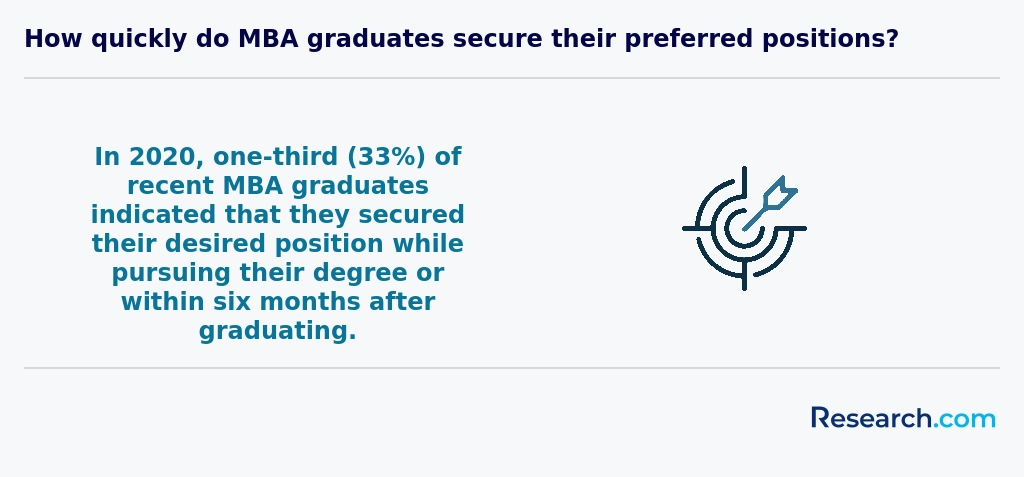
After completing an MBA degree in Massachusetts, preparation for the job market begins with leveraging the state's extensive alumni network and career services offered by institutions such as Boston University and Harvard. These resources provide tailored job placements and networking opportunities. According to the Massachusetts Department of Higher Education, over 80% of MBA graduates secure employment within six months post-graduation.
It is essential to develop strong professional connections through local business events and internships during the program. Enhancing skills in data analytics and leadership, highly valued in the Massachusetts job market, increases employability. Additionally, utilizing state job portals and attending career fairs in Boston and Cambridge can open doors to top companies headquartered in the region.
Employers in Massachusetts highly value MBA graduates who demonstrate strong leadership and strategic thinking skills. According to the Massachusetts Business Alliance for Education, 85% of hiring managers prioritize candidates with the ability to manage teams effectively across diverse industries.
Analytical skills are also critical, as nearly 78% of MBA employers in the state seek proficiency in data-driven decision-making and financial analysis. Communication skills remain essential, with a particular emphasis on clear presentation and negotiation abilities.
Additionally, knowledge of technology integration and project management ranks among the top competencies, reflecting the state's focus on innovation sectors such as biotech and finance.
Finding internships in Massachusetts relevant to an MBA degree involves multiple strategies. Students should start by leveraging their university's career centers, which often partner with local companies in Boston and Cambridge-two major business hubs. According to the Graduate Management Admission Council (GMAC), about 70% of MBA students nationally secure internships through school-sponsored programs. Networking events and alumni connections are invaluable, as Massachusetts hosts numerous industry conferences and MBA meetups. Additionally, websites like Handshake and LinkedIn list numerous internships tailored to MBA skills in finance, consulting, and technology sectors. Early application and targeted research are essential for success.
An MBA degree in Massachusetts significantly enhances career mobility and advancement opportunities. Graduates typically benefit from access to the state's robust financial, technology, and healthcare sectors. According to the Massachusetts Department of Higher Education, nearly 70% of MBA holders in the state report promotions or new job offers within two years of graduation. Employers in Boston and Cambridge particularly value skills in leadership, strategic management, and data analytics gained through MBA programs. Networking opportunities provided by top Massachusetts business schools also play a crucial role in opening doors to senior management roles. Overall, an MBA is a strong catalyst for career growth in the region.
Studying for an MBA degree in Massachusetts offers unique preparation for interdisciplinary roles by combining business fundamentals with diverse industry insights. Massachusetts is home to top universities like Harvard and MIT, which emphasize cross-sector collaboration, integrating technology, healthcare, and finance knowledge within their MBA curricula. According to the Graduate Management Admission Council, nearly 40% of Massachusetts MBA programs include experiential learning projects that require teamwork across multiple disciplines.
Students develop critical skills such as strategic thinking, data analysis, and leadership that apply to various industries. This versatility helps graduates excel in roles demanding expertise beyond traditional business functions, aligning with the state's dynamic economy driven by innovation and entrepreneurship.
Choosing between a thesis and a non-thesis MBA program in Massachusetts depends on your career goals and learning preferences. Thesis programs typically require original research and a formal paper, ideal for students aiming for academic roles or research-intensive careers. Non-thesis options emphasize practical skills through coursework and internships, fitting professionals looking to advance directly in business sectors.
Massachusetts hosts many top business schools offering both options, with about 40% of MBA candidates opting for thesis tracks as reported by the Massachusetts Department of Higher Education in 2023. Consider your interest in research commitment and your timeline, as thesis programs may take longer.
Additionally, employers in Boston and Cambridge lean toward non-thesis MBAs for immediate industry applicability, especially in finance, biotech, and tech sectors.
Students based in Massachusetts interested in studying for an MBA abroad have several pathways to consider. Many Massachusetts universities, including top schools like Boston University and Northeastern, offer dual-degree programs or partnerships with international institutions, allowing students to earn credits overseas while enrolled locally.
Additionally, Massachusetts students can take advantage of exchange programs facilitated by organizations such as the Association to Advance Collegiate Schools of Business (AACSB), which connects accredited schools worldwide. This provides access to top MBA programs in Europe, Asia, and other regions.
According to the Graduate Management Admission Council (GMAC), about 15% of U.S. MBA candidates pursue international study options, highlighting growing interest in global business education. Massachusetts students benefit from strong support services preparing them for such experiences, including visa assistance and language training.
Part-time job opportunities in Massachusetts that complement MBA education frequently align with the state's strong business and innovation sectors. Common roles include business analyst positions, project coordinator jobs, and marketing assistant roles, which help develop practical skills in strategy, management, and communication. According to the Massachusetts Executive Office of Labor and Workforce Development, sectors like finance, technology, and healthcare drive the state's economy, offering many flexible employment options.
Internships and consulting roles at local startups or established firms in Boston provide valuable exposure to real-world business challenges. These opportunities often allow MBA students to apply classroom knowledge while networking with professionals.
Additionally, positions in data analysis or operations support can enhance technical competencies frequently emphasized in MBA curricula. Many MBA programs in Massachusetts encourage these roles to ensure students gain marketable experience alongside academic training.
Massachusetts offers robust networking opportunities for MBA students, fueled by its concentration of top universities and a strong business environment. Schools such as Harvard Business School and MIT Sloan provide access to influential alumni networks exceeding tens of thousands of professionals worldwide. These networks facilitate valuable connections across industries including finance, technology, and healthcare.
Local business events, industry conferences, and specialized MBA clubs further enhance opportunities. According to the Massachusetts Business School Association, over 80% of MBA graduates from the state report that networking significantly helped in securing internships and jobs.
Additionally, Massachusetts hosts numerous startup incubators and innovation hubs, connecting MBA candidates directly with entrepreneurs and investors.
Alumni networks offer significant advantages to MBA students in Massachusetts by creating lasting professional connections. According to the Graduate Management Admission Council, nearly 80% of MBA graduates find job opportunities through their alumni connections. In Massachusetts, schools like Harvard Business School and MIT Sloan boast extensive networks, providing students access to executives and entrepreneurs in finance, technology, and healthcare sectors.
These networks often provide mentoring, internships, and exclusive job listings, which can accelerate career growth. Additionally, alumni events and online platforms foster collaboration and knowledge sharing, strengthening professional relationships beyond graduation. For MBA students, leveraging these active networks is a strategic asset for career advancement.
In Massachusetts, customizing your MBA program to align with career goals is facilitated by a variety of concentrations and flexible formats offered by many institutions. Popular specializations include finance, healthcare management, entrepreneurship, and technology, reflecting the state's dominant industries. According to the Graduate Management Admission Council (GMAC), nearly 60% of MBA candidates in Massachusetts choose programs with tailored tracks or electives.
Part-time, online, and hybrid options allow students to balance studies with professional commitments. Additionally, internships and experiential learning opportunities with Boston-based companies help personalize the educational experience.
Many programs also support dual degrees and certificate options to broaden expertise, enhancing career prospects across sectors.
MBA students in Massachusetts often face several challenges related to both academic rigour and local economic conditions. One common difficulty is managing the high cost of education, as tuition for top programs in the state frequently exceeds $60,000 per year, according to U.S. News & World Report. This financial burden is amplified by Massachusetts' generally high cost of living, especially in areas like Boston.
Another challenge is balancing studies with professional networking demands. Massachusetts' competitive job market requires MBA candidates to engage actively with internships and workplace connections, which can be time-consuming alongside coursework.
Additionally, adapting to the fast-paced curriculum can be demanding. Programs often emphasize case studies and group projects, which require strong collaboration skills and time management.
With an MBA degree in Massachusetts, graduates can pursue several professional certifications that enhance their career prospects. Popular certifications include the Certified Public Accountant (CPA) for those interested in accounting, requiring additional state-specific coursework and exams. Another common path is the Certified Management Accountant (CMA), which focuses on financial management and strategic assessment. Many MBA holders also target the Project Management Professional (PMP) certification, valuable in the region's growing tech and healthcare sectors.
According to the Massachusetts Department of Higher Education, MBA programs there often integrate preparation for these exams, reflecting strong local industry demand.
Writing a winning application for an MBA program in Massachusetts begins with thorough research on the schools you target. Schools like Harvard Business School and MIT Sloan are highly competitive, with acceptance rates below 12% according to U.S. News & World Report 2024. Craft a compelling personal statement that clearly outlines your career goals, leadership experience, and why you choose that specific Massachusetts program.
Strong letters of recommendation from professional or academic contacts who know your abilities well are essential. Additionally, a competitive GMAT or GRE score enhances your profile; the average GMAT score for top Massachusetts programs often exceeds 700.
Finally, tailor each element of your application to the school's values and culture, demonstrating how you will contribute uniquely to their community.
The global perspective on an MBA career increasingly values a blend of international experience, leadership skills, and cross-cultural understanding. MBA graduates from Massachusetts programs often benefit from connections to global business hubs like Boston, a city ranked among the top U.S. metros for innovation and finance according to the U.S. Bureau of Labor Statistics.
Massachusetts schools emphasize global curricula and study-abroad opportunities, preparing students for multinational roles. Data from the Graduate Management Admission Council (GMAC) highlights that nearly 40% of MBA graduates pursue international careers or roles involving global strategy.
Employers worldwide seek MBAs capable of navigating complex markets, making graduates from Massachusetts competitive on the global stage. Many programs in the state also offer access to diverse industries, including technology, healthcare, and finance, which have strong global ties.
Gaining practical experience during an MBA program in Massachusetts is possible through several avenues. Many business schools encourage internships, which can last from a few weeks to several months, allowing students to apply classroom knowledge in real workplace settings. According to the Graduate Management Admission Council's 2023 survey, 68% of MBA students in the U.S. completed at least one internship, which improves job prospects significantly.
Additionally, consulting projects and live case studies are common components in Massachusetts MBA programs, providing hands-on experience with actual companies. Some schools facilitate connections with local startups or established corporations in Boston's strong business ecosystem.
Part-time and executive MBA students often leverage their current jobs as experiential learning opportunities by implementing course concepts directly at work. Networking events and student clubs focused on industries like healthcare or finance also support practical skill development.
Choosing the right concentration within an MBA program in Massachusetts requires careful consideration of your career goals and the local job market. Popular concentrations include finance, healthcare management, technology, and entrepreneurship, reflecting the state's strong industries. According to the Massachusetts Dept. of Higher Education, graduates with finance or healthcare management specializations typically see higher employment rates within six months.
Massachusetts is home to many top-ranked MBA programs, offering concentrations aligned with Boston's robust finance sector and growing biotech industry. It's important to review course offerings and alumni outcomes from your shortlisted schools to ensure alignment with your interests and the state's economic landscape.
Networking opportunities and internship placements within Massachusetts firms also play a critical role in selecting your focus area, as local connections can boost post-graduation employment. Research program flexibility, too, since some concentrations allow customization that matches evolving career paths.
Related MBA Rankings for Nearby States
- 2027 Most Valuable MBA Degree Programs Ranking in Connecticut
- 2027 Most Valuable MBA Degree Programs Ranking in Pennsylvania
- 2027 Most Valuable MBA Degree Programs Ranking in Delaware
- 2027 Most Valuable MBA Degree Programs Ranking in Indiana
- 2027 Most Valuable MBA Degree Programs Ranking in Georgia
- 2027 Most Valuable MBA Degree Programs Ranking in Illinois
- 2027 Most Valuable MBA Degree Programs Ranking in Florida
- 2027 Most Valuable MBA Degree Programs Ranking in Alabama
- 2027 Most Valuable MBA Degree Programs Ranking in Missouri
- 2027 Most Valuable MBA Degree Programs Ranking in Arkansas
Top Trending MBA Rankings
References
- Future-Proof Your Career with an MBA in India : MIT-WPU Blog https://mitwpu.edu.in/blog/emerging-specialisations-in-mba---how-to-future-proof-your-business-career-in-india
- The Growing Demand for Niche Jobs and MBA Specializations https://www.clearadmit.com/2025/05/the-growing-demand-for-niche-jobs-and-mba-specializations/
- MBA Programs in Boston https://colleges.cometoboston.com/mba-programs-in-boston
- Top Challenges for MBA Students in 2025: Placements and Career Growth in India | BeJobbed.com https://bejobbed.com/challenges-mba-students-placements-career-growth-india/
- Tips for Writing an MBA Program Essay - GMAT Ninja https://www.gmatninja.com/articles/mba-admissions/essays-and-applications/minimizing-mba-application-essay-agony/
- All About Massachusetts State Financial Aid https://www.mefa.org/article/all-about-massachusetts-state-financial-aid/
- MBA Course Duration | How Long to Complete an MBA? https://collegetiger.com/mba-course-duration-how-long-does-it-take-to-earn-an-mba/
- MBA studies https://moderna.edu.pl/majors/management/master-of-management/mba-management-masters-degree/
- The Best States for MBA Graduates https://www.onlinemba.com/resources/best-states-for-mba-graduates/
- How to Use Your MBA for Career Growth While You’re Still Studying - International Career Institute USA https://icieducation.com/blog/how-to-use-your-mba-for-career-growth-while-youre-still-studying/


