
2027 Best MBA Degree Programs Ranking in Seattle

Co-Founder and Chief Data Scientist
Choosing the right MBA program in Seattle can shape your future career and open doors to exciting opportunities. Our article introduces the 2027 Best MBA Degree Programs Ranking in Seattle, carefully developed by the Research.com team of data scientists to guide you in making an informed decision.
Reading this ranking helps you discover top programs that fit your goals and lifestyle. Earning an MBA can boost your skills, confidence, and professional network, empowering you to achieve your ambitions. Explore your options and take the next step toward success.
Key benefits of getting MBA degree in Seattle
- Salary benefits: MBA graduates often see significant salary boosts, with many moving into management roles that typically offer salaries starting around $80,000 to $120,000 annually nationwide.
- Career paths: A Seattle MBA graduate from a school like the University of Washington can enter diverse fields such as finance, technology management, or entrepreneurship, opening exciting opportunities locally and beyond.
- Online MBA advantages: Completing an online MBA from a Seattle institution provides flexibility to balance work and study, allowing professionals to gain skills without stepping away from their careers, making education accessible and convenient.
- Key benefits of getting MBA degree in Seattle
- What can I expect from MBA degree in Seattle?
- Where can I work with MBA degree in Seattle?
- How much can I make with MBA degree in Seattle?
- 2027 Best MBA Degree Programs Ranking in Seattle
- Key Findings
- How long does it take to complete MBA degree in Seattle?
- Tips for Maximizing Your MBA Experience in Seattle, WA
- What's the difference between online and on-campus MBA degree?
- What is the average cost of MBA degree in Seattle?
- Return on Investment: Calculating Your MBA Payback in Seattle, WA
- What financial aid is available to MBA degree students in Seattle?
- Affordability and Financial Considerations for MBA Programs in Seattle
- What are the prerequisites for enrolling in MBA degree program in Seattle?
- Return on Investment for MBA Graduates in Seattle, WA
- What courses are typically in MBA degree programs in Seattle?
- What types of specializations are available in MBA degree programs in Seattle?
- How do you choose the best MBA degree in Seattle?
- What career paths are available for MBA degree students in Seattle?
- What is the job market for MBA degree in Seattle?
- Top Trending MBA Rankings
What can I expect from MBA degree in Seattle?
The price tag for an MBA in Seattle, particularly at the University of Washington's Foster School of Business, usually hovers around $70,000 for in-state students and about $90,000 if you're coming from beyond Washington's borders. Imagine sitting in a cozy coffee shop near the campus, chatting with a recent graduate who cheerfully recalls juggling part-time jobs and scholarships to make those numbers feel more manageable. Their investment in this vibrant city's education ecosystem feels less like a cost and more like a passport to a network pulsing with giants like Amazon and Boeing. These graduates often paint a picture of the tuition as an upfront ticket to immersive real-world opportunities-internships, consulting gigs, and nights spent brainstorming with peers in Seattle's entrepreneurial hotspots. The value echoes beyond dollars; it's in their reported median starting salary near $120,000 and the confidence gained from a program that blends business fundamentals with the city's tech-fueled innovation spirit.
Where can I work with MBA degree in Seattle?
With an MBA from Seattle's top programs like the Foster School of Business or Seattle University, graduates often find themselves steering dynamic teams at Amazon or Microsoft, turning complex tech visions into reality. Imagine leading a product launch at a homegrown giant, blending strategic savvy with a keen understanding of the fast-paced digital arena.
Some venture into aerospace, joining Boeing's ranks to orchestrate supply chains or executive projects that literally reach the skies. MBA grads here relish the challenge of optimizing operations in one of the world's most competitive industries, their business acumen propelling the machinery behind innovation.
Others thrive in the bustling healthcare sector, managing finances or shaping strategic growth at Providence or Swedish Medical Center. The pride in driving improvements that affect thousands daily resonates deeply with these MBA holders.
Consulting corridors buzz with ambition as Seattle's MBA alumni advise firms like Deloitte or Accenture, crafting transformative strategies. Financial institutions also beckon, offering roles analyzing risks or pioneering investments, proving the Seattle MBA unlocks a vivid spectrum of career adventures.
How much can I make with MBA degree in Seattle?
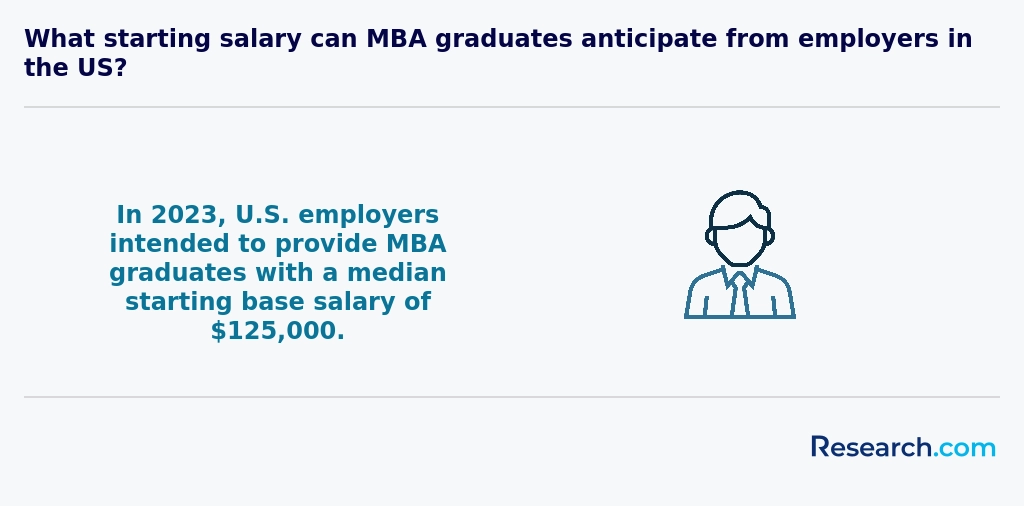
Imagine stepping out of the University of Washington Foster School of Business with an MBA in hand, and within three months, locking in a median base salary near $125,000. That's not just a number-it's a launching pad into Seattle's thriving business ecosystem. Graduates describe it as a game-changer: from bustling tech campuses to aerospace giants, the city's pulse beats with opportunity.
Entry-level MBAs often start around $85,000 to $100,000, especially in consulting or tech, reflecting Seattle's premium on sharp analytical minds. Mid-career professionals report satisfaction as salaries climb past $120,000, a testament to how experience and strategic networking-common in Seattle's vibrant business schools-fuel growth.
Picture an MBA graduate negotiating a compensation package at Amazon or Microsoft, where base salary meets generous bonuses and stock options, creating a rewarding total compensation that matches Seattle's dynamic lifestyle. The numbers are more than just figures-they tell stories of ambition meeting Seattle's soaring skyline.
2027 Best MBA Degree Programs Ranking in Seattle
How do we rank schools?
Investing in your education is a significant decision that can shape your future, and the Research.com team understands the importance of making informed choices. To assist prospective students in Seattle, we have meticulously crafted the "2027 Best MBA Degree Programs Ranking in Seattle." Our commitment to quality, credibility, and accuracy is reflected in the extensive research and analysis conducted to compile this ranking.
We utilized the following reputable data sources to ensure a comprehensive evaluation of MBA programs:
By exploring this ranking, readers will gain valuable insights into the best MBA degree programs available in Seattle, helping them make well-informed decisions about their educational paths. For more details on our methodology, please visit our Research.com methodology page.


# 3 position
City University of Seattle
Master of Business Administration

Key Findings
- Tuition for full-time MBA programs in Seattle ranges from $45,000 to $70,000 for the entire program.
- Part-time and executive MBA programs have similar tuition costs but vary based on format.
- Average starting salaries for MBA graduates in Seattle range from $90,000 to $110,000, depending on industry and experience.
- After five to ten years, many MBA holders earn above $130,000 annually.
- Seattle MBA programs emphasize experiential learning with internships and consulting projects at local companies.
- Program options include full-time, part-time, and executive tracks to accommodate different professional needs.
How long does it take to complete MBA degree in Seattle?
Picture yourself juggling the rhythm of Seattle's vibrant cityscape while carving out two rewarding years to complete a full-time MBA at the University of Washington Foster School of Business. Graduates often describe this journey as an immersive blend of rigorous coursework and energizing internships, where time simultaneously flies and stretches-a transformative dance between ambition and discovery.
For those who cherish their day jobs or crave flexibility, part-time and accelerated MBA options beckon, stretching from about 18 months up to three years. Alumni share stories of late-night study sessions balanced with morning meetings, savoring each small victory as their careers and knowledge grow in tandem without sacrificing one for the other.
Executive MBA candidates embrace a more punctuated timeline, often spanning 18 to 24 months, weaving their weekend classes into complex professional lives. These programs offer a refreshing modular format, gifting busy leaders a chance to expand horizons without pausing the daily grind. It's a journey where every hour spent studies feels like an investment in not just a degree, but in authentic personal evolution.
Tips for Maximizing Your MBA Experience in Seattle, WA
To truly benefit from an MBA in Seattle, prospective students should focus on strategies that enhance every aspect of their academic and professional journey. First, build a robust network by joining industry-specific clubs and attending local business events. Leveraging mentorship opportunities with alumni and faculty can provide powerful insights into both the academic rigors and real-world challenges of the business landscape. In today’s fast-paced environment, balancing on-campus learning with flexible options is essential; for those seeking convenience without compromising quality, consider exploring our quick online mba options, which offer tailored curriculums and the adaptability to manage professional commitments. Additionally, take advantage of experiential learning opportunities such as consulting projects, internships, and case competitions, which not only solidify classroom knowledge but also prepare you for leadership roles in competitive sectors like technology, healthcare, and finance. Finally, continuously update your skills by engaging with workshops and seminars focusing on current trends in business strategy, digital transformation, and entrepreneurial innovation, ensuring that your MBA investment delivers a strong return in a rapidly evolving job market.
What's the difference between online and on-campus MBA degree?
Imagine stepping into a bustling classroom at Seattle University, where the buzz of collaboration fills the air, and peer ideas spark like wildfire. This on-campus MBA experience wraps you in the warmth of face-to-face connections, spontaneous coffee chats, and direct access to campus gems like career advisors. Graduates often recall late-night group projects in cozy study rooms and the electric energy of networking mixers, fueling both ambition and friendship.
Contrast this with a grad weaving through life's unpredictable rhythms, pursuing their MBA online from the University of Washington Foster School of Business. Flexibility is their secret weapon: lectures watched between client calls or while the city hums outside a cozy apartment window. Asynchronous schedules mean freedom to learn on one's own tempo, with virtual cohorts crafting connections across time zones. Alumni cherish balancing career growth with family life - all while earning a respected AACSB-accredited degree.
Both paths in Seattle share a core curriculum rich in finance, leadership, and strategy, but the journey-the vibe-is uniquely tailored to your rhythm and roots.
What is the average cost of MBA degree in Seattle?
Dreaming of an MBA in Seattle means gearing up for an investment that hovers around $67,864 on average, a figure that reflects the median total cost across programs here. In-state students might feel a bit lighter in the wallet with costs near $34,847, while out-of-state peers brace for the full $67,864 ride. Picture a recent graduate from the University of Washington's Foster School of Business, savoring the thrill of top-tier education while recalling the sharp difference tuition made based on residency. These numbers aren't just digits-they're gateways to transformative experiences amid Seattle's dynamic business pulse.
Now, Seattle's MBA tuition and fees 2027 landscape invites a mosaic of choices. Part-time or online formats can soften the financial blow, but the city's appeal often draws those ready to invest fully in their future. Imagine a part-time MBA candidate navigating evening classes alongside a demanding job, balancing ambition with budget, while keeping an eye out for scholarships and financial aid that sprinkle relief over steep costs.
For those hungry to explore most affordable mba schools in washington, opportunities abound beyond the flagship programs. Graduates often share stories of how that Seattle degree turned into elevated paychecks and expanded networks, making the initial cost feel less like a barrier and more like an epic leap toward career elevation. The average MBA degree cost Seattle paints a picture of challenge met with enthusiasm and calculated investment in tomorrow.

Return on Investment: Calculating Your MBA Payback in Seattle, WA
Investing in an MBA program requires careful analysis of costs versus long-term earnings. In Seattle, where average tuition ranges from $30,000 to $120,000, graduates often see starting salaries between $85,000 and $100,000. By comparing after-tax salary increases to total program expenses-including tuition, fees, and living costs, which can average $3,000 per month-you can estimate a payback period. For example, a graduate who secures a $15,000 annual salary bump after completing a two-year MBA and incurs $100,000 in expenses would recoup their investment in roughly 6 to 7 years. To shorten this timeline, prospective students should explore scholarships, employer tuition reimbursement, and lower-cost program formats. Online and part-time options can reduce living expenses and lost wages, while merit-based awards and federal loans may cover up to 50% of tuition. Additionally, benchmarking tuition against more affordable programs in other regions can reveal cost-saving opportunities-many applicants compare Seattle options with the Affordable MBA Degree Programs Ranking in California to gauge potential savings on credits and fees. Tracking metrics such as net present value (NPV) and internal rate of return (IRR) further refines your financial outlook. An NPV calculation that factors in salary growth, bonus potential, and career advancement can demonstrate whether a top-tier Seattle MBA delivers superior long-term value compared to regional alternatives. By quantifying ROI, you empower yourself to choose a program that not only aligns with your career goals but also maximizes financial returns.
What financial aid is available to MBA degree students in Seattle?
Imagine stepping onto the campus of the University of Washington's Foster School of Business, feeling the weight of tuition looming-but then discovering a merit-based scholarship slicing through costs like a Seattle drizzle clearing for a sunny afternoon. Many MBA grads here tell tales of snagging awards that cover up to half their tuition, turning dreams into budgets that breathe easier. Over at Seattle University, institutional aid often feels like a friendly handshake, encouraging early applicants to chase supplemental scholarships with hopeful ambition.
Federal financial aid helicopters above, with FAFSA unveiling access to Direct Unsubsidized and Grad PLUS Loans-offering up to $20,500 yearly, a lifeline many Seattle MBA students grasp tightly, supplementing their studies with manageable debt.
Locals tapping into Washington State's need-based aid programs sometimes unlock grants tied to community service or niche career tracks, a hidden gem among the rain. It's common here for students to partner with tech or healthcare employers offering tuition assistance, blending career growth and classroom wisdom. Private scholarships from groups like the Forté Foundation add a sprinkle of magic, easing the financial fog and helping Seattle's MBA candidates see clearer skies ahead.
Affordability and Financial Considerations for MBA Programs in Seattle
When considering an MBA program in Seattle, one of the crucial factors to evaluate is the affordability and the potential return on investment. Prospective students often find themselves weighing the costs of tuition, living expenses, and other fees against the potential salary increases and career advancement opportunities that an MBA degree can offer. For those looking to minimize their expenses, researching the most affordable mba schools in washington can be a strategic first step. This involves not only looking at the tuition rates but also considering the overall cost of living in Seattle, which can be notably high. Many programs offer financial aid, scholarships, and assistantships to help mitigate these costs, making it essential for applicants to explore these options thoroughly. By understanding the financial landscape and planning accordingly, prospective MBA students in Seattle can make informed decisions that align with their budget and career aspirations.
What are the prerequisites for enrolling in MBA degree program in Seattle?
Dreaming of an MBA in Seattle? First, picture yourself standing at the University of Washington Foster School of Business, clutching a bachelor's degree-your golden ticket from any accredited university. It's like having the base camp ready for your mountain climb. But the climb doesn't stop there: think of your GMAT or GRE scores as the ropes securing your ascent. While some recent graduates share how test waivers sparked relief during pandemic times, a solid score still lights your path and opens doors.
Imagine sitting in a bustling classroom, exchanging ideas, enriched by your two-to-three years navigating real-world challenges-just like graduates who brought their unique career puzzles from Seattle's tech hubs or startups. Letters of recommendation aren't mere formalities; they're trusted voices painting the story of your work ethic and potential, from mentors who've watched you grow in fierce boardrooms or creative studios.
And then personal essays: your chance to spark a conversation, revealing ambitions uniquely Seattle-maybe a vision fueled by the city's innovative spirit or passion for sustainable business. Financial readiness is the final piece-an undeniable reality, but one many graduates navigate through scholarships or community support, turning challenges into stepping stones.
Return on Investment for MBA Graduates in Seattle, WA
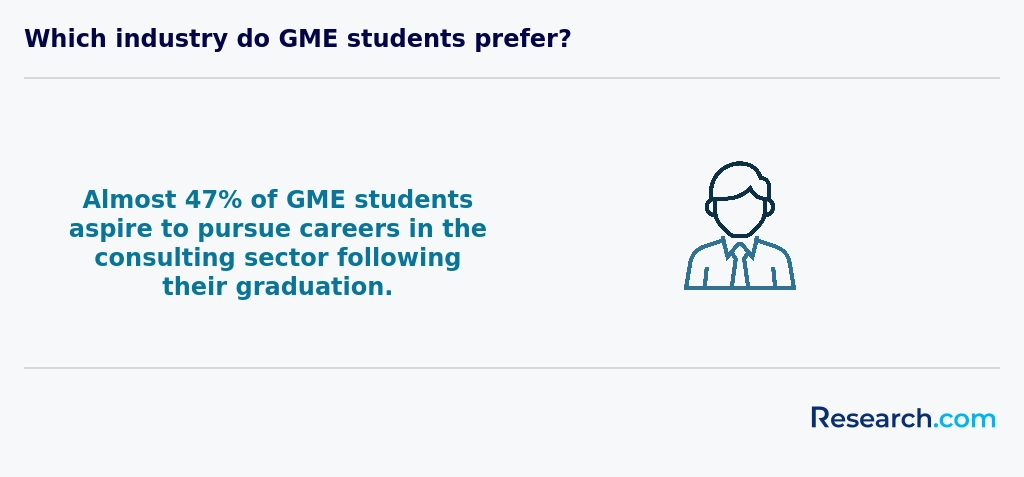
Understanding the return on investment (ROI) of an MBA in Seattle is essential for prospective students weighing the long-term value of their degree. On average, MBA graduates in Seattle report a post-graduation salary increase of 30%–50%, which can translate into an annual median salary of $100,000 to $120,000. When you compare this salary bump against the total cost of attendance-which ranges from $30,000 at public institutions to over $120,000 at private schools-you begin to see typical payback periods of 2 to 4 years. Key factors influencing ROI include:
- Net Tuition Cost: Subtract scholarships, grants, and employer tuition reimbursement from total tuition to determine your actual investment.
- Salary Premium: Calculate the difference between pre-MBA and post-MBA earnings to assess annual gains.
- Opportunity Cost: Account for potential lost income during full-time study versus part-time or online formats. For students prioritizing affordability without compromising quality, it’s worth comparing local options with nationwide alternatives. You can also explore our Affordable MBA Degree Programs Ranking in California to see how tuition savings in other regions might impact your overall ROI strategy. By quantifying these components, prospective MBA candidates can make data-driven decisions that align with their financial goals and career ambitions, ensuring that the investment in their Seattle MBA yields substantial long-term rewards.
What courses are typically in MBA degree programs in Seattle?
Imagine diving into a Seattle MBA where core courses feel less like chores and more like unlocking business puzzles. Graduates from the University of Washington's Foster School often describe mastering Accounting as decoding the secret language of balance sheets, turning numbers into stories that reveal a company's heartbeat.
Finance here isn't just theory-it's the thrill of understanding capital flows that ripple through the local tech hubs. Meanwhile, Marketing courses spark creativity, teaching students to craft campaigns that resonate with Seattle's distinct blend of innovation and culture.
Operations Management classes at Seattle University immerse students in real-world challenges: optimizing supply chains influencing the bustling ports and tech supply lines of the city. Organizational Behavior explores team dynamics, inspired by the collaborative spirit seen in tech startups downtown, helping leaders navigate change gracefully.
Electives like Technology Management and Data Analytics tap directly into Seattle's tech-driven energy, empowering students to innovate alongside companies shaping the future. These classes don't just prepare you-they ignite a passion deeply tied to Seattle's unique business ecosystem.
What types of specializations are available in MBA degree programs in Seattle?
Among the rich tapestry of MBA specializations in Seattle universities, the blend of tech prowess and entrepreneurial spirit is unmistakable. Graduates often recall late nights brainstorming product launches in classrooms buzzing with energy from local giants like Amazon and Microsoft, where technology management fuses innovation and leadership, fueling careers that ride the wave of Seattle's tech ecosystem.
Finance aficionados dive into deep analysis sessions, shaped by the pulse of the city's financial heartbeat. Those intrigued by Seattle MBA degree concentration options find themselves navigating risk management and corporate finance, preparing to lead in banks and investment firms that animate the Northwest's economy.
Entrepreneurship sparks the imaginations of many, empowered by connections to local startup incubators and venture capital channels. Stories emerge of alumni turning inspired ideas into thriving businesses, all while immersed in the creative ecosystem unique to Seattle's growing startup scene.
For logistics-minded students, supply chain management offers a vivid puzzle-optimizing flows through global trade routes from Seattle's ports, a specialization that is as practical as it is global. Meanwhile, healthcare management draws those inspired by Seattle's biotech pulse, preparing graduates for impactful roles in transforming healthcare systems.
For those seeking a nimble alternative path, quick online mba options are also woven into the fabric of Seattle's diverse MBA landscape, expanding possibilities for ambitious professionals.
How do you choose the best MBA degree in Seattle?
Choosing the best MBA degree in Seattle feels like navigating a bustling marketplace of wisdom and opportunity. Imagine a graduate from a top Seattle university praising the flexibility of part-time evening classes that allowed them to juggle a tech job in South Lake Union while soaking in lectures. Seattle's vibrant industries mean your MBA should mirror your life rhythm-whether that's a full-time immersion or a gradual climb alongside work. When scouting for the best MBA programs in Seattle for cost and quality, think beyond tuition numbers; consider how a program's tech-focused specializations tap into the city's aerospace and innovation hubs.
Affordability often feels like a maze, but savvy graduates recommend checking out the Affordable MBA Degree Programs Ranking in California for insights on budget-friendly pathways that don't skimp on impact. It's about blending your finances with future earning potential, a balance many Seattle MBA grads mastered by leveraging strong career services and alumni networks. These connections turn classroom theories into real Seattle job offers, sparking confidence and excitement for what's next.
What career paths are available for MBA degree students in Seattle?
Seattle's MBA career opportunities offer an exhilarating playground for creative minds ready to sculpt their futures. Graduates from the University of Washington's Foster School of Business often find themselves immersed in tech titans like Amazon and Microsoft, navigating product management or strategic planning roles where every decision can ripple across global markets. One graduate described the thrill of shaping the next big innovation while sitting in a bustling Seattle coffee shop-an everyday scene turned launching pad for high-impact leadership.
Healthcare management calls to others, blending compassion with complexity. Institutions like Providence Health & Services crave MBA graduates who can streamline hospital operations and design visionary policy strategies, turning healthcare puzzles into smooth-running systems. Finance roles also beckon with their dynamic challenges; Seattle's evolving financial sector fuels opportunities in risk management and financial analysis that keep graduates sharp and future-focused.
Consulting careers attract ambitious problem-solvers who enjoy steering companies through growth and transformation. From smaller boutiques to larger firms, the city offers fertile ground for MBA alumni to advise across industries, gaining diverse insights and forging powerful networks. Many find their MBA journeys enhanced by exploring one year masters programs in Seattle, accelerating their path to impactful roles and vibrant careers.
What is the job market for MBA degree in Seattle?
Seattle's MBA job opportunities offer a vibrant playground for graduates eager to dive into sectors like technology, finance, and consulting. Picture a recent MBA graduate from the University of Washington landing a product management role at a tech giant, feeling energized by the city's blend of innovation and leadership demand. The city's economic pulse, powered by firms like Amazon and Microsoft, makes the Seattle MBA graduate career outlook glow with promise-where internships and corporate partnerships often transform into full-time gigs.
Starting salaries are known to surpass national averages, sometimes nudging past $100,000, reflecting Seattle's dynamic market and high living costs. For many, the path stretches beyond mere numbers, enhanced by networking in diverse environments-from late-night strategy brainstorms in cozy coffee shops to boardrooms overlooking the Puget Sound. Students weighing their options find Seattle's mix of public and private programs appealing, especially when considering cost. Those curious about easiest college majors can explore tailored paths that complement their MBA.
Frequently Asked Questions About MBA
MBA students in Seattle can enhance their learning by engaging actively with the area's vibrant business community. Seattle hosts many Fortune 500 headquarters, including Amazon and Microsoft, offering students unique networking and internship opportunities. Participation in local business events and industry panels provides practical insights beyond classroom theory.
Utilizing resources at Seattle's universities, such as mentoring programs and career services, also supports academic and professional growth. According to the Graduate Management Admission Council, experiential learning boosts MBA outcomes significantly. Students should seek collaboration on real-world projects to develop critical skills.
Finally, balancing studies with involvement in Seattle's startup ecosystem fosters innovation and entrepreneurship, crucial for a dynamic MBA experience.
The MBA field is rapidly evolving, especially in Seattle, where tech innovation and sustainability shape emerging niches. One notable area is technology management, reflecting Seattle's status as a hub for companies like Amazon and Microsoft. Programs increasingly integrate data analytics and artificial intelligence to prepare leaders for digital transformation.
Another growing niche is sustainable business and social impact. Seattle's emphasis on environmental responsibility encourages MBAs to focus on corporate social responsibility and green business models. According to the Graduate Management Admission Council, interest in sustainability-focused MBAs has risen by over 20% nationally in recent years.
Healthcare management also stands out, with Seattle's robust biotech and healthcare sectors. MBA students here gain expertise in navigating complex health systems and innovation-driven markets.
Preparing for the job market after earning an MBA degree in Seattle involves strategic planning and skill-building. Seattle's strong economy, anchored by tech giants like Amazon and Microsoft, offers diverse opportunities for MBA graduates. According to the Graduate Management Admission Council (GMAC), networking is crucial; graduates should leverage local business events and alumni networks to make valuable contacts.
Developing practical skills such as data analysis, leadership, and digital marketing can increase employability. Seattle's competitive market demands familiarity with emerging industries like cloud computing and sustainable business practices.
Internships and part-time projects during the MBA program help build real-world experience that employers value. The Seattle Metropolitan Chamber of Commerce also recommends tailoring resumes to highlight accomplishments aligned with regional industry needs.
Employers in Seattle highly value MBA graduates who demonstrate strong leadership and strategic thinking skills. According to the Graduate Management Admission Council (GMAC), nearly 85% of Seattle employers seek candidates with excellent problem-solving abilities and effective communication.
Technical proficiency, particularly in data analysis and financial modeling, is also critical. Firms in Seattle's booming tech and finance sectors prioritize MBAs skilled in analytics tools like Excel, Tableau, or SQL. Additionally, adaptability and knowledge of sustainable business practices are increasingly important, reflecting Seattle's focus on innovation and corporate responsibility.
Networking and teamwork skills rank among top attributes, essential for navigating this region's collaborative business environment. These insights come from recent employer surveys in the Pacific Northwest, highlighting practical skills that enhance an MBA graduate's marketability.
Finding internships in Seattle relevant to an MBA degree involves a combination of university resources, local industry connections, and networking efforts. Many Seattle MBA programs offer dedicated career services that connect students with internships in prominent sectors like technology, finance, and healthcare. For example, the University of Washington Foster School of Business has strong ties with companies such as Amazon, Microsoft, and Boeing, which frequently offer internship opportunities.
Students should also leverage Seattle's numerous professional networking events and organizations like the Puget Sound MBA Association. Additionally, platforms like LinkedIn and Handshake provide valuable listings specific to the Seattle area. According to the Graduate Management Admission Council (GMAC), MBA internships in tech hubs like Seattle tend to offer competitive stipends and convert to full-time roles at a higher rate than the national average.
In Seattle, obtaining an MBA degree significantly enhances career mobility and advancement opportunities. According to the Graduate Management Admission Council (GMAC), MBA graduates from Seattle-area institutions report a median starting salary increase of nearly 40% compared to employees without advanced business degrees. This increase reflects the high demand for skills in tech, finance, and management sectors prevalent in Seattle's economy.
Employers in Seattle value MBAs for leadership and strategic thinking, often considering them for managerial roles and executive track. The presence of major companies such as Amazon, Microsoft, and Boeing creates a competitive market where an MBA can differentiate candidates.
Furthermore, Seattle MBA programs emphasize networking and internships, which further support career transitions and promotions. Data from PwC's 2023 report shows that 65% of local MBA alumni experienced job changes within three years post-graduation, typically moving into higher responsibility roles.
Studying for an MBA degree in Seattle offers a unique preparation for interdisciplinary roles due to the city's diverse and innovative economy. Seattle hosts major companies from technology, healthcare, and manufacturing sectors, giving MBA students access to real-world business challenges across fields.
Local universities incorporate cross-disciplinary coursework that blends finance, operations, marketing, and technology management. For example, MBA students often collaborate on projects involving data analytics, supply chain logistics, and sustainable business practices, reflecting the demands of regional employers.
According to the Seattle Metropolitan Chamber of Commerce, 65% of business leaders seek candidates with broad skill sets capable of leading across departments, highlighting the city's emphasis on versatile MBAs.
Choosing between a thesis and a non-thesis MBA program in Seattle depends largely on your career goals and learning preferences. Thesis MBA programs typically require a research project, ideal for students interested in academic research or pursuing a PhD later. Non-thesis programs focus more on practical coursework and internships, appealing to those aiming to enter the business world immediately.
According to the Graduate Management Admission Council's 2023 data, approximately 60% of Seattle MBA candidates prefer non-thesis options for faster completion and hands-on experience. Seattle universities, including the University of Washington, often offer both paths, allowing flexibility.
Consider your professional plans, time availability, and desire for research depth before deciding.
Students in Seattle interested in studying for an MBA abroad have several pathways available. Many top U.S. business schools offer dual degree programs or international exchange partnerships, allowing Seattle-based students to spend part of their MBA abroad in countries like the United Kingdom, France, or Singapore. According to the Graduate Management Admission Council (GMAC), approximately 20% of MBA candidates participate in international study or internships during their degree.
Additionally, students often look for programs with global focus and flexible formats, such as part-time or executive MBAs that include short residencies overseas. Seattle's strong tech and business networks can also help students connect with global companies, enhancing international career opportunities post-MBA.
Seattle offers a variety of part-time job opportunities suited to MBA students seeking practical experience alongside their studies. Many MBA candidates work in consulting roles, supporting local firms with business analysis and strategy development. According to the Seattle Chamber of Commerce, demand for business consulting services grew by 8% in 2023, benefiting students with analytical skills.
Internships or part-time roles in tech companies, such as Amazon and Microsoft, also complement MBA studies, providing exposure to project management and data-driven decision-making. Additionally, financial institutions in Seattle recruit MBA students for roles in investment analysis and financial planning, which align well with coursework in finance.
Positions in marketing, sales, and supply chain management are common in Seattle's diverse economy, allowing MBA students to apply classroom concepts to real-world challenges while developing leadership skills.
Seattle offers robust networking opportunities for MBA students, largely due to its dynamic business environment. Top local schools often host events featuring prominent business leaders from companies like Amazon, Microsoft, and Starbucks. These events provide direct access to industry professionals and potential mentors.
Student organizations and clubs focused on finance, technology, and entrepreneurship are active on campuses, enabling peers to connect, collaborate, and share career resources effectively. According to the Graduate Management Admission Council (GMAC), 68% of MBA hires in Seattle work in technology and consulting, reflecting strong industry ties.
Internships and job fairs organized by Seattle universities further strengthen networks, offering MBA candidates practical experiences and contacts critical to career growth.
Alumni networks play a significant role in enhancing the MBA experience for students in Seattle. These networks provide valuable access to professionals who have graduated from local programs, offering mentorship and career guidance. According to the Graduate Management Admission Council, 85% of MBA graduates find alumni connections valuable for job opportunities.
Many Seattle MBA programs, including those at the University of Washington Foster School of Business, maintain active alumni communities that host networking events and workshops. This allows students to build relationships with industry leaders in Seattle's robust tech and business sectors.
Access to these networks can improve internships, job placement, and entrepreneurial support, helping students navigate the competitive market more effectively.
Customizing an MBA degree program in Seattle allows you to align your studies with specific career goals. Many local universities offer flexible curricula, enabling students to choose concentrations like technology management, entrepreneurship, or finance. For example, the Foster School of Business at the University of Washington provides a variety of elective courses and experiential learning opportunities tailored to Seattle's robust tech and startup ecosystems.
Furthermore, MBA students can benefit from internships and networking opportunities within Seattle's leading companies such as Microsoft, Amazon, and Boeing. According to Poets&Quants 2023 data, about 60% of Seattle MBA graduates pursue tech-focused roles, indicating strong regional industry ties.
Students are also encouraged to join specialized clubs and attend workshops that enhance leadership and strategic skills, important for personalized career development. Moreover, many programs support part-time or online options, accommodating working professionals aiming to balance education with employment.
MBA students in Seattle often face several challenges related to the city's competitive job market and high living costs. According to the U.S. Bureau of Labor Statistics, Seattle's cost of living is approximately 35% above the national average, which can create financial pressure for students balancing tuition and daily expenses. Students also report managing rigorous coursework alongside networking and internship opportunities, as the city is home to numerous tech companies like Amazon and Microsoft. Time management becomes essential as many pursue part-time or executive MBA programs while maintaining full-time jobs. Access to career services and local business connections is critical for success in this environment.
With an MBA degree, professionals in Seattle can pursue several valuable certifications that complement their skills and boost career prospects. Popular choices include the Project Management Professional (PMP) certification, highly regarded in industries such as technology and consulting. Additionally, many MBA graduates opt for the Certified Financial Planner (CFP) credential if focusing on finance or wealth management.
The Certified Public Accountant (CPA) license is another option, especially for those with accounting backgrounds. The Certified Management Accountant (CMA) is also relevant, emphasizing financial management skills.
Seattle's robust business environment, particularly in tech and healthcare, increases the demand for these credentials. According to Seattle Metropolitan Chamber of Commerce, holders of these certifications often earn 15-25% higher salaries compared to those with only an MBA.
Crafting a strong MBA application for Seattle programs begins with understanding what local schools value most. Admissions committees at institutions like the University of Washington Foster School emphasize leadership experience, academic performance, and clear career goals. A competitive applicant should highlight measurable achievements and professional growth in their resume.
Personal essays need to reflect genuine motivation and a clear understanding of how the MBA aligns with your career plans. Given Seattle's tech-driven economy, showcasing familiarity with industries such as technology or entrepreneurship can strengthen your case. Additionally, strong letters of recommendation from supervisors or mentors who can speak to your leadership potential are critical.
Quantitative scores like the GMAT or GRE also play a role and should align with the school's average-UW Foster's average GMAT is around 690. Finally, prepare thoroughly for interviews to convey confidence and fit with the program's culture.
The global perspective on an MBA career emphasizes the value of leadership skills and international business knowledge. MBA graduates from Seattle, a city known for its global tech and trade connections, often find opportunities with multinational companies. According to the Graduate Management Admission Council, 85% of MBA graduates in the US report career improvements, with Seattle's strong economy contributing to this positive trend.
Employers worldwide seek MBAs who understand diverse markets and can navigate cross-cultural challenges. Seattle's programs frequently include global business courses and exchange opportunities, preparing students for roles abroad.
Data from Seattle-based universities show that 40% of MBA alumni work in roles involving international strategy or operations, reflecting the degree's global reach.
Gaining practical experience while studying for an MBA in Seattle can significantly enhance your career prospects. Many Seattle business schools incorporate internships as part of their curriculum, enabling students to work with local companies. The city's thriving tech and startup ecosystem offers numerous opportunities for MBA students to engage in real-world projects. For example, the University of Washington Foster School of Business encourages internships with firms such as Amazon and Microsoft.
Additionally, some programs include consulting projects where students solve business challenges for actual clients. Networking events and career fairs held regularly in Seattle also help students connect with potential employers.
Choosing the right concentration within an MBA program in Seattle depends on your career goals and local industry trends. Seattle's economy is strong in technology, healthcare, and international trade, making concentrations like Information Technology Management, Healthcare Administration, and Global Business highly relevant. According to the Seattle Metro Chamber, tech companies employ over 200,000 workers locally, influencing MBA programs to focus on innovation and leadership in this sector.
Evaluate your background and interests alongside Seattle's job market demands. Programs often offer data analytics, entrepreneurship, and supply chain management concentrations that align with regional opportunities.
Research individual Seattle MBA programs' specialization options and their connections with local employers to increase post-graduation prospects.
Related MBA Rankings for Nearby Cities
- 2027 Best MBA Degree Programs Ranking in Kirkland
- 2027 Best MBA Degree Programs Ranking in Tacoma
- 2027 Best MBA Degree Programs Ranking in Portland
- 2027 Best MBA Degree Programs Ranking in Salem
- 2027 Best MBA Degree Programs Ranking in Spokane
- 2027 Best MBA Degree Programs Ranking in Eugene
- 2027 Best MBA Degree Programs Ranking in San Francisco
- 2027 Best MBA Degree Programs Ranking in Salt Lake City
- 2027 Best MBA Degree Programs Ranking in Fresno
- 2027 Best MBA Degree Programs Ranking in Pasadena
Top Trending MBA Rankings
References
- Top MBA programs with the best alumni networks in the world - MBA Crystal Ball https://www.mbacrystalball.com/blog/2025/07/07/top-mba-programs-with-the-best-alumni-network-in-the-world/
- What Work Experience Do You Need For an MBA? | Articles | Unimy https://www.unimy.com/article/blog-mba-preparation-admissions-mba-work-experience
- Why Fit Matters: Matching Your Profile and Career Goals to Your Dream MBA Program https://merchantmba.com/blog/why-fit-matters-matching-your-profile-and-career-goals-to-your-dream-mba-program
- Top Challenges for MBA Students in 2025: Placements and Career Growth in India | BeJobbed.com https://bejobbed.com/challenges-mba-students-placements-career-growth-india/
- Overcoming Common Challenges Faced by Management Students https://iilm.edu/iilm-lucknow/blog/challenges-faced-by-management-students/
- How to balance a part-time MBA while working full-time https://www.manchester.ac.ae/blog-post/how-to-balance-a-part-time-mba-while-working-full-time
- Tips for Writing an MBA Program Essay - GMAT Ninja https://www.gmatninja.com/articles/mba-admissions/essays-and-applications/minimizing-mba-application-essay-agony/
- MBA Requirements: What do you really need for an MBA degree https://www.obseducation.org/en/blog/mba-requirements-what-do-you-really-need-for-an-mba-degree
- 5 Tips on How to Choose the Best MBA Concentration https://www.pointloma.edu/resources/business-leadership/5-tips-how-choose-best-mba-concentration
- 6 Tips to Make the Most of Your MBA Experience https://mbaschooled.com/2020/01/14/6-tips-to-make-the-most-of-your-mba-experience/


