2027 Best MBA Degree Programs Ranking in Spokane

Co-Founder and Chief Data Scientist
If you're considering advancing your career in Spokane, an MBA degree can open many doors. Our article introduces the 2027 Best MBA Degree Programs Ranking in Spokane, carefully crafted by the Research.com team of data scientists.
This ranking helps you easily identify programs that stand out, making your decision simpler and more confident. Pursuing an MBA offers personal growth, expanded networks, and valuable skills that employers appreciate.
Explore the article to find the right MBA programs that fit your goals and start your journey toward a brighter future.
Key benefits of getting MBA degree in Spokane
- MBA graduates in Spokane can expect strong earning potential, with US MBA-related jobs offering average salaries around $80,000 to $120,000 annually, providing financial confidence and career stability.
- Career paths for MBA holders from Spokane universities include management, finance, and entrepreneurship, giving you exciting opportunities to lead businesses and innovate in familiar local industries.
- Online MBA degrees offer flexible schedules and lower commuting costs for Spokane students, making it easier to balance work, study, and personal life while gaining valuable skills from top programs.
- 2027 Best MBA Degree Programs Ranking in Spokane
- What can I expect from MBA degree in Spokane?
- Where can I work with MBA degree in Spokane?
What can I expect from MBA degree in Spokane?
When considering the cost of pursuing an MBA in Spokane, graduates often reflect on the value they gained relative to the investment made. On average, tuition at institutions like Gonzaga University hovers around $40,000 for the entire graduate business program. This figure feels manageable to many, especially when paired with the availability of financial aid or employer tuition reimbursement plans, which students frequently tap into.
One graduate recounted balancing part-time work while enrolling in evening classes, appreciating how Gonzaga's tuition aligned reasonably well with their lifestyle and budget. The commitment felt worthwhile given the practical skills and ethical leadership focus integrated into the program.
The cost is also viewed in light of Spokane's growing economy, where MBA holders find promising opportunities in sectors like healthcare and technology. Graduates consistently express satisfaction knowing their investment positioned them for meaningful management roles within a thriving local business community.
Where can I work with MBA degree in Spokane?
Graduates from MBA programs at Spokane's well-regarded institutions often find themselves immersed in a vibrant job market that embraces their skills across various sectors. Many report that after completing their degrees, opportunities open up quickly within healthcare organizations like Providence Health & Services. One graduate shared how managing projects in a local hospital felt fulfilling, as the role merged business acumen with meaningful community impact.
Others have found that financial institutions, such as local banks and credit unions affiliated with Spokane's strong finance sector, provide a dynamic environment. Roles in risk management or corporate lending allow MBA holders to apply their analytical skills to real-world challenges, often citing the satisfaction of supporting regional economic growth.
Technology and manufacturing firms also attract Spokane MBA alumni, offering careers in supply chain or product management where innovative thinking is highly valued. Many appreciate how their education equips them to lead within companies like Itron, experiencing firsthand the excitement of driving new technological solutions.
Finally, for those drawn to public service, Spokane's governmental and nonprofit sectors present meaningful leadership and strategic planning roles. Graduates express pride in using their MBA expertise to improve efficiency and community programs, especially in collaboration with local entities like Eastern Washington University.
Graduates from MBA programs in Spokane, such as those at Gonzaga University or Whitworth University, often find themselves well positioned in the local job market with salaries typically ranging from $70,000 to $110,000. These figures reflect the real experiences of alumni who move into roles in management, finance, and operations. One graduate shared how starting at a regional healthcare company, their MBA credentials helped them secure a salary near $85,000, a level that balances well with Spokane's moderate cost of living.
Many graduates emphasize how the MBA opens doors to leadership roles, where compensation naturally climbs higher than entry-level positions. For example, those entering financial management at local firms frequently see earnings above $90,000. The blend of practical education and Spokane's diverse economy, spanning healthcare to manufacturing, allows these MBA holders to grow professionally while enjoying a comfortable lifestyle.
These real-world insights affirm that pursuing an MBA in Spokane is an investment that often yields rewarding and tangible financial benefits throughout one's career.
- The average cost for an MBA in Spokane ranges from $30,000 to $50,000, which is generally lower than the national average.
- Entry-level salaries for MBA graduates in Spokane typically range from $65,000 to $75,000 per year.
- Experienced MBA holders can earn $100,000 or more annually within five to ten years after graduation.
- Spokane MBA programs focus on practical skills relevant to local industries such as supply chain management, healthcare administration, and entrepreneurial leadership.
- Most programs require about two years of full-time study, with flexible options for working professionals and accredited institutions ensuring quality.
Completing an MBA degree in Spokane typically takes about two years for most full-time students, closely reflecting the national norm. Graduates from institutions like Eastern Washington University often share how this timeline allowed them to dive deeply into coursework without sacrificing personal balance.
For those juggling careers and family, part-time MBA programs provide a valuable alternative, extending completion to three or even four years. Many find this pace comforting, as evening classes fit naturally into busy schedules, reducing stress while maintaining steady progress.
Some students eager to accelerate their careers opt for fast-track programs that wrap up within 12 to 18 months. Although demanding, these paths offer a rewarding challenge for highly motivated individuals prepared to commit significant energy upfront.
Online MBA options bring further flexibility, with pacing that adapts to personal lives. Spokane residents appreciate being able to tailor their studies around work and family, even if occasional campus visits are part of the journey.
These varied pathways highlight the importance of aligning program length with your lifestyle and goals to make the MBA experience both fulfilling and manageable.
As the business landscape evolves, prospective MBA students in Spokane, WA, must consider not only current benefits but also long-term returns and emerging trends. Today’s dynamic market is increasingly shaped by technology, remote work, and data-driven decision-making, all of which directly influence the value of an MBA in the coming years. Forward-thinking institutions are continuously adapting their curricula to prepare students for these shifts, ensuring that today's MBA graduates are well-positioned for leadership roles in tomorrow’s economy. Prospective students should assess how an MBA can deliver a competitive edge-both through immediate practical benefits and sustained career growth over time. For insights on alternative flexible options, exploring shortest online mba programs can provide additional perspectives on balancing cost, time, and return on investment. Staying informed about these industry trends, technology advancements, and evolving work models is essential for maximizing the long-term benefits of an MBA degree.
Choosing between an online and on-campus MBA in Spokane often comes down to lifestyle and personal preference. Graduates from Gonzaga University recall the energizing buzz of in-person classes, where spontaneous hallway conversations and face-to-face networking naturally expanded their professional circles. The structured schedule helped them stay focused and take full advantage of campus resources like career services.
On the other hand, those who pursued their MBA online at Whitworth University appreciated the flexibility to juggle family, work, and studies. They often describe a sense of empowerment from managing their own time, participating in live virtual discussions, and accessing lectures whenever convenient. This format suits professionals who need to tailor learning to their busy rhythms without sacrificing quality.
While the traditional experience leans on social interaction and immersive environments, online programs emphasize discipline and adaptability. Both paths in Spokane carry equal respect among employers, reflecting a shift toward valuing accredited credentials over delivery mode.
The average cost of an MBA degree in Spokane typically centers around $54,180 for in-state students, with out-of-state students often facing a higher total near $72,216. These figures paint a clearer picture of what prospective students can expect when budgeting for an MBA in the region, particularly at well-known institutions such as Gonzaga University and Washington State University Spokane. Graduates from these programs often reflect on their investment as valuable, noting how the tuition aligns with accessible quality education and local networking opportunities.
Many Spokane MBA candidates appreciate that the total MBA program expenses Spokane WA include not only tuition but also additional costs such as books, technology fees, and living expenses. Typically, setting aside 15-25% more than tuition for these essentials helps students maintain financial balance throughout their studies. One graduate mentioned how wisely balancing in-state tuition with scholarships made pursuing an MBA more fulfilling rather than financially stressful.
For those seeking even more flexibility, exploring options like a flexible online MBA North Carolina can offer alternative pathways without the burdens of relocation or high out-of-state costs. This pragmatic approach to managing an MBA's financial demands often resonates well with Spokane students eager to advance their careers responsibly.
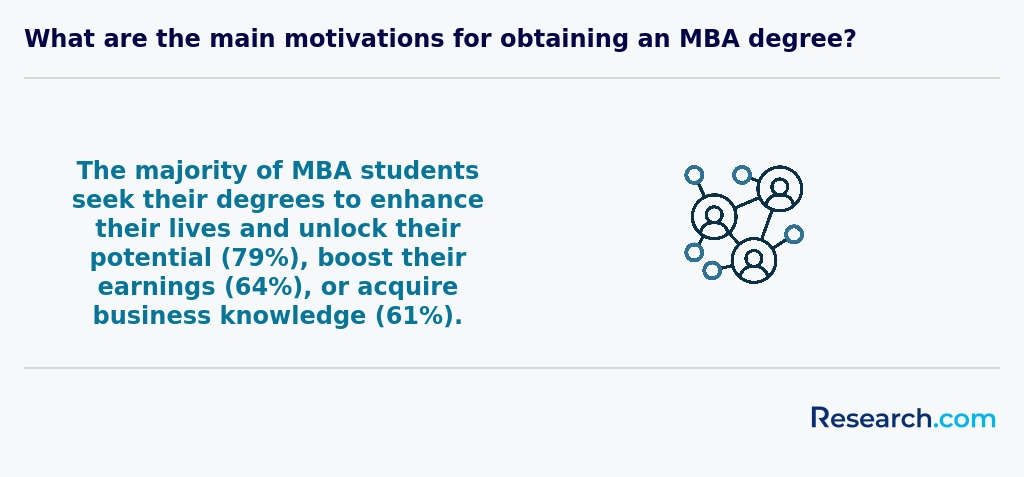
Evaluating the return on investment (ROI) is essential for prospective MBA students who want to balance program costs with long-term career and salary growth. Spokane’s MBA graduates report an average salary increase of 45% within three years of graduation, translating to a breakeven point of approximately 5–6 years, depending on tuition and living expenses. When estimating ROI, consider not only direct costs-tuition, fees, textbooks, and living expenses-but also opportunity costs such as foregone income if you study full-time. Comparing Spokane’s program costs with national averages highlights local affordability. With average tuition rates around $36,915 versus the U.S. average of $56,850, Spokane offers competitive value. For students seeking even lower-cost options, our Most Affordable MBA Degree Programs Ranking in Oregon provides valuable benchmarks on tuition efficiency and quality outcomes. Key factors that influence ROI include specializations (e.g., finance and technology often yield higher starting salaries), program format (online vs. on-campus), and available financial aid packages. For instance, graduates who leverage employer tuition reimbursement and graduate assistantships typically reduce their net investment by up to 30%, accelerating their ROI timeline. Additionally, strong career services and alumni networks in Spokane contribute to faster job placements, further improving overall returns. To maximize your ROI, map out projected earnings by industry and role, account for scholarship and loan terms, and assess non-monetary benefits like expanded networks and leadership skills. By conducting a detailed ROI analysis before enrollment, you’ll make an informed decision that aligns your educational investment with both short-term affordability and long-term professional growth.
Many MBA students in Spokane find financial aid indispensable in managing costs at local schools like Gonzaga University or Whitworth University. Graduates often share how merit-based scholarships rewarded their academic excellence and leadership before they even started, lessening the financial strain early on. Some received these scholarships automatically upon acceptance, which added a welcome boost of confidence and motivation.
Federal aid through FAFSA opens doors to Direct Unsubsidized Loans and Graduate PLUS Loans, which many Spokane MBA candidates appreciate for their manageable interest rates and flexible repayment terms. One graduate described relief upon securing a Graduate PLUS Loan, allowing focus on studies without immediate financial pressure.
Graduate assistantships at Spokane business schools offer a rare blend of learning and earning; students contribute to research or teaching while earning stipends or tuition remission. This opportunity not only eases expenses but deepens connections with faculty and peers.
Local professionals pursuing MBAs often benefit from employer tuition reimbursement programs. Knowing a company supports continued education transforms the challenge of returning to school into a shared investment in growth and future success.
Finally, private scholarships from Spokane business organizations provide additional routes to funding, often recognizing unique leadership qualities or industry involvement. Graduates recount how tapping these resources turned the financial puzzle into an achievable plan.
The pursuit of an MBA degree is a significant investment, and understanding the cost implications is crucial for prospective students. When evaluating MBA programs, affordability is a key factor, as it directly impacts the return on investment. For students in Washington, exploring options such as the cheapest mba programs in Washington can provide valuable insights into managing educational expenses. By considering the financial aspects of their education, students can make informed decisions that align with their career goals and financial situation, ultimately enhancing their overall educational experience.
Enrolling in an MBA program in Spokane requires more than just meeting a checklist-it's about proving you're ready to engage deeply with business concepts and contribute meaningfully to your peers. Most Spokane programs, including those at well-regarded local universities, expect candidates to hold a bachelor's degree. This degree doesn't have to be business-related; graduates from diverse fields have found success by highlighting relevant courses in economics or accounting to strengthen their applications.
Professional experience is highly valued. Graduates from Spokane's MBA programs reflect on how their two to three years of work not only bolstered their resumes but enriched classroom discussions with real-world perspectives. Executive MBA options, in particular, often seek candidates with up to five years of experience, ensuring students arrive ready to lead.
Applicants should prepare to submit GMAT or GRE scores, with typical GMAT results ranging from 550 to 650. Letters of recommendation and personal statements are equally important, painting a fuller picture of leadership potential and career goals. Local students often find this process rewarding, embracing the chance to share their unique stories with admissions committees.
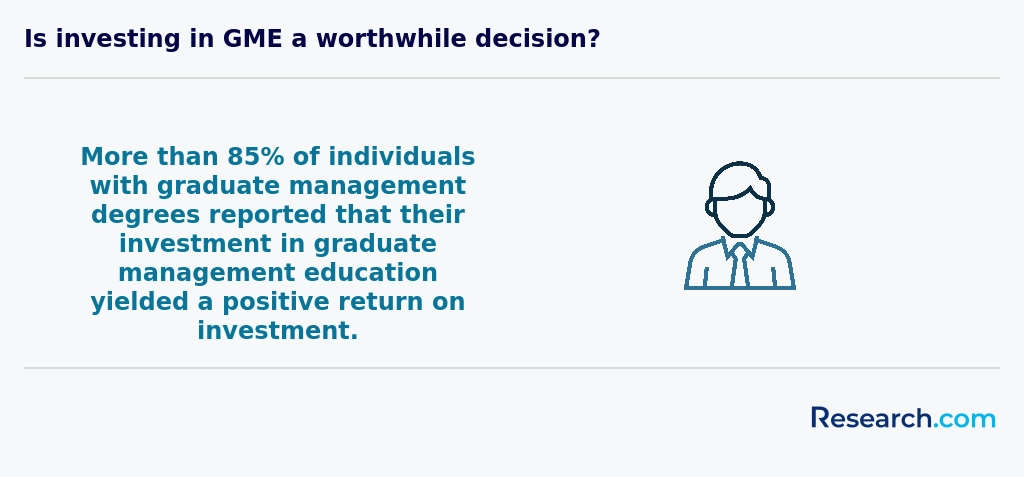
Spokane’s MBA programs prioritize hands-on learning, offering a variety of internships and real-world engagements that bridge classroom theory with professional practice. Students frequently collaborate with local firms-such as regional healthcare providers or technology startups-through semester-long consulting projects that sharpen analytical skills and deliver immediate value to real businesses. For example, Gonzaga University’s MBA cohort partnered with a Spokane nonprofit to develop a digital marketing strategy, resulting in a 25% increase in community outreach. Consulting practicums and capstone projects further immerse students in industry challenges. Many programs host annual case competitions judged by senior executives from Spokane’s corporate and nonprofit sectors, providing participants with direct feedback and networking opportunities. These experiential components not only reinforce core competencies in finance, marketing, and operations but also cultivate soft skills like teamwork, leadership, and problem solving under pressure. Global immersion trips and study-abroad modules complement local engagements by exposing students to diverse markets and cross-cultural management practices. Recent cohorts traveled to Asia and Europe to analyze supply-chain innovations, presenting their findings to both academic faculty and international business leaders. Such experiences broaden strategic perspectives and often spark entrepreneurial ventures upon return. Financial considerations are integral to experiential learning choices. Prospective students seeking cost-effective programs can consult the Most Affordable MBA Degree Programs Ranking in Oregon to compare tuition rates and scholarship opportunities before committing to internships that may impact work-study balance. Ultimately, Spokane’s emphasis on internships, consulting engagements, and global immersions ensures that MBA graduates enter the workforce with a robust portfolio of practical achievements, strong professional networks, and the adaptive skills demanded by today’s dynamic business environment.
An MBA degree in Spokane typically includes core courses that lay a strong foundation in key business areas. Graduates from local universities often reflect on how classes in Accounting and Financial Management helped them confidently analyze financial statements and manage budgets during internships with Spokane-based companies.
Marketing Management courses stand out by focusing on real-world market analysis and strategic brand positioning, which students found immediately applicable when working with local startups in the vibrant Spokane tech scene. Leadership and Organizational Behavior classes provide deep insights into team dynamics, motivation, and decision-making-skills graduates credit for their success in managing projects across diverse industries such as aerospace and healthcare prevalent in the region.
Operations and Supply Chain Management courses emphasize efficiency in production and logistics, often illustrated through case studies involving Spokane's manufacturing businesses. Business Ethics and Corporate Social Responsibility courses resonate deeply with students eager to lead with integrity, reflecting Spokane's strong sense of community and responsibility.
Electives like entrepreneurship and data analytics allow students to tailor their learning to personal goals, adding a practical edge that many Spokane graduates highlight as essential when launching their careers locally.
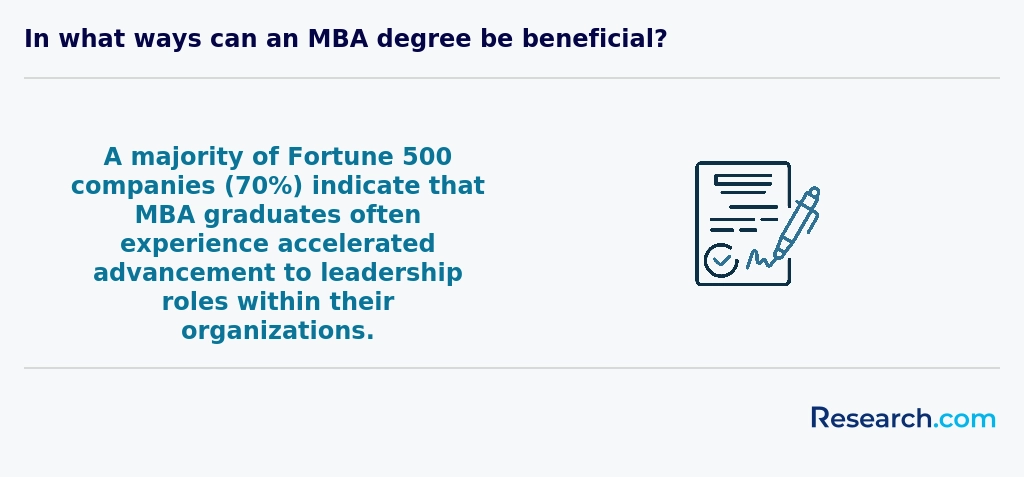
In Spokane, MBA students often find a rich array of specializations tailored to the local economic landscape, allowing them to hone skills that align with the region's thriving industries. Graduates from popular universities here frequently highlight specializations like Finance, Marketing, and Healthcare Management as essential for entering the city's dynamic job market. For example, many have found that focusing on Healthcare Management opens doors in Spokane's expanding medical sector, offering a sense of purpose and community impact.
Others pursuing MBA specializations in Spokane appreciate tracks such as Information Technology Management or Operations and Supply Chain Management, both reflecting the city's growing tech and manufacturing presence. These options enable students to engage directly with real-world challenges local businesses face, making their education immediately applicable and rewarding.
Experiencing these best MBA concentration options Spokane provides, some graduates emphasize how the Entrepreneurship specialization inspired them to launch ventures rooted in local needs. Prospective students might also explore accelerated mba colleges to maximize their learning experience and career momentum.
Choosing the best MBA degree in Spokane means weighing factors that truly fit your lifestyle and ambitions. Graduates from local colleges often highlight the value of finding programs accredited by respected organizations, ensuring the education meets high standards recognized by employers. These accreditation marks help predict how well your degree will serve you in Spokane's competitive job market.
Many students also emphasize how important it is to pick a format that complements their daily responsibilities. Spokane's universities offer flexible part-time and online options alongside full-time programs, allowing working professionals to balance study and career effectively. This flexibility is a key aspect that makes affordable MBA degrees Spokane a practical choice for many.
Cost is another vital consideration. Spokane schools tend to offer tuition more affordable than the national average, which is reassuring for those managing budgets carefully. For insight on related financial planning, some graduates researched online business administration degrees cost to understand broader investment implications.
Finally, focus on programs with strong alumni networks and relevant specializations that align with your career goals. Graduates often share how local internships and connections within Spokane's business community enriched their learning experience and opened doors professionally.

Graduates of MBA programs in Spokane often find themselves well-prepared for a variety of rewarding career paths that tap into the city's diverse economic landscape. From my conversations with recent graduates of Spokane's universities, many have expressed excitement about breaking into financial services, where they use their analytical skills to support local investment firms and banks. Others have found deep satisfaction working in healthcare administration, steering projects at Spokane's growing medical facilities with a focus on improving patient care and operational efficiency.
Spokane's environment also fosters opportunities in marketing, sales management, and supply chain roles, especially given the area's strong retail and logistics sectors. MBA career opportunities in Spokane extend beyond traditional roles; many grads mention how the expertise they gained at regional colleges allowed them to thrive in technology startups and entrepreneurial ventures, using leadership and strategy skills daily. For those exploring specialization, Spokane provides fertile ground in project management and human resources, ensuring every graduate can align their career with personal passion and local demand, as echoed in business management job opportunities.

The job market for MBA graduates in Spokane is vibrant and full of potential, especially for those targeting leadership roles in healthcare, manufacturing, technology, and finance. Graduates from Spokane's respected universities often share stories of quickly landing management positions where their skills in strategic planning and financial analysis are highly valued. The region's consistent economic growth supports expanding opportunities, making it a fertile ground for those seeking to apply their MBA knowledge.
For many students completing their MBA locally, the Spokane job market for MBA graduates translates into real-world advantages such as connections made at professional events hosted by the city's business community. These networking occasions frequently open doors, turning classroom theory into fruitful careers. The relatively affordable tuition fees at Spokane's institutions, often lower than the national average, complement the encouraging career prospects. Students interested in affordability can explore the cheapest mba programs in Washington to find suitable options.
2027 Best MBA Degree Programs Ranking in Spokane
Investing in your education is a significant decision that can greatly impact your career and future opportunities. The Research.com team recognizes the importance of making well-informed choices and has dedicated extensive efforts to ensure the quality, credibility, and accuracy of the "2027 Best MBA Degree Programs Ranking in Spokane."
We utilized the following reputable data sources to create a thorough and reliable ranking:
By consulting this ranking, readers will gain clear insights into Spokane's top MBA programs, empowering them to choose the path best aligned with their goals. For further information on how this ranking was developed, please visit our Research.com methodology page.


Frequently Asked Questions About MBA
Students pursuing an MBA degree in Spokane can maximize their learning experience by actively engaging with local business communities and networks. Spokane's growing economy offers practical opportunities through internships and partnerships, especially in sectors like healthcare, technology, and manufacturing.
Taking advantage of experiential learning options-such as case studies, projects, and simulations-is essential. Many programs in Spokane emphasize real-world applications, helping students build critical skills.
Networking events and workshops hosted by Spokane-area business schools and chambers of commerce provide valuable connections. According to the Greater Spokane Incorporated Economic Profile, Spokane's small-to-medium enterprises are expanding, making such local contacts even more relevant.
Finally, balancing coursework with time management and seeking mentorship from faculty improve academic outcomes and professional growth.
Emerging niches within the MBA field reflect evolving industry demands and technological advancements. In Spokane, as across the U.S., specializations like data analytics, sustainability management, and healthcare administration are growing rapidly. These areas address complex challenges in business decision-making, environmental impact, and the expanding healthcare sector.
According to the Graduate Management Admission Council (GMAC), MBA candidates focusing on data analytics increased by over 15% nationally in 2023. Spokane programs are beginning to mirror this trend, integrating courses on big data and predictive modeling. Similarly, regional employers in healthcare and energy sectors seek graduates with expertise in sustainability and healthcare management, making these MBA niches particularly relevant locally.
Understanding these specializations can help Spokane students target industries with strong growth projections, improving career prospects after graduation.
After completing an MBA degree in Spokane, preparing for the job market involves several strategic steps. Spokane's growing economy, particularly in healthcare, manufacturing, and technology, offers diverse opportunities for MBA graduates, according to the Spokane Regional Economic Development Council. Networking is crucial; attending local events and leveraging university career services can connect graduates with regional employers actively seeking business talent.
Building a strong LinkedIn profile and acquiring relevant internships or project experience during studies significantly improve employability. According to the Graduate Management Admission Council, 85% of MBA grads who engage in internships secure full-time roles faster. Familiarity with local business trends and continuing education through workshops also helps graduates align with Spokane's evolving job market demands.
Employers in Spokane highly value MBA graduates who demonstrate strong leadership and strategic thinking skills. According to recent surveys by the Graduate Management Admission Council (GMAC), communication and teamwork are also critical for success in this region's competitive job market.
Proficiency in data analysis and decision-making is increasingly sought after, as Spokane companies focus on leveraging analytics to drive growth. Additionally, adaptability and financial acumen remain essential skills for MBA holders in this area, particularly in industries like healthcare, manufacturing, and technology.
These insights align with national trends while reflecting Spokane's evolving business landscape, making these skills vital for MBA graduates pursuing careers locally.
Finding internships in Spokane relevant to an MBA degree involves a strategic approach centered on local business connections and university resources. Spokane is home to several firms in industries like healthcare, manufacturing, and finance, which commonly offer internships suitable for MBA students. According to Spokane Workforce Council data, the professional and business services sector is growing, increasing internship opportunities.
MBA candidates should leverage career services at local universities such as Gonzaga University or Eastern Washington University, which maintain partnerships with regional employers. These offices often provide exclusive internship listings and networking events.
Additionally, online platforms like Handshake and LinkedIn can connect students with Spokane internships. Attending local business networking events and joining professional associations, such as the Spokane Regional Chamber of Commerce, can enhance internship prospects.
In Spokane, earning an MBA can significantly enhance career mobility and advancement opportunities. According to the U.S. Bureau of Labor Statistics, professionals with graduate business degrees often see faster promotions and higher salary growth compared to those with only a bachelor's degree. Local data from the Spokane Workforce Council highlights that industries such as healthcare management, finance, and technology-key sectors in Spokane's economy-favor MBA holders for leadership roles.
Many Spokane employers value the practical skills and strategic thinking cultivated in MBA programs, particularly those offered by regional institutions. This degree equips graduates with management expertise and networking connections that are crucial for career progression within local organizations.
Furthermore, an MBA in Spokane can open doors to executive positions due to the city's growing business community and expanding entrepreneurship environment. Graduates often find opportunities to transition between industries or advance within their current fields more readily than non-MBA counterparts.
Studying for an MBA degree in Spokane equips students with a broad skill set essential for interdisciplinary roles. Spokane's MBA programs emphasize leadership, strategic thinking, and problem-solving across various business functions. According to Eastern Washington University and Gonzaga University, curricula often integrate finance, marketing, operations, and information technology, reflecting real-world business complexities.
Local MBA programs frequently include project-based learning, encouraging collaboration among students from diverse academic and professional backgrounds. This exposure cultivates adaptability and effective communication crucial for interdisciplinary teams. Data from the U.S. Bureau of Labor Statistics highlights that holders of MBA degrees in Spokane benefit from a 10% higher employment rate in management roles.
Such programs also leverage Spokane's growing business community, offering networking opportunities that span multiple industries including healthcare, technology, and manufacturing. This environment prepares graduates to contribute effectively in diverse organizational contexts.
Choosing between a thesis and a non-thesis MBA program in Spokane depends largely on your career goals and learning preferences. Thesis programs typically require original research, appealing to students interested in academia or specialized fields. Non-thesis options focus more on coursework and practical experience, ideal for those aiming to enter management roles quickly.
According to Spokane's local education data, about 40% of MBA candidates opt for non-thesis tracks for faster completion and workload flexibility. Thesis programs can take longer but deepen research skills valuable for consulting or further study.
Consider your timetable, desired skill set, and whether you prefer engaging in research or practical projects. Speaking with Spokane's university advisors can provide tailored guidance based on local industry demands and program specifics.
Students in Spokane seeking to study an MBA abroad have several pathways to consider. While Spokane itself offers MBA programs locally, those interested in international options can leverage partnerships between Spokane-based universities and foreign institutions. For example, some regional schools participate in exchange programs with European or Asian universities, allowing students to spend a semester overseas while earning credits toward their MBA.
Additionally, Spokane students can explore online MBA programs offered by accredited foreign universities, which combine international curriculum with flexible learning. According to the Graduate Management Admission Council (GMAC), approximately 30% of MBA candidates pursue international study or exchanges as part of their degree.
Financial aid and scholarships for study-abroad MBAs are often available through U.S. federal programs or university grants, easing costs. Students are encouraged to consult Spokane's academic advisors to explore these options thoroughly.
Part-time job opportunities in Spokane that complement an MBA education often focus on roles that develop management, finance, and marketing skills. Positions such as financial analyst assistants, marketing coordinators, and project management interns are popular among MBA students. These roles allow students to apply classroom knowledge in real business environments.
According to the U.S. Bureau of Labor Statistics, Spokane's growing sectors include healthcare, retail trade, and professional services, creating diverse opportunities for MBA students.
Additionally, local startups and small businesses frequently seek interns with business skills, providing practical experience in entrepreneurship and strategic planning. Networking with Spokane's Chamber of Commerce can also uncover opportunities tailored to MBA candidates.
Networking opportunities for MBA students in Spokane are diverse and well-supported by local institutions and business communities. Spokane hosts several events, including industry mixers and speaker series, often organized by colleges like Gonzaga University and Whitworth University. These events connect students with alumni and local executives, aiding professional growth.
The Spokane Chamber of Commerce actively promotes business networking, offering MBA students access to local leaders and entrepreneurs. According to the U.S. Bureau of Labor Statistics, Spokane's growing economy, especially in healthcare and technology sectors, makes networking essential for career advancement.
Additionally, Spokane-based MBA programs frequently provide internship opportunities that foster connections with regional employers. This hands-on experience is key to building relationships within Spokane's business network.
Alumni networks offer valuable support to MBA students in Spokane by creating strong professional connections. These networks often include graduates working in local industries like manufacturing, technology, and healthcare, sectors important to Spokane's economy. Access to this community helps students find internships, job opportunities, and mentorship, enhancing career prospects after graduation.
According to data from the University of Washington Spokane campus, over 70% of MBA graduates benefit from at least one connection through alumni networks when job searching. Networking events, both formal and informal, strengthen ties and provide insights into local market trends.
Moreover, alumni can assist with business startup advice and collaboration, an advantage for MBA students focused on entrepreneurship.
Customizing an MBA degree program in Spokane is possible through various flexible options offered by local institutions. Many schools provide concentrations or specializations in fields such as finance, marketing, or healthcare management, allowing students to focus on areas aligned with their career goals. Additionally, some programs offer evening, weekend, or online classes, accommodating working professionals' schedules. Internship opportunities and partnerships with Spokane businesses can also enhance practical experience. According to the U.S. Department of Education's College Navigator, customized MBA pathways help students tailor their education to better meet industry demands and personal career aspirations within the Spokane job market.
MBA students in Spokane often face the challenge of balancing rigorous coursework with professional and personal responsibilities. Many programs require students to maintain full-time jobs while attending evening or weekend classes, leading to time management pressures. According to Spokane Community College data, nearly 60% of MBA students report difficulty in managing this balance.
Another challenge is access to extensive networking opportunities. Spokane's business community is smaller compared to larger metropolitan areas, which can limit internship options and professional connections. Additionally, the cost of MBA programs in Spokane-averaging $30,000 to $50,000-can be a financial strain for many students, especially without widespread availability of scholarships or assistantships.
The need to stay updated with evolving business technologies and trends also requires significant self-motivation and adaptability among students. Overall, MBA candidates in Spokane must navigate these challenges while striving for academic and career advancement.
An MBA degree from a Spokane institution opens doors to numerous professional certifications that can enhance career prospects. Common options include the Certified Public Accountant (CPA) for those focusing on finance and accounting. Many MBA graduates also pursue the Project Management Professional (PMP) certification, a valued credential in Spokane's growing business and technology sectors.
The Certified Management Accountant (CMA) is popular among those emphasizing managerial accounting and financial management. Additionally, some MBA holders seek the Certified Financial Planner (CFP) certification to advance in financial advisory roles.
Local Spokane employers highly regard these certifications due to their alignment with regional industry demands, as reported by Spokane Workforce Council in 2023. Earning these certificates can substantially boost salary potential and professional standing.
To write a winning application for an MBA program in Spokane, start by tailoring your personal statement to reflect local business trends and the region's economic strengths, such as healthcare, manufacturing, and technology. Admissions committees in Spokane value clear career goals linked to these industries. Highlight your leadership experience and quantify achievements where possible.
Strong recommendation letters from supervisors familiar with your managerial skills are essential. Additionally, a competitive GMAT score improves your chances, with averages around 550 to 600 being common in regional programs according to the Graduate Management Admission Council.
Finally, demonstrate how you plan to contribute to the local business community post-graduation to stand out in Spokane's MBA admissions process.
The global perspective on an MBA career emphasizes versatility and leadership in today's interconnected economy. In the United States, and specifically for students pursuing an MBA in Spokane, graduates often find opportunities in international business, consulting, and finance. According to the Graduate Management Admission Council's 2023 report, 89% of MBA alumni working abroad hold managerial roles, highlighting the degree's strong value worldwide.
Spokane's growing business environment enhances the appeal of MBA careers focusing on global markets, especially in industries like healthcare and technology. Networking and cultural awareness are increasingly important skills frequently developed during MBA programs accredited by organizations such as AACSB.
Understanding these global trends helps Spokane MBA students position themselves competitively in both domestic and international job markets.
Gaining practical experience while pursuing an MBA in Spokane is achievable through several avenues commonly available in U.S. business education. Many Spokane institutions incorporate internships as part of their MBA curriculum, allowing students to work with local businesses, nonprofits, or government agencies. Internships provide real-world exposure and networking opportunities, essential for career advancement.
Additionally, Spokane MBA programs often offer consulting projects where students collaborate with companies to solve actual business challenges. These projects develop problem-solving and strategic skills. Some schools also encourage participation in student-run business organizations and competitions, which simulate professional environments.
The Spokane Workforce Council reports that local industries such as healthcare and manufacturing actively engage MBA students for internships, making practical experience accessible while studying.
Choosing the right concentration within an MBA program in Spokane depends on your career goals and local economic trends. Spokane's economy has strong sectors in healthcare, technology, and manufacturing, making concentrations like healthcare management, information technology, and operations management practical choices.
Look at the program's faculty expertise and industry connections in Spokane. For example, Eastern Washington University offers healthcare MBA tracks that collaborate with regional hospitals, providing relevant experience. Research local job market demands; according to Spokane Workforce Council, healthcare and tech management roles are growing faster than others.
Consider flexibility in course delivery, as many Spokane institutions offer part-time or online options tailored for working professionals. Lastly, review alumni outcomes to see which concentrations lead to successful regional employment.
- 2027 Best MBA Degree Programs Ranking in Kirkland
- 2027 Best MBA Degree Programs Ranking in Seattle
- 2027 Best MBA Degree Programs Ranking in Tacoma
- 2027 Best MBA Degree Programs Ranking in Portland
- 2027 Best MBA Degree Programs Ranking in Salem
- 2027 Best MBA Degree Programs Ranking in Eugene
- 2027 Best MBA Degree Programs Ranking in Salt Lake City
- 2027 Best MBA Degree Programs Ranking in San Francisco
- 2027 Best MBA Degree Programs Ranking in Fresno
- 2027 Best MBA Degree Programs Ranking in Denver
- Skills Employers Look for in Business Graduates – EU Business School https://www.euruni.edu/blog/skills-employers-look-for-in-business-graduates/
- How to balance a part-time MBA while working full-time https://www.manchester.ac.ae/blog-post/how-to-balance-a-part-time-mba-while-working-full-time
- MBA programs here buck trend of declining enrollment https://www.spokanejournal.com/articles/12577-mba-programs-here-buck-trend-of-declining-enrollment
- 12 types of MBA specializations you can pursue https://brive.com/blog/studies/types-of-mba-specializations/
- Tips for Writing an MBA Program Essay - GMAT Ninja https://www.gmatninja.com/articles/mba-admissions/essays-and-applications/minimizing-mba-application-essay-agony/
- Top Challenges for MBA Students in 2025: Placements and Career Growth in India | BeJobbed.com https://bejobbed.com/challenges-mba-students-placements-career-growth-india/
- Future-Proof Your Career with an MBA in India : MIT-WPU Blog https://mitwpu.edu.in/blog/emerging-specialisations-in-mba---how-to-future-proof-your-business-career-in-india
- 10 Highest-Paying MBA Specializations in 2026 (With Salary Data) - Paris School of Management (PSM) https://www.psm-paris.fr/en/10-highest-paying-mba-specializations-in-2026/
- Follow These 10 Steps To Write Your MBA Application Essays - ApplicantLab https://www.applicantlab.com/blog/10-steps-to-write-your-mba-application-essay/
- Top 10 Career Options After a Global MBA | SP Jain Global https://www.spjain.org/blog/articles/top-global-mba-careers