
2027 Best MBA Degree Programs Ranking in Providence

Co-Founder and Chief Data Scientist
Are you considering pursuing an MBA degree in Providence? Choosing the right program can feel overwhelming, but this article will guide you through that decision.
The 2027 Best MBA Degree Programs Ranking in Providence was carefully developed by the Research.com team of data scientists to help students like you identify credible and valuable MBA options.
Reading this article will make it easier to find programs that align with your career goals and aspirations. An MBA can open doors, boost confidence, and expand your professional network in meaningful ways.
Key benefits of getting MBA degree in Providence
- MBA graduates in Providence often enjoy competitive salaries, with typical US MBA-related roles earning between $80,000 and $120,000 annually, reflecting their valuable skills in management and strategy.
- Career paths for MBA graduates from Providence colleges include leadership roles in finance, marketing, and healthcare, offering diverse opportunities to advance quickly and make a meaningful impact.
- Completing an MBA online from Providence universities provides flexible scheduling and the ability to balance work and study, empowering students to gain expertise without disrupting their careers.
- 2027 Best MBA Degree Programs Ranking in Providence
- What can I expect from MBA degree in Providence?
- Where can I work with MBA degree in Providence?
What can I expect from MBA degree in Providence?
The average cost of earning an MBA degree in Providence typically ranges between $30,000 and $60,000, depending on the institution and program format. For instance, students attending Bryant University experience a tuition structure that supports flexible schedules, including part-time and online options, which help balance work and study commitments without overwhelming financial burden.
Graduates often express satisfaction not only with the reasonable investment but also with the return in career opportunities facilitated by the region's dynamic business environment. Many find value in scholarships and employer tuition assistance programs that significantly offset costs.
Personal accounts from Providence-area MBA alumni highlight how managing tuition expenses while engaging in hands-on projects with local companies made their education both affordable and practical. This real-world experience enhances their leadership skills and prepares them for competitive roles in Providence's growing finance, healthcare, and tech sectors.
Such financial clarity and flexibility contribute to students' confidence in pursuing advanced business education within Rhode Island's capital.
Where can I work with MBA degree in Providence?
Graduates with an MBA from Providence's renowned institutions, such as Johnson & Wales University or Providence College, often secure rewarding roles in finance and banking. Many find themselves analyzing market trends or managing risk at local offices of Citizens Bank or Santander, thriving in positions that value both financial expertise and leadership skills. The city's strong financial sector offers a steady demand for such talent, reflecting the experiences of numerous alumni who appreciate the vibrant professional environment.
Healthcare administration also draws MBA holders, with Lifespan and other major providers seeking professionals to oversee operations and strategic initiatives. Graduates often share how their business acumen complements healthcare knowledge, opening doors to impactful roles in this growing industry.
Entrepreneurial spirits flourish within Providence's technology incubators and startup ecosystem, where MBAs lead product development or business expansion efforts. Similarly, careers in manufacturing, real estate development, consulting, and government agencies present diverse avenues, all benefiting from the city's evolving economy and the practical skills honed during their studies.
MBA graduates in Providence typically earn between $90,000 and $120,000 annually, reflecting the city's competitive business environment. Entry-level roles start near $70,000, especially in finance, marketing, and operations, with salaries increasing significantly for mid-level managers and analysts, who often see earnings between $100,000 and $130,000. Senior executives, such as directors or CFOs, frequently exceed $150,000, showcasing the strong financial rewards a Providence MBA can bring.
Graduates from prominent local institutions report feeling encouraged by how their specialized programs in healthcare management or entrepreneurship open doors to higher-paying roles. These alumni often highlight that Providence's diverse economy-rooted in healthcare, education, and manufacturing-creates multiple pathways to success and financial growth.
According to PayScale 2024, the median MBA salary in Providence is around $95,000, slightly above the national average, underscoring positive career prospects for graduates immersed in the city's thriving business sectors. This upward salary trajectory resonates with many local MBA holders who value both strong employer connections and ongoing industry expansion.
- MBA tuition in Providence ranges from $25,000 to $60,000, varying by institution and program format.
- Popular industries for MBA graduates include finance, healthcare, education, and manufacturing.
- Average early-career salaries for MBA holders are $75,000 to $85,000, increasing to $110,000+ with experience.
- Programs typically last two years, with accelerated one-year and flexible online or hybrid options available.
- Local schools have strong connections with regional businesses, supporting internships, mentorships, and job placements.
In Providence, completing an MBA degree typically requires about two years for full-time students, mirroring the standard duration observed nationwide. Graduates from institutions like Bryant University often share that this timeframe offers a balanced, immersive experience, combining rigorous coursework with meaningful networking opportunities.
For working professionals, many local MBA programs provide part-time options that extend from three to four years. This flexibility allows students to steadily progress while managing career and personal commitments. Several Providence MBA graduates appreciate this arrangement, noting how it enabled them to apply new skills directly in their workplaces without sacrificing income.
Accelerated MBA pathways, offered by some Providence universities, can be completed in as little as 12 to 18 months. Alumni who pursued these intensive programs often describe a dynamic, fast-paced journey that quickly elevated their professional credentials and opened doors to advanced roles.
Ultimately, the duration depends on one's chosen program format, specialization, and any transfer credits. The variety available in Providence ensures students can find an MBA timeline well-suited to their unique ambitions and lifestyles.
Online and on-campus MBA programs in Providence differ significantly in delivery and student experience. Graduates from Brown University or Providence College often highlight the richness of face-to-face interaction on campus, where real-time discussions, group projects, and immediate professor feedback create an engaging learning environment. The opportunity to build strong local networks through alumni events and campus recruiting also strengthens professional connections within Providence's tight business community.
Conversely, online MBA students appreciate the flexibility to balance studies with work or family commitments. Many Providence-based professionals enroll in accredited online programs outside Rhode Island, benefiting from asynchronous coursework that fits their schedules without commuting. Although virtual networking requires extra effort, interactive webinars and regional meetups help maintain a sense of connection.
Cost differences are notable. On-campus tuition in Rhode Island averages between $40,000 and $60,000, while online programs often start near $25,000, making them an attractive option for budget-conscious students without sacrificing accreditation standards.
Choosing to pursue an MBA in Providence, RI not only offers access to top-ranking programs but also immerses you in a vibrant community where academic excellence meets a bustling business environment. Living and studying in Providence provides an exceptional blend of historical charm and modern innovation, giving students unique opportunities to network with local entrepreneurs, industry experts, and influential business leaders. The city's growing ecosystem supports a variety of industries-from healthcare and finance to technology and the arts-ensuring that MBA graduates have a wealth of career prospects upon graduation. This dynamic environment enhances classroom learning with real-world insights, supported by experiential projects, internships, and community-based collaborations. Additionally, for busy professionals seeking flexibility, the city hosts reputable graduates from online mba programs that are tailored to suit work-life balance while providing high-quality education. Embracing the local culture, networking at industry events, and engaging with seasoned faculty, MBA students in Providence find themselves at the crossroads of academic rigor and practical industry exposure-a combination that truly lays the groundwork for long-term career success.
The average MBA degree cost Providence students face is approximately $55,819 for the entire program, with in-state students paying slightly less at around $52,984. These figures represent total tuition expenses, reflecting both full-time and part-time study options commonly available at institutions such as Providence College and Brown University.
Graduates from Providence's MBA programs often recall balancing these costs with the advantages of attending well-regarded schools in a dynamic economic region. For example, a graduate from Providence College's business school emphasizes how the tuition investment was worthwhile due to strong career networking opportunities. Meanwhile, those completing Brown University's Executive MBA appreciate the premium fees as an entry point into elite business circles, affirming that the value resonates beyond immediate costs.
Considering total MBA program expenses Providence 2027 students should anticipate, fees, books, and living costs should be included alongside tuition. Many find that financial aid, scholarships, or employer sponsorship can significantly ease this burden, maintaining affordability within local standards. For students seeking budget-conscious options, it is worth exploring the cheapest mba programs in rhode island, which highlight competitive pricing while preserving academic quality.
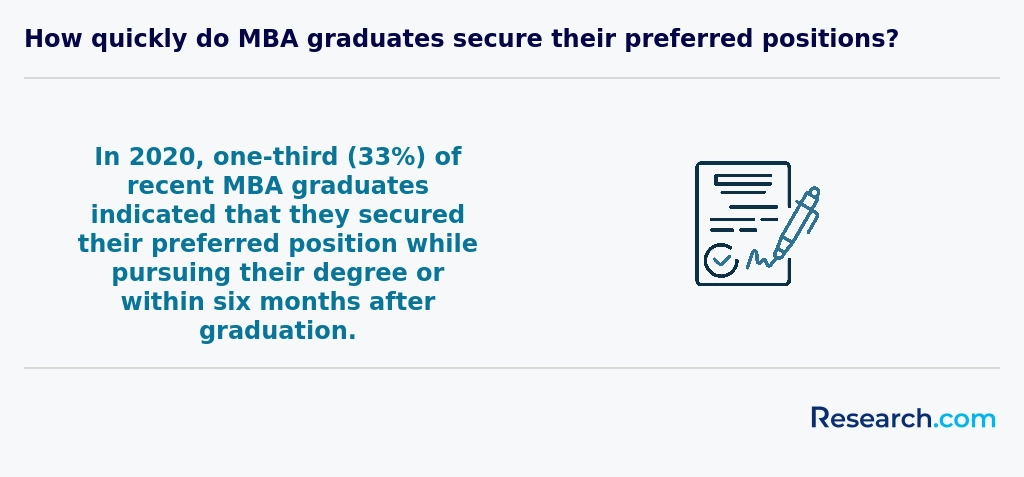
Investing in an MBA is not just about tuition-it’s about the long-term return on that investment. In Providence, RI, the average total cost for a full-time MBA hovers around $60,000–$70,000, including fees and living expenses. Yet graduates often report starting salaries in the $75,000–$85,000 range, with mid-career earnings exceeding six figures. By comparing your program’s cost against projected salary gains, you can estimate a payback period-often just 3–5 years for graduates in consulting or finance roles. Key metrics for assessing ROI include net present value (NPV) of future earnings, salary uplift percentage, and accelerated program options that reduce time to degree. Part-time and online formats can lower upfront costs and allow you to earn while you learn, shortening the break-even timeline. Scholarships, employer tuition assistance, or graduate assistantships further enhance ROI by minimizing debt burden. To benchmark affordability, you can review our Cheapest Online Master’s in MBA Degree Programs Ranking in South Carolina for insights on tuition structures and funding strategies. Considering both tangible returns (salary growth, promotions) and intangible gains (networking, leadership skills), a well-planned MBA in Providence delivers a robust financial payoff and lasting career acceleration.
MBA students in Providence have access to a range of financial aid options that can substantially ease the high cost of graduate business education. Merit-based scholarships at institutions like Bryant University stand out, rewarding academic excellence, leadership, or professional achievements-some recipients report tuition reductions of up to 50%, making the investment feel more attainable and motivating.
Federal student loans through FAFSA, including Direct Unsubsidized and Grad PLUS Loans, are widely utilized by Providence candidates. Graduates often appreciate the flexible repayment plans and deferment options, which provide breathing room while focusing on studies or launching careers.
Employer tuition assistance is a key benefit for working professionals pursuing their MBA locally. Many Providence businesses support further education by reimbursing partial or full tuition, offering a practical pathway for career advancement without overwhelming debt.
While private loans exist, students often share that careful comparison is essential due to typically higher interest rates and less favorable terms. Additionally, competitive assistantships and fellowships sometimes offer stipends or tuition remission at research-focused Providence universities, providing an enriching financial and academic experience.
When considering MBA programs in Providence, RI, one of the critical factors to evaluate is affordability. The cost of pursuing an MBA can be substantial, but there are various options to make it more manageable. For instance, prospective students can explore cheapest mba programs in rhode island to find programs that fit their budget. Additionally, many institutions offer financial aid, scholarships, and graduate assistantships to help offset the costs. Understanding the total cost of attendance, including tuition, fees, and living expenses, is essential for making an informed decision. By carefully evaluating the financial aspects and exploring available financial aid options, students can make their MBA journey more affordable and set themselves up for long-term financial success.
To enroll in an MBA program in Providence, candidates must typically possess a bachelor's degree from an accredited institution, aligning with standards upheld by universities such as Providence College and Brown University. While many programs accept diverse undergraduate fields, graduates often recall that having a background in business or economics eased their transition into coursework.
Proficiency in English is essential, particularly for international students, with TOEFL or IELTS scores commonly required. This ensures clear communication, a vital skill highlighted by alumni who credit strong language skills for their classroom success and networking.
Standardized tests like the GMAT or GRE remain part of the application process at most Providence institutions, though some schools have become more flexible recently. Many graduates found that a solid GMAT score gave them confidence and a competitive edge during admissions.
Work experience of two to five years is often expected, providing practical insights that enrich discussions and case studies. Former students from local colleges emphasize how this experience created deeper engagement with professors and peers.
Lastly, submitting compelling letters of recommendation and personal essays allows applicants to showcase leadership potential and career aspirations, elements that previous enrollees found crucial in securing admission to their desired programs.
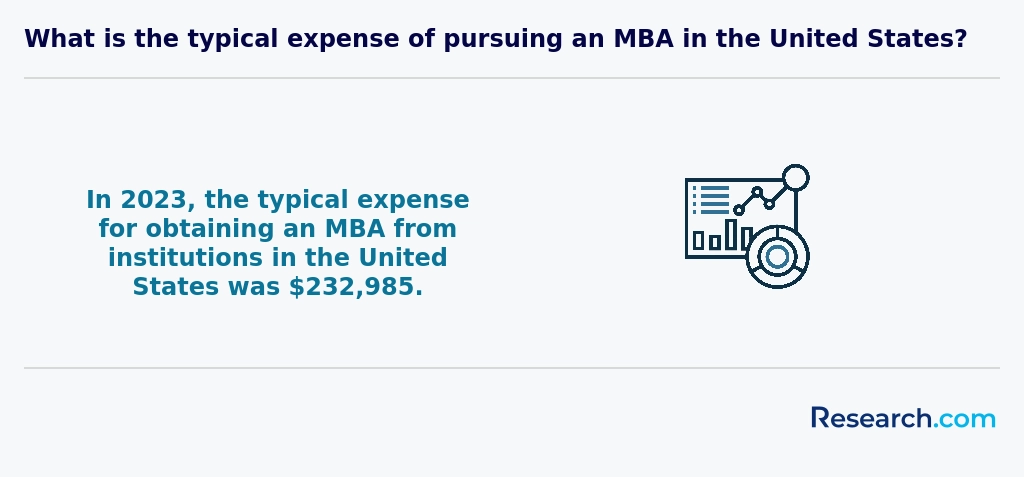
MBA students in Providence, RI benefit from dedicated career services offices that offer personalized coaching, résumé reviews, and interview preparation tailored to local industries. From on-campus recruiting events to virtual job fairs, these resources ensure you connect with employers in finance, consulting, healthcare, and technology. Many programs also provide:
- One-on-one career advising with industry veterans
- Monthly workshops on networking strategies and salary negotiation
- Access to exclusive internship postings and alumni-hosted recruitment panels A robust alumni network further amplifies your professional growth. Providence MBA graduates maintain active LinkedIn groups and mentorship circles, facilitating introductions to senior leaders at top Providence firms. While Providence’s network is a key asset, prospective students seeking cost-effective online alternatives may compare career support and tuition through our Cheapest Online Master's in MBA Degree Programs Ranking in South Carolina. Finally, lifelong access to career portals and regional alumni chapters means ongoing support long after graduation. Whether you’re aiming for a C-suite role or launching a startup, Providence’s combined career services and alumni connections deliver the guidance and contacts needed to accelerate your MBA ROI.
MBA degree programs in Providence typically include a rigorous set of core courses that provide a comprehensive foundation in business management. Graduates from well-regarded institutions in the city often highlight courses such as Financial and Managerial Accounting, which equip them to analyze and interpret complex financial data essential for decision-making roles. Marketing Management classes allow students to engage with real-world case studies, fostering strategic thinking for consumer behavior and market positioning.
Organizational Behavior and Operations Management are frequently praised for preparing students to lead diverse teams and optimize business processes effectively. Many graduates recall how Corporate Finance and Strategic Management courses deepened their understanding of investment decisions and competitive business strategies, essential skills valued by Providence's thriving healthcare and innovation sectors.
Students at prominent Providence colleges also benefit from electives like Entrepreneurship and Technology Management, which align closely with local industry demands. These programs balance theory and practice through internships and consulting projects, enabling learners to confidently apply their knowledge in dynamic, real-world business environments.
MBA specializations in Providence reflect the region's robust industries and business environment. Students typically choose from concentrations such as Finance, Healthcare Management, Marketing, Entrepreneurship, and Technology Management. For instance, graduates from well-regarded Providence colleges often highlight how the Healthcare Management track leverages the area's leading hospitals for real-world learning and internship opportunities, enriching their leadership skills in this growing sector.
Another popular choice is Finance, which prepares students for roles in corporate banking and investment firms rooted in Providence's financial services market. Marketing and Entrepreneurship tracks equip students to thrive in competitive business landscapes, focusing on brand strategy and business innovation respectively, experiences regularly praised by alumni for their practical relevance.
Those exploring Providence MBA degree concentration options also benefit from programs emphasizing Supply Chain Management and International Business, which align with global commerce trends. Many students pursuing an online mba discover flexible paths to these specializations while balancing career demands locally.
Choosing the best MBA programs in Providence involves assessing factors such as accreditation, program flexibility, and cost. Graduates from Bryant University and Providence College often highlight the value of AACSB accreditation, which assures a high-quality curriculum and strong professional standards. Many appreciate the ability to balance studies with work through part-time or online MBA formats offered locally, making education more accessible to working professionals.
Affordability is crucial when searching for an affordable MBA degrees Providence RI. Students report that the tuition at these institutions typically ranges between $40,000 and $60,000, notably lower than the national average. Considering additional expenses and local living costs provides a realistic picture of total investment. For those interested in online options, consulting the Cheapest Online Master's in MBA Degree Programs Ranking in South Carolina offers useful comparatives.
Experiences shared by alumni emphasize the importance of program specializations that match career aspirations. Whether focusing on entrepreneurship or finance, graduates find that targeted coursework significantly enhances job prospects within Providence's dynamic sectors such as healthcare and technology. High employment rates shortly after graduation confirm the practical benefits of these degrees.
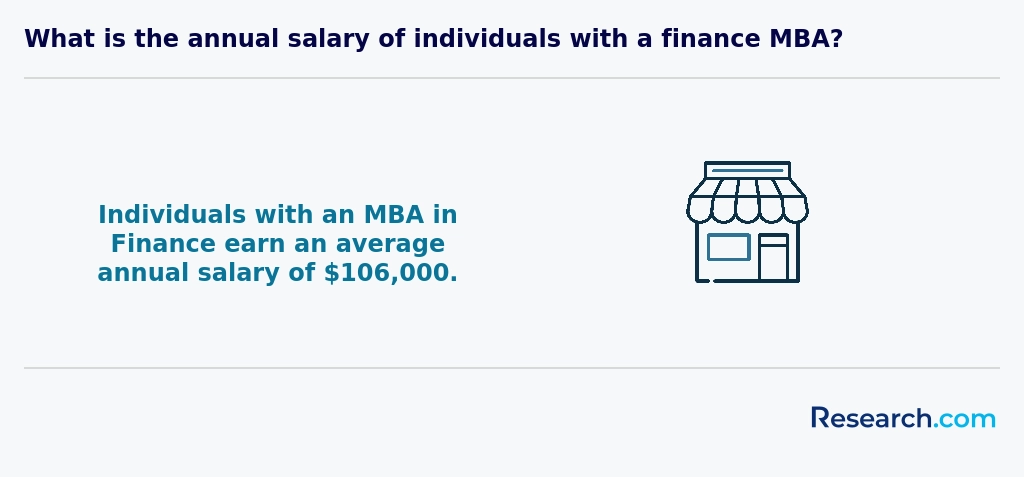
Graduates with an MBA degree in Providence frequently embark on diverse career paths spanning multiple industries. Finance and investment management remain prominent options, supported by the city's strong network of banks, insurance firms, and investment companies. Many MBA holders from leading Providence institutions take on roles as financial analysts or investment managers, reflecting the demand for qualified professionals in this sector of business management jobs Providence.
The healthcare industry also offers robust opportunities for MBA graduates, especially those specializing in healthcare management. Administrative roles such as hospital administrators or healthcare consultants are common, where graduates leverage skills gained at Providence's top colleges to improve operational efficiency and leadership within large medical systems.
Additionally, many pursue careers in marketing, human resources, and supply chain roles, often with local startups or established firms embracing innovation. The vibrant technology sector supports MBAs focusing on business analytics or technology management, who find rewarding positions as product or technology managers. Those interested in consulting and general management also benefit greatly from the practical exposure provided by local MBA programs. Prospective students can explore affordable options by referring to the Cheapest Online Master's in MBA Degree Programs Ranking in South Carolina.
The job market for MBA graduates in Providence is robust, supported by the city's diverse economic landscape. Graduates from well-regarded institutions often find rewarding roles in finance, healthcare, and education sectors, which dominate the regional economy. Employers seek MBA holders for their leadership and project management skills, valuing their ability to drive operational improvements across industries.
Many Providence MBA graduates secure positions such as financial manager or marketing manager, benefiting from a network of local companies including banks and insurance firms. The proximity to larger markets like Boston further enhances their employment opportunities. Those pursuing MBA employment opportunities in Providence often report satisfaction due to competitive salaries aligned with the cost of living and meaningful career progression.
Students enrolled at Providence's universities appreciate the balance of quality education and affordability. Graduates benefit from connections within the city's growing startup ecosystem, which rewards entrepreneurial skills. For those considering flexible options, exploring accelerated degree programs online can be a strategic choice to gain credentials quickly and enter the job market sooner.
2027 Best MBA Degree Programs Ranking in Providence
Investing in your education is a significant decision that can profoundly impact your career and future, and the Research.com team is keenly aware of the importance of making well-informed choices. To support prospective students in Providence, we have carefully developed the "2027 Best MBA Degree Programs Ranking in Providence." Our dedication to quality, credibility, and accuracy is demonstrated through thorough research and analysis used to compile this ranking.
We utilized the following reputable data sources to ensure a comprehensive evaluation of MBA programs:
By exploring this ranking, readers will gain valuable insights into the top MBA degree programs in Providence, enabling them to make confident and informed decisions about their educational journeys. For more information on how this ranking was created, please visit our Research.com methodology page.


# 4 position
Johnson & Wales University-Online
Master of Business Administration

Frequently Asked Questions About MBA
MBA students in Providence can maximize their learning by actively engaging in both classroom and experiential opportunities. Local institutions often partner with regional businesses, allowing students to participate in internships and consulting projects that apply theory to real-world challenges. According to the Rhode Island Department of Labor and Training, Providence's growing finance and healthcare sectors provide valuable networking and career-building environments.
Students should also leverage campus resources like career services and leadership workshops to build essential soft skills. Joining student organizations related to entrepreneurship or sustainability can enhance collaboration and practical knowledge.
Furthermore, enrolling in case-based courses improves critical thinking and decision-making abilities, key competencies for MBA graduates nationally, as noted by the Graduate Management Admission Council (GMAC).
The MBA field is evolving to include several emerging niches that reflect current business demands and technological advances. In Providence, students increasingly explore areas like healthcare management, which benefits from the city's strong medical sector. According to the Rhode Island Department of Labor, healthcare-related business roles are expected to grow by 12% through 2028.
Another rising niche is data analytics and business intelligence. Providence's investment in fintech startups has boosted demand for MBAs skilled in big data interpretation.
Sustainability and social entrepreneurship are also gaining traction, reflecting national trends where companies prioritize environmental and social governance. These specializations offer MBA candidates opportunities to lead in emerging corporate responsibility fields.
Preparing for the job market after completing an MBA degree in Providence involves strategic planning and practical steps. Graduates should actively engage with the local business community, leveraging Providence's growing sectors such as healthcare, finance, and technology. According to the Rhode Island Commerce Corporation, these industries offer strong employment prospects for MBA holders.
Networking is vital; attending events hosted by Providence's Chamber of Commerce or university career centers can connect graduates with recruiters and industry professionals. Enhancing resumes with internships or consulting projects completed during the MBA improves employability.
Additionally, graduates should utilize career services at their institutions for interview preparation and job placement assistance. According to the Graduate Management Admission Council, 82% of MBA graduates in the U.S. reported positive job outcomes within three months, underscoring the degree's value.
Employers in Providence increasingly seek MBA graduates with a strong blend of technical and leadership skills. According to recent regional workforce reports, the top skills include strategic thinking, financial analysis, and effective communication. These competencies enable graduates to make data-driven decisions and lead diverse teams, which are highly valued in Providence's growing service and financial sectors.
Additionally, proficiency in project management and adaptability to digital tools ranks high. A 2023 survey from the Rhode Island Commerce Corporation highlights that 68% of local employers prioritize candidates who demonstrate innovation and problem-solving under pressure.
Networking skills also remain essential given Providence's tightly-knit business community.
Finding internships in Providence relevant to an MBA degree involves leveraging local business networks and university career centers. Providence hosts a range of industries including finance, healthcare, and technology, offering MBA students diverse internship opportunities. Brown University and Providence College, among others, provide resources and connections between students and regional employers. According to the Rhode Island Commerce Corporation, internships in Providence have grown by 12% annually, reflecting increasing corporate interest in MBA talent.
Students should also engage with professional organizations like the Providence Chamber of Commerce, which often list internship openings. Online platforms such as Handshake and LinkedIn are useful for discovering roles tailored to MBA candidates. Gaining an internship in Providence can significantly enhance career prospects within the region, providing practical experience aligned with academic goals.
In Providence, earning an MBA degree significantly enhances career mobility and advancement opportunities. According to the U.S. Bureau of Labor Statistics, professionals with an MBA generally experience faster promotions and higher salaries compared to those holding only a bachelor's degree. Local employers in finance, healthcare, and technology sectors value the strategic thinking and leadership skills developed in MBA programs.
Rhode Island's MBA graduates benefit from strong regional networks offered by schools like Bryant University and Providence College, boosting job prospects within the city and nearby metropolitan areas. A 2023 report from the Graduate Management Admission Council noted that Providence MBA alumni saw an average salary increase of 18% within three years of graduation.
Additionally, Providence's growing business environment rewards MBA holders for their expertise in areas like project management and analytics, making these degrees a crucial step for professionals aiming to advance into executive roles.
Studying for an MBA degree in Providence offers a well-rounded approach that equips students for interdisciplinary roles. Programs in Providence emphasize integrating business management with areas like technology, healthcare, and public policy, reflecting the region's diverse economy. According to the Rhode Island Office of Higher Education, local MBA programs include experiential learning opportunities, such as cross-departmental projects and internships, which enhance practical skills in varied fields.
Faculty often come from multiple disciplines, fostering collaboration and exposing students to different perspectives. Additionally, Providence's proximity to industries like finance, biotechnology, and education provides real-world case studies and networking. This combination prepares graduates to lead teams that span various specialties, a key demand in today's complex business environment.
When choosing between a thesis and a non-thesis MBA program in Providence, consider your career goals and learning preferences. A thesis MBA involves conducting original research and writing a detailed paper, ideal for students aiming for academic, consulting, or research roles. Non-thesis programs focus more on practical skills through coursework, appealing to professionals targeting immediate career advancement in business or management.
In Providence, institutions like Bryant University and Providence College offer both options. Data from the U.S. Department of Education shows that about 40% of MBA students nationwide choose the thesis track, valuing deep analytical experience. Cost and program length can also differ; thesis programs might extend your study time slightly.
Students in Providence interested in studying an MBA abroad have several pathways through U.S. institutions that offer global exchange programs or dual degrees with international universities. Many MBA programs in Providence, such as those affiliated with Brown University, provide opportunities for study abroad in Europe, Asia, and Latin America. These programs usually last from a few weeks to a full semester and include partner schools accredited by organizations like AACSB.
According to the Graduate Management Admission Council (GMAC), nearly 30% of U.S. MBA candidates consider international study options important. Providence students can also explore fully online global MBA curricula offered by some local schools, enabling access to international business perspectives without relocating.
Part-time job opportunities in Providence can significantly complement MBA degree education by offering practical experience alongside academic learning. Many MBA students find roles in financial services, where Providence hosts several regional banks and investment firms that value analytical and managerial skills. According to the Rhode Island Commerce Corporation, the finance sector employs over 15,000 professionals locally, making it a fertile ground for internships and part-time positions.
Additionally, Providence's growing healthcare management industry provides roles in hospital administration and healthcare consulting, relevant to MBA studies. Tech startups and consulting agencies in the city also frequently seek part-time support in marketing, project management, and operations, helping students apply strategic business concepts in real settings.
MBA students in Providence benefit from numerous networking opportunities tailored to professional growth. Local universities like Brown University and Johnson & Wales offer events where students connect with alumni and business leaders. These institutions typically host career fairs, guest lectures, and mentorship programs that facilitate valuable contacts in finance, healthcare, and technology sectors.
Providence's proximity to Boston also expands access to broader regional networks. According to the Graduate Management Admission Council (GMAC), strong networking is a key factor in successful MBA outcomes, and Providence schools emphasize this through partnerships with local chambers of commerce and industry groups.
Additionally, Providence-based MBA students can engage with startup incubators and local business associations, which often welcome student participation to foster innovation and career development.
Alumni networks play a crucial role in supporting MBA students in Providence by providing valuable professional connections. Graduates from local MBA programs often access a close-knit community of former students who share career advice, mentorship, and job leads. For example, Providence-based networks frequently organize events and workshops that enhance students' practical skills and expand their business contacts.
According to a 2023 report by the Graduate Management Admission Council (GMAC), 70% of MBA employers value alumni referrals highly when recruiting. Providence's alumni groups actively collaborate with local industries, increasing internship and employment opportunities for MBA students.
Such networks also facilitate lifelong learning through access to exclusive resources and industry insights, making them an essential asset during and after the MBA journey.
Customizing an MBA degree program in Providence allows students to align their education with specific career goals. Many local programs offer concentrations such as finance, marketing, entrepreneurship, or healthcare management. This specialization helps students develop expert skills relevant to their desired industry.
Students can also choose between full-time, part-time, and online formats, providing flexibility for working professionals. According to the Rhode Island Board of Education, approximately 40% of business graduate students in Providence opt for part-time studies to balance work and education.
Additionally, internships and networking opportunities through Providence-based companies enhance practical experience. Schools often provide access to seminars and workshops tailored to local business trends, further personalizing the MBA journey.
Many MBA students in Providence face the challenge of balancing rigorous coursework with professional and personal commitments. According to the Rhode Island Board of Education, time management is a leading concern due to demanding class schedules and group projects.
Another key difficulty arises from networking opportunities. While Providence has a growing business community, MBA candidates often find it challenging to connect with influential local industry leaders compared to larger metropolitan areas.
Financial strain is also common. Tuition for MBA programs in Providence averages between $40,000 and $65,000, excluding living expenses, which can impact students without employer sponsorship.
Lastly, adapting to hybrid or online learning formats, increasingly used by Providence schools post-pandemic, tests students' self-discipline and access to reliable technology.
With an MBA degree from Providence, graduates can pursue various professional certifications to enhance their career prospects. Popular options include the Project Management Professional (PMP) certification, which is widely recognized in business and management fields across the US. Another key certification is the Certified Public Accountant (CPA), ideal for those focusing on finance or accounting roles. Additionally, the Certified Management Accountant (CMA) offers advanced skills in financial management, relevant for MBA holders. According to the Graduate Management Admission Council, over 60% of MBA graduates seek certifications to boost their credentials and salary potential.
Writing a winning application for an MBA program in Providence begins with a clear, focused personal statement that reflects your career goals and why the local program suits your ambitions. Admissions committees at schools like Bryant University value candidates with strong leadership potential and relevant work experience. Including quantifiable achievements in your resume can strengthen your case.
A competitive GMAT or GRE score remains important; for instance, Bryant's average GMAT score is around 550. Make sure to highlight community involvement or professional development that connects to Providence's business environment.
Strong recommendation letters from employers or academic mentors who understand your skills are essential. Lastly, prepare well for interviews by articulating how an MBA in Providence can enhance your professional trajectory.
The international reputation of an MBA degree continues to grow, especially in business hubs connected to Providence. Graduates with an MBA gain skills in leadership, strategic thinking, and global management, which employers worldwide highly value. According to the Graduate Management Admission Council (GMAC), over 60% of MBA graduates in the U.S. report receiving job offers with multinational companies, indicating strong global career potential.
Providence MBA programs often emphasize cross-cultural communication and global markets, preparing students for work abroad or in internationally focused firms. The U.S. Bureau of Labor Statistics notes that business management positions are expected to grow 8% from 2022 to 2032, reflecting ongoing demand.
Furthermore, Providence's MBA graduates benefit from the city's diverse economy, which includes healthcare, manufacturing, and finance sectors that maintain international ties. This diversity enhances career opportunities beyond local markets.
Gaining practical experience while pursuing an MBA degree in Providence is essential for career advancement. Many local institutions offer internships through partnerships with Providence-based companies, providing students real-world business exposure. According to the Rhode Island Department of Labor and Training, Providence hosts over 3,000 registered businesses, creating diverse internship opportunities across industries.
Students can also participate in consulting projects with local nonprofits and startups, which enhances problem-solving and leadership skills. Additionally, some Providence MBA programs integrate experiential learning, including case competitions and business simulations, to complement theoretical knowledge. Networking events organized by schools connect students with alumni and local professionals, further enhancing practical experience.
Choosing the right concentration within an MBA program in Providence requires careful consideration of your career goals and local market demands. Popular specializations include finance, healthcare management, and entrepreneurship, reflecting Rhode Island's growing industries.
According to the Rhode Island Department of Labor, healthcare and financial services are among the fastest-growing sectors, suggesting valuable opportunities for MBA graduates in these fields. Examine faculty expertise and internship connections offered by Providence schools, as these can enhance practical experience.
Additionally, consider program flexibility and elective options to tailor your MBA to specific interests. Research shows that students focusing on concentrations aligned with Providence's economy tend to report higher job placement rates post-graduation (Rhode Island Board of Education, 2023).
- 2027 Best MBA Degree Programs Ranking in Worcester
- 2027 Best MBA Degree Programs Ranking in Cambridge
- 2027 Best MBA Degree Programs Ranking in Boston
- 2027 Best MBA Degree Programs Ranking in Springfield
- 2027 Best MBA Degree Programs Ranking in New Haven
- 2027 Best MBA Degree Programs Ranking in Albany
- 2027 Best MBA Degree Programs Ranking in Bronx
- 2027 Best MBA Degree Programs Ranking in Brooklyn
- 2027 Best MBA Degree Programs Ranking in New York
- 2027 Best MBA Degree Programs Ranking in Newark
- Know more about thesis vs non- thesis: what is the difference? https://studyfans.com/en/blogs/816
- Why MBA Graduates Embrace Global Perspectives for Career Growth https://www.thehighereducationreview.com/editors-guest/why-mba-graduates-embrace-global-perspectives-for-career-growth-nid-6271.html
- Why Fit Matters: Matching Your Profile and Career Goals to Your Dream MBA Program https://merchantmba.com/blog/why-fit-matters-matching-your-profile-and-career-goals-to-your-dream-mba-program
- What Are the Career Opportunities After a Global MBA? https://www.eaebarcelona.com/en/blog/global-mba-career-opportunities
- Overcoming Common Challenges Faced by Management Students https://iilm.edu/iilm-lucknow/blog/challenges-faced-by-management-students/
- 6 Tips to Make the Most of Your MBA Experience https://mbaschooled.com/2020/01/14/6-tips-to-make-the-most-of-your-mba-experience/
- Why Employers Prize a Global Perspective from MBA Graduates | WU Executive Academy https://executiveacademy.at/en/knowledge/career/why-employers-prize-a-global-perspective-from-mba-graduates
- What Can You Do with an MBA in Today’s Market? | Elmhurst University Elmhurst University Blog https://www.elmhurst.edu/blog/what-can-you-do-with-an-mba-in-todays-market/
- MBA Networking Tips-Building Connections Pre-MBA https://menlocoaching.com/mba-applications-and-admissions-guide/networking/
- How an MBA contributes to career advancement https://online.wlv.ac.uk/blog/how-an-mba-contributes-to-career-advancement/


