2027 Best MBA Degree Programs Ranking in Cambridge

Co-Founder and Chief Data Scientist
Choosing the right MBA program can shape your future in exciting ways. This article presents the 2027 Best MBA Degree Programs Ranking in Cambridge, carefully crafted by the Research.com team of data scientists to help you navigate your options with confidence.
By exploring these top programs, you'll gain valuable insights to make an informed decision that fits your career goals and lifestyle.
Reading this guide can inspire you to take the next step toward advancing your skills, expanding your network, and unlocking new opportunities in Cambridge's vibrant business community.
Key benefits of getting MBA degree in Cambridge
- MBA graduates in the US typically enjoy strong salary potential, with median salaries often ranging from $90,000 to $120,000 annually, reflecting rewarding financial growth after graduation.
- Many Cambridge MBA alumni pursue diverse careers in consulting, finance, and entrepreneurship, leveraging their degree to unlock leadership roles and exciting opportunities worldwide.
- Online MBA programs offer flexible schedules and allow students from Cambridge to balance work and study effectively, often leading to quicker career advancement without relocating.
- 2027 Best MBA Degree Programs Ranking in Cambridge
- What can I expect from MBA degree in Cambridge?
- Where can I work with MBA degree in Cambridge?
What can I expect from MBA degree in Cambridge?
The average cost of pursuing an MBA degree in Cambridge, particularly at a renowned institution like Harvard Business School, typically ranges from $70,000 to $80,000 per year, excluding living expenses. Graduates often recall managing tuition alongside everyday costs, relying on scholarships, employer sponsorships, or loans to ease financial pressures.
Investing in an MBA in Cambridge means access to extensive resources and a powerful alumni network that supports career advancement. Many students share how this investment translates into high job placement rates within months after graduation, often landing roles with starting salaries near $150,000 annually.
Cambridge MBA candidates benefit from immersive experiences, such as FIELD project work and global immersions, which add practical value beyond the classroom and justify the program's cost. The city's vibrant economy also provides opportunities to balance part-time work or internships during studies, making the financial commitment feel worthwhile and achievable.
Where can I work with MBA degree in Cambridge?
Graduates holding an MBA from institutions like Harvard Business School or MIT Sloan frequently find themselves recruited by top consulting firms such as Boston Consulting Group and Bain & Company. These roles offer exciting challenges in strategy and management consulting, equipping you with skills to influence major business decisions.
Many MBA holders also enter finance, joining companies like Fidelity Investments or State Street Corporation. These roles often focus on asset management or corporate finance, where analytical and leadership abilities developed during your MBA prove invaluable. Success stories from Cambridge-based graduates highlight how internships and networking at local business hubs directly lead to these positions.
For those interested in technology, opportunities abound with giants like Google and IBM or innovative startups in Kendall Square. Graduates describe how their MBA projects prepared them for product management or business development roles, blending technical understanding with business insight.
The healthcare and biotech sectors are thriving as well, with companies like Biogen offering roles where MBAs support scientific innovation through healthcare management or entrepreneurship. Alumni report that leveraging Cambridge's unique industry connections significantly speeds up their job search and career growth.
Overall, the blend of academic prestige and access to diverse industries in Cambridge ensures MBA graduates quickly enter leadership tracks across consulting, finance, tech, and healthcare.
In Cambridge, MBA graduates typically start with salaries between $120,000 and $135,000, reflecting the city's strong financial, consulting, and technology sectors. Graduates from renowned local schools like Harvard Business School or MIT Sloan often see these figures as a baseline, experiencing accelerated earnings growth within three years post-graduation, reaching median salaries of $150,000 to $170,000.
Many MBA holders leverage their degrees to enter top-tier consulting firms or finance companies clustered around Cambridge and Boston, benefiting from lucrative bonuses and equity opportunities. For example, graduates working in tech startups backed by the city's active venture capital environment often land compensation packages at the higher end of this range. The combination of a strong alumni network and career services at Cambridge's leading universities plays a key role in helping graduates negotiate these competitive salaries.
Choosing MBA programs with close industry ties and practical internships can significantly affect early-career earnings. Graduates who maximize these experiences consistently report faster salary growth compared to peers without such connections.
- MBA programs in Cambridge are linked to top U.S. universities with strict academic standards and solid industry ties.
- Tuition for full-time MBA programs ranges from $70,000 to $80,000 per year, excluding living costs and fees.
- New MBA graduates earn about $120,000 annually within six months, with median salaries rising to $160,000-$180,000 after five to ten years.
- The job market includes technology, finance, consulting, biotech, software, and entrepreneurship sectors with various career options.
- Admission is competitive, requiring strong academics, relevant experience, and GMAT or GRE scores, plus leadership potential.
- Part-time and executive MBA options exist for working professionals, featuring different criteria and costs.
MBA degrees in Cambridge typically take about one to two years to complete, depending on the format. Graduates from Cambridge Judge Business School often share how the intensive one-year full-time program immerses them in a focused curriculum, enabling swift advancement without long gaps away from their careers.
For working professionals balancing jobs in Cambridge, the part-time MBA option is a practical alternative. It usually spans 18 to 24 months, with evening or weekend classes providing flexibility. Many alumni appreciate how this schedule helps them apply new skills directly at work while progressing steadily toward graduation.
Executive MBA programs also run around 18 to 24 months, designed for senior managers managing busy schedules. The modular format offers concentrated study blocks, letting students stay productive professionally while gaining leadership expertise.
Choosing the right MBA length in Cambridge means aligning your personal and career goals with your time availability. This tailored approach ensures you keep momentum without sacrificing important responsibilities, making the MBA journey both manageable and rewarding.
Investing in an MBA in Cambridge, MA often means balancing high tuition and living costs against strong post-graduation salaries. With total program expenses at top schools like Harvard Business School reaching upwards of $200,000 over two years (including tuition, fees, and living expenses), it’s crucial to understand the break-even point on your investment. Recent graduates report average starting salaries between $120,000 and $130,000, which typically translates to a payback period of 2–3 years when accounting for taxes and loan interest. To calculate your personal ROI, consider:
- Total cost of attendance (tuition + housing + materials + fees)
- Average post-MBA salary and bonus potential
- Federal and private loan interest rates
- Opportunity cost of foregone earnings during full-time study By mapping these inputs, you can estimate the net present value (NPV) of your degree and compare different program formats (full-time, part-time, online). For instance, part-time and online tracks may extend your payback horizon by 1–2 years but offset that by allowing you to work and earn concurrently. If cost is a primary concern, you may also explore more budget-friendly markets. For a comparative analysis of tuition and career outcomes, see our Affordable MBA Degree Programs Ranking in Kansas City, MO. This can help you gauge how Cambridge’s top-tier ROI stacks up against programs with lower sticker prices but still solid salary prospects.
Choosing between an online and on-campus MBA in Cambridge hinges on your lifestyle and career priorities. On-campus programs, like those at Judge Business School, immerse you in live lectures, vibrant campus events, and face-to-face networking that graduates often describe as deeply inspiring and transformative. This direct interaction fosters lasting professional relationships within Cambridge's competitive business community.
Conversely, online MBAs offer flexibility that suits working professionals balancing personal commitments. Graduates from online tracks appreciate the ability to study asynchronously, fitting coursework around their schedules without sacrificing quality, especially when the program matches Judge's rigorous curriculum and accreditation.
Cost is another clear difference. On-campus MBAs in Cambridge can exceed $70,000 in tuition but offer extensive resources and prestige. Online options generally range between $30,000 and $50,000, appealing to those seeking value without campus attendance.
Both paths require careful checking of accreditation and employer recognition to ensure your investment translates into career advancement, but your choice should reflect how you prefer to learn, connect, and grow professionally in Cambridge's dynamic environment.
Understanding the ROI of an MBA in Cambridge, MA, is crucial for making an informed decision. By comparing total costs against expected salary gains and career advancement, you can estimate the payback period and long-term value of your degree. • Total Cost Overview - Tuition and Fees: Approximately $150,000–$160,000 for a two-year full-time program at top schools. - Living Expenses: Estimated at $20,000–$30,000 per year based on Cambridge’s cost of living. - Opportunity Cost: Lost income if you study full-time, averaged at $80,000 per year for mid-career professionals. • Expected Salary Increase - Median Starting Salary: $125,000–$135,000 for graduates of elite programs (Harvard, MIT Sloan). - Industry Variance: Consulting and finance roles often start above $140,000, while marketing and nonprofit positions may begin closer to $100,000. • Payback Period Calculation - Break-Even Analysis: With a $150,000 investment and a $40,000 annual salary bump, most students recoup costs within 4–5 years. - Accelerated ROI: Graduates entering high-growth sectors or securing leadership roles can shorten this period to 2–3 years. • Intangible Benefits - Networking: Access to elite alumni networks and on-campus events. - Brand Value: Degree prestige can open doors to C-suite and board positions. - Entrepreneurial Support: Incubators and venture funds accelerate startup launches. • Budget-Friendly Alternatives If cost is a primary concern, compare ROI against more affordable options. Explore our Affordable MBA Degree Programs Ranking in Kansas City, MO to see how lower tuition can impact your payback timeline without sacrificing quality. By quantifying both tangible returns and strategic advantages, you’ll gain a clearer picture of how an MBA in Cambridge aligns with your career and financial goals.
For many pursuing an MBA degree in Cambridge, the average total cost typically centers around $62,845. This figure combines tuition, fees, and other essential expenses, presenting a practical benchmark for budgeting. Graduates from renowned institutions in Cambridge, such as Harvard Business School, often share stories of balancing this investment with strategic financial planning, highlighting the value they found in the high-quality education and strong networking opportunities.
Understanding Cambridge MBA program total expenses means accounting not only for tuition but also for housing, meals, books, and supplies. These costs can add up quickly in this metropolitan academic hub, but many students find ways to manage them by selecting shared housing or using campus resources effectively. Personal expenses and health insurance are additional factors that can influence the overall financial landscape.
Several graduates emphasize the importance of exploring scholarships and financial aid to lessen the burden of these expenses. Many feel a strong sense of accomplishment knowing they've invested wisely in their future, especially as they leverage their MBA for career advancement. For those considering alternative paths, programs like part-time MBA Colorado offer varied pricing and flexibility that might suit different needs.

Whether you’re a prospective student or already enrolled, taking proactive steps can maximize your MBA journey and enhance your career outcomes. Begin by clearly defining your career goals and researching programs that align with your aspirations. Engage with current students and alumni through networking events and social media groups to gain firsthand insights into campus culture and academic rigor. Balance your coursework with real-world application by seeking internships, consulting projects, or part-time roles in your field of interest. Consider supplementing your traditional learning experience with the flexibility of online offerings-explore programs like the fastest mba online option to keep your skills sharp while managing professional commitments. Additionally, sharpening soft skills such as leadership, teamwork, and effective communication is just as crucial as academic excellence. Prepare for group projects and case studies by refining your analytical and problem-solving techniques. Finally, leverage your school’s career support services, attend resume workshops, and regularly update your portfolio. By adopting these insider tips, you’ll be well-equipped to make the most of the MBA experience and accelerate your journey toward long-term success.
MBA students at Cambridge, particularly at institutions like Cambridge Judge Business School, often find multiple financial aid options to ease the burden of the $85,000-$95,000 tuition. Many graduates recall applying for merit-based or need-based scholarships, which can cover significant portions of tuition and transform financial stress into excitement about future career possibilities.
Federal student loans, such as the Grad PLUS loan, are commonly used by U.S. students to cover expenses not met by scholarships or personal savings. Understanding loan terms and repayment plans upfront helps students feel confident managing their finances throughout the program.
Some students secure competitive fellowships tied to research or teaching roles, which not only help with funding but also provide valuable professional experience that enriches their MBA journey at Cambridge.
Employer sponsorships also play a critical role for many. Graduates often share how partial or full tuition reimbursement through their employers made pursuing an MBA feasible, with the incentive of continuing employment after graduation. Early financial planning and leveraging these aid types can make studying in Cambridge a rewarding and attainable goal.
When exploring MBA programs in Cambridge, MA, one crucial aspect to consider is the affordability of these programs. The cost of pursuing an MBA can be significant, and understanding the financial implications is essential for making an informed decision. For those looking to balance academic aspirations with financial realities, researching most affordable mba schools in massachusetts can provide valuable insights. This involves not only looking at the tuition fees but also considering living expenses, potential scholarships, and the return on investment that an MBA degree can offer. By weighing these factors, prospective students can find an MBA program that aligns with their financial situation and career goals, ultimately leading to a more sustainable and successful academic and professional journey.
To enroll in an MBA program in Cambridge, start by securing a bachelor's degree from an accredited university-this is non-negotiable. Graduates from Harvard Business School or MIT Sloan often share how their diverse undergraduate backgrounds, whether in engineering or social sciences, helped them connect theory with real business challenges. Next, build two to five years of relevant full-time work experience. Many successful MBA candidates emphasize how their professional roles enabled them to bring practical insights to classroom discussions, making learning more dynamic.
Focus on achieving competitive GMAT or GRE scores; aiming for around 700+ is crucial for top programs. Graduates often note that investing in targeted test prep boosted their confidence and opened doors. Secure strong letters of recommendation from supervisors or mentors who can attest to your leadership and impact-these endorsements carry real weight.
Finally, craft a personal statement that vividly explains your career goals and your passion for studying in Cambridge's unique academic environment. This helps admissions teams see your motivation beyond numbers and resumes.
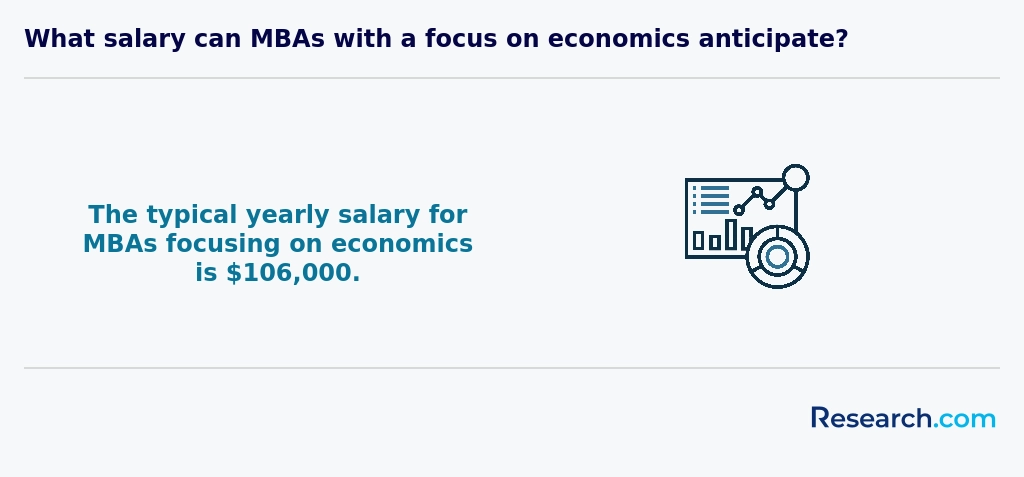
MBA programs in Cambridge, particularly at renowned institutions like Harvard Business School, focus on core courses essential for mastering business leadership. Graduates often highlight how classes in Financial and Managerial Accounting sharpened their ability to interpret financial statements during real company consulting projects, allowing them to confidently advise clients on budgeting and cost control.
Corporate Finance courses cover capital budgeting and risk management, providing students with practical frameworks used in investment decisions. Marketing Management develops skills in customer analysis and strategic branding, which graduates frequently apply when launching startups or working with local businesses around Boston.
Operations Management teaches supply chain and process optimization techniques, directly relevant to internships many secure with Cambridge-area firms. Courses in Organizational Behavior and Leadership prepare students to lead diverse teams through complex challenges, a strength that alumni credit for their success in fast-paced environments.
Business Strategy integrates competitive advantage and industry analysis, enabling students to craft actionable plans during case competitions and experiential learning modules unique to Cambridge's business ecosystem.
Electives such as Entrepreneurship and Data Analytics allow tailored learning paths, helping graduates align their studies with specific career ambitions in this vibrant academic hub.
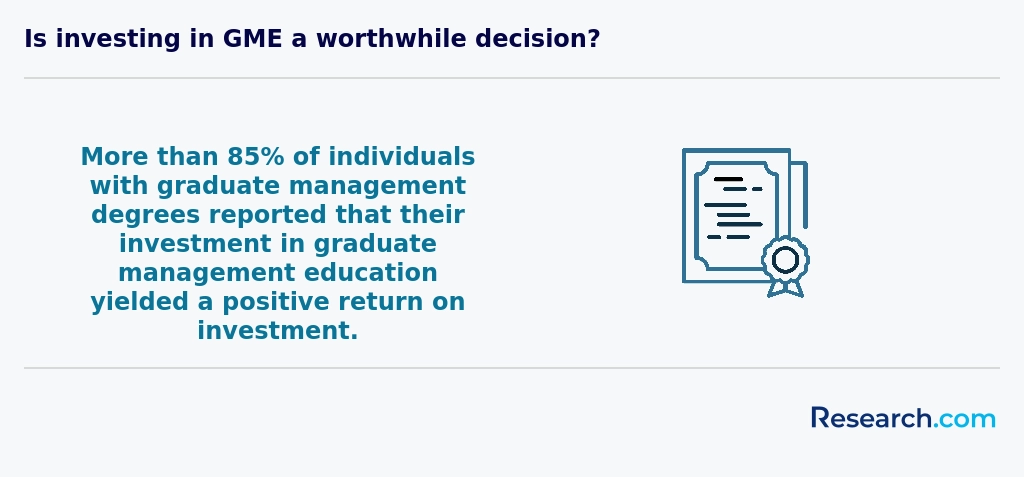
MBA specializations offered in Cambridge reflect the city's dynamic economic landscape and academic strengths. Graduates from popular universities in Cambridge often choose Finance, focusing on corporate finance, investment strategies, and risk management-skills crucial for careers in banking and financial consulting. Others pursue Technology Management, leveraging the city's innovation ecosystem to excel in managing tech startups and entrepreneurial ventures.
Healthcare Management is another sought-after concentration, preparing students for leadership roles in hospitals and pharmaceutical companies, combining healthcare policy with operational expertise. Entrepreneurship is a vibrant specialization in Cambridge, where students learn to develop business models and launch startups, inspired by the city's strong support for innovation. Marketing focuses on consumer behavior and digital strategy, equipping graduates for roles in advertising and brand management.
To find the right fit, prospective students should consider their career goals and professional background. Many discover advantages in opting for accelerated mba colleges, which offer efficient paths tailored for their ambitions, combining skill-building with access to Cambridge's network. Exploring these options can make your MBA journey both practical and rewarding.
When choosing the best MBA degree in Cambridge, start by focusing on programs that align with your career ambitions and lifestyle. Graduates from popular Cambridge colleges often highlight the benefit of selecting courses with flexible formats, such as part-time or accelerated one-year options, which help balance work and study commitments effectively.
Understanding the total expense is crucial. MBA programs in this area typically cost between $60,000 and $85,000, and living expenses in Cambridge can elevate the overall budget significantly. Graduates recommend comparing tuition fees alongside potential career outcomes to ensure a solid return on investment, especially when exploring affordable MBA degree options Cambridge offers.
Check for strong industry connections and AACSB accreditation, which many top-tier Cambridge MBAs provide. Such credentials give you confidence in the program's quality and open doors to valuable internships and job placements, as often shared by recent alumni. Additionally, for students interested in diversifying their skills, you might find insights by exploring the best dental hygiene majors, offering a perspective on specialized fields related to business healthcare management.
Finally, take advantage of career support services at Cambridge institutions. Graduates frequently praise coaching and employer networks that enhance employment prospects, making the investment in an MBA a rewarding step towards professional growth in local and global markets.

MBA graduates from Cambridge universities often find diverse career paths that leverage the city's unique academic and business environment. Many secure leadership roles in technology management within software and biotech companies located in Kendall Square. Graduates describe exciting opportunities to lead innovative projects, applying strategic management skills learned during their studies to real-world challenges.
Consulting is a favored path, with many Cambridge MBA alumni joining top firms in Boston and Cambridge. Their business analysis and problem-solving expertise, honed through rigorous coursework, makes them highly competitive. The strong alumni networks and partnerships between colleges and firms enhance their employment prospects in this space, illustrating clear MBA career opportunities in Cambridge.
Finance roles in investment banking, asset management, and venture capital are common, offering salaries between $100,000 and $130,000 to newly minted MBAs. Some graduates also pursue healthcare administration, benefiting from Cambridge's biotech and life sciences presence.
For those interested in entrepreneurship, Cambridge fosters a robust startup ecosystem. MBA students frequently engage in incubator programs and receive mentorship, enabling them to transform ideas into successful ventures. Many find that combining practical skills with local networking accelerates their career growth.
Students considering specialized knowledge may also explore complementary qualifications; for example, understanding accounting fundamentals through accounting school requirements Florida can enhance their marketability in finance or consulting roles.
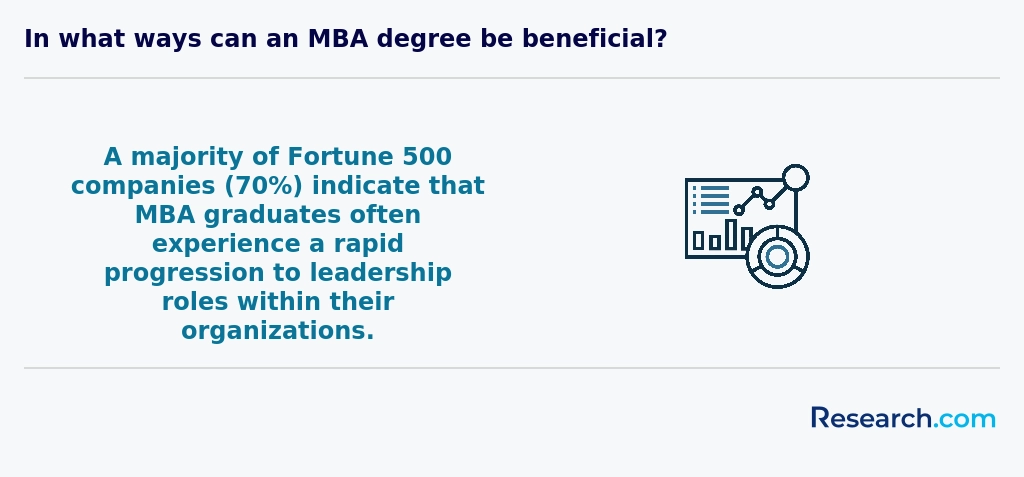
MBA graduates in Cambridge enjoy a thriving job market thanks to the city's status as a renowned hub for technology, finance, and health care. Graduates from institutions like Harvard Business School or MIT Sloan frequently secure roles in technology startups or financial services firms in the greater Boston area, making this region one of the most attractive for MBA job opportunities in Cambridge. Many alumni share how their degree opened doors to dynamic careers in sectors such as biotechnology and life sciences.
Starting salaries around $115,000 reflect strong employer demand and the city's robust economic environment. Networking is a key advantage here: numerous campus recruitment events and active alumni groups help students connect with potential employers and internships, deeply enhancing career prospects.
For prospective MBA students concerned about tuition, competitive programs near Cambridge range from $60,000 to $80,000 annually, but many find this a worthwhile investment given the strong hiring prospects and emerging tuition reimbursement programs. To explore additional related academic options, consider checking out local accounting schools inFlorida.
Cambridge MBA career prospects continue to brighten, with ongoing professional growth opportunities fueling optimism among recent graduates.
2027 Best MBA Degree Programs Ranking in Cambridge
Investing in your education is a significant decision that can greatly influence your career trajectory, and the Research.com team recognizes the importance of making well-informed choices. To support prospective students exploring opportunities in Cambridge, we have carefully developed the "2027 Best MBA Degree Programs Ranking in Cambridge." Our dedication to quality, credibility, and accuracy is demonstrated through thorough research and analysis underpinning this ranking.
We utilized the following reputable data sources to ensure a comprehensive evaluation of MBA programs:
By reviewing this ranking, readers will receive valuable insights into the top MBA programs in Cambridge, empowering them to choose the best educational path aligned with their goals. For a detailed explanation of the ranking process, please visit our Research.com methodology page.


Frequently Asked Questions About MBA
MBA students in Cambridge can enhance their learning by actively engaging in both classroom and extracurricular activities. Networking is essential; Cambridge hosts many business and tech events where students can connect with industry leaders. Participation in case competitions and consulting projects offers practical experience beyond theory. According to the Graduate Management Admission Council, 72% of MBA graduates who engaged in internships secured higher salaries post-graduation. Utilizing university career services and mentorship programs can deeply enrich learning, providing personalized guidance. Additionally, students should leverage access to local startups and research centers for hands-on projects, which complements traditional MBA coursework effectively.
The landscape of MBA programs is evolving rapidly, with emerging niches reflecting shifts in industry demand and technological advances. In Cambridge, MBA candidates are increasingly drawn to specialties such as data analytics, sustainability management, and healthcare innovation. For example, a 2023 report by the Graduate Management Admission Council (GMAC) highlighted that 34% of MBA programs now offer focused tracks in data-driven decision making, appealing to tech-savvy professionals.
Additionally, sustainability-focused MBAs address growing corporate responsibility trends and the green economy, gaining traction among Cambridge students. Healthcare innovation programs leverage Cambridge's proximity to leading medical institutions, preparing graduates for leadership roles in health tech. These niches align well with market needs, offering graduates strategic advantages in competitive fields.
Preparing for the job market after completing an MBA degree in Cambridge involves several strategic steps. Graduates should leverage the Central Career Services Office, which offers tailored employment support and networking events with over 300 global employers annually, according to the University of Cambridge Careers Service 2023 report.
Internships and consulting projects during the MBA are crucial, as data from Poets&Quants (2023) show 85% of Cambridge MBA students secure employment within three months of graduation, often through these experiences.
Mastering soft skills like leadership and communication is essential as employers highly value these abilities alongside technical expertise.
Employers seeking MBA graduates from Cambridge prioritize a strong combination of leadership and analytical skills. According to recent data from the Graduate Management Admission Council (GMAC), over 75% of recruiters value strategic thinking and problem-solving abilities highly in candidates. Cambridge MBA programs emphasize these traits through case studies and experiential learning.
Communication is another top skill employers demand. MBA graduates must effectively convey ideas across diverse teams and stakeholders, a requirement underscored in reports by the MBA Career Services & Employer Alliance (MBA CSEA). Cambridge MBA graduates consistently score well in teamwork and interpersonal skills, reflecting the program's collaborative environment.
Technical proficiency, including data analysis and financial acumen, is increasingly critical. The Financial Times highlights that Cambridge MBAs possess robust quantitative skills, aligning with the growing use of data-driven decision-making in U.S. businesses.
Finding internships in Cambridge relevant to an MBA degree involves leveraging both university resources and local industry connections. Many Cambridge MBA programs, including those affiliated with Harvard and MIT, offer dedicated career services that assist students in securing internships. According to the Graduate Management Admission Council, about 60% of MBA students nationwide obtain internships through university channels.
Networking events, job fairs, and alumni associations in Cambridge play a crucial role. Students benefit from participation in on-campus recruiting drives where top firms from finance, consulting, and technology sectors seek MBA interns.
Moreover, Cambridge's proximity to Boston's robust business ecosystem expands internship opportunities. Students should actively use platforms like Handshake and LinkedIn to identify and apply for internships tailored to MBA skill sets and career goals.
An MBA degree in Cambridge significantly enhances career mobility and advancement for professionals. According to the Graduate Management Admission Council (GMAC), over 80% of MBA graduates report meaningful career improvements within three years of graduation. Cambridge's proximity to leading technology firms and startups creates a unique job market where MBA graduates can leverage advanced business skills.
Employers in Cambridge value the strategic thinking and leadership training gained during an MBA. Data from the Princeton Review shows a 25% average salary increase for MBA holders in the region compared to those with only undergraduate degrees. Networking opportunities within Cambridge's business community also open doors to senior management roles.
Studying for an MBA degree in Cambridge equips students with skills essential for interdisciplinary roles by integrating business knowledge with insights from technology, innovation, and management sciences. Cambridge's close connection with leading industries and research institutions allows students to collaborate across different fields. According to the Cambridge Judge Business School, over 30% of their MBA students come from STEM backgrounds, reflecting the program's strong interdisciplinary focus. Coursework includes case studies, group projects, and experiential learning designed to develop problem-solving abilities across sectors. This approach enhances graduates' capacity to manage complex challenges in diverse professional environments within the US and globally.
When choosing between a thesis and a non-thesis MBA program in Cambridge, consider your career goals and learning preferences. Thesis-based MBAs typically emphasize research and require completion of an extensive project. This path is ideal for students interested in academic careers or roles demanding strong analytical skills.
Non-thesis programs focus on coursework and practical training, suited for professionals aiming to advance in management or entrepreneurship quickly. In Cambridge, where many MBAs are offered by institutions like Harvard Business School, non-thesis formats are common and valued by employers.
According to the U.S. Department of Education, thesis programs may take longer to complete but provide deep subject mastery.
Students based in Cambridge who are interested in studying an MBA abroad primarily consider programs in the United States, given the country's global reputation for business education. Top U.S. schools like Harvard, Stanford, and Wharton offer full-time, part-time, and executive MBA options, catering to varying career stages. According to the Graduate Management Admission Council, approximately 45% of international MBA students in the U.S. come from Europe, highlighting the US as a prime destination for global MBA study.
Many students from Cambridge also explore joint or dual-degree programs, allowing them to study part of their MBA in the UK and part in the U.S. This option provides global exposure with recognized credentials on both sides. When planning to study abroad, candidates should consider visa regulations, application timelines, and potential scholarships, which vary widely across American institutions.
Cambridge, Massachusetts, offers diverse part-time job opportunities that can complement an MBA degree education effectively. Many MBA students find roles in local startups, especially in the technology and biotech sectors, allowing them to apply strategic and financial skills in real-world environments. According to a 2023 report by the Cambridge Innovation Center, over 1,000 startups operate locally, creating varied consulting and project management roles.
Additionally, MBA students often seek internships or part-time positions at consulting firms and financial institutions located in the Greater Boston area, gaining valuable industry insights. Roles in university research centers also provide exposure to data analysis and business development.
MBA students in Cambridge benefit from extensive networking opportunities through the city's proximity to leading universities and vibrant business communities. Many programs, such as those affiliated with Harvard Business School or MIT Sloan, offer access to alumni networks exceeding tens of thousands of professionals globally. These connections facilitate internships, mentorships, and job placements in top firms.
Students also engage in numerous industry events, speaker series, and career fairs hosted by both academic institutions and local business organizations. According to the Graduate Management Admission Council, these activities significantly enhance professional growth and employment prospects for MBA candidates.
Alumni networks offer significant advantages to MBA students in Cambridge, providing valuable career resources and professional connections. Graduates from local MBA programs often join active alumni groups, which facilitate mentorship opportunities and exclusive job postings. According to the Cambridge MBA Alumni Association, over 75% of graduates reported that their network directly assisted in securing employment within six months of graduation.
These networks also host frequent events and workshops, encouraging knowledge sharing and collaboration among current students and alumni. This ongoing engagement helps MBA students expand their business insights and access industry leaders. For prospective and current students, strong alumni ties can be crucial for launching successful careers in competitive US industries.
Customizing an MBA degree program in Cambridge allows students to align their education with specific career goals. Many programs offer flexible electives in areas such as finance, marketing, entrepreneurship, and technology management. For example, Harvard Business School provides numerous elective courses and field-based learning opportunities that enable tailored skill development. Students can also choose between full-time, part-time, or executive MBA formats to fit their schedules and professional needs.
Additionally, opportunities for experiential learning, including internships and consulting projects with local startups or global companies, help apply classroom knowledge to real-world challenges. Career services in Cambridge typically support personalized coaching, networking, and recruitment tailored to various industries and roles. According to the Graduate Management Admission Council, 65% of MBA graduates in top programs customize their curricula to better match their career ambitions.
MBA students in Cambridge commonly face several challenges linked to the rigorous academic standards and intensive workload. According to a 2023 report from the Graduate Management Admission Council, time management is a significant issue, with over 65% of MBA candidates reporting difficulty balancing coursework, networking, and personal life. Additionally, adapting to the diverse cohort can challenge students, as Cambridge attracts professionals from varied industries and countries, requiring strong intercultural communication skills.
Financial pressure is another common concern, given the high tuition fees and living costs in the Cambridge area. Many students also report stress related to internship placement and job market competition upon graduation.
With an MBA degree from Cambridge, graduates can enhance their career prospects by pursuing several professional certifications recognized in the United States. Popular options include the Certified Public Accountant (CPA) credential for those interested in accounting and finance roles. Another widely respected certification is the Project Management Professional (PMP), which equips MBA holders with advanced skills in managing complex projects across industries. Additionally, the Chartered Financial Analyst (CFA) designation appeals to MBAs aiming for investment and financial analysis careers. According to the Graduate Management Admission Council (GMAC), MBA graduates with one or more certifications report higher salary potentials and expanded job opportunities in competitive markets.
Writing a winning application for an MBA program in Cambridge requires clear, focused preparation. Begin by thoroughly researching each program's unique values and curriculum to tailor your personal statement. Highlight your professional achievements and leadership experience, as Cambridge MBA programs value demonstrated impact and career growth. According to the Cambridge Judge Business School, average admitted candidates possess over five years of work experience and a GMAT score around 690. Ensure your essays articulate your career goals clearly and explain how the MBA fits into these plans. Lastly, strong recommendation letters from supervisors or mentors can significantly boost your profile.
The global career outlook for MBA graduates remains strong, particularly for those studying in renowned academic hubs like Cambridge. According to the Graduate Management Admission Council (GMAC) 2023 report, 89% of MBA graduates in the US secure employment within three months of graduation, with a median starting salary of $115,000. Cambridge-based MBA programs attract international recruiters from finance, consulting, and technology sectors, reflecting the degree's worldwide value.
Employers increasingly seek MBA holders who demonstrate leadership and analytical skills applicable across cultures. The US Bureau of Labor Statistics projects a 7% growth in management occupations through 2031, reinforcing positive job prospects. For Cambridge students, networking opportunities linked to tech and biotech industries provide a notable edge in the global marketplace.
Gaining practical experience while studying for an MBA degree in Cambridge is essential for career advancement. Many Cambridge MBA programs incorporate internships, consulting projects, and live case studies, allowing students to apply theoretical knowledge in real business environments. According to the 2023 Cambridge MBA Career Report, over 70% of students secure internships with leading firms across finance, technology, and healthcare sectors.
Additionally, Cambridge's strong connections with local startups and global companies offer valuable networking opportunities. Students can participate in workshops, hackathons, and entrepreneurship programs, enhancing hands-on skills. These experiences complement classroom learning and help build a robust professional portfolio.
Choosing the right concentration within an MBA program in Cambridge involves assessing your career goals and industry trends. Popular concentrations include Finance, Marketing, and Technology Management, reflecting Cambridge's strong ties to innovation and finance sectors. According to the Graduate Management Admission Council, MBA graduates with tech-related concentrations earn a 21% higher median salary nationally, which could influence your decision.
Consider programs offering experiential learning or internships to gain practical skills. Cambridge boasts access to numerous startups and established firms, enhancing opportunities in entrepreneurship or biotech management.
Review curriculum flexibility and faculty expertise to ensure alignment with your interests. The Cambridge MBA market is competitive; understanding the concentration's relevance within the local economy can guide your choice effectively.
- 2027 Best MBA Degree Programs Ranking in Boston
- 2027 Best MBA Degree Programs Ranking in Worcester
- 2027 Best MBA Degree Programs Ranking in Providence
- 2027 Best MBA Degree Programs Ranking in Springfield
- 2027 Best MBA Degree Programs Ranking in New Haven
- 2027 Best MBA Degree Programs Ranking in Albany
- 2027 Best MBA Degree Programs Ranking in Bronx
- 2027 Best MBA Degree Programs Ranking in New York
- 2027 Best MBA Degree Programs Ranking in Brooklyn
- 2027 Best MBA Degree Programs Ranking in Newark
- Master of Business Administration (M.B.A.) Major in Business Administration (General Flex Non-thesis Option) https://mycatalog.txstate.edu/graduate/mccoy-business-administration/business-genflex-nonthesis-mba/
- Oxford Said and Cambridge Judge https://www.mbamission.com/blog/oxford-said-and-cambridge-judge-which-program-is-right-for-you/
- Cambridge vs. Oxford MBA: Which Program Is Better for Your Career? https://mentr-me.com/question/cambridge-vs-oxford-mba-which-program-is-better-for-your
- Lessons learned: one year into pursuing an MBA while balancing full-time work - Franz Vitulli https://franzvitulli.com/mba-work/
- Why MBA Graduates Embrace Global Perspectives for Career Growth https://www.thehighereducationreview.com/editors-guest/why-mba-graduates-embrace-global-perspectives-for-career-growth-nid-6271.html
- How to Choose the Best MBA Program for Your Career Goals https://www.clearadmit.com/2025/05/how-to-choose-the-best-mba-program-for-your-career-goals/
- How an MBA gives you an international vision and helps you make smart decisions - AEEN https://www.aeen.org/how-an-mba-gives-you-an-international-vision-and-helps-you-make-smart-decisions/
- The Cambridge MBA Guide - Summit Careers https://www.careerswithsummit.com/blog/the-cambridge-mba-guide
- Considering applying for the Cambridge MBA? Read this first https://www.cambridgembastories.com/2024/08/22/considering-applying-for-the-cambridge-mba-read-this-first/
- What Can You Do with an MBA in Today’s Market? | Elmhurst University Elmhurst University Blog https://www.elmhurst.edu/blog/what-can-you-do-with-an-mba-in-todays-market/