2027 Best MBA Degree Programs Ranking in New York

Co-Founder and Chief Data Scientist
Looking to advance your career with an MBA in New York? This article presents the 2027 Best MBA Degree Programs Ranking in New York, created by the Research.com team of data scientists.
It's designed to help you make an informed choice when considering which MBA programs align with your goals and lifestyle.
Discover programs that offer valuable skills, networking opportunities, and growth potential.
Reading this ranking can be the first step toward unlocking new possibilities and achieving your professional dreams.
Key benefits of getting MBA degree in New York
- Graduates with an MBA degree typically enjoy higher salaries in New York, with many business-related roles offering attractive pay compared to other fields, helping you reach your financial goals faster.
- A New York MBA graduate from a top school may pursue diverse careers like finance, marketing, or entrepreneurship, opening doors to exciting and rewarding opportunities.
- Completing an MBA online from a recognized New York university offers flexibility and convenience, allowing you to balance work and study while still gaining valuable connections and skills.
- 2027 Best MBA Degree Programs Ranking in New York
- What can I expect from MBA degree in New York?
- Where can I work with MBA degree in New York?
What can I expect from MBA degree in New York?
The average cost of pursuing an MBA degree in New York often ranges from $60,000 to over $100,000 for a full two-year program. This wide range reflects differences between institutions such as Columbia University and New York University's Stern School of Business, where many graduates recount significant tuition expenses but also emphasize the value of strong career outcomes and robust alumni networks. For example, graduates from these programs frequently note how access to top-tier internships and corporate connections justifies the investment, especially when considering the competitive salaries that follow.
While the sticker price may seem high, many students find scholarships, fellowships, and employer sponsorships that soften the financial burden. These opportunities often shape students' decisions, making the cost more manageable and reflecting the schools' commitment to diverse economic backgrounds.
Moreover, students describe the tangible benefits of practical projects and consulting work linked to New York's dynamic economy, which help translate educational costs into real-world professional gains. The overall experience, from networking events to career services, often leaves graduates feeling confident about their investment despite the steep upfront fees.
Where can I work with MBA degree in New York?
MBA graduates from institutions like NYU Stern and Columbia Business School often find themselves drawn to New York's vibrant finance sector, where roles at firms such as JPMorgan Chase or Goldman Sachs offer both challenge and reward. Many describe the fast-paced environment as exhilarating, providing them with daily opportunities to apply leadership and analytical skills acquired during their studies.
However, employment is not limited to finance; graduates with a tech-focused MBA frequently join startups in Silicon Alley or multinational corporations like Google's NYC office. The appeal lies in driving innovation and managing product development-experiences that many find deeply fulfilling as they witness their strategic decisions shaping real-world technology.
Healthcare management also attracts MBA holders interested in improving complex systems, working in hospitals or research centers around the state. The challenge here is balancing operational efficiency with patient care, an area where business expertise truly makes a difference.
Consulting firms such as McKinsey or Deloitte present another common pathway, especially for those who enjoy diverse projects across sectors like retail and government. Graduates often highlight the intellectual stimulation and variety as key motivational factors, though they also note the need for resilience in demanding environments.
MBA graduates in New York can anticipate starting salaries typically ranging from $110,000 to $135,000, influenced by the industry and prior experience. For example, graduates from top business schools like Columbia Business School and NYU Stern often report securing offers on the higher end of this scale, especially within finance, consulting, and technology sectors.
While exact salary data from the U.S. Bureau of Labor Statistics is not available for many MBA-related roles, practical insights from New York city's corporate recruiters suggest managerial positions hold median annual wages exceeding $120,000. Financial and marketing managers report median wages around $143,000 and $140,000 respectively, reflecting strong earning potential for MBA holders.
Graduates frequently share experiences of receiving performance bonuses and stock options, adding significant value beyond base pay. Senior professionals at large corporations often exceed six-figure salaries, sometimes reaching beyond $180,000 in roles like senior project management or product leadership, illustrating clear upward mobility in New York's competitive market.
Studying MBA locally offers unique access to these opportunities thanks to the robust business ecosystem and networking available through prestigious New York institutions, making the financial prospects both exciting and attainable.
- The average total cost of an MBA degree in New York ranges from $80,000 to $120,000, including tuition, fees, and living expenses.
- Starting salaries for recent MBA graduates in New York range between $95,000 and $130,000, with higher pay in finance and consulting sectors.
- Experienced MBA professionals in New York can earn salaries exceeding $150,000 annually.
- The job market is strong, with many companies recruiting MBA graduates for leadership and specialized roles.
- New York MBA programs offer part-time, full-time, and executive options to fit different schedules and career needs.
- Top MBA programs require competitive GMAT/GRE scores, professional experience, and a clear career vision for admission.
Completing an MBA degree in New York varies widely depending on the chosen program. Many graduates from institutions like NYU Stern or Columbia Business School share that full-time MBAs typically require about two years, which allows deep immersion in coursework and networking on campus. However, some found accelerated programs appealing for their intense 12 to 18-month schedules, emphasizing efficiency and faster entry into the workforce, though they warn of the demanding pace and limited downtime.
Others who juggle careers often pursue part-time MBAs offered by schools such as Baruch College's Zicklin School of Business. These programs commonly span around three years but provide the crucial flexibility of evening or weekend classes, enabling students to balance family and work obligations without sacrificing progress.
Executive MBA graduates in New York often appreciate the 18 to 24-month duration that fits their busy professional lives, focusing on leadership development while maintaining job responsibilities. Yet, experiences differ, with some leveling up faster thanks to transfer credits or choosing non-thesis options.
New York City’s MBA programs offer more than rigorous academics-they immerse students in a vibrant ecosystem of extracurriculars, networking events, and cultural experiences. From case competitions hosted by top finance firms to leadership workshops at alumni-run incubators, campus life in New York blends professional growth with personal enrichment. Students can join dozens of clubs-such as the Finance & Investment Club at NYU Stern or the Entrepreneurship Society at Columbia Business School-to collaborate on real-world projects and attend exclusive speaker series. Weekend treks to Wall Street, group dinners in SoHo, and hackathons at corporate headquarters foster camaraderie and expand professional networks. On-campus resources like dedicated career centers, mentorship programs, and innovation labs provide continuous support, ensuring students translate classroom theory into practical skills. Housing ranges from university-managed residences in Manhattan to shared apartments in Brooklyn neighborhoods like Williamsburg, allowing for budget flexibility and cultural exploration. For those seeking alternative formats or aiming to reduce living costs, consider our Low Cost Online Master's in MBA Degree Programs Ranking in Iowa, which highlights programs designed for working professionals. Whether you thrive in the fast-paced energy of campus hubs or prefer the flexibility of online study, New York’s MBA experience is tailored to foster both academic excellence and lifelong connections.
Online and on-campus MBA programs in New York differ notably in format and experience, which shapes students' daily lives and outcomes. Graduates from Columbia Business School or NYU Stern often recall the energizing campus atmosphere-engaging in spontaneous discussions after class or attending exclusive networking events on-site. This face-to-face interaction can create a strong sense of community and immediate access to professors.
Meanwhile, those completing their MBA online through Baruch College or Pace University highlight the flexibility to juggle work and study, appreciating asynchronous lectures and virtual group projects. This flexibility supports students balancing family or demanding jobs without sacrificing career progress.
Cost is another clear difference: in-person programs at private New York schools can exceed $120,000 in tuition, whereas online options typically save 25-40%, making them attractive for budget-conscious professionals.
While on-campus programs may open slightly more doors through traditional networking, online graduates experience growth in digital skills and remote work readiness-reflecting evolving employer preferences in New York's fast-changing business landscape.
An MBA in New York, NY, represents a significant financial commitment, but understanding the return on investment (ROI) can clarify the true value of this degree. With average annual tuition exceeding $80,000 and living expenses in the city often adding another $30,000 per year, prospective students should consider not only starting salaries-commonly between $100,000 and $150,000-but also long-term salary growth and net payback period. On average, MBA graduates in New York recoup their tuition and living costs within three to five years of full-time employment, thanks to accelerated career progression and substantial bonus structures in finance and consulting roles. Beyond traditional on-campus programs, exploring lower-cost online alternatives can further optimize ROI. Many working professionals balance their current salary with part-time coursework, reducing opportunity costs. For those seeking affordable yet reputable online options, research highlights the Low Cost Online Master's in MBA Degree Programs Ranking in Iowa, where average tuition rates are 40–60% lower than top New York institutions. By comparing program costs, delivery formats, and alumni outcomes, candidates can project personalized payback timelines more accurately. To maximize long-term financial impact, applicants should leverage employer tuition reimbursement, scholarships, and graduate assistantships, which can shorten the payback period by up to two years. Additionally, targeting roles in high-growth sectors-such as consulting, technology, and healthcare management-can yield annual salary increases of 10–15%, compounding the ROI over a 10-year career horizon. Carefully evaluating these factors ensures informed decision-making and a clear roadmap to financial success post-MBA.
The average MBA degree cost in New York shows notable variation depending on the school and residency status. According to recent data, the median total cost for completing an MBA in New York is approximately $43,074, with in-state students benefiting from a lower median cost near $23,725. Graduates from well-known schools like Columbia Business School or NYU's Stern frequently share how the combination of tuition and living expenses in New York drives the overall investment higher than many other states.
Many students reflect on the immersive urban experience combined with the demanding coursework, emphasizing that the total cost of MBA programs New York students face includes not just tuition but also significant living expenses. New York City's housing market and daily expenses often add $25,000 or more per year, a reality echoed by working professionals managing studies with part-time or executive MBA options. While these flexible programs offer the chance to earn while learning, their per-credit cost can vary, making it essential for each applicant to carefully assess their budget and program fit.
Fortunately, there are ways to mitigate costs through scholarships, employer sponsorships, and financial aid. Exploring options among affordable mba schools in new york can be a strategic move for prospective students aiming to maximize educational value without compromising their financial stability or career goals.

Financial aid for MBA students in New York often comes in various forms, each with its own advantages and challenges. Graduates from schools like NYU Stern and Columbia Business School frequently share that merit-based scholarships or fellowships significantly reduce tuition costs, sometimes covering a substantial portion when academic achievements or leadership qualities align with the school's criteria. However, competition for these awards is intense, making planning essential.
Another common route is graduate assistantships, which provide both tuition remission and stipends. Several students recall balancing demanding teaching or research responsibilities with their coursework, appreciating the financial relief but acknowledging the time commitment required. Additionally, employer sponsorship is a vital option in New York's robust corporate sectors such as finance and consulting, where professionals often feel motivated and supported by companies investing in their advanced education.
Federal loans like Direct Unsubsidized and Grad PLUS loans remain accessible to many, though graduates caution about eventual repayment burdens. Some turn to private loans, which, while useful, carry higher interest and less flexible terms. Lastly, state grants for New York residents may help, but these are less common for graduate studies, reminding prospective students to carefully explore each school's aid resources alongside budgeting for New York City's high living costs.
When pursuing an MBA in New York, one of the critical factors to consider is the cost of the program. With tuition fees ranging widely among institutions, understanding the financial implications of your decision is essential. For those on a budget, exploring affordable mba schools in new york can be a strategic move. This approach not only helps in managing educational expenses but also in maximizing the return on investment. Many affordable MBA programs in New York offer a balance of academic rigor, practical experience, and networking opportunities, making them attractive alternatives to more expensive options. By evaluating these programs based on factors such as curriculum quality, faculty expertise, and alumni success, prospective students can make informed decisions that align with their financial situation and career aspirations.
To enroll in an MBA program in New York, a bachelor's degree from an accredited institution is essential, though the field of study is often flexible. Graduates from Columbia Business School frequently share how their diverse academic backgrounds-from engineering to economics-created dynamic classroom interactions, underscoring that strict specialization is not always mandatory.
Standardized tests like the GMAT or GRE remain common requirements, with top schools expecting competitive scores; Columbia's average GMAT score is around 720. However, some students note recent shifts toward waivers if you bring substantial professional experience, reflecting evolving admissions policies that value real-world skills.
Work experience is another critical prerequisite. Many New York MBA programs ask for two to three years of full-time employment, which helps enhance practical discussions. Graduates often recall how drawing from their careers at New York firms made their learning feel immediate and relevant.
Letters of recommendation emphasize leadership potential, usually from employers or mentors familiar with the candidate's achievements. For international students, English proficiency tests like TOEFL or IELTS are necessary unless previous education was in an English-speaking context.
Financial readiness is also key; Columbia's two-year MBA tuition exceeds $150,000, so students often explore scholarships or aid to make the investment manageable.
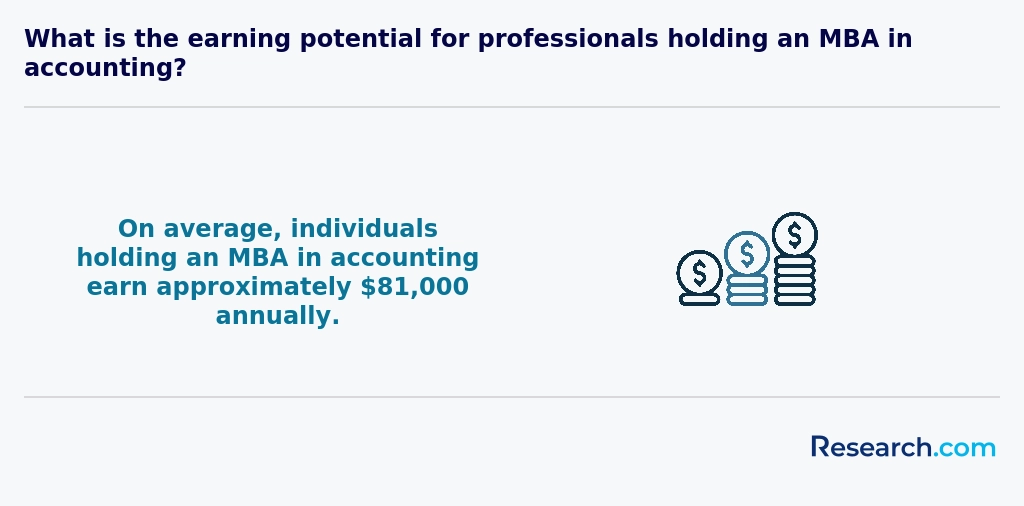
For many prospective MBA students, understanding the return on investment (ROI) is as critical as choosing the right program. This section outlines key metrics and real-world outcomes that can help you gauge whether an MBA will be a smart financial and career move. In analyzing ROI, prospective students should consider not only the tuition and ancillary costs but also the accelerated career growth, higher salary trajectories, and expanded networking opportunities that top programs typically offer in New York, NY. Detailed data on post-graduation salary increases, time to promotion, and career path transitions help illustrate the significant benefits of these programs. Moreover, for professionals seeking flexible learning options without compromising on career impact, exploring options like the shortest mba program online can offer a pathway to balance work and study while achieving remarkable ROI. This comprehensive outlook on MBA investment underscores the importance of both qualitative experiences and quantitative outcomes, empowering you to make informed and strategic educational decisions.
MBA programs in New York typically feature a set of core courses designed to build a strong foundation in essential business disciplines. Graduates from institutions like NYU Stern or Columbia Business School often reflect on how courses such as Accounting and Financial Reporting made abstract financial concepts tangible through real company case studies, helping them grasp budgeting and analysis with confidence.
Marketing Management and Strategic Management courses frequently challenge students to think critically about market positioning and long-term planning, often using team projects based on New York's dynamic industries. Operations Management teaches efficiency in business processes, which students appreciate when working on live supply chain simulations that mirror real-world complexities they'll face post-graduation.
Core classes usually expand to include Organizational Behavior and Corporate Finance, illustrating how leadership and financial decisions impact company culture and investment strategies. Electives, tailored to interests like Investment Analysis or Entrepreneurship, enrich the experience, especially in a city known for innovation and finance. These courses provide students a practical edge, with internships and consulting projects often directly connected to New York businesses, making coursework both relevant and inspiring.
Students pursuing an MBA in New York encounter a variety of specializations that reflect the city's unique economic landscape. Popular concentrations include finance, which leverages New York City's status as a global financial center, and entrepreneurship, tapping into the vibrant startup culture found in institutions like NYU and Columbia. Graduates often share positive reflections on how immersing in these fields prepares them for dynamic markets, blending theory with real-world exposure.
Marketing and technology management are also frequently chosen, aligning with New York's media industry and growing tech ecosystem. These specializations not only draw students eager to harness digital innovation but also encourage critical thinking about rapidly changing industries. Meanwhile, healthcare management answers rising demand in the healthcare sector, and supply chain management supports logistics and retail hubs.
Choosing among these options requires awareness of one's career goals and the evolving demands of New York's business environment. Some MBA students benefit from dual degrees or certificates enhancing fields like data analytics or sustainability. For those prioritizing time, exploring the shortest mba program online can provide flexibility while maintaining depth.
Choosing the best MBA degree in New York involves weighing reputation, cost, and personal goals carefully. Graduates from Columbia Business School often highlight the value of AACSB accreditation, emphasizing how it opened doors in finance hubs on Wall Street. However, such prestigious programs come with steep tuition, sometimes exceeding $125,000, which might not suit everyone's budget or career plans.
Other students find programs at institutions with strong alumni networks and accessible locations better fit their lifestyle, especially if they juggle work and study. Part-time and executive MBA formats in New York allow professionals to maintain careers while benefiting from rich consulting and entrepreneurship curricula. For those focused on affordability without sacrificing quality, exploring options and even comparing with other regions via rankings like the Low Cost Online Master's in MBA Degree Programs Ranking in Iowa can provide valuable perspective.
Ultimately, considering specialization offerings and how they align with New York's market-finance, marketing, or supply chain management-can greatly impact post-MBA success. This approach helps ensure you select one of the best MBA programs in New York 2027 that matches both your ambitions and practical needs.
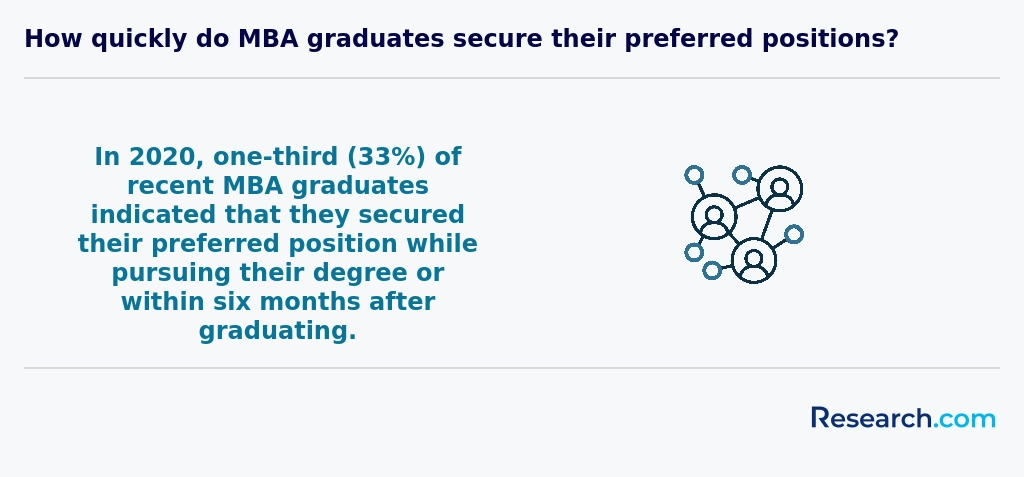
Graduates of MBA programs in New York often find that the city's diverse economy opens up numerous career paths, though these options come with varying challenges and rewards. The finance sector remains a dominant force, with banks, investment firms, and hedge funds providing roles that many MBA holders from schools like Columbia Business School eagerly pursue. These positions, ranging from portfolio management to risk analysis, appeal to graduates wanting to combine rigorous financial knowledge with the dynamic environment of Wall Street. For those focused on consulting, top firms such as McKinsey and Bain offer strategy roles that exploit an MBA's analytical and leadership skills, accessible to many alumni from New York-based programs.
Technology startups and established firms in New York also increasingly recruit MBAs for roles in product management and business development. While this sector offers exciting growth, it often demands adaptability to fast-changing environments, a point understood by emerging professionals from institutions like NYU Stern. Entrepreneurs benefit from the city's network of incubators and venture capital, but this route involves higher risk and uncertainty, reflecting the varied post-MBA paths graduates face. Those considering options might also explore how different business sectors align with their ambitions and financial goals, balancing potential rewards with personal fit.
It's important for prospective students to consider these realities when evaluating MBA career opportunities in New York. The significant tuition investment, such as the $120,000-plus average at prominent schools, emphasizes the need for strategic career planning. Insights from graduates highlight the value in understanding industry trends and skill demands, especially for those drawn to markets beyond traditional finance. For detailed information on suitable fields, one might consult resources like best college degrees to get, which offer broader perspectives aligned with individual strengths and market needs.
The job market for MBA graduates in New York remains notably strong, driven by the city's role as a global business epicenter. Graduates from popular institutions like NYU Stern or Columbia Business School often find themselves in high-demand roles across finance, consulting, and technology sectors. For instance, many graduates secure positions in investment banking or at leading consulting firms leveraging strategic and analytical skills honed during their studies. This environment creates vibrant job opportunities in New York that appeal to ambitious professionals seeking leadership roles.
Regarding New York MBA graduate salary prospects, average starting salaries typically range from $110,000 to $135,000, which is well above the national average. While the high cost of living tempers this advantage, the salary levels reflect employers' valuation of MBA-trained candidates. Graduates often report enthusiasm about the potential return on investment despite the substantial tuition fees, which can range from $60,000 to $120,000 depending on the school and program format.
Students weighing their options might also explore easy online master's programs for additional flexibility. The diverse local economy and steady job growth in management and financial roles paint a promising picture but warrant careful consideration of personal career goals and economic factors within New York's competitive landscape.
2027 Best MBA Degree Programs Ranking in New York
Investing in your education is a significant decision that can shape your future, and the Research.com team understands the importance of making well-informed choices. To support prospective students in New York, we have meticulously developed the "2027 Best MBA Degree Programs Ranking in New York." Our dedication to quality, credibility, and accuracy is demonstrated through comprehensive research and thorough analysis in compiling this ranking.
We utilized the following reputable data sources to ensure a comprehensive evaluation of MBA programs:
By exploring this ranking, readers will gain valuable insights into the top MBA degree programs in New York, enabling them to make confident and informed decisions about their educational growth. For further information on how this ranking was created, please visit our Research.com methodology page.


# 5 position
Touro University
Master of Business Administration


# 7 position
CUNY Graduate School and University Center
Master of Business Administration


# 10 position
Berkeley College-New York
Master of Business Administration

Frequently Asked Questions About MBA
Students pursuing an MBA degree in New York can enhance their learning by actively engaging with the city's extensive business ecosystem. New York hosts a high concentration of Fortune 500 companies, financial institutions, and startups, providing ample internship and networking opportunities. According to the Graduate Management Admission Council, nearly 70% of NYC MBA students secure internships during their programs, which significantly boosts practical experience.
Beyond coursework, participation in industry events, business clubs, and case competitions can deepen understanding and develop leadership skills. Leveraging alumni networks from top-ranked schools also offers valuable mentorship and career advice. Combining academic knowledge with real-world exposure is key to maximizing an MBA education in New York.
Emerging niches within the MBA field in New York reflect shifts in industry demands and technological advancements. Specialized MBA programs in data analytics, fintech, and healthcare management are rapidly growing. For example, New York's financial sector drives significant interest in fintech MBAs, addressing blockchain, digital banking, and cybersecurity.
Additionally, sustainability and social impact MBAs are expanding as companies prioritize environmental and social governance. According to the Graduate Management Admission Council, over 30% of MBA programs nationwide now include sustainability-focused courses, with several New York schools integrating these themes.
Entrepreneurship remains a strong focus, particularly with startups flourishing in the city's tech hubs. These niches provide MBA students with targeted skills, aligning education with New York's dynamic business sectors.
Preparing for the job market after completing an MBA degree in New York involves leveraging both the city's robust network and your academic credentials. New York hosts top business schools like NYU Stern and Columbia, which provide strong career services. According to the Graduate Management Admission Council, over 85% of MBA graduates secure positions within three months post-graduation.
Networking is crucial: attend industry events and connect with alumni active in finance, consulting, and tech sectors dominant in the city. Internships and part-time roles during study also enhance employability.
Developing skills in data analytics and digital marketing aligns with current employer demands in New York's competitive environment.
Employers in New York value MBA graduates who possess strong analytical and leadership skills. According to the Graduate Management Admission Council (GMAC), 85% of employers in the US prioritize candidates with effective problem-solving abilities. In New York's competitive market, communication skills are also essential, as graduates often manage diverse teams and complex projects.
Financial acumen remains critical, especially given New York's role as a global financial hub. Skills in data analysis, strategic thinking, and adaptability help graduates excel in dynamic business environments.
Soft skills such as emotional intelligence and collaboration are increasingly noted by recruiters in the region. The New York State Department of Labor highlights these as key traits for MBA hires in consulting, finance, and technology sectors.
Finding internships in New York relevant to an MBA degree involves leveraging several local resources and networking opportunities. Many MBA programs in New York City offer dedicated career services, connecting students with internships at major financial firms, consulting agencies, and tech companies. According to the Graduate Management Admission Council, about 60% of MBA students secure internships through university career centers.
Online platforms like LinkedIn and Handshake provide access to thousands of internship listings specifically in New York, tailored to MBA candidates. Additionally, attending industry conferences and business meetups can expand professional networks, crucial for landing coveted internships.
Internships often require early application, especially at top firms headquartered in New York, such as JPMorgan Chase and Deloitte. Students are advised to start their search six months before the desired internship period to maximize opportunities.
In New York, an MBA degree significantly enhances career mobility and advancement opportunities. The state's diverse economy, including finance, technology, and healthcare sectors, values the leadership and analytical skills MBA graduates bring.
According to the Graduate Management Admission Council (GMAC), over 75% of MBA holders in New York reported a job promotion within three years of graduation. Employers often prioritize MBA graduates for management roles, given their training in strategic decision-making and financial acumen.
Networking is another major advantage; many New York MBA programs connect students with industry leaders and alumni, providing access to exclusive job markets. These connections can accelerate career growth and transitions across industries.
The average salary increase post-MBA in New York is estimated at 50%, reflecting the degree's impact on earning potential and professional status, as noted by the U.S. Bureau of Labor Statistics.
Studying for an MBA degree in New York uniquely equips students for interdisciplinary roles by combining business fundamentals with diverse industry insights. New York's business schools emphasize real-world problem solving across sectors such as finance, technology, healthcare, and media. According to the Graduate Management Admission Council, 65% of MBA graduates from New York institutions report working in roles that require collaboration across multiple disciplines.
The city's dynamic economy enables access to networking opportunities, internships, and projects with companies spanning different fields. Programs often incorporate data analytics, innovation management, and leadership training, which are critical in managing cross-functional teams. This integrated approach prepares graduates to navigate complex challenges effectively in various corporate and entrepreneurial environments.
Choosing between a thesis and a non-thesis MBA program in New York depends largely on your career goals and learning preferences. Thesis programs typically require original research, which suits students aiming for academic, consulting, or research-intensive roles. Non-thesis programs focus more on practical skills through coursework and internships, appealing to those targeting immediate managerial positions.
In New York, where business is highly competitive, a thesis MBA might offer an advantage if you plan to pursue a PhD or work in analytical roles. According to the National Center for Education Statistics, about 30% of MBA students nationwide choose thesis options, which tend to extend program lengths by a semester or two.
Consider your time commitment; non-thesis MBAs often allow faster graduation. Schools like NYU's Stern and Columbia offer both tracks, so prospective students should review curriculum details and speak with advisors to align choices with career ambitions.
Students based in New York seeking to study for an MBA abroad have a variety of options, often facilitated through exchange programs and partnerships between local schools and international universities. Prominent New York institutions, such as Columbia Business School and NYU Stern, offer global study components or dual-degree options with schools in Europe, Asia, and Latin America.
According to the Graduate Management Admission Council's 2023 data, about 25% of US MBA candidates consider international experience essential, reflecting growing interest among New York students in global business education.
Additionally, many New York MBA programs support study abroad semesters, internships abroad, or executive MBA formats that include residencies overseas, enabling students to gain international exposure while maintaining ties to New York's business network.
Part-time job opportunities in New York that complement MBA education are diverse and valuable for practical experience. Many MBA students pursue roles in finance, such as analyst positions at banks or investment firms, benefiting from New York's status as a financial hub. According to the New York State Department of Labor, financial activities employ over 700,000 workers statewide, offering extensive opportunities.
Consulting firms also offer part-time internships and roles where students can apply strategic skills learned in their programs. Additionally, marketing assistant positions in Manhattan's advertising sector allow MBA students to develop client management and data analysis abilities. These roles help integrate academic knowledge with real-world business challenges.
Nonprofit organizations and startups in the city frequently seek MBA talent for project management and fundraising roles, providing diverse practical skills. Such experiences enhance leadership and networking potential, crucial for future career advancement in New York's competitive market.
New York offers MBA students extensive networking opportunities due to its status as a global business hub. Many MBA programs partner with local corporations, allowing students access to internships, corporate events, and mentorship programs. For example, institutions like NYU Stern and Columbia Business School host regular industry panels and alumni mixers that attract professionals from finance, tech, and consulting sectors.
The city's large concentration of Fortune 500 companies provides MBA students valuable contacts not easily found elsewhere. According to Poets&Quants, over 50% of NYC MBA graduates secure jobs through networking. Furthermore, professional groups such as the New York MBA Association and monthly meetups create informal environments for expanding connections.
Alumni networks play a crucial role for MBA students in New York by offering valuable career support and professional connections. New York's prominent business schools, such as NYU Stern and Columbia Business School, boast large, active alumni bases that facilitate job placements and internships. According to a 2023 report by the Graduate Management Admission Council (GMAC), 73% of MBA graduates in the US credit strong alumni networks for accessing job opportunities. These networks enable students to engage in mentorship, attend exclusive events, and gain insights into industry trends, all of which enhance employment prospects in New York's competitive market.
Customizing an MBA program in New York to align with your career goals is highly feasible due to the variety of options available at local universities. Many schools offer concentrations such as finance, marketing, entrepreneurship, or healthcare management, allowing students to focus on industries dominant in New York's economy. For example, Columbia Business School and NYU Stern provide numerous electives and experiential learning opportunities tailored to specific sectors.
Internships and networking events within New York's business hubs complement academic customization, helping students gain practical experience. Online and part-time formats also offer flexibility for working professionals.
According to U.S. News & World Report, 68% of MBA students in New York choose programs with robust specialization options to enhance their career prospects.
MBA students in New York often face significant challenges related to cost and competition. Tuition fees for many top programs average above $70,000 per year, which can strain finances even with available loans and scholarships (U.S. News & World Report, 2023). The fast-paced environment of New York's business schools also demands strong time management, as students balance rigorous coursework with networking and internships.
Intense competition among applicants and peers adds pressure, especially given New York's status as a global financial hub attracting talented professionals. Additionally, adapting to diverse cohorts and maintaining work-life balance are common hurdles reported in studies by the Graduate Management Admission Council (GMAC, 2023).
With an MBA degree in New York, graduates can pursue a range of professional certifications that enhance their career prospects. Popular certifications include the Certified Public Accountant (CPA), especially for those specializing in finance or accounting. The Project Management Professional (PMP) credential is also common for MBA holders focusing on leadership roles in project management.
Other valuable certifications are the Certified Financial Analyst (CFA) and Certified Management Accountant (CMA). These designations improve skills in investment analysis and strategic management.
New York's strong business ecosystem offers many resources for obtaining these credentials. According to the New York State Education Department, demand for CPAs continues to grow statewide, reflecting the value of such certifications for MBA graduates.
Writing a winning application for an MBA program in New York requires a clear strategy focused on showcasing your professional experience and leadership potential. Most top New York schools, such as NYU Stern and Columbia Business School, seek candidates with strong quantitative skills, typically demonstrated through GMAT or GRE scores above 700.
It's crucial to craft compelling essays that highlight your unique career goals and how the program aligns with these ambitions. Admissions committees favor candidates who articulate their vision with clarity and confidence. Additionally, strong letters of recommendation from supervisors or mentors add credible third-party endorsements of your abilities.
Applicants should also prepare thoroughly for interviews, focusing on communication skills and fit with the program culture. According to the Graduate Management Admission Council, New York applicants who emphasize leadership and community impact improve their acceptance chances significantly.
The global perspective on an MBA career emphasizes its value as a versatile and internationally recognized degree. Graduates often pursue roles in consulting, finance, and technology firms with a global reach. According to the Graduate Management Admission Council (GMAC) 2023 report, 63% of U.S.-based MBA students, including those in New York, aim for international career opportunities or roles that involve global business strategies.
New York's status as a financial and corporate hub enhances its MBA graduates' access to multinational companies. The New York University Stern School of Business and Columbia Business School both report high post-MBA employment rates in global firms. These institutions attract diverse cohorts, fostering an environment conducive to understanding international markets.
Ultimately, earning an MBA in New York can expand networking opportunities worldwide and improve cultural competencies needed in multinational environments. This global outlook remains a key reason why many pursue an MBA in top U.S. programs.
Gaining practical experience while pursuing an MBA degree in New York is achievable through various structured opportunities. Many New York business schools offer internships with local corporations, leveraging the city's status as a major financial and business hub. For instance, internships in sectors like finance, consulting, and technology provide hands-on experience and networking potential.
Additionally, programs frequently include live consulting projects where students collaborate with real companies to solve business challenges. According to the Graduate Management Admission Council, about 70% of MBA students nationally participate in internships, a figure likely mirrored in New York's competitive market.
Many schools also provide access to entrepreneurial incubators and business plan competitions, facilitating practical learning in real-world contexts.
Choosing the right concentration within an MBA program in New York involves evaluating your career goals and industry trends. New York hosts leading business schools offering specializations such as finance, marketing, technology, and healthcare management. According to the Graduate Management Admission Council, finance remains a popular choice due to New York's status as a global financial hub.
Consider your professional background and where you want to advance. If you aim for Wall Street or corporate finance, a finance concentration can provide targeted skills. Alternatively, technology and data analytics are growing fields reflecting the city's expanding tech sector.
Research school offerings and alumni outcomes available through resources like U.S. News & World Report to ensure alignment with job market demands.
- 2027 Best MBA Degree Programs Ranking in Brooklyn
- 2027 Best MBA Degree Programs Ranking in Newark
- 2027 Best MBA Degree Programs Ranking in Bronx
- 2027 Best MBA Degree Programs Ranking in New Haven
- 2027 Best MBA Degree Programs Ranking in Philadelphia
- 2027 Best MBA Degree Programs Ranking in Scranton
- 2027 Best MBA Degree Programs Ranking in Springfield
- 2027 Best MBA Degree Programs Ranking in Albany
- 2027 Best MBA Degree Programs Ranking in Providence
- 2027 Best MBA Degree Programs Ranking in Worcester
- Tips for Writing an MBA Program Essay - GMAT Ninja https://www.gmatninja.com/articles/mba-admissions/essays-and-applications/minimizing-mba-application-essay-agony/
- Why Alumni Networks Matter in Business School: 7 Reasons https://europe.ceibs.edu/article/why-alumni-networks-matter-business-school
- Skills Employers Look for in Business Graduates – EU Business School https://www.euruni.edu/blog/skills-employers-look-for-in-business-graduates/
- How to Use Your MBA for Career Growth While You’re Still Studying - International Career Institute USA https://icieducation.com/blog/how-to-use-your-mba-for-career-growth-while-youre-still-studying/
- How To Write An MBA Admissions Essay That Stands Out? https://www.personalmbacoach.com/mba-essay-guiding-principles/
- What Are the Career Opportunities After a Global MBA? https://www.eaebarcelona.com/en/blog/global-mba-career-opportunities
- Top Challenges for MBA Students in 2025: Placements and Career Growth in India | BeJobbed.com https://bejobbed.com/challenges-mba-students-placements-career-growth-india/
- Top MBA programs with the best alumni networks in the world - MBA Crystal Ball https://www.mbacrystalball.com/blog/2025/07/07/top-mba-programs-with-the-best-alumni-network-in-the-world/
- What Can You Do with an MBA in Today’s Market? | Elmhurst University Elmhurst University Blog https://www.elmhurst.edu/blog/what-can-you-do-with-an-mba-in-todays-market/
- 5 Tips on How to Choose the Best MBA Concentration https://www.pointloma.edu/resources/business-leadership/5-tips-how-choose-best-mba-concentration