
2027 Best MBA Degree Programs Ranking in Newark

Co-Founder and Chief Data Scientist
Choosing the right MBA program can shape your future career and open doors to new opportunities. This article introduces the 2027 Best MBA Degree Programs Ranking in Newark, developed by the Research.com team of data scientists. Their careful analysis helps you discover the top programs worth considering in your area.
By exploring this ranking, you can make an informed decision that aligns with your goals and aspirations. Earning an MBA is a rewarding journey that builds skills, confidence, and professional connections. Let this guide support you on that exciting path.
Key benefits of getting MBA degree in Newark
- While specific salary data for Newark MBA graduates is unavailable, MBA holders in the US typically enjoy strong earning potential, with median salaries often ranging from $80,000 to over $120,000 depending on industry and experience.
- Graduates from Newark's well-known universities often pursue diverse careers in finance, marketing, and management, unlocking opportunities in both established companies and innovative startups.
- Online MBA graduates from Newark-based institutions benefit from flexible schedules and cost savings, allowing them to balance work and study while gaining valuable skills to advance their careers confidently.
- 2027 Best MBA Degree Programs Ranking in Newark
- What can I expect from MBA degree in Newark?
- Where can I work with MBA degree in Newark?
What can I expect from MBA degree in Newark?
The average cost of an MBA degree in Newark, particularly at Rutgers Business School Newark, typically ranges from $30,000 per year for in-state students to around $40,000 per year for those coming from out of state. These figures reflect the 2023-2024 academic year and represent a significant investment in a high-quality education.
Graduates often recall the value of this expenditure, highlighting how the access to experienced faculty and strong connections with local businesses made the cost worthwhile. Many balance tuition expenses with financial aid and scholarships, but competition is strong, requiring timely preparation and application.
For working professionals enrolled part-time, the total cost can be spread over three years, making the financial commitment feel more manageable. Students appreciate the flexibility this offers, especially when combined with hands-on projects and internships facilitated by the university's ties to Newark's vibrant business community.
Ultimately, although the tuition is significant, the post-graduation employment rates and starting salaries frequently reassure students that their investment aligns with career growth and opportunity in Newark's competitive market.
Where can I work with MBA degree in Newark?
MBA graduates in Newark find diverse career opportunities across finance, technology, healthcare, and consulting industries. Many alumni from institutions like Rutgers Business School benefit from proximity to major financial hubs, securing roles in investment analysis, corporate strategy, and management at companies such as Prudential Financial. These positions offer competitive salaries, reflecting strong local demand for advanced business expertise.
Technology startups and established firms also actively recruit MBA holders for leadership roles in product management and business development. Graduates often describe an exciting work environment fueled by Newark's focus on innovation and economic growth, providing real-world experience in fast-paced settings.
Healthcare management is another promising area, with MBAs supporting hospitals like University Hospital by blending business acumen with sector-specific knowledge. Students often highlight how tailored coursework enhances their readiness for these roles.
Consulting firms and professional services maintain a steady demand for MBA graduates, who apply strategic thinking and operational skills to regional offices in Newark, making meaningful impacts on logistics and supply chain projects.
Overall, Newark's vibrant economy and strong institutional networks create rewarding pathways for MBA graduates seeking careers aligned with their ambitions.
Graduates holding an MBA degree in Newark typically see strong earning potential, reflecting the city's vibrant business environment. For instance, MBA holders from Rutgers Business School often experience salary premiums, with entry-level graduates starting around $70,000 to $80,000 annually. Mid-level managers in Newark with an MBA usually earn between $95,000 and $115,000, benefiting from the city's growing demand for skilled business professionals.
In sectors like finance, consulting, and management, salaries often exceed $110,000, with senior executives frequently surpassing $130,000 a year. Graduates working in technology or healthcare management roles report typical salaries near $105,000. These figures stem from the dynamic local economy, where networking opportunities through Newark's universities substantially enhance career advancement.
Successful MBA graduates describe the value of their degree as transformative, enabling rapid professional growth within five years of graduation. The combination of a respected Newark-based MBA program and local industry connections contributes significantly to these competitive salaries.
- The cost of an MBA in Newark ranges from $40,000 to $70,000 for full-time programs, with additional living expenses to consider.
- MBA graduates in Newark have an average starting salary of about $85,000, which can rise to over $130,000 mid-career.
- Applicants typically need two to three years of professional experience, though some programs accept less experienced candidates.
- Common MBA concentrations include finance, marketing, entrepreneurship, and supply chain management.
- Admission usually requires GRE or GMAT scores, transcripts, letters of recommendation, and a statement of purpose.
Completing an MBA degree in Newark typically takes about two years for full-time students attending well-known institutions such as Rutgers Business School or New Jersey Institute of Technology's business programs. Graduates often recall this period as intensive yet rewarding, with a structured schedule encompassing four semesters of rigorous coursework. For working professionals enrolled part-time, the duration extends to three to five years, allowing them to juggle demanding careers and family responsibilities while progressing steadily toward their degree.
Accelerated MBA programs in Newark offer an alternative for those seeking a swift return to the workforce, often finishing in 12 to 18 months by attending year-round sessions, including summer terms. Executive MBA students, attending weekend or evening classes designed for busy schedules, complete their studies within 18 to 24 months. Alumni from these programs often express satisfaction with the flexibility and balance they achieved during their studies at prominent Newark business schools.
When evaluating MBA programs in Newark, NJ, prospective students face a multitude of options, each with its unique strengths and specializations. A crucial step in making an informed decision is understanding the factors that distinguish between programs. For instance, the cost of attending an MBA program can significantly vary, with some institutions offering more affordable options than others. Students interested in exploring the most economical choices can look into the cheapest mba programs in new jersey, which can provide a valuable starting point for their research. By delving into the specifics of each program, including curriculum, faculty expertise, and networking opportunities, students can gain a clearer picture of which program best aligns with their career aspirations and financial situation. This comprehensive approach allows students to make a well-informed decision, ultimately setting them on the path to achieving their professional goals.
Online and on-campus MBA programs in Newark differ primarily in delivery and student experience. On-campus students at institutions like Rutgers Business School engage in face-to-face learning, benefiting from immediate access to faculty, campus facilities, and vibrant networking events. Graduates recall the energizing atmosphere of in-person discussions and internships, which foster tangible professional connections and structured routines that enhance focus.
Conversely, online MBAs, such as those offered by Seton Hall University, provide greater flexibility for working professionals balancing careers and family. Students appreciate the ability to access coursework anytime, reducing commuting stress and allowing personalized pacing. While some online learners feel isolated, many programs now incorporate live webinars and local residencies to build community and interaction.
Cost differences also impact decision-making. Rutgers' on-campus MBA tuition for residents hovers around $46,000, whereas online options often lower expenses by 15-30% by eliminating campus fees. This balance between flexibility, cost, and networking opportunities shapes each student's ideal MBA path in Newark.
Evaluating the return on investment (ROI) of an MBA in Newark, NJ is essential for balancing educational costs against long-term career gains. On average, Newark MBA graduates invest between $50,000 and $75,000 in total tuition and fees, and can expect starting salaries of $70,000 to $100,000-translating to a typical payback period of 2–3 years. Specializations in finance or consulting often yield higher salary uplifts, reducing break-even time to around 18–24 months. When calculating ROI, consider:
- Total Cost of Attendance: Factor in tuition, fees, living expenses, and opportunity costs of full-time study.
- Expected Salary Increase: Use conservative estimates based on local salary surveys, adjusting for industry demand.
- Career Services Impact: Robust career centers and alumni mentorship programs can accelerate job placement, shortening ROI timelines.
- Flexible Learning Formats: Part-time and online MBAs allow continued earnings during study, effectively lowering net cost. Prospective students seeking to optimize ROI by minimizing tuition outlay should compare on-campus and online offerings. For a curated list of budget-friendly programs, explore our Affordable Online Master's in MBA Degree Programs Ranking in the Northeast, which highlights top institutions delivering strong outcomes at lower cost. By weighing these factors-investment amount, expected income growth, and program flexibility-students can project an individualized ROI and choose the MBA path in Newark that maximizes both financial returns and career advancement.
The average MBA degree cost in Newark is influenced heavily by residency status and institution type. Median total costs for MBA programs in the area sit around $57,951 for out-of-state students, while in-state students benefit from significantly reduced tuition averaging about $18,612. This disparity reflects the city's mix of public and private universities, where local residents enjoy subsidized rates making advanced business education more accessible.
Graduates often recall balancing the financial investment with the value of Newark's dynamic academic environment. For example, students enrolled at well-regarded institutions experience networking opportunities and flexible program formats like part-time or evening MBAs that fit their professional lives while managing costs effectively. These programs typically price tuition per credit, allowing students to tailor their course load and expense according to their schedules.
Beyond tuition, students should account for additional expenses such as fees, textbooks, and living costs. Newark's moderate cost of living compared to nearby cities, like New York, makes off-campus housing and day-to-day expenses more manageable, helping to contain the overall financial burden during the MBA journey.
Many prospective students also explore Online MBAreviews when considering cost-effective options widely available through Newark institutions, where digital formats often provide competitive pricing and convenience without sacrificing quality.
Considering the total cost of MBA programs Newark offers, prospective students can find affordable pathways aligned with their career goals and financial plans by leveraging local residency benefits and choosing the program format that best suits their lifestyle.
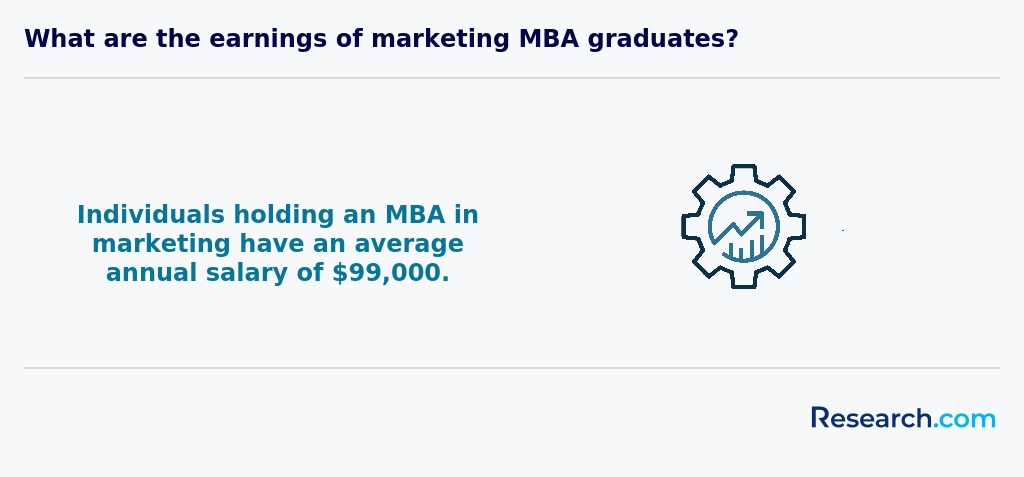
MBA students in Newark typically access financial aid through scholarships, loans, employer tuition support, and assistantships. Graduates from Newark's top business schools frequently share how merit-based scholarships, awarded for strong academic records or leadership potential, significantly eased their financial burden, allowing them to focus fully on studies without constant worry about expenses.
Federal student loans, including Direct Unsubsidized and GradPLUS Loans, remain a common and accessible avenue. These loans have competitive rates, with repayment usually deferred until after graduation, helping students manage cash flow during their programs.
Many part-time MBA candidates balance work at Newark-area companies where employer tuition assistance programs reimburse tuition costs in exchange for continued employment. This practical support enables students to advance their careers while pursuing graduate education.
Assistantships and fellowships at Newark universities provide valuable opportunities to gain teaching or research experience while receiving tuition waivers and stipends. These competitive positions are highly regarded among MBA cohorts, offering both financial relief and professional growth.
Newark’s MBA programs are not solely defined by academic rigor and career statistics; they also offer a vibrant student life and dynamic campus culture that play a vital role in personal and professional growth. Beyond the classroom, students have access to business clubs, networking mixers, leadership workshops, and cultural events that foster a sense of community and lifelong relationships. These extracurricular activities often provide hands-on experiences and real-world interactions, helping students to further hone soft skills such as teamwork, communication, and networking. Many institutions in Newark partner with local businesses and community organizations to host industry panels, mentorship programs, and internship fairs-activities that bridge the gap between academic theories and practical applications. Investors in their future frequently highlight how these campus experiences have been pivotal in setting the stage for career advancements and entrepreneurial ventures. For those seeking flexible study paths, exploring accelerated mba online programs can be an excellent alternative. These options combine the robust curriculum of traditional programs with the flexibility of digital learning environments, ensuring that students can enjoy a comprehensive educational experience regardless of their schedule. Emphasizing student life and campus culture not only enriches the MBA journey but also equips graduates with a well-rounded perspective essential for thriving in today’s competitive business landscape.
Enrolling in an MBA program in Newark typically requires a bachelor's degree from an accredited institution, which many graduates from Rutgers Business School, for example, have found to be a clear and manageable first step. Applicants usually need to present official transcripts showing a strong academic record, with a GPA around 3.0 commonly expected, though candidates with lower GPAs have successfully leveraged professional experience to strengthen their applications.
Standardized test scores such as the GMAT or GRE are frequently requested, yet several Newark institutions, including Rutgers, have embraced test-optional policies, especially for candidates demonstrating significant managerial experience. Many students recall how their work experience-in sectors like finance, marketing, or technology-proved essential not only for admission but also for active, insightful participation in class discussions.
Additional application materials often include a statement of purpose, letters of recommendation, and a resume highlighting leadership, along with occasional interviews. These elements allow prospective MBA students in Newark to illustrate their motivations and readiness vividly, enhancing their chances of joining these competitive programs.
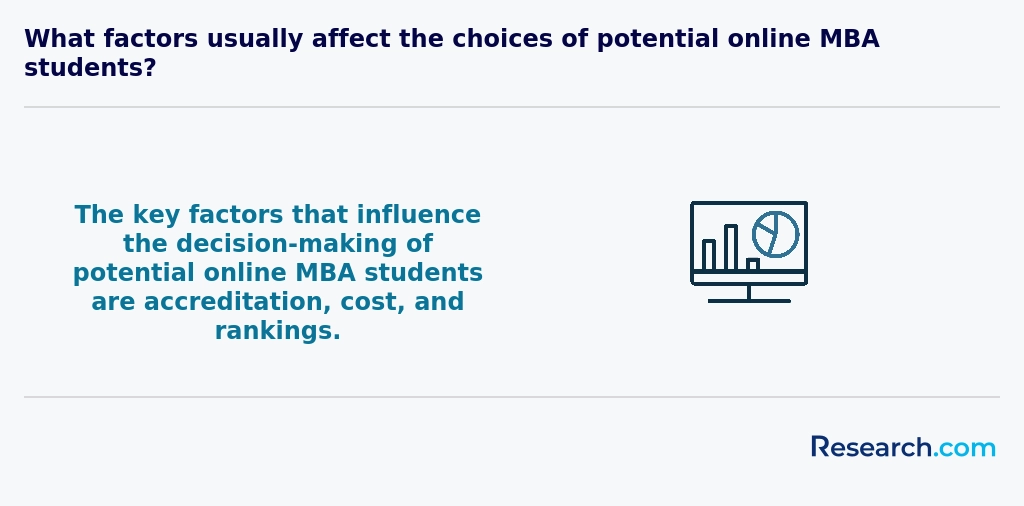
Investing in an MBA in Newark, NJ requires careful consideration of both upfront costs and long-term gains. On average, tuition and fees for local programs range from $40,000 to $75,000, yet graduates report substantial salary increases-often between 35% and 50% over their pre-MBA earnings. Key factors influencing ROI include: • Average Payback Period: Most students recoup their investment within 24–36 months, driven by an average starting salary boost from $70,000 to $100,000. • Salary Growth Trajectory: Five years post-graduation, MBA holders in Newark typically see total compensation climb to $120,000–$140,000, reflecting accelerated career advancement. • Cost-Benefit Analysis: When weighing on-campus versus online formats, online options can lower costs by up to 25%. For a broader comparison of affordable alternatives, explore our Affordable Online Master's in MBA Degree Programs Ranking in the Northeast, which highlights programs that balance quality and value. • Intangible Returns: Beyond salary, graduates often cite enhanced leadership skills, expanded networks, and access to executive mentors-benefits that compound over a lifetime of career progression. By analyzing average time to break even, projected earnings growth, and non-monetary gains, prospective students can make data-driven decisions that maximize the return on their MBA investment in Newark.
MBA programs in Newark typically include a rigorous set of core courses designed to build a solid foundation in business leadership and management. Graduates from renowned local universities often recall how courses like Accounting and Financial Management sharpened their ability to analyze complex financial statements while preparing them for real-world corporate finance challenges.
Marketing Management classes provide strategic tools for engaging diverse customer bases, a skill highly praised by students working on local business case studies. Operations and Supply Chain Management courses equip learners to optimize production and logistics, often drawing on Newark's bustling transport and distribution networks for practical insights.
Organizational Behavior allows students to master team management and communication, experiences many graduates found invaluable during internships with nearby corporations. Meanwhile, Strategic Management and Economics for Managers train students in long-term planning and economic decision-making, critical skills emphasized throughout Newark's MBA curricula.
Electives such as entrepreneurship and technology management offer further specialization, empowering students to tailor their education to their ambitions while benefiting from Newark's dynamic business environment.

MBA specializations in Newark cover a diverse range of fields tailored to meet evolving business demands. Graduates from well-known Newark institutions frequently cite Finance as a popular track, emphasizing skills in investment analysis, corporate finance, and risk management within the metropolitan financial sector. This specialization prepares students for rewarding careers in banking and asset management, reflecting the city's robust economic environment.
Marketing remains another sought-after concentration, focusing on digital marketing, brand management, and consumer behavior. Students engaging with Newark's urban case studies often express enthusiasm about applying classroom concepts directly to dynamic regional markets. Those pursuing Healthcare Management benefit from curricula that integrate business administration with healthcare policy, ideal for future leaders in hospitals or insurance companies.
Emerging fields such as Technology Management and Data Analytics also attract students who are eager to lead in tech-driven markets. Their training in IT strategy and data interpretation aligns with Newark's growing emphasis on innovation. For more information on choices that complement regional opportunities, explore the best business schools in ohio rankings, which provide additional insight into quality business education options.
Choosing the best MBA programs in Newark involves evaluating several critical factors that will influence both your academic journey and professional future. Accreditation, especially from AACSB, assures that the business school maintains high standards, a feature emphasized by graduates from prominent Newark institutions who praise the credibility it lends to their degrees. Consider the curriculum's alignment with your career goals; popular programs in Newark offer specializations in finance, marketing, and technology management, often incorporating internships and consulting projects with local companies, providing hands-on experience and valuable networking.
Affordability also plays a major role when searching for affordable mba degrees Newark. Tuition can vary widely between public and private schools, and students often balance costs with potential return on investment. Many graduates recommend exploring programs that support flexible schedules through part-time or online formats, ideal for working professionals. For those mindful of expenses, researching the cheapest mba programs in new jersey can lead to quality yet economical options.

MBA graduates in Newark find diverse opportunities across finance, healthcare, technology, and consulting, directly benefiting from the city's robust economic ties to New York City. Graduates from popular local institutions often secure leadership roles such as Financial Managers in banking or Marketing Directors within prominent consumer goods companies. The city's strategic position as a logistics and transportation hub creates openings for Operations Managers who apply strategic planning and analytics skills honed during their MBA studies.
Many graduates appreciate Newark's emphasis on practical, data-driven decision-making, which equips them for roles in product management and business development within its growing tech sector. The demand for top MBA jobs in Newark area professionals is reflected in strong hiring rates at business schools, where students transition to rewarding positions in consulting or entrepreneurial ventures, encouraged by Newark's expanding innovation ecosystem.
Those interested in accelerating their career trajectory may consider accelerated mba online programs, which provide flexible pathways tailored to the busy professional. Understanding these MBA career opportunities in Newark allows prospective students to align their education with the city's dynamic job market.
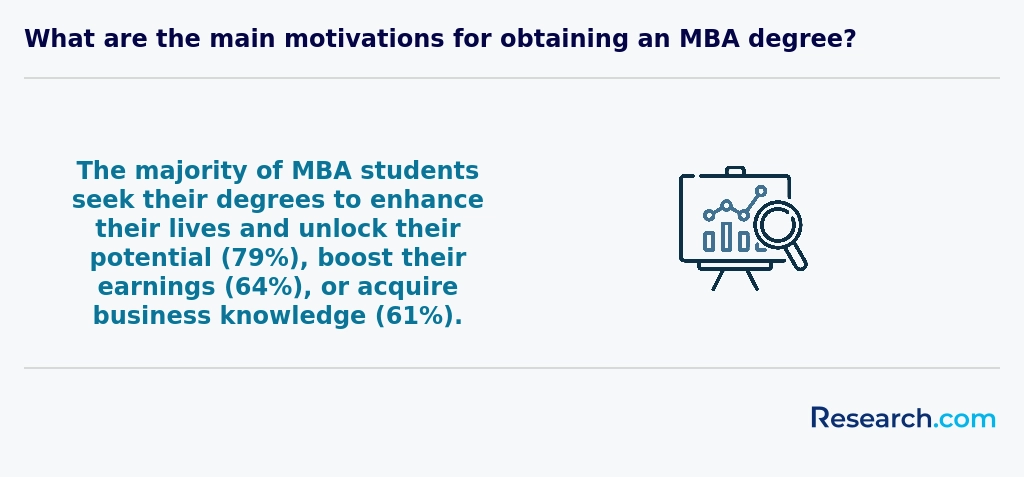
The MBA job market outlook Newark reflects a dynamic environment shaped by the city's diverse economy and strategic location near New York City. Graduates from well-known institutions such as Rutgers Business School benefit from a variety of career opportunities in finance, healthcare, transportation, and technology sectors. Many find roles as financial analysts, operations managers, consultants, and healthcare administrators, leveraging Newark's position as a major business hub. Networking events and internships hosted by organizations like the Newark Alliance provide invaluable connections to local industry leaders, enhancing employment prospects.
Prospective students often appreciate that Newark's universities offer competitive tuition rates with strong employer support through tuition reimbursement, making advanced business education more accessible. Many MBA graduates describe positive experiences transitioning into leadership roles by combining their degree with local internships. For those weighing their options, exploring the Affordable Online Master's in MBA Degree Programs Ranking in the Northeast offers insight on cost-efficient pathways to earning an MBA while preparing for Newark's competitive job market.
Overall, career opportunities for MBA graduates Newark remain robust, especially for candidates possessing skills in strategic management, analytics, and leadership. The ongoing demand underscores the importance of practical experience alongside academic credentials in this evolving marketplace.
2027 Best MBA Degree Programs Ranking in Newark
Investing in your education is a significant decision that can shape your future, and the Research.com team understands the importance of making informed choices. To assist prospective students in Newark, we have meticulously crafted the "2027 Best MBA Degree Programs Ranking in Newark." Our commitment to quality, credibility, and accuracy is reflected in the extensive research and analysis conducted to compile this ranking.
We utilized the following reputable data sources to ensure a comprehensive evaluation of MBA programs:
By exploring this ranking, readers will gain valuable insights into the best MBA programs available in Newark, empowering them to make well-informed decisions about their educational and professional growth. For more details on our methodology, please visit our Research.com methodology page.


Frequently Asked Questions About MBA
Students pursuing an MBA degree in Newark can maximize their learning by engaging actively in both classroom and experiential opportunities. Newark is home to institutions like Rutgers Business School, which offers access to a diverse network of industry professionals and local businesses, enhancing real-world learning. According to the U.S. News 2024 rankings, Rutgers' MBA program ranks among the top regional public business schools, providing strong academic resources.
Internships and cooperative education programs with Newark's thriving financial and tech sectors enable students to apply theory to practice. Participating in case competitions and student organizations further develops leadership and teamwork skills. Leveraging these local opportunities enhances the MBA experience beyond textbooks.
The MBA field is evolving rapidly, with several emerging niches gaining traction among students in Newark. One of the fastest-growing areas is data analytics and business intelligence, where graduates learn to interpret complex data to improve decision-making. According to the Graduate Management Admission Council, interest in analytics-focused MBAs has risen by 40% nationwide in recent years.
Another prominent niche is sustainability and corporate social responsibility (CSR). As companies prioritize environmental and social governance, MBA programs in Newark are integrating courses on sustainable business models and ethical leadership.
Additionally, technology management stands out as a key specialization. With Newark's growing tech sector, students targeting tech startups and innovation management find this track valuable.
After completing an MBA degree in Newark, preparing for the job market involves strategic steps tailored to local and national opportunities. Newark's proximity to New York City offers broad access to industries such as finance, technology, and healthcare, where MBA graduates are in demand. According to the Newark Regional Business Partnership, over 60% of MBA holders find employment within six months post-graduation. Networking is crucial, so engaging with Newark-based business groups and alumni associations enhances job prospects. Additionally, employers increasingly value practical skills, so completing internships or consulting projects during the MBA can significantly boost market readiness.
Utilizing career services offered by Newark-area universities helps refine resumes and interview skills. Salary benchmarks for MBA graduates in Newark typically range from $80,000 to $120,000 annually, depending on the sector and experience, reported by the National Association of Colleges and Employers (NACE). Staying informed about local economic trends and continuing education can help MBA holders adapt to evolving market demands.
Employers in Newark seek MBA graduates who demonstrate strong leadership and strategic thinking skills. According to the Newark Regional Business Partnership, effective communication and problem-solving abilities rank among the top qualities desired by local companies. These skills help graduates navigate complex business environments and drive organizational success.
Financial acumen is also crucial. With Newark's growing finance and logistics sectors, expertise in budgeting, forecasting, and data analysis is highly valued. The U.S. Bureau of Labor Statistics reports that candidates with proficiency in technology and data management are increasingly preferred by employers.
Networking and adaptability remain essential skills. MBA students who build diverse professional connections and stay flexible in evolving markets have a competitive advantage in Newark's dynamic economy.
Finding internships in Newark relevant to an MBA degree involves leveraging both local resources and university connections. Newark hosts a growing business community, including finance, healthcare, and transportation sectors, which actively seek MBA interns. According to the Newark Regional Business Partnership, many companies collaborate with nearby universities like Rutgers Business School to offer internship opportunities.
Students should utilize their MBA program's career services, which often provide exclusive internship listings, networking events, and employer connections in Newark. Additionally, platforms like Handshake and LinkedIn allow searching for internships filtered by location and industry.
Attending local business networking events and Newark-based professional groups can also improve chances for internships. Many MBA candidates secure internships through direct outreach or informational interviews with Newark-based companies aiming to hire leadership trainees.
Obtaining an MBA degree in Newark significantly enhances career mobility and advancement opportunities. The city's robust economy, driven by industries such as finance, healthcare, and technology, offers MBA graduates access to leadership roles that require advanced management skills. According to the Graduate Management Admission Council (GMAC), MBA holders in the U.S. experience a median salary increase of over 50% post-graduation, a trend reflected by Newark professionals as well.
Many employers in the Newark metropolitan area prioritize candidates with MBAs for managerial positions, citing the degree's emphasis on strategic thinking and leadership. Networking opportunities through local business schools also support career progression.
Data from Newark's Chamber of Commerce highlights that MBA graduates often move into senior roles within 3 to 5 years, faster than those without advanced degrees.
Studying for an MBA degree in Newark equips students with skills necessary for interdisciplinary roles by emphasizing collaboration across business functions. Programs often integrate coursework in finance, marketing, operations, and technology, reflecting the diverse demands of modern organizations. According to the 2023 Newark Business Education Report, over 70% of MBA curricula in the area now include projects requiring cross-departmental teamwork, enhancing real-world problem-solving abilities.
Newark's proximity to New York City fosters networking opportunities with industries like finance, logistics, and healthcare, encouraging students to engage with varied sectors. The city's MBA programs also emphasize leadership and communication skills critical for managing interdisciplinary teams.
Overall, Newark MBAs develop adaptability and broad managerial expertise sought after in complex business environments.
Choosing between a thesis and a non-thesis MBA degree program in Newark depends on your career goals and learning preferences. A thesis MBA usually requires original research and a formal written document, ideal for students considering academic careers, research roles, or a PhD later. Non-thesis programs focus more on coursework, practical skills, and internships, appealing to professionals aiming to enter or advance in business sectors quickly.
In Newark, most MBA programs lean toward non-thesis options to accommodate working professionals, with about 75% favoring coursework-based degrees, according to recent surveys by the Newark Education Consortium. Cost and time commitment also differ, as thesis programs often take longer to complete.
Students based in Newark interested in studying an MBA abroad have several pathways within the US higher education system. Many Newark residents opt for programs that offer international exchange components or dual degrees with partner universities overseas. According to the Graduate Management Admission Council (GMAC), nearly 48% of US MBA programs have global immersion options that allow students to gain experience at foreign campuses or companies.
Additionally, Newark's proximity to New York City expands opportunities to enroll in MBA programs with strong global networks and alumni presence worldwide. Some programs even offer online or hybrid formats for international study while remaining enrolled domestically. This flexibility helps students balance work, travel, and education commitments effectively.
Notably, Rutgers Business School in Newark provides access to various international study trips and collaborations, adding a global dimension without requiring full overseas enrollment.
Newark offers various part-time job opportunities that can complement an MBA degree education by providing practical experience. Finance and consulting internships at local firms help students apply classroom knowledge in real-world settings. According to the Newark Economic Development Corporation, companies in sectors like banking, insurance, and logistics frequently seek MBA interns.
Part-time roles in data analysis or project management are also popular, allowing students to develop analytical and leadership skills. Additionally, Newark's growing tech startup scene presents opportunities in business development and marketing, which align well with MBA studies.
Working part-time at financial institutions in Newark's downtown district often benefits MBA students by expanding professional networks and enhancing resumes.
Newark offers MBA students numerous networking opportunities critical for career advancement. Several local business schools, like Rutgers Business School, host regular events connecting students with industry professionals, entrepreneurs, and alumni. These events include career fairs, speaker series, and workshops tailored to MBA candidates. According to Rutgers' 2023 employment report, 78% of MBA graduates found employment through networking activities facilitated by the school.
Beyond campus, Newark's proximity to New York City enhances access to a vast professional network spanning finance, technology, and consulting sectors. Student organizations and local chambers of commerce also provide platforms for MBA students to build valuable contacts.
Alumni networks play a vital role in supporting MBA students in Newark by providing valuable connections and career opportunities. These networks often include graduates working in key industries such as finance, technology, and healthcare, all prominent sectors in the Newark area. According to the Graduate Management Admission Council (GMAC), 85% of MBA grads gain networking advantages through alumni, which can lead to internships, mentorships, and job placements.
In Newark, several universities actively engage alumni to offer workshops, guest lectures, and exclusive job fairs. This access helps students build professional relationships beyond the classroom and increases their chances of long-term career success.
Customizing an MBA degree program in Newark allows students to align their education with specific career objectives. Many local institutions offer flexible curricula where you can choose concentrations such as finance, marketing, or supply chain management. This specialization helps develop expertise in your target industry.
Additionally, Newark's proximity to New York City provides access to numerous internships and networking opportunities, which can complement classroom learning with practical experience.
Custom programs also include options for part-time, evening, or online classes, enabling working professionals to balance education with job commitments.
According to the Graduate Management Admission Council, 62% of MBA students in urban centers prioritize programs with customizable features to boost career outcomes.
MBA students in Newark often face several challenges typical of urban graduate programs in the U.S. Many juggle rigorous coursework with full-time jobs, as Newark's cost of living and tuition fees can be significant. According to a 2023 report from the Graduate Management Admission Council (GMAC), about 63% of MBA students nationwide, including Newark, work while studying, which affects time management and stress levels.
Another common challenge is networking. Newark's competitive business environment demands strong professional connections, but students sometimes find limited local networking events compared to larger metro areas. Additionally, adapting to the hybrid or online learning formats, increasingly common post-pandemic, has tested students' discipline and engagement.
Lastly, balancing family responsibilities is a frequent hurdle. Many MBA candidates in Newark are mid-career professionals with dependents, requiring careful time prioritization to succeed academically.
With an MBA degree obtained in Newark, graduates are well-positioned to pursue various professional certifications that enhance their careers. Popular options include the Project Management Professional (PMP) certification, which is valued in diverse industries for leadership and project execution skills. Another sought-after credential is the Certified Public Accountant (CPA) designation, especially for those focusing on accounting or finance paths. Additionally, the Certified Management Accountant (CMA) certification complements an MBA by emphasizing financial management expertise.
Many Newark-based employers recognize these certifications, often seeking candidates who combine MBA education with such credentials. According to recent surveys by the Graduate Management Admission Council, over 40% of MBA graduates in metropolitan areas pursue at least one professional certification within three years of graduation.
Applying for an MBA program in Newark requires careful preparation to stand out in a competitive pool. Start by thoroughly researching programs, such as those at Rutgers Business School, to tailor your application to their strengths. Strong GMAT or GRE scores remain crucial, with Rutgers reporting average GMAT scores around 610 for admitted students (U.S. News 2024).
Craft a compelling personal statement that highlights your professional achievements and leadership potential. Admissions committees seek candidates who demonstrate clear career goals and how their MBA fits into this path. Include specific examples of teamwork or problem-solving from your experience.
Letters of recommendation should come from supervisors who can attest to your business acumen and work ethic. Lastly, prepare thoroughly for interviews by practicing concise, confident answers to typical questions about your motivations and background.
The global outlook on an MBA career is increasingly positive, with demand for skilled business leaders rising worldwide. For students in Newark, earning an MBA can open doors both locally and internationally. According to the Graduate Management Admission Council (GMAC), nearly 80% of US MBA graduates receive job offers within three months of graduation, signaling strong employment prospects.
Newark's proximity to major finance and technology hubs like New York City adds value for MBA graduates seeking global business roles. Employers often look for candidates with cross-cultural skills, and MBA programs now emphasize global business strategies and leadership.
With business environments evolving, MBAs are seen as essential for navigating complex markets, particularly in dynamic regions such as the US Northeast.
Gaining practical experience while studying for an MBA in Newark is essential for career readiness. Many MBA programs in Newark encourage internships with local businesses, including financial institutions and technology firms. For example, Rutgers Business School, located nearby in Newark, reports that around 70% of its MBA students complete internships during their studies.
Additionally, students can participate in consulting projects or capstone courses that partner with real companies. Networking events and career fairs held by universities also connect students with employers seeking graduate talent.
Engaging in student organizations and case competitions further develops hands-on skills and leadership abilities.
Choosing the right concentration within an MBA program in Newark requires balancing personal interests with market demand. Popular concentrations include finance, marketing, and healthcare management, reflecting Newark's diverse economy. According to the 2023 data from the Newark Regional Chamber of Commerce, finance and technology industries drive over 35% of employment, making related MBA specializations strategic choices.
Students should assess their career goals and select concentrations that offer strong local networking and internship opportunities. Schools such as Rutgers Business School provide specialized tracks aligned with regional industries, which can enhance job prospects. Additionally, consider program flexibility and faculty expertise when choosing a concentration to ensure it matches learning preferences and professional aspirations.
- 2027 Best MBA Degree Programs Ranking in New York
- 2027 Best MBA Degree Programs Ranking in Brooklyn
- 2027 Best MBA Degree Programs Ranking in Bronx
- 2027 Best MBA Degree Programs Ranking in Philadelphia
- 2027 Best MBA Degree Programs Ranking in New Haven
- 2027 Best MBA Degree Programs Ranking in Scranton
- 2027 Best MBA Degree Programs Ranking in Springfield
- 2027 Best MBA Degree Programs Ranking in Albany
- 2027 Best MBA Degree Programs Ranking in Worcester
- 2027 Best MBA Degree Programs Ranking in Providence
- 5 Tips on How to Choose the Best MBA Concentration https://www.pointloma.edu/resources/business-leadership/5-tips-how-choose-best-mba-concentration
- Verifying that you are not a robot... https://krea.edu.in/ifmrgsb/top-5-emerging-career-paths-for-mba-graduates/
- Top MBA programs with the best alumni networks in the world - MBA Crystal Ball https://www.mbacrystalball.com/blog/2025/07/07/top-mba-programs-with-the-best-alumni-network-in-the-world/
- Masterâs in Business Administration | Graduate Studies https://www.monmouth.edu/graduate/mba/
- MBA Requirements https://www.collegeessayguy.com/blog/mba-requirements
- How To Write An MBA Admissions Essay That Stands Out? https://www.personalmbacoach.com/mba-essay-guiding-principles/
- How to Choose Between MBA Degree vs. Certificate | University of Phoenix https://www.phoenix.edu/articles/business/how-to-choose-between-mba-degree-vs-certificate-programs.html
- Top Challenges for MBA Students in 2025: Placements and Career Growth in India | BeJobbed.com https://bejobbed.com/challenges-mba-students-placements-career-growth-india/
- MBA Course Duration | How Long to Complete an MBA? https://collegetiger.com/mba-course-duration-how-long-does-it-take-to-earn-an-mba/
- MBA Requirements: What do you really need for an MBA degree https://www.obseducation.org/en/blog/mba-requirements-what-do-you-really-need-for-an-mba-degree


