
2027 Best MBA Degree Programs Ranking in California

Co-Founder and Chief Data Scientist
Considering an MBA degree in California? Choosing the right program can shape your future career and personal growth. This article introduces the 2027 Best MBA Degree Programs Ranking in California, developed by the Research.com team of data scientists to guide you through the top options.
By exploring this ranking, you'll gain clarity on which programs align with your goals and aspirations. Earning an MBA opens doors to new opportunities, improved skills, and greater confidence in today's competitive job market.
Let this guide support your journey toward a rewarding and successful MBA experience.
Key benefits of getting MBA degree in California
- Although specific salary data for MBA roles in California is not available, MBA graduates in the US typically enjoy competitive salaries, often earning between $70,000 and $120,000 annually depending on the industry and experience.
- An MBA graduate from a leading California university might pursue careers in management consulting, finance, or tech leadership, offering diverse opportunities to grow professionally.
- Online MBA programs from reputable California schools provide flexibility for working professionals, enabling a balanced lifestyle while gaining valuable skills and network connections.
- 2027 Best MBA Degree Programs Ranking in California
- What can I expect from MBA degree in California?
- Where can I work with MBA degree in California?
What can I expect from MBA degree in California?
The average cost of pursuing an MBA in California can feel like a bold investment in your future, typically ranging from around $60,000 to over $100,000 for two years at renowned schools like Stanford Graduate School of Business or UC Berkeley's Haas School of Business. Imagine grappling with this figure while balancing the excitement of forging connections with industry leaders in Silicon Valley or exploring sustainable business initiatives on campus.
Graduates often recall the mix of challenge and thrill as they navigated these costs alongside part-time jobs or employer sponsorships, discovering that programs also offer flexible options like evening or executive MBAs to ease financial pressure. This financial commitment reflects access to a high-caliber education deeply tied to California's innovation-driven economy, creating countless opportunities for internships and hands-on learning in vibrant sectors such as tech and healthcare.
Where can I work with MBA degree in California?
Graduates from MBA programs at universities like Stanford, UCLA, and UC Berkeley often dive into California's buzzing job market with excitement, finding doors wide open across diverse industries. Imagine joining a tech giant in Silicon Valley, where your skills in strategy or product management immediately impact cutting-edge innovations alongside Apple or Google.
Others take a thrilling leap into the financial hubs of San Francisco and Los Angeles, navigating roles in investment firms or venture capital firms, riding the wave of California's growing finance sector. Healthcare also offers adventurous paths-MBA holders here shape the future of hospital administration or lead efficiency drives at pharma companies, responding to the state's vast population demands.
For those energized by solving complex problems, consulting firms like Deloitte or Accenture provide vibrant environments to sharpen leadership skills. Meanwhile, MBA grads drawn to creativity might plunge into Hollywood's entertainment industry, combining business savvy with the magic of media and marketing.
Entrepreneurial spirits thrive as well, fueled by California's lively startup culture and venture ecosystems. Many find themselves starting new businesses or joining innovative startups, turning bold ideas into real success stories.
Imagine graduating with an MBA from a top California school like Stanford or UCLA-your paycheck is likely to reflect that effort. Graduates often start with salaries between $90,000 and $110,000, especially those stepping into vibrant sectors like tech or finance in Silicon Valley or Los Angeles. Many peers report landing offers north of $100,000 within just a few months after graduating, thanks to the buzzing industries and strong employer demand.
With five to ten years of experience, your earning power expands dramatically, with median salaries hitting $130,000 to $150,000. Visualize a mid-career product manager or financial director thriving in San Francisco, earning upwards of $200,000 when bonuses and stock options join the mix. The state's tech and healthcare sectors are particularly rewarding, offering paychecks well above the statewide average, making California an exciting place for MBA grads eager to maximize their potential.
Even if your path leads to nonprofits or government roles, the MBA credential still opens doors and brings valuable opportunities-proving that investing in a California MBA can be both an adventurous and rewarding career move.
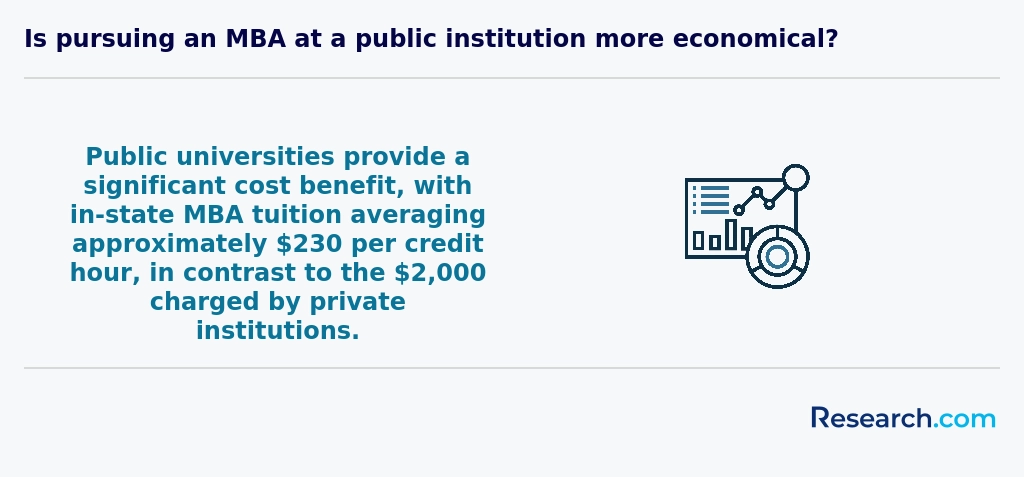
- The average cost for an MBA in California ranges from $60,000 to $120,000, with public universities generally cheaper than private ones.
- Entry-level MBA salaries in California typically start between $85,000 and $110,000 per year.
- Experienced MBA graduates often earn more than $150,000 annually, especially in technology, finance, and consulting sectors.
- California offers MBA programs in full-time, part-time, online, and hybrid formats, lasting from 12 months to 3 years.
- Most top programs require applicants to have 2 to 5 years of professional work experience for admission.
Completing an MBA in California can feel like embarking on a personalized adventure, shaped by your pace and priorities. Many graduates from the University of Southern California share how their full-time MBA journey took about two years-intense, immersive, and rich with opportunity. It's the classic path, perfect for diving deep without distractions. Meanwhile, others who craved speed embraced accelerated programs, wrapping up in 12 to 18 months. Imagine compressing your learning into a focused, action-packed timeline, racing ahead to new career heights.
For those balancing jobs or family, part-time MBAs at schools like UC Irvine offer a more gentle rhythm-often stretching over three years or more. These graduates treasure the flexibility, choosing evening or weekend classes that fit a busy life. Online MBA students echo this sense of freedom, tailoring their schedules over two to three years, blending study with real-world demands. Whether rushing or pacing, California's MBA paths invite you to craft an experience that truly fits your story.
Navigating the MBA application process can be as challenging as it is rewarding. Prospective students should start by carefully reviewing application requirements, from securing strong recommendation letters to crafting a personal statement that highlights both professional achievements and personal aspirations. It's essential to align your academic and career goals with the unique strengths of each program. Begin your preparations by researching each institution’s admissions timeline and criteria, ensuring that standardized test scores, such as the GMAT or GRE, meet or exceed the benchmarks expected by top schools in California. To improve your application, consider joining preparatory workshops, seeking mentorship from alumni, and participating in networking events that expose you to industry insiders. Additionally, maintaining transparency about your professional journey can help differentiate your profile amidst a competitive pool of candidates. If you’re looking to balance your current work commitments while preparing for the application process, exploring options like a self paced online mba could offer the flexibility you need without compromising the quality of your educational journey. In summary, a strategic approach to your MBA application-complemented by hands-on advice, thorough research, and proactive networking-will help you stand out and secure a place in one of California’s leading MBA programs.
Choosing between an online and on-campus MBA in California unlocks two very different journeys. Imagine immersing yourself in the vibrant energy of UCLA Anderson or Stanford's campus, grabbing coffee between classes, and brainstorming live with classmates. These graduates cherish the spontaneous hallway chats and networking dinners that spark lifelong connections.
On the flip side, students from USC's online MBA often celebrate the freedom to study after work or during family time. One shared how working professionals nationwide can join the same classes without uprooting their lives, appreciating accelerated options that wrap up the degree in just 12 months.
The on-campus route typically spans two years, offering rich face-to-face mentoring and hands-on projects. But the online path opens doors with flexible schedules and often slightly lower tuition-around $60,000 versus $65,000+ for traditional programs.
Both produce respected degrees, yet picking one means deciding how you want your MBA adventure to shape your daily life in beautiful California.
Calculating the return on investment (ROI) for an MBA in California involves comparing the total cost of tuition and living expenses against the post‐graduation salary increase and career growth. On average, California MBA graduates report a 29% salary boost-translating to an initial payback period of approximately two to three years for programs with total costs around $200,000. Top‐ranked schools like Stanford GSB and UC Berkeley Haas often exceed these averages, with alumni commanding starting salaries well above $150,000, which accelerates ROI and enhances long‐term earning potential. To compute your personal ROI, subtract your program’s total cost (including fees and living expenses) from your estimated first‐year post‐MBA salary, then divide by your total investment and express the result as a percentage. Keep in mind that scholarships, grants, and employer sponsorships can significantly shorten your payback period-many students leverage merit‐based aid or assistantships to reduce upfront costs. For a broader perspective on cost‐effective MBA options, compare California’s ROI with other markets by exploring the Cheapest MBA Degree Programs Ranking in Honolulu, HI, which highlights programs with lower tuition and living expenses yet solid salary outcomes. Ultimately, understanding ROI helps prospective students make data‐driven decisions, ensuring their MBA journey in California delivers both professional fulfillment and financial rewards.
The average MBA degree cost California students face can be quite a journey of discovery. On median, the total expense hovers around $43,598, a figure that resonates with many graduates from schools across the state. Surprisingly, the median in-state total cost is notably lower at $14,304, opening up exciting possibilities for those who qualify for resident tuition rates. Imagine a student immersing themselves in the vibrant campus life of UCLA Anderson or navigating the innovative corridors at UC Berkeley Haas, all while balancing the financial adventure that higher education demands.
This spectrum of tuition invites exploration-graduates recall the rewarding challenge of managing their budgets alongside their ambitious goals, especially in famed private institutions where fees can extend beyond expectations. Many discover that the overall tuition and fees are only part of the story; living costs in bustling cities like San Francisco or Los Angeles add a layer of complexity, heightening both the thrill and the planning needed for success.
For those comparing costs or hunting for the cheapest mba school in california, understanding these boundaries helps frame the adventure ahead. Diving into MBA tuition and fees California 2027 forecasts shows a landscape that blends opportunity with challenge, encouraging prospective students to seek financial aid and residency benefits carefully.

To make an informed decision about pursuing an MBA in California, considering the cost and return on investment is crucial. For many prospective students, the financial burden of obtaining an MBA can be daunting, with total costs often exceeding $200,000. However, there are more affordable options available, such as exploring the cheapest mba school in california, which can offer a similar quality of education at a lower cost. By weighing the pros and cons of different programs, including factors such as accreditation, curriculum, faculty credentials, and alumni success, students can find an MBA program that fits their budget and meets their career goals. This thoughtful approach enables individuals to navigate the complex landscape of MBA programs in California, ultimately making a decision that aligns with their financial situation and professional aspirations.
Imagine starting your MBA journey at Stanford or Berkeley Haas, where scholarships can feel like hidden treasures discovered early in your adventure. Many graduates share how merit-based awards, recognizing leadership and academic excellence, lifted the weight of tuition costs, sometimes by tens of thousands of dollars. These scholarships spark excitement and open doors to exploring your full potential.
Fellowships add another layer of opportunity-offering financial backing paired with hands-on research or work roles. They attract those eager to prove their skills and dive deeper into their fields, turning education into a dynamic experience rather than just a classroom obligation.
Many MBA students also navigate federal loans like Direct Unsubsidized or Grad PLUS Loans, which bridge tuition and living expenses. As one graduate recalls, wisely managing these loans meant balancing ambition with a practical repayment plan, making future success feel within reach rather than a distant dream.
For working professionals, employer-sponsored tuition can transform the MBA path into a shared investment. Countless stories from Californians reveal how employer support provided not just funds but confidence to pursue career growth while studying.
State grants like the Cal Grant, assistantships, and private loans fill in the gaps, each adding unique layers to the financial support puzzle. Together, these options invite students to craft a personalized roadmap to their MBA dreams amid California's vibrant academic scene.
Diving into an MBA in California kicks off with earning a bachelor's degree-an essential first step to unlock doors at top schools like Stanford or UCLA Anderson. Imagine sitting in a buzzing lecture hall, surrounded by classmates whose solid academic records open up dynamic conversations; a minimum 3.0 GPA is often the baseline, but many successful graduates share how pushing beyond that has truly set them apart.
Standardized tests like the GMAT or GRE add extra zest to your application. Though some schools offer test-optional paths, submitting a strong score can feel like adding a bright splash of color to your portfolio, especially when aiming for scholarships or financial aid.
Work experience spices things up-most programs crave two to five years of professional stories that you bring to lively group projects. Graduates from USC Marshall often recall how their leadership roles became invaluable currency in the classroom's collaborative environment.
Letters of recommendation, essays, and interviews layer on fresh dimensions, revealing your true motivations and dreams. Embarking on this adventure means not only meeting standards but embracing the journey to join California's vibrant business community.

Understanding the return on investment (ROI) of an MBA in California is critical for making an informed decision. By comparing total program costs against salary uplift and long-term career growth, prospective students can gauge how quickly their degree pays for itself and the value it delivers over time. Average Cost vs. Salary Increase • Typical two-year MBA tuition in California ranges from $150,000 to $240,000, including fees and living expenses. • Graduates report average starting salaries of $110,000–$130,000, reflecting a $30,000–$50,000 annual increase over pre-MBA earnings. • Calculated payback period: Total investment ÷ annual salary gain often falls between 4 and 6 years. Factors Influencing ROI • In-State vs. Out-of-State Tuition: California residents can save 10–15% on tuition at public universities, shortening payback by up to one year. • Specialization Premiums: Fields like consulting and finance typically yield higher starting salaries, improving ROI compared to areas such as non-profit management. • Career Services & Networking: Access to Silicon Valley events and alumni mentorship can accelerate promotions, enhancing long-term return beyond initial payback. Intangible Benefits and Long-Term Gains While monetary ROI is paramount, consider intangible returns: leadership skills, global networks, and entrepreneurship support often lead to higher lifetime earnings and job satisfaction. These benefits compound over a 10- to 20-year career horizon, making a California MBA a strategic investment. For comparisons to more budget-friendly options outside California, explore the Cheapest MBA Degree Programs Ranking in Honolulu, HI.
Diving into an MBA program in California feels like embarking on an exciting journey through essential business landscapes. Graduates from Stanford Graduate School of Business often recall how core courses such as Corporate Finance and Business Strategy pushed them to analyze real-world market challenges, sharpening skills that felt instantly relevant to Silicon Valley's fast-paced environment.
At the University of California, Berkeley Haas School of Business, students find themselves captivated by courses like Data Analytics and Marketing Management, where case studies mirror dynamic industries thriving across the state. Imagine leading a project on consumer behavior one day and mastering supply chain efficiency the next-these courses blend theory with hands-on learning, fueling both curiosity and confidence.
Beyond foundational subjects like Accounting and Organizational Behavior, California's MBA programs encourage students to explore electives tied to tech innovation and entrepreneurship. Graduates often share how these varied classes ignited their passions and equipped them to tackle complex business puzzles with bold, creative solutions.
California's vibrant economy fuels a rich palette of MBA specializations that students eagerly dive into. From the innovation-driven tech hubs near Stanford and UC Berkeley, graduates often share how immersing themselves in Technology Management prepared them to lead cutting-edge projects at startups or giants in Silicon Valley. The best MBA specializations in California also include Finance, where students in Los Angeles and San Francisco sharpen skills in investment banking amid the bustling financial districts.
Marketing enthusiasts, inspired by the entertainment pulse of Hollywood and major retailers, discover new ways to connect with consumers through digital strategies. Meanwhile, Healthcare Management draws those passionate about improving hospital systems or biotech firms, a perfect reflection of California's booming healthcare scene.
For the adventurous, Entrepreneurship feels like a natural fit in a state celebrated for startups and venture capital. Many graduates recall the thrill of launching ideas while studying entrepreneurship at top universities. Sustainability and Environmental Management also shine here, guiding future leaders toward greener businesses.
Students balancing work and study frequently explore options like self paced online mba programs to customize their learning journey while embracing the dynamic California MBA degree focus areas.
Choosing the best MBA degree in California is an exciting adventure that begins with exploring programs that match your lifestyle and ambitions. Graduates from top California business schools often share how finding a program with strong AACSB accreditation, like those at UCLA Anderson or Stanford, opened doors to vibrant industry networks. Imagine studying full-time in the heart of Silicon Valley or balancing a part-time MBA while working in Los Angeles' booming entertainment sector-each path unlocks unique perks tailored to your life.
Affordability matters deeply, too. Many students weigh costs against long-term benefits, especially in a state where tuition spans a wide range. Considering the best MBA programs in California for affordability helps you plan wisely without sacrificing quality. For those balancing budgets, comparing with alternatives like the Cheapest MBA Degree Programs Ranking in Honolulu, HI can inspire creative financial strategies and broader perspectives.
Finally, diving into MBA specializations-from healthcare management to entrepreneurship-helps you connect your studies to real-world passions, turning each course into a step toward your dream career.
Graduates from top California schools often find their MBA opening doors in vibrant sectors like tech, finance, and healthcare. Imagine stepping out of a bustling Silicon Valley classroom and into a product management role at a startup or giants like Apple-this blend of innovation and business savvy fuels exciting careers. Many graduates share the thrill of navigating San Francisco's competitive finance scene, landing roles in private equity and venture capital that offer lucrative rewards and fast-paced challenges. This broad range of options illustrates the dynamic MBA career opportunities in California.
Healthcare administration also draws ambitious MBA holders, combining strategy with compassion in a state known for its vast medical industry. Management consulting is another popular destination, encouraging problem-solving across diverse organizations that keeps graduates engaged and evolving. Meanwhile, entrepreneurial spirits thrive amid California's startup ecosystems, often launched by MBA grads eager to lead and innovate.
For those curious about different paths, exploring types of college majors related to business can spark fresh ideas and align perfectly with California's growth-driven mindset. Such versatility makes these top MBA jobs in California not only attainable but truly exciting.
MBA degree job market California is alive with opportunity and dynamic growth. Graduates from renowned programs like Stanford Graduate School of Business or UCLA Anderson often share stories of stepping straight into fast-paced roles at tech giants, financial institutions, or healthcare organizations. Imagine navigating Silicon Valley's buzzing corridors, where MBAs secure positions in product management or strategic leadership, fueled by the state's booming technology scene.
California MBA career opportunities expand as fields such as consulting and biotech embrace graduates for their analytical prowess and leadership skills. Many find themselves attending alumni events or venture capital mixers that spark exciting collaborations and open unexpected doors. While tuition fees can be steep, the vibrant job market often helps graduates recoup this investment swiftly, usually within a few years.
For students weighing options, exploring the easiest bachelor's degree pathways might offer preliminary insights before committing to the intense but rewarding MBA journey.
2027 Best MBA Degree Programs Ranking in California
Investing in your education is a significant decision that can greatly influence your career and personal growth. The Research.com team recognizes the importance of making well-informed choices, and in response, we have carefully developed the "2027 Best MBA Degree Programs Ranking in California." Our dedication to quality, credibility, and accuracy is demonstrated through thorough research and detailed analysis carried out to compile this ranking.
We utilized the following reputable data sources to ensure a comprehensive evaluation of MBA programs:
By exploring this ranking, readers will gain valuable insights into the top MBA programs in California, empowering them to make informed decisions about their educational futures. For more details on our methodology, please visit our Research.com methodology page.


Frequently Asked Questions About MBA
Students pursuing an MBA degree in California can maximize their learning experience by actively engaging in both academic and practical opportunities. California is home to top-tier business schools like Stanford and UCLA, which offer access to a diverse network of alumni and industry professionals. Leveraging internships and real-world projects, especially in Silicon Valley and Los Angeles, helps apply classroom knowledge to current business challenges.
Participating in student clubs and case competitions also enhances leadership and teamwork skills. According to the Graduate Management Admission Council, MBAs who combine experiential learning with studies report higher job placement rates within six months of graduation in California's competitive job market.
The MBA landscape in California is evolving with new specialized fields gaining traction among students. Emerging niches include technology management, which aligns with Silicon Valley's innovation ecosystem. Schools like Stanford and UC Berkeley emphasize this area, reflecting a growing demand for leaders who understand both business and tech.
Healthcare management is another rising focus. California's large healthcare sector creates opportunities for MBA graduates to lead hospitals, biotech firms, and health services with an emphasis on operational efficiency and policy.
Sustainability and social impact is gaining importance, as businesses integrate environmental and ethical considerations into core strategies. According to a 2023 report by the Graduate Management Admission Council, about 25% of MBA programs nationwide offer concentrations in these areas, with California schools at the forefront.
Preparing for the job market after completing an MBA degree in California involves strategic planning and skill development. According to the Graduate Management Admission Council (GMAC), nearly 90% of MBA graduates in the U.S. receive job offers within three months of graduation, with California employers actively recruiting in sectors like technology, finance, and consulting.
Graduates should leverage career services offered by their universities, including resume workshops, mock interviews, and networking events. Building a strong LinkedIn profile tailored to California's job market is essential, as it connects candidates with recruiters in Silicon Valley and Los Angeles.
Internships and experiential learning during the MBA program greatly increase employability. Employers often seek candidates with hands-on project experience and leadership skills.
Staying informed about California's evolving business landscape and focusing on emerging industries, such as clean energy or digital health, can create additional opportunities.
Employers seeking MBA graduates in California prioritize a blend of technical, leadership, and interpersonal skills. According to the Graduate Management Admission Council (GMAC) 2023 report, top skills include strategic thinking, data-driven decision making, and financial acumen. These abilities are crucial in California's diverse business environment, including technology, finance, and healthcare sectors.
Leadership and communication are equally important. A survey from the California Business Roundtable highlights that 78% of hiring managers value emotional intelligence and teamwork as key competencies. MBA programs emphasize these skills through group projects and real-world case studies.
Additionally, digital literacy, especially in analytics and emerging technologies, ranks highly among California employers, reflecting the state's innovation-driven economy.
Finding internships in California relevant to an MBA degree involves leveraging multiple resources. Many top California business schools, such as Stanford Graduate School of Business and UC Berkeley Haas, offer strong corporate partnerships that facilitate internship placements for their students. According to the Graduate Management Admission Council (GMAC), about 70% of MBA students in the US secure internships before graduation, with California showing a particularly vibrant market due to its diverse industries including tech, finance, and healthcare.
Students should also use professional networking platforms like LinkedIn to connect with alumni and recruiters in California-based companies. Job fairs and university career centers provide targeted internship opportunities specifically designed for MBA students. Additionally, the California Employment Development Department offers resources and labor market data helpful for identifying growing sectors.
Internships in major metro areas such as San Francisco, Los Angeles, and Silicon Valley typically offer higher availability and experience in innovation-driven markets. Starting early and maintaining strong networking efforts are key strategies to secure relevant internships during the MBA program.
An MBA degree in California significantly enhances career mobility and advancement opportunities. California's diverse economy, including technology, entertainment, finance, and biotech sectors, rewards MBA holders with leadership roles and higher salaries. According to the Graduate Management Admission Council (GMAC) 2023 report, 78% of MBA graduates in California saw salary increases within three years of graduation. The degree signals managerial competence and strategic thinking, making candidates attractive for promotions or cross-industry moves.
The state's competitive job market also favors MBAs for executive-level positions. Many California employers value regional business knowledge combined with global management skills learned in MBA programs. Furthermore, networking opportunities within California's robust alumni communities further accelerate career growth.
Studying for an MBA degree in California offers unique preparation for interdisciplinary roles by integrating diverse fields such as technology, finance, marketing, and innovation. California's universities frequently design their MBA curricula to include cross-functional projects, fostering collaboration among students from various academic and professional backgrounds. According to the Graduate Management Admission Council, nearly 60% of MBA graduates in California work in positions requiring knowledge across multiple disciplines.
The strong presence of Silicon Valley and other tech hubs influences programs to emphasize analytical skills and digital transformation, which are essential for interdisciplinary leadership. Additionally, many California MBA programs provide opportunities for internships and partnerships with companies in biotech, entertainment, and sustainable energy, broadening experiential learning.
Choosing between a thesis and a non-thesis MBA program in California depends largely on your career goals and learning preferences. Thesis options typically suit students aiming for research roles or doctoral studies, as they involve a significant research project, enhancing analytical skills. Non-thesis programs emphasize practical skills with more coursework and internships, appealing to professionals seeking immediate industry application.
California has many MBA programs; for example, about 30% of top-ranked California MBA programs offer thesis tracks (U.S. News, 2023). Thesis programs often take longer-sometimes up to a year more-due to research demands.
Cost is also a factor. Thesis MBAs may require additional resources or advisor fees. Understanding these differences can help students align their selection with professional aspirations and lifestyle.
Students based in California who wish to study for an MBA abroad have several pathways to consider. Many California universities have partnerships with international institutions, enabling exchange programs or dual-degree options. For example, the University of Southern California offers global MBA experiences through partner schools in Europe and Asia.
Moreover, California residents can apply directly to renowned MBA programs overseas in countries like the United Kingdom, France, and Spain, which attract many American candidates annually. These programs often provide global business perspectives and networking opportunities.
According to the Graduate Management Admission Council, about 25% of U.S. MBA students consider international programs to gain cross-cultural skills valued by employers.
Part-time job opportunities in California that complement MBA education often center around roles in consulting, financial analysis, marketing, and project management. These positions provide practical experience that enhances classroom learning. For example, the California Employment Development Department highlights the high demand for management analysts and financial specialists, which aligns well with MBA coursework.
Internships or part-time roles in tech firms, startups, or financial institutions in cities like San Francisco and Los Angeles offer valuable exposure to business operations and strategy. According to the Graduate Management Admission Council, nearly 57% of MBA students nationwide secure internships during their studies, many in California's robust economy.
Additionally, roles in nonprofit organizations or university research projects can develop leadership and organizational skills critical for MBA success. These opportunities sharpen analytical and communication abilities, essential for career advancement post-graduation.
California offers extensive networking opportunities for MBA students through its diverse and dynamic business environment. Many top MBA programs host regular industry events, workshops, and speaker series, connecting students with leaders from Silicon Valley, finance, and tech sectors. According to the Graduate Management Admission Council (GMAC), over 70% of California MBA graduates secure jobs through networking during their studies.
Alumni networks are particularly strong in California, with universities like Stanford and UC Berkeley facilitating connections worldwide. Regional business organizations and local chapters of national groups such as the National Black MBA Association also provide valuable contacts. Additionally, internship programs often serve as critical networking gateways for future employment in competitive markets.
Alumni networks play a crucial role for MBA students in California by providing valuable professional connections. Graduates from top California MBA programs often stay engaged in these networks, creating opportunities for mentorship and career development.
According to the Graduate Management Admission Council, 85% of MBA alumni consider their network important for advancing their careers. In California's dynamic job market-especially in tech hubs like Silicon Valley and Los Angeles-alumni connections can open doors to internships, job offers, and industry insights.
Furthermore, alumni networks often host events, workshops, and online forums that support continuous learning and collaboration. These resources benefit students by linking academic knowledge to practical, real-world experiences.
Customizing an MBA program in California to fit your career goals is achievable due to the diverse offerings across the state's top business schools. Many programs provide flexible curriculum options with specializations like entrepreneurship, technology management, or healthcare administration. For instance, UCLA Anderson and Stanford Graduate School of Business offer electives tailored to the thriving local industries.
Students can also choose between full-time, part-time, or online formats based on their work commitments. Additionally, experiential learning through internships, consulting projects, and networking events with California-based companies enhances practical skills.
According to the Graduate Management Admission Council, 45% of MBA candidates in the US select specialized tracks to directly align with their career objectives.
MBA students in California commonly face several distinct challenges during their studies. High tuition costs are a significant concern, with average annual fees often exceeding $60,000 at top-ranked institutions, according to U.S. News & World Report. Balancing rigorous coursework with professional and personal commitments is another challenge, particularly for working adults pursuing part-time or executive MBA programs.
Additionally, California's competitive job market pressures students to build strong networks and gain relevant experience while studying. Many also report challenges related to diversity and inclusion, as some programs strive to better support underrepresented groups. Finally, navigating the evolving landscape of digital learning and hybrid class formats adds complexity to the MBA experience.
With an MBA degree in California, graduates can pursue various professional certifications to enhance their credentials and career prospects. Popular certifications include the Project Management Professional (PMP), highly regarded in industries like technology and healthcare. According to PMI, California hosts the largest number of PMP-certified professionals nationwide.
The Certified Public Accountant (CPA) credential is also common among MBA graduates focusing on finance or accounting. Earning a CPA can open roles in auditing, tax, and consulting sectors, which are significant in California's diverse economy.
Many MBA holders pursue the Certified Management Accountant (CMA) certification to demonstrate expertise in financial management. The Institute of Management Accountants notes strong demand for CMAs within California's corporate sector.
Other certifications include the Chartered Financial Analyst (CFA) for those entering investment and portfolio management fields, and Six Sigma certifications for process improvement roles. These certifications complement an MBA by providing specialized skills.
Writing a winning application for an MBA program in California requires clear communication of your strengths and goals. Start by researching the specific program's values and align your essay with those. Highlight relevant professional experience, leadership skills, and how the MBA will help you achieve career goals.
California's top MBA programs often emphasize innovation and entrepreneurship, reflecting the state's economy. Schools like Stanford and UCLA value applicants demonstrating adaptability and creative problem-solving.
Strong letters of recommendation and a competitive GMAT or GRE score remain important. According to Poets&Quants (2023), the average GMAT score for California's top MBA programs ranges from 700 to 730.
Ensure your resume is concise, focusing on measurable achievements. Lastly, prepare thoroughly for interviews to clearly articulate your motivation and fit with the program.
The global perspective on an MBA career highlights the degree's value in developing leadership and management skills applicable worldwide. Graduates often find that their MBA opens doors to multinational corporations and international business roles. According to the Graduate Management Admission Council (GMAC), over 70% of MBA graduates in the U.S. report improved career opportunities globally.
In California, a hub for innovation and diverse industries, MBA holders benefit from strong connections to technology, finance, and consulting sectors. Stanford Graduate School of Business and UC Berkeley Haas School are noted for producing leaders with global perspectives. These programs emphasize cross-cultural teamwork and international business strategies.
Moreover, California MBA graduates earn a median salary around $115,000, positioning them competitively on a global scale (Payscale, 2023). Overall, an MBA in California equips professionals with skills valued not just locally, but in a global business environment.
Gaining practical experience during an MBA in California is essential for career advancement. Many California business schools offer internships with leading companies in technology, entertainment, and finance sectors, which are major local industries. According to the Graduate Management Admission Council's 2023 report, over 70% of MBA students in California secured internships that provided hands-on experience.
Additionally, students can participate in consulting projects where they work directly with real businesses to solve challenges. Programs like the Haas School of Business at UC Berkeley emphasize experiential learning through such projects. Networking events and career fairs hosted by schools also connect students with industry professionals, offering mentorship opportunities.
Finally, student-led clubs and case competitions enable practical application of management theories in collaborative environments, enhancing leadership skills valued by employers.
Choosing the right concentration within an MBA program in California starts with assessing your career goals. Popular concentrations like Finance, Marketing, and Technology Management align well with the state's strong industries, including Silicon Valley tech firms and Los Angeles' entertainment sector. According to the Graduate Management Admission Council, 35% of MBA candidates in California seek tech-focused roles.
Next, consider the curriculum and faculty expertise at the schools you are researching. California offers diverse options, from sustainability to healthcare management, reflecting the state's economy. Programs often highlight concentrations with strong employer networks, crucial for internships and job placement.
Also, evaluate how each concentration fits your skills and interests. Many schools allow cross-disciplinary electives, so flexibility can enhance learning and career adaptability. Reviewing alumni outcomes data helps understand which concentrations yield higher employment rates and salaries in California's competitive job market.
- 2027 Best MBA Degree Programs Ranking in Nevada
- 2027 Best MBA Degree Programs Ranking in Idaho
- 2027 Best MBA Degree Programs Ranking in New Mexico
- 2027 Best MBA Degree Programs Ranking in Montana
- 2027 Best MBA Degree Programs Ranking in Hawaii
- 2027 Best MBA Degree Programs Ranking in Kansas
- 2027 Best MBA Degree Programs Ranking in Nebraska
- 2027 Best MBA Degree Programs Ranking in North Dakota
- 2027 Best MBA Degree Programs Ranking in Iowa
- 2027 Best MBA Degree Programs Ranking in Missouri
- MBA Master of Business Administration - studia podyplomowe https://www.kozminski.edu.pl/pl/oferta-edukacyjna/studia-mba
- How Long Does It Take To Complete An MBA Degree? - GradSchoolHub.com https://www.gradschoolhub.com/faqs/how-long-does-it-take-to-complete-an-mba-degree/
- Strategies for Maximizing Your Online MBA Experience | FIND MBA Online https://findmbaonline.com/articles/strategies-for-maximizing-your-online-mba-experience
- 10 Highest-Paying MBA Specializations in 2026 (With Salary Data) - Paris School of Management (PSM) https://www.psm-paris.fr/en/10-highest-paying-mba-specializations-in-2026/
- Know more about thesis vs non- thesis: what is the difference? https://studyfans.com/en/blogs/816
- Skills Employers Look for in Business Graduates – EU Business School https://www.euruni.edu/blog/skills-employers-look-for-in-business-graduates/
- How an MBA contributes to career advancement https://online.wlv.ac.uk/blog/how-an-mba-contributes-to-career-advancement/
- Why Fit Matters: Matching Your Profile and Career Goals to Your Dream MBA Program https://merchantmba.com/blog/why-fit-matters-matching-your-profile-and-career-goals-to-your-dream-mba-program
- How to Choose the Best MBA Program for Your Career Goals https://www.clearadmit.com/2025/05/how-to-choose-the-best-mba-program-for-your-career-goals/
- What Work Experience Do You Need For an MBA? | Articles | Unimy https://www.unimy.com/article/blog-mba-preparation-admissions-mba-work-experience


