
2027 Best MBA Degree Programs Ranking in Pennsylvania

Co-Founder and Chief Data Scientist
If you're considering advancing your career with an MBA in Pennsylvania, this article is for you. We present the 2027 Best MBA Degree Programs Ranking in Pennsylvania, carefully compiled by the Research.com team of data scientists.
Our ranking helps you identify top programs worth your attention, making your search easier and more informed. An MBA can open doors to exciting opportunities, higher earning potential, and personal growth.
Explore the best programs available and take a confident step toward your future success.
Key benefits of getting MBA degree in Pennsylvania
- Salary for MBA graduates: While specific Pennsylvania salary data is unavailable, MBA graduates in the U.S. typically earn between $70,000 and $120,000 annually, with many advancing to high-paying management roles that bring rewarding financial growth.
- Career paths: MBA graduates from Pennsylvania's popular schools often pursue careers in consulting, finance, or entrepreneurship, enjoying diverse and exciting opportunities that match their skills and passions.
- Online MBA benefits: An MBA earned online from a respected Pennsylvania university offers flexibility and convenience, allowing graduates to balance work and life while gaining the same valuable expertise as traditional programs.
- 2027 Best MBA Degree Programs Ranking in Pennsylvania
- What can I expect from MBA degree in Pennsylvania?
- Where can I work with MBA degree in Pennsylvania?
What can I expect from MBA degree in Pennsylvania?
The average cost of an MBA degree in Pennsylvania varies significantly depending on the institution and program format. Graduates from part-time programs at public universities often report tuition around $30,000, which makes these options financially accessible for many working professionals balancing education with employment. Conversely, full-time MBA students at prestigious institutions like the University of Pennsylvania's Wharton School or Carnegie Mellon's Tepper School may encounter tuition fees exceeding $150,000. While this higher cost can initially seem daunting, graduates frequently express a sense of accomplishment and optimism due to the extensive networking opportunities and career advancement support they receive.
Many MBA students in Pennsylvania share personal experiences highlighting how scholarships, financial aid, and employer tuition assistance eased their financial concerns. Such support systems are especially crucial in cities like Philadelphia and Pittsburgh, where the cost of living can add to the total expense of pursuing an MBA.
In real-life scenarios, graduates emphasize the trade-off between upfront costs and the long-term value of the degree, citing median starting salaries often above $90,000 as evidence of the return on investment despite the variability in tuition. This reinforces the idea that while the financial commitment is substantial for some, practical benefits frequently justify the expense.
Where can I work with MBA degree in Pennsylvania?
Graduates of MBA programs in Pennsylvania often find themselves navigating a variety of career paths shaped by the state's vibrant economic landscape. For instance, those from the Wharton School at the University of Pennsylvania frequently secure roles in Philadelphia's bustling financial sector, working for firms like Comcast or Vanguard. These companies value MBA-trained professionals for strategy and operational leadership, providing a real-world platform to apply classroom insights.
Similarly, MBA alumni from Carnegie Mellon University report engaging with Pittsburgh's tech innovation scene, taking on challenges in supply chain management or product development. This transition from theory to hands-on problem solving underlines the MBA's emphasis on leadership in emerging industries. It's worth noting, however, that success in these roles often hinges on adaptability and continuous learning beyond the degree itself.
Beyond metropolitan hubs, MBA graduates from Penn State or Temple University often enter finance and insurance sectors in King of Prussia or Harrisburg, where companies prioritize analytical skills and risk management expertise. Working in these diverse environments allows graduates to leverage both broad business understanding and regional economic nuances, making the MBA a practical tool for navigating Pennsylvania's multifaceted job market.
Graduates from MBA programs in Pennsylvania, such as those from the University of Pennsylvania's Wharton School or Drexel University, often find their earning potential significantly enhanced after graduation. While specific earnings can vary by industry and experience, many MBA holders in Pennsylvania report starting salaries between $70,000 and $80,000, particularly within the Philadelphia and Pittsburgh regions where corporate opportunities abound.
As these graduates progress, those entering finance and insurance industries frequently see salaries rise above $110,000, reflecting both the strong local market and the value of networking gained during their programs. Management consultants with MBAs often report salaries in the $90,000 to $120,000 range, while marketing managers achieve $85,000 to $115,000, mirroring typical trajectories shared by alumni from institutions like Temple University.
Though these figures offer encouraging outlooks, it is important to recognize that salary outcomes depend on factors such as the school's reputation, internships completed in Pennsylvania, and personal initiative. Senior roles like CEOs or financial directors in the region can earn well beyond $150,000, demonstrating the rewards available with experience and effective career development.
- The cost of a full-time MBA in Pennsylvania ranges from $40,000 to $70,000, with public universities offering lower tuition for in-state students.
- Starting salaries for MBA graduates typically range from $85,000 to $95,000 per year, increasing to $120,000 to $150,000 mid-career.
- Major Pennsylvania cities like Philadelphia, Pittsburgh, and Harrisburg provide diverse job opportunities in finance, consulting, IT, and healthcare.
- Flexible MBA program formats include full-time, part-time, and online options to fit different student needs.
- Additional expenses such as books, fees, and living costs should be considered alongside tuition when budgeting for an MBA.
The time needed to complete an MBA degree in Pennsylvania depends largely on the program format and a student's personal circumstances. For graduates of the University of Pennsylvania's Wharton School, the typical full-time MBA takes about 21 months, balancing rigorous coursework across four semesters. These students often share how the structured calendar helps maintain focus, though the intensity requires commitment.
Meanwhile, many working professionals choosing part-time MBA programs at institutions like Penn State's Smeal College find three years or more a reasonable timeframe. They appreciate the flexibility to juggle jobs and studies without feeling overwhelmed, often valuing the gradual pace to deeply absorb concepts while applying them in their careers.
Some highly motivated students prefer accelerated programs, which allow completion in 12 to 18 months by taking heavier course loads and summer classes. Though challenging, these paths deliver a rewarding sense of accomplishment much faster. However, graduates remind prospective students to honestly assess their capacity for balancing fast-paced study with other life demands.
Dual-degree or specialized MBA tracks in Pennsylvania typically extend beyond two years, reflecting their added course requirements. This longer commitment is often seen as worth the richer expertise gained.
When evaluating the true value of an MBA, comparing tuition and living expenses across states is essential. In Pennsylvania, in-state tuition for public MBA programs averages $230 per credit-about $27,600 for a standard 120-credit curriculum-while private institutions can exceed $2,000 per credit, totaling upwards of $240,000. In contrast, Michigan’s more affordable landscape features several public and private programs under $20,000 total tuition. For a detailed breakdown, explore our Affordable MBA Degree Programs Ranking in Michigan. Living costs also vary significantly. Urban centers such as Philadelphia and Pittsburgh see average rents of $1,500–$2,000 monthly, whereas Michigan cities like Ann Arbor or Grand Rapids typically range from $1,200–$1,600. Factoring in these expenses, students in Michigan often achieve return on investment (ROI) in 3–5 years post-graduation, compared to 4–6 years in Pennsylvania. Before applying, model your own ROI by summing total cost of attendance-including tuition, fees, and housing-and dividing by projected post-MBA salary gains. This comparative view empowers cost-savvy applicants to make informed decisions about where to pursue their MBA.
Choosing between online and on-campus MBA programs in Pennsylvania often comes down to lifestyle and learning preferences. Graduates from the University of Pennsylvania's Wharton School recall the energizing face-to-face discussions and spontaneous networking that on-campus classes foster. This physical presence enables immediate feedback and a structured routine but demands commuting or relocating, which some find challenging with family or work commitments.
Conversely, alumni of Drexel University's online MBA appreciate the flexibility of asynchronous classes, allowing them to study alongside full-time jobs without sacrificing family time. They engage in virtual discussions and use digital resources extensively, though some note the occasional lack of the vibrant campus atmosphere. Both formats at institutions like Temple University aim to maintain rigorous curricula, ensuring comparable accreditation standards regardless of delivery mode.
In Pennsylvania, online programs can be more affordable and logistically convenient, while on-campus offerings provide a traditional immersive experience. Thus, understanding these nuances helps prospective students align their MBA journey with their personal goals.
The average cost of a MBA degree in Pennsylvania typically revolves around a median total of $54,143, reflecting a balance between in-state and out-of-state tuition fees. For Pennsylvania residents, the median in-state total cost is significantly lower, approximately $38,372, making public universities an attractive option. Graduates from schools like Penn State or Temple University often describe their investment as reasonable, especially when comparing the quality of education and networking opportunities to the tuition fees paid. These institutions tend to have costs closer to national averages, making the MBA tuition and fees Pennsylvania students face manageable for many.
Conversely, programs at private universities, including the esteemed Wharton School at the University of Pennsylvania, generally command much higher tuition, sometimes exceeding $80,000 per year. Graduates from these schools frequently highlight the value of the prestigious degree and extensive alumni network, which many say justifies the high cost despite the financial pressure. Balancing these expenses is often achieved through scholarship opportunities or employer sponsorships, which can significantly reduce the overall amount paid.
When considering the average cost of MBA degree in Pennsylvania, it's important to factor in additional expenses such as books, supplies, and living costs, which students report can add $10,000 or more annually. Those looking for budget-friendly options might explore the most affordable mba schools in pennsylvania, which offer competitive pricing without compromising program quality.
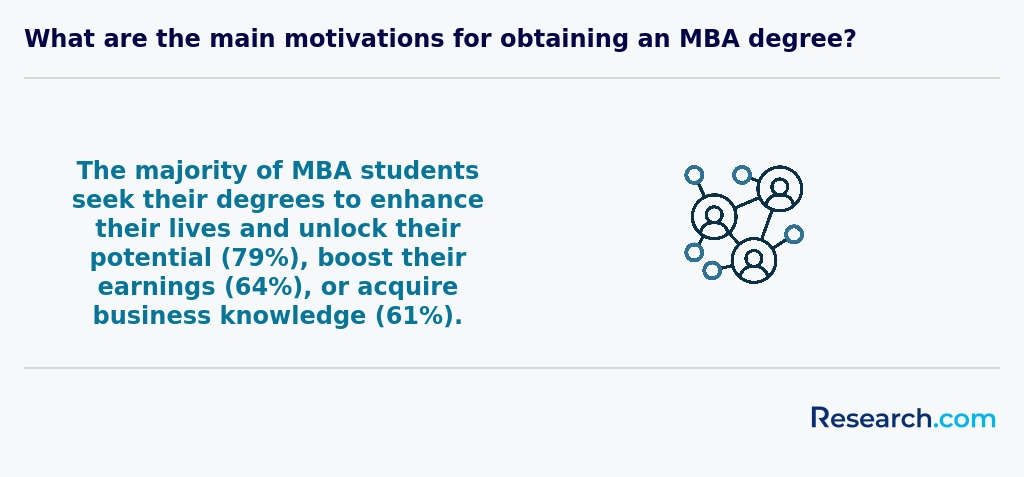
Financial aid for MBA students in Pennsylvania typically blends scholarships, loans, and employer support, reflecting the substantial investment required for programs like those at the University of Pennsylvania's Wharton School or Penn State's Smeal College of Business. Graduates often recall how merit-based scholarships rewarded their academic or leadership accomplishments, although these awards tend to be highly competitive and not guaranteed for everyone.
Beyond scholarships, many students depend on federal Direct Loans and Graduate PLUS loans, accessible through the FAFSA. These loans provide predictable repayment plans, helping students manage the $50,000 to $90,000 cost range for programs across the state. Some graduates found this financial structure relieved stress during their studies, allowing focus on coursework rather than immediate expenses.
Employer tuition assistance also plays a critical role, especially for working professionals balancing jobs and studies. Nearly 36% of MBA graduates from Pennsylvania reported receiving such support, which can transform the financial landscape of earning an MBA. Additionally, private scholarships from local business groups offer extra relief, though pursuing these often requires proactive research and persistence.
Investing in an MBA in Pennsylvania can yield significant financial rewards, but understanding your payback period is crucial for making an informed decision. On average, graduates from top Pennsylvania programs report a starting salary increase of $25,000–$35,000 compared to their pre‐MBA earnings, leading to a typical break-even point of 3–5 years post‐graduation. Factors influencing this timeline include tuition costs, living expenses, and the salary differential you achieve upon landing your first post‐MBA role. To calculate your personal ROI, start by summing total program expenses-tuition, fees, and living costs over two years-and compare this to your projected salary bump. For example, if your MBA costs $100,000 and you secure a position paying $30,000 more per year, you would recoup your investment in just over three years. Leveraging scholarships and assistantships, as discussed in our financial aid section, can accelerate this payback period. Beyond numbers, consider non‐tangible returns: enhanced leadership skills, expanded professional networks, and access to exclusive alumni resources. Pennsylvania schools often boast dedicated career centers that facilitate executive mentorship and internship placements, further shortening your pathway to higher‐income roles. For students weighing in‐state affordability against out‐of‐state options, exploring neighboring programs can offer valuable insights. For a detailed comparison of cost‐effective alternatives, see our Affordable MBA Degree Programs Ranking in Michigan.
To enroll in an MBA program in Pennsylvania, applicants generally must have a bachelor's degree from an accredited institution. Graduates from various disciplines have successfully navigated MBA admissions at popular schools like the University of Pennsylvania's Wharton School or Penn State, demonstrating the flexibility of undergraduate backgrounds. However, some programs highlight the advantage of prior coursework in business or quantitative fields, which can boost confidence during early coursework.
The role of standardized tests such as the GMAT or GRE remains significant, though a growing number of Pennsylvania programs now offer test-optional admissions. Graduates often share how preparing for these exams sharpened their critical thinking, a skill they later valued intensely in their studies and careers. Typical accepted GMAT scores range between 600 and 700, reflecting competitive but attainable benchmarks.
Most programs require at least two to three years of professional experience. For instance, some MBA students from Temple University note that their work experience enriched classroom discussions and allowed them to apply theoretical concepts practically. Executive tracks may expect five or more years in management, making the experience criterion adaptable to different career stages.
Typical application materials include a polished resume, strong letters of recommendation, and a compelling personal statement. These elements give admissions committees insight into candidates beyond test scores, enabling a more holistic review process tailored to Pennsylvania's diverse professional landscape.

When considering an MBA program in Pennsylvania, one crucial factor to examine is the cost and how to make the program affordable. Pursuing an MBA in Pennsylvania can be a significant investment, but there are ways to make it more manageable. For instance, looking into the most affordable mba schools in pennsylvania can help prospective students find programs that fit their budget. Additionally, many schools offer scholarships, grants, and assistantships to help offset the cost of tuition. It's also important to consider the potential return on investment, as many MBA graduates in Pennsylvania go on to secure high-paying jobs that can help them pay off their student loans quickly. By carefully weighing the costs and benefits, prospective students can make an informed decision about which MBA program in Pennsylvania is the best fit for their financial situation and career goals.
The typical MBA curriculum in Pennsylvania covers foundational business disciplines that graduates consistently describe as both challenging and rewarding. Core courses often include accounting, where students learn to interpret financial statements and manage budgets-a skill that one graduate from the University of Pennsylvania found indispensable when analyzing startup ventures. Finance classes focus on corporate finance and risk management, enabling students from Penn State to confidently evaluate investment opportunities in real-world settings.
Marketing courses delve into consumer behavior and strategic planning; for example, Temple University students often share how case studies in this area sparked their creativity and sharpened decision-making skills. Operations management emphasizes supply chain logistics and quality control, which graduates cite as essential for improving processes in industries across Pennsylvania's diverse economy. Organizational behavior and economics provide insights into leadership and market forces, grounding students in practical knowledge useful for team management and economic forecasting.
Importantly, many programs in Pennsylvania offer electives tailored to current industry trends, such as healthcare management and data analytics, reflecting the region's evolving job market. Graduates frequently express enthusiasm about how these courses enabled them to adapt business concepts directly to their careers, reinforcing the degree's practical value.
In Pennsylvania, MBA degree specializations reflect the state's dynamic economy, with popular concentrations in Finance, Marketing, Healthcare Management, Entrepreneurship, Information Technology Management, and Supply Chain and Operations Management. Graduates from institutions like the University of Pennsylvania's Wharton School often praise the Finance track for its rigorous focus on investment strategies and risk analysis, offering hands-on experiences that closely mimic corporate environments. Meanwhile, those pursuing Marketing benefit from programs emphasizing digital trends and consumer insights, critical for adapting to fast-changing markets.
Students at Carnegie Mellon University and Temple University highlight how healthcare and entrepreneurship specializations blend theory with practice, allowing them to engage directly with Pennsylvania's leading hospitals or startups. These real-life applications make the coursework feel relevant and inspiring. Deciding among these options involves weighing personal career goals against program strengths, which vary by school. For those seeking flexibility, exploring the easiest online mba program options offers additional pathways to specialization without geographic constraints, a consideration many students find valuable.
Prospective students attentive to the best MBA concentrations Pennsylvania has to offer will find that program choices are as diverse as the state's industries, supporting a broad range of professional ambitions.
Choosing the best MBA degree in Pennsylvania means balancing quality, cost, and personal goals. Graduates from Wharton often emphasize the school's strong finance curriculum and a vast alumni network that helped them secure high-impact roles in Philadelphia's financial sector. Meanwhile, those from Carnegie Mellon's Tepper School appreciate its tech-focused courses and collaborative culture, which suits students aiming for innovative industries. Prospective students should critically evaluate their career aspirations alongside program specialization, tuition fees, and flexibility.
For many, affordability plays a key role. The range of MBA tuition in Pennsylvania varies significantly, so it helps to explore options at public universities or consider part-time and online MBA formats that accommodate working professionals' schedules. Reflecting on experiences of recent graduates shows that accessible career services and networking events can offset higher costs by improving job placement and salary outcomes. When affordability is a concern, reviewing rankings such as the Affordable MBA Degree Programs Ranking in Michigan may offer useful insights.
Ultimately, your decision should factor in accreditation and alumni support, as these influence both educational rigor and long-term career potential. Careful research and campus visits in Pennsylvania's competitive MBA landscape will help you identify the right fit-not just the most prestigious name.
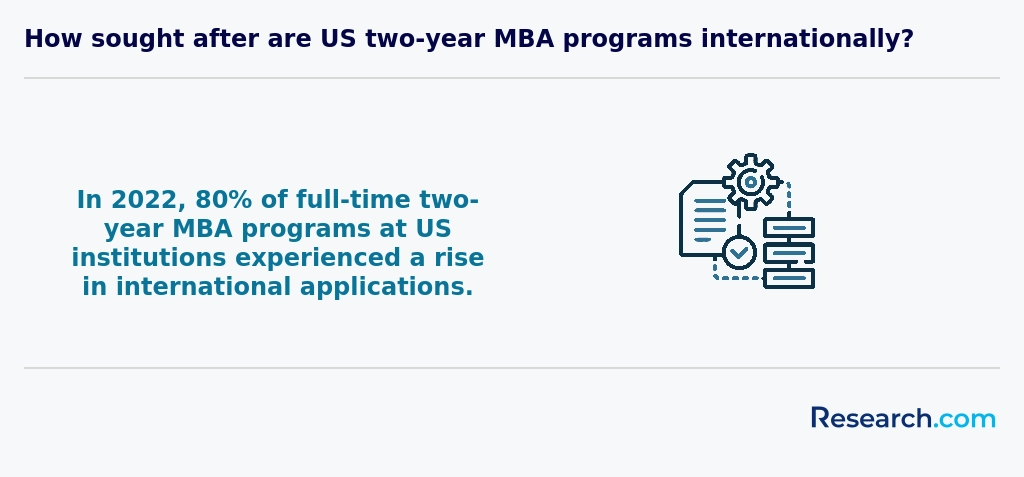
MBA graduates in Pennsylvania often pursue diverse career paths that align with the state's robust economy. Business management jobs with MBA Pennsylvania commonly include leadership roles such as project managers or operations directors, where graduates leverage skills honed at institutions like the University of Pennsylvania or Penn State. These roles emphasize strategic planning and organizational behavior, illustrating how graduates apply their education in real business environments.
Other graduates find rewarding careers in finance and accounting, particularly in Philadelphia and Pittsburgh's financial hubs. Positions such as financial analysts or risk managers reflect the lucrative potential in this field, although the path requires continuous adaptation to market changes. Graduates from schools such as Carnegie Mellon's Tepper School of Business often cite the competitive nature of these roles but appreciate the strong salary prospects.
Healthcare management is another growing option due to Pennsylvania's extensive medical facilities. MBA holders stepping into hospital administration or healthcare consulting report a sense of meaningful impact, balancing business efficiency with patient care goals.
For those inclined toward entrepreneurship, MBA programs in Pennsylvania typically provide supportive environments, including startup incubators. Entrepreneurs benefit from networking and practical experience, which some graduates describe as transformative. Given the significant cost of an MBA, many also explore alternative paths like the best 6 month certifications that pay well to supplement their skills or ease financial burdens.
The job market for MBA degree holders in Pennsylvania remains promising yet demands strategic navigation. Graduates from institutions like the University of Pennsylvania's Wharton School often find themselves well-positioned within finance and consulting roles based in Philadelphia, reflecting a strong MBA job market outlook Pennsylvania. These graduates share stories of immediate engagement with corporate partners, providing them with competitive edges in a fluctuating economy. However, opportunities extend beyond finance; Pittsburgh attracts MBAs to technology and healthcare sectors where schools like Pennsylvania State University's Smeal College of Business maintain close ties with industry leaders.
Employment opportunities for MBA graduates Pennsylvania include roles in diverse enterprises, from large corporations to SMEs seeking strategic growth. Alumni report that networking events hosted by local business schools substantially improve job prospects. While the average starting salary aligns with national figures around $95,000, costs for programs depending on residency can range widely. Many weigh these costs against career benefits, sometimes complemented by exploring certification programs that pay well to enhance their credentials and employment prospects.
2027 Best MBA Degree Programs Ranking in Pennsylvania
Investing in your education is a significant decision that can profoundly impact your future, and the Research.com team recognizes the importance of guiding you through this process with reliable information. To help prospective students identify the top MBA degree programs in Pennsylvania, we have carefully developed the "2027 Best MBA Degree Programs Ranking in Pennsylvania." Our commitment to quality, credibility, and accuracy is demonstrated by the thorough research and analysis underlying this ranking.
We utilized the following reputable data sources to ensure a comprehensive evaluation of MBA programs:
Engaging with this ranking will provide you with valuable insights to make well-informed educational decisions tailored to your professional goals. For more information about how this ranking was compiled, please visit our Research.com methodology page.


# 4 position
Pennsylvania State University-Main Campus
Master of Business Administration (Mba)


# 7 position
Pennsylvania State University-World Campus
Master of Business Administration

# 9 position
Pennsylvania State University-Penn State Erie-Behrend College
Master of Business Administration (M.B.A.)



Frequently Asked Questions About MBA
Students pursuing an MBA degree in Pennsylvania can enhance their learning by leveraging resources such as networking events hosted by local business schools. Institutions like the University of Pennsylvania's Wharton School and Carnegie Mellon University offer access to leading industry professionals and alumni connections, which are invaluable for career advancement. According to the Graduate Management Admission Council, 85% of MBA graduates find networking critical to their success.
Engaging in internships within Pennsylvania's diverse economy, including finance, healthcare, and technology sectors, allows students to apply classroom theory to real-world challenges. Additionally, participating in case competitions and student consulting projects promotes practical problem-solving skills, which are highly valued by employers.
Utilizing campus resources such as career centers and leadership workshops can further boost learning outcomes. Staying current with local economic trends enhances strategic thinking skills relevant to Pennsylvania's markets.
The MBA field is evolving rapidly, with emerging niches gaining traction among Pennsylvania students and employers. One notable area is healthcare management, driven by the state's robust medical and pharmaceutical industries. Universities like the University of Pennsylvania offer specialized MBA tracks focusing on healthcare leadership and innovation.
Another growing niche is technology management. Pennsylvania's expanding tech scene, particularly in cities like Pittsburgh and Philadelphia, creates demand for MBAs skilled in data analytics, cybersecurity, and digital transformation.
Sustainability and social impact MBA programs have also increased, reflecting broader corporate responsibility trends. Schools such as Lehigh University integrate environmental and ethical issues into their MBA curricula.
These focused fields respond to local economic trends and workforce needs, providing graduates with relevant expertise for Pennsylvania's evolving business landscape.
After completing an MBA degree in Pennsylvania, preparing for the job market requires strategic steps to maximize employment opportunities. Graduates should leverage their school's career services, which often include resume workshops, interview preparation, and access to local job fairs. According to the Graduate Management Admission Council (GMAC), over 85% of MBA graduates in the U.S. secure jobs within three months after graduation, with Pennsylvania's strong finance and healthcare industries providing significant opportunities.
Networking is crucial. Joining alumni groups and professional organizations based in Pennsylvania, such as the Pennsylvania Business Council, can connect graduates to industry leaders. Additionally, gaining relevant internships during study helps build experience, increasing employability in competitive markets like Philadelphia and Pittsburgh.
Employers in Pennsylvania highly value MBA graduates who possess strong leadership and strategic thinking skills. According to the Graduate Management Admission Council, 87% of employers in the U.S. seek candidates capable of problem-solving and driving innovation. These skills are crucial in Pennsylvania's competitive business environments, especially in cities like Philadelphia and Pittsburgh. Additionally, proficiency in data analysis and financial acumen ranks prominently, reflecting the demand within Pennsylvania's finance, healthcare, and technology sectors. Communication skills-both written and verbal-are also essential, as MBA graduates often assume managerial roles that require collaboration across diverse teams and stakeholders.
Adaptability and ethical decision-making have gained attention recently, with 73% of regional employers emphasizing these traits, based on a 2023 report from the Pennsylvania Department of Labor & Industry. Familiarity with digital tools and project management methodologies further enhances a graduate's appeal, aligning with evolving industry needs statewide.
Finding internships relevant to an MBA degree in Pennsylvania involves leveraging several key resources common in the U.S. higher education system. Many business schools in Pennsylvania, such as the Wharton School at the University of Pennsylvania or the Smeal College of Business at Penn State, maintain strong employer networks and career services that help students access internship opportunities. According to the National Association of Colleges and Employers (NACE), about 65% of MBA students nationwide secure internships through school connections.
Students should utilize online platforms like Handshake and LinkedIn, where regional companies post MBA-focused internships. Targeting sectors prominent in Pennsylvania, such as finance, healthcare, and technology, increases the likelihood of relevant positions.
Additionally, attending local networking events and career fairs organized by universities or professional groups can connect candidates directly with employers actively recruiting MBA interns. This approach is supported by data from the Pennsylvania Department of Labor, showing increased internship growth in metropolitan areas like Philadelphia and Pittsburgh.
In Pennsylvania, earning an MBA degree significantly enhances career mobility and advancement opportunities. According to the Graduate Management Admission Council, MBA graduates in the U.S. see an average salary increase of around 50% compared to individuals with only a bachelor's degree. Pennsylvania's strong economy, with hubs in Philadelphia and Pittsburgh, offers diverse industries where MBA graduates can transition into leadership roles.
Business professionals with MBAs report faster promotions and greater job security. The Pennsylvania Department of Labor notes that MBA holders often move into strategic management, finance, and consulting positions, which are projected to grow by 7% over the next decade. Employers value the practical skills and strategic thinking MBAs bring, making graduates competitive candidates for advancement.
Additionally, Pennsylvania's top business schools maintain strong alumni networks and employer partnerships, providing access to exclusive career resources, internships, and executive training programs. These connections help graduates pivot across sectors or rise within their organizations more quickly than peers without advanced degrees.
Studying for an MBA degree in Pennsylvania offers a strong foundation for interdisciplinary roles by combining core business skills with opportunities to explore diverse fields such as healthcare, technology, and finance. Many universities in Pennsylvania integrate case studies and collaborative projects that mimic real-world challenges, promoting teamwork across different specialties.
According to the Graduate Management Admission Council, 42% of MBA graduates nationwide work in roles requiring cross-functional expertise, making the Pennsylvania MBA programs particularly relevant as the state hosts industries like biotech, energy, and education.
Additionally, Pennsylvania schools often partner with local businesses and government agencies, providing experiential learning and networking that bolster interdisciplinary understanding.
When choosing between a thesis and a non-thesis MBA program in Pennsylvania, consider your career goals and learning preferences. Thesis programs typically require original research and are ideal for students interested in academic or research-focused careers. Non-thesis MBA programs emphasize practical skills through coursework and internships, which suits professionals aiming for leadership roles in business.
Data from the Pennsylvania Department of Education shows that nearly 70% of MBA students in the state opt for non-thesis tracks due to their flexibility and faster completion times. Universities like the University of Pennsylvania and Penn State offer both options, allowing students to tailor their studies to their professional needs. Evaluating program structure, time commitment, and long-term objectives can guide your decision effectively.
Students in Pennsylvania seeking to pursue an MBA abroad have several options through partnerships between local universities and international institutions. Many Pennsylvania schools, such as the University of Pennsylvania's Wharton School, offer dual-degree or exchange programs that allow students to study part of their MBA overseas.
These programs often include collaboration with top business schools in Europe and Asia, giving students exposure to global business practices. Additionally, students can consider accredited international MBA programs that accept US credits, making the transition smoother.
According to the Graduate Management Admission Council, nearly 50% of MBA candidates consider international study for global career advantages, highlighting growing interest among Pennsylvania students.
Financial aid and scholarships are sometimes available specifically for study abroad, making these programs more accessible.
In Pennsylvania, MBA students can enhance their education through various part-time job opportunities. Positions in financial services, such as bank teller or financial analyst assistant roles, provide practical experience with data analysis and client management. Philadelphia and Pittsburgh, hubs for finance and healthcare industries, offer numerous internships with firms like PNC Financial Services and UPMC.
Consulting firms and startups frequently seek part-time analysts, allowing students to apply problem-solving and strategic planning skills. Retail management and marketing assistant jobs also help students develop leadership and communication abilities.
According to the Pennsylvania Department of Labor, industries like finance and healthcare are projected to grow 8% by 2028, increasing opportunities for MBA students to find relevant employment during their studies.
MBA students in Pennsylvania benefit from diverse and robust networking opportunities. Many universities, including the University of Pennsylvania's Wharton School and Carnegie Mellon, host regular industry panels, alumni mixers, and career fairs designed to connect students with local and national business leaders. According to the Graduate Management Admission Council (GMAC), over 80% of MBA graduates in Pennsylvania reported that networking events significantly impacted their career opportunities.
Professional organizations such as the Philadelphia Chapter of the Association for Corporate Growth and local chambers of commerce provide additional platforms for engagement. Students also access mentorship programs with experienced professionals, helping build valuable connections before graduation.
Alumni networks offer significant benefits to MBA students in Pennsylvania by providing valuable connections for career advancement. According to the Graduate Management Admission Council (GMAC), 85% of MBA graduates find networking crucial in securing job opportunities. Pennsylvania schools, such as the Wharton School at the University of Pennsylvania, boast extensive alumni networks that span diverse industries, enhancing mentorship and job placement options.
These networks often host events and workshops that help current students develop professional skills. Additionally, alumni connections can lead to internships and job referrals, which are essential in a competitive market.
Experts emphasize that strong alumni engagement improves students' access to insider industry knowledge, fostering long-term career growth within Pennsylvania's robust economy.
Many MBA programs in Pennsylvania offer customizable options to align with your career goals. You can often choose specializations such as finance, marketing, healthcare management, or entrepreneurship. These focus areas help tailor your studies to specific industries or roles.
Additionally, Pennsylvania schools frequently provide flexible course formats, including part-time, online, and evening classes. This flexibility supports working professionals eager to balance education with career demands.
Internships and networking opportunities within Pennsylvania's diverse economy enhance practical learning. According to the Graduate Management Admission Council (GMAC), 64% of MBA students nationwide select programs offering strong career services, reflecting trends present in Pennsylvania as well.
Lastly, some institutions allow elective courses across other graduate programs, enriching your skill set beyond traditional business disciplines.
MBA students in Pennsylvania commonly face challenges balancing rigorous coursework with professional and personal responsibilities. Many enroll while working full-time, which can lead to time management difficulties. According to the Graduate Management Admission Council, about 60% of MBA candidates nationwide juggle employment alongside studies, a trend reflected in Pennsylvania's urban centers like Philadelphia and Pittsburgh.
Additionally, financing an MBA remains a significant concern. Tuition at Pennsylvania institutions varies widely; the Wharton School at the University of Pennsylvania costs upwards of $80,000 per year, while regional public universities offer more affordable options. This financial pressure often requires careful planning for loans or scholarships.
Networking in Pennsylvania's competitive business environment also presents a challenge. Students must actively engage with local industries during and after their studies to maximize career benefits, which demands both time and effort.
With an MBA degree from Pennsylvania, graduates can pursue a variety of professional certifications that enhance career growth. Common certifications include the Certified Management Accountant (CMA), which focuses on financial management and planning, and is recognized nationwide. Another key option is the Project Management Professional (PMP), valuable for those managing complex projects across industries. Additionally, the Certified Financial Planner (CFP) suits MBA holders focusing on financial advisory roles. According to the Pennsylvania Department of Education, many MBA programs incorporate preparatory courses aligned with these certifications, improving pass rates for local students. These certifications foster leadership and specialized expertise in competitive job markets.
Writing a winning MBA application for a program in Pennsylvania requires careful preparation and clarity. Start by researching the specific school's requirements, as institutions like the University of Pennsylvania's Wharton School or Penn State vary in their expectations. Strong GMAT or GRE scores are important; the average GMAT score for top Pennsylvania programs ranges from 660 to 730, according to US News data.
Highlight your professional achievements and leadership experience clearly. Pennsylvania schools often value applicants who demonstrate community involvement or local industry engagement. A well-crafted personal statement should explain your career goals and why a Pennsylvania MBA fits your plans.
Lastly, secure strong recommendation letters that provide insight into your abilities and potential. Meeting application deadlines is critical, as many Pennsylvania programs have rolling admissions or early deadlines in the fall.
The global perspective on an MBA career highlights its value in developing leadership, strategic thinking, and business management skills. For students in Pennsylvania, the degree offers international relevance, as U.S. MBA programs often emphasize cross-cultural communication and global markets. According to the Graduate Management Admission Council's 2023 report, 58% of MBA graduates from U.S. schools, including Pennsylvania institutions, pursue roles with global responsibilities or multinational companies.
Additionally, Pennsylvania's robust economic sectors, such as finance, healthcare, and technology, provide graduates with opportunities to apply global business concepts locally. Employers increasingly seek MBA holders who understand worldwide trends and can navigate diverse business environments.
Gaining practical experience during an MBA in Pennsylvania is essential for career readiness. Many MBA programs in the state offer internship opportunities with local businesses, giving students hands-on exposure to real-world challenges. For example, schools often partner with Philadelphia's thriving finance and healthcare sectors, enabling students to apply classroom knowledge.
Additionally, Pennsylvania universities frequently incorporate consulting projects, where students work with companies to solve current business issues. According to the Graduate Management Admission Council, over 70% of MBA students nationwide complete internships, a trend reflected in Pennsylvania's competitive programs.
Networking events and career workshops further support experiential learning, allowing students to connect with industry leaders throughout their studies.
Choosing the right concentration within an MBA program in Pennsylvania depends on your career goals, interests, and the industries thriving in the region. Pennsylvania's economy centers on healthcare, finance, technology, and manufacturing, influencing popular MBA specializations like Healthcare Management, Finance, and Supply Chain Management. According to the Pennsylvania Department of Labor & Industry, finance and healthcare sectors are among the fastest growing, which may guide your decision.
Consider programs offered by local universities such as the University of Pennsylvania's Wharton School or Penn State, which provide tailored tracks that align with these sectors. Evaluate course content, faculty expertise, and internship opportunities.
Finally, research alumni outcomes and regional demand to ensure the concentration matches employment trends and salary expectations in Pennsylvania's job market.
- 2027 Best MBA Degree Programs Ranking in New Jersey
- 2027 Best MBA Degree Programs Ranking in Maryland
- 2027 Best MBA Degree Programs Ranking in New York
- 2027 Best MBA Degree Programs Ranking in Massachusetts
- 2027 Best MBA Degree Programs Ranking in Kentucky
- 2027 Best MBA Degree Programs Ranking in North Carolina
- 2027 Best MBA Degree Programs Ranking in Indiana
- 2027 Best MBA Degree Programs Ranking in New Hampshire
- 2027 Best MBA Degree Programs Ranking in Maine
- 2027 Best MBA Degree Programs Ranking in Michigan
- How to Use Your MBA for Career Growth While You’re Still Studying - International Career Institute USA https://icieducation.com/blog/how-to-use-your-mba-for-career-growth-while-youre-still-studying/
- How to balance a part-time MBA while working full-time https://www.manchester.ac.ae/blog-post/how-to-balance-a-part-time-mba-while-working-full-time
- Top Challenges for MBA Students in 2025: Placements and Career Growth in India | BeJobbed.com https://bejobbed.com/challenges-mba-students-placements-career-growth-india/
- Skills Employers Look for in Business Graduates – EU Business School https://www.euruni.edu/blog/skills-employers-look-for-in-business-graduates/
- Why MBA Graduates Embrace Global Perspectives for Career Growth https://www.thehighereducationreview.com/editors-guest/why-mba-graduates-embrace-global-perspectives-for-career-growth-nid-6271.html
- The Growing Demand for Niche Jobs and MBA Specializations https://www.clearadmit.com/2025/05/the-growing-demand-for-niche-jobs-and-mba-specializations/
- Tips for Writing an MBA Program Essay - GMAT Ninja https://www.gmatninja.com/articles/mba-admissions/essays-and-applications/minimizing-mba-application-essay-agony/
- Future-Proof Your Career with an MBA in India : MIT-WPU Blog https://mitwpu.edu.in/blog/emerging-specialisations-in-mba---how-to-future-proof-your-business-career-in-india
- MBA Career Outlook from a Global Perspective Margaret Buj https://interview-coach.co.uk/mba-career-outlook-from-a-global-perspective/
- Competency Based MBA https://www.keystone.edu/academics/masters-degrees/competency-based-mba/


