2027 Most Affordable MBA Degree Programs Ranking in Pennsylvania

Co-Founder and Chief Data Scientist
Choosing the right MBA program in Pennsylvania can feel overwhelming. To help, this article features the 2027 Most Affordable MBA Degree Programs Ranking in Pennsylvania, created by the Research.com team of data scientists. This ranking offers clear, data-driven insights so you can confidently explore your options.
Pursuing an MBA opens doors to new career opportunities and personal growth. By reading this article, you'll discover affordable programs that combine quality education with real value. Taking this step can empower your future in meaningful ways.
Key benefits of getting MBA degree in Pennsylvania
- While specific salary data for MBA-related roles in Pennsylvania is unavailable, MBA graduates in the US typically enjoy robust earning potential, with median annual wages often exceeding $90,000 depending on the industry and role.
- An MBA graduate from the University of Pennsylvania can pursue diverse career paths such as management consulting, finance, or entrepreneurship, opening doors to leadership roles across many exciting industries.
- Online MBA programs from institutions like Temple University provide flexible learning that fits busy schedules, allowing students to gain valuable skills and network widely without sacrificing current job or family commitments.
- 2027 Most Affordable MBA Degree Programs Ranking in Pennsylvania
- What can I expect from MBA degree in Pennsylvania?
- Where can I work with MBA degree in Pennsylvania?
What can I expect from MBA degree in Pennsylvania?
The average cost of an MBA degree in Pennsylvania depends largely on the type of institution you choose. Public in-state programs, such as those offered by Pennsylvania State University's Smeal College of Business, generally range between $20,000 and $40,000 in total tuition. Many students find this option manageable, especially when paired with available scholarships or assistantships that the university actively promotes.
Conversely, private schools like the University of Pennsylvania's Wharton School often surpass $60,000 in tuition. Graduates from these programs express a strong sense of investment in their career growth, noting the extensive alumni network and higher earning potential after graduation make the cost worthwhile.
For busy professionals balancing work and study, flexible formats like online or part-time MBAs help spread costs over time while still gaining the valuable credentials these Pennsylvania programs offer. Exploring financial aid early, and speaking directly with admissions at institutions such as the University of Pittsburgh's Katz Graduate School, can uncover personalized funding options that ease financial pressure.
Ultimately, assessing your budget alongside career goals and the specific resources each school provides will guide you to the best financial decision for your MBA journey in Pennsylvania.
Where can I work with MBA degree in Pennsylvania?
With an MBA degree from a Pennsylvania school like the University of Pennsylvania's Wharton or Penn State Smeal College of Business, you're positioned to enter a variety of strong job markets across the state. Graduates often find rewarding roles in Philadelphia or Pittsburgh's finance sector, working for firms such as PNC Financial Services or Citizens Bank in investment banking or corporate finance. Practical experience gained through internships at these companies frequently leads to well-compensated positions as financial analysts or risk managers.
Healthcare management is another prominent path. MBA alumni from Temple University and the University of Pittsburgh leverage their skills to secure leadership roles at major health systems like UPMC or Penn Medicine. Many enjoy making impactful decisions in hospital operations and healthcare consulting, directly contributing to improving patient care and efficiency.
Those who studied at schools near manufacturing hubs often land roles in supply chain or operations management at companies like Westinghouse Electric or Hershey. Real-world projects during the MBA prepare them to handle these complex challenges confidently.
Additionally, tech-savvy graduates tap into opportunities with startups and innovation centers around State College and Philadelphia, applying business development and product management skills cultivated during their studies.
Graduates from MBA programs at well-known Pennsylvania institutions often find starting salaries in metropolitan hubs like Philadelphia or Pittsburgh ranging from $70,000 to $85,000. For example, recent graduates from popular local universities report quickly moving toward the $90,000 to $130,000 range within a few years by leveraging internships and networking opportunities provided during their studies.
Mid-career professionals commonly earn above $100,000, especially in finance, consulting, or technology sectors. Employers in these fields highly value the leadership and analytical skills honed during the MBA program, rewarding experienced graduates with salaries typically exceeding $110,000. Bonuses, profit-sharing, and other incentives can add an additional 10% to 20% or more to these base figures, making the total compensation quite competitive.
This practical outlook shows that building connections and gaining industry experience during your MBA studies in Pennsylvania can significantly impact earning potential. It aligns with reports from the Pennsylvania Department of Labor & Industry and the Graduate Management Admission Council, emphasizing the strong market for skilled MBA holders in the state's diverse economy.
- Tuition for MBA programs in Pennsylvania ranges from $30,000 to $50,000 at public universities and $60,000 to $90,000 at private institutions.
- Part-time and online MBA formats are available and generally fall within the same overall cost range.
- Starting salaries for MBA graduates in Pennsylvania typically range between $70,000 and $85,000 per year.
- Mid-career MBA holders can expect average salaries of $110,000 to $130,000 annually.
- Key industries employing MBA graduates include finance, healthcare management, consulting, and technology, especially in cities like Philadelphia and Pittsburgh.
Completing an MBA in Pennsylvania typically takes around two years for full-time students, especially at well-known schools like Pennsylvania State University's Smeal College of Business. Graduates often recall the balance of intense semesters packed with group projects and networking events that helped them grow professionally. If you're juggling a full-time job, part-time MBA programs available in cities like Philadelphia and Pittsburgh stretch the journey to about three to four years. Many working professionals find evening and weekend classes a game-changer, allowing steady progress without sacrificing income.
For those eager to accelerate their career move, Pennsylvania also offers intensive MBA tracks that can be completed in 12 to 18 months. These fast-paced programs demand real commitment but reward with quicker entry into leadership roles. Meanwhile, online MBA options provide flexibility, often mirroring the pace of part-time studies, which suits students managing work and family. Choosing the right timeline depends on your personal schedule, financial situation, and career goals, making Pennsylvania's diverse offerings ideal for practically anyone.
Understanding the return on investment (ROI) for an MBA in Pennsylvania is essential to evaluate both short-term costs and long-term gains. On average, Pennsylvania MBA graduates invest between $60,000 and $100,000 in tuition and fees, excluding living expenses. With a reported post-MBA salary increase of 25–35%, most students recoup their total costs within 3 to 5 years of graduation. Factors influencing payback period include program format (full-time vs. part-time), internship stipends, and available employer sponsorship. To calculate your personal ROI: • Estimate total program expenses: tuition, fees, books, and living costs. • Project post-MBA salary differential based on industry benchmarks (for example, finance roles often yield a 30% premium). • Divide total investment by annual salary increase to determine break-even years. Beyond direct financial ROI, intangible benefits-such as expanded leadership skills, enhanced professional network, and access to executive coaching-deliver compounding value over a 10- to 15-year career horizon. Graduates often leverage alumni platforms and career services to secure promotions faster, accelerating overall ROI. For comparative analysis, prospective students may also explore our Affordable MBA Degree Programs Ranking in Dubuque, IA, which highlights similar metrics for Midwestern institutions and provides additional context on regional cost-benefit profiles.
Online MBA programs in Pennsylvania, like those at Penn State World Campus and Drexel University, offer the convenience of studying from home or anywhere else. Graduates often praise the flexibility to juggle work and family while advancing their degree. Imagine logging in after a full day at the office, then participating in discussions or completing assignments without a commute. This format typically reduces costs by cutting out campus fees and housing expenses.
In contrast, on-campus MBAs at schools such as the University of Pennsylvania's Wharton School or the University of Pittsburgh offer a more immersive experience. Graduates highlight the value of face-to-face networking events and spontaneous hallway conversations with professors and peers. Being on campus means access to libraries, career services, and hands-on group projects that build leadership skills. This setup fits those who prefer structured environments and thrive on personal interaction.
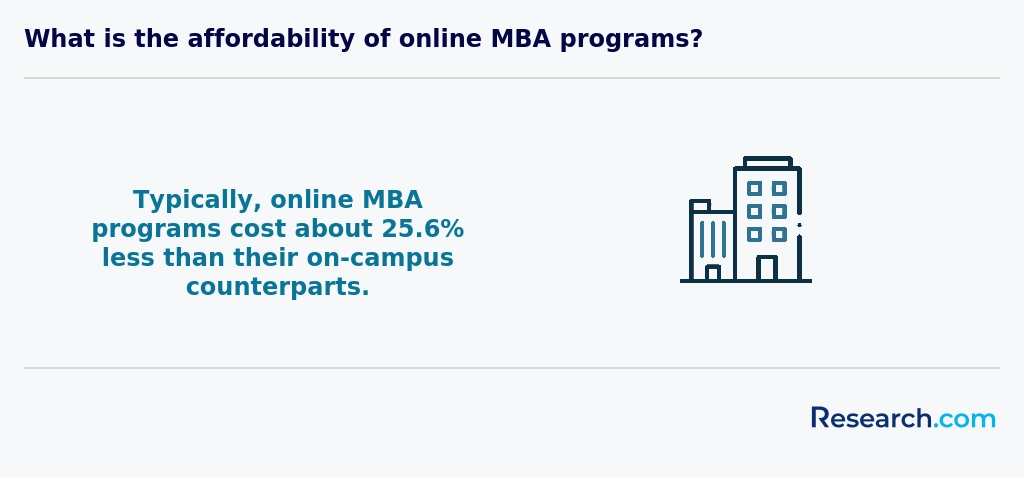
Tuition varies, with on-campus programs generally costing between $40,000 and $100,000, while online options tend to be 10-30% less expensive. Consider your lifestyle, learning preferences, and budget carefully to choose the right path.
Investing in an MBA is about more than tuition-it’s about long-term career growth and salary uplift. To gauge ROI, prospective students should consider: • Average Total Cost vs. Salary Increase – In Pennsylvania, total MBA costs range from $60,000 to $150,000. Graduates report average starting salaries of $90,000–$100,000, reflecting a 25–30% uplift over pre-MBA earnings. – Typical payback period: 3–5 years, depending on specialization and industry. • Debt-to-Income Ratio – Graduates with debt below $50,000 often achieve positive cash flow within three years of graduation. – Programs offering robust scholarships or employer tuition reimbursement can reduce both debt and payback timeframe. • Industry Variations – Finance and consulting roles deliver the highest ROI, with mid-career salaries exceeding $140,000. – Nonprofit and healthcare specializations may have longer payback periods but offer strong job security and mission-driven fulfillment. • Comparative ROI Analysis – For students evaluating ROI in different states, our Affordable MBA Degree Programs Ranking in Dubuque, IA offers additional insight into programs with strong ROI metrics outside Pennsylvania. • Maximizing ROI – Leverage on-campus career services, alumni mentorship, and internship opportunities. – Target scholarships and assistantships; apply early for limited-fund awards. – Choose specializations aligned with high-growth sectors such as Business Analytics or Technology Management. By systematically comparing cost, salary projections, and payback periods, prospective students can select an MBA program in Pennsylvania that delivers both affordability and measurable career impact.
The average cost of an MBA degree in Pennsylvania typically centers around $54,143, with in-state students often paying closer to $38,372. This range reflects tuition expenses at the state's mix of public and private universities. For many MBA students at public institutions, annual tuition falls between $20,000 and $30,000, making it a practical choice for those looking to manage costs effectively. Graduates from such programs often share stories of balancing affordability with a strong academic experience, feeling confident they made a wise financial investment.
Private universities in Pennsylvania, including prestigious schools, generally have higher tuition, sometimes exceeding $80,000 for the entire MBA. Despite the hefty price tag, students frequently emphasize the value they received through access to extensive networks and advanced resources. Alumni who completed their studies at renowned local institutions cherish the competitive edge gained, even if the upfront cost was significant.
Additional expenses like books, living costs, and fees commonly add several thousand dollars per year. Part-time and online MBA options provide flexibility and help distribute costs more manageably over time. These formats have allowed many working professionals to pursue their degrees without disrupting income, generating a sense of accomplishment and motivation.
To explore choices among colleges offering MBA degrees in Pennsylvania and find options that fit your budget and goals, consider reviewing the top mba school in pennsylvania. This resource assists in matching prospective students with programs aligning with their financial plans and career ambitions, based on average MBA tuition cost Pennsylvania and other key factors.

To make an informed decision when selecting an MBA program in Pennsylvania, it's essential to consider several key factors, including accreditation, program format, curriculum, and cost. Prospective students should research institutions thoroughly, looking into aspects such as the availability of specializations that align with their career goals, the reputation of the program, and the support services offered. For instance, those interested in attending a top mba school in pennsylvania should evaluate how each program's strengths and weaknesses match their personal and professional aspirations. By carefully evaluating these factors, individuals can choose an MBA program that not only enhances their knowledge and skills but also provides a solid foundation for achieving their career objectives in a competitive and ever-evolving business landscape.
If you're pursuing an MBA in Pennsylvania, start by exploring federal student loans like unsubsidized Direct Loans and PLUS Loans, which offer predictable interest rates and flexible repayment plans. Graduates from institutions such as the Wharton School at the University of Pennsylvania often rely on these loans to cover tuition costs without immediate financial strain.
Look into graduate assistantships, which provide a win-win: tuition remission or stipends in exchange for research or teaching duties. For example, at Pennsylvania State University, many MBA students have secured assistantships that alleviate costs while gaining valuable work experience.
Scholarships and fellowships tailored for Pennsylvania residents are another practical route. Graduates from local universities have successfully used awards from the Pennsylvania Higher Education Assistance Agency to help fund their degrees, easing the burden and boosting confidence.
If you're working, don't overlook employer tuition assistance programs. Numerous Pennsylvania professionals pursuing MBAs find employers willing to cover part or all of their tuition when the degree supports their career growth-this real-world support can be a game changer.
Navigating the MBA application process can be as challenging as it is rewarding. Prospective students should begin by researching each program’s specific requirements and deadlines, ensuring they have a clear timeline for standardized tests, recommendations, essays, and interviews. It’s essential to create a targeted application strategy that highlights your unique strengths and professional experiences. Start by identifying programs that align with your career goals and financial considerations. For instance, if flexibility and cost-effectiveness are priorities, you might consider exploring most affordable mba online programs under 10000 per year. To build a strong application, focus on the following tips: • Clearly define your career aspirations in your personal statement, connecting these goals to the skills and network you hope to develop during your MBA. • Request recommendations from individuals who can provide detailed insights into your leadership, analytical abilities, and teamwork. • Prepare thoroughly for interviews by practicing responses that reflect both your professional journey and your adaptability in a dynamic business environment. • Pay attention to application details such as formatting, deadlines, and specific school instructions to avoid unnecessary delays or errors. By approaching your MBA application with these proactive strategies, you enhance your chances of success and pave the way for a transformative educational experience.
To enroll in an MBA program in Pennsylvania, start by securing a bachelor's degree from an accredited school. Many successful graduates share that having a background in business or economics made their transition smoother, especially at well-known programs like Penn State or the University of Pittsburgh.
Next, prepare for standardized tests. While some schools still request GMAT or GRE scores, many have shifted to test-optional policies, particularly for applicants with strong resumes or extensive professional experience. For instance, several Penn State MBA candidates benefited from GMAT waivers after demonstrating their work achievements.
Work experience is crucial. Most Pennsylvania MBA students bring two to five years of real-world insight, which enriches class discussions and teamwork. Executive MBA tracks, common at private institutions, often expect even deeper industry involvement.
- Gather solid letters of recommendation from employers or professors who know your strengths well
- Craft personal essays that clearly express your career goals to stand out
- Prepare for interviews, since communication skills and fit weigh heavily in admissions decisions
Following these steps ensures your application aligns perfectly with Pennsylvania programs' expectations, giving you confidence in your MBA journey.

MBA programs in Pennsylvania focus on practical courses that cover essential business skills. Graduates from universities like Penn State's Smeal College of Business often mention how core courses such as Financial Accounting and Corporate Finance taught them to confidently analyze company budgets and investment decisions. These courses build a strong base in managing money and resources strategically.
Marketing Management and Consumer Behavior classes help students understand real customers, which former students say made their transition to leadership roles smoother. Operations Management and Supply Chain Strategies courses equip you with tools to improve efficiencies, something graduates found immediately useful in manufacturing and retail settings across Pennsylvania.
You'll also study Organizational Behavior and Human Resource Management, learning how to motivate teams and manage workplace dynamics. Pennsylvania MBA students appreciate courses in Business Ethics that prepare them to handle difficult decisions responsibly.
Beyond core subjects, programs offer electives in data analytics and international business-skills increasingly demanded by Pennsylvania employers. This flexibility allows you to customize your education to fit your career aspirations while developing confidence for the competitive job market.
MBA specializations in Pennsylvania universities cover a broad spectrum, allowing students to focus on areas aligned with their career goals. Finance is a popular choice, with graduates often praising how Penn State's MBA program sharpened their skills in investment analysis and corporate finance, which opened doors in financial services. Marketing specialization teaches practical skills in digital marketing and consumer behavior, ideal for those aiming for roles in advertising or product management at institutions like Drexel University.
Healthcare Management is prominent given the state's strong healthcare sector. Graduates from Temple University recall how this focus prepared them for leadership roles in hospitals or consulting. Other sought-after specializations include Supply Chain and Operations Management, which fits well with Pennsylvania's logistics industry, and Information Technology Management, combining strategy and analytics for tech-driven business roles. Many students choose Entrepreneurship, attracted by Pennsylvania's supportive startup environment.
When planning your path, consider programs offering flexible formats and cost-effective options. For budget-conscious students, exploring the most affordable mba online programs under 10000 per year is wise for balancing education and expenses while benefiting from these diverse MBA concentration options in Pennsylvania.
Start by verifying the accreditation of MBA programs, as this guarantees recognized quality. Pennsylvania's top schools, like the Wharton School at the University of Pennsylvania, hold the prestigious AACSB accreditation that recent graduates praise for opening doors in competitive job markets. Next, assess tuition costs carefully-programs vary widely, from affordable MBA programs Pennsylvania offers at public institutions like Temple University to premium-priced private options such as Carnegie Mellon University.
Consider your lifestyle and choose a program format that fits. Many working professionals in Pennsylvania find success with part-time or online courses, such as those at Penn State World Campus, which offer flexibility without compromising rigor. Graduates often cite this flexibility as key to juggling work, family, and studies. Look for schools with strong alumni networks and high job placement rates; these connections often provide invaluable career support.
Lastly, explore financial aid options to reduce expenses. Scholarships, assistantships, or employer tuition reimbursement can make a difference. To find cost-effective choices, especially if budget constraints are critical, check out the Affordable MBA Degree Programs Ranking in Dubuque, IA for insights that might inspire your search for affordable MBA programs Pennsylvania.
MBA graduates in Pennsylvania often find rewarding opportunities in finance and banking management roles, thanks to the state's strong financial hubs in cities like Philadelphia and Pittsburgh. Graduates from well-known business schools have shared how their MBA sharpened skills in financial modeling and leadership, making them prime candidates for positions such as financial analysts or investment managers. For those interested in healthcare administration, Pennsylvania's robust healthcare sector offers roles as healthcare managers who leverage business strategies to enhance patient care and operational efficiency.
Consulting is another key career path where business management jobs after MBA Pennsylvania graduates excel, especially given the state's proximity to East Coast business centers. MBA holders often enter consulting firms focused on strategy and operations, applying analytical skills gained during their studies. Some graduates from top Pennsylvania universities apply their training to entrepreneurship, utilizing their expertise to launch and grow small businesses. Others pursue roles in marketing management, human resources, supply chain, or project management across industries.
For students balancing work and study, considering the fastest way to get bachelor's degree online can be a helpful step before pursuing an MBA to broaden career options even further.
The job market for MBA degree holders in Pennsylvania is robust, with graduates finding roles in vibrant industries such as finance, healthcare, and technology. Graduates from well-known institutions across the state often report stepping directly into positions like project manager, business analyst, or financial manager in cities including Philadelphia and Pittsburgh. The presence of corporate headquarters and growing startups creates diverse opportunities for leadership roles, which fits well for those applying skills honed during their MBA.
For those exploring MBA job opportunities in Pennsylvania, salaries align well with the cost of living, often starting around $90,000 and exceeding $95,000 in metro areas. Many graduates appreciate how the state's economic stability and expanding sectors foster real career growth, making even competitive markets feel navigable. The mix of established companies and entrepreneurial startups helps graduates build networks and improve strategic management expertise.
Students considering study options can benefit from programs in Pennsylvania's urban hubs that mesh well with local industry demands. MBA grads frequently share how these programs integrate practical internships and connections, boosting readiness to enter the workforce. For flexible learners, exploring online college open enrollment options can also provide timely access to relevant skills without geographic barriers.
Understanding Pennsylvania MBA career outlook helps potential students make pragmatic, step-by-step choices about where to study and how to target growing sectors, ensuring their investment leads to meaningful employment.
2027 Most Affordable MBA Degree Programs Ranking in Pennsylvania
Investing in your education is a significant decision that can shape your future, and the Research.com team understands the importance of making informed choices. To assist prospective students in Pennsylvania, we have meticulously created the "2027 Most Affordable MBA Degree Programs Ranking in Pennsylvania." Our commitment to quality, credibility, and accuracy is demonstrated through thorough research and careful analysis.
We utilized the following reputable data sources to ensure a comprehensive evaluation of MBA programs:
By exploring this ranking, readers will gain valuable insights into affordable and quality MBA degree programs in Pennsylvania, enabling them to make well-informed decisions aligned with their educational and financial goals. For more details on our methodology, please visit our Research.com methodology page.
# 1 position
Pennsylvania State University-World Campus
Master of Business Administration


# 6 position
Peirce College
Master of Business Administration

# 7 position
Strayer University-Pennsylvania
Master of Business Administration


# 10 position
Pennsylvania State University-Penn State Erie-Behrend College
Master of Business Administration (M.B.A.)



# 19 position
Pennsylvania State University-Main Campus
Master of Business Administration (Mba)

Frequently Asked Questions About MBA
Students pursuing an MBA degree in Pennsylvania can maximize their learning by engaging actively in both classroom and extracurricular opportunities. Pennsylvania is home to several AACSB-accredited business schools, such as the University of Pennsylvania's Wharton School and Penn State's Smeal College of Business, which provide rigorous curricula and networking events.
Participating in internships through partnerships with local companies in Philadelphia, Pittsburgh, and other cities enhances practical skills. According to the Graduate Management Admission Council, 85% of MBA students find internships valuable in securing post-graduation employment.
Joining campus clubs related to consulting, finance, or entrepreneurship helps broaden professional networks and apply theoretical knowledge. Additionally, taking advantage of alumni mentoring programs offered by many Pennsylvania schools can provide personalized career guidance and opportunities for real-world learning.
The field of MBA education in Pennsylvania is evolving, with several emerging niches gaining popularity among students and employers alike. One prominent area is healthcare management, reflecting the state's strong medical sector, including institutions like the University of Pennsylvania Health System. MBAs focusing on healthcare prepare graduates for leadership roles in hospitals and pharmaceutical companies.
Another growing niche is data analytics and business intelligence. Pennsylvania universities increasingly offer MBA concentrations in this area, responding to the rising demand for professionals skilled in data-driven decision-making.
Additionally, sustainability and social impact have become important components within MBA programs, aligning with broader market trends towards corporate responsibility.
After completing an MBA degree in Pennsylvania, effective preparation for the job market is essential. Graduates should leverage career services offered by universities, such as resume workshops and interview coaching, which are commonly available at institutions like the University of Pennsylvania and Penn State. Networking plays a critical role; joining professional organizations such as the Pennsylvania Business Council or local alumni groups can enhance job prospects. Additionally, gaining relevant internships during or immediately after studies improves employability. According to the National Association of Colleges and Employers, 70% of MBA graduates secure jobs within six months, with Pennsylvania's strong finance and healthcare sectors providing various opportunities.
Employers in Pennsylvania highly value MBA graduates who demonstrate strong leadership and strategic thinking skills. According to the Graduate Management Admission Council (GMAC), these qualities remain top priorities nationwide, and Pennsylvania's competitive markets reinforce this demand. Analytical skills, particularly data-driven decision-making, are critical for success in industries such as finance and healthcare, which dominate the state's economy.
Communication skills-both written and verbal-are frequently cited by Pennsylvania employers as essential for MBA graduates to effectively manage teams and projects. Additionally, adaptability and technological proficiency, including familiarity with business analytics software, are increasingly sought after. These competencies align with trends reported by the Pennsylvania Department of Labor & Industry, highlighting evolving workforce needs within the region's business sector.
Finding internships in Pennsylvania relevant to an MBA degree involves a strategic approach focused on leveraging both academic and professional resources. Many Pennsylvania universities with MBA programs, such as the University of Pennsylvania's Wharton School and Pennsylvania State University, offer dedicated career services that connect students directly with internship opportunities.
According to the National Association of Colleges and Employers, nearly 60% of MBA students in Pennsylvania secure internships through university-sponsored job boards and career fairs. Additionally, major metropolitan areas like Philadelphia and Pittsburgh host numerous industries, including finance, healthcare, and technology, which frequently offer MBA internships.
Networking is crucial; joining professional associations such as the Pennsylvania Business Association can lead to valuable contacts. Online platforms like LinkedIn also assist in locating internships tailored to MBA skills and goals within the state.
In Pennsylvania, earning an MBA can significantly enhance career mobility and opportunities for advancement, especially given the state's diverse economy. According to the U.S. Bureau of Labor Statistics, business and financial occupations in Pennsylvania are projected to grow about 7% from 2020 to 2030, faster than average. This growth increases demand for professionals with advanced business skills.
Graduates with an MBA from institutions like the University of Pennsylvania's Wharton School often report an average salary increase of 50% within five years post-graduation, reflecting strong career progression.
In sectors such as finance, healthcare, and technology, an MBA provides leadership and management skills that employers highly value, supporting moves into upper management and executive roles. Additionally, networking opportunities during MBA programs in Pennsylvania can open doors to influential local industries.
Studying for an MBA degree in Pennsylvania equips students with a broad skill set essential for interdisciplinary roles across various industries. Many Pennsylvania MBA programs emphasize cross-functional learning, blending finance, marketing, operations, and leadership courses. According to the Graduate Management Admission Council, 68% of MBA graduates nationwide, including those in Pennsylvania, work in roles requiring interdisciplinary thinking.
In Pennsylvania, top institutions like the University of Pennsylvania's Wharton School integrate teamwork and real-world projects that simulate cross-department collaboration. Additionally, the state's diverse economy-from healthcare to manufacturing-provides experiential learning opportunities.
This approach prepares graduates to navigate complex organizational challenges, communicate effectively with different teams, and apply varied perspectives to problem-solving, key skills for interdisciplinary leadership.
When choosing between a thesis and a non-thesis MBA program in Pennsylvania, consider your career goals and learning preferences. Thesis programs typically require original research and can benefit those interested in academic or research-focused roles. According to the Graduate Management Admission Council (GMAC), thesis MBAs may provide stronger analytical skills but often take longer to complete.
Non-thesis programs emphasize practical knowledge through coursework and internships, appealing to professionals aiming for immediate workforce entry. In Pennsylvania, many affordable MBA programs, such as at Penn State or Temple University, offer non-thesis options tailored to working adults.
Review program duration, faculty expertise, and alumni outcomes to make an informed decision.
Students based in Pennsylvania who want to study for an MBA abroad have several options through exchange programs, joint degrees, and online international collaborations. Many Pennsylvania universities, such as Penn State and the University of Pennsylvania, offer partnerships with top business schools worldwide, enabling students to spend a semester or year overseas.
In addition, dual-degree programs allow students to earn an MBA from a U.S. institution and a foreign university, enhancing global business perspectives. According to the Graduate Management Admission Council, nearly 25% of U.S. MBA students participate in international experiences during their studies.
Flexible online MBA programs also enable Pennsylvania residents to study abroad virtually, combining international curricula with local support. Students are encouraged to explore financial aid options and visa requirements early to maximize their global MBA opportunities.
Part-time job opportunities that complement MBA studies in Pennsylvania include positions in financial analysis, marketing assistance, and business consulting. These roles provide practical experience that aligns with MBA coursework in finance, strategy, and management.
Many MBA students seek internships or part-time roles at regional firms in cities like Philadelphia and Pittsburgh, where industries such as healthcare, finance, and technology are prominent. According to the Pennsylvania Department of Labor, positions in business support services have grown by 5% annually, increasing opportunities for students to gain relevant skills.
Additionally, campus-based roles such as research assistants or teaching aids in business schools offer a valuable hands-on experience with data analysis and project management.
MBA students in Pennsylvania benefit from a variety of networking opportunities through their universities and local business communities. Pennsylvania hosts numerous professional organizations and business events, especially in Philadelphia and Pittsburgh, which are accessible to MBA candidates. Schools like the University of Pennsylvania's Wharton School provide strong alumni networks that help students connect with industry leaders. According to the Graduate Management Admission Council, over 70% of MBA graduates in the US secure jobs through networking, emphasizing its importance.
Many Pennsylvania MBA programs offer career fairs, speaker series, and mentorship programs tailored to students' industries. Additionally, state chapters of organizations such as the Association of MBAs and local chambers of commerce support ongoing professional connections.
Alumni networks play a crucial role in supporting MBA students in Pennsylvania. These networks provide access to a broad community of graduates who often hold influential positions across industries. According to the Graduate Management Admission Council, strong alumni connections can increase job placement rates by up to 20% for MBA graduates nationwide.
In Pennsylvania, schools like the University of Pennsylvania and Penn State offer extensive alumni platforms that facilitate mentorship, internships, and career opportunities. Students benefit from networking events that connect them with seasoned professionals, enhancing their industry insights and job prospects.
Additionally, alumni events foster lifelong relationships that can lead to partnerships or business ventures, making these networks valuable beyond graduation.
In Pennsylvania, MBA programs offer various ways to tailor your studies to align with your career aspirations. Many universities provide elective courses and concentrations such as finance, healthcare management, or entrepreneurship, allowing students to specialize in areas relevant to their professional goals. For example, Penn State's World Campus offers concentrations focused on innovation management and supply chain analytics, catering to growing industries in the state.
Additionally, part-time and online MBA options enable working professionals to customize their pace and learning environment. According to the National Center for Education Statistics, nearly 40% of MBA students in Pennsylvania pursue flexible schedules for career advancement.
Students can also engage in internships and networking events arranged by MBA programs to gain practical experience and industry contacts. These elements help customize education beyond coursework, making the degree more relevant to individual career paths.
MBA students in Pennsylvania often face several challenges during their studies. One common issue is balancing work, family, and academic commitments. Many MBA candidates in the state pursue their degrees part-time while maintaining full-time jobs, which can lead to increased stress and time management difficulties. According to the Graduate Management Admission Council, over 60% of U.S. MBA students work full time, a trend reflected in Pennsylvania's programs.
Another challenge is the rising cost of tuition. While Pennsylvania offers affordable options compared to other states, the average MBA tuition still ranges between $30,000 and $60,000, which can burden students financially.
Additionally, adapting to evolving coursework focused on digital business tools and analytics requires ongoing effort. Staying current with market trends and technological skills is crucial for success in Pennsylvania's competitive job market.
An MBA degree from Pennsylvania prepares graduates for a variety of recognized professional certifications that can enhance career prospects. Common certifications pursued include the Project Management Professional (PMP), Certified Management Accountant (CMA), and Certified Financial Planner (CFP). These are valued across industries such as finance, consulting, and healthcare.
Additionally, Pennsylvania MBA holders often seek the Chartered Financial Analyst (CFA) designation, especially if they are interested in investment management. The state's strong financial sector provides ample opportunities for those with CFA credentials.
According to the Graduate Management Admission Council, nearly 60% of MBA graduates nationwide pursue at least one professional certification to complement their degree, improving earning potential and job market competitiveness.
Many Pennsylvania universities offer support programs to help MBA students prepare for these certifications, demonstrating the region's commitment to professional advancement.
Applying to an MBA program in Pennsylvania requires careful preparation to stand out in a competitive field. Begin by researching specific schools to tailor your application to their values and curriculum strengths. Schools in Pennsylvania, such as the University of Pennsylvania's Wharton School, emphasize leadership and professional experience in applicants.
Highlight your career achievements and quantify your impact with clear metrics. Strong GMAT or GRE scores remain important; the average GMAT score for Pennsylvania MBA programs typically ranges from 600 to 730, depending on the institution.
Personal statements should articulate clear career goals and explain why the program fits your aspirations. Letters of recommendation add credibility, ideally from supervisors who can speak to your leadership potential. According to U.S. News & World Report, Pennsylvania MBA programs are known for rigorous selection standards, so polished and authentic applications are essential.
The global perspective on an MBA career highlights the degree's value in building leadership and management skills applicable worldwide. For students in Pennsylvania, pursuing an MBA aligns them with a competitive global market, as employers increasingly seek graduates with cross-cultural competence and strategic thinking.
According to the Graduate Management Admission Council (GMAC), over 90% of MBA graduates report career advancement within three years of graduation. Pennsylvania's MBA programs often integrate international business components, preparing students to navigate diverse markets and global economic challenges.
Data from the Pennsylvania Department of Labor shows that MBA holders in the state enjoy higher median salaries compared to non-MBA professionals, reflecting the degree's strong ROI. This trend mirrors nationwide and international demand for MBAs who can manage complex global business environments effectively.
Gaining practical experience while pursuing an MBA in Pennsylvania is essential for enhancing career prospects. Many business schools in the state integrate internships as part of their curriculum, allowing students to apply classroom knowledge in real-world settings. For instance, institutions like the University of Pennsylvania and Penn State offer structured internship opportunities with local and national companies.
Additionally, participation in consulting projects, student-run businesses, and case competitions provides hands-on experience. According to the Graduate Management Admission Council, nearly 60% of MBA students nationwide secure internships, a trend reflected in Pennsylvania's top programs.
Networking events and career services in Pennsylvania also connect students with professionals, facilitating practical learning and job placement.
Choosing the right concentration within an MBA program in Pennsylvania involves aligning your career goals with the strengths of local industries. Pennsylvania hosts sectors such as finance, healthcare, and manufacturing, making concentrations like finance, healthcare management, or operations highly relevant. According to the Pennsylvania Department of Labor & Industry, healthcare and financial services are among the fastest-growing employment fields in the state, which may influence your decision. Additionally, many Pennsylvania MBA programs offer specialized tracks reflecting regional business needs, so reviewing course offerings carefully is important. Consider your professional background and future aspirations to select a concentration that enhances your job prospects locally and beyond.
- 2027 Most Affordable MBA Degree Programs Ranking in Delaware
- 2027 Most Affordable MBA Degree Programs Ranking in New York
- 2027 Most Affordable MBA Degree Programs Ranking in Connecticut
- 2027 Most Affordable MBA Degree Programs Ranking in Rhode Island
- 2027 Most Affordable MBA Degree Programs Ranking in Massachusetts
- 2027 Most Affordable MBA Degree Programs Ranking in Kentucky
- 2027 Most Affordable MBA Degree Programs Ranking in South Carolina
- 2027 Most Affordable MBA Degree Programs Ranking in Indiana
- 2027 Most Affordable MBA Degree Programs Ranking in Georgia
- 2027 Most Affordable MBA Degree Programs Ranking in Illinois
- Lessons learned: one year into pursuing an MBA while balancing full-time work - Franz Vitulli https://franzvitulli.com/mba-work/
- 5 Tips on How to Choose the Best MBA Concentration https://www.pointloma.edu/resources/business-leadership/5-tips-how-choose-best-mba-concentration
- How an MBA contributes to career advancement https://online.wlv.ac.uk/blog/how-an-mba-contributes-to-career-advancement/
- MBA Requirements: What do you really need for an MBA degree https://www.obseducation.org/en/blog/mba-requirements-what-do-you-really-need-for-an-mba-degree
- MBA Career Outlook from a Global Perspective Margaret Buj https://interview-coach.co.uk/mba-career-outlook-from-a-global-perspective/
- Top Challenges for MBA Students in 2025: Placements and Career Growth in India | BeJobbed.com https://bejobbed.com/challenges-mba-students-placements-career-growth-india/
- How to balance a part-time MBA while working full-time https://www.manchester.ac.ae/blog-post/how-to-balance-a-part-time-mba-while-working-full-time
- What Can You Do with an MBA in Today’s Market? | Elmhurst University Elmhurst University Blog https://www.elmhurst.edu/blog/what-can-you-do-with-an-mba-in-todays-market/
- Skills Employers Look for in Business Graduates – EU Business School https://www.euruni.edu/blog/skills-employers-look-for-in-business-graduates/
- Tips for Writing an MBA Program Essay - GMAT Ninja https://www.gmatninja.com/articles/mba-admissions/essays-and-applications/minimizing-mba-application-essay-agony/