
2027 Most Popular MBA Degree Programs Ranking in Idaho

Co-Founder and Chief Data Scientist
Choosing the right MBA program in Idaho can feel overwhelming, especially with so many options available. This article offers the 2027 Most Popular MBA Degree Programs Ranking in Idaho, created by the Research.com team of data scientists to help you make an informed decision.
Reading this guide will give you clear insights into which programs stand out based on real data. An MBA can open doors to exciting career opportunities and personal growth, making your investment truly worthwhile.
Explore your options with confidence and take a step closer to achieving your goals.
Key benefits of getting MBA degree in Idaho
- While specific salary data for MBA graduates in Idaho is not available, MBA degree holders in the US typically enjoy higher earning potential with average salaries for related roles often exceeding $80,000 annually.
- A graduate from Boise State University's MBA program could pursue diverse career paths such as management, finance, marketing, or entrepreneurship, reflecting the degree's adaptability to various industries.
- Completing an MBA online from a school like the University of Idaho offers flexibility to balance work and study, making it easier to gain valuable experience while advancing your education.
- 2027 Most Popular MBA Degree Programs Ranking in Idaho
- What can I expect from MBA degree in Idaho?
- Where can I work with MBA degree in Idaho?
What can I expect from MBA degree in Idaho?
If you're wondering about the cost of getting an MBA in Idaho, you'll be glad to hear it's pretty reasonable compared to many other states. Graduates from places like Boise State University and the University of Idaho often mention that the tuition fees are lower than the national average, which makes a big difference when you're juggling budgets and life expenses. One MBA grad shared how the combination of affordable tuition and Idaho's generally low cost of living helped them focus more on their studies and less on financial stress.
Many students find that Idaho's public universities offer great value, especially if you consider the flexible options like part-time or fully online programs. That flexibility means you can keep working while studying, which helps manage costs even better. So, if you're thinking about an MBA without breaking the bank, Idaho definitely checks that box.
Where can I work with MBA degree in Idaho?
If you're eyeing an MBA in Idaho, you're in luck because the job scene here is buzzing with options. Graduates from schools like Boise State University often land gigs in business management or financial analysis, working for local firms in Boise or Idaho Falls. It's not just big cities-Opportunities pop up all over the state.
Many MBA grads find themselves leading projects in healthcare, especially with the state's growing hospital networks. Picture managing operations in a busy clinic or helping a hospital run smoother-that's exactly where some Idaho MBA holders shine. Plus, tech companies in Boise love hiring MBA grads who get both business and tech, offering roles in business development or project management.
Then there's manufacturing and agriculture, huge in Idaho, too. MBA grads help these traditional industries boost efficiency and strategy, which feels pretty rewarding when you see real impact on the ground. So, wherever you study your MBA in Idaho, expect plenty of doors to open across industries that are perfect for blending your skills with the local economy.
If you're thinking about getting your MBA in Idaho, you'll be glad to know the earning potential is pretty solid. While there isn't detailed salary data directly from the Bureau of Labor Statistics for many MBA-specific roles in Idaho, graduates from the University of Idaho and Boise State University often land jobs with salaries ranging between $70,000 and $110,000. That's comfortably above the state's average wage, making the investment worthwhile.
For instance, financial managers with an MBA can expect to pull in around $115,000 a year, which is a big jump compared to entry-level salaries starting near $60,000 or $75,000. Graduates who stick around and gain experience often move up into senior roles like marketing directors or supply chain execs, where salaries can easily top $120,000. Many MBA grads I've heard from say the cost of living in Idaho means their paycheck goes even further, making balancing life and work a lot less stressful.
Business sectors like tech startups and agriculture are booming here, so the demand for MBA skills is definitely on the rise-especially if you're coming from those Idaho schools with strong business programs.
- Idaho offers MBA programs mainly through public universities like Boise State University and private schools like Northwest Nazarene University.
- Tuition for public MBA programs ranges from $15,000 to $25,000 for in-state students, while private institutions charge between $25,000 and $40,000.
- Entry-level MBA graduates can expect starting salaries of around $60,000 per year, growing to about $95,000 within five to ten years.
- Key industries hiring MBA graduates include technology, healthcare, and manufacturing, with strong job markets in cities such as Boise and Meridian.
- MBA programs in Idaho emphasize practical experience and local business connections, with part-time and online options available for working professionals.
If you're thinking about getting your MBA in Idaho, the time it takes really depends on how you want to study. Most full-time students finish in about two years, which feels just right if you want to dive in and focus solely on school. Graduates from places like the University of Idaho say it's a great balance between intensive learning and personal life.
But if you've got a job or other commitments, part-time programs stretch out to three years or more. Plenty of folks appreciate this slower pace because it lets them juggle work, family, and classes without burning out. On the flip side, there are accelerated programs-University of Idaho grads mention finishing in as fast as 12 to 18 months. These are pretty intense, but awesome if you want to speed up your career moves.
And don't forget online options! These are super flexible, with some students taking just 18 months while others spread it out longer, fitting studies around their busy lives and schedules.
One of the most critical factors for prospective MBA students is understanding the return on investment (ROI) of their degree. In Idaho, the total cost of an MBA program-including tuition, fees, and living expenses-ranges from $30,000 to $120,000, while graduates report average starting salaries between $70,000 and $100,000. By comparing these figures, you can estimate a payback period of roughly 3 to 5 years, depending on your specialization and pre‐MBA earnings. Calculating your ROI involves:
- Total Program Cost: Sum of tuition, fees, books, and living expenses.
- Salary Lift: Difference between pre‐MBA and post‐MBA compensation.
- Payback Period: Total Program Cost ÷ Annual Salary Lift. For example, if your MBA costs $50,000 and it boosts your salary by $25,000 annually, your break-even point is two years. Specializations in high‐demand fields-such as healthcare management or technology leadership-often yield faster ROI, thanks to industry growth and premium salaries. Prospective students on a tight budget may also explore cost-effective options beyond Idaho. For instance, the Affordable MBA Degree Programs Ranking in Worcester, MA highlights programs with lower tuition and strong outcomes, offering a valuable benchmark for comparison.
If you're thinking about pursuing an MBA in Idaho, the biggest difference you'll notice between online and on-campus programs is how you experience learning. On-campus MBAs at places like Boise State University or the University of Idaho mean you're physically present, catching classes live, chatting face-to-face with professors, and bonding with classmates over group projects or campus events. Graduates often tell stories about how those hallway conversations and networking events opened doors for them.
On the flip side, online MBAs offer a ton of flexibility, which is a lifesaver if you're juggling work, family, or live far from campus. You get to watch lectures and submit assignments whenever your schedule allows. A lot of Idaho students love this setup because it fits right into their busy lives. Still, graduates remind you that staying disciplined is key since there's no fixed class time holding you accountable.
Plus, while online networking might feel less natural at first, virtual meetups and forums connect you with classmates across the country, giving a fresh and diverse vibe to your MBA journey.
For prospective MBA candidates looking to combine flexibility with a shortened timeline, accelerated online MBA programs represent a compelling option. These programs are designed to deliver a rigorous curriculum in a condensed format, allowing busy professionals to rapidly acquire advanced business skills while continuing to work. By leveraging digital platforms, accelerated programs often integrate real-world simulations and interactive modules that mirror conventional in-class experiences-yet with the added benefit of self-paced study. This modern approach not only reduces the time to graduation but also helps students quickly capitalize on career opportunities in today’s fast-evolving business landscape. Many successful candidates have turned to accelerated online mba programs to bridge the gap between academic theory and practical application, thereby boosting their marketability in competitive industries. As you explore your options, consider how these innovative programs might align with your professional goals and lifestyle, making it easier to balance work commitments with academic advancement.
The average cost of an MBA degree in Idaho is quite reasonable compared to many other states. You can expect to pay around $42,000 for the full program if you're studying out-of-state, while in-state students often enjoy tuition closer to just $9,000. This big difference is pretty common in Idaho, where public universities like Boise State offer much lower rates for residents. Many graduates from these schools share how the affordability made pursuing their MBA less stressful financially, allowing them to focus more on learning and networking.
Most MBA programs in Idaho require between 30 and 48 credit hours, so the cost per credit really adds up. Public universities often charge roughly $550 per credit hour, whereas private options like Northwest Nazarene might be on the higher side, around $800 to $1,000 per credit. Some students have found that choosing an online MBA program helps them save even more by cutting out campus-related fees and commuting costs, which is a smart option for working professionals in the state.
When figuring out the cost of MBA programs in Idaho, it's good to remember that tuition is just part of the story. Books, fees, and living expenses can add up, but thankfully Idaho schools often provide financial aid and scholarships to help ease the load. For anyone curious about career options after graduation, research.com offers some great insights into the best careers for MBA graduates.
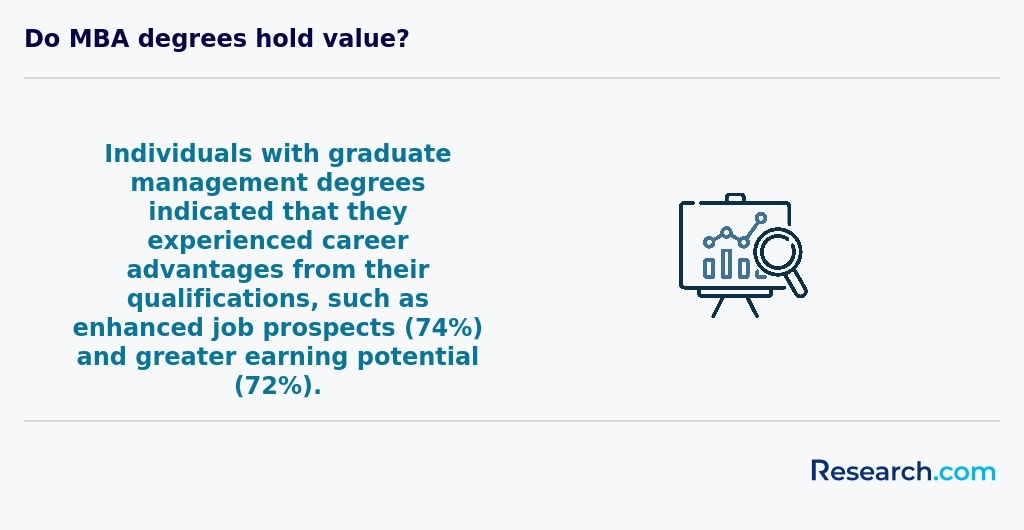
When exploring MBA programs in Idaho, one crucial aspect to consider is the cost and affordability of these programs. For many prospective students, finding a program that balances quality education with financial feasibility is paramount. Besides considering factors like accreditation, curriculum, and networking opportunities, looking into the cheapest mba schools in idaho can provide valuable insights. This approach allows students to make informed decisions about their investment in education, ensuring that they can achieve their career goals without undue financial burden. By weighing the benefits of different programs, including their cost, students can identify the best fit for their educational and professional aspirations, setting themselves up for success in Idaho's dynamic business landscape.
If you're thinking about getting your MBA in Idaho, there's a good mix of financial aid options to ease the burden. For instance, many students at Boise State University snag competitive university scholarships - these aren't just tiny discounts but can be thousands of dollars that really help. Some MBA students also land graduate assistantships, where they teach or help with research in exchange for tuition waivers and a bit of extra cash. It's a win-win if you like staying connected to campus life while working.
Federal aid is a popular route too. Filling out the FAFSA opens doors to Stafford and Grad PLUS loans, which many Idaho MBA grads tap into. Then, if you're juggling work and school, don't forget employer tuition reimbursement-lots of MBA students at the University of Idaho have been pleasantly surprised by how supportive their companies are with this.
Plus, outside scholarships from professional groups specifically target Idaho students, making a real difference for those who hunt them down. It pays off to talk to your school's financial aid office early-they usually have great tips and timely info on all these options.
Pursuing an MBA in Idaho represents a significant financial and time commitment, but analyzing the return on investment (ROI) can clarify the value of this advanced degree. On average, MBA graduates in Idaho boost their annual earnings by 30–40%, translating into a salary range of $70,000–$100,000 compared to $50,000–$60,000 for bachelor’s-only counterparts. When weighed against tuition costs that range from $30,000 to $120,000, most graduates recoup their investment within three to five years of full-time employment. Key drivers of ROI include program format and delivery. Online MBA programs often cost 25% less than on-campus equivalents, reducing out-of-pocket expenses and shortening the break-even period. Additionally, the robust network and experiential learning components-such as internships, consulting projects, and alumni mentorship-can accelerate career advancement, leading to earlier promotions and bonuses. Regional economic factors also influence ROI. Idaho’s expanding technology, healthcare, and agribusiness sectors frequently seek MBA-trained professionals, ensuring high demand for strategic management and financial planning skills. Graduates who leverage career services and local industry partnerships often secure leadership roles within 12–18 months post-graduation. Prospective students striving for cost-effective options may compare Idaho programs with affordable alternatives in other regions. For instance, the Affordable MBA Degree Programs Ranking in Worcester, MA highlights institutions where tuition fees are among the lowest nationally, offering additional perspectives on maximizing ROI through targeted program selection. By evaluating projected salary growth, time to recoup costs, and industry demand, candidates can make informed decisions that align with both their financial goals and long-term career aspirations.
If you're thinking about jumping into an MBA program in Idaho, you'll want to have a bachelor's degree first-no worries if it's not in business. Many folks who've started at Boise State University or the University of Idaho came from all sorts of backgrounds, like engineering or even the humanities, and still thrived. It's pretty welcoming that way.
Standardized tests like the GMAT or GRE are often asked for, but lately a bunch of programs have loosened up on this. Especially if you've got solid work experience or good grades, you might snag a waiver. Many who've enrolled recently found this super helpful, making the process less stressful.
Speaking of work experience, schools usually like to see a couple of years-say, two to five-of relevant jobs under your belt. This is what helped graduates I know really connect what they learned in class with what's happening at their jobs or businesses. Plus, if you're working full-time, Idaho's part-time and online MBA options can fit right into your busy life.
Other things like recommendation letters and personal essays pop up too. They're a chance to show admissions folks who you really are beyond the numbers-your drive and leadership potential, stuff that makes your application stand out in Idaho's welcoming MBA community.
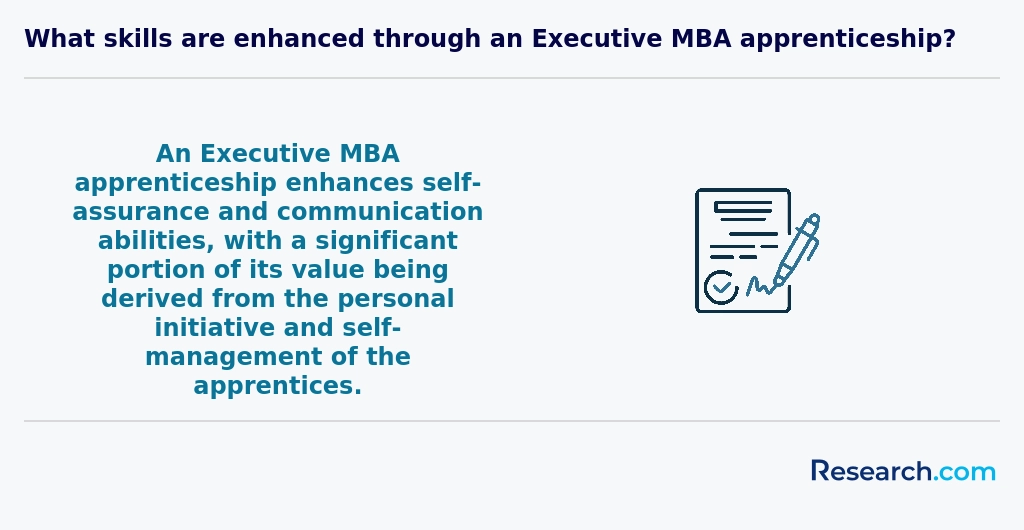
When you dive into an MBA in Idaho, you'll quickly notice the courses cover a solid mix of business basics and skills tailored for the local scene. Core classes like Accounting and Financial Reporting get you comfortable with numbers by breaking down real company financials, which graduates from Boise State often say helped them confidently tackle budgeting challenges at their startups.
Marketing Management is another popular course, where you learn to craft strategies that actually work-kind of like how students from the University of Idaho figured out ways to boost sales for local tech firms.
Other typical courses include Operations and Supply Chain Management, Organizational Behavior, Business Strategy, Managerial Economics, and Quantitative Methods. These aren't just textbook lessons; many MBA students share stories about getting their hands dirty on consulting projects or internships that put classroom concepts into action.
Plus, electives like Entrepreneurship or Healthcare Management let you drill down into areas Idaho really shines in, making your degree feel personal and practical for the state's unique economy.
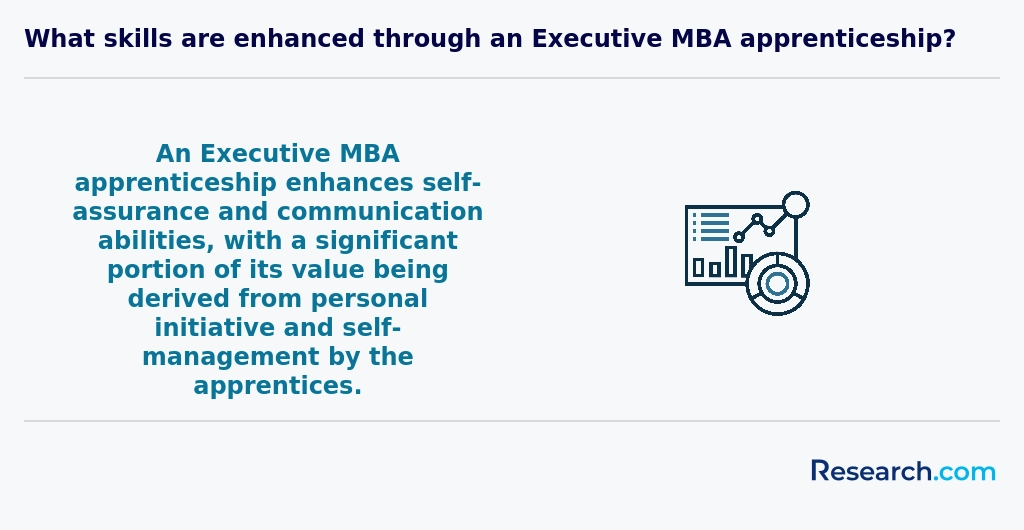
If you're thinking about an MBA degree in Idaho, you'll find tons of options to tailor your studies to what really excites you. Popular MBA concentration options Idaho schools offer include finance, marketing, entrepreneurship, healthcare management, and information technology management. For example, graduates from Boise State rave about how their finance specialization prepped them for roles in investment firms, while others diving into marketing loved learning about digital strategies that they use daily in their jobs.
Many students choose Idaho State University or the University of Idaho because of their flexible electives that let you focus on exactly what fits your career goals. If you're into startups, the entrepreneurship track is super relevant, especially with Idaho's growing business scene. Healthcare management graduates talk about feeling ready to jump right into leadership in hospitals.
It's not just what you study but how it fits with the state's shifting economy and the need for specific skills. If you want to see what career paths other MBA grads take, check out https://research.com/careers/best-jobs-for-mba-graduates for some real-world inspiration about MBA specializations offered in Idaho.
When picking the best MBA degree in Idaho, start by checking if the program is accredited-this usually means it's legit and respected by employers. Graduates from Boise State University often mention how the affordable tuition, around $13,000 for in-state students, made their decision easier without breaking the bank. Plus, if you're busy juggling work or family, Idaho schools often offer flexible part-time or online options that fit real life. Lots of students appreciate that balance while still gaining useful skills.
Think about what really excites you career-wise. Some schools in Idaho focus on specialties like healthcare or entrepreneurship, which can make all the difference when you want a job after graduating. Graduates love how these focused programs connect them directly to local businesses, making internships and networking feel natural.
If flexibility is key, you might want to explore an executive online MBA Ohio for inspiration on how online programs can work. Being practical about cost, format, and focus helps you find an affordable MBA degrees Idaho can truly be proud of.
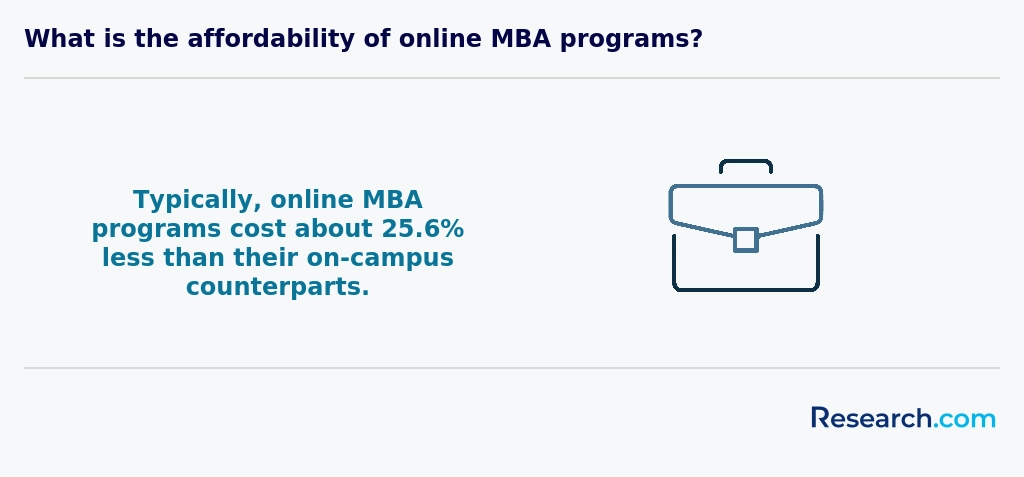
If you're wondering what career paths are available for MBA degree in Idaho, there's a lot to explore. Graduates from Boise State University or the University of Idaho often land roles in business management, whether that's running projects, teams, or entire operations. The state's growing financial sector in Boise is another hotspot, where MBAs jump into finance roles like banking management or risk assessment with excitement about making an impact.
Many MBA grads also find themselves drawn to healthcare administration, helping hospitals and clinics improve efficiency and patient care-a growing field with real purpose. Others dive into marketing and sales leadership, shaping strategies that drive local businesses forward. Plus, the entrepreneurial vibe around Idaho encourages MBA holders from Northwest Nazarene University and others to launch small businesses or startups, fueled by their broad skills and local support. For those curious about career certifications, check out this helpful accounting careers certifications list that can complement your MBA journey.
Idaho's job market for MBA graduates is looking pretty promising, especially if you're studying at places like the University of Idaho or Boise State. Graduates regularly find themselves stepping into roles like financial managers at local banks or project managers in tech startups around Boise. It's not unusual to hear from recent grads who landed leadership positions in healthcare administration, thanks to Idaho's growing medical facilities.
While salaries here might be a bit lower than the national average-around $85,000 annually compared to $115,000 elsewhere-the lower cost of living more than makes up for it. Many MBA students enjoy the balance between career growth and affordable living, which isn't always the case in bigger cities. The state's diverse economy and expanding industries offer solid opportunities for business professionals.
If you want to explore how an MBA fits into top-tier programs, check out this M7 business school network for perspective. Overall, Idaho's vibe is all about steady growth and real-life career wins, making MBA job opportunities in Idaho feel accessible and exciting.
2027 Most Popular MBA Degree Programs Ranking in Idaho
Investing in your education is a significant decision that can greatly influence your career and future success. The Research.com team recognizes the importance of providing trustworthy and accurate information to prospective MBA students in Idaho. To ensure the quality, credibility, and precision of the "2027 Most Popular MBA Degree Programs Ranking in Idaho," we conducted thorough research and analysis using multiple reputable data sources. Our goal is to help readers make well-informed decisions by presenting a clear and reliable evaluation of MBA programs.
We utilized the following trusted data sources in compiling this ranking:
By reviewing this ranking, readers will gain valuable insights into the top MBA programs in Idaho, enabling them to choose the best educational path tailored to their goals. For a deeper understanding of how this ranking was created, please visit our Research.com methodology page.


# 3 position
Idaho State University
Master of Business Administration

Frequently Asked Questions About MBA
Students pursuing an MBA in Idaho can maximize their learning by actively engaging with local business communities, which are integral to the state's economic landscape. Boise State University and the University of Idaho, leading institutions offering MBA programs, emphasize practical experience through internships and real-world projects. Research from the Idaho Department of Labor highlights that MBA graduates benefit from connecting with emerging industries like technology and healthcare in Idaho for career development.
Additionally, leveraging networking opportunities such as business clubs and alumni events helps students build relationships that support learning and job placements. Participating in case competitions and workshops can deepen understanding of complex business challenges.
Emerging niches within the MBA field reflect the changing demands of today's business environment. In Idaho, there is growing interest in specialized MBAs focusing on healthcare management, technology leadership, and sustainable business practices. According to the Idaho Department of Labor, the healthcare sector is expected to grow by 15% by 2030, driving demand for managers skilled in this area.
Additionally, technology-driven industries in cities like Boise create opportunities for MBAs with expertise in data analytics and IT management. Sustainable business is another emerging niche with companies seeking leaders who understand environmental impact and corporate responsibility, aligning with broader national trends reported by the Graduate Management Admission Council (GMAC).
After completing an MBA degree in Idaho, preparing for the job market involves strategic planning and leveraging local resources. Graduates should engage with Idaho's strong network of business communities, such as the Boise Metro Chamber of Commerce, to build professional connections.
Internships and practical experience during the MBA program greatly increase employability. According to the Idaho Department of Labor, sectors like finance, technology, and healthcare are growing and actively seeking MBA graduates.
Additionally, utilizing career services offered by Idaho universities can provide tailored job search assistance, resume reviews, and interview preparation. Networking events and job fairs specific to Idaho's business environment also help graduates connect with employers.
Staying updated on industry trends through platforms like the Idaho Business Review can offer valuable insights into job opportunities and market demands.
Employers in Idaho highly value MBA graduates who demonstrate strong leadership and strategic thinking skills. According to the Idaho Department of Labor, 75% of businesses seek candidates capable of managing complex projects and driving organizational change. Communication skills, both verbal and written, are critical for collaboration across diverse teams.
Financial acumen and data analysis remain top priorities, with reports from the Graduate Management Admission Council highlighting increasing demand for graduates adept in interpreting business data to make informed decisions. Adaptability and problem-solving abilities also distinguish successful MBA holders in Idaho's competitive job market.
Finding internships in Idaho relevant to an MBA degree requires strategic planning and leveraging local resources. Boise, Idaho's capital, hosts many businesses in technology, healthcare, and finance sectors, offering ample MBA-related internship opportunities. The University of Idaho and Boise State University maintain dedicated career centers with connections to local firms seeking MBA interns.
Students should actively use platforms like Handshake and LinkedIn to explore internships. According to the National Association of Colleges and Employers, nearly 60% of MBA students secure internships through university partnerships or networking events.
Engaging with Idaho's regional business chambers, such as the Boise Metro Chamber of Commerce, can also provide leads on MBA-specific internships.
In Idaho, earning a Master of Business Administration (MBA) significantly enhances career mobility and advancement opportunities. According to the U.S. Bureau of Labor Statistics, management positions in Idaho are expected to grow by 6% from 2022 to 2032, reflecting demand for skilled leaders. An MBA equips candidates with essential skills such as strategic thinking, leadership, and financial expertise, which are highly valued by Idaho employers in sectors like technology, healthcare, and manufacturing.
The Idaho Department of Labor reports that MBA graduates often see salary increases averaging 15-25% compared to those holding only a bachelor's degree. Additionally, many Idaho businesses prefer or require an MBA for senior management roles, making the degree a critical asset for upward mobility within local companies.
Studying for an MBA degree in Idaho equips students with skills to excel in interdisciplinary roles by integrating knowledge from multiple business fields. Idaho universities emphasize combining management, finance, marketing, and technology courses, promoting versatility. According to the Idaho Business Review, over 70% of MBA graduates enter roles requiring collaboration across functions like operations and IT.
This interdisciplinary focus is enhanced by experiential learning opportunities, including internships and consulting projects with local industries such as agriculture, tech, and manufacturing. These experiences develop critical thinking applicable to diverse business challenges.
Idaho's growing economy, supported by data from the U.S. Bureau of Labor Statistics, shows a 4.5% annual growth in management positions, underscoring demand for MBA graduates with broad, cross-sector expertise.
Choosing between a thesis and a non-thesis MBA program in Idaho depends on your career goals and learning preferences. A thesis MBA typically suits students interested in research, academia, or specialized fields requiring deep analytical skills. It involves completing a significant research project, which can be time-intensive but rewarding for those seeking expertise.
Conversely, a non-thesis MBA focuses more on practical skills through coursework and internships, appealing to working professionals planning leadership roles in business or management. According to the Idaho State Board of Education, about 60% of MBA students in Idaho prefer non-thesis options for flexibility.
Consider your future plans, time commitment, and learning style when deciding between the two paths.
Students based in Idaho who wish to study for an MBA abroad have several viable options. Many Idaho universities, such as Boise State University, offer partnerships with international institutions that facilitate exchange programs or dual degrees. These options allow students to gain global experience while maintaining academic ties with the U.S. system.
Alternatively, Idaho residents can explore accredited online MBA programs from internationally recognized universities, providing flexibility without relocating.
U.S. News & World Report notes that approx. 30% of Idaho MBA students consider international experience valuable, influencing career prospects in global business environments. Selecting schools with global rankings and accreditations, like AACSB, is advisable when studying abroad.
Part-time job opportunities in Idaho that complement MBA education often focus on roles offering practical business experience. Positions in financial analysis, marketing assistance, and project coordination are common among MBA students. According to the Idaho Department of Labor, jobs in finance and business services are projected to grow by 6% between 2022 and 2032, providing good prospects for students.
Internships and assistant roles in local small businesses and startups also offer valuable exposure to business operations and management. Boise and Idaho Falls, as economic hubs, present diverse opportunities in banking, retail management, and consulting, which can strengthen MBA skill sets.
Such employment helps build leadership, analytical, and decision-making skills essential for advanced business careers.
Networking is a key advantage for MBA students in Idaho, where programs emphasize professional connections. Universities such as Boise State and the University of Idaho offer access to local business leaders through guest lectures, career fairs, and mentoring programs. According to the University of Idaho College of Business and Economics, over 70% of MBA graduates reported that networking events significantly helped them secure job opportunities.
Additionally, Idaho's growing industries, including technology and healthcare, provide dynamic environments for student engagement. Many MBA programs partner with the Idaho Technology Council and regional chambers of commerce to host workshops and mixers, expanding students' professional circles statewide.
Alumni networks play a vital role for MBA students in Idaho by offering valuable connections that can enhance career opportunities. According to the Graduate Management Admission Council, 85% of MBA graduates find networking crucial for job placements. Idaho's MBA programs, such as those at Boise State University, provide access to active alumni groups involved in industries like technology, healthcare, and finance.
These networks enable students to receive mentorship, gain industry insights, and participate in exclusive events. Networking often leads to internships and full-time roles, a benefit especially important in Idaho's growing business environment. For prospective students, engaging with alumni can open doors beyond the classroom.
Customizing an MBA program in Idaho allows students to align their studies with specific career goals. Many Idaho institutions offer concentrations such as healthcare management, entrepreneurship, finance, and technology management. These specializations help tailor coursework and projects to industry demands.
Additionally, students can choose between full-time, part-time, or online formats, providing flexibility for working professionals. Some schools in Idaho also provide internship opportunities and partnerships with local businesses, which can enhance practical experience and networking.
According to Idaho State Board of Education data, approximately 45% of MBA students in Idaho pursue concentrations to improve job market competitiveness. This customization helps graduates meet regional economic needs effectively.
MBA students in Idaho often face challenges related to balancing work, study, and personal commitments. Many enroll while maintaining full-time jobs, which can create time management difficulties. According to the Idaho Department of Labor, about 70% of graduate students work while studying, intensifying this challenge.
Another common issue is access to networking opportunities. Idaho has fewer large corporate headquarters compared to bigger states, making professional connections crucial but sometimes harder to develop during the MBA.
Additionally, some students report concerns about the cost of MBA programs. Although Idaho's tuition rates are generally lower than the national average, financial strain remains significant for many, especially without employer support (National Center for Education Statistics).
With an MBA degree from Idaho institutions, graduates gain a strong foundation to pursue various professional certifications that can enhance their careers. Common certifications include the Project Management Professional (PMP), Certified Management Accountant (CMA), and Certified Financial Planner (CFP). These credentials are valued nationwide and recognized in Idaho's growing business sectors.
The MBA curriculum often covers key topics aligned with these certifications, such as finance, accounting, and leadership. According to the Graduate Management Admission Council, MBA graduates are 35% more likely to hold certifications than their non-MBA peers.
Additionally, certifications like Certified Business Analysis Professional (CBAP) and Six Sigma Green Belt complement the skills learned in MBA programs offered by Idaho universities, helping professionals specialize further in operations and strategy.
Writing a winning application for a MBA program in Idaho requires careful preparation and attention to detail. Start by researching programs like those at Boise State University and the University of Idaho, which emphasize leadership and practical skills. Strong GMAT or GRE scores are important, with Idaho averages hovering around a 550 GMAT score according to recent data.
Craft a compelling personal statement that highlights your career goals, leadership experiences, and how the MBA aligns with Idaho's growing business sectors, such as technology and agriculture.
Be sure to obtain professional recommendations that specifically speak to your management potential.
Finally, tailor each application to the specific Idaho school's values and program strengths to improve your chances significantly.
The global perspective on an MBA career emphasizes versatility and leadership across industries. Graduates gain skills that are valued worldwide, including strategic thinking, financial expertise, and cross-cultural communication. In the U.S., including Idaho, an MBA is often seen as a gateway to senior management roles, with 87% of MBA holders reporting career advancement within five years of graduation (Based on GMAC 2023 reports).
Many Idaho-based programs highlight international business as a core component, reflecting the growing importance of global markets. Employers increasingly seek MBAs who understand diverse economic environments and can navigate multinational challenges.
From a salary perspective, MBA graduates in Idaho can expect starting salaries around $85,000, which is competitive within the Midwest and Mountain West regions (Idaho Department of Labor 2023).
This global focus makes an MBA a strategic choice for professionals seeking career growth in Idaho and beyond.
Gaining practical experience while studying for an MBA in Idaho is crucial for career advancement. Many Idaho schools, such as Boise State University, incorporate internships and consulting projects directly into their MBA programs. These opportunities allow students to work with local businesses, applying classroom knowledge in real-world settings.
Additionally, Idaho's strong entrepreneurial ecosystem offers students chances to engage with startups through mentorship programs and business plan competitions. According to the Idaho Department of Labor, industries like technology and healthcare are actively seeking MBA interns, providing relevant hands-on experience.
Networking events hosted by Idaho MBA programs also connect students with professionals, broadening their practical insights and career prospects.
Choosing the right concentration within an MBA program in Idaho requires careful consideration of your career goals and the local job market. Popular concentrations include finance, healthcare management, and entrepreneurship, reflecting Idaho's growing industries.
It's important to research faculty expertise and the availability of internships or networking opportunities in Idaho cities such as Boise and Idaho Falls. For example, Boise's expanding tech and healthcare sectors might favor concentrations aligned with those fields.
According to the Idaho Department of Labor, sectors like healthcare and technology are expected to grow by over 6% through 2028, highlighting relevant MBA specializations.
Additionally, evaluate program flexibility and whether the concentration offers practical skills applicable to Idaho's economic environment.
- 2027 Most Popular MBA Degree Programs Ranking in Montana
- 2027 Most Popular MBA Degree Programs Ranking in Washington
- 2027 Most Popular MBA Degree Programs Ranking in Nevada
- 2027 Most Popular MBA Degree Programs Ranking in California
- 2027 Most Popular MBA Degree Programs Ranking in Arizona
- 2027 Most Popular MBA Degree Programs Ranking in Nebraska
- 2027 Most Popular MBA Degree Programs Ranking in Kansas
- 2027 Most Popular MBA Degree Programs Ranking in Oklahoma
- 2027 Most Popular MBA Degree Programs Ranking in Minnesota
- 2027 Most Popular MBA Degree Programs Ranking in Iowa
- How to Choose an MBA Program That Fits Your Career Goals https://www.mobileviewer.io/blog/how-to-choose-an-mba-program-that-fits-your-career-goals
- 10 Highest-Paying MBA Specializations in 2026 (With Salary Data) - Paris School of Management (PSM) https://www.psm-paris.fr/en/10-highest-paying-mba-specializations-in-2026/
- What Work Experience Do You Need For an MBA? | Articles | Unimy https://www.unimy.com/article/blog-mba-preparation-admissions-mba-work-experience
- Skills Employers Look for in Business Graduates – EU Business School https://www.euruni.edu/blog/skills-employers-look-for-in-business-graduates/
- Why Employers Prize a Global Perspective from MBA Graduates | WU Executive Academy https://executiveacademy.at/en/knowledge/career/why-employers-prize-a-global-perspective-from-mba-graduates
- MBA Requirements: What do you really need for an MBA degree https://www.obseducation.org/en/blog/mba-requirements-what-do-you-really-need-for-an-mba-degree
- Lessons learned: one year into pursuing an MBA while balancing full-time work - Franz Vitulli https://franzvitulli.com/mba-work/
- MBA studies https://moderna.edu.pl/majors/management/master-of-management/mba-management-masters-degree/
- All cities in Idaho | FIND MBA Online https://findmbaonline.com/schools/usa/idaho/cities
- How to Choose Between MBA Degree vs. Certificate | University of Phoenix https://www.phoenix.edu/articles/business/how-to-choose-between-mba-degree-vs-certificate-programs.html


