2027 Most Affordable MBA Degree Programs Ranking in New Jersey

Co-Founder and Chief Data Scientist
Choosing the right MBA program in New Jersey can feel overwhelming, especially when cost is a major consideration. To help you navigate this important decision, this article features the 2027 Most Affordable MBA Degree Programs Ranking in New Jersey, developed by the Research.com team of data scientists.
By exploring this ranking, you'll gain clear insights into programs that balance quality with affordability. Earning an MBA opens doors to new career opportunities, personal growth, and increased confidence. Whether you're advancing your career or starting fresh, this guide supports your journey toward a brighter future.
Key benefits of getting MBA degree in New Jersey
- MBA graduates in New Jersey often see salary boosts in roles like marketing managers, where the mean annual wage is around $141,490, showing strong earning potential.
- A graduate from Rutgers University, a popular New Jersey school, can pursue diverse careers such as business consulting, finance, or entrepreneurship, offering exciting opportunities to grow professionally.
- Online MBA programs, like those offered by Stevens Institute of Technology, provide flexibility and convenience, allowing students to balance work and study while still gaining valuable skills to advance their careers.
- 2027 Most Affordable MBA Degree Programs Ranking in New Jersey
- What can I expect from MBA degree in New Jersey?
- Where can I work with MBA degree in New Jersey?
What can I expect from MBA degree in New Jersey?
The average cost of an MBA degree in New Jersey varies significantly depending on the type of institution and residency status. Public universities such as Rutgers Business School offer more affordable tuition for in-state residents, typically ranging from $20,000 to $40,000 for the entire program. Graduates from these schools often express satisfaction with the value received, noting how the cost-effectiveness allowed them to focus on practical learning and networking without excessive financial stress. Private institutions like the Seton Hall University Stillman School of Business usually charge between $40,000 and $70,000, reflecting their smaller class sizes and extensive career services.
Many students appreciate the availability of scholarships, employer tuition assistance, and financial aid options, which can substantially reduce out-of-pocket expenses. These financial supports make programs more accessible and enhance positive post-graduation outcomes, allowing graduates to confidently leverage their MBA skills in competitive markets near New York City and Philadelphia.
Where can I work with MBA degree in New Jersey?
MBA graduates from top New Jersey institutions like Rutgers Business School and the New Jersey Institute of Technology often find themselves positioned for leadership roles across diverse industries. Many secure management, business development, and consulting positions within Fortune 500 companies headquartered in the state, such as Prudential Financial and Johnson & Johnson, benefiting from strong local networks and internship opportunities during their studies.
Graduates with healthcare management specializations frequently obtain administrative roles at major healthcare organizations like RWJBarnabas Health, where they apply both business acumen and industry expertise. Similarly, those interested in technology thrive in product management or marketing strategy roles in firms like Cognizant or within New Jersey's expanding startup ecosystem.
The government and nonprofit sectors also welcome MBA holders, offering pathways in program management and policy analysis. Both seasoned professionals and recent graduates report positive experiences leveraging the state's competitive but supportive job market, affirming the MBA's versatility in advancing careers across sectors.
MBA graduates in New Jersey typically experience strong earning potential thanks to the state's robust economy and proximity to major business hubs. Recent data from 2023 suggests that entry-level MBA holders from institutions like Rutgers Business School and the New Jersey Institute of Technology often start with salaries ranging between $70,000 and $80,000 in business operations or management roles.
As graduates gain experience and specialize in areas such as finance or marketing, salaries increase substantially. For example, financial managers with MBA degrees in New Jersey earn around $140,000 annually, while marketing managers bring in approximately $130,000. These figures reflect real outcomes shared by graduates who leveraged their MBA education to secure leadership positions in competitive sectors such as pharmaceuticals and technology.
Professionals working closer to New York City frequently enjoy higher compensation due to the high cost of living and corporate presence, often surpassing state averages. Mid-career MBA holders who assume director or vice president roles can expect to earn $150,000 or more, validating the value of pursuing an MBA in New Jersey's dynamic market environment.
- Tuition for MBA programs in New Jersey ranges from $30,000 to $65,000, with public universities being more affordable for in-state students.
- Entry-level MBA graduates in New Jersey earn between $70,000 and $90,000 on average within the first few years after graduation.
- Mid-career MBA holders in the state often make between $110,000 and $140,000 annually, varying by industry and company size.
- Top job sectors for MBA graduates include finance, healthcare management, technology, consulting, and pharmaceuticals.
- Many programs in New Jersey hold AACSB accreditation, which can improve employer recognition and career opportunities.
- Flexible study options like part-time, online, and executive MBAs are common and may affect total program cost.
Completing an MBA degree in New Jersey usually takes about two years for full-time students, a duration consistent with nationwide standards. Graduates from Rutgers Business School often recall that the traditional full-time MBA enabled them to immerse fully in coursework and networking opportunities over this period. Part-time and online MBA students, balancing jobs and family, typically extend their studies to three or four years, allowing greater flexibility without sacrificing professional growth.
Some students choose accelerated MBA programs offered by institutions like Seton Hall University, completing their degrees in 12 to 18 months. While demanding, these programs appeal to highly motivated professionals eager to advance rapidly. Those who pursued this path describe a rewarding but intense experience that sharpened their time management skills significantly.
Factors such as program format, credit requirements ranging from 36 to 60 semester hours, and individual pacing all influence completion time. Ultimately, New Jersey's diverse MBA options accommodate a wide range of lifestyles and career ambitions, making timely graduation a realistic goal for most students.
For MBA graduates in New Jersey, ROI is usually measured by how quickly the degree produces salary growth, promotions, industry mobility, or access to leadership roles. The average total tuition for a two-year MBA ranges from $40,000 to $60,000, while graduates report starting salaries between $80,000 and $120,000. Assuming a median tuition of $50,000 and a conservative salary premium of $30,000 over a bachelor’s degree holder, the payback period-tuition divided by annual salary premium-can be as short as 1.7 years.
This timeline can be stronger for graduates entering finance, consulting, and healthcare sectors, where employer demand and advancement opportunities may support higher compensation. However, ROI varies by prior experience, school reputation, specialization, networking effort, job market timing, and whether the graduate used loans, scholarships, or employer reimbursement.
Direct and indirect returns
- Direct financial return: Salary increases, signing bonuses, promotions, and access to management-track roles.
- Career flexibility: Ability to move into consulting, finance, healthcare administration, marketing, operations, technology management, or entrepreneurship.
- Network value: Alumni connections, faculty relationships, peer networks, and employer introductions.
- Skill development: Leadership, analytics, finance, strategy, negotiation, and decision-making skills that may compound over time.
Students comparing New Jersey with other affordable markets can review the Low Cost MBA Degree Programs Ranking in New Mexico. The best comparison is not simply which program costs less, but which program offers the strongest path from your current role to your intended next role.
Online and on-campus MBA programs in New Jersey differ mainly in delivery mode, flexibility, and student experience. Graduates from Rutgers University's online MBA often praise the ability to balance studies with demanding work schedules, appreciating the convenience of attending lectures remotely without commuting. This flexibility fosters a positive sense of control over their learning pace, ideal for professionals with family obligations.
Conversely, on-campus MBA students at Seton Hall University frequently highlight the dynamic interactions with peers and faculty within traditional classrooms. These face-to-face exchanges create rich networking opportunities, often leading to connections with local business leaders through campus events. Many find this environment energizing and crucial for career advancement in New Jersey's competitive markets.
Cost also plays a role; in-state on-campus MBA programs typically range from $30,000 to $70,000, while online alternatives often reduce expenses by 10-20%, reflecting savings on fees and transportation. Both formats maintain rigorous accreditation standards, ensuring consistent academic quality and career-relevant skills regardless of the chosen mode.
The average cost of an MBA degree in New Jersey typically centers around $50,000 for the entire program, with notable variations between in-state and out-of-state students. In-state students benefit significantly from reduced tuition, often paying approximately $19,800, making affordable MBA programs New Jersey tuition fees a key consideration for residents seeking value in higher education.
Graduates from prominent institutions like Rutgers Business School often reflect positively on their investment, citing not only quality education but also the network and career opportunities afforded by the program. Private universities in New Jersey, such as Seton Hall University, tend to have higher tuition, frequently ranging from $60,000 upwards, yet many students find that the flexibility of part-time and online options helps manage expenses better over time.
It is essential to remember that tuition does not encompass all costs; students must also budget for additional expenses such as textbooks, fees, and living costs. Those pursuing an MBA in New Jersey often explore scholarships, employer sponsorships, and financial aid to offset these additional burdens. To learn more about choosing the right program, prospective candidates are encouraged to review the best mba program in new jersey for guidance and detailed insights on costs and benefits.
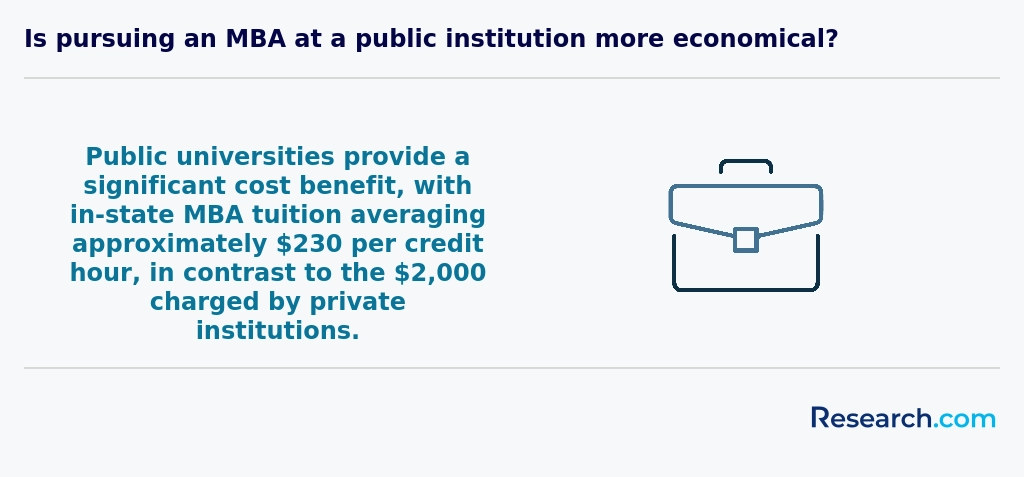
The right MBA program in New Jersey should match your career target, learning style, budget, and timeline. A low-cost program can be a smart investment, but only if it also provides credible academics, useful employer connections, and coursework aligned with the roles you want after graduation.
Start with accreditation and academic quality
Accreditation is one of the first signals to check. Institutional accreditation confirms that the school meets broad academic standards, while business-specific accreditation, including AACSB accreditation, can indicate stronger business school quality controls. If you are comparing affordability with reputation, reviewing a resource such as the best mba program in new jersey can help you see how value, quality, and recognition may differ across schools.
Match the program format to your life
New Jersey MBA programs may be full-time, part-time, online, hybrid, evening, or weekend-based. Full-time study can be better for students who want an immersive experience and faster completion. Part-time, online, and hybrid programs are often better for working professionals who need to keep earning while studying. The trade-off is usually pace: flexible formats may take longer, but they can reduce opportunity cost because you do not have to leave the workforce.
Compare programs using practical criteria
| Factor | Why it matters | What to check |
| Accreditation | Protects the credibility of your degree | Institutional accreditation and business-school accreditation such as AACSB |
| Total cost | Tuition alone may not show the full investment | Fees, books, travel, living expenses, and lost income if studying full time |
| Format | Determines whether the program fits your schedule | Full-time, part-time, online, hybrid, evening, and weekend options |
| Specializations | Helps connect coursework to a target industry | Finance, healthcare management, analytics, supply chain, marketing, entrepreneurship, or technology management |
| Career support | Can affect internship access and job search success | Employer partnerships, alumni network, career coaching, internship pipelines, and local recruiting strength |
Because New Jersey is close to New York City and has strong finance, healthcare, pharmaceutical, technology, consulting, and logistics activity, location can also influence outcomes. A program with strong regional employer relationships may be more valuable than a cheaper program with limited career support.
Students pursuing an MBA in New Jersey can access a variety of financial aid options designed to ease the substantial tuition costs, which often range between $30,000 and $60,000 for in-state programs. Federal financial aid is a key resource, with options like Federal Direct Unsubsidized Loans providing funding without the need to demonstrate financial need. Graduate PLUS Loans are also available, permitting additional borrowing after a credit check, which many MBA candidates find crucial for managing expenses at institutions like Rutgers Business School.
Merit-based scholarships are popular among MBA students at New Jersey universities, rewarding academic excellence, leadership, and professional experience. Many Rutgers MBA graduates credit these scholarships for making their education more affordable. Additionally, employer tuition reimbursement programs offer significant relief when students' work relates to their studies, motivating professionals to advance their careers while minimizing debt.
State grants, though less frequent for graduate business students, can assist qualified applicants through programs administered by the New Jersey Higher Education Student Assistance Authority. Private scholarships from organizations such as the New Jersey Business & Industry Association also provide targeted support, helping students feel encouraged and valued throughout their educational journey.
Once you have a shortlist of affordable MBA programs, shift from browsing to execution. MBA admissions committees typically evaluate academic readiness, work experience, leadership potential, communication skills, and fit with the program. A strong application does not simply repeat your resume; it explains where you are headed and why the MBA is the right next step.
Build a focused application plan
- Confirm each program’s requirements. Review deadlines, test policies, transcript rules, essay prompts, recommendation requirements, interview expectations, and financial aid dates.
- Organize your academic records. Request transcripts early so processing delays do not affect your application.
- Prepare your resume strategically. Highlight measurable leadership, promotions, budget responsibility, project outcomes, team management, client work, or entrepreneurial experience.
- Write a specific personal statement. Explain your career objectives, the skills you need, and why the program’s format, faculty, location, specialization, or employer network fits your plan.
- Choose recommenders carefully. Select supervisors, managers, faculty, or professional mentors who can speak to your judgment, leadership, reliability, and growth potential.
- Prepare for interviews. Be ready to discuss your career path, leadership examples, weaknesses, goals, and reasons for choosing that MBA program.
Applicants comparing flexible, lower-cost options may also want to review an affordable master of business administration online program under 10000 per year. Online MBA options can be useful for students who need schedule flexibility, but you should still compare accreditation, faculty access, career services, networking opportunities, and total program cost.
A practical timeline can reduce stress. Give yourself enough time to prepare essays, request recommendations, evaluate financial aid, and compare admission offers. Submitting a complete, polished application also signals that you are ready for the planning and discipline required in graduate business study.
Prospective MBA students in New Jersey must have a bachelor's degree from an accredited institution, a foundational requirement embraced by programs at Rutgers University and Montclair State University. Graduates often recount how meeting this prerequisite gave them confidence entering the rigorous curriculum. Many schools also require GMAT or GRE scores, though some part-time and executive MBA programs may waive these based on significant work experience, reflecting real-world skills valued especially in New Jersey's competitive business environment.
Relevant professional experience, typically two to five years, is highly regarded and often improves admission chances. MBA candidates from New Jersey institutions frequently share how their work background enriched class discussions and leadership projects, connecting theory with practical challenges in local industries.
Letters of recommendation and personal statements serve as critical tools for applicants to convey their motivation and career goals. Students at popular New Jersey programs describe how these essays helped admissions committees understand their unique aspirations beyond academic metrics.
International students must demonstrate English proficiency, ensuring clear communication in diverse classroom settings. These requirements combined prepare candidates to thrive in New Jersey's dynamic MBA programs.
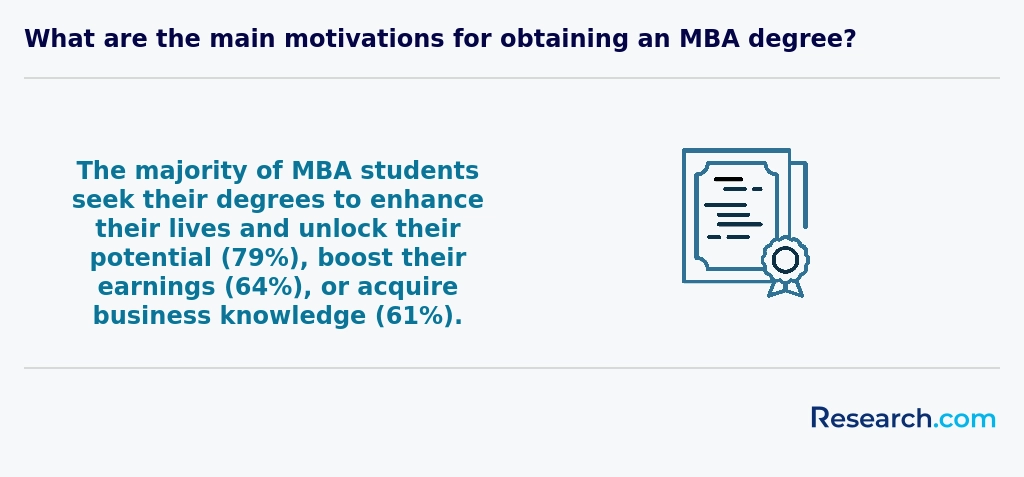
ROI for an MBA program depends on more than tuition. The strongest value comes from the relationship between total cost, salary growth, career mobility, employer support, and how quickly the degree helps you move into higher-responsibility roles.
Core ROI benchmarks
- Total program cost, including tuition and fees, ranges from $40,000 to $60,000 for in-state students.
- Graduates report starting salaries between $80,000 and $120,000, with a median of $95,000.
- The typical payback period is 1 to 2.5 years, depending on employer tuition assistance and scholarship awards.
- Five-year post-MBA salaries often exceed $130,000 in sectors like finance and consulting.
- Career progressions into leadership roles, including CFO and CMO positions, can boost earnings by 30–50% beyond baseline.
How to interpret ROI before enrolling
A lower tuition figure improves ROI only if the program also supports your target career. For example, a student seeking finance or consulting roles should look closely at placement support, alumni connections, internship access, and employer recruiting. A student already employed full time may get a stronger return from a part-time or online program if it allows continued income and employer tuition assistance.
| ROI factor | Why it changes the outcome |
| Scholarships and assistantships | Reduce the amount you must repay or recover through salary gains |
| Employer tuition assistance | Can shorten the payback period and lower personal financial risk |
| Program format | Full-time study may speed completion, while part-time study can preserve income |
| Industry target | Finance and consulting may produce faster salary growth than some lower-paying sectors |
| Career services | Stronger employer access can improve job-search outcomes after graduation |
For a broader affordability comparison, you can also review the Low Cost MBA Degree Programs Ranking in New Mexico. Comparing regions can help you understand how tuition, local hiring markets, and salary outcomes affect the real value of an MBA.
MBA degree programs in New Jersey typically include a comprehensive set of courses designed to equip students with essential business acumen and practical skills. Graduates from well-known institutions such as Rutgers University and Seton Hall University often highlight courses like Financial Accounting and Managerial Accounting, which build foundational expertise in evaluating business performance and decision-making.
Corporate Finance and Marketing Management are frequently praised for their real-world applicability, enabling students to develop strategic investment plans and understand consumer behavior, critical in New Jersey's diverse economic sectors. Operations and Supply Chain Management reflect the state's strong logistics and pharmaceutical industries, providing hands-on experience with optimizing production and distribution.
Students often recall the value of Organizational Behavior and Leadership classes, where role-playing and case studies at institutions like Montclair State University foster leadership confidence and effective team management. Strategic Management and Business Ethics courses prepare them to handle complex challenges with integrity, while Data Analytics and Entrepreneurship offer the tools to innovate and make data-driven decisions in a competitive market.
MBA specializations offered in New Jersey are carefully designed to align with the state's key industries and economic strengths. Graduates from well-known universities in New Jersey often choose concentrations such as finance, taking advantage of the region's proximity to New York City's financial district. This specialization equips students with skills in investment management and corporate finance, opening doors to dynamic career opportunities. Others pursue healthcare management to engage with the state's robust pharmaceutical and healthcare sectors, preparing for leadership roles in hospital administration or health policy.
Popular MBA concentration options New Jersey also include marketing, with programs emphasizing digital marketing and brand strategy, ideal for students inspired by the vibrant local business environment. Information Technology and Analytics are increasingly favored, reflecting the demand for tech-savvy managers capable of navigating big data challenges. Supply Chain and Operations Management attract those interested in logistical optimization, a critical focus given New Jersey's strategic transportation hubs.
Many students appreciate the flexibility offered by local institutions, with some opting for customizable MBA tracks or dual specializations to tailor their education to personal career goals. For those budget-conscious, exploring an affordable master of business administration online program under 10000 per year often provides additional pathways to graduate-level business education.
Choosing the best MBA degree in New Jersey involves evaluating factors such as accreditation, cost, and program flexibility. Graduates from Rutgers Business School often emphasize the value of AACSB accreditation, which assures a high standard of education and is widely respected among employers in the region. Cost remains a key concern; many students balance affordability with quality by comparing tuition rates across institutions. Exploring financial aid options alongside tuition fees can ease the financial burden. For those working full-time, part-time and online programs offer the flexibility needed to pursue an MBA without sacrificing career responsibilities, a benefit frequently highlighted by Seton Hall University alumni.
Career services and networking opportunities also play a pivotal role. MBA students from New Jersey colleges benefit greatly from connections with local businesses, increasing internship and job placement prospects. Additionally, carefully reviewing curriculum specialties-such as finance or healthcare management-helps align the program with professional goals. To further explore affordable options, prospective students should consider the Low Cost MBA Degree Programs Ranking in New Mexico, which provides insights into cost-conscious program choices.
Considering these aspects will guide you in selecting affordable MBA programs in New Jersey that best suit your career aspirations and lifestyle.

MBA graduates in New Jersey find diverse career paths across industries such as financial services, healthcare management, consulting, marketing, and entrepreneurship. Many graduates from well-regarded institutions in the state leverage their skills to secure roles in banking and investment firms located in Jersey City and Newark, where leadership and financial acumen are highly prized. Others transition into healthcare administration or pharmaceutical project management, sectors noted for rapid growth and strong demand for business expertise.
Consulting firms near major business hubs actively recruit MBA holders capable of delivering strategic advice and driving operational improvements. Graduates often share positive experiences about working with varied clients, using data analysis and leadership skills honed during rigorous study. Marketing and sales management positions are also significant opportunities, particularly within New Jersey's manufacturing and retail industries, where professionals help companies enhance market presence.
For those interested in creating their own ventures, entrepreneurship in New Jersey's innovation hubs provides fertile ground. Many graduates appreciate how their MBA education from prominent local universities helped them generate practical strategies to launch and sustain startups. Considering costs, students frequently explore accelerated online associate degree programs as complementary pathways. These best MBA career opportunities in New Jersey demonstrate the state's broad appeal and thriving business environment for ambitious professionals.
The New Jersey MBA job market outlook remains robust, fueled by the state's dynamic economy and strategic location near major metropolitan hubs like New York City and Philadelphia. Graduates from well-known institutions in New Jersey frequently secure positions in diverse sectors such as finance, healthcare, pharmaceuticals, and consulting. Many alumni report strong networking benefits from proximity to global companies and Fortune 500 headquarters, boosting career progression and salary potential.
Employment opportunities for MBA graduates in New Jersey reflect competitive salaries typically ranging from $85,000 to $130,000 annually, depending on experience and industry. For example, graduates working in pharmaceutical firms or financial services often find themselves in rewarding roles with higher compensation. The increasing demand for expertise in data analytics and digital transformation particularly enhances job prospects in the region.
Students aiming to pursue an MBA in New Jersey often balance career advancement with program affordability, as tuition can vary significantly. Programs offered by local universities often provide in-state tuition benefits and flexible scheduling options, making it easier for working professionals to upgrade their skills. Many prospective students consider these factors while exploring top college degrees for seniors online as well.
2027 Most Affordable MBA Degree Programs Ranking in New Jersey
Investing in your education is a significant decision that can shape your future, and the Research.com team understands the importance of making informed choices. To assist prospective students in New Jersey, we have meticulously crafted the "2027 Most Affordable MBA Degree Programs Ranking in New Jersey." Our commitment to quality, credibility, and accuracy is reflected in the extensive research and analysis conducted to compile this ranking.
We utilized the following reputable data sources to ensure a comprehensive evaluation of MBA programs:
By exploring this ranking, readers will gain valuable insights into affordable and high-quality MBA programs in New Jersey, enabling them to make well-informed decisions about their educational investment. For more details on our methodology, please visit our Research.com methodology page.
# 1 position
Thomas Edison State University
Master of Business Administration

# 2 position
Strayer University-New Jersey
Master of Business Administration


# 14 position
Berkeley College-Woodland Park
Master of Business Administration (MBA) in Management


Frequently Asked Questions About MBA
MBA students in New Jersey can maximize their learning experience by engaging actively with both academic and professional opportunities. Many programs encourage internships with local businesses, offering hands-on experience in industries like finance, healthcare, and technology, which are prominent in New Jersey's economy.
Networking is crucial. Students should participate in events hosted by New Jersey colleges, such as Rutgers or Seton Hall, which often have connections with regional employers. According to the Graduate Management Admission Council, 70% of MBA students find internships boost their job prospects.
Additionally, leveraging New Jersey's proximity to New York City allows access to guest lectures, workshops, and industry conferences that enrich classroom knowledge. Taking advantage of collaborative projects and case studies enhances problem-solving skills vital for business success.
Emerging niches within the MBA field in New Jersey reflect evolving industry demands and technological advancements. Areas such as healthcare management, fintech, and supply chain analytics are gaining prominence. According to the Graduate Management Admission Council (GMAC), nearly 30% of recent MBA graduates in the U.S. focus on business analytics and technology management, trends echoed in New Jersey's robust healthcare and financial sectors.
Additionally, sustainability-focused MBAs are becoming more popular, aligning with corporate commitments to environmental responsibility. New Jersey's access to diverse industries offers MBA students opportunities to specialize in these growth areas, positioning graduates for competitive roles in the regional and national economy.
Preparing for the job market after completing an MBA degree in New Jersey requires focused strategies. Networking plays a crucial role, as New Jersey's close proximity to New York City offers extensive connections in finance, healthcare, and technology sectors. Graduates should leverage career services at their schools to access internships and job fairs, which are prevalent across New Jersey's universities.
Additionally, tailoring resumes and practicing interview skills to fit regional employers increases success rates. According to the New Jersey Business & Industry Association, 70% of MBA graduates find jobs within six months post-graduation, highlighting the competitive but accessible market.
Employers in New Jersey value several key skills in MBA graduates. Leadership and strategic thinking top the list, as companies seek professionals who can guide teams and make high-level decisions effectively. Communication skills are also critical, enabling graduates to present ideas clearly and collaborate across departments.
Analytical ability is highly prized, with many New Jersey employers expecting MBA holders to interpret data for business insights. Additionally, proficiency in project management helps graduates handle complex initiatives, a skill often developed during MBA coursework.
The New Jersey Business & Industry Association highlights adaptability and problem-solving as essential for navigating the region's diverse economic sectors.
Finding internships in New Jersey relevant to an MBA degree involves leveraging local resources and networks effectively. Many MBA programs in New Jersey, such as those at Rutgers University or Seton Hall, provide dedicated career services that connect students with internship opportunities in finance, consulting, and healthcare sectors. According to the National Association of Colleges and Employers (NACE), about 60% of MBA students secure internships through university ties.
Additionally, using online platforms like Handshake or LinkedIn allows students to target local companies in New Jersey's diverse economy, including Newark's financial firms and Princeton's tech startups. Networking events hosted by New Jersey business organizations can also open doors.
In New Jersey, earning an MBA degree significantly enhances career mobility and advancement opportunities. According to the Graduate Management Admission Council (GMAC), professionals with an MBA typically see salary increases ranging from 50% to 75% compared to those with only a bachelor's degree. This holds true in New Jersey's competitive job market, where industries like finance, healthcare, and technology actively seek MBA graduates.
The state's proximity to major economic hubs such as New York City offers MBA holders access to a broad network of employers. Additionally, local universities like Rutgers and Princeton provide strong alumni connections that facilitate career growth.
Data from the Bureau of Labor Statistics shows that general and operations managers, roles commonly held by MBA graduates, have an average annual wage above $120,000 in New Jersey. This reflects the degree's role in opening pathways to senior management and executive positions.
Overall, an MBA in New Jersey serves as a valuable credential for professionals seeking to shift industries or climb the corporate ladder by equipping them with leadership, strategic thinking, and analytical skills prized by employers.
Studying for an MBA degree in New Jersey offers significant advantages for those seeking interdisciplinary roles. Many New Jersey MBA programs emphasize a curriculum that integrates business knowledge with skills from fields such as technology, healthcare, and public policy.
The state's proximity to major industries provides students with practical exposure and networking opportunities across diverse sectors. For example, institutions like Rutgers Business School collaborate with local companies to offer real-world projects that blend finance, management, and information systems.
This approach aligns well with the growing demand for leaders who can navigate complex, cross-functional challenges. According to the New Jersey Business & Industry Association, over 40% of MBA graduates in the state work in roles requiring expertise across multiple disciplines.
When choosing between a thesis and a non-thesis MBA program in New Jersey, consider your career goals and learning preferences. Thesis programs focus on academic research, ideal for students aiming for doctoral studies or research roles. Non-thesis programs emphasize practical business skills through coursework and internships, suiting those targeting immediate leadership positions.
New Jersey's universities offer both options, with thesis MBAs often requiring 30-36 credits plus a research project. Non-thesis programs might demand 36-48 credits with more specialization. According to NCES data, about 60% of MBA students in New Jersey opt for non-thesis paths for faster completion and applied experience.
Cost and time investment also differ; thesis programs may take longer but require fewer credits, while non-thesis options offer flexibility for working professionals. Reviewing program specifics at institutions like Rutgers or Seton Hall can help align choice with your ambitions.
Students based in New Jersey who wish to pursue an MBA abroad have several avenues to explore. Many American universities, including those in New Jersey, partner with international institutions to offer dual-degree or exchange MBA programs. These options allow students to study part of their MBA overseas while earning credit towards their degree.
Additionally, New Jersey residents can apply directly to MBA programs in countries known for quality business education, such as the United Kingdom, Canada, and Singapore. The U.S. Department of Education and organizations like AACSB provide resources emphasizing accreditation standards crucial for international MBA recognition.
Financial aid and scholarships are often available for U.S. students abroad, though researching specific institutional offerings is essential. Prospective students should also consider visa requirements and language of instruction when selecting programs.
Part-time job opportunities in New Jersey can effectively complement MBA education by providing practical experience alongside academic learning. Positions such as financial analyst interns, marketing assistants, and business development associates are commonly available in the state's diverse economy. These roles allow students to apply theoretical knowledge from MBA courses to real-world business challenges.
New Jersey's proximity to major financial hubs like New York City expands access to reputable firms offering part-time roles tailored for MBA candidates. According to the New Jersey Business & Industry Association, internships and project-based jobs in areas such as consulting and supply chain management are increasing.
Many MBA students also find part-time jobs on campus or with local startups, gaining skills in leadership, project management, and strategic planning, which are critical for career growth post-graduation.
Networking opportunities for MBA students in New Jersey are robust due to the state's proximity to major business hubs like New York City and Philadelphia. Many New Jersey business schools, including Rutgers Business School and Seton Hall University, facilitate connections through career fairs, alumni events, and professional clubs.
Students benefit from access to local industry leaders in finance, technology, and healthcare sectors. For example, Rutgers hosts the annual MBA Leadership Networking Conference, attracting over 500 professionals and students.
Additionally, New Jersey's diverse economic landscape allows MBA candidates to engage with startups, multinational firms, and nonprofit organizations, enhancing career prospects. According to the Graduate Management Admission Council, strong networks increase job placement rates by up to 20% for MBA graduates.
Alumni networks provide significant advantages to MBA students in New Jersey by fostering valuable professional connections. Through these networks, students gain access to a wide range of industries highly active in the state, including finance, healthcare, and technology. According to the Graduate Management Admission Council (GMAC), strong alumni connections improve job placement rates for MBA graduates by up to 25% nationwide, with similar trends seen in New Jersey business schools.
Networking events, mentorship programs, and exclusive job boards offered by alumni associations help students secure internships and full-time positions. Many New Jersey MBA programs emphasize these connections, recognizing their role in career advancement in the competitive regional job market.
Customizing an MBA degree program in New Jersey allows students to align their education with specific career goals. Many New Jersey business schools offer concentrations in fields such as finance, healthcare management, marketing, and technology. These specializations help tailor the curriculum to industry demands.
Students can typically choose electives, participate in internships, or engage in experiential learning projects that provide hands-on experience relevant to their targeted roles. According to the New Jersey Association of State Colleges and Universities, about 60% of MBA programs statewide support part-time and online options for working professionals seeking flexibility.
Networking events and career services further assist in career customization by connecting students with local industries, including finance hubs in Newark and pharmaceutical companies in the region. Understanding these options ensures the MBA experience supports long-term professional growth.
MBA students in New Jersey commonly face several challenges during their studies. One major hurdle is balancing work and academic responsibilities, as many students pursue their degrees part-time while maintaining full-time jobs. According to the National Center for Education Statistics, a significant portion of MBA enrollees in New Jersey are working professionals, which adds time management pressure.
Another challenge is the cost of education. Although New Jersey offers some affordable options, tuition and associated expenses can still be substantial, often requiring careful financial planning or student loans. Additionally, competition for internships and networking opportunities can be intense, given the state's proximity to major business hubs like New York City.
Finally, adapting to increasingly digital and hybrid learning formats requires strong self-discipline, especially for those balancing other commitments. These factors collectively shape the typical experience of MBA students in New Jersey.
With an MBA degree in New Jersey, graduates can pursue a variety of professional certifications to enhance their careers. Popular certifications include the Project Management Professional (PMP), which is valuable for leadership roles across industries. Another option is the Certified Public Accountant (CPA) license, especially relevant for MBAs who focus on accounting or finance. Additionally, the Certified Management Accountant (CMA) is favored by professionals seeking expertise in financial management.
According to the New Jersey Department of Labor, individuals with these certifications often see a 10-20% salary increase compared to those without.
Certifications like the Chartered Financial Analyst (CFA) are also accessible with an MBA background and are recognized nationally in investment management sectors.
Writing a winning application for an MBA program in New Jersey requires careful preparation and attention to detail. Start by researching specific programs, as New Jersey hosts accredited MBA programs at institutions like Rutgers University and Seton Hall, known for their competitive admissions.
Focus on crafting a clear and compelling personal statement that highlights your professional achievements and your career goals. MBA admissions often value leadership experience, so include specific examples of your accomplishments.
Strong recommendation letters from supervisors or academic mentors can significantly strengthen your application. Also, ensure your resume is updated and tailored to reflect relevant skills and experiences.
Don't overlook standardized test requirements; while some New Jersey schools have waived the GMAT or GRE recently, verify current policies early. Meeting or exceeding average test scores for your target school-often around 550-600 for GMAT-is important.
Lastly, submit all materials before deadlines and consider contacting admissions offices to clarify any questions. According to the Graduate Management Admission Council, thorough preparation improves admission chances by up to 30%.
The global perspective on an MBA career highlights strong demand for graduates equipped with leadership and management skills. In the United States, including New Jersey, MBA holders often earn significantly higher salaries compared to bachelor's degree holders. According to the Graduate Management Admission Council (GMAC) 2023 report, median base salaries for MBA graduates nationally reached $115,000, with New Jersey's urban centers reflecting similar trends.
Internationally, employers value MBAs for their strategic thinking and adaptability in a global economy. New Jersey's diverse economy, from finance to pharmaceuticals, offers MBA graduates numerous pathways both locally and abroad.
Additionally, many MBA programs in New Jersey incorporate global business content and exchange opportunities, enhancing graduates' international competitiveness.
Gaining practical experience while studying for an MBA degree in New Jersey is essential to bridge academic knowledge with real-world business skills. Many MBA programs in the state offer internships, allowing students to work with local companies in industries such as finance, healthcare, and technology. These internships often last for a semester and provide valuable hands-on experience.
Additionally, experiential learning through consulting projects and case competitions is common. Schools collaborate with New Jersey-based businesses to solve real challenges, giving students insight into practical problem-solving.
According to the New Jersey Business & Industry Association, over 70% of MBA students participate in one or more experiential learning opportunities during their studies.
Choosing the right concentration within an MBA program in New Jersey depends on your career goals and local industry demand. Popular concentrations include Finance, Marketing, Healthcare Management, and Technology Management. According to NJ Department of Labor data, finance and healthcare sectors show strong growth, making these concentrations valuable for job seekers.
Consider your prior experience and skills when selecting a focus. For instance, those with backgrounds in IT may benefit from Technology Management. Many New Jersey MBA programs also offer flexible options for specialization, allowing tailored learning paths.
Research school-specific offerings and alumni outcomes. Institutions such as Rutgers Business School report higher employment rates in finance and consulting roles, providing insight on regional opportunities. Additionally, evaluating course content and internship availability can help align your concentration with market needs.
- 2027 Most Affordable MBA Degree Programs Ranking in Delaware
- 2027 Most Affordable MBA Degree Programs Ranking in New York
- 2027 Most Affordable MBA Degree Programs Ranking in Connecticut
- 2027 Most Affordable MBA Degree Programs Ranking in Rhode Island
- 2027 Most Affordable MBA Degree Programs Ranking in Massachusetts
- 2027 Most Affordable MBA Degree Programs Ranking in Kentucky
- 2027 Most Affordable MBA Degree Programs Ranking in South Carolina
- 2027 Most Affordable MBA Degree Programs Ranking in Indiana
- 2027 Most Affordable MBA Degree Programs Ranking in Georgia
- 2027 Most Affordable MBA Degree Programs Ranking in Florida
- Lessons learned: one year into pursuing an MBA while balancing full-time work - Franz Vitulli https://franzvitulli.com/mba-work/
- Tips for Writing an MBA Program Essay - GMAT Ninja https://www.gmatninja.com/articles/mba-admissions/essays-and-applications/minimizing-mba-application-essay-agony/
- Why Choose The College of New Jersey for an MBA? https://mba.tcnj.edu/2023/10/16/why-choose-the-college-of-new-jersey-for-an-mba/
- Why Fit Matters: Matching Your Profile and Career Goals to Your Dream MBA Program https://merchantmba.com/blog/why-fit-matters-matching-your-profile-and-career-goals-to-your-dream-mba-program
- MBA Internships: Find 5400 MBA Intern Jobs https://internshala.com/internships/mba-internship/
- Know more about thesis vs non- thesis: what is the difference? https://studyfans.com/en/blogs/816
- 10 Highest-Paying MBA Specializations in 2026 (With Salary Data) - Paris School of Management (PSM) https://www.psm-paris.fr/en/10-highest-paying-mba-specializations-in-2026/
- Verifying that you are not a robot... https://krea.edu.in/ifmrgsb/top-5-emerging-career-paths-for-mba-graduates/
- How to Use Your MBA for Career Growth While You’re Still Studying - International Career Institute USA https://icieducation.com/blog/how-to-use-your-mba-for-career-growth-while-youre-still-studying/
- Follow These 10 Steps To Write Your MBA Application Essays - ApplicantLab https://www.applicantlab.com/blog/10-steps-to-write-your-mba-application-essay/