2027 Most Popular MBA Degree Programs Ranking in Dallas

Co-Founder and Chief Data Scientist
Choosing the right MBA program can shape your future career and open new opportunities in Dallas. Our article presents the 2027 Most Popular MBA Degree Programs Ranking in Dallas, carefully created by the Research.com team of data scientists.
This ranking helps you make an informed decision by highlighting the best options available based on thorough data analysis. Pursuing an MBA can boost your skills, confidence, and professional network, making it a valuable step toward your goals.
Explore this guide to find the program that fits your aspirations and start your journey with clarity and confidence.
Key benefits of getting MBA degree in Dallas
- Even though specific local salary data is unavailable, MBA graduates in the US can expect attractive earning potential, with average salaries often exceeding $90,000 annually, boosting financial confidence in Dallas' vibrant job market.
- An MBA graduate from Southern Methodist University in Dallas has access to diverse career paths such as management consulting, finance, and marketing, offering exciting opportunities to grow professionally and personally.
- Completing an MBA degree online from a reputable Dallas institution provides flexibility for working professionals, allowing them to balance education and life commitments while gaining valuable skills without relocating.
- 2027 Most Popular MBA Degree Programs Ranking in Dallas
- What can I expect from MBA degree in Dallas?
- Where can I work with MBA degree in Dallas?
What can I expect from MBA degree in Dallas?
The average cost of pursuing an MBA degree in Dallas typically ranges between $30,000 and $70,000, depending on the institution and program format. Graduates from renowned schools like Southern Methodist University's Cox School of Business often recall the $57,000 tuition as an investment that opened doors to valuable industry connections and hands-on experiences.
Many students find that the expense is balanced by the strong return on investment. For instance, those attending Dallas-based programs frequently highlight the ease of securing internships with major local companies such as AT&T or Southwest Airlines, which greatly enhances career prospects post-graduation.
Financial flexibility often eases the decision, with scholarships and employer sponsorships providing vital support. Graduates reflect positively on how programs in Dallas accommodate diverse schedules, from full-time to part-time and online, making MBA education accessible even while managing work or family.
Where can I work with MBA degree in Dallas?
Graduates with an MBA from Dallas institutions like Southern Methodist University or the University of Texas at Dallas often find themselves stepping confidently into dynamic roles across the city's vibrant industries. Many peers have shared how their finance-focused MBAs unlocked doors in regional offices of giants like JPMorgan Chase or Bank of America, where they apply skills in corporate finance and risk management daily.
Others have embraced Dallas's burgeoning tech scene. For example, graduates have transitioned smoothly into managerial roles at companies such as AT&T or innovative startups, blending their business acumen with technology expertise to drive growth and innovation.
Healthcare management also beckons as an inspiring path. Alumni recount taking leadership positions at Baylor Scott & White Health, navigating complex operational challenges and making decisive strategic contributions.
Energy and supply chain management offer another compelling avenue. Graduates find fulfillment leading projects at firms like Energy Transfer, appreciating the city's status as a key energy hub that values their strategic insight and problem-solving skills.
In Dallas, earning an MBA often translates to a rewarding salary boost, with many graduates from noted institutions like Southern Methodist University and the University of Texas at Dallas experiencing annual earnings around $105,000. This figure aligns well with the city's thriving sectors such as finance, consulting, and technology, where MBA holders can move into roles like Project Manager or Business Development Manager earning between $90,000 and $140,000.
Graduates often share how their networks and the reputation of these Dallas programs gave them an edge, leading to salaries 10-15% above the regional average. In real terms, this can mean stepping into mid-career roles with salaries from $110,000 up to $130,000, and even senior leadership positions exceeding $150,000 annually, especially in dynamic industries.
With Dallas's cost of living lower than other major cities, an MBA salary here not only offers financial stability but also a more comfortable lifestyle. Many alumni convey a sense of optimism and confidence knowing their degree opens doors to diverse opportunities across energy, healthcare, logistics, and tech sectors, making the investment in an MBA truly worthwhile.
- The average cost of an MBA program in Dallas ranges from $40,000 to $70,000, including tuition and fees.
- Dallas hosts major companies like American Airlines, AT&T, and Southwest Airlines, offering diverse job opportunities for MBA graduates.
- Starting salaries for MBA holders in Dallas typically range from $85,000 to $95,000 per year.
- Mid-career MBA professionals can earn between $130,000 and $160,000 annually, especially in leadership or specialized roles.
- MBA programs in Dallas provide practical experience through internships and consulting projects to boost employability.
- The cost of living in Dallas is relatively low compared to other major cities, making it more affordable for MBA students.
Completing an MBA degree in Dallas typically varies by program type, but most graduates from schools like Southern Methodist University and the University of Texas at Dallas find that a full-time MBA takes about two years. This timeline balances a rigorous curriculum with opportunities to engage deeply in electives and capstone projects, giving students a fulfilling learning experience.
Many working professionals who need to maintain a career while studying appreciate the part-time MBA programs, which usually extend from three to five years. One graduate shared how balancing evening classes with a full workload demanded patience but offered invaluable flexibility.
For those eager to accelerate their journey, Dallas universities often provide intense MBA options completing in 12 to 18 months. Graduates from these programs recall a fast-paced, highly focused schedule that felt challenging yet rewarding, allowing them to return to the workforce quicker without sacrificing depth.
Online and hybrid MBA formats add more versatility, with some enabling completion anywhere from 18 months up to five years. This range suits students seeking to tailor their studies around life's unpredictable demands.
Assessing the financial return on investment (ROI) of an MBA program in Dallas involves comparing total program costs against post‐graduation earnings growth. On average, Dallas MBA graduates see a salary increase of 30%–50% within three years, translating to an estimated payback period of 2 to 4 years depending on tuition and living expenses. For example, a graduate incurring $60,000 in total costs who secures a $90,000 starting salary can expect to recoup their investment in roughly 2.5 years when factoring in taxes and career advancement bonuses. Key metrics to consider include net present value (NPV) of future salary gains, opportunity cost of foregone income during full‐time study, and potential debt servicing. Prospective students should calculate projected earnings trajectories in fields like finance (median $131,710) and technology management (median $169,510) versus program fees. Additionally, comparing local ROI benchmarks with national affordability rankings-such as the Cheapest MBA Degree Programs Ranking in Arizona-can highlight cost-effective alternatives and best practices for maximizing return. To optimize ROI, applicants may pursue part-time or online formats to maintain income streams, secure scholarships or employer sponsorships, and select specializations aligned with high-demand sectors. By rigorously modeling these variables, future Dallas MBA candidates can make data-driven decisions that balance educational quality with long-term financial gain.
Choosing between an online and on-campus MBA in Dallas often comes down to how you want to experience your education. Graduates from Southern Methodist University frequently share how the face-to-face interaction with professors and peers enriched their learning-late-night study sessions at campus cafes and spontaneous discussions after lectures created a vibrant community feeling. This kind of immersion can sharpen leadership skills and open doors to local networking events that feel personal and energizing.
Conversely, graduates from the University of Texas at Dallas appreciate the flexibility of online programs, especially those balancing full-time jobs or family. They describe tuning into live virtual classes from home, feeling supported through interactive forums while managing their time independently. The convenience helps reduce stress and allows focus on real-world application without sacrificing academic rigor.
In Dallas, while on-campus programs might cost more-ranging roughly $45,000 to $80,000-many find the in-person connections invaluable. Online MBAs offer savings and adaptability, with tuition often 15-40% lower and no commuting hassles. Reflecting on these differences helps you decide which path aligns best with your lifestyle and ambitions.
Investing in an MBA is not only about prestige and skills-it’s about measurable returns. In Dallas, TX, understanding the ROI of MBA programs requires analyzing upfront costs, post-graduation salary gains, and time to recoup your investment. Dallas MBA Cost vs. Salary Uplift
- Average Total Cost: $60,000 (tuition and fees) plus $12,000 in living expenses over two years
- Median Starting Salary Increase: $30,000 (from $60,000 pre-MBA to $90,000 post-MBA)
- Breakeven Point: Approximately 2.5 to 3 years, considering average in-program earnings and bonuses Net Present Value (NPV) and Payback Period Calculating NPV with a 5% discount rate shows most Dallas MBA programs yield positive returns within five years of graduation. High-growth sectors like technology and consulting accelerate payback, while public sector roles may extend it slightly. Comparative Analysis and Cost-Conscious Alternatives While Dallas offers robust ROI, cost-sensitive students should explore nationwide affordability benchmarks. For example, programs in neighboring regions often feature lower tuition without sacrificing quality. Compare Dallas ROI figures with the Cheapest MBA Degree Programs Ranking in Arizona to identify budget-friendly alternatives that still deliver strong post-MBA outcomes. Maximizing Your ROI
- Leverage employer tuition reimbursement to cut costs by up to 50%
- Target specializations with high demand (e.g., Data Analytics, Finance) for faster salary growth
- Utilize school career services and alumni networks to secure higher-paying roles early By carefully weighing program costs against expected salary increases and strategic career moves, prospective students can ensure their Dallas MBA delivers the strongest possible return on investment.
The average cost of an MBA degree in Dallas typically centers around $45,337, reflecting a median total that balances both public and private institution fees. Many graduates from popular universities in Dallas recall that in-state tuition often falls near $29,041, making it a more accessible option for local students. This affordability allows them to focus on gaining valuable business expertise without overwhelming financial stress. In contrast, out-of-state fees usually align with the median total cost, highlighting the value of residency when calculating expenses.
Students often share that the total MBA tuition and fees Dallas residents encounter include more than just tuition alone. Additional costs for books, materials, and technology fees can add up, yet many find these manageable with proper planning and support from employer sponsorships or financial aid. For instance, a graduate from a leading Dallas university reflected on how the overall expense felt justified due to excellent networking opportunities and career growth provided by the program.
Within the vibrant Dallas business community, attending a program known among the popular mba degree offerings creates a sense of connection and optimism. This engagement enhances the value of the investment, as students feel they are not only paying for education but also for a transformational experience that can shape their future in the dynamic Texas economy.

When evaluating MBA programs in Dallas, TX, considering a popular MBA degree can significantly impact one's career trajectory. A popular mba degree often comes with a strong reputation, extensive networking opportunities, and a curriculum that is finely tuned to the needs of the current job market. This can lead to better job placements, higher starting salaries, and a more substantial return on investment for the degree. Moreover, popular programs tend to attract a diverse and talented cohort of students, which can enrich the learning experience through collaborative projects and discussions. By aligning oneself with a well-regarded and popular MBA program, graduates can position themselves for success in the competitive business landscape of Dallas, TX.
Many MBA students in Dallas find that merit-based scholarships offered by prominent schools like Southern Methodist University's Cox School of Business and the University of Texas at Dallas significantly lighten the financial load. Graduates often recall how these scholarships rewarded their leadership and academic efforts, sometimes covering up to half of their tuition, making the pursuit feel truly attainable.
Need-based aid, while less common for graduate business programs, remains an essential option. For instance, completing the FAFSA unlocks access to federal work-study programs, allowing students to balance earning with learning. Some graduates appreciated being able to contribute financially while gaining hands-on experience.
Federal student loans, like the Direct Unsubsidized and Grad PLUS loans, remain reliable and flexible tools for many Dallas MBA students. With structured repayment plans, several alumni felt reassured that funding their education was manageable.
Employer tuition assistance programs in Dallas's vibrant finance and tech sectors often enable students to pursue their MBA without sacrificing income. Graduates frequently speak of the motivation and gratitude tied to their employers' support, fostering lasting professional loyalty.
Finally, local professional groups such as the Fort Worth Business Press provide targeted scholarships, reflecting Dallas's community-driven approach to advancing business education.
Securing admission to an MBA program in Dallas means meeting several key prerequisites that many graduates from UT Dallas or Southern Methodist University recall as pivotal in their journey. Most students reflect on the importance of holding a bachelor's degree from an accredited institution-this foundational step is non-negotiable. For those who worked a few years before applying, their professional experience, often between two and five years, enriched their classroom contributions and made learning more vibrant and practical.
Additionally, a strong GMAT or GRE score is essential. Graduates often share how scores in the 600-plus range opened doors to top Dallas programs, turning study efforts into tangible results. Beyond test scores, crafting compelling letters of recommendation and personal essays allowed them to showcase unique strengths and ambitions, helping admissions committees truly understand their potential.
Financial readiness also plays a quiet but vital role. Graduates remember budgeting not only for tuition, which typically ranges between $40,000 and $60,000 in Texas, but also for living expenses and books-understanding these costs ahead of time brought peace of mind throughout their studies.
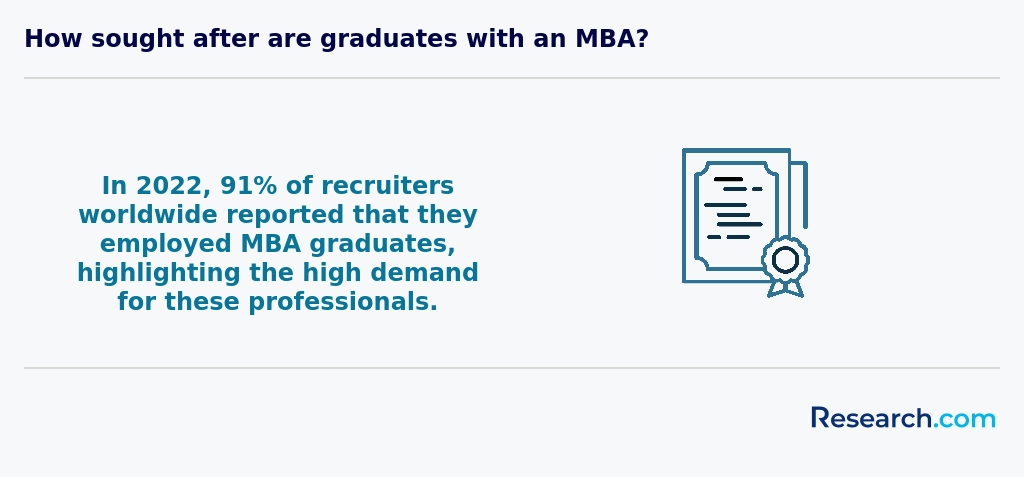
For many prospective students, balancing cost with quality is a major priority when considering an MBA. While traditional, on-campus programs in Dallas offer immersive experiences, increasingly, affordable and flexible online MBA options are emerging as a competitive alternative. These programs allow busy professionals to pursue advanced business education without the geographical or financial constraints of a campus-based experience. Online MBA programs often feature innovative digital classrooms and virtual collaboration, ensuring that students gain robust communication skills and global networking opportunities. Moreover, many online programs are designed with affordability in mind, sometimes costing less than $10,000 per year. For a detailed look at cost-effective alternatives, check out what are the most affordable master of business administration online programs under 10000 per year. This approach not only democratizes access to quality education but also aligns with evolving career goals in a dynamic business landscape.
When pursuing an MBA in Dallas, graduates often recall how the core coursework equipped them with essential skills for the business world. Courses like Financial Accounting and Managerial Accounting were pivotal, enabling them to confidently analyze company financials and make informed decisions. At well-regarded institutions such as Southern Methodist University or the University of Texas at Dallas, Marketing Management stood out as a favorite, providing a deep dive into consumer behavior and strategic planning through engaging case studies and real-world projects.
Operations Management classes brought complex concepts like supply chain logistics and quality control to life, often through group assignments mimicking challenges faced by Dallas-based companies. Many students found Organizational Behavior and Leadership courses invaluable, learning how to inspire teams and steer organizations effectively-skills that resonated especially well given Dallas's dynamic corporate culture.
MBA students also appreciated electives tailored to local industry needs, including entrepreneurship and technology management, reflecting Dallas's diverse economy. These courses helped them visualize applying their knowledge in real business settings, fueling optimism and confidence as they prepared to enter or advance within Dallas's competitive job market.
Dallas MBA programs offer a rich variety of specializations that mirror the city's dynamic and expanding economy. Many graduates from well-known Dallas universities speak highly of concentrations like Finance, which prepares students for roles in investment management and corporate finance-fields thriving in the city's financial sector. Marketing remains a popular choice too, focusing on digital strategies and brand management, perfectly suited for Dallas' growing retail and media industries. When considering MBA specializations offered in Dallas, Healthcare Management also stands out, benefiting students aiming for leadership in the city's vast healthcare networks. Entrepreneurship attracts those eager to dive into the startup culture that Dallas supports, while Information Technology Management addresses the demands of local tech firms through training in data analytics and project oversight.
Many MBA students also find value in Supply Chain Management and Logistics, capitalizing on Dallas' status as a transportation hub. The wide range of top MBA concentration options Dallas institutions provide allows students to tailor their education to real-world business challenges, gaining skills that graduates recall vividly from their hands-on experiences. For those looking for economical paths in Dallas, exploring what are the most affordable master of business administration online programs under 10000 per year is a practical step toward achieving career goals without overwhelming debt.
Choosing the best MBA degree in Dallas means balancing your career aspirations with practical concerns like scheduling and cost. Many graduates from Southern Methodist University's Cox School of Business praise its rigorous curriculum and strong local connections, which helped them secure roles in Dallas's thriving energy and finance sectors. Meanwhile, graduates from the University of Texas at Dallas find value in its more affordable tuition, making it an attractive choice for those prioritizing budget without compromising quality. Reflecting on these experiences, it's clear that understanding program formats-full-time, part-time, or executive-is essential for fitting studies around work and life.
When exploring affordable MBA degrees Dallas TX offers, consider how specialization options align with dominant local industries like healthcare and technology. Career support services matter greatly, as alumni often highlight the power of internships and networking in Dallas's competitive market. For those focused on cost, the Cheapest MBA Degree Programs Ranking in Arizona provides insights that can help gauge value beyond tuition alone.

Graduates of Dallas MBA programs often find themselves drawn to diverse career paths shaped by the city's dynamic economic landscape. Those completing their degrees at institutions like Southern Methodist University or the University of Texas at Dallas frequently step into influential roles within financial services, leveraging the robust banking and investment hubs here. One graduate shared how her MBA opened doors to a portfolio manager position that blended analytical rigor with strategic thinking, a true testament to MBA career opportunities in Dallas.
Others are captivated by the region's surging technology sector. MBAs engaged in business development or product management report a satisfying balance of innovation and practical impact. Healthcare management is another promising avenue; the booming medical industry in Dallas needs leaders who understand both patient care and operational efficiency. From personal accounts, MBA graduates relish the challenge of navigating hospital administration and influencing healthcare consulting outcomes.
Energy and consulting sectors also beckon, often offering roles in strategic planning and problem-solving that align with the strong leadership skills honed during studies. Choosing to pursue this degree in Dallas helps graduates build meaningful professional networks and match their career ambitions with the city's prominent industries. For those considering foundational education before advancing, exploring the fastest online bachelor degree options can be an excellent stepping stone to an MBA's success.
The job market for MBA graduates in Dallas offers a dynamic landscape fueled by the city's diverse economy. Graduates from well-regarded universities in Dallas often share how the robust presence of finance, technology, healthcare, and energy sectors provides fertile ground for building rewarding careers. For example, many alumni find roles in regional financial centers or tech startups, where strategic planning and leadership skills are highly sought after. This outlook reflects broader Dallas MBA degree employment outlook trends, where expanding businesses and corporate relocations continue to create attractive opportunities.
Graduates frequently express satisfaction with the competitive salaries aligned with national averages, especially in finance and technology. However, the decision to pursue an MBA here often involves weighing tuition costs and living expenses against these promising salary prospects. For those still exploring educational paths, understanding what is the easiest associates degree to get can sometimes factor into early career planning before committing to an MBA.
The vibrant professional networks and business events connected to popular Dallas schools also play a key role, making it easier for graduates to connect with local employers and navigate their career advancement. This supportive ecosystem helps MBA graduates turn education into real-world impact, reflecting the promising MBA graduate job opportunities in Dallas.
2027 Most Popular MBA Degree Programs Ranking in Dallas
Investing in your education is a significant decision that can shape your future, and the Research.com team understands the importance of making informed choices. To assist prospective students in Dallas, we have meticulously crafted the "2027 Most Popular MBA Degree Programs Ranking in Dallas." Our commitment to quality, credibility, and accuracy is reflected in the extensive research and analysis conducted to compile this ranking.
We utilized the following reputable data sources to ensure a comprehensive evaluation of MBA programs:
By exploring this ranking, readers will gain valuable insights into the most popular and highly regarded MBA programs in Dallas, helping them make confident and informed decisions about their educational paths. For more details on our rigorous methodology, please visit our Research.com methodology page.


# 4 position
Parker University
Master of Business Administration

Frequently Asked Questions About MBA
MBA students in Dallas can maximize their learning experience by actively engaging with local business communities. Dallas is home to major corporations like AT&T and Southwest Airlines, offering ample networking opportunities through internships and events. Participating in case competitions hosted by institutions such as Southern Methodist University strengthens practical skills.
Utilizing Dallas's strong alumni networks helps students access mentorship and job placements, crucial for career advancement. According to the Dallas Regional Chamber, nearly 45% of MBA graduates secure employment within six months, highlighting the city's dynamic market.
Additionally, choosing programs with hands-on projects or part-time options allows working professionals to apply knowledge in real-time.
The MBA field in Dallas is evolving, with several emerging niches gaining traction among students and employers alike. One prominent area is technology management, reflecting Dallas's growing tech sector and startups. Specializations in data analytics and cybersecurity are increasingly important, driven by the demand for professionals who can manage digital transformations.
Another rising niche is healthcare management, thanks to Dallas's extensive medical infrastructure. MBA programs now integrate courses tailored to hospital administration and biotech industries.
Sustainability and environmental management is also gaining attention, aligning with corporate responsibility trends nationally.
According to Dallas regional education reports, these niches offer competitive salaries and job growth, making them attractive options for MBA candidates.
Preparing for the job market after completing an MBA in Dallas requires strategic planning and utilization of available resources. MBA graduates should actively engage with career services offered by local universities such as Southern Methodist University and University of Dallas, which often provide job fairs, internship placements, and resume workshops.
Networking is crucial in Dallas's competitive job market, especially within the city's strong sectors like finance, healthcare, and technology. Joining professional groups like the Dallas MBA Association can expand contacts and opportunities.
According to the Graduate Management Admission Council, 89% of MBA graduates secure employment within three months of graduation, highlighting the importance of early preparation. Dallas's growing economy offers promising prospects, but graduates must tailor their skills to meet local employer needs.
Employers in Dallas seek specific skills when hiring MBA graduates, focusing on a mix of leadership, analytical ability, and adaptability. According to the Graduate Management Admission Council (GMAC), 85% of Dallas employers prioritize strong communication and teamwork skills. These are crucial for managing diverse teams and complex projects in the city's dynamic business environment.
Technical expertise, particularly in data analysis and financial management, is also highly valued. The Dallas Regional Chamber reports that businesses increasingly demand proficiency in digital tools and financial modeling. Moreover, strategic thinking and problem-solving skills rank among the top capabilities, enabling graduates to drive growth in competitive markets.
Time management and emotional intelligence are often cited as essential soft skills. The Dallas employer survey by the Texas Workforce Commission in 2023 highlights that 78% of companies prefer MBA candidates who can balance multiple priorities while maintaining strong interpersonal relationships.
Finding internships in Dallas relevant to an MBA degree involves leveraging local business networks and university resources. Dallas is home to over 25 Fortune 500 companies, including American Airlines and Texas Instruments, offering ample internship opportunities in finance, marketing, and management. Many MBA programs in Dallas universities, such as Southern Methodist University and University of Texas at Dallas, have dedicated career centers that connect students with local employers.
Additionally, platforms like Handshake and LinkedIn are widely used by Dallas-area MBA students to search for internships. Attending local networking events or business conferences can also increase chances of securing internships tailored to MBA skill sets. According to the Graduate Management Admission Council, 67% of MBA students in Texas reported internships as a key factor in job placement success.
An MBA degree significantly enhances career mobility and advancement opportunities in Dallas, a city known for its robust business environment. According to the Graduate Management Admission Council (GMAC), MBA graduates in Texas report an average salary increase of 25% to 40% compared to pre-MBA earnings. Dallas's diverse economy, which includes finance, technology, and healthcare sectors, increases demand for professionals with advanced management skills. Employers in the region often seek MBA holders for leadership roles, given their strategic thinking and problem-solving abilities. Networking opportunities through Dallas-based MBA programs also connect graduates with local industry leaders, further supporting career growth.
Studying for an MBA degree in Dallas offers unique opportunities to prepare for interdisciplinary roles due to the city's diverse economic landscape. Dallas hosts major industries such as finance, technology, healthcare, and energy, providing MBA students with exposure to varied business challenges. According to the Graduate Management Admission Council (GMAC), many Dallas MBA programs emphasize cross-functional skills like leadership, analytics, and strategic thinking, essential for managing teams across different sectors.
Local universities often integrate experiential learning, involving projects with companies from multiple industries. This prepares graduates to navigate and lead in environments where collaboration across fields is critical. For example, SMU Cox and UT Dallas Naveen Jindal School of Management highlight interdisciplinary coursework and networking.
These programs help students develop adaptability and a broad knowledge base, making them well-equipped for roles that demand comprehensive insight and versatility in decision-making.
Choosing between a thesis and a non-thesis MBA program in Dallas depends on your career goals and learning preferences. Thesis programs focus on research and require you to complete a substantial research project, ideal if you plan to pursue a PhD or a career in academia. Non-thesis programs emphasize practical skills through coursework and internships, which suits professionals aiming for managerial roles.
In Dallas, many MBA programs offer both options. According to the Texas Higher Education Coordinating Board, non-thesis MBAs comprise about 70% of enrollments, reflecting local market demand for applied business skills. Understanding these differences helps you select the path that aligns with your ambitions and timing.
Students based in Dallas who wish to study for an MBA abroad have several avenues available. Many opt for international partnerships offered by top Dallas universities such as Southern Methodist University and University of Texas at Dallas, which provide exchange programs with global business schools. This allows students to earn credits overseas while maintaining support from their home institution. Another option is enrolling directly in MBA programs abroad; popular destinations include Europe and Asia, where institutions often offer English-language courses tailored for international students. According to AACSB data, about 12% of Dallas MBA students consider international study experiences to enhance global business competencies.
These choices enable Dallas students to gain valuable cross-cultural skills and expand their professional networks. Financial aid and scholarships for study abroad programs might also be available, but students should carefully evaluate tuition costs and living expenses when considering international options. Consulting university study abroad offices and the U.S. Department of Education's resources can provide guidance on accreditation and visa requirements.
Dallas offers a variety of part-time job opportunities that complement an MBA degree effectively. Many MBA students work in financial services, taking on roles such as financial analysts or banking associates. These positions allow them to apply classroom knowledge in real-world financial decision-making. The city's strong presence in sectors like technology, healthcare, and logistics also offers roles in project management and business development, relevant to MBA studies.
According to the Dallas Regional Chamber, roles in consulting and marketing are growing steadily, providing experience in strategy and communication.
Additionally, internships and part-time positions with Dallas-based Fortune 500 companies, such as AT&T and Southwest Airlines, offer valuable networks and practical skills for MBA candidates.
Dallas offers MBA students a wealth of networking opportunities through its diverse business community and numerous educational institutions. Many local MBA programs host regular networking events, panel discussions, and mentorship programs that connect students with Dallas-based industry leaders and alumni. The Dallas-Fort Worth metroplex is home to thriving sectors like finance, technology, and healthcare, providing rich environments for relationship building.
Additionally, students can participate in organizations such as the Dallas Regional Chamber and the North Texas MBA Association, which facilitate professional networking and career development. According to the Dallas Business Journal, over 17,000 MBA students in the area benefit annually from these connections.
Alumni networks play a vital role in enhancing the value of MBA degrees in Dallas. Graduates benefit from access to a wide community of professionals who can provide mentoring, job leads, and business connections. For example, Southern Methodist University's Cox School of Business reports over 25,000 active alumni who regularly engage in career development events.
These networks open doors to exclusive internships and job opportunities in Dallas's thriving industries such as finance, technology, and healthcare. Studies show that MBA alumni who actively participate in these networks experience a 20% higher employment rate within six months after graduation (Poets&Quants, 2023).
Networking events and online platforms also facilitate knowledge exchange, helping students stay informed about local market trends and leadership practices. This ongoing support often translates into stronger professional advancement and entrepreneurship success in the Dallas area.
Customizing an MBA degree program in Dallas allows students to align their education with specific career objectives. Many institutions in Dallas offer concentrations such as finance, marketing, entrepreneurship, or healthcare management, enabling students to build expertise in their desired fields. Elective courses provide flexibility to deepen knowledge in specialized areas. Additionally, experiential learning opportunities like internships or consulting projects with Dallas businesses help apply classroom knowledge practically.
Students can often choose between full-time, part-time, or online formats to balance education with professional commitments. According to the Graduate Management Admission Council, Dallas has seen steady growth in MBA enrollment, reflecting the region's diverse economy and demand for tailored leadership skills.
MBA students in Dallas often encounter challenges balancing work, family, and academic responsibilities. Many pursue their degrees part-time while maintaining full-time jobs, which can strain their time management skills. According to a 2023 survey by the Graduate Management Admission Council (GMAC), nearly 65% of Texas MBA candidates cite workload as a primary concern.
Cost is another significant hurdle. The average tuition for Dallas-based MBA programs ranges from $40,000 to over $80,000, not including living expenses, which can be prohibitive for many. Scholarship opportunities exist but are competitive.
Networking is essential but can be difficult for students new to Dallas's business community. Building connections requires active participation in events, which some find challenging due to their schedules. Additionally, navigating different program formats, such as online versus in-person options, can pose adjustment challenges for students.
An MBA degree from Dallas-based institutions opens doors to various professional certifications that enhance career prospects. Many graduates pursue the Project Management Professional (PMP) certification, recognized nationally for managing complex projects efficiently. Additionally, certifications like Certified Public Accountant (CPA) and Chartered Financial Analyst (CFA) are popular among those focusing on finance and accounting.
Human resources professionals with an MBA often seek the Society for Human Resource Management Certified Professional (SHRM-CP) credential to boost their expertise. According to recent data from the Dallas Regional Chamber, over 35% of MBA holders in Dallas pursue at least one professional certification within three years of graduation.
These certifications complement MBA training by providing specialized knowledge and increasing marketability in Dallas's competitive job market.
Writing a winning application for an MBA program in Dallas requires careful preparation and clear communication of your strengths. Start by researching schools such as Southern Methodist University and the University of Texas at Dallas, which are among the top MBA providers locally. Highlight your professional experience, as Dallas MBA programs value practical leadership skills in sectors like energy, finance, and technology.
Craft a compelling personal statement that explains your career goals and why an MBA in Dallas fits your plans. Include specifics about how you will contribute to the campus community. According to the Graduate Management Admission Council, 71% of MBA applicants emphasize post-MBA career clarity in their essays.
Prepare thoroughly for the GMAT or GRE, with Dallas programs often requiring scores above the national average-typically 600 or higher for competitive schools. Finally, secure strong recommendation letters that reflect your managerial potential and achievements within Dallas's business context.
An MBA degree in Dallas offers graduates a competitive edge in an increasingly global job market. According to the Graduate Management Admission Council, over 70% of MBA graduates in the U.S. pursue careers with multinational companies or firms that operate internationally. This trend holds true for Dallas, a major business hub with strong connections to global industries such as energy, finance, and technology.
International perspectives on an MBA career emphasize leadership skills, cross-cultural management, and adaptability. Employers value graduates who understand global markets and can navigate diverse business environments. The Dallas-Fort Worth area hosts many Fortune 500 headquarters, increasing opportunities for MBA holders to engage in global commerce.
Data from the Dallas Regional Chamber highlights a 12% annual growth in international business roles requiring MBA qualifications, reflecting the city's expanding influence. For prospective students, an MBA in Dallas can be a strategic investment toward a career with global reach.
Gaining practical experience while pursuing an MBA in Dallas is essential to apply theoretical knowledge in real-world settings. Many Dallas-area MBA programs encourage students to participate in internships with well-known local companies, such as Southwest Airlines and Texas Instruments. According to the Dallas Regional Chamber, internships can increase job placement rates by nearly 30% for MBA graduates in the region.
Additionally, students often engage in consulting projects or live case studies offered through business schools. These opportunities enable collaboration with Dallas-based businesses on current challenges. Networking events and professional organizations, such as the Dallas MBA Association, also connect students to mentorship and practical learning.
Some programs emphasize experiential learning through business competitions and leadership workshops hosted locally, which help sharpen practical skills while still in school.
Choosing the right concentration within an MBA program in Dallas involves assessing your career goals, industry demand, and personal interests. Dallas offers concentrations like finance, marketing, healthcare management, and supply chain management, reflecting its diverse economy. According to the Dallas Regional Chamber, sectors such as technology and healthcare are growing rapidly, making related MBA focuses highly valuable.
Consider the local job market; for example, an MBA in supply chain management aligns well with Dallas's status as a logistics hub. Admissions advisors recommend researching alumni outcomes and speaking with current students to understand which concentrations provide a competitive edge.
Many Dallas MBA programs offer flexible formats, which can help balance work and study, especially in specialized areas. Accreditation by bodies like AACSB ensures quality education that is recognized by employers nationwide.
- 2027 Most Popular MBA Degree Programs Ranking in Irving
- 2027 Most Popular MBA Degree Programs Ranking in Fort Worth
- 2027 Most Popular MBA Degree Programs Ranking in Denton
- 2027 Most Popular MBA Degree Programs Ranking in Abilene
- 2027 Most Popular MBA Degree Programs Ranking in Shreveport
- 2027 Most Popular MBA Degree Programs Ranking in Austin
- 2027 Most Popular MBA Degree Programs Ranking in Oklahoma City
- 2027 Most Popular MBA Degree Programs Ranking in Houston
- 2027 Most Popular MBA Degree Programs Ranking in San Antonio
- 2027 Most Popular MBA Degree Programs Ranking in Little Rock
- How an MBA contributes to career advancement https://online.wlv.ac.uk/blog/how-an-mba-contributes-to-career-advancement/
- Lessons learned: one year into pursuing an MBA while balancing full-time work - Franz Vitulli https://franzvitulli.com/mba-work/
- Verifying that you are not a robot... https://krea.edu.in/ifmrgsb/top-5-emerging-career-paths-for-mba-graduates/
- The Growing Demand for Niche Jobs and MBA Specializations https://www.clearadmit.com/2025/05/the-growing-demand-for-niche-jobs-and-mba-specializations/
- MBA Career Outlook from a Global Perspective Margaret Buj https://interview-coach.co.uk/mba-career-outlook-from-a-global-perspective/
- Why MBA Graduates Embrace Global Perspectives for Career Growth https://www.thehighereducationreview.com/editors-guest/why-mba-graduates-embrace-global-perspectives-for-career-growth-nid-6271.html
- Tips for Maximizing Your MBA Experience - ELFI https://www.elfi.com/how-to-maximize-your-mba-get-the-most-value-from-your-business-degree/
- Most Affordable MBA in Dallas | Amberton University https://amberton.edu/2025/09/29/most-affordable-mba-in-dallas/
- Top MBA programs with the best alumni networks in the world - MBA Crystal Ball https://www.mbacrystalball.com/blog/2025/07/07/top-mba-programs-with-the-best-alumni-network-in-the-world/
- Skills Employers Look for in Business Graduates – EU Business School https://www.euruni.edu/blog/skills-employers-look-for-in-business-graduates/