
2027 Most Popular MBA Degree Programs Ranking in Abilene

Co-Founder and Chief Data Scientist
Choosing the right MBA program can shape your future career in Abilene. To help you navigate this important decision, this article presents the 2027 Most Popular MBA Degree Programs Ranking in Abilene, developed by the Research.com team of data scientists.
By exploring these rankings, you'll gain valuable insights into programs that align with your goals and aspirations. An MBA opens doors to leadership roles, career growth, and personal development. Whether you're starting out or advancing your career, this guide empowers you to make an informed choice with confidence.
Key benefits of getting MBA degree in Abilene
- While specific salary data for MBA graduates in Abilene is unavailable, MBA holders in the US typically enjoy median annual salaries ranging from $80,000 to over $120,000 depending on the industry, reflecting strong earning potential.
- An MBA graduate from a well-known Abilene university can pursue diverse career paths including management, finance, marketing, or entrepreneurship, opening doors to leadership roles in various sectors.
- Completing an MBA degree online through a reputable Abilene institution offers flexibility and convenience, allowing students to balance work and study while gaining valuable skills recognized by employers.
- 2027 Most Popular MBA Degree Programs Ranking in Abilene
- What can I expect from MBA degree in Abilene?
- Where can I work with MBA degree in Abilene?
What can I expect from MBA degree in Abilene?
The average cost of obtaining an MBA degree in Abilene typically revolves around tuition fees charged by local institutions such as Abilene Christian University (ACU). Graduates from ACU's MBA program often share that the investment amounts to approximately $27,000 for the full degree. This figure is based on a tuition rate of about $750 per credit hour, reflecting current 2023 pricing.
Students pursuing this degree at ACU highlight the value of flexible learning options, including both on-campus and online courses, which allow them to balance work and study commitments smoothly. Many express satisfaction in being able to tailor their education to personal scheduling needs, a benefit that lessens the pressure often associated with graduate programs.
Financial aid and scholarships available in Abilene further ease the financial responsibility, making the overall cost more achievable. Graduates often feel their tuition investment is justified by the program's strong emphasis on practical business skills and leadership, which are directly applicable to Abilene's dynamic local industries.
Where can I work with MBA degree in Abilene?
MBA graduates in Abilene find rewarding career opportunities across several key industries. Many alumni from Abilene Christian University and Texas State Technical College secure positions in healthcare administration at establishments like Hendrick Health System, where they manage operations, finance, and strategic planning. This hands-on experience fuels their confidence and leadership skills in a dynamic environment.
In manufacturing and energy sectors, MBA holders often oversee supply chains and develop business strategies for companies involved in oil, gas, and equipment production. These roles allow graduates to apply analytical thinking and problem-solving abilities, contributing directly to West Texas's energy-driven economy.
Graduates also thrive in educational administration, taking on budgeting and institutional advancement roles within local universities and colleges. Many report a strong sense of accomplishment helping these institutions grow and adapt amid evolving educational demands.
Small and medium businesses in Abilene highly value MBA graduates for marketing and strategic planning, providing a vibrant landscape for applying business acumen and fostering entrepreneurial success. This diverse job market supports competitive salaries and career growth, making Abilene a promising place for MBA professionals.
Graduates from MBA programs at universities in Abilene often report starting salaries around $75,000, reflecting early career success in business, finance, and management sectors. These earnings grow steadily, with many mid-career professionals surpassing $110,000 as they capitalize on leadership skills and local industry connections fostered during their studies.
For example, management consultants holding MBAs in Abilene typically earn between $90,000 and $120,000 annually. Financial managers beginning their careers with an MBA can expect to start near $85,000, with advancement opportunities pushing salaries beyond $110,000 over time. Healthcare administration is another growing field, where MBA graduates managing local medical facilities earn median salaries around $88,000.
Graduates appreciate how the affordable cost of living in Abilene enhances their quality of life, allowing them to enjoy financial comfort while pursuing ambitious career goals. The encouraging salary trends experienced by students from popular programs in the area demonstrate strong returns on investment and a promising professional future within the local market.
- MBA tuition in Abilene ranges from $25,000 to $40,000, which is generally lower than the national average.
- The local job market has moderate demand for MBA graduates, especially in healthcare administration, manufacturing, education management, and retail.
- Starting salaries for MBA holders average around $65,000 per year, with mid-career salaries between $85,000 and $100,000.
- Most MBA programs offer flexible scheduling with evening and weekend classes to accommodate working professionals.
- Many schools provide financial aid options such as scholarships, assistantships, and employer tuition reimbursement programs.
The typical duration for completing an MBA degree in Abilene varies according to the program format and individual circumstances. Most graduates from popular institutions like Hardin-Simmons University follow a two-year full-time track, which is standard and allows for an immersive learning experience. These students often express satisfaction with the balanced pace that lets them master complex business concepts without overwhelming time constraints.
Part-time MBA students, frequently local working professionals, usually extend their studies to three or four years. They appreciate the flexibility offered by evening or weekend classes, which makes it feasible to advance their education while maintaining full-time employment. A graduate from Abilene Christian University shared how this approach reduced stress, allowing steady progress without sacrificing career momentum.
Accelerated MBA options, also available at these institutions, enable completion in 12 to 18 months for highly motivated students ready to intensify their coursework. Executive MBA programs, catering to senior professionals, typically span 18 to 24 months with blended online and in-person sessions, fitting demanding schedules well. Such varied choices reflect Abilene's commitment to meeting diverse student needs.
When evaluating an MBA program in Abilene, TX, understanding the return on investment (ROI) is crucial. Prospective students should analyze several factors before making a financial commitment, including tuition fees, living expenses, and anticipated career progression. For instance, comparing the overall program expenses with increased earning potential and career advancement can provide clarity on the financial benefits over time. In many cases, detailed cost comparisons-such as reviewing the online executive mba cost-can help prospective students estimate whether the long-term salary boost justifies the upfront investment. Additionally, ROI assessments may consider factors like industry demand, alumni success, and the reputation of the institution, all of which contribute to the potential for accelerated career growth and improved job security. This analysis not only reinforces the value of the educational journey but also empowers students to make informed decisions aligned with their professional and financial goals.
MBA students in Abilene often find that the primary distinction between online and on-campus degrees lies in flexibility versus immersive experience. Graduates from Abilene Christian University's online MBA program frequently praise the ability to balance work and family while studying asynchronously, allowing them to complete coursework on their own schedules without sacrificing career advancement.
Conversely, those attending Hardin-Simmons University's on-campus MBA value the dynamic, face-to-face interactions during lectures and group projects, which foster a strong sense of community and networking opportunities with peers and professors. This environment cultivates lasting professional relationships and hands-on learning that some students find indispensable.
Cost also factors into decisions: online options typically reduce commuting and facility fees, often making an MBA in Abilene more affordable without compromising academic rigor. Both formats maintain accredited curricula, yet the choice hinges on personal learning style and professional needs, with online studies offering greater convenience and on-campus programs offering enriching interpersonal engagement.
When evaluating MBA programs, it's essential to consider factors beyond curriculum and cost, such as the local economy, job market trends, and the overall quality of life in Abilene, TX. For those interested in exploring various MBA programs, researching popular mba programs can provide valuable insights into the most sought-after specializations and institutions. Additionally, understanding the city's industries, such as healthcare and finance, can help students align their educational goals with potential career paths, ultimately enhancing their job prospects and overall satisfaction with their MBA experience.
The average MBA degree cost in Abilene varies depending on residency status and institution type, but recent data indicates that the median total cost for MBA programs is approximately $52,838. For in-state students attending popular universities in the area, the median total cost typically drops to around $38,580, making the total cost of MBA programs in Abilene Texas notably competitive compared to national averages.
Graduates from Abilene-based programs often recount how investing in a local MBA offered a balance between quality education and financial feasibility. Public universities in Texas provide a particularly attractive option for residents, with tuition costs generally lower than private universities, yet delivering robust academic experiences that prepare students well for the dynamic business environment.
Many students choose flexible formats such as part-time or online options to manage tuition payments while working, a strategy that has helped reduce immediate financial pressures. These alternatives align well with the lifestyles of busy professionals in Abilene seeking to enhance their credentials without pausing their careers. To explore different program formats and gather informed opinions from various alumni experiences, prospective students can refer to Online MBA reviews.
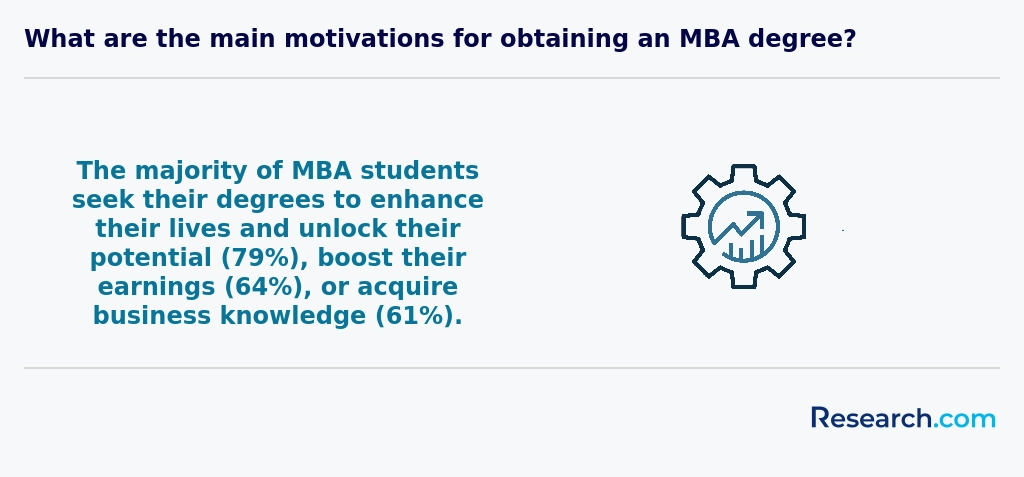
Students pursuing an MBA in Abilene frequently rely on a combination of federal loans and institutional aid to manage tuition costs, which can range from $900 to $1,000 per credit hour at schools like Hardin-Simmons University. Federal Direct Unsubsidized Loans offer a maximum borrowing limit of $20,500 per year, with additional funding possible through graduate PLUS loans. Many MBA graduates recall how these federal options provided vital financial stability during their studies.
Merit-based scholarships awarded by Abilene institutions also support MBA candidates, often based on undergraduate GPA and professional accomplishments. Some students have benefited from teaching assistantships or fellowships that include tuition remission plus stipends, enabling them to gain valuable work experience while easing their financial burden.
Employer tuition reimbursement programs further enhance affordability. Many local companies encourage career growth by funding MBA coursework, which dozens of graduates have found instrumental in balancing work, study, and family commitments. Additionally, private scholarships from organizations like the Forté Foundation add opportunities, particularly for women pursuing business degrees in the region.
Part-time and online MBA programs in Abilene provide flexible scheduling, allowing students to maintain steady income streams while progressing academically, an approach praised by those juggling multiple responsibilities.
Pursuing an MBA in Abilene, TX requires careful planning and strategic preparation. Most programs at Abilene Christian University, Hardin-Simmons University, and McMurry University follow a similar timeline: • Prerequisites: Bachelor’s degree from an accredited institution; minimum GPA (often 3.0+). • Standardized Tests: GMAT/GRE scores-aim for competitive percentiles. Some schools waive test requirements for candidates with 5+ years of professional experience. • Application Materials: Updated resume highlighting leadership achievements; two to three strong letters of recommendation from academic or professional mentors; a compelling personal statement that outlines career goals and fit with the program’s values. • Deadlines: Fall admission deadlines typically fall between December and February; spring deadlines range from September to November. Early application is encouraged to secure scholarships and assistantships. • Interview Preparation: Prepare for behavioral questions using the STAR method; research faculty and local business partnerships to demonstrate genuine interest in Abilene’s MBA community. To maximize your chances, craft essays that emphasize specific Abilene-centric experiences-such as local internships or community service-and illustrate how your background aligns with the program’s leadership and ethical decision-making focus. Additionally, consider demonstrating financial savvy by reviewing cost-saving options in the region, and for broader comparison, see our Cheapest Online Master's in MBA Degree Programs Ranking in New Jersey. By following these guidelines, applicants can present a cohesive, compelling profile that resonates with admissions committees and aligns with the high standards of Abilene’s top MBA programs.
To enroll in an MBA program in Abilene, candidates must hold a bachelor's degree from an accredited institution, a requirement embraced by popular local schools such as Abilene Christian University. Many successful graduates from these programs come from diverse academic backgrounds, including engineering and the arts, highlighting the inclusive nature of admissions. Applicants typically need to demonstrate a GPA of around 3.0, though some schools show flexibility for strong professional experience.
Standardized testing remains important; most programs expect a GMAT score near 500, but test-optional policies have become more common recently, reflecting ongoing adjustments seen at institutions like Hardin-Simmons University. Graduates often recall how their prior two to three years of work experience was pivotal, contributing both depth and practical insight to classroom discussions and networking opportunities.
Letters of recommendation and personal essays provide admissions committees a window into candidates' leadership potential and motivation, while interviews assess professional maturity. These components particularly resonate with local employers, who value the blend of education and real-world experience polished through Abilene's MBA programs.
Calculating the return on investment (ROI) of an MBA in Abilene, TX, is crucial for prospective students aiming to balance cost with long-term career gains. On average, total program costs-including tuition, fees, and living expenses-range from $40,000 to $90,000. With mid–career salaries often exceeding $85,000, many graduates recoup their investment within 3 to 5 years. By comparing local figures to national benchmarks, you can make a data-driven decision. For example, graduates entering management positions report starting salaries in the mid-$60,000s, rising to over $100,000 with five years of experience-indicating a payback period as short as 2.5 years. To optimize ROI: • Estimate Total Cost: Include tuition ($20,000–$50,000), housing, textbooks, and technology fees. • Project Salary Growth: Use local salary surveys and alumni data to forecast earnings. • Calculate Payback Period: Divide net program cost by annual salary increase. • Explore Cost-Saving Options: Consider part-time, online, or accelerated tracks. For students weighing cost against outcomes, comparing ROI with programs like the Cheapest Online Master's in MBA Degree Programs Ranking in New Jersey can be enlightening. This side-by-side view highlights how Abilene’s flexible delivery modes and robust career services often deliver superior ROI by combining affordable tuition with strong local employer demand. Ultimately, understanding ROI empowers you to select an MBA path in Abilene that aligns financial investment with anticipated career advancement, ensuring your degree drives measurable professional and economic returns.
MBA programs in Abilene typically include core courses designed to build a comprehensive understanding of business operations. Graduates often highlight how classes in Financial and Managerial Accounting taught them to analyze company performance through real-world case studies. Marketing Management and Managerial Economics provide practical tools to strategize in competitive markets, skills many find immediately applicable in local Texas industries.
Students at popular institutions such as Hardin-Simmons University appreciate the strong focus on Business Ethics, Operations Management, and Managerial Finance, which prepare them to lead effectively in diverse business environments. Organizational Behavior and Strategic Management courses often involve collaborative projects that simulate challenges faced by companies in the energy or manufacturing sectors prominent in Abilene.
Many MBA candidates enjoy selecting electives tailored to regional economic strengths like healthcare management or entrepreneurship. This approach gives them a competitive edge when entering the local workforce. Learning in Abilene's supportive academic community fosters confidence and excitement about applying their knowledge to real business challenges.
MBA specializations in Abilene Texas offer diverse pathways that align with the city's economic and professional landscape. Graduates from popular universities in Abilene often highlight specializations such as Healthcare Management, which prepares students for leadership roles within West Texas's extensive healthcare system. Those pursuing Finance and Accounting gain critical skills for careers in banking and corporate financial sectors, frequently applying knowledge in real-world corporate projects.
Another sought-after specialization is Information Technology Management, combining business strategy with IT implementation. Students often recount managing live technology upgrades during their coursework, which enhances their readiness for tech-driven industries. Marketing specialization is also prominent, focusing on digital marketing and consumer behavior - valuable for those aiming to lead innovative campaigns in regional firms.
Supply Chain and Operations Management attracts individuals interested in optimizing manufacturing and distribution processes vital to Abilene's economy. Many find flexible programs attractive; several local schools provide part-time or online tracks, facilitating engagement for working professionals pursuing advanced studies.
For students exploring options beyond MBA, Abilene also has noted online business management schools that complement these specializations well.
Choosing the best MBA degree in Abilene requires evaluating programs on multiple critical factors such as accreditation, curriculum, cost, and flexibility. Graduates from Abilene Christian University often cite the value of its AACSB accreditation, which assures rigorous academic standards and boosts long-term career prospects. Additionally, students benefit from specialized coursework in ethical leadership and business disciplines that align with their professional ambitions.
Affordability is a significant consideration, especially when looking for affordable MBA degrees in Abilene TX. Many local programs fall within a manageable tuition range, often complemented by scholarships and assistantships, which past students have found instrumental in minimizing financial strain. The program's format also plays a crucial role; part-time, evening, or online options cater well to working professionals who need to balance study with employment.
Prospective students value robust alumni networks and comprehensive career services, which alumni frequently highlight as essential for job placement in Texas's regional business markets. For those who need adaptability, exploring executive mba programs flexible schedule at local institutions can provide the ideal balance between career advancement and academic rigor.

MBA graduates in Abilene find diverse career paths aligned with the city's economic landscape. Many alumni from popular institutions such as McMurry University and Hardin-Simmons University secure leadership roles in business management and administration across regional companies and nonprofits. Others leverage their skills as financial analysts or consultants working with Abilene's local banks, demonstrating the breadth of options available.
Students who pursued an MBA in Abilene often report success transitioning into healthcare management positions, thanks to the city's strong healthcare sector. This includes roles focused on operational efficiency and strategic planning within hospitals and healthcare networks. Additionally, the manufacturing and retail trade sectors provide avenues in operations and supply chain management, where graduates apply analytical and leadership skills daily.
With a focus on emerging fields, some MBA holders explore project management, entrepreneurship, and data-driven roles, contributing to innovative business growth. For those interested in finance, access to affordable local programs makes pursuing an mba finance online a practical option. Overall, top MBA jobs in Abilene TX reflect the city's vibrant market and provide promising prospects for graduates.
The job market for MBA degree holders in Abilene offers steady prospects across diverse industries such as healthcare administration, manufacturing management, and retail. Graduates from institutions like Abilene Christian University frequently secure positions in mid-sized companies, local branches of larger firms, and government agencies, benefiting from strong regional networking opportunities and internship placements. This practical environment supports candidates seeking career growth without the intense competition found in larger metropolitan areas.
Salary expectations in Abilene typically range from $65,000 to $85,000 annually, reflecting a cost of living advantage. Many graduates appreciate how this balance enables a comfortable lifestyle while advancing their careers. The job outlook for MBA graduates in Abilene is influenced by the city's industry mix and university links, with local business organizations offering valuable connections. For those exploring further educational options, popular mba programs in Texas vary in tuition, but studying locally often enhances employment prospects and affordability.
2027 Most Popular MBA Degree Programs Ranking in Abilene
Investing in your education is a significant decision that can shape your future, and the Research.com team recognizes the importance of providing reliable guidance. To support prospective students in Abilene, we have carefully developed the "2027 Most Popular MBA Degree Programs Ranking in Abilene." Our dedication to quality, credibility, and accuracy is demonstrated through thorough analysis and the use of trusted data sources.
We utilized the following reputable data sources to ensure a comprehensive evaluation of MBA programs:
By exploring this ranking, readers will gain valuable insights into the most sought-after MBA programs in Abilene, enabling informed educational decisions. For more details on our approach, please visit our Research.com methodology page.


Frequently Asked Questions About MBA
MBA students in Abilene can maximize their learning experience by actively engaging with local business communities. Abilene's economy, which includes sectors such as healthcare, education, and manufacturing, offers students practical opportunities for internships and networking. According to the Texas Workforce Commission, internships in these industries provide real-world insights that complement classroom theory.
Students should also take advantage of any experiential learning components, such as case studies and group projects, which are common in accredited MBA programs. Collaborating with peers helps improve problem-solving and leadership skills.
Finally, accessing resources from nearby universities and attending relevant seminars or workshops strengthens understanding of current market trends and business challenges.
Emerging niches within the MBA field reflect shifts in industry demands and technological advances. In Abilene, programs increasingly emphasize areas like healthcare management, reflecting the region's growing medical sector. According to the Texas Higher Education Coordinating Board, healthcare-related MBA concentrations grew by 15% statewide from 2020 to 2023.
Other notable niches include supply chain management and data analytics, driven by evolving logistics needs and big data trends. These specializations prepare graduates for complex decision-making roles. Additionally, sustainability and social impact MBAs are gaining traction nationwide, though still developing locally.
Students interested in Abilene's market should consider these areas for more targeted career opportunities.
Preparing for the job market after completing an MBA degree in Abilene involves a combination of strategic planning and leveraging local resources. Graduates should focus on building a strong professional network, utilizing connections through university career centers such as those at Abilene Christian University. According to the U.S. Bureau of Labor Statistics, MBA holders typically benefit from a 10-15% higher salary than peers without advanced degrees.
Additionally, gaining practical experience through internships or consulting projects during the program enhances employability. Understanding the key industries in Abilene, including healthcare and energy, can guide specialization choices. Effective resume building and interview preparation are essential, supported by workshops offered locally. Staying informed on market trends and continuously updating skills remains critical in today's competitive environment.
Employers in Abilene seeking MBA graduates prioritize a blend of technical proficiency and soft skills. Analytical thinking tops the list, enabling graduates to solve complex business problems effectively. Communication skills are critical, as MBA holders often lead teams and present strategies to diverse stakeholders.
Leadership ability is highly valued, with many local companies citing the importance of managerial experience and adaptability in a fast-changing economy. According to the Bureau of Labor Statistics, the demand for business managers in Texas is expected to grow by 7% through 2029, highlighting the significance of these skills.
Additionally, financial acumen and knowledge of data-driven decision-making are important, supporting roles in finance and operations. Employers also emphasize teamwork and ethical judgment as essential traits for sustained success in Abilene's business environment.
Finding internships in Abilene relevant to an MBA degree involves leveraging local university resources and business connections. McMurry University and Hardin-Simmons University, both located in Abilene, typically offer career services and internship placement assistance specific to MBA students.
Networking events hosted by the Abilene Chamber of Commerce and professional organizations such as the Abilene MBA Association provide valuable opportunities to meet employers and industry professionals. Internships in sectors like healthcare, energy, and manufacturing are common, reflecting Abilene's diverse economy.
Additionally, online platforms like Handshake and LinkedIn often list internships targeted to MBA students in the Abilene area. Utilizing these resources can improve chances of securing paid or credit-eligible positions vital for career advancement.
In Abilene, earning an MBA degree significantly enhances career mobility and advancement opportunities. According to the Bureau of Labor Statistics, managers and business professionals with graduate degrees generally experience faster salary growth and lower unemployment rates. Locally, Abilene's growing industries-such as healthcare administration, manufacturing, and energy-value the strategic and leadership skills developed through MBA programs at institutions like Abilene Christian University.
Data from the National Association of Colleges and Employers (NACE) highlights that MBA graduates typically see salary increases ranging from 20% to 30% compared to those with only a bachelor's degree. Moreover, many employers in Abilene seek candidates with MBAs for mid- to senior-level management roles.
Ultimately, obtaining an MBA in Abilene can open doors to diverse career paths and leadership positions, reflecting broader national trends with local economic relevance.
Studying for an MBA degree in Abilene equips students with versatile skills to excel in interdisciplinary roles. Local programs often emphasize combining business fundamentals with leadership, communication, and analytical skills that are applicable across industries. For example, institutions like Abilene Christian University incorporate case studies from various sectors, helping students integrate knowledge from finance, marketing, and operations effectively.
According to the Texas Higher Education Coordinating Board, Abilene MBA graduates show strong employment outcomes in diverse fields such as healthcare management, energy, and education administration. This reflects the region's focus on building adaptable leaders capable of navigating complex organizational environments.
Moreover, courses in project management and organizational behavior prepare candidates to collaborate across departments, a vital asset for interdisciplinary success in today's job market.
Choosing between a thesis and a non-thesis MBA program in Abilene depends primarily on your career goals and learning preferences. Thesis programs require conducting original research and writing a detailed project, which suits those interested in academic, consulting, or research roles. Non-thesis options focus more on coursework and practical skills, ideal for students targeting immediate professional advancement.
In Abilene, Texas Christian University and Abilene Christian University offer both types, with most MBA candidates opting for non-thesis tracks due to time efficiency and direct application in business. According to the National Center for Education Statistics, thesis MBAs slightly lengthen program duration but deepen analytical skills.
Students based in Abilene who wish to study an MBA abroad have several pathways within the U.S. higher education system. Many top-ranked business schools offer exchange programs or dual-degree options with international partner universities, allowing Abilene students to spend a semester or year overseas. Additionally, numerous online MBA programs provide global curricula and international residencies, which combine remote learning with short-term study abroad experiences.
Hardin-Simmons University in Abilene does not currently offer direct international MBA programs; however, students often leverage relationships with other Texas universities for study abroad opportunities. According to the Graduate Management Admission Council, approximately 30% of U.S. business schools incorporate global experience components, reflecting growing demand. This flexibility makes pursuing an MBA abroad accessible even for those starting in smaller markets like Abilene.
Part-time job opportunities in Abilene that complement MBA education often align with the skills taught in MBA programs, such as management, finance, and marketing. Popular roles include administrative assistant positions, where students can gain experience in organizational management and business operations.
Many MBA students in Abilene find internships or part-time roles with local businesses, such as healthcare providers and manufacturing companies, which are key sectors in the region. According to the Abilene Chamber of Commerce, finance and customer relations roles are also common, helping students develop analytical and interpersonal skills.
Additionally, small business consulting or assisting startups allows practical application of strategic thinking and problem-solving abilities taught in MBA coursework.
MBA students in Abilene benefit from several networking opportunities that connect them with local business leaders and alumni. McMurry University and Hardin-Simmons University offer access to networking events, guest lectures, and career fairs tailored to MBA candidates. These events often feature industry professionals from sectors prominent in Abilene, such as healthcare, education, and manufacturing.
The Abilene Chamber of Commerce regularly hosts mixers and workshops that MBA students can attend to build local business relationships. Additionally, student organizations and clubs linked to MBA programs provide peer networking and mentorship opportunities. According to recent reports, nearly 70% of MBA students in the region reported successful networking outcomes during their studies.
Alumni networks play a crucial role for MBA students in Abilene, providing valuable connections and career support. Graduates from local MBA programs often remain active in these networks, which helps current students access mentorship and job opportunities within the regional business community.
Engaging with alumni allows students to learn from real-world experiences and gain insights into industry trends in West Texas. According to the Abilene Chamber of Commerce, over 60% of MBA graduates find employment through alumni referrals, highlighting the network's effectiveness.
Furthermore, alumni events and online platforms facilitate ongoing professional development and collaboration, enhancing the overall value of an MBA education in Abilene.
In Abilene, customizing your MBA program to align with career goals often starts with selecting a specialization. Many local universities offer concentrations such as healthcare management, finance, or entrepreneurship. These focus areas allow students to gain skills directly applicable to their industry.
Elective courses provide further customization. You can choose classes that develop specific expertise, like marketing analytics or supply chain management, tailoring the curriculum to meet your professional needs.
Additionally, some MBA programs in Abilene offer flexible schedules or online options, which help working professionals balance education and career.
Internships and networking partnerships with Abilene-based businesses also enhance practical experience, a crucial factor in career advancement.
MBA students in Abilene often encounter several challenges typical of graduate business programs across the US. Balancing coursework with professional and personal responsibilities is a major hurdle, especially as many students study part-time while working. According to the National Center for Education Statistics, part-time enrollment in graduate programs can lead to longer completion times and increased stress.
Another challenge is accessing specialized faculty and networking opportunities. While Abilene hosts reputable institutions, the smaller market size means fewer local corporate partnerships compared to larger Texas cities. This can affect internships and job placements.
Additionally, the cost of an MBA program remains significant. Students must navigate tuition expenses alongside living costs, with financial aid options sometimes limited based on residency and local funding availability. Understanding these challenges helps prospective students make informed decisions about pursuing their MBA in Abilene.
With an MBA degree, professionals in Abilene can pursue a variety of certifications to enhance their expertise and career prospects. Popular certifications include the Project Management Professional (PMP), which complements MBA skills in leadership and organization. Another common certification is the Certified Management Accountant (CMA), ideal for graduates focused on finance and accounting.
The Certified Financial Planner (CFP) credential is also accessible to MBA holders interested in financial advising. Additionally, many MBA graduates seek the Certified Business Analysis Professional (CBAP) certification to deepen strategic analysis skills. According to the U.S. Bureau of Labor Statistics, holders of such certifications often see improved job prospects and higher salaries.
Writing a winning application for an MBA program in Abilene starts with understanding the core requirements of local institutions such as Hardin-Simmons University. Applicants should clearly demonstrate leadership potential, relevant work experience, and academic readiness. A strong GMAT or GRE score can boost your chances, but some programs may offer waivers based on professional achievements.
Craft a compelling personal statement that highlights your career goals and how the MBA aligns with them. Including specific examples of problem-solving or teamwork is beneficial. Letters of recommendation should come from supervisors or colleagues who can attest to your skills and character.
Be mindful of deadlines and ensure your resume is polished and up to date. Many programs value diversity in experience, so emphasize unique aspects of your background. For the latest admissions trends and requirements, prospective students can refer to resources provided by the Graduate Management Admission Council (GMAC) and the individual Abilene-area schools' admissions offices.
Career opportunities for MBA graduates are increasingly global, reflecting the interconnected nature of today's business environment. From Abilene, students earn MBA degrees that equip them with skills valued internationally, including leadership, strategic thinking, and cross-cultural management. According to the Graduate Management Admission Council, nearly 44% of U.S. MBA graduates report roles with multinational companies, showing strong global integration.
Graduates often find career options beyond local markets in finance, consulting, technology, and supply chain management. Abilene's growing economic ties with global trade hubs provide students with relevant exposure. Additionally, many U.S. MBA programs emphasize global case studies and international internships to prepare students for diverse markets.
Gaining practical experience while pursuing an MBA degree in Abilene is essential for career growth. Many MBA programs at local institutions like Hardin-Simmons University emphasize experiential learning through internships and consulting projects. Students often collaborate with Abilene-based companies, applying classroom concepts to real business challenges.
Additionally, networking events and business clubs offer opportunities to develop leadership skills and connect with local professionals. Some programs encourage participation in case competitions, providing hands-on problem-solving experience.
Federal data shows internships improve MBA employment prospects, with nearly 70% of graduates securing jobs through practical experience. Abilene's growing economy supports these opportunities, particularly in healthcare, manufacturing, and energy sectors.
Choosing the right concentration within an MBA program in Abilene depends on your career goals and local industry trends. Popular concentrations include Healthcare Management, Energy Management, and Finance, reflecting Abilene's economic sectors. According to the Texas Workforce Commission, healthcare and energy jobs have grown significantly in the region over the past five years.
Consider also your strengths and interests, as specialization enhances job prospects and earning potential. Research specific program offerings at schools like Hardin-Simmons University, which provides tailored tracks for these sectors. Additionally, networking opportunities and internship availability in Abilene can influence which concentration best aligns with your ambitions.
- 2027 Most Popular MBA Degree Programs Ranking in Fort Worth
- 2027 Most Popular MBA Degree Programs Ranking in Denton
- 2027 Most Popular MBA Degree Programs Ranking in Irving
- 2027 Most Popular MBA Degree Programs Ranking in Dallas
- 2027 Most Popular MBA Degree Programs Ranking in Austin
- 2027 Most Popular MBA Degree Programs Ranking in San Antonio
- 2027 Most Popular MBA Degree Programs Ranking in Oklahoma City
- 2027 Most Popular MBA Degree Programs Ranking in Houston
- 2027 Most Popular MBA Degree Programs Ranking in Shreveport
- 2027 Most Popular MBA Degree Programs Ranking in Wichita
- Know more about thesis vs non- thesis: what is the difference? https://studyfans.com/en/blogs/816
- Follow These 10 Steps To Write Your MBA Application Essays - ApplicantLab https://www.applicantlab.com/blog/10-steps-to-write-your-mba-application-essay/
- Top Challenges for MBA Students in 2025: Placements and Career Growth in India | BeJobbed.com https://bejobbed.com/challenges-mba-students-placements-career-growth-india/
- MBA Requirements https://www.collegeessayguy.com/blog/mba-requirements
- The Pre-MBA Internship: Full Guide and Whether It's Worth It https://mergersandinquisitions.com/pre-mba-internship/
- Add-On Certification Courses to Boost MBA Career Growth https://www.ipeindia.org/add-on-certification-courses-after-mba-career-growth/
- The Value of an International MBA for Global Career Mobility | Articles | Unimy https://www.unimy.com/article/the-value-of-an-international-mba-for-global-career-mobility
- MBA Networking Tips-Building Connections Pre-MBA https://menlocoaching.com/mba-applications-and-admissions-guide/networking/
- Future-Proof Your Career with an MBA in India : MIT-WPU Blog https://mitwpu.edu.in/blog/emerging-specialisations-in-mba---how-to-future-proof-your-business-career-in-india
- Master of Business Administration (M.B.A.) Major in Business Administration (General Flex Non-thesis Option) https://mycatalog.txstate.edu/graduate/mccoy-business-administration/business-genflex-nonthesis-mba/





