
2027 Most Popular MBA Degree Programs Ranking in New Jersey

Co-Founder and Chief Data Scientist
Choosing the right MBA program can be a life-changing decision, especially for students in New Jersey seeking to advance their careers. This article introduces the 2027 Most Popular MBA Degree Programs Ranking in New Jersey, crafted by the Research.com team of data scientists to guide you toward the best educational options available.
By exploring this ranking, you'll gain insights that help simplify your search, ensuring you select a program that fits your goals and aspirations. Pursuing an MBA can open doors, boost confidence, and empower your future.
Key benefits of getting MBA degree in New Jersey
- MBA graduates in New Jersey often see strong salary growth, with typical MBA-related jobs earning median annual wages around $90,000 to $130,000 nationwide, reflecting solid financial rewards.
- Career paths for MBA holders include management roles in finance, marketing, and operations; for example, graduates from Rutgers University often secure leadership positions in top local companies.
- Online MBA programs, such as those offered by Seton Hall University, provide flexibility and convenience, allowing working professionals to advance their careers without pausing their current jobs.
- Key benefits of getting MBA degree in New Jersey
- What can I expect from MBA degree in New Jersey?
- Where can I work with MBA degree in New Jersey?
- How much can I make with MBA degree in New Jersey?
- 2027 Most Popular MBA Degree Programs Ranking in New Jersey
- Key Findings
- How long does it take to complete MBA degree in New Jersey?
- Future Trends and Innovations in MBA Education
- What's the difference between online and on-campus MBA degree?
- What is the average cost of MBA degree in New Jersey?
- Return on Investment Analysis for MBA Programs in New Jersey
- What financial aid is available to MBA degree students in New Jersey?
- Assessing the Return on Investment of New Jersey MBA Programs
- What are the prerequisites for enrolling in MBA degree program in New Jersey?
- Alternatives for Students with Budget Constraints
- What courses are typically in MBA degree programs in New Jersey?
- What types of specializations are available in MBA degree programs in New Jersey?
- How do you choose the best MBA degree in New Jersey?
- What career paths are available for MBA degree students in New Jersey?
- What is the job market for MBA degree in New Jersey?
- Related MBA Rankings for Nearby States
- Top Trending MBA Rankings
What can I expect from MBA degree in New Jersey?
The average cost of an MBA degree in New Jersey typically hovers around $25,000 per year for in-state students attending public universities. For instance, graduates from Rutgers Business School often mention budgeting not only for tuition but also for additional expenses like fees, books, and daily living costs. Private institutions such as Seton Hall University usually have higher tuition rates, so students there prepare for greater financial investment.
Many MBA candidates appreciate the flexibility of part-time or online programs offered by schools like Stevens Institute of Technology, which allows them to work while managing education costs more comfortably. Graduates often share how balancing work and study helped stretch their dollars and gain valuable experience simultaneously.
It's practical to calculate total expenses across the program's typical duration, usually 18 months to three years. Planning for these costs upfront helps students avoid surprises and focus on leveraging extensive alumni networks and career services that New Jersey schools provide-resources that graduates consistently praise for boosting job placement and career growth.
Where can I work with MBA degree in New Jersey?
Graduates of MBA programs at institutions like Rutgers Business School and Seton Hall University find themselves well-positioned in New Jersey's dynamic job market. The state's proximity to New York City and Philadelphia creates abundant opportunities, especially in finance, healthcare, and technology sectors. Many graduates share how landing roles at companies such as Johnson & Johnson or Merck allowed them to apply strategic management skills directly in biotechnology and healthcare product development.
Financial services in Jersey City and Newark attract MBA holders aiming for banking, investment management, or risk analysis careers. Graduates often mention the advantage of networking events hosted by their schools, which connect them with recruiters from these financial hubs. For those interested in tech, startups and innovation centers thrive here, rewarding MBA expertise in project management and data analytics.
Consulting firms and manufacturing companies also actively recruit local MBA grads. Many report stepping confidently into leadership positions focused on operations or supply chain management, benefiting from tailored coursework and internships offered during their studies.
How much can I make with MBA degree in New Jersey?
Graduates holding an MBA in New Jersey can expect competitive earnings, often surpassing national averages. For example, those entering management positions typically earn between $90,000 and $130,000 annually, reflecting the state's strong economy and proximity to financial centers like New York City.
Many MBA graduates from institutions such as Rutgers Business School or Seton Hall University report landing roles in finance or consulting with starting salaries around $100,000, quickly increasing with experience. Financial managers with MBAs can expect pay in the range of $110,000 to $160,000. Those focusing on data analytics or healthcare management find additional salary boosts, especially when they align their skills with New Jersey's growing industries.
Urban areas like Jersey City further enhance earning potential due to the concentration of major firms. Graduates who leverage networking opportunities during their studies at local universities often secure leadership roles within two to three years, pushing their salaries beyond $150,000. Prioritizing internships and specialized certifications during the MBA program can accelerate this upward trajectory effectively.
2027 Most Popular MBA Degree Programs Ranking in New Jersey
How do we rank schools?
Investing in your education is a significant decision that can shape your career, and the Research.com team is dedicated to helping you make informed choices. To assist prospective students in New Jersey, we have meticulously developed the "2027 Most Popular MBA Degree Programs Ranking in New Jersey." Our commitment to quality, credibility, and accuracy is demonstrated through the extensive research and analysis that underpins this ranking.
We utilized the following reputable data sources to ensure a comprehensive evaluation of MBA programs:
By exploring this ranking, readers will gain valuable insights into the most popular MBA programs in New Jersey, enabling them to choose a program that aligns with their goals and aspirations. For more information about our methodology, please visit our Research.com methodology page.


# 18 position
Fairleigh Dickinson University-Florham Campus
Business Administration MBA


Key Findings
- MBA tuition in New Jersey ranges from $30,000 to over $70,000, with public universities generally offering lower costs than private ones.
- In-state tuition rates reduce costs for New Jersey residents attending public schools.
- Entry-level MBA graduates earn between $75,000 and $90,000 annually, while mid-career salaries range from $120,000 to $140,000.
- Key industries for MBA jobs include finance, consulting, technology, and healthcare in cities like Newark, Jersey City, and Princeton.
- MBA programs typically last 18 to 24 months and offer full-time, part-time, and online formats to accommodate working professionals.
How long does it take to complete MBA degree in New Jersey?
Completing an MBA degree in New Jersey usually takes between one and three years, depending on your chosen program and schedule. For example, Rutgers Business School offers a traditional full-time MBA that most graduates complete in two years, providing a balanced pace that fits well for those who can dedicate full attention to their studies.
Many part-time MBA students at Seton Hall University extend their studies to three years or more, enabling them to continue working while advancing their careers. These students often appreciate the flexibility to manage work and study stress effectively without sacrificing income or family time.
If you're eager to finish quickly, accelerated programs, available at several New Jersey schools, allow completion in about one year. Graduates who chose this route describe a rewarding yet intense journey, benefitting from the fast pace to transition rapidly back into the workforce with enhanced skills.
Online and hybrid options add further flexibility, letting you tailor your timeline around life commitments. This variety in program format and pace across New Jersey schools means you can select an MBA path that aligns perfectly with your professional goals and lifestyle.
Future Trends and Innovations in MBA Education
As the business landscape rapidly evolves, future MBA graduates must be prepared to adapt to emerging trends and leverage innovative learning opportunities. Increasingly, MBA programs are integrating digital transformation into their curricula, with an emphasis on data analytics, artificial intelligence, and sustainable business practices. These developments not only enrich the learning experience but also position graduates to lead in industries that are reshaping the global economy. Institutions are supplementing traditional classroom instruction with interactive online modules-many of which are delivered through immersive digital platforms-ensuring that graduates acquire both technical aptitude and versatile leadership skills. For instance, programs that highlight the fastest mba online program options are designed to meet the growing demand for flexibility and speed in today’s competitive market. Additionally, when considering long-term career growth, prospective students should evaluate how individual programs are aligning their course offerings with future industry needs, such as remote work strategies, cross-cultural collaboration, and digital marketing innovation. This forward-looking approach is essential for anyone aiming to not only succeed in the current job market but also to anticipate and drive the future of business leadership.
What's the difference between online and on-campus MBA degree?
On-campus MBA programs in New Jersey, like those at Rutgers Business School, provide hands-on interaction with professors and peers. Graduates often recall the energizing classroom debates and instant feedback that sharpened their leadership skills. The structured schedule, though demanding, suits those who thrive in routine and want to build strong local networks through in-person events and career services.
Conversely, online MBAs from schools such as Seton Hall University offer remarkable flexibility. Students balancing jobs or family appreciate being able to study evenings or weekends without commuting. Graduates praise the ability to immediately apply lessons at work, making education feel practical and relevant. Many online programs in New Jersey maintain the same curriculum and accreditation as on-campus options, ensuring quality without location constraints.
Cost differences also affect choices: on-campus programs, like Rutgers's $59,000 tuition, may include added expenses like housing and commuting. Online options generally range lower, between $25,000 and $50,000, appealing to budget-conscious learners while delivering comparable credentials and career prospects.
What is the average cost of MBA degree in New Jersey?
The average cost of an MBA degree in New Jersey varies depending on whether you attend a public or private institution and your residency status. Median total tuition tends to be around $50,018, but in-state residents at schools like Rutgers Business School often pay significantly less, with median in-state costs near $19,803. Graduates from Rutgers frequently share that the affordability of their MBA was a key factor in choosing the program, enabling them to balance studies and work without excessive financial stress.
Out-of-state students usually face tuition closer to the median total cost or higher, around $50,018, especially at private institutions like Seton Hall University or Stevens Institute of Technology, where tuition can surpass $75,000. MBA tuition and fees in New Jersey therefore reflect a broad range influenced by residency and program format, with many graduates appreciating the value of programs that offer flexible part-time or executive MBA options tailored to their career needs.
Beyond tuition, students often budget for additional expenses like books, fees, and living costs, which can add $15,000 or more to the total investment. Many MBA candidates find relief through financial aid, scholarships, or employer sponsorships, making the pursuit of a business degree more manageable. Prospective students looking for cost-effective options can consult lists of the cheapest mba programs in new jersey to find programs suited to their financial goals.

Return on Investment Analysis for MBA Programs in New Jersey
Evaluating the return on investment (ROI) of an MBA program in New Jersey involves comparing total costs-tuition, fees, and living expenses-against post‐MBA salary gains and career advancement potential. On average, full‐time MBA tuition in New Jersey ranges from $50,000 to $100,000, with total program costs reaching up to $120,000 when factoring in living expenses. Given starting salaries of $80,000 to $120,000 for graduates, the typical payback period falls between two and three years, assuming a 20% annual salary increase attributable to the MBA credential. Calculating ROI requires a clear methodology: • Total Investment = Tuition + Fees + Living Expenses • Annual Incremental Earnings = Post‐MBA Salary – Pre‐MBA Salary • Payback Period = Total Investment ÷ Annual Incremental Earnings For example, a graduate who earned $65,000 pre‐MBA and secures a $95,000 starting salary post‐MBA with a total program cost of $100,000 will recoup their investment in approximately 2.5 years. Beyond quantifiable gains, intangible benefits-such as expanded professional networks, leadership development, and enhanced marketability-contribute to long‐term career growth and compensation trajectory. Prospective students comparing New Jersey’s programs to more budget‐friendly options may explore regional affordability studies. For instance, neighboring states often host low-cost alternatives, as highlighted in the Cheapest MBA Degree Programs Ranking in Maryland, which can further lower the overall ROI payback timeline. In summary, when assessing ROI for New Jersey MBA degrees, candidates should model both quantitative metrics and qualitative outcomes. By projecting realistic salary uplifts against program expenses and considering alternative cost structures in nearby states, applicants can make strategically sound educational investments.
What financial aid is available to MBA degree students in New Jersey?
MBA students in New Jersey often rely on merit-based scholarships to reduce tuition costs, which can be quite substantial. For instance, graduates from Rutgers Business School frequently share how their scholarships covering up to 50% of tuition made their MBA journey manageable. Similarly, Seton Hall University students benefit from such awards that reward academic and professional achievements, easing the financial burden significantly.
Need-based aid, although less common, is available for those demonstrating financial hardship. Many students emphasize the importance of submitting the FAFSA early to access any limited grants or tuition assistance offered by local schools. This step can open doors to unexpected support crucial for those balancing work and studies.
Federal student loans, such as Direct Unsubsidized and Grad PLUS Loans, are common tools. Graduates recommend cautious borrowing since the average debt is around $60,000. Meanwhile, working professionals praise employer tuition assistance programs in New Jersey, where companies reimburse tuition, sometimes combining these benefits with scholarships and loans to create a robust financial aid package.
Some MBA students also secure assistantships or fellowships, involving research or teaching tasks that provide financial support while enhancing their academic experience. Exploring professional organizations for industry-specific scholarships adds another practical route to funding your MBA in New Jersey.
Assessing the Return on Investment of New Jersey MBA Programs
Evaluating the true value of an MBA requires more than just weighing tuition against starting salaries; it hinges on calculating your payback period and long-term career growth. On average, New Jersey MBA graduates report salary increases of 30–50% within two years post-graduation, translating to a typical payback period of 3–4 years when factoring in living expenses and lost wages. To optimize ROI, consider programs with robust internship pipelines and dedicated career services that actively negotiate signing bonuses and relocation packages on your behalf. Key factors in your ROI calculation include:
- Total program cost (tuition, fees, living expenses) versus projected salary uplift
- Availability of assistantships, scholarships, and employer tuition reimbursement
- Average time to promotion from entry-level management to mid- or senior-level roles
- Networking opportunities that lead to higher-paying industries such as finance, consulting, or technology For those prioritizing affordability without sacrificing quality, it’s worth comparing New Jersey’s offerings with other cost-effective programs. To explore lower-cost alternatives and understand how tuition impacts ROI, check out our Cheapest MBA Degree Programs Ranking in Maryland, where you’ll find detailed breakdowns of total cost and ROI estimates to inform your decision.
What are the prerequisites for enrolling in MBA degree program in New Jersey?
To enroll in an MBA program in New Jersey, you first need a bachelor's degree from an accredited institution. Graduates from Rutgers or Stevens Institute of Technology often share how their varied academic backgrounds-from engineering to liberal arts-did not hold them back, as many programs welcome diverse undergraduate disciplines.
Competitive GMAT scores between 600 and 680 are commonly expected by schools like Seton Hall, so thorough preparation is essential. Some candidates pursue GRE scores if that option is available, tailoring their study plans to fit the test format. Graduates recall how investing time in practice tests boosted their confidence and success.
Work experience of two to three years is often required to add valuable practical insights during class discussions. Alumni from Fairleigh Dickinson highlight how their professional projects enriched group case studies, making courses more engaging and relevant.
- Strong letters of recommendation from supervisors or professors
- A compelling personal statement detailing your career goals and motivation
- A polished resume emphasizing achievements
- Proof of English proficiency via TOEFL or IELTS for international students
Addressing these prerequisites early strengthens your application and aligns your preparation with the realities of New Jersey's competitive MBA landscape.
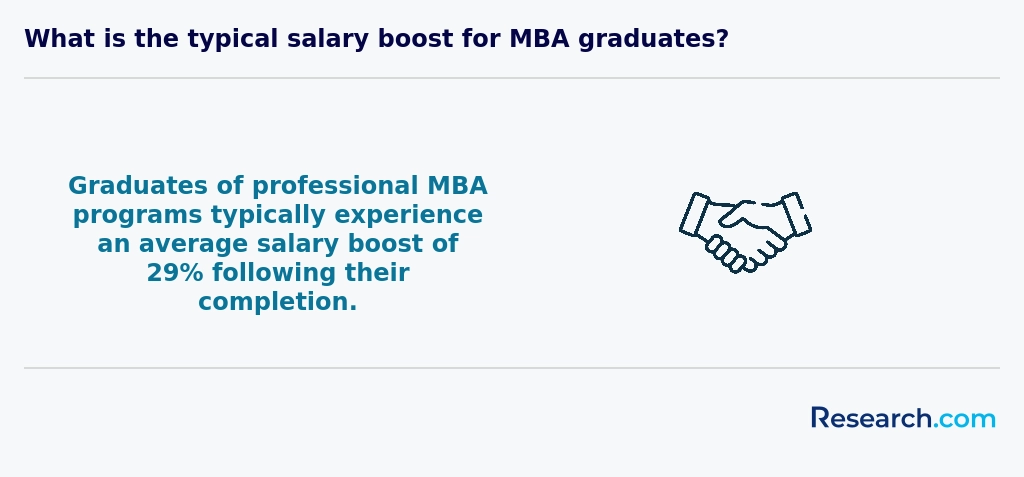
Alternatives for Students with Budget Constraints
For students in New Jersey who are keen on pursuing an MBA but face financial hurdles, there are several alternatives to consider. One crucial option is exploring cheapest mba programs in new jersey, which can offer a more financially manageable path to achieving their educational goals. Additionally, many institutions provide financial aid, scholarships, and part-time or online programs that can help reduce the financial burden. Furthermore, considering an MBA from a public university, which often has lower tuition fees compared to private institutions, can be a viable alternative. By weighing these options and exploring different financial assistance programs, students can make an informed decision that aligns with their financial situation and career aspirations.
What courses are typically in MBA degree programs in New Jersey?
MBA programs in New Jersey typically include core courses that build a strong foundation in essential business areas. Students at well-known universities like Rutgers or Seton Hall often highlight how courses such as Accounting for Managers helped them confidently analyze financial statements, a skill crucial when managing budgets or negotiating deals in real companies.
Corporate Finance classes are another staple, teaching vital concepts like capital structure and investment strategies, which graduates frequently apply when making strategic funding decisions in startups or established firms.
Marketing Management is popular among those aiming to lead product launches or digital campaigns, focusing on consumer behavior and market research. Operations Management courses provide hands-on learning in supply chain and quality control, highly relevant for New Jersey's manufacturing sectors.
Organizational Behavior prepares students to effectively lead teams, a skill praised by alumni who navigate complex workplace cultures. Finally, Business Strategy classes offer practical tools for competitive analysis and long-term planning, empowering students to make impactful decisions reflecting the dynamic New Jersey business environment.
What types of specializations are available in MBA degree programs in New Jersey?
In New Jersey, MBA specializations cater to a wide range of professional ambitions, making it easier for you to tailor your degree. Popular MBA specializations in New Jersey include Finance, Healthcare Management, Marketing, Supply Chain and Operations Management, Technology Management, and Entrepreneurship. Graduates from Rutgers Business School often highlight how Finance tracks leverage the proximity to New York City's financial sector, enhancing real-world investment and corporate finance skills.
Business schools in New Jersey also offer evolving concentrations like Business Analytics and Project Management, perfect for working professionals seeking flexibility, especially through part-time or online options. Many students find that these focused programs align with current industry needs, improving job readiness and salary prospects. If you need a more flexible schedule, exploring the fastest mba online program is a practical way to accelerate your career growth.
Choosing from these popular MBA concentration options New Jersey schools provide ensures you gain expertise directly relevant to regional business hubs and industries, boosting confidence and career success.
How do you choose the best MBA degree in New Jersey?
When choosing the best affordable MBA programs in New Jersey, start by prioritizing accredited institutions like Rutgers Business School or Seton Hall University. Graduates from these schools often emphasize how AACSB accreditation provided them confidence in the quality of education, boosting their career prospects significantly. Flexibility is another key factor: many students balance work and study by opting for part-time or online MBAs, which Rutgers conveniently offers, allowing them to continue advancing without pausing their careers.
Cost is a major concern; public universities usually provide more affordable tuition for residents. Graduates recall measuring tuition against potential salary increases, noting that strong programs in New Jersey can lead to starting salaries over $90,000, making the investment worthwhile. Exploring specialization options like healthcare management or supply chain tailored to regional industries can make your degree stand out.
Finally, leverage resources such as alumni networks and career services. Many students at Rutgers share how valuable these connections were for job placement. For comparison, you can check the Cheapest MBA Degree Programs Ranking in Maryland for broader context when evaluating costs outside New Jersey.
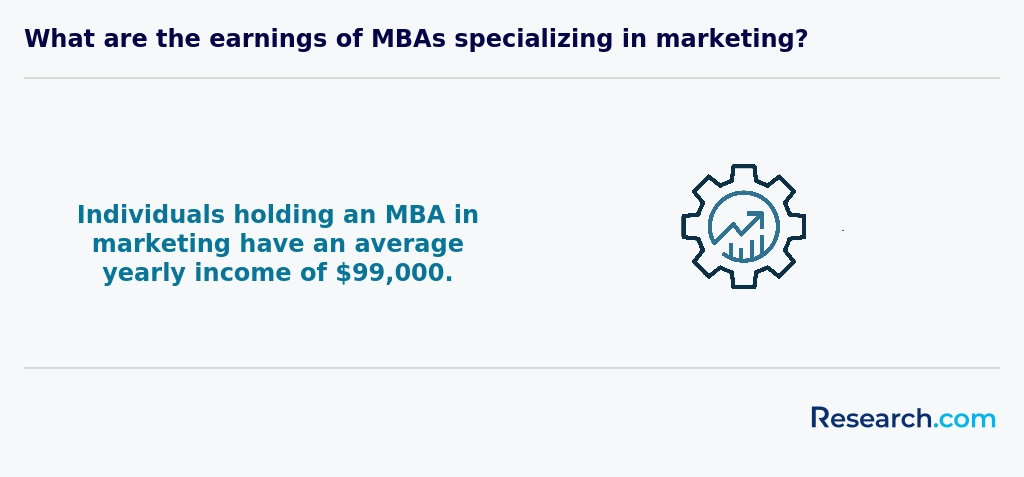
What career paths are available for MBA degree students in New Jersey?
MBA graduates in New Jersey find diverse career paths across industries thanks to the state's proximity to major economic hubs. Many secure high-level roles in finance and banking, leveraging New Jersey's closeness to New York City for opportunities in investment banking, corporate finance, and wealth management. Graduates from popular business programs often report rewarding experiences entering these competitive fields where salaries can reflect the region's economic vigor.
Others pursue management consulting, working with local and multinational firms to enhance efficiency and strategy. The hands-on problem-solving skills gained from New Jersey's MBA programs prepare graduates well for these roles, helping them build confidence and leadership abilities. Healthcare administration also draws many MBAs, with top hospitals needing skilled managers to handle operations and policy challenges - a sector noted for growth statewide.
Technology and telecommunications companies in New Jersey offer positions in product management and business analytics, ideal for those who want to blend technical knowledge with business acumen. For working adults balancing careers, several accelerated online programs for working adults provide flexible options to develop these skills while advancing professionally.
Typical MBA career opportunities in New Jersey include finance roles, consulting, healthcare administration, product management, and marketing leadership. Graduates consistently highlight how their New Jersey MBA experience empowers them to navigate business management jobs New Jersey MBA programs prepare them for with enthusiasm and practical expertise.
What is the job market for MBA degree in New Jersey?
New Jersey's MBA job outlook New Jersey 2027 is promising due to its proximity to economic centers like New York City and Philadelphia. Graduates from Rutgers Business School or Seton Hall University often find themselves stepping into roles in management consulting, financial analysis, or marketing management within major firms such as Johnson & Johnson and Prudential Financial. These companies value leadership skills developed in MBA programs and offer competitive salaries ranging between $85,000 and $130,000 annually.
MBA degree holders also benefit from growing opportunities in tech-driven sectors, where blending data analytics with traditional business skills is highly sought after. Many graduates share how leveraging internships arranged through their universities' strong corporate partnerships made landing these roles smoother and more confident.
For those considering program choices, exploring an easiest masters program with a business focus might also be worthwhile to enhance skills efficiently while securing diverse employment opportunities. The New Jersey MBA degree employment opportunities are diverse, rewarding advanced qualifications with access to thriving industries in the state.
Frequently Asked Questions About MBA
Students pursuing an MBA degree in New Jersey can maximize their learning experience by engaging actively in campus resources and regional business networks. Many NJ universities offer access to experiential learning through internships with companies such as Johnson & Johnson and Prudential, which are headquartered locally. According to the New Jersey Business & Industry Association, these opportunities provide practical skills alongside theoretical knowledge.
Networking is vital; students should attend events hosted by local chapters of organizations like the NJ Society of Certified Public Accountants or the NJ Tech Council. This helps build connections critical for career advancement.
Additionally, utilizing career services and alumni mentoring programs at schools like Rutgers University or Seton Hall enhances professional development. Engaging in study groups and case competitions further deepens understanding of complex business concepts.
The field of MBA education in New Jersey is evolving, with emerging niches reflecting broader market demands. Specialty areas such as healthcare management, sustainability, and fintech are gaining traction among MBA candidates. For instance, New Jersey's robust pharmaceutical and healthcare industries drive demand for MBAs skilled in healthcare administration.
Environmental and sustainability management is another growing niche, aligning with global trends and local corporate responsibility initiatives. Additionally, fintech has become a promising area, supported by New Jersey's proximity to New York's financial hubs. According to the Graduate Management Admission Council, specialized MBAs can increase employment opportunities in these cutting-edge sectors.
After completing an MBA degree in New Jersey, effective job market preparation begins with leveraging the state's strong network of industries, including finance, pharmaceuticals, and technology. MBA graduates should engage with career services offered by institutions like Rutgers Business School, which reports that over 85% of its MBA graduates find employment within three months of graduation.
Building a professional network through alumni events, internships, and local business associations in New Jersey is crucial. Additionally, acquiring relevant certifications such as PMP or CFA can enhance marketability.
Finally, tailoring resumes to highlight leadership skills, analytical expertise, and practical experiences gained during the MBA program significantly improves employment prospects in the competitive New Jersey job market.
Employers in New Jersey highly value MBA graduates who demonstrate strong leadership and strategic thinking abilities. According to the Graduate Management Admission Council (GMAC), 89% of businesses seek candidates with effective communication skills to navigate complex team dynamics. Analytical expertise is also critical, as the state's diverse industries require data-driven decision-making.
Financial literacy and knowledge of local market trends are important, especially given New Jersey's robust pharmaceutical, finance, and technology sectors. Time management and adaptability remain key skills as companies emphasize agility in changing economic conditions. Networking proficiency is crucial, with many employers favoring graduates who leverage New Jersey's extensive professional connections.
Finding internships in New Jersey relevant to an MBA degree involves leveraging both university resources and the state's strong corporate landscape. Many MBA programs in New Jersey, such as those at Rutgers University and Seton Hall, offer dedicated career services that connect students with internships in finance, consulting, healthcare, and technology sectors.
Additionally, New Jersey's close proximity to New York City expands internship opportunities in major companies headquartered nearby. According to the National Association of Colleges and Employers (NACE), about 60% of MBA students secure internships through on-campus recruiting events and alumni networks.
Students should also utilize online platforms like Handshake and LinkedIn, and attend local networking events hosted by organizations such as the New Jersey Business & Industry Association to enhance their chances.
An MBA degree can significantly enhance career mobility and advancement opportunities for professionals in New Jersey. Employers in sectors like finance, healthcare, and technology increasingly seek candidates with advanced business skills. According to the U.S. Bureau of Labor Statistics, MBA holders often experience 10-15% higher salary growth compared to those with only a bachelor's degree. In New Jersey's competitive job market, an MBA provides a distinct advantage by equipping graduates with leadership, strategic thinking, and analytical skills critical for managerial roles.
Furthermore, New Jersey's strong network of industries and proximity to New York City creates expanded professional connections for MBA graduates. Regional data from the Graduate Management Admission Council (GMAC) highlights that nearly 75% of New Jersey MBA alumni reported career advancement within three years after graduation, emphasizing the degree's impact on career growth locally.
Studying for an MBA degree in New Jersey offers students a solid foundation to succeed in interdisciplinary roles by emphasizing both broad business knowledge and specialized skills. Programs in the state integrate courses in finance, marketing, operations, and technology, encouraging collaboration across these fields.
New Jersey's proximity to major industries such as pharmaceuticals, finance, and technology means students often engage with diverse sectors through internships and projects. According to the Princeton Review, some New Jersey MBA programs rank highly for experiential learning and cross-disciplinary teamwork.
Such exposure cultivates versatile problem-solving abilities, crucial for roles that require managing complex organizational challenges involving multiple departments.
Choosing between a thesis and a non-thesis MBA program in New Jersey depends largely on your career goals and learning preferences. Thesis programs typically involve independent research and are suited for students considering a doctoral degree or careers in research and academia. Non-thesis options focus more on practical skills and coursework, appealing to professionals seeking advanced management roles without engaging in extensive research.
The New Jersey public university system and private institutions often offer both paths. According to the National Center for Education Statistics (NCES, 2023), about 35% of MBA students in New Jersey opt for thesis programs, reflecting regional industry demands for research-oriented professionals.
Cost, program length, and faculty expertise are additional factors to consider when selecting between these options.
Students in New Jersey seeking to study for an MBA abroad have several pathways available. Many choose to start their MBA journey locally, since New Jersey hosts top-ranked business schools like Rutgers and Stevens Institute of Technology, which maintain strong international ties.
These institutions often offer exchange programs or dual-degree options that allow students to spend a semester or more at partner universities overseas. According to the Graduate Management Admission Council, over 25% of U.S. MBA candidates consider programs with global immersion experiences, which New Jersey schools increasingly support.
Additionally, students can look into global MBA programs from U.S. institutions with campuses abroad or fully online options that provide international networking opportunities.
Part-time job opportunities in New Jersey that complement MBA education are diverse and practical. Students often find roles in finance, marketing, and consulting firms where they can apply classroom learning in real-world settings. For example, positions such as financial analyst assistants or marketing coordinators provide valuable industry experience.
According to the New Jersey Economic Development Authority, sectors like healthcare management and technology are expanding, creating more part-time roles in project management and business development. These jobs sharpen leadership and analytical skills essential for MBA success.
Additionally, many MBA students seek internships with local startups or corporate offices in cities like Newark and Jersey City, which combine flexibility with exposure to business operations. Such opportunities enhance networking, a key factor considering New Jersey's proximity to New York City's financial hub.
New Jersey offers robust networking opportunities for MBA students through its proximity to major business hubs like New York City and Philadelphia. Many MBA programs in the state emphasize connections with local industries, including finance, pharmaceuticals, and technology. For example, Rutgers Business School regularly hosts networking events, career fairs, and alumni panels that help students build professional relationships.
In addition, New Jersey's diverse economy supports student involvement in organizations such as the New Jersey Business & Industry Association and local chapters of national MBA groups like the Graduate Management Admission Council. Data from the National Center for Education Statistics (2023) shows that over 75% of MBA students in New Jersey participate in networking activities, which enhances post-graduation employment prospects.
Alumni networks play a crucial role for MBA students in New Jersey by providing access to extensive professional connections and career resources. Many MBA programs emphasize strong alumni engagement, which can help students gain internships, job placements, and mentorship opportunities.
In New Jersey, where industries like finance, pharmaceuticals, and technology thrive, these networks connect students with executives and entrepreneurs across the region. According to the Graduate Management Admission Council, 85% of MBA graduates leverage alumni contacts when job hunting, highlighting the value of these connections.
Beyond career support, alumni events and online platforms encourage knowledge sharing and lifelong learning, helping students stay current with business trends. This continuous engagement strengthens students' professional growth during and after their degree.
Customizing an MBA degree in New Jersey allows students to align their education with specific career goals. Many New Jersey business schools offer concentrations such as Finance, Healthcare Management, or Technology Management. This specialization enables students to acquire industry-relevant skills.
Additionally, students can choose between full-time, part-time, or online formats to fit their schedules. Some programs provide opportunities for internships or capstone projects, giving practical experience in local industries. According to U.S. News & World Report, schools like Rutgers and NJIT are known for flexible MBA curricula tailored to regional business needs.
Networking events and mentorship programs also support personalized career development within MBA programs in New Jersey.
MBA students in New Jersey often face the challenge of balancing rigorous coursework with professional and personal commitments. Many students are working professionals, adding strain to their time management. According to the Graduate Management Admission Council, managing time effectively ranks among the top hurdles for MBA candidates nationwide, a trend reflected in New Jersey's competitive programs.
Another common issue is the high cost of education. The average MBA tuition in New Jersey's top schools can exceed $50,000 per year, which may lead to financial stress or student debt. Additionally, adapting to diverse cohorts and maintaining networking opportunities virtually or in hybrid formats creates social challenges.
Lastly, staying relevant with rapidly changing business technologies and market demands requires continuous effort, especially as many programs focus on emerging fields like data analytics and finance innovation.
An MBA degree from a New Jersey institution opens diverse pathways to professional certifications valuable in various industries. Graduates often pursue the Certified Management Accountant (CMA) credential, enhancing their expertise in financial management. Another popular option is the Project Management Professional (PMP) certification, widely recognized across sectors for leadership skills.
In New Jersey, where finance and technology sectors are significant, certifications like Certified Financial Planner (CFP) and Certified Information Systems Auditor (CISA) also align well with MBA graduates' skill sets. According to the New Jersey Business & Industry Association, combining an MBA with these credentials can significantly boost career prospects and salary potential.
When applying for an MBA program in New Jersey, start by thoroughly researching schools such as Rutgers Business School, known for its strong connections to the regional economy. A winning application must highlight your unique professional experience and leadership skills, as programs seek candidates demonstrating potential to impact business locally and globally.
Strong GMAT or GRE scores remain important; Rutgers, for example, reports an average GMAT score around 620. Equally crucial is a compelling personal statement explaining your career goals and why New Jersey is your preferred study location.
Be sure to secure insightful recommendation letters that speak to your abilities and character. Lastly, pay close attention to deadlines and tailor each application precisely to the program's priorities.
The global perspective on an MBA career emphasizes leadership roles in multinational corporations and entrepreneurship. Graduates with an MBA from New Jersey schools benefit from proximity to New York City and Philadelphia, key global business hubs, enhancing their access to international companies.
According to the Graduate Management Admission Council (GMAC), 89% of MBA graduates in the U.S. find employment within three months, with many entering industries like finance, consulting, and technology that value global business skills.
New Jersey MBA programs often incorporate international business studies, preparing students for diverse markets. Employers seek candidates who understand global economics, cross-cultural communication, and international regulations, skills taught in many accredited New Jersey institutions.
Gaining practical experience while pursuing an MBA in New Jersey is achievable through various structured opportunities. Many universities offer internship programs that connect students with local businesses and multinational corporations headquartered in the state, such as in Newark and Jersey City. These internships often provide real-world exposure alongside academic study.
Additionally, MBA programs in New Jersey frequently incorporate consulting projects, allowing students to solve actual business problems for regional companies. Participating in student-run investment funds or entrepreneurship labs can also enhance practical skills.
According to the New Jersey Business & Industry Association, around 65% of MBA students in the state participate in internships or co-op programs before graduation, providing critical hands-on experience.
Choosing the right concentration within an MBA program in New Jersey depends on your career goals and industry demand. Popular concentrations include finance, marketing, healthcare management, and information technology. The New Jersey Business & Industry Association reports strong regional growth in healthcare and IT sectors, influencing MBA focus areas. Research program curricula carefully to ensure alignment with your interests and skill development. Many universities, such as Rutgers and Seton Hall, offer specialized tracks that integrate local business needs. Additionally, consider internship and networking opportunities within New Jersey's diverse economy, as hands-on experience is crucial for post-MBA success.
Related MBA Rankings for Nearby States
- 2027 Most Popular MBA Degree Programs Ranking in Delaware
- 2027 Most Popular MBA Degree Programs Ranking in Connecticut
- 2027 Most Popular MBA Degree Programs Ranking in Ohio
- 2027 Most Popular MBA Degree Programs Ranking in Kentucky
- 2027 Most Popular MBA Degree Programs Ranking in New Hampshire
- 2027 Most Popular MBA Degree Programs Ranking in North Carolina
- 2027 Most Popular MBA Degree Programs Ranking in Georgia
- 2027 Most Popular MBA Degree Programs Ranking in Florida
- 2027 Most Popular MBA Degree Programs Ranking in Illinois
- 2027 Most Popular MBA Degree Programs Ranking in Alabama
Top Trending MBA Rankings
References
- 5 Tips on How to Choose the Best MBA Concentration https://www.pointloma.edu/resources/business-leadership/5-tips-how-choose-best-mba-concentration
- MBA Career Outlook from a Global Perspective Margaret Buj https://interview-coach.co.uk/mba-career-outlook-from-a-global-perspective/
- Lessons learned: one year into pursuing an MBA while balancing full-time work - Franz Vitulli https://franzvitulli.com/mba-work/
- How an MBA contributes to career advancement https://online.wlv.ac.uk/blog/how-an-mba-contributes-to-career-advancement/
- 10 Highest-Paying MBA Specializations in 2026 (With Salary Data) - Paris School of Management (PSM) https://www.psm-paris.fr/en/10-highest-paying-mba-specializations-in-2026/
- Why Employers Prize a Global Perspective from MBA Graduates | WU Executive Academy https://executiveacademy.at/en/knowledge/career/why-employers-prize-a-global-perspective-from-mba-graduates
- Tips for Writing an MBA Program Essay - GMAT Ninja https://www.gmatninja.com/articles/mba-admissions/essays-and-applications/minimizing-mba-application-essay-agony/
- Top 10 Career Options After a Global MBA | SP Jain Global https://www.spjain.org/blog/articles/top-global-mba-careers
- How To Write An MBA Admissions Essay That Stands Out? https://www.personalmbacoach.com/mba-essay-guiding-principles/
- Why Alumni Networks Matter in Business School: 7 Reasons https://europe.ceibs.edu/article/why-alumni-networks-matter-business-school


