
2027 Most Popular MBA Degree Programs Ranking in Des Moines

Co-Founder and Chief Data Scientist
Choosing the right MBA program is a big step toward advancing your career and unlocking new opportunities. For students in Des Moines, finding the best fit can feel overwhelming, but help is here.
This article features the 2027 Most Popular MBA Degree Programs Ranking in Des Moines, created by the Research.com team of data scientists. Their careful analysis provides clear insights to guide your decision.
By exploring this ranking, you'll discover which programs stand out, helping you invest in an education that truly matches your goals and aspirations.
Key benefits of getting MBA degree in Des Moines
- The average salary for MBA graduates in Des Moines varies greatly by industry, but broadly, US MBA holders earn competitive salaries often ranging from $80,000 to $120,000, providing strong financial growth potential.
- Career paths for MBA graduates from Drake University in Des Moines include leadership roles in finance, marketing, and management, offering exciting opportunities to grow professionally and impact businesses.
- Completing an MBA online from Grand View University allows flexible scheduling, letting you balance work and study while gaining valuable skills without relocating, making education more accessible and convenient.
- 2027 Most Popular MBA Degree Programs Ranking in Des Moines
- What can I expect from MBA degree in Des Moines?
- Where can I work with MBA degree in Des Moines?
What can I expect from MBA degree in Des Moines?
The average cost of obtaining an MBA degree in Des Moines typically ranges between $20,000 and $40,000 for the entire program. Graduates from institutions like Drake University and Grand View University often emphasize that this affordability, compared to larger metropolitan areas, was a major factor in choosing to study locally. One graduate shared how the reasonable tuition allowed them to balance work and study without accruing overwhelming debt, highlighting the value of flexible payment options and available financial aid.
Many MBA programs in Des Moines cater to working professionals by offering evening and weekend classes, which helps students maintain their income streams while pursuing their degrees. This flexibility, coupled with the cost savings, creates a positive and manageable experience for students juggling multiple responsibilities.
However, it's important to consider that lower tuition does not necessarily mean lower quality. Graduates often point to strong ties between local schools and businesses, which translate to meaningful internships and networking opportunities-key components that can enhance career prospects post-graduation.
Students weighing their options may find that the practical balance of cost, schedule, and local economic engagement in Des Moines MBA programs offers an appealing pathway to advancing their careers in a competitive Midwest job market.
Where can I work with MBA degree in Des Moines?
MBA graduates from institutions like Drake University and Des Moines Area Community College often find doors open in the city's robust finance and insurance sectors. For instance, graduates pursue roles at companies such as Principal Financial Group or Wells Fargo, stepping into positions in financial analysis and strategic planning. These roles offer both challenge and growth, reflecting the region's dependence on a strong financial services industry.
Other graduates share that healthcare organizations like UnityPoint Health provide rewarding careers in healthcare management or operations, where leadership skills honed during the MBA prove invaluable. These roles are not only about managing budgets but about influencing how care is delivered, making a tangible impact.
In manufacturing and technology, companies including John Deere and local startups seek MBA holders who can navigate complex supply chains or lead business development. Alumni report feeling energized by these dynamic opportunities, where strategic insight meets practical execution.
Some find purpose working in nonprofit or government roles, supporting public administration or strategic initiatives in the City of Des Moines. Graduates appreciate that these positions offer meaningful involvement in community growth and organizational leadership.
Median starting salaries reported by MBA holders locally range from $70,000 to $90,000, matching the rewarding professional experiences many describe. Networking events and internships provided through local universities further ease the transition from study to career, making the MBA journey in Des Moines both practical and inspiring.
Graduates from MBA programs in Des Moines often see a tangible financial benefit, especially in the city's vibrant insurance and financial sectors. While official salary data from the U.S. Bureau of Labor Statistics is limited for specific MBA roles in the area, local insights and surveys suggest that starting salaries hover around $75,000, with many professionals progressing to earn between $80,000 and $120,000 annually.
For example, MBA graduates from well-regarded institutions such as Drake University, which is known locally for its business curriculum, frequently share experiences of landing roles as financial managers or marketing directors, earning salaries within the $90,000 to $130,000 range. These roles, often at national insurance firms headquartered in Des Moines, underscore the premium placed on MBA credentials here.
Mid-career professionals report salary increases of 15% to 25%, reflecting their transition into leadership. Although exact figures vary depending on company size and industry, the overall trajectory for MBA holders in Des Moines is optimistic and encouraging.
- The cost of an MBA in Des Moines ranges from $25,000 to $60,000, varying by institution and program type.
- Entry-level MBA salaries in Des Moines start around $70,000 annually, with five-year post-graduation averages reaching $110,000 to $120,000.
- The local job market is strong in finance, insurance, healthcare, and manufacturing sectors, providing diverse opportunities for MBA graduates.
- Many MBA programs in Des Moines offer part-time and online options to accommodate working professionals.
- Accreditation from recognized bodies like AACSB is common among Des Moines MBA programs, ensuring education quality and employer respect.
Completing an MBA in Des Moines typically takes about two years for traditional full-time programs offered by well-known institutions like Drake University or Grand View University. Graduates often recall the steady, immersive experience that allowed them to deeply engage with core courses and exciting capstone projects. However, many students balancing work prefer part-time options, which extend the timeline to three or four years but provide invaluable flexibility. Such students share positive experiences of applying coursework directly to their jobs while advancing their careers.
Accelerated MBAs, available locally, condense study into 12 to 18 months. While demanding, graduates appreciate the focused intensity and faster path to degree completion, especially those eager to quickly pivot to new opportunities. Online and hybrid formats add another layer of variability, as completion depends heavily on individual pacing and course availability.
Ultimately, the length varies based on credit requirements, transfer policies, and personal circumstances, reflecting the diverse needs of Des Moines MBA candidates.
When considering an MBA program in Des Moines, IA, it's essential to weigh various factors to ensure the chosen program aligns with your career goals and personal aspirations. Prospective students should research the program's reputation, flexibility, and specializations offered. For instance, exploring the popular mba school options in Iowa can provide valuable insights into the quality and recognition of local MBA programs. Additionally, understanding the average starting salaries, employment rates, and alumni network can help make an informed decision. By carefully evaluating these aspects, students can navigate the landscape of MBA programs in Des Moines with confidence, setting themselves up for success in their future careers.
Choosing between an online and an on-campus MBA in Des Moines often centers on how students value face-to-face interaction versus flexibility. Graduates from Drake University highlight that on-campus programs foster immediate engagement with professors and peers, creating robust local networks that often lead to job opportunities within Des Moines' business community. This personal connection can enhance the learning experience beyond textbooks, making classes feel dynamic and collaborative.
Conversely, online MBA students appreciate the ability to balance coursework with full-time jobs or family responsibilities. Many graduates from programs affiliated with Des Moines University share how the asynchronous format allowed them to study during nights or weekends without sacrificing income. While some miss the in-person buzz, they often find ways to connect virtually, building professional relationships beyond geographic limits.
Cost considerations also play a role. On-campus tuition tends to be around $30,000 to $40,000, while online options can be slightly less but vary widely. Savings on commuting and housing make online study appealing, yet this might reduce casual networking opportunities inherent in campus life. Ultimately, both formats offer solid curricula, but the choice hinges on personal priorities and circumstances.
Before embarking on your MBA journey in Des Moines, IA, it's essential to map out your next steps for a successful application and enrollment process. In this phase, applicants should focus on gathering all necessary documents, preparing for any entrance tests, and fine-tuning their resumes to highlight both academic and professional accomplishments. A strong application not only demonstrates your commitment but also positions you as a competitive candidate in a dynamic job market. Further, understanding the nuances of various programs-such as the flexibility offered by one year online mba programs no gmat-can help you tailor your approach to best suit your career goals. Research programs thoroughly, attend virtual information sessions, and engage with current students or alumni whenever possible to gain real-world insights. This proactive approach will empower you to make informed decisions, streamline the application process, and ultimately secure a spot in the MBA program that best aligns with your aspirations.
The average cost of obtaining an MBA degree in Des Moines typically centers around $56,610, with in-state students often benefiting from lower total expenses near $43,446. Graduates from popular institutions like Drake University or Grand View University frequently report that these figures align well with their experiences, especially when factoring in tuition alone before additional fees and living costs. The relatively moderate cost appeals to many who seek quality education without the prohibitive price tags found in larger metropolitan areas.
For instance, Drake University charges about $850 per credit hour, with programs requiring roughly 36 to 42 credits, putting the total tuition near the $30,000 to $36,000 mark. Meanwhile, Grand View University's MBA tuition generally totals around $20,000 based on its credit requirements and a per-credit rate of approximately $550. Graduates often describe feeling a sense of financial relief choosing these schools, as their education investment seems justifiable given the quality and personalized experience they receive in Des Moines.
Understanding total expenses for MBA programs Des Moines students face also involves recognizing costs beyond tuition, such as textbooks and living expenses, which can vary significantly depending on individual circumstances. Many students appreciate the availability of part-time and online options that allow for more flexible pacing and can influence overall expense management.
Prospective students should also explore financing options and scholarships, as these often play a critical role in making the investment worthwhile. Many alumni reflect positively on how financial aid and employer tuition assistance enhanced their ability to pursue their degrees comfortably while preparing for rewarding careers. Those interested in career pathways may find additional insight by looking into opportunities such as MBA graduates in nonprofit jobs, which exemplify the diverse prospects an MBA can unlock in the region.
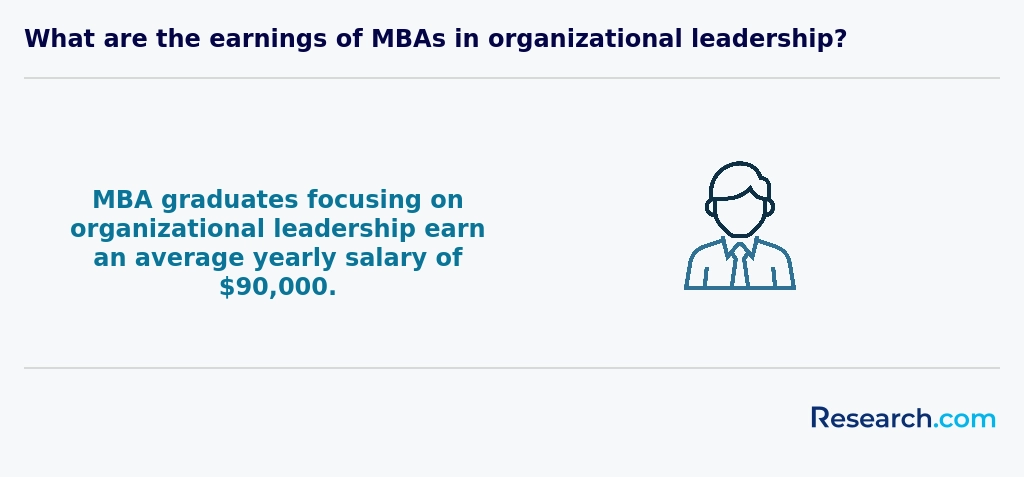
Understanding the return on investment (ROI) of an MBA program is crucial for prospective students weighing the cost against long-term career gains. In Des Moines, IA, data from local alumni reveal: • Average Salary Increase: Graduates report a 35–40% boost in base salary within one year of earning their MBA, with starting salaries rising from approximately $65,000 to $90,000. • Payback Period: Assuming an average total program cost of $60,000–$70,000 (tuition, fees, and living expenses), most students recoup their investment within 2.5 years through the salary premium and accelerated promotions. • 10-Year Net Gain: Over a decade, MBA holders in Des Moines can expect an additional $250,000–$350,000 in cumulative earnings compared to their pre-MBA trajectory. To maximize ROI, consider program format and cost: full-time, part-time, or hybrid. For those seeking lower tuition without sacrificing quality, explore our Cheapest Online Master's in MBA Degree Programs Ranking in Mequon, WI, which highlights budget-friendly options that still deliver strong career outcomes. Key strategies to enhance your ROI: 1. Leverage employer sponsorships and scholarships to reduce net cost. 2. Focus on specializations with high market demand-such as business analytics, finance, or healthcare management-to command premium salaries. 3. Actively engage with career services and alumni networks to fast-track job placement and negotiate competitive offers. By carefully evaluating program expenses, potential salary growth, and financing opportunities, Des Moines MBA candidates can ensure a robust return on their educational investment.
Many MBA students in Des Moines find financial aid vital for managing the steep costs of programs at local institutions like Drake University. Graduates often recall relying on a mix of federal loans, including Direct Unsubsidized and Grad PLUS Loans, obtained through FAFSA. These loans can provide up to $20,500 annually, though borrowing responsibly is key to avoiding long-term debt stress.
Merit-based scholarships and fellowships are another crucial support, especially those offered by Drake University's Business Fellowships. Students who excel academically or demonstrate leadership frequently share how such awards significantly eased their tuition burden.
Working professionals pursuing MBAs benefit from employer tuition reimbursement programs, common with local firms like Principal Financial Group. Many alumni describe the relief and motivation gained from knowing their employer supports their education investment.
Assistantships and part-time research roles through Des Moines-area universities also provide financial cushion via stipends or tuition waivers. These opportunities not only reduce costs but enrich learning with hands-on experience, a plus described fondly by former students.
In sum, while financial aid availability varies, combining federal, institutional, employer, and private support often shapes an achievable MBA journey in Des Moines.
Accredited MBA programs in Des Moines, IA ensure that your degree meets rigorous academic standards and is respected by employers worldwide. When evaluating schools, look for accreditation by bodies such as the Association to Advance Collegiate Schools of Business (AACSB), the Accreditation Council for Business Schools and Programs (ACBSP), or the International Accreditation Council for Business Education (IACBE). AACSB accreditation, in particular, is held by less than 5% of business schools globally and signifies excellence in faculty qualifications, curriculum relevance, and student outcomes. Choosing an accredited program not only enhances your resume but also often qualifies you for more financial aid and employer tuition reimbursement. Employers in Des Moines - especially in competitive sectors like finance, consulting, and healthcare administration - actively seek graduates from AACSB- or ACBSP-accredited schools, viewing the designation as a guarantee of advanced critical thinking and leadership skills. While accreditation confirms quality, affordability is another key consideration. Prospective students balancing budget and accreditation should explore options beyond Des Moines; for instance, our Cheapest Online Master's in MBA Degree Programs Ranking in Mequon, WI highlights accredited programs that deliver strong ROI at a lower cost. Combining accreditation status with cost-effective delivery-whether online, on-campus, or hybrid-will maximize both your learning experience and your long-term career prospects. Finally, verify each program’s specialized accreditations if you plan to concentrate in areas such as healthcare management (CAHME accreditation) or project management (PMI-aligned curricula). Specialized accreditation further signals that a program’s courses and resources are tailored to industry best practices, giving you an added advantage in your chosen field.
To enroll in an MBA program in Des Moines, applicants generally must hold a bachelor's degree, though it need not be in business. Graduates from local universities often recall how their diverse academic backgrounds were valued, especially at institutions like Drake University and Des Moines University, where admissions committees appreciate varied perspectives.
Standardized tests such as the GMAT or GRE usually factor into the application. One graduate shared how her solid GMAT score helped offset a less traditional work history, while others benefited from test waivers granted due to substantial professional experience. This flexibility acknowledges real-world skills beyond exam performance.
Work experience, typically two to three years, is commonly preferred. Many students recount how their professional journey enriched class discussions and networking events, particularly in cohort settings at Iowa State University's Des Moines campus. Yet, programs tailored for early-career candidates may prioritize academic strength over experience.
Letters of recommendation and personal essays are also essential, providing insight into motivation and potential. Alumni often emphasize that these components allowed them to convey their unique ambitions vividly, connecting their personal stories with career goals.

Typical MBA courses in Des Moines offer a solid blend of foundational business disciplines and practical skills tailored to local industry needs. Graduates from popular universities in the area often mention how courses like Financial and Managerial Accounting helped them interpret real company financials during internships, making abstract concepts tangible.
Marketing Management courses immerse students in consumer behavior and strategic promotion, often using case studies from Des Moines-based businesses, which many find personally rewarding. Organizational Behavior classes frequently involve group projects that mirror real workplace dynamics, offering insight into leadership challenges that graduates later faced in local firms.
Operations and Corporate Finance courses provide a hands-on approach to streamlining processes and managing investments, respectively. Some students recall how this coursework directly impacted their ability to contribute to decision-making in supply chain or finance roles within Des Moines companies.
While the core curriculum is consistent, many MBA candidates choose electives such as entrepreneurship or data analytics to align with their career goals. This flexibility is appreciated by students juggling professional and academic commitments in a growing business environment like Des Moines.
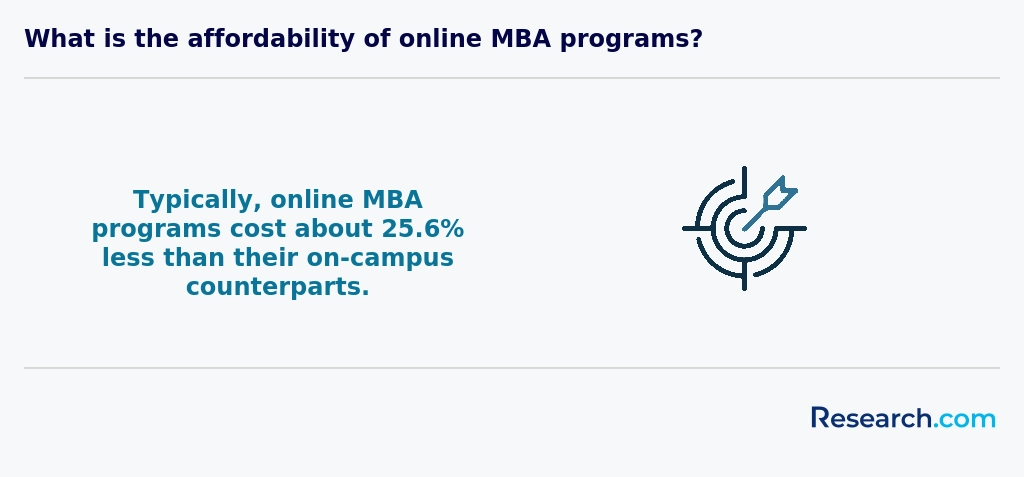
MBA specializations in Des Moines reflect the city's economic landscape and diverse industry needs. Finance is a prominent focus, offering deep insight into investment and risk management-skills vital in a region known for its robust banking and insurance sectors. Graduates from Drake University and Des Moines University often share how this specialization helped them confidently enter competitive corporate finance roles.
Marketing programs teach strategies in consumer behavior and digital outreach, crucial for local businesses striving to distinguish themselves online. Many students appreciate how applied projects at local institutions, like Grand View University, prepare them for real-world brand management challenges. Healthcare Management is another critical specialization, with regional healthcare providers and insurance companies shaping curricula to cover healthcare policy and compliance. This specialization appeals especially to those seeking administrative leadership.
Beyond traditional choices, many students pursue electives or combine specializations, enhancing their unique career trajectory. For instance, those exploring entrepreneurship career paths find that programs adapt well to their ambitions. Overall, best MBA concentrations Des Moines offer a tailored education aligning with both personal goals and market demand, as experienced by many enthusiastic graduates.
Choosing the best MBA degree in Des Moines requires balancing several practical factors, including accreditation, format, cost, and career opportunities. Graduates from Drake University, known for its AACSB-accredited program, often highlight the confidence this accreditation provides employers evaluating their credentials. However, some students prefer the flexibility offered by part-time or online MBAs available at Des Moines University, especially those managing work and family commitments simultaneously.
Affordability plays a significant role; programs like Drake's offer competitive tuition around $34,000, appealing to many seeking affordable MBA degrees Des Moines can provide without sacrificing quality. Still, students frequently recommend examining how well a program's specializations align with local industries like insurance, finance, or healthcare management to maximize post-graduation job prospects.
Networking and career services are crucial. Alumni often reflect positively on internships facilitated by strong local business connections. To best evaluate outcomes, consider exploring MBAs with highest employment rates that report strong local placement success. Each decision must weigh immediate costs against long-term returns specific to your professional goals.
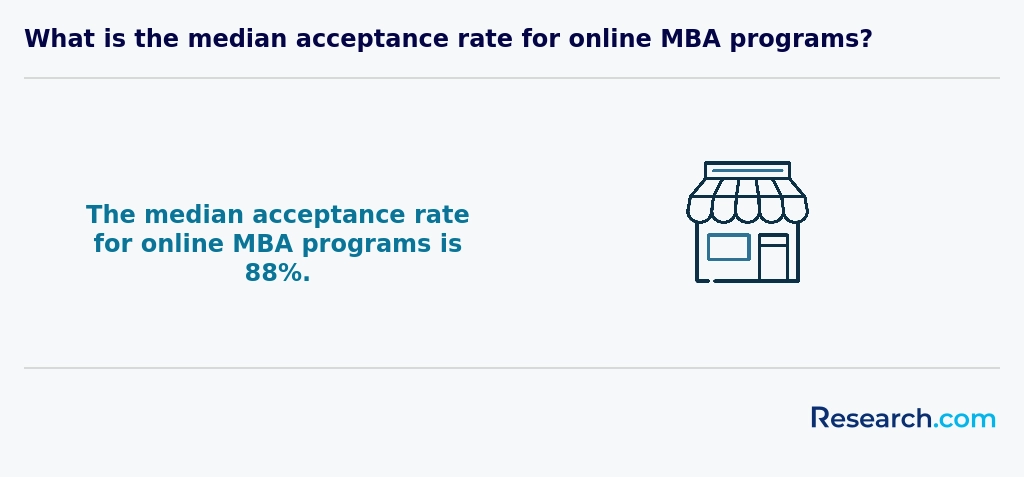
Graduates from MBA programs in Des Moines often find that their degree opens doors to diverse career paths, especially given the city's strengths in finance, insurance, and healthcare. Those who studied at local institutions like Drake University report that MBA career opportunities in Des Moines commonly include roles in financial services, such as financial analysts and risk management specialists, which align well with the city's dominant industries. However, not all graduates experience a straightforward transition; some emphasize the importance of networking within the local market to truly access these opportunities.
Jobs for MBA graduates in Des Moines also span into management consulting, where graduates leverage their strategic thinking skills honed during their studies to advise companies on operational improvements. These roles often demand adaptability and a solid understanding of regional business trends. Furthermore, healthcare management careers appeal to many graduates interested in combining business knowledge with the growing healthcare sector, though some find the specialized nature of this field requires additional sector-specific learning.
Entrepreneurial paths are another viable option, supported by a steadily expanding startup ecosystem. Graduates frequently mention enhanced confidence in crafting business plans and securing funding, skills emphasized by programs at well-known Des Moines colleges. For those curious about alternative fields, supply chain management represents a practical avenue offering roles in logistics and procurement. Additionally, for students considering specialization, exploring the best digital marketing degrees online can complement traditional MBA skills for broader career flexibility.

The job market for MBA degree holders in Des Moines remains encouraging, particularly for those who graduate from reputable institutions such as Drake University or Grand View University. Graduates frequently share how the city's strong presence of finance, insurance, and agribusiness companies creates tangible pathways to managerial roles. These professional environments foster not only growth but also a rewarding sense of impact, as MBAs work closely with organizations like Principal Financial Group or Wellmark Blue Cross Blue Shield. This positive outlook for Des Moines MBA graduate employment opportunities reflects the demand for skills in strategic planning, operations, and analytics.
However, some graduates note that while salaries, ranging roughly from $80,000 to $120,000, are competitive locally, they tend to be modest compared to larger metros. The balance, though, comes through Des Moines' lower cost of living, adding real value to the overall experience. Many students also appreciate accessible tuition costs, which range between $25,000 and $60,000, making it easier to pursue an MBA without excessive debt.
For those exploring flexible or accelerated options, considering online master's programs can further enhance career opportunities by blending convenience with rigorous education, a feature valued by many local professionals looking to grow in this dynamic market.
2027 Most Popular MBA Degree Programs Ranking in Des Moines
Investing in your education is a significant decision that can shape your future, and the Research.com team understands the importance of making informed choices. To assist prospective students in Des Moines, we have meticulously crafted the "2027 Most Popular MBA Degree Programs Ranking in Des Moines." Our commitment to quality, credibility, and accuracy is reflected in the extensive research and analysis conducted to compile this ranking.
We utilized the following reputable data sources to ensure a comprehensive evaluation of MBA programs:
By exploring this ranking, readers will gain valuable insights into the most popular MBA programs in Des Moines, empowering them to make informed decisions about their educational paths. For more details on our methodology, please visit our Research.com methodology page.


Frequently Asked Questions About MBA
Students pursuing an MBA degree in Des Moines can maximize their learning experience by engaging with the city's strong business community. Des Moines hosts numerous networking events and industry conferences, especially in insurance and finance sectors, which are key to the local economy. Participating in internships at prominent companies like Principal Financial Group or Nationwide offers real-world applications of classroom knowledge.
Making use of resources at local universities such as Drake University or Grand View University, both offering accredited MBA programs, enriches students' academic experience. Collaborative projects and case competitions further develop critical skills.
Additionally, leveraging Des Moines' growing startup ecosystem through entrepreneurship clubs or workshops can enhance practical learning.
The landscape of MBA degrees in Des Moines is evolving to include several emerging niches that reflect broader economic and technological trends. One rapidly growing area is data analytics and business intelligence, where students learn to interpret complex data to guide strategic decisions. This niche responds to the increasing demand for data-driven management in industries like finance and insurance, prominent in Des Moines.
Healthcare management is another expanding specialization, driven by the city's strong healthcare sector and the need for business leaders skilled in navigating complex regulations and improving operational efficiency.
Additionally, sustainability and corporate social responsibility (CSR) are gaining traction among MBA programs, reflecting a nationwide shift towards ethical business practices. Students focusing on these areas prepare for roles in companies emphasizing environmental and social governance.
According to recent data from the Iowa College Student Aid Commission, MBA programs in Des Moines have increased course offerings in these niches by over 20% since 2021, aligning education with local industry demands.
After completing an MBA degree in Des Moines, preparing for the job market involves several practical steps. Begin by leveraging local resources such as the Greater Des Moines Partnership, which offers networking events connecting MBA graduates with regional employers. Recent data from the Iowa Workforce Development office shows a growing demand for business professionals in finance and management roles within the city.
Internships and cooperative education programs available through MBA programs help students gain real-world experience. Additionally, tailoring your resume to highlight skills like data analysis, project management, and leadership is crucial, since these are highly valued in Des Moines' expanding sectors.
Engaging with Des Moines-based professional groups and attending career fairs hosted by area universities can open doors. Effective preparation also involves using Des Moines-specific labor market information to target industries showing consistent growth, such as insurance, finance, and biotechnology.
Employers in Des Moines highly value several key skills in MBA graduates that align with the region's growing business sectors, including finance, insurance, and agriculture. According to recent data from the Iowa Economic Development Authority, leadership and strategic thinking top the list, as companies seek individuals who can guide teams and make data-driven decisions.
Strong communication skills remain essential for collaborating across departments and managing client relationships. Additionally, proficiency in financial analysis and understanding regional market trends are crucial for success in Des Moines' competitive business environment.
Problem-solving abilities and adaptability also rank highly, especially as digital transformation reshapes local industries.
Finding internships in Des Moines relevant to an MBA degree involves leveraging local resources and networks within the city's growing business community. Des Moines is a financial hub, hosting companies like Principal Financial Group and Wells Fargo, which often offer MBA internships focused on finance, marketing, and management.
Students should start by contacting career services at local universities such as Drake University or Grand View University, which have established employer connections and internship programs tailored for MBA candidates. Networking through professional organizations like the Des Moines Area Chamber of Commerce can also uncover opportunities.
Online job platforms and internship boards, including those managed by the schools, are valuable sources to find openings specifically aimed at MBA students. Additionally, many local firms appreciate internships as trial periods for potential hires after graduation.
The MBA degree in Des Moines significantly enhances career mobility and advancement due to the city's growing business environment. According to the U.S. Bureau of Labor Statistics, managerial positions in the Des Moines metropolitan area show a steady increase, with employers favoring candidates with advanced business education. An MBA equips graduates with leadership, strategic thinking, and networking skills valued by local industries like insurance, finance, and manufacturing.
Additionally, the Greater Des Moines Partnership highlights that MBA holders earn approximately 20% more annually compared to those without such degrees. This wage premium reflects better job opportunities and quicker promotion prospects within the city's competitive job market.
Local universities offering MBA programs maintain strong connections with Des Moines businesses, facilitating internships and job placements that help graduates advance their careers.
Studying for an MBA degree in Des Moines equips students with skills essential for interdisciplinary roles through a curriculum that integrates business fundamentals with specialized areas such as finance, marketing, and technology. Local programs often emphasize practical experience, leveraging partnerships with Des Moines' diverse industries like insurance, finance, and agriculture.
According to data from the U.S. Bureau of Labor Statistics, Des Moines employers seek MBA graduates who can navigate cross-functional teams and address complex business challenges. Many MBA programs here offer coursework in leadership, data analytics, and organizational behavior, fostering a comprehensive understanding of different business disciplines.
These programs also encourage collaboration through group projects and internships, preparing students to work effectively across departments. This interdisciplinary approach aligns with the evolving demands of regional employers, positioning graduates for success in diverse managerial roles.
Choosing between a thesis and a non-thesis MBA program in Des Moines depends on your career goals and learning preferences. Thesis MBA programs focus on research and in-depth analysis, ideal for those considering academic careers or specialized roles in fields like consulting or finance. Non-thesis programs emphasize practical skills through coursework and internships, suitable for professionals aiming to advance quickly in management or entrepreneurship.
In Des Moines, universities like Drake and the University of Iowa offer both options, aligning with national trends where about 40% of MBA programs include a thesis option, according to the Graduate Management Admission Council.
Consider your time commitments: thesis paths often take longer due to research requirements, while non-thesis tracks can be completed faster.
Students in Des Moines interested in studying for an MBA abroad have several viable routes. While local institutions like Drake University offer strong MBA programs, studying abroad means exploring partnerships between U.S. schools and international universities. Many Des Moines students consider dual-degree programs or exchange opportunities through these partnerships.
Popular destinations for MBA studies abroad include Europe and Asia. Programs in the U.K., France, and Singapore are common choices, often lasting one year and providing global business perspectives. Schools such as the University of Iowa's Tippie College of Business support international study options suitable for Des Moines residents.
According to the Institute of International Education, about 12% of American graduate students participate in study abroad programs, and MBA students specifically benefit from global networking and exposure to diverse markets. Financial aid and scholarships are available to support these international experiences.
Des Moines offers various part-time job opportunities that effectively complement MBA education, enabling students to gain practical experience while studying. Common roles include financial analyst internships, marketing assistant positions, and business development support within the city's strong insurance and finance sectors. According to the Greater Des Moines Partnership, these industries employ over 40,000 professionals locally, creating valuable networking opportunities.
Part-time jobs in startup incubators and consulting firms also allow MBA students to apply analytical and strategic skills in real-world projects. Additionally, positions at local government offices and nonprofit organizations provide insight into public administration, relevant to many MBA concentrations.
These roles help build leadership, data analysis, and project management skills that align closely with MBA curricula, enhancing career prospects upon graduation.
Des Moines offers MBA students a variety of strong networking opportunities due to its status as a growing business hub, especially in finance and insurance sectors. Local universities frequently organize events where students can connect with industry leaders and alumni. For example, Drake University's MBA program features networking mixers and career fairs that attract key Des Moines employers.
The Greater Des Moines Partnership hosts regular professional gatherings, including business roundtables and mentorship programs, which MBA students can join to build connections. According to the 2023 U.S. Census Bureau data, Des Moines has seen a steady rise in young professionals, creating a vibrant environment for MBA networking.
Additionally, Des Moines' location enables access to regional business conferences and seminars, both valuable for relationship-building. These opportunities help students transition smoothly from academics to careers within Iowa's dynamic market.
Alumni networks provide valuable resources for MBA students in Des Moines by connecting them with graduates who have firsthand experience in local industries. These connections often enhance career opportunities through mentorship, job referrals, and professional development events.
In Des Moines, a city known for its strong insurance and finance sectors, MBA alumni networks can offer insider knowledge that aligns with regional economic strengths. According to the Des Moines Area Community College report (2023), over 70% of MBA graduates find employment through alumni referrals within six months of graduation.
Furthermore, alumni gatherings and online platforms help current students build relationships that can last throughout their careers, fostering lifelong learning and expanding professional circles beyond the classroom.
Customizing an MBA degree program in Des Moines to align with your career goals involves selecting concentrations, electives, and experiential opportunities that match your professional interests. Many local universities offer specializations such as finance, marketing, healthcare management, and entrepreneurship, which allow students to tailor their studies.
Des Moines institutions typically provide flexible course formats, including evening, weekend, and online classes, accommodating working professionals. Internships and networking events within the city's robust insurance and financial sectors supplement academic learning and build essential connections.
Consulting with academic advisors helps define a personalized plan by focusing on skills and industries relevant to your target career path.
MBA students in Des Moines often face the challenge of balancing their studies with professional and personal responsibilities. Many programs here attract working professionals, making time management essential. According to the Graduate Management Admission Council, about 70% of MBA candidates nationally work full-time while studying, a situation mirrored in Des Moines cohorts.
Another common issue is the cost of education. Although Des Moines offers some affordable options compared to larger cities, students still need to manage tuition fees, which average around $30,000 for a full MBA program locally. Financial aid and employer sponsorship can be limited, adding pressure.
Networking opportunities may also present hurdles. While Des Moines has a strong business community, smaller MBA class sizes can restrict peer interactions. This makes proactive engagement critical for career advancement.
With an MBA degree from Des Moines, graduates can pursue various professional certifications that enhance their career prospects. Popular options include the Project Management Professional (PMP), which is highly respected in business and management roles nationwide.
Another valuable certification is the Certified Management Accountant (CMA), especially relevant for MBA holders focusing on finance or accounting. The Certified Financial Planner (CFP) credential is also accessible for those interested in financial services.
Data from the National Center for Education Statistics shows that MBA graduates in Iowa increasingly pursue certifications to stand out in a competitive job market, particularly in Des Moines' growing business sector.
Crafting a winning application for an MBA program in Des Moines requires a clear demonstration of your professional goals and how the program aligns with them. Admissions committees in this region, including those at Drake University and Des Moines University, prioritize leadership potential and relevant work experience.
Applicants should focus on a well-structured personal statement that highlights specific achievements and outlines how the MBA will advance their career. Including measurable impacts in past roles strengthens your case. Additionally, gathering strong letters of recommendation from supervisors familiar with your skills is essential.
Standardized test scores such as the GMAT remain important for many programs, but some local institutions offer waivers for qualified candidates. Finally, thoroughly researching each school's curriculum and networking opportunities in Des Moines's business community can help tailor your application effectively.
From a global perspective, an MBA remains a versatile credential that opens doors to leadership roles in many industries. For students in Des Moines, earning an MBA can provide opportunities to compete in international markets, especially as the city develops its financial services, insurance, and agriculture sectors.
According to the Graduate Management Admission Council (GMAC), over 85% of MBA graduates in the U.S. report career advancement within three years after graduation. Des Moines' local universities increasingly emphasize global business strategies and cross-cultural management in their MBA curricula.
Furthermore, MBA programs in Des Moines often incorporate international case studies and partnerships, reflecting the globalized nature of business. This prepares graduates for roles not only in the U.S. but also abroad.
Gaining practical experience while pursuing an MBA in Des Moines is essential for applying classroom knowledge to real-world business challenges. Many local MBA programs encourage internships with prominent companies such as Principal Financial Group and Wells Fargo, both headquartered in Des Moines. These internships often provide hands-on experience in finance, marketing, and management.
Additionally, MBA students can participate in consulting projects sponsored by area businesses, offering valuable problem-solving experience. Networking events and business competitions hosted by Des Moines universities also enable students to build connections and showcase their skills. According to the U.S. Department of Education, internships improve job placement rates by up to 20% for MBA graduates nationally.
Choosing the right concentration within an MBA program in Des Moines involves aligning your career goals with the strengths of local industries. The city's economy is strong in finance, insurance, and agriculture, which makes concentrations like Finance, Risk Management, and Agribusiness particularly relevant. According to the Des Moines Area Chamber of Commerce, Finance and Insurance jobs grew 3% in 2023, indicating demand for expertise in these sectors.
Consider local employer needs and job market trends when selecting a concentration. Networking opportunities and internships in Des Moines can also inform your choice, as practical experience often shapes career prospects significantly.
- 2027 Most Popular MBA Degree Programs Ranking in Dubuque
- 2027 Most Popular MBA Degree Programs Ranking in Kansas City
- 2027 Most Popular MBA Degree Programs Ranking in Saint Paul
- 2027 Most Popular MBA Degree Programs Ranking in Minneapolis
- 2027 Most Popular MBA Degree Programs Ranking in Saint Louis
- 2027 Most Popular MBA Degree Programs Ranking in River Forest
- 2027 Most Popular MBA Degree Programs Ranking in Chicago
- 2027 Most Popular MBA Degree Programs Ranking in Wichita
- 2027 Most Popular MBA Degree Programs Ranking in Indianapolis
- 2027 Most Popular MBA Degree Programs Ranking in Fort Wayne
- How to Use Your MBA for Career Growth While You’re Still Studying - International Career Institute USA https://icieducation.com/blog/how-to-use-your-mba-for-career-growth-while-youre-still-studying/
- Why Alumni Networks Matter in Business School: 7 Reasons https://europe.ceibs.edu/article/why-alumni-networks-matter-business-school
- Overcoming Common Challenges Faced by Management Students https://iilm.edu/iilm-lucknow/blog/challenges-faced-by-management-students/
- MBA Requirements https://www.collegeessayguy.com/blog/mba-requirements
- Master of Business Administration (M.B.A.) Major in Business Administration (General Flex Non-thesis Option) https://mycatalog.txstate.edu/graduate/mccoy-business-administration/business-genflex-nonthesis-mba/
- Choosing the Right MBA: 5 Simple Steps to Success https://executiveacademy.at/en/knowledge/executive-education/how-to-choose-the-right-mba
- The Pre-MBA Internship: Full Guide and Whether It's Worth It https://mergersandinquisitions.com/pre-mba-internship/
- Lessons learned: one year into pursuing an MBA while balancing full-time work - Franz Vitulli https://franzvitulli.com/mba-work/
- How to Choose Between MBA Degree vs. Certificate | University of Phoenix https://www.phoenix.edu/articles/business/how-to-choose-between-mba-degree-vs-certificate-programs.html
- 6 Tips to Make the Most of Your MBA Experience https://mbaschooled.com/2020/01/14/6-tips-to-make-the-most-of-your-mba-experience/


