2027 Most Affordable MBA Degree Programs Ranking in Wisconsin

Co-Founder and Chief Data Scientist
Choosing the right MBA program in Wisconsin can feel overwhelming. To help, our article introduces the 2027 Most Affordable MBA Degree Programs Ranking in Wisconsin, developed by the Research.com team of data scientists. This ranking simplifies your search by focusing on affordability without sacrificing quality.
Whether you want to advance your career or explore new opportunities, an MBA can open doors. Reading this article will guide you toward programs that balance cost with value, supporting your goals with confidence and clarity.
Key benefits of getting MBA degree in Wisconsin
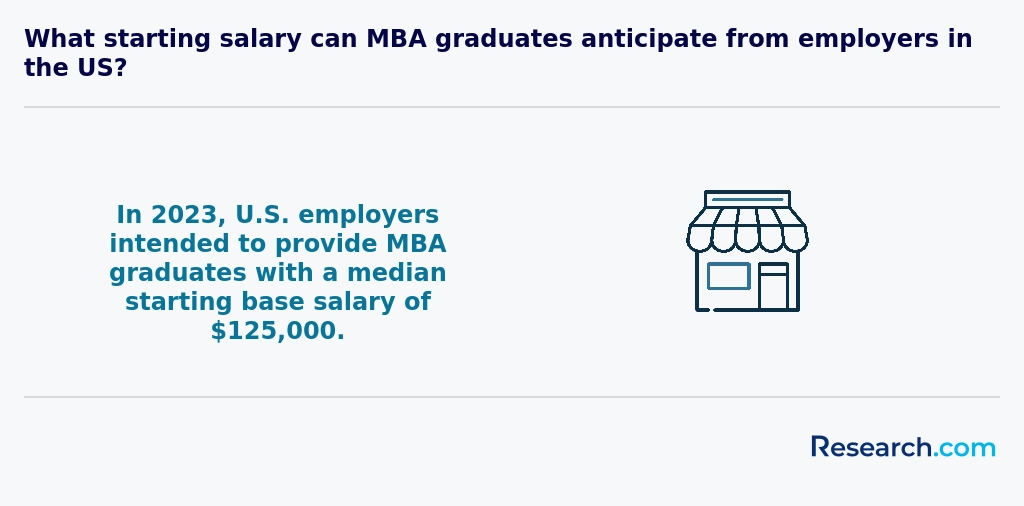
- Salary for MBA graduates: While specific Wisconsin data is unavailable, MBA graduates across the U.S. typically earn competitive salaries, often ranging from $70,000 to over $120,000 annually depending on the role and industry.
- Career paths: For example, an MBA graduate from the University of Wisconsin-Madison can pursue leadership roles in finance, marketing, or management, opening doors to dynamic and rewarding careers.
- Online MBA benefits: Earning an MBA online from a school like the University of Wisconsin-Whitewater offers flexibility and work-life balance, enabling students to advance their education without interrupting their careers.
- 2027 Most Affordable MBA Degree Programs Ranking in Wisconsin
- What can I expect from MBA degree in Wisconsin?
- Where can I work with MBA degree in Wisconsin?
What can I expect from MBA degree in Wisconsin?
The average cost of earning an MBA degree in Wisconsin typically falls between $20,000 and $35,000 for in-state students attending public universities like the University of Wisconsin-Madison or the University of Wisconsin-Milwaukee. This range challenges the assumption that quality business education must come with a six-figure price tag. Graduates often share how they balanced financial investment with opportunity, appreciating tuition costs that felt reasonable compared to national averages while still accessing robust academic resources and alumni networks.
Private institutions such as Marquette University may push tuition above $50,000, but many students find scholarships and financial aid crucial in offsetting these expenses. One graduate recalled leveraging these options to pursue an MBA without heavy debt, turning the program into a launchpad for career advancement in Wisconsin's dynamic industries like healthcare and manufacturing. Such real-life outcomes prove that the value of an MBA here lies not only in the price but in practical returns tied to local economic strengths and personal determination.
Where can I work with MBA degree in Wisconsin?
Graduates from MBA programs at schools like the University of Wisconsin-Madison often step confidently into leadership roles within Wisconsin's manufacturing giants-companies such as Harley-Davidson and Kohler Co. Imagine managing supply chains or steering strategic initiatives in these iconic firms, where your MBA skills translate directly to tangible impact.
Healthcare management is another vivid career avenue. Alumni from Marquette University frequently find themselves shaping financial strategies or operational policies at Aurora Health Care or Froedtert Health. This path showcases how MBAs become vital in navigating complex systems that improve patient outcomes and business efficiency simultaneously.
For those drawn to finance, Milwaukee's bustling environment offers roles in banks and investment firms like Northwestern Mutual, where MBA graduates from UW-Milwaukee leverage analytical and leadership skills in consulting or risk management positions. Entrepreneurs fueled by MBA programs also thrive, launching startups or revitalizing family businesses across Wisconsin's supportive economic landscape.
These experiences reveal that an MBA in Wisconsin is not just a degree but a gateway to diverse, meaningful careers within the state's evolving industries.
With an MBA degree in Wisconsin, salaries often begin around $75,000 and can rise well beyond $120,000 as experience grows. Graduates from programs at the University of Wisconsin-Madison or Marquette University frequently find themselves in roles such as business analysts or marketing managers, where starting salaries hover near $80,000. These positions serve as springboards toward six-figure incomes within five to ten years, especially in cities like Milwaukee or Madison, where corporate hubs provide abundant opportunities.
More seasoned MBA holders moving into financial or operations management roles typically earn between $100,000 and $140,000 annually. This range reflects regional economic strengths in finance, healthcare administration, and manufacturing-industries key to Wisconsin's economy. The strong alumni networks and corporate ties of these universities often accelerate career growth, creating pathways to leadership roles that exceed $150,000 in salary.
For many Wisconsin MBA graduates, the investment pays off within just a few years, making it an emotionally rewarding journey toward financial stability and professional fulfillment.
- MBA programs in Wisconsin include full-time, part-time, and online options from public and private schools.
- Tuition costs range from $30,000 to $60,000, with public universities offering lower rates for in-state students.
- Early-career MBA graduates earn around $75,000 annually, while experienced professionals can make over $100,000.
- Job opportunities are strong in manufacturing, finance, healthcare, and technology sectors, especially in cities like Milwaukee and Madison.
- Wisconsin universities have strong reputations and alumni networks, supporting career growth and job placement.
- Financial aid, scholarships, and assistantships are available to help reduce MBA program costs.
Finishing an MBA in Wisconsin can feel like navigating a personal marathon rather than a sprint, with timeframes shifting based on how you live your life during those years. Graduates from the University of Wisconsin-Madison often share how their full-time MBA journey takes about two years, balancing rigorous coursework with dynamic campus life. This rhythm matches the traditional national pace but still demands a focused commitment.
Then there are part-time students juggling families and jobs who stretch their MBA experience over three to four years at local institutions, embracing evening or weekend classes. These graduates often describe a rewarding, manageable pursuit that fits their hectic schedules without sacrificing income or career growth.
Some Wisconsinites choose accelerated paths, squeezing the full curriculum into a single year-a whirlwind that tests stamina but offers quick re-entry into the workforce. University alumni in this category talk about the mix of excitement and intensity that sharpens both their skills and resilience.
Online MBA students treasure the flexibility, pacing their studies over two to three years from anywhere in the state, making their dreams accessible despite geographical or timing constraints.
The choice between an online and on-campus MBA in Wisconsin isn't just about location-it's about how you want to experience your education. Graduates of University of Wisconsin-Madison's on-campus MBA often recall the energizing buzz of face-to-face debates and spontaneous networking moments over coffee that led to unexpected internships. Meanwhile, alumni of online programs appreciate the freedom to study after work or between family duties, saving on commuting costs common to Milwaukee's Marquette University students while maintaining comparable tuition.
In Wisconsin, the tuition difference is minimal, yet the lifestyle impact is profound. An online MBA speaks to those valuing flexibility and personal pace, while on-campus programs thrive on immediacy and immersive social connections. One graduate shared how live online group projects simulated campus camaraderie but acknowledged only in-person classes could replicate the dynamic energy of a Madison classroom, sparking creativity through direct interaction.
Both paths meet strict accreditation standards, yet the daily realities they shape are distinct-prompting students to reflect deeply on what environment will fuel their ambitions best.
As the business world rapidly evolves, MBA programs in Wisconsin are embracing innovative trends that not only enhance the learning experience but also keep graduates ahead in competitive markets. Institutions across the state are increasingly integrating cutting-edge technologies such as artificial intelligence, big data analytics, and digital marketing strategies into their curricula. This shift ensures that students gain practical skills that are immediately applicable in modern industries. Additionally, many programs are expanding their focus on sustainability, social responsibility, and ethical leadership to prepare graduates for challenges in both domestic and international markets. Emerging delivery formats, such as hybrid and flexible online models, offer enhanced accessibility and convenience. For instance, prospective students seeking additional flexibility might explore options like the cheapest executive mba online, which combine affordability with robust academic rigor. By staying abreast of these trends, Wisconsin MBA programs are not only enriching their educational offerings but also boosting the career prospects of their graduates in an ever-changing global business landscape.
The average MBA degree cost Wisconsin students face today hovers around $17,500 for in-state tuition, a figure notably more accessible than national averages. Graduates from flagship institutions like the University of Wisconsin-Madison often recall balancing demanding coursework with the relief of manageable tuition expenses, which allows them to focus on networking and career acceleration rather than overwhelming debt. This more affordable pricing challenges the common perception that a quality MBA inevitably comes with a daunting price tag.
Yet the story doesn't end at tuition. Many students find themselves budgeting up to 30% more to cover fees, books, and living expenses, a necessary investment for the immersive learning experience offered by Wisconsin's top schools. Private universities such as Marquette University, with tuition frequently ranging higher, illustrate a different financial landscape but still attract motivated individuals driven by their tailored program offerings.
The total cost of MBA program Wisconsin residents might prepare for can stretch beyond tuition, but numerous financial aid options soften the impact. Scholarships and assistantships, specifically for MBA candidates, give hopeful students practical avenues to reduce their financial burden while enhancing their educational journey.
For those serious about pursuing a business degree locally, understanding the top mba programs in wisconsin offers clarity on what a sustainable investment can look like, reinforcing that quality education doesn't always require the highest price.

When deciding on an MBA program in Wisconsin, it's essential to consider various factors that align with your career goals and personal preferences. One of the critical aspects to look into is the program's ranking and accreditation. Prospective students can explore top mba programs in wisconsin to find the best fit for their needs. The program's curriculum, faculty expertise, and alumni network are also vital in shaping your MBA experience. Additionally, considering the program format, whether full-time, part-time, or online, can significantly impact your learning experience and career advancement. By carefully evaluating these factors, you can make an informed decision that sets you up for success in your future career.
Financial aid for MBA students in Wisconsin goes beyond the usual narrative of daunting tuition fees. Graduates from the University of Wisconsin-Madison often share how merit-based scholarships transformed their journey, turning what seemed like an impossible financial challenge into a motivating achievement. These awards recognize strong academics and leadership potential, making financial relief feel like a reward for hard work rather than a handout.
Federal student aid is another cornerstone, offering loans like Direct Unsubsidized and Graduate PLUS Loans through FAFSA with fixed interest and flexible repayment, which many find reassuring amid financial uncertainty. Imagine balancing evening classes with a full-time job while your employer reimburses tuition-a common reality for Wisconsin MBA candidates utilizing workplace tuition assistance, providing not just funds but encouragement from an invested employer.
Assistantships and fellowships, especially at institutions like Marquette University, often combine stipends and tuition remission with gaining invaluable professional experience. Local foundations and alumni groups add another layer of support, often rewarding community involvement, reminding you that your broader life efforts resonate beyond the classroom.
Understanding the return on investment (ROI) is essential when evaluating the true value of an MBA in Wisconsin. By comparing the total cost of education with post-MBA salary gains, prospective students can make data-driven decisions about their career path. Average Total Investment: • Tuition and Fees: $45,000–$55,000 for in-state programs • Living Expenses: $20,000–$30,000 annually • Additional Costs (books, supplies, technology): $1,500–$3,000 per year Expected Salary Increase: • Pre-MBA Average Salary in Wisconsin: $60,000 • Post-MBA Average Starting Salary: $80,000–$90,000 • Median Salary Growth: 30%–50% within two years of graduation Estimated Payback Period: • Conservative Estimate: 3–4 years to recoup total costs • Accelerated Estimate: 2–3 years for candidates securing top-tier consulting or finance roles Maximizing ROI: • Scholarships & Assistantships: Reducing tuition by up to 50% • Employer Sponsorship: Leveraging tuition reimbursement programs • Networking & Internships: Securing high-impact projects during the program For a broader perspective on affordability and ROI across the Northeast, see our Most Affordable MBA Degree Programs Ranking in Worcester, MA.
In Wisconsin, enrolling in an MBA program means more than just holding a bachelor's degree; it invites a reflection on your readiness to contribute meaningfully in diverse business environments. Graduates from institutions like the University of Wisconsin-Madison often recall how their varied academic backgrounds-ranging from engineering to humanities-did not limit their entry but pushed them to bridge knowledge gaps with prerequisite courses in accounting or economics. This approach reveals that MBA programs value potential over rigid qualifications.
Work experience is similarly pivotal. Many Wisconsin schools prefer candidates with two to five years of relevant experience, which former students describe as a vital ingredient for the rich, practical discussions that animate classes. This is not about checking a box but about entering the program with stories and insights that elevate peer learning.
Standardized tests like the GMAT still play a role, yet Wisconsin's top programs increasingly weigh your professional achievements and personal essays more heavily, especially amidst shifting admissions trends. Graduates affirm this broader evaluation captures their true leadership potential beyond numbers. The journey to a Wisconsin MBA is about demonstrating preparedness, motivation, and a vision for impactful growth within the state's vibrant business landscape.
Imagine diving into an MBA program at the University of Wisconsin, where your days are filled with mastering Financial Accounting and Corporate Finance-skills that transform abstract numbers into real business value. Graduates often reflect on how understanding Marketing Management helped them craft compelling strategies during internships, making their work feel immediately relevant and impactful.
Core courses like Operations Management and Organizational Behavior don't just stay theoretical; they come alive through group projects that mirror complex team dynamics in Wisconsin's bustling manufacturing and tech sectors. Marquette University students frequently share how Strategic Management classes challenged them to think beyond textbooks, developing strategies that could drive actual business decisions.
These foundational courses, combined with elective options-from entrepreneurship to healthcare management-offer a tailored learning path. This approach not only equips students with robust knowledge but also sparks excitement about applying what they learn to Wisconsin's diverse economy. Such immersive, practical experiences bring confidence and inspiration, essential for thriving in today's business world.
MBA specializations in Wisconsin reflect the state's unique economic landscape, with finance, marketing, healthcare management, and supply chain management standing out as dominant focus areas. Graduates from institutions like the University of Wisconsin-Madison often describe how a finance specialization connected them directly to Milwaukee's robust banking sector, giving them confidence managing real investment portfolios during internships and beyond. Meanwhile, marketing students at Marquette University find themselves immersed in dynamic case studies linked to Wisconsin's growing technology firms, sparking creativity paired with data-driven strategies.
Healthcare management MBAs benefit from Wisconsin's extensive hospital networks, equipping them to lead transformational projects in patient care and insurance settings. Supply chain management, favored by those attending the University of Wisconsin-Milwaukee, aligns perfectly with the state's manufacturing heritage, pushing students to solve complex logistical challenges tied to global markets. Prospective students searching for flexible options often discover part-time and online formats, with many drawn to cheapest executive mba online choices offered locally.
Additional specializations like entrepreneurship and sustainability reveal a forward-thinking mindset at Wisconsin colleges, encouraging students to envision innovative business models with lasting impact. Exploring business degree focus areas Wisconsin also means embracing programs designed to nurture leadership within a tightly knit economic community, giving graduates a distinct blend of practical experience and visionary skills.
Choosing the best MBA degree in Wisconsin means looking beyond rankings and flashy marketing. Graduates from schools like UW-Madison often highlight how the AACSB accreditation grounded them in rigorous, practical knowledge that employers truly value. Yet, affordability can't be ignored-many appreciate how finding affordable MBA programs in Wisconsin changed their lives, making advanced education accessible without drowning in debt. Balancing work with study is another challenge; students at Marquette or UW-Milwaukee often praise flexible evening or online options that allow them to maintain a career while advancing their skills. Imagine yourself benefiting from strong career services in a state thriving with manufacturing and finance jobs, where internships and alumni connections open doors in real-world Wisconsin settings. Tailoring your curriculum to your passions, like healthcare management or entrepreneurship, can transform your degree into a springboard for the future. For comprehensive guidance on value and cost, check the Most Affordable MBA Degree Programs Ranking in Worcester, MA.

Graduates with an MBA in Wisconsin quickly discover that the scope of career paths available challenges traditional expectations. Beyond typical management consulting or financial analysis roles, many find themselves leading innovative projects in manufacturing hubs like Milwaukee or driving strategic growth in Madison's tech scene. These experiences, often recounted by those from top programs such as the University of Wisconsin, highlight how business management jobs in Wisconsin for MBA graduates stretch across diverse industries, blending leadership with real-world impact.
Entrepreneurship thrives with MBA skills, fueled by Wisconsin's startup culture and university incubators. Graduates harness their expertise to launch ventures or scale existing businesses, reflecting a dynamic shift from conventional corporate tracks. Healthcare administration also beckons, with institutions like Aurora Health Care offering leadership roles where MBA graduates orchestrate complex operations, enhancing patient care outcomes.
Many students appreciate how affordable tuition in Wisconsin opens doors to career advancement without overwhelming debt. For those balancing work and study, programs like the fastest online degrees for working adults provide flexible pathways to capitalize on these opportunities.
The job market for MBA degree holders in Wisconsin is notably dynamic, shaped by robust sectors like healthcare, finance, and manufacturing. Graduates from popular institutions such as the University of Wisconsin-Madison often find themselves navigating opportunities in cities like Milwaukee, where corporations actively seek skills in strategic management and financial analysis. This practical demand challenges the outdated idea that an MBA is only valuable in major coastal hubs.
MBA career opportunities in Wisconsin reflect the state's emphasis on leadership and innovation-graduates frequently transition into roles in consulting, banking, and healthcare administration, thriving in environments that reward both analytical competence and relationship-building. One graduate shared how hands-on projects during their program prepared them for negotiation and supply chain management roles, which are in high demand locally.
Considering affordability, Wisconsin's MBA programs present a great ROI, lessening debt burdens compared to national norms, making it a smart choice for residents weighing options between different degree paths. For those still curious about foundational decisions, exploring which bachelor degree is the easiest can be a helpful starting point.
Understanding the job outlook for MBA graduates Wisconsin reveals an environment where competitive salaries and steady employment coexist with a supportive community of professionals keen to advance business excellence. This is not just a degree; it's a gateway to impactful career growth within a vibrant, multifaceted economy.
2027 Most Affordable MBA Degree Programs Ranking in Wisconsin
Investing in your education is a significant decision that can profoundly impact your career and future. The Research.com team recognizes the importance of making well-informed choices when selecting an MBA program, which is why we have carefully developed the "2027 Most Affordable MBA Degree Programs Ranking in Wisconsin." Our dedication to quality, credibility, and accuracy is evident in the thorough research and analysis behind this ranking.
We utilized the following reputable data sources to ensure a comprehensive evaluation of MBA programs:
By exploring this ranking, prospective students will gain valuable insights into affordable MBA options in Wisconsin, enabling them to make confident, data-driven decisions about their education. For a detailed explanation of our ranking process, please visit our Research.com methodology page.


Frequently Asked Questions About MBA
Students pursuing an MBA degree in Wisconsin can maximize their learning by engaging with the state's diverse business environment, which includes strong sectors such as manufacturing, healthcare, and finance. Enrolling in programs accredited by the AACSB, like those at the University of Wisconsin-Madison, ensures exposure to high-quality curricula and experienced faculty.
Connecting with local professional networks and participating in internships or cooperative education offered by many Wisconsin universities provide hands-on experience critical to understanding real-world business challenges. According to the Wisconsin Department of Workforce Development, MBA graduates here often report higher earning potential when deeply involved in practical projects and networking.
Additionally, students should utilize campus resources such as career services, workshops, and business clubs. Leveraging Wisconsin's strong regional economy for case studies and projects can bridge theory and practice, enhancing problem-solving skills valuable in MBA programs.
The MBA field in Wisconsin is expanding to include several emerging niches that reflect current business trends. One important area is data analytics and business intelligence, which equips students with skills to analyze large data sets to improve decision-making. The University of Wisconsin system reports rising enrollment in these specialized MBA tracks.
Another growing niche is sustainable business management. As companies focus more on environmental responsibility, MBA programs in Wisconsin are adding courses on sustainability strategies and green economics.
Healthcare management is also gaining attention due to Wisconsin's strong healthcare industry. MBAs concentrating in this area prepare graduates for leadership roles in hospitals and health-related organizations.
Finally, technology management remains a vital specialty, reflecting Wisconsin's expanding tech sector and startups seeking MBA graduates who understand both business and innovation.
After completing an MBA degree in Wisconsin, it is important to actively prepare for the job market to maximize career opportunities. Start by building a strong professional network through attending local business events, such as those hosted by the Wisconsin MBA Association and chambers of commerce. Networking can connect you with employers in key industries like manufacturing, finance, and healthcare, which are prominent in the state.
Wisconsin MBA graduates should also leverage university career services, which often provide job fairs and resume workshops tailored for MBA skill sets. According to the U.S. Bureau of Labor Statistics, business and financial occupations in Wisconsin are expected to grow by 8% through 2030, emphasizing the value of specialized skills.
Internships and practical experiences gained during the MBA program enhance employability. Additionally, obtaining certifications such as CFA or PMP can distinguish candidates. Tailoring your resume to reflect relevant skills in leadership, analytics, and strategic planning will appeal to Wisconsin employers.
Employers in Wisconsin prioritize a mix of technical and interpersonal skills when hiring MBA graduates. According to the Graduate Management Admission Council's 2023 corporate recruiter survey, leadership and strategic thinking are among the most sought-after abilities. Wisconsin-based firms emphasize data analytics proficiency, reflecting the state's strong manufacturing and healthcare sectors.
Communication skills, both verbal and written, remain crucial for MBA holders, enabling effective collaboration across diverse teams. Additionally, project management skills are valued to ensure efficient execution of business initiatives. Adaptability and problem-solving capabilities also rank highly, as businesses navigate evolving economic landscapes.
Overall, Wisconsin employers look for MBA graduates who combine analytical expertise with strong leadership and communication qualities to drive organizational success.
Finding internships in Wisconsin relevant to an MBA degree involves leveraging both university resources and local business networks. Many Wisconsin universities, including the University of Wisconsin-Madison, maintain dedicated career centers that list MBA-specific internship opportunities. According to the Wisconsin Economic Development Corporation, sectors like finance, manufacturing, and healthcare are strong employers of MBA interns.
Networking through professional organizations such as the Wisconsin Business Alliance can also provide valuable connections. Internships are often available in major cities like Milwaukee and Madison, where corporate headquarters and startups frequently seek MBA candidates.
Online job platforms focused on Wisconsin-based roles, including Handshake and the Wisconsin Internship Clearinghouse, can further assist in identifying openings.
An MBA degree significantly enhances career mobility and advancement for professionals in Wisconsin. According to the Wisconsin Department of Workforce Development, MBA holders earn on average 20-30% higher salaries compared to those with only a bachelor's degree. Employers in key industries such as manufacturing, finance, and healthcare increasingly value the strategic and leadership skills acquired through an MBA.
The degree often opens doors to management and executive roles that otherwise require extensive experience. Networking opportunities offered by Wisconsin's top business schools also help graduates connect with local companies, boosting job prospects. Additionally, advanced knowledge in business analytics and operations aligns well with Wisconsin's growing sectors.
Studying for an MBA degree in Wisconsin equips students with skills essential for interdisciplinary roles by combining business knowledge with practical applications across industries. Wisconsin's MBA programs often emphasize cross-functional leadership, strategic thinking, and data analytics, preparing graduates to manage projects that span finance, marketing, and operations. Universities such as the University of Wisconsin-Madison integrate experiential learning opportunities, including consulting projects and internships, which foster collaboration among diverse professional fields. According to the Wisconsin Technical College System, nearly 60% of local MBA graduates engage in interdisciplinary roles within three years post-graduation, highlighting strong alignment with employer demands.
Choosing between a thesis and a non-thesis MBA program in Wisconsin depends on your career goals and learning preferences. Thesis-based MBAs typically involve a research project, suitable for students interested in academic or analytical roles. Non-thesis programs focus more on practical coursework and internships, appealing to professionals aiming for managerial positions.
Wisconsin schools like the University of Wisconsin-Madison offer thesis options with strong research resources. Meanwhile, institutions like Marquette University emphasize non-thesis curricula with applied business training. According to NCES data, about 60% of Wisconsin MBA students opt for non-thesis tracks, valuing flexibility and quicker graduation times.
Cost and time commitment also vary; thesis paths can extend completion by up to a semester. Consider how each aligns with your professional ambitions and learning style when deciding.
Students based in Wisconsin who want to study for an MBA abroad have several pathways to consider. Many Wisconsin universities, such as the University of Wisconsin-Madison, offer exchange programs and partnerships with international business schools. These programs allow students to spend a semester or more overseas while earning credits toward their degree.
Another option is enrolling directly in global MBA programs that accept international applicants online or on campus. Top destinations include the UK, Canada, and Europe. According to U.S. News, about 10% of MBA students in Wisconsin participate in some form of international study during their program.
Finally, scholarships and financial aid specifically for study abroad are available through organizations like the Wisconsn Alumni Association and EducationUSA, helping reduce the cost of overseas study for Wisconsin residents.
Part-time job opportunities in Wisconsin that complement an MBA degree are diverse and relevant to business students aiming to gain practical experience. Many MBA candidates find roles in financial services, such as banking or accounting firms, particularly in cities like Milwaukee and Madison where corporate headquarters and regional offices are common. According to the Wisconsin Department of Workforce Development, these sectors offer steady part-time positions that reinforce financial analysis and management skills.
Consulting internships and roles at local startups or small businesses also provide hands-on experience in project management and strategic planning. Additionally, part-time jobs in marketing or sales departments align well with MBA coursework.
Wisconsin offers MBA students a variety of valuable networking opportunities through its well-established business schools and professional organizations. Universities like the University of Wisconsin-Madison provide access to strong alumni networks, with over 130,000 alumni worldwide, many of whom hold influential positions in business. These connections facilitate mentorship, internships, and job placements.
Local chapters of organizations such as the Wisconsin Business Networking Group and the Milwaukee Executive Association host regular events, enabling students to meet industry leaders and peers. Additionally, career fairs and workshops sponsored by universities help students build contacts within Wisconsin's diverse economy, including manufacturing, finance, and healthcare sectors.
Alumni networks offer significant advantages to MBA students in Wisconsin by providing access to a broad community of graduates working across diverse industries. These networks create opportunities for mentorship, job placements, and professional growth. According to the Wisconsin Alumni Research Foundation, connections through alumni can increase the likelihood of securing internships and leadership roles.
At prominent Wisconsin institutions, such as the University of Wisconsin-Madison, the extensive alumni network includes over 90,000 business graduates. This reach helps students tap into local and national markets with trusted contacts.
Additionally, alumni events and online platforms foster ongoing relationships that benefit career advancement and knowledge exchange.
In Wisconsin, many MBA programs offer customization options to align with your career goals. You can often choose concentrations such as finance, marketing, healthcare management, or data analytics. These specializations help tailor your studies to specific industries or roles.
Additionally, some universities provide flexible formats like part-time, online, or evening classes, which benefit working professionals. Internship opportunities and experiential learning projects available through Wisconsin MBA programs support practical skill development in your field.
According to the Wisconsin Economic Development Corporation, sectors like manufacturing and healthcare are key employers, influencing available MBA focus areas.
Advisors at Wisconsin schools also help you plan electives and career services to match your ambitions effectively.
Many MBA students in Wisconsin face challenges balancing work, family, and study commitments. Since a significant portion of MBA candidates are working professionals, managing time effectively remains a top concern. According to the Graduate Management Admission Council (GMAC), over 60% of MBA students nationally juggle full-time jobs during their studies, a figure reflected in Wisconsin's programs.
Another challenge is the rising cost of education. While Wisconsin offers more affordable MBA options compared to national averages, the financial burden can still be substantial. The University of Wisconsin system reports that in-state MBA tuition averages around $24,000 for the entire program, which requires careful budgeting or loans.
Additionally, students must navigate changing career landscapes. Staying updated with evolving business technologies and networking in a competitive market can be difficult, especially for those attending part-time or online programs.
An MBA degree from Wisconsin universities opens paths to numerous professional certifications valued nationwide. Graduates often pursue the Certified Public Accountant (CPA) credential, especially if they focus on accounting specialties. Wisconsin's state board requires 150 semester hours, and an MBA can help fulfill this requirement.
The Project Management Professional (PMP) certification is popular among MBA holders aiming for leadership in operations and project management roles. It requires both education and work experience, which an MBA supports.
Finance-focused graduates frequently seek the Chartered Financial Analyst (CFA) certification. Wisconsin's business colleges support foundational knowledge needed for CFA exams.
Management consultants may pursue the Certified Management Consultant (CMC) certification, which aligns well with the skills developed in MBA programs across Wisconsin.
Writing a winning application for an MBA program in Wisconsin requires clear focus and attention to detail. Start by researching programs offered at institutions like the University of Wisconsin-Madison or Marquette University to understand their unique admission criteria.
Strong GMAT or GRE scores remain important; for instance, Wisconsin MBA programs often prefer scores above the national average, around 550-600 on the GMAT, according to U.S. News & World Report.
Highlight professional achievements and leadership experience clearly in your resume. Wisconsin schools value applicants who demonstrate community involvement and a commitment to regional business development.
Your personal statement should connect your career goals with how the specific Wisconsin program supports them. Tailoring essays to reflect knowledge of local industry trends can strengthen your application.
Finally, secure strong letters of recommendation from supervisors familiar with your managerial potential. Attention to these elements increases your chances in the competitive Wisconsin MBA admissions landscape.
Globally, an MBA degree is valued for its potential to open doors to leadership and management roles across industries. In the US, including Wisconsin, MBAs are seen as a way to gain practical business skills and a broad professional network. According to the Graduate Management Admission Council (GMAC), 89% of US MBA graduates receive job offers within three months of graduation, highlighting strong demand.
International companies also value MBAs for their training in strategy, finance, and global markets. Wisconsin's MBA programs often emphasize connections with industries such as manufacturing and healthcare, sectors important worldwide. This local-to-global relevance enhances career prospects.
Overall, MBA holders from Wisconsin benefit from a combination of respected education and growing international demand, supporting career advancement both domestically and abroad.
Gaining practical experience while studying for an MBA in Wisconsin is highly feasible through several established methods. Many universities in the state offer internships and cooperative education (co-op) programs, allowing students to work with local businesses and corporations while earning their degree. For example, the University of Wisconsin system encourages MBA candidates to pursue summer internships across industries, enhancing their real-world skills and networking opportunities.
Wisconsin's growing economy supports experiential learning, with strong sectors in manufacturing, healthcare, and finance providing ample internship options. Additionally, students can participate in consulting projects or business competitions hosted by their schools, which simulate real business challenges.
Several Wisconsin MBA programs integrate internships or applied projects directly into their curriculum, ensuring that students graduate with both academic knowledge and practical experience. According to the Wisconsin Economic Development Corporation, nearly 80% of MBA students in the state engage in internships during their studies.
Choosing the right concentration within an MBA program in Wisconsin depends on your career goals and local industry demand. Popular specializations include finance, healthcare management, and supply chain, reflecting Wisconsin's strong sectors like manufacturing and healthcare. According to the Wisconsin Economic Development Corporation, industries like manufacturing account for over 14% of the state's jobs, making supply chain management a valuable focus.
Consider your previous experience and future ambitions. For example, those targeting leadership roles in health systems may prefer healthcare management. Research schools like UW-Madison or Marquette University, which offer varied concentrations tailored to workforce needs.
Review curriculum details and speak with alumni to assess fit. Also, evaluate flexibility-some programs offer part-time or online options to accommodate working professionals.
- 2027 Most Affordable MBA Degree Programs Ranking in Minnesota
- 2027 Most Affordable MBA Degree Programs Ranking in Illinois
- 2027 Most Affordable MBA Degree Programs Ranking in Indiana
- 2027 Most Affordable MBA Degree Programs Ranking in Kentucky
- 2027 Most Affordable MBA Degree Programs Ranking in Kansas
- 2027 Most Affordable MBA Degree Programs Ranking in Arkansas
- 2027 Most Affordable MBA Degree Programs Ranking in Oklahoma
- 2027 Most Affordable MBA Degree Programs Ranking in Colorado
- 2027 Most Affordable MBA Degree Programs Ranking in Alabama
- 2027 Most Affordable MBA Degree Programs Ranking in Georgia
- Top 10 Career Options After a Global MBA | SP Jain Global https://www.spjain.org/blog/articles/top-global-mba-careers
- How an MBA contributes to career advancement https://online.wlv.ac.uk/blog/how-an-mba-contributes-to-career-advancement/
- Master of Business Administration https://www.uwec.edu/academics/programs/graduate/master-business-administration
- How to Choose an MBA Program That Fits Your Career Goals https://www.mobileviewer.io/blog/how-to-choose-an-mba-program-that-fits-your-career-goals
- How to Use Your MBA for Career Growth While You’re Still Studying - International Career Institute USA https://icieducation.com/blog/how-to-use-your-mba-for-career-growth-while-youre-still-studying/
- ROI | University of Wisconsin MBA Consortium - Online MBA Program https://www.wisconsinonlinemba.org/roi/
- Overcoming Common Challenges Faced by Management Students https://iilm.edu/iilm-lucknow/blog/challenges-faced-by-management-students/
- Why Employers Prize a Global Perspective from MBA Graduates | WU Executive Academy https://executiveacademy.at/en/knowledge/career/why-employers-prize-a-global-perspective-from-mba-graduates
- Lessons learned: one year into pursuing an MBA while balancing full-time work - Franz Vitulli https://franzvitulli.com/mba-work/
- What Can You Do with an MBA in Today’s Market? | Elmhurst University Elmhurst University Blog https://www.elmhurst.edu/blog/what-can-you-do-with-an-mba-in-todays-market/