
2027 Most Affordable MBA Degree Programs Ranking in Fayetteville

Co-Founder and Chief Data Scientist
Choosing the right MBA program in Fayetteville can be overwhelming, especially when affordability matters. Our article introduces the 2027 Most Affordable MBA Degree Programs Ranking in Fayetteville, created by the Research.com team of data scientists.
This helpful guide is designed to support students like you in making informed decisions about which MBA programs offer real value without breaking the bank.
Discover opportunities that align with your goals and take confident steps toward advancing your career and personal growth through an MBA degree.
Key benefits of getting MBA degree in Fayetteville
- MBA graduates often pursue careers in management, finance, and marketing, with US median salaries around $75,000 to $110,000, reflecting strong earning potential.
- Many Fayetteville MBA alumni from the University of Arkansas find opportunities in regional companies, nonprofit leadership, and entrepreneurship, showcasing diverse and rewarding career paths.
- Online MBA programs, like those offered by the University of Arkansas Global Campus, provide flexibility and convenience, allowing students to balance work and study while gaining valuable skills admired by employers.
- Key benefits of getting MBA degree in Fayetteville
- What can I expect from MBA degree in Fayetteville?
- Where can I work with MBA degree in Fayetteville?
- How much can I make with MBA degree in Fayetteville?
- 2027 Most Affordable MBA Degree Programs Ranking in Fayetteville
- Key Findings
- How long does it take to complete MBA degree in Fayetteville?
- Affordable Online MBA Options in Healthcare Management
- What's the difference between online and on-campus MBA degree?
- What is the average cost of MBA degree in Fayetteville?
- Return on Investment for Fayetteville, NC MBA Students
- What financial aid is available to MBA degree students in Fayetteville?
- Exploring Affordable MBA Options in North Carolina
- What are the prerequisites for enrolling in MBA degree program in Fayetteville?
- What courses are typically in MBA degree programs in Fayetteville?
- What types of specializations are available in MBA degree programs in Fayetteville?
- How do you choose the best MBA degree in Fayetteville?
- What career paths are available for MBA degree students in Fayetteville?
- What is the job market for MBA degree in Fayetteville?
- Top Trending MBA Rankings
What can I expect from MBA degree in Fayetteville?
The average cost of an MBA degree in Fayetteville is notably affordable compared to larger cities. Graduates from the University of Arkansas' Sam M. Walton College of Business often highlight that in-state tuition ranges from about $14,000 to $25,000 for the entire program. This affordability means many students can complete their degree without accumulating excessive debt, a relief when balancing work and study.
Scholarships and assistantships are common, providing practical financial support. For example, some students have reduced their tuition bills significantly by securing employer tuition reimbursement or university-funded scholarships, making the investment feel manageable and worthwhile.
Many MBA candidates appreciate how this cost structure allows them to focus more on learning and networking rather than financial stress. With Fayetteville's lower living expenses combined with reasonable tuition, students often find it easier to maintain a part-time job or internship simultaneously, increasing their real-world experience and employability after graduation.
Where can I work with MBA degree in Fayetteville?
Graduates from MBA programs at institutions like the University of Arkansas in Fayetteville quickly find themselves in strong demand across several local industries. Many step into corporate management roles, especially with companies like Walmart nearby, where they handle operations, supply chain logistics, and strategic planning. Picture leading teams that optimize retail processes-skills refined during your MBA coursework.
Others move into healthcare management roles within Fayetteville's expanding medical centers, applying sharp financial and administrative skills to improve patient services and hospital efficiency. For example, MBA grads often take on leadership positions at places like Washington Regional Medical Center, steering complex projects that make a real community impact.
Entrepreneurship is another practical route. Fayetteville's supportive startup environment means graduates use their MBA knowledge to launch and grow small businesses successfully, fostering innovation locally. Financial services firms such as Arvest Bank also tap MBA holders for roles in risk management and financial analysis, roles that perfectly match the analytical training received.
Finally, many apply their leadership skills to public administration and nonprofits in Fayetteville, managing budgets and programs that directly benefit the community. This blend of possibilities makes pursuing an MBA here a strategic choice for career-ready graduates.
How much can I make with MBA degree in Fayetteville?
MBA graduates in Fayetteville typically see starting salaries between $60,000 and $75,000, especially those coming from programs at the University of Arkansas. Early-career professionals often earn around $65,000 to $110,000 in fields like marketing, finance, and business operations within the local market. For example, a fresh graduate taking a role as a business operations manager might start near the lower end, but with focused experience and networking through Fayetteville's business schools, salary growth is common.
While Fayetteville salaries can be below the $115,000 national median noted by GMAC, the local cost of living and opportunities in diverse industries like healthcare and manufacturing help make these figures competitive. Graduates who supplement their MBA with certifications or internships often move rapidly into positions paying closer to $100,000 or more.
Practical experience combined with Fayetteville's strong regional economy means MBA holders can expect steady income growth as they advance, often surpassing the Arkansas median management wage of about $107,000 as they gain leadership roles locally.
2027 Most Affordable MBA Degree Programs Ranking in Fayetteville
How do we rank schools?
Investing in your education is a significant decision that can shape your future, and the Research.com team understands the importance of making informed choices. To assist prospective students in Fayetteville, we have meticulously developed the "2027 Most Affordable MBA Degree Programs Ranking in Fayetteville." Our commitment to quality, credibility, and accuracy is reflected in the extensive research and analysis conducted to compile this ranking.
We utilized the following reputable data sources to ensure a comprehensive evaluation of MBA programs:
By exploring this ranking, readers will gain valuable insights into the most affordable MBA degree programs available in Fayetteville, enabling them to make well-informed decisions about their educational investments. For more information on how this ranking was created, please visit our Research.com methodology page.


Key Findings
- MBA programs in Fayetteville typically last two to three years and offer full-time, part-time, and online study options.
- Tuition for public MBA programs ranges from $20,000 to $35,000 for in-state students, while private programs often exceed $40,000.
- Starting salaries for MBA graduates in Fayetteville generally range from $60,000 to $75,000 per year.
- Experienced MBA holders can earn over $100,000 annually, especially in managerial and executive roles.
- Job opportunities are strong in sectors like healthcare, manufacturing, retail, and financial services.
- Networking locally is valuable, and commuting to nearby metropolitan areas can expand job prospects.
How long does it take to complete MBA degree in Fayetteville?
Completing an MBA in Fayetteville typically takes about two years for full-time students at institutions like the University of Arkansas. Graduates often recall pacing through a structured schedule of around 36 to 48 credit hours, which feels manageable and predictable. This timeline fits well with those ready to dedicate themselves fully to their studies and career growth.
Part-time MBA students share a different experience, often balancing work and study by attending evening or weekend classes. This path extends the program to around three to four years, giving them flexibility to apply new skills immediately at work without overwhelming their daily routines. Many find this blend rewarding, despite the longer commitment.
Some Fayetteville schools offer accelerated one-year MBAs, though these are less common locally. Graduates who chose this route describe it as intense but energizing, perfect for those eager to jumpstart their careers quickly with an intensive workload.
Online MBA options add another layer of flexibility, allowing students to set their own pace. Fayetteville residents appreciate this when juggling personal or professional obligations, often tailoring their study time to fit their unique schedules.
Affordable Online MBA Options in Healthcare Management
For many prospective MBA students, the opportunity to specialize in healthcare management presents not only an exciting career path but also significantly improves return on investment through high-demand skills and industry growth. As you evaluate your options, it’s essential to understand how flexible online programs can cater to your professional needs while balancing work and study. Affordable online avenues allow students to gain a comprehensive foundation in both business and healthcare, with curricula that often include courses on healthcare policy, hospital administration, and strategic financial management tailored to the healthcare sector. In particular, specialized tracks such as these are designed to equip graduates with the tools necessary to navigate complex healthcare systems and lead transformative initiatives. Additionally, many universities now offer a streamlined enrollment process and dedicated career support services to help you transition smoothly into roles that drive innovation in health services delivery. For further insights into how you can pursue an advanced and cost-effective degree in this fast-growing field, consider exploring the affordable mba in healthcare management programs online. This specialized focus enables you to build a robust professional network while acquiring expertise that is immediately applicable in today’s evolving job market.
What's the difference between online and on-campus MBA degree?
Choosing between an online and an on-campus MBA in Fayetteville hinges on your lifestyle and learning preferences. On-campus programs at local universities offer immersive, face-to-face experiences, where graduates often recall vibrant networking moments during evening classes and convenient access to campus career services. This environment suits those who thrive on direct interaction and structured schedules.
Conversely, online MBAs provide flexibility that many Fayetteville students appreciate, especially those balancing full-time jobs or family commitments. Graduates describe the freedom to study late at night or weekends, engaging with professors and peers through digital platforms without the commute stress. This format often comes with lower tuition costs, making it a practical option for budget-conscious learners.
Both formats typically last around two years, though some online tracks are accelerated. Fayetteville students have found that on-campus programs boost collaboration skills, while online studies enhance digital communication abilities-both valuable in today's job market.
What is the average cost of MBA degree in Fayetteville?
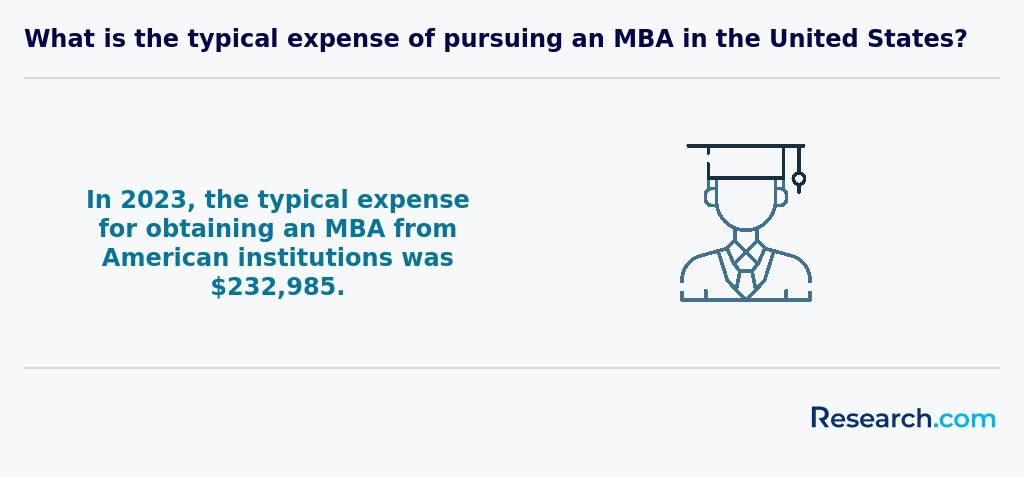
The average cost of a MBA degree in Fayetteville is notably affordable, especially for in-state students attending public institutions like the University of Arkansas. Here, the median in-state total cost for completing an MBA is around $9,105, which represents a significant saving compared to national averages. Graduates often share how the manageable tuition helped them focus more on gaining practical skills rather than worrying excessively about student debt. This affordability makes Fayetteville a strong choice for those prioritizing cost-effective education without compromising quality.
Out-of-state students typically face higher expenses, with the median total cost reaching approximately $28,313. These students experience a broader financial commitment but often appreciate Fayetteville's combination of competitive pricing and strong program reputation. Many value the flexibility of part-time and online MBA options, which allow tuition to be spread over time, easing the upfront financial burden and aligning with their professional responsibilities. Fayetteville's affordable MBA programs tuition supports these diverse learning preferences, helping students tailor their education and career paths.
Beyond tuition, practical considerations include fees for books, supplies, and student services. These additional expenses tend to be moderate in Fayetteville, reflecting public university standards. Many graduates recommend budgeting carefully for these costs to avoid surprises and maximize the overall value of their investment. For actionable career growth strategies after graduation, interested students might explore career resources at research.com.
When evaluating affordable MBA programs Fayetteville tuition is a key factor, but prospective students should also weigh program format and residency status to determine the total financial commitment best aligned with their goals.
Return on Investment for Fayetteville, NC MBA Students
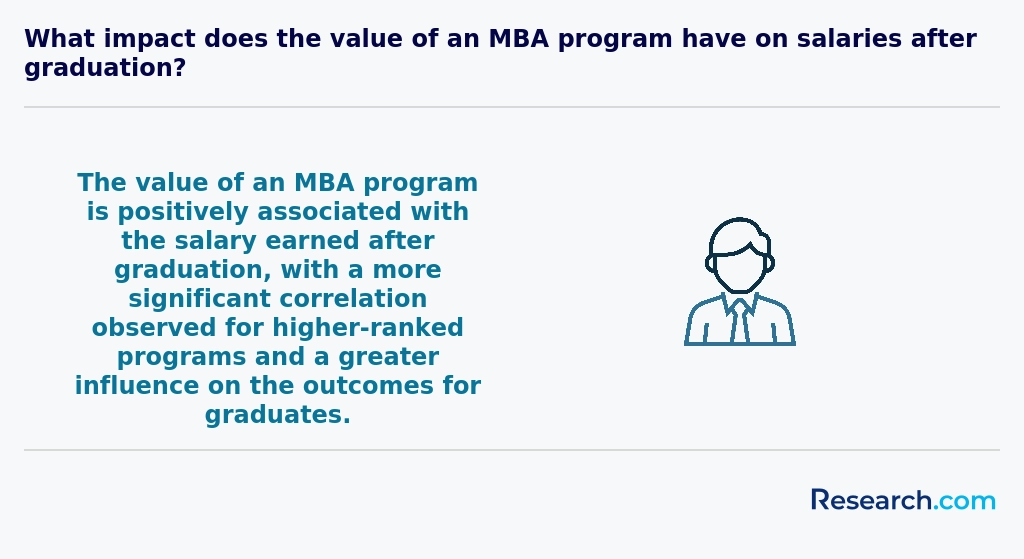
Calculating the true return on investment (ROI) for an MBA degree in Fayetteville, NC, involves more than comparing tuition figures-it requires analyzing salary growth, time to recoup costs, and long-term career advancement. On average, Fayetteville MBA graduates report salary increases of 30% to 50% within two years of graduation. Considering an in-state tuition rate of approximately $230 per credit hour and a typical 36-credit program, the total cost hovers around $8,280. With starting salaries often exceeding $70,000, many students break even within 18 to 24 months. To maximize ROI, prospective students should explore scholarships, employer tuition reimbursement, and part-time or accelerated formats. For example, enrolling in an online option can reduce living expenses and allow continuation of full-time work. When comparing regional opportunities, don’t overlook the value of flexible, low-cost programs featured in our Affordable Online Master's in MBA Degree Programs Ranking in the South, which highlight institutions offering competitive tuition paired with high graduate employment rates. Case Study: A Fayetteville State University graduate financed 50% of her program through federal loans and a merit scholarship. After securing a promotion to senior analyst six months post-graduation, she reported a 45% salary increase, repaying her educational investment within two years. Key factors influencing ROI include specialization choice, networking engagement, and program duration. By selecting a specialization with strong local demand-such as healthcare management or business analytics-students can accelerate salary gains and reduce payback periods. Ultimately, a strategic approach to financing, program selection, and career planning ensures that an MBA in Fayetteville delivers both immediate and long-term financial rewards.
What financial aid is available to MBA degree students in Fayetteville?
When pursuing an MBA in Fayetteville, start by applying for federal financial aid through the FAFSA to access Direct Unsubsidized Loans or Grad PLUS Loans. Graduates from the University of Arkansas at Fayetteville often mention how these loans eased their financial burden thanks to lower interest rates and manageable repayment plans. Next, actively search for merit-based scholarships offered by local universities, which can reduce tuition by 20% to 50%. Many Fayetteville MBA students report that earning such scholarships boosted their confidence and allowed them to focus more on studies than finances.
Don't overlook employer tuition assistance-several Fayetteville businesses offer full or partial tuition reimbursement for employees pursuing MBAs in business administration or management fields. Reaching out to your HR department early can uncover these valuable opportunities. Some MBA candidates also benefit from graduate assistantships or teaching roles, providing stipends and valuable professional experience, though these are less common in Fayetteville's MBA programs.
Finally, while private loans can fill funding gaps, explore scholarships from local professional organizations like the American Management Association or GMAC. Combining these options has helped many Fayetteville MBA students confidently navigate their educational expenses.
Exploring Affordable MBA Options in North Carolina
For students seeking affordable MBA programs, understanding the cost and value of different institutions is crucial. In addition to the programs available in Fayetteville, NC, prospective students may also want to explore other affordable options in the state. By considering factors such as tuition, location, and program specialization, students can make an informed decision about their educational investment. For instance, those interested in cheapest mba schools in north carolina can find a range of options that balance affordability with academic quality, helping them achieve their career goals without excessive financial burden.
What are the prerequisites for enrolling in MBA degree program in Fayetteville?
To enroll in an MBA program in Fayetteville, you'll first need a bachelor's degree from an accredited institution-no need to stress if yours isn't in business. Many graduates from the University of Arkansas found that their diverse academic backgrounds were valued just as much as business degrees, reflecting the local schools' openness to varied experiences.
Next, prepare your official transcripts showing a solid GPA, typically around 3.0, though some programs welcome strong professional experience to balance a lower GPA. For example, graduates with rich work histories secured admission even with slightly lower grades, highlighting flexibility in Fayetteville's programs.
Applicants often take the GMAT, aiming for scores near 550, but some Fayetteville schools accept GRE scores or waive tests for candidates with two to three years of full-time work. Many graduates appreciated this practical approach since their professional achievements, rather than just test scores, demonstrated readiness for the MBA rigor.
Don't forget letters of recommendation and a personal essay detailing your career goals-elements that helped past Fayetteville MBA students stand out by showcasing motivation and leadership potential during interviews.

What courses are typically in MBA degree programs in Fayetteville?
In an MBA program in Fayetteville, you'll tackle core courses that are designed to build practical business skills applicable in real workplaces. Graduates from local universities often recall how Financial and Managerial Accounting classes helped them confidently interpret company reports, a skill they used immediately during internships with regional businesses.
Marketing Management teaches you to understand customer behavior and develop clear strategies, which proved invaluable for those working on startup projects in the area. Operations Management shows how to streamline processes-a key takeaway for students who later contributed to improving supply chains in Fayetteville's manufacturing firms.
Courses like Organizational Behavior and Managerial Economics give a realistic view of team dynamics and economic decision-making in local business environments. Graduates mention how Business Ethics and Corporate Social Responsibility coursework encouraged them to lead initiatives aligned with Fayetteville's community values.
Strategic Management ties all these lessons together, enabling students to create actionable plans. Electives let you specialize in sectors such as finance or healthcare management, aligning your skills with Fayetteville's strongest industries for immediate career benefits.
What types of specializations are available in MBA degree programs in Fayetteville?
MBA specializations offered in Fayetteville reflect practical business demands and regional strengths. Graduates from popular local institutions often choose Finance to master investment analysis and corporate finance, preparing for roles in banking or insurance. Marketing is another top MBA concentration option, focusing on digital marketing and brand management, which suits Fayetteville's thriving commerce and social media scene.
Healthcare Management appeals to students targeting leadership in hospitals and insurance firms, aligned with the sector's growth nationwide. Supply Chain Management is a smart pick for those interested in operations and procurement, benefiting from Fayetteville's strategic location in logistics.
Generalist tracks and combined concentrations also suit students wanting broad skills. Graduates commend Entrepreneurship for its innovation focus, while Information Technology Management fits those aiming to blend business acumen with the tech industry's expansion.
The practical benefit for Fayetteville MBA students is affordability combined with these diverse areas; many find their path using real-world applications taught at local schools. For insights on related regional programs, see the best cop schools in the US.
How do you choose the best MBA degree in Fayetteville?
Begin by verifying the accreditation of Fayetteville MBA programs, as graduates from AACSB-accredited schools like the University of Arkansas often praise the program's rigorous curriculum and reputable recognition among employers. This foundation ensures you receive quality education supported by a strong alumni network, a critical factor many graduates highlight for job placement success.
Next, evaluate the total cost with a focus on finding the best affordable MBA programs in Fayetteville. Many graduates notice the University of Arkansas offers tuition rates significantly below the national average, easing financial stress while maintaining quality. Don't forget to consider financial aid and scholarships as part of your budgeting process.
Program flexibility matters-choose formats matching your lifestyle. Fayetteville schools provide full-time, part-time, and online options, enabling working professionals to progress without quitting their jobs. Some satisfied students recommend exploring part-time accounting MBA programs to balance career and study efficiently.
Lastly, review specialization choices and experiential learning opportunities. Graduates who engaged in internships and targeted specializations like marketing or finance found these practical experiences pivotal for career growth. This step-by-step approach helps identify a top Fayetteville MBA degree cost comparison and aligns studies with your ambitions.

What career paths are available for MBA degree students in Fayetteville?
Graduates with an MBA degree in Fayetteville often find themselves stepping into diverse roles such as Financial Manager, Marketing Manager, and Operations Manager, leveraging skills gained from local universities and colleges known for strong business programs. One graduate shared how the practical coursework at a Fayetteville business school prepared them to oversee budget planning confidently, a critical skill in the city's expanding retail and defense sectors.
Another typical path involves leadership roles in human resources or entrepreneurship, especially within Fayetteville's emerging small business community. For example, MBA alumni have successfully launched ventures by applying knowledge from well-regarded Fayetteville programs. These positions highlight the real-world impact of Fayetteville MBA degree job prospects on career development.
Many graduates also find opportunities near Fort Bragg, where logistics and project management expertise are highly valued. Those seeking a variety of career paths can explore not only corporate roles but also careers in the trades as complementary options, expanding their practical application of MBA skills.

What is the job market for MBA degree in Fayetteville?
The job market for MBA graduates in Fayetteville is shaped significantly by the presence of Fort Bragg, creating strong demand for management professionals in industries like logistics, supply chain, and defense contracting. Graduates from popular local colleges often find themselves quickly placed in roles involving project management, financial analysis, and operations. Many MBA graduates appreciate the balance Fayetteville offers between competitive salaries and a reasonable cost of living, which allows them to focus on building their careers without excessive financial stress.
For those exploring Fayetteville MBA career prospects, employers value skills in strategic leadership and financial acumen. Graduates regularly share how their education from local programs connects directly to real-world challenges, helping them transition smoothly into roles in healthcare, manufacturing, and retail beyond traditional military sectors.
Considering the cost-benefit of an MBA here, many students benefit from affordable tuition combined with a business-friendly environment. Those researching options find that understanding business school acceptance rates NC plays a key role in choosing the right program for career success.
Frequently Asked Questions About MBA
Students pursuing an MBA degree in Fayetteville can enhance their learning by actively engaging in both academic and extracurricular opportunities offered locally. Fayetteville hosts several universities with MBA programs that emphasize practical experience, such as internships and consulting projects with regional businesses.
Networking is crucial; joining student organizations and attending local business events helps build professional connections. Utilizing resources like Fayetteville's Small Business and Technology Development Center can provide real-world insights and mentorship.
Moreover, taking advantage of online courses to supplement in-class learning allows students to tailor their education. According to the U.S. Department of Education, combining hands-on experience with theoretical study improves job placement rates post-graduation.
The MBA field is evolving rapidly, with new niches emerging to meet changing business demands. In Fayetteville, students increasingly explore specializations like supply chain management, driven by the city's role in regional logistics. Programs focusing on healthcare management are also growing, reflecting the expanding healthcare sector in Arkansas.
Another rising area is technology management, where MBAs learn to oversee digital transformation and innovation. Additionally, sustainability and social impact MBAs gain popularity as companies prioritize environmental and social governance.
These trends align with national data from the Graduate Management Admission Council, highlighting a 25% rise in demand for healthcare and supply chain MBA graduates.
After completing an MBA degree in Fayetteville, preparing for the job market involves several strategic steps. First, utilize career services offered by local universities, such as the University of Arkansas Fayetteville, which connects students with employers and provides resume workshops. Networking is crucial; Fayetteville's growing business community, including sectors like retail and manufacturing, offers opportunities to build professional connections.
Internships and practical experience gained during the program enhance employability. According to the Bureau of Labor Statistics, MBA graduates in Arkansas see an average salary increase of approximately 10-15% post-degree. Staying informed about regional economic trends and industry demands can also guide job search efforts effectively.
Employers in Fayetteville highly value MBA graduates who demonstrate strong leadership and critical thinking skills. According to the U.S. Bureau of Labor Statistics, effective decision-making is a top attribute sought in business management roles nationwide, including Fayetteville.
Communication skills are essential, as MBA graduates often lead teams and coordinate projects. Employers expect candidates to articulate ideas clearly and collaborate efficiently across departments.
Analytical skills and proficiency with data interpretation tools are increasingly important. Fayetteville's growing business sectors, such as logistics and healthcare, rely heavily on data-driven strategies.
Finally, adaptability and technological literacy are crucial due to the fast-paced nature of today's markets. Local Fayetteville employers prefer graduates who stay current with business software and emerging technologies.
Finding internships in Fayetteville relevant to an MBA degree involves leveraging local business networks and university resources. The University of Arkansas, located in Fayetteville, offers a strong connection to local companies through its Sam M. Walton College of Business. MBA students typically access internship listings via the university's career services, which partner with regional businesses in sectors like retail, finance, and supply chain management.
Additionally, platforms such as Handshake and LinkedIn are valuable for discovering internships in Fayetteville. The city's growing economy supports internships in diverse industries, offering practical management experience. According to the Bureau of Labor Statistics, internships improve employment prospects post-graduation by nearly 15% nationwide, reinforcing their importance.
In Fayetteville, earning an MBA degree significantly enhances career mobility and advancement opportunities. Data from the U.S. Bureau of Labor Statistics (2023) shows that MBA graduates generally earn 20-35% higher salaries compared to those with only a bachelor's degree. Local employers in sectors such as finance, healthcare, and retail increasingly prefer candidates with advanced business skills, which an MBA provides.
The University of Arkansas in Fayetteville reports that about 60% of its MBA graduates receive promotions or switch to higher-level managerial roles within two years of graduation. This degree equips students with leadership, strategic thinking, and networking abilities valued in the regional job market.
Overall, an MBA in Fayetteville opens doors to diverse roles and enhances long-term career growth.
Studying for an MBA degree in Fayetteville offers students a strong foundation for interdisciplinary roles by combining core business knowledge with practical skills. Local programs often emphasize collaboration across fields such as marketing, finance, technology, and healthcare, which reflects Fayetteville's diverse economy. For example, the University of Arkansas's MBA curriculum incorporates cross-functional team projects, preparing graduates to work effectively in varied professional settings.
Additionally, many Fayetteville MBA programs include experiential learning through internships and partnerships with regional businesses. According to the U.S. Department of Education's College Scorecard, Fayetteville MBA graduates see an average salary increase of 40% three years after completion, highlighting the career advantages of interdisciplinary expertise. This practical blend of theory and application equips students to manage complex challenges in dynamic industries.
When deciding between a thesis and a non-thesis MBA program in Fayetteville, consider your career goals and learning preferences. A thesis MBA involves research and writing a formal study, which suits students interested in academic or research careers. It often requires more time and independent work. Fayetteville-based programs may also offer non-thesis options focused on practical coursework and internships, ideal for those aiming directly at managerial or professional roles.
The University of Arkansas, Fayetteville, reports that approximately 40% of their MBA students opt for the non-thesis route to balance work and study. Understanding these differences helps you align your choice with your professional ambitions. Resources such as the National Center for Education Statistics confirm these trends nationally and for Arkansas.
Students based in Fayetteville who wish to study for an MBA abroad have several pathways to consider. Many US institutions encourage global experience through partner universities, exchange programs, or dual-degree options. While Fayetteville itself does not host such programs, universities in Arkansas often offer opportunities to study abroad in countries with reputable business schools.
Students typically pursue MBAs in Europe, Asia, or Canada, with popular destinations including the UK and France due to their strong business education reputations. According to the Graduate Management Admission Council (GMAC), over 7% of US MBA candidates enroll in international programs annually.
Additionally, enrolling in online or hybrid MBA programs from international universities is increasingly common, allowing Fayetteville students to gain global perspectives without relocating. Financial aid or scholarships specific to study abroad can further support these ambitions.
Fayetteville offers a variety of part-time job opportunities that can complement MBA studies by providing practical experience in business environments. Common roles include administrative assistant positions, where students can develop organizational and communication skills essential for management careers. Local financial service companies often seek interns or part-time analysts, ideal for applying finance and accounting concepts learned in MBA courses.
Many Fayetteville businesses, including retail and hospitality sectors, hire MBA students as marketing assistants or sales associates. These roles enhance leadership and strategic planning abilities.
According to the Bureau of Labor Statistics and Fayetteville's local job data, part-time roles related to business management have grown by 5% annually over the past three years, supporting MBA students in gaining relevant work experience while studying.
Fayetteville offers MBA students several networking opportunities crucial for career advancement. The University of Arkansas Sam M. Walton College of Business hosts regular events, including career fairs and speaker series, attracting regional business leaders and alumni. These gatherings allow students to connect directly with professionals in sectors like retail, logistics, and manufacturing.
The Fayetteville Chamber of Commerce also provides platforms for MBA candidates to engage with local entrepreneurs and executives through workshops and networking breakfasts. According to the Walton College's career services, over 75% of MBA graduates secure employment through connections made at such events.
In addition, students benefit from access to national organizations like the Graduate Business Association, which encourages peer networking and professional development. These combined resources create a robust environment for building meaningful professional relationships within and beyond Fayetteville.
Alumni networks play a significant role for MBA students in Fayetteville by providing valuable connections and resources. These networks offer access to experienced professionals who can offer career guidance and industry insights. According to studies on U.S. graduate business programs, strong alumni relations increase job placement rates by up to 20% within six months of graduation.
In Fayetteville, local MBA programs often emphasize community engagement, creating regional networks that help graduates connect with businesses in Arkansas and nearby states. This geographic proximity enhances internship opportunities and networking events specifically tailored to Fayetteville's economic landscape.
Additionally, alumni can support students through mentorship programs and exclusive career workshops, improving employment outcomes and salary potential. According to the Graduate Management Admission Council (GMAC), MBA alumni networks are cited as one of the top three factors influencing prospective students' program choices nationwide.
Customizing an MBA program in Fayetteville allows students to align their education with specific career goals. Many Fayetteville institutions offer concentrations such as marketing, finance, or supply chain management, enabling students to tailor coursework to their interests. Part-time and online options provide flexibility for working professionals. Additionally, selecting electives related to leadership or entrepreneurship can further refine skills relevant to one's career path.
Internships and networking opportunities in Fayetteville's growing business community support practical experience and connections. According to U.S. News and World Report, Fayetteville MBA programs often emphasize applied learning, which can enhance job readiness after graduation.
MBA students in Fayetteville often face several challenges common to U.S. graduate business programs. Managing a rigorous curriculum alongside work or family commitments is a primary difficulty, as Fayetteville's MBA programs typically require 20 to 25 hours of weekly study. Time management becomes essential for success.
Another challenge is access to diverse networking opportunities. While Fayetteville hosts reputable programs, the smaller local business environment may limit exposure compared to larger metro areas. Students need to proactively engage with alumni and online professional platforms.
Financial concerns are notable; the average MBA tuition in Fayetteville ranges from $15,000 to $25,000, often requiring loans or scholarships, according to recent data from the National Center for Education Statistics. Additionally, balancing practical experience with academic theory can be demanding but crucial for career advancement.
An MBA degree from Fayetteville institutions can open doors to various professional certifications that enhance career prospects. Common certifications pursued by MBA graduates include the Project Management Professional (PMP) credential, valued across industries for leadership skills. Additionally, many students opt for the Certified Management Accountant (CMA) designation, which complements MBA knowledge in accounting and finance.
Some MBA holders also choose to pursue the Certified Financial Planner (CFP) certification if focusing on finance roles. The Fayetteville area offers resources and exam preparation courses supporting these credentials. According to the U.S. Bureau of Labor Statistics, holders of such certifications may expect salary increases of 10-20% on average, emphasizing their value.
Writing a winning application for an MBA program in Fayetteville requires careful preparation and attention to detail. Start by researching schools like the University of Arkansas, which offers competitive MBA options tailored to regional business needs. Focus on crafting a clear personal statement that highlights your professional achievements, leadership skills, and career goals. Admissions committees in Fayetteville often value practical business experience combined with academic readiness.
Strong letters of recommendation from supervisors or academic mentors can significantly boost your profile. According to the Graduate Management Admission Council, the average GMAT score for Arkansas MBA applicants is around 600, so aim to perform well on standardized tests.
Finally, tailor your resume to emphasize relevant skills and local industry connections, enhancing your fit with Fayetteville's economic environment.
The MBA degree is recognized globally as a valuable qualification that opens doors to diverse career opportunities. In the United States, and specifically in Fayetteville, the degree enhances leadership, strategic thinking, and management skills sought after by employers worldwide. According to the Graduate Management Admission Council (GMAC), over 85% of MBA graduates report increased global job prospects after graduation.
Fayetteville's MBA programs often emphasize international business and cross-cultural management, preparing students for the global marketplace. Employers in sectors like finance, consulting, and technology value MBA holders for their ability to navigate complex global environments.
Furthermore, MBA graduates in Fayetteville tend to see a median salary increase of approximately 50% compared to their pre-MBA earnings, according to PayScale data. This ROI makes an MBA attractive not only locally but for roles in multinational corporations.
Gaining practical experience while pursuing an MBA in Fayetteville is possible through several opportunities. Many local institutions offer internships and cooperative education programs that connect students with businesses in the region. For example, the University of Arkansas at Fayetteville, a prominent provider of MBA programs, encourages students to participate in internships with local companies, especially in sectors like retail, manufacturing, and technology.
Additionally, students can engage in consulting projects or case competitions, which provide hands-on experience solving real-world business problems. Networking events and local business incubators also help MBA students build professional relationships and apply classroom knowledge in practical settings. According to the university's career center, around 70% of MBA students secure internships during their studies.
Choosing the right concentration within an MBA program in Fayetteville depends largely on your career goals and local industry demands. Fayetteville's economy emphasizes sectors like logistics, military support, healthcare, and retail, so consider concentrations aligned with these fields.
For example, specializing in Supply Chain Management or Healthcare Administration may increase job prospects due to nearby military installations and healthcare providers. The University of Arkansas, Fayetteville, reports that graduates with concentrations in these areas have experienced higher employment rates within six months.
Additionally, research your personal strengths and interests. Business Analytics and Finance are popular nationally but may not align with regional opportunities. Many schools in Fayetteville offer flexible MBA concentrations, allowing students to tailor their education.
Related MBA Rankings for Nearby Cities
- 2027 Most Affordable MBA Degree Programs Ranking in Raleigh
- 2027 Most Affordable MBA Degree Programs Ranking in Durham
- 2027 Most Affordable MBA Degree Programs Ranking in Greensboro
- 2027 Most Affordable MBA Degree Programs Ranking in Winston-Salem
- 2027 Most Affordable MBA Degree Programs Ranking in Charlotte
- 2027 Most Affordable MBA Degree Programs Ranking in Columbia
- 2027 Most Affordable MBA Degree Programs Ranking in Lynchburg
- 2027 Most Affordable MBA Degree Programs Ranking in Charleston
- 2027 Most Affordable MBA Degree Programs Ranking in Salem
- 2027 Most Affordable MBA Degree Programs Ranking in Virginia Beach
Top Trending MBA Rankings
References
- Tips for Writing an MBA Program Essay - GMAT Ninja https://www.gmatninja.com/articles/mba-admissions/essays-and-applications/minimizing-mba-application-essay-agony/
- MBA Fees in the USA: Financial Guide for Students - MBA & Beyond https://www.mbaandbeyond.com/blog/mba-fees-in-the-usa
- How to Choose an MBA Program That Fits Your Career Goals https://www.mobileviewer.io/blog/how-to-choose-an-mba-program-that-fits-your-career-goals
- Overcoming Common Challenges Faced by Management Students https://iilm.edu/iilm-lucknow/blog/challenges-faced-by-management-students/
- How To Write An MBA Admissions Essay That Stands Out? https://www.personalmbacoach.com/mba-essay-guiding-principles/
- Verifying that you are not a robot... https://krea.edu.in/ifmrgsb/top-5-emerging-career-paths-for-mba-graduates/
- Top Challenges for MBA Students in 2025: Placements and Career Growth in India | BeJobbed.com https://bejobbed.com/challenges-mba-students-placements-career-growth-india/
- How an MBA contributes to career advancement https://online.wlv.ac.uk/blog/how-an-mba-contributes-to-career-advancement/
- How to Choose the Best MBA Program for Your Career Goals https://www.clearadmit.com/2025/05/how-to-choose-the-best-mba-program-for-your-career-goals/
- 5 Tips on How to Choose the Best MBA Concentration https://www.pointloma.edu/resources/business-leadership/5-tips-how-choose-best-mba-concentration


