
2027 Most Valuable MBA Degree Programs Ranking in Boston

Co-Founder and Chief Data Scientist
Navigating the MBA degree options in Boston can feel overwhelming. Our 2027 Most Valuable MBA Degree Programs Ranking in Boston offers clear guidance to help you choose wisely.
The ranking was developed by the Research.com team of data scientists, ensuring reliable insights based on thorough data analysis. This makes it easier to identify programs that deliver real value for your investment.
Reading this article can inspire confidence as you explore opportunities, highlighting how an MBA can open doors to new career paths and personal growth.
Key benefits of getting MBA degree in Boston
- MBA graduates in Boston often pursue careers in management, finance, and marketing, where median salaries typically range between $80,000 and $120,000 annually, reflecting strong earning potential nationwide.
- Graduates from popular Boston universities commonly explore diverse roles such as business analysts, project managers, and financial advisors, offering exciting opportunities to grow in dynamic industries.
- Online MBA programs from reputable Boston institutions offer flexibility and convenience, enabling students to balance work and study while gaining the same valued credentials as traditional degrees.
- 2027 Most Valuable MBA Degree Programs Ranking in Boston
- What can I expect from MBA degree in Boston?
- Where can I work with MBA degree in Boston?
What can I expect from MBA degree in Boston?
The average cost of an MBA degree in Boston can vary significantly depending on the institution, but prospective students should expect tuition fees ranging between $60,000 and $80,000 per year at top schools like Harvard Business School and Boston University's Questrom School of Business. Graduates often share that while the price tag is substantial, many find the investment worthwhile due to access to premier resources and career opportunities.
Some students point out that part-time or online MBA options at these institutions may offer slightly different pricing structures, which can help working professionals manage costs while balancing employment. Financial aid and scholarships are frequently available, and several alumni emphasize how they leveraged these to reduce their financial burden without compromising quality.
Given Boston's thriving industries, particularly in finance and technology, graduates often feel motivated by the strong return on investment, noting salary increases sometimes exceeding 70% post-graduation. Nonetheless, potential students should carefully evaluate the total expenses, including living costs in Boston's competitive housing market, before making a commitment.
Where can I work with MBA degree in Boston?
MBA graduates in Boston often find rewarding employment across several key sectors, reflecting the city's diverse economy. Many graduates from institutions like Boston University and Boston College share enthusiasm about landing roles in finance at firms such as Fidelity Investments or State Street Corporation, where strategic thinking and leadership skills are highly prized. However, it's worth noting that competition remains intense, and success often requires leveraging strong networks developed during the program.
Consulting is another popular path, with alumni frequently joining global firms like Bain & Company or Deloitte. These roles demand adaptability and the ability to solve complex business problems, skills honed in Boston's rigorous MBA curricula. Graduates express satisfaction when their classroom learnings translate directly into real-world projects that impact major clients.
Additionally, healthcare and biotechnology hubs like Massachusetts General Hospital offer roles in administration and operations popular among MBAs from Harvard and MIT. Students appreciate the chance to contribute to innovative healthcare solutions while navigating a sector undergoing rapid change.
Technology startups in Boston, including HubSpot, attract MBAs aiming to blend business acumen with entrepreneurial energy. Some graduates note that although these startups offer exciting, fast-paced environments, the roles may demand broader skill sets beyond traditional MBA training.
Finally, nonprofit and higher education sectors provide meaningful leadership opportunities; MBA holders often find purpose in supporting organizational missions at places like Boston University. While salaries may be lower than in finance or consulting, many Boston-based MBAs value the personal fulfillment these roles offer.
Graduates holding an MBA degree in Boston often experience a notable uplift in their earning potential, reflecting the city's dynamic business landscape. On average, MBA holders in Boston report annual salaries ranging roughly between $90,000 and $140,000, influenced by factors such as industry, position, and years of experience. For example, entry-level graduates from Boston University's Questrom School of Business typically start near $85,000 to $95,000, while those advancing into managerial roles or specializing in fields like finance or technology can surpass $130,000.
Mid-career professionals, including those educated at Boston College's Carroll School of Management, often cite median salaries close to $115,000 with top performers earning well above $150,000. This salary growth is not merely theoretical; it reflects strong employer valuations of the skills and networks gained through these prestigious programs.
Nevertheless, it's important to consider the high cost of living in Boston and the variability depending on whether graduates join established firms or startups. Nonprofits and smaller companies might offer less competitive pay, but the overall trend remains positive for MBA graduates seeking lucrative roles in this city's competitive market.
- Tuition fees for MBA programs in Boston range from $60,000 to $90,000 for the complete degree.
- Starting salaries for MBA graduates in Boston are typically between $90,000 and $110,000 per year.
- Mid- to senior-level MBA professionals can earn annual salaries from $140,000 to $180,000.
- The unemployment rate for MBA graduates in Boston is low, around 2-3%, below the national average.
- Boston offers various MBA formats, including full-time, part-time, executive, and online options.
Completing an MBA degree in Boston typically takes about two years in full-time programs, as seen at institutions like Boston University and Northeastern University. Graduates often describe this period as intense yet rewarding, balancing rigorous coursework with opportunities to build valuable networks. For someone working full-time, a part-time MBA stretching three to four years might feel more manageable. These students appreciate how evening and weekend classes offer flexibility without sacrificing educational quality.
Accelerated MBA options, lasting 12 to 18 months, challenge students to compress learning into a faster pace. While demanding, graduates of these programs report a gratifying sense of achievement and a swift return to advancing their careers. Hybrid or online formats add further flexibility, allowing students to tailor their study schedule around personal and professional commitments in Boston's dynamic environment. This adaptability, however, may extend overall completion time but often leads to a more personalized and balanced experience.
Calculating the ROI of an MBA program in Boston requires weighing total program costs against projected lifetime earnings and career advancement. With average two-year tuition and living expenses totaling approximately $160,000, Boston MBA graduates often recoup their investment within 3–4 years, thanks to median starting salaries of $100,000–$130,000 and performance bonuses. Key factors influencing ROI include: • Salary Growth Trajectory: Graduates entering finance or consulting roles typically experience 10–15% annual salary increases, accelerating payback. • Program Length and Format: One-year accelerated MBAs can reduce tuition costs and lost wages, shortening the breakeven period. • Financial Aid Utilization: Leveraging scholarships, fellowships, and employer tuition reimbursement lowers upfront expenses and improves net ROI. To maximize ROI, prospective students should compare net tuition after aid, target specializations in high-growth sectors like healthcare management or technology, and evaluate program format flexibility. Prospective students can also explore more cost-effective options in nearby markets, such as the Affordable MBA Degree Programs Ranking in New Jersey, to benchmark tuition and outcome metrics and ensure the best return on their educational investment.
Graduates from Boston University or Boston College often highlight the immersive face-to-face engagement in on-campus MBA programs as enriching, especially through lively classroom debates and networking events. This direct interaction fosters strong professional bonds but requires a substantial time investment, including weekday lectures that can challenge those balancing work or family.
Conversely, alumni of online MBA programs from Northeastern or Suffolk University frequently praise the flexibility that lets them study around job demands and personal life. They value asynchronous classes and digital forums that fit diverse schedules, though some mention missing spontaneous hallway conversations and immediate peer feedback.
Cost differences also stand out. On-campus tuition in Boston typically runs between $50,000 and $70,000 per year, which may feel justified by campus resources and networking opportunities. Online alternatives range from $30,000 to $60,000, often avoiding commuting expenses but sometimes adding technology fees, reflecting a trade-off between convenience and traditional experiences.
These contrasts suggest that choosing between formats depends on one's priorities for interaction, flexibility, and lifestyle while pursuing an MBA in Boston's dynamic academic environment.
To make an informed decision about which MBA program to attend in Boston, MA, it's essential to consider several factors, including the program's reputation, curriculum, and specializations. One of the most critical factors is the program's ability to provide a strong return on investment, which can be measured by the average salary of graduates and the cost of tuition. Prospective students can visit valuable mba school in massachusetts to get a comprehensive ranking of the most valuable MBA programs in Boston, MA. By evaluating these factors, students can choose a program that aligns with their career goals and provides the necessary skills and knowledge to succeed in their chosen field. Additionally, considering the program format, such as full-time, part-time, or online, can help students balance their studies with work and other responsibilities. Ultimately, selecting the right MBA program in Boston, MA, can have a significant impact on a student's future career prospects and financial success.
The average MBA degree cost Boston students face is about $65,438 for the entire program. This figure represents a median total cost that includes tuition but does not always cover additional expenses such as fees and living costs. For in-state students, the cost tends to be significantly lower-around $45,217-highlighting the value of residency status when budgeting for an MBA. Out-of-state students generally pay closer to the median total cost, reflecting the typical premium on non-resident tuition.
Graduates from institutions like Boston University's Questrom School of Business or Northeastern University's D'Amore-McKim School of Business often share experiences of navigating this financial landscape. Many emphasize how scholarships and assistantships helped make their MBA journey not only affordable but also rewarding. One common theme among alumni is the importance of factoring in living costs in Boston, which are higher than the national average, especially in neighborhoods popular with students. These real-life considerations help clarify total MBA program expenses Boston learners should anticipate.
Though some may point to Boston's elite schools like Harvard Business School with tuition exceeding $120,000, many find that solid, reputable options exist within the $65,000 to $78,000 range. This makes the investment more manageable while still providing excellent career returns. Those seeking the valuable mba school in massachusetts often balance cost against potential salary increases and professional networking opportunities that Boston's vibrant business ecosystem offers.

For many MBA students in Boston, merit-based scholarships stand out as a key form of financial aid. Graduates from Boston University or Boston College recall receiving awards that covered substantial portions of their tuition-sometimes up to half-recognized for academic excellence or leadership potential. This type of aid can significantly ease the pressure of high tuition costs that often exceed $100,000.
Need-based aid, while less common in these programs, still plays a role. Some MBA candidates report how completing the FAFSA opened doors to federal loans like Direct Unsubsidized or Grad PLUS Loans, helping bridge the financial gap when scholarships weren't sufficient.
Employer sponsorship is another practical avenue, especially for working professionals at firms within Boston's vibrant business scene. Negotiating tuition reimbursement has been a game changer, allowing some students to manage expenses without sacrificing income.
External fellowships from organizations such as the Forte Foundation add valuable support, often boosting diversity and leadership development. Meanwhile, part-time or executive MBAs at Northeastern or Suffolk University offer income continuity, reducing reliance on borrowing.
To enroll in an MBA program in Boston, applicants generally need a completed bachelor's degree from an accredited institution, though the field of study can vary widely. Graduates from Boston's top schools often recall how diverse academic backgrounds-from engineering to humanities-enriched classroom discussions, proving that a strict business background isn't always mandatory.
Standardized tests like the GMAT or GRE remain vital, with competitive scores often between 690 and 720 for leading programs such as those at MIT Sloan. Successful candidates frequently share how investing significant time in test preparation boosted their confidence, allowing them to approach admissions with a sense of accomplishment.
Work experience is a key criterion, with many Boston MBA programs expecting two to five years full-time. Graduates note that this real-world experience, especially when gained in corporate or entrepreneurial environments, helps deepen peer learning and practical insights.
Strong letters of recommendation and a thoughtful statement of purpose tailored to Boston's business landscape are essential. Many alumni reflect on the positive impact of articulating clear career goals and motivations, which helped them stand out in highly competitive applicant pools.
Finally, prospective students should be prepared financially, as program costs can exceed $100,000 annually. Alumni frequently advise future applicants to explore funding options early, citing financial readiness as a source of reassurance during their journey.
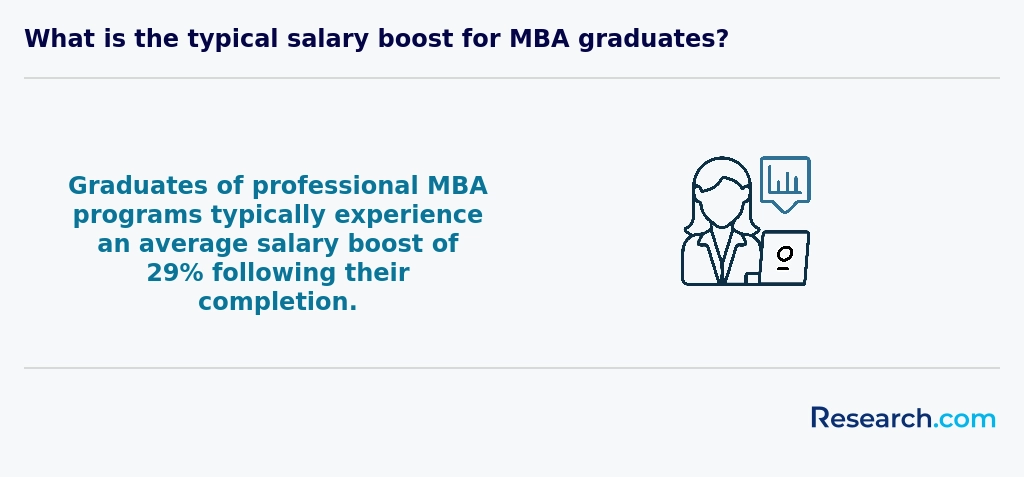
As MBA programs continue to evolve, Boston institutions are increasingly integrating innovative trends that cater to a dynamic business environment and shifting student expectations. Today's prospective students can look forward to an amplified focus on digital and hybrid learning formats, where flexible options like an affordable executive mba online are expanding access without compromising quality. Additionally, schools are placing greater emphasis on sustainability, ethical leadership, and data-driven decision-making, ensuring that graduates are well-prepared for emerging industries such as fintech, green technology, and healthcare innovation. Institutions are also investing in enhanced career support and networking ecosystems by leveraging alumni connections and industry partnerships, which not only boost immediate job prospects but also solidify long-term ROI. As the global market evolves, staying informed about these trends is critical for aspiring leaders who want to remain competitive and agile in their career journeys.
In Boston's MBA programs, core courses typically cover essential business disciplines such as finance, marketing, operations, organizational behavior, and strategic management. Graduates from local schools often praise how these foundational subjects create a solid understanding of complex corporate functions, preparing them for diverse roles. For example, finance classes tend to focus on corporate finance and investment analysis, skills highly valued in Boston's consulting and banking sectors.
Electives and concentrations further refine expertise, with popular options including entrepreneurship and healthcare management-fields closely tied to Boston's innovation hubs and medical industries. A graduate from a well-known Boston business school shared how marketing courses, emphasizing digital strategies and consumer behavior, directly influenced their success within the city's tech startup scene.
Leadership and organizational behavior courses are especially appreciated, as students engage in role-playing and negotiation exercises that mirror real managerial challenges. This hands-on approach aligns with the city's dynamic professional environment, making coursework both relevant and inspiring for career-driven students.
Boston's MBA degree concentration options reflect the city's strong presence in finance, healthcare, technology, and entrepreneurship. Graduates from local universities often highlight how specializations in finance offer practical exposure to Boston's financial district, preparing them for corporate finance or investment analysis roles. At institutions like Boston University and Northeastern University, healthcare management tracks connect students with the region's biotech hubs, enabling hands-on experience in health policy and administration.
Students pursuing technology and innovation specializations appreciate Boston's vibrant startup ecosystem, where product development and digital transformation are daily realities, making learning dynamic and relevant. Entrepreneurship focuses explicitly on venture capital and new business creation, frequently involving interactions with local founders. Marketing remains a strong option, with emphasis on digital strategies that resonate in Boston's diverse market.
Given these MBA specializations offered in Boston, prospective students should also explore programs offering alumni networks and experiential learning. For those seeking alternative study formats or aiming to balance work and education, affordable executive mba online options are worth considering to complement traditional Boston-based experiences.
Selecting the best MBA degree in Boston requires balancing multiple factors tailored to your goals. Graduates from Harvard Business School often cite the unparalleled alumni network and high starting salaries, which reflect the school's strong reputation. In contrast, those from Boston University highlight the more affordable tuition and flexible program formats that make balancing work and study easier.
When considering the best MBA programs in Boston, don't overlook accreditation and curriculum fit. For example, specialization options like data analytics or entrepreneurship can dramatically shape your career trajectory, so examine offerings closely. Some students find programs with evening classes or part-time schedules critical to maintaining their income while advancing their education.
Cost remains a significant factor; tuition ranges substantially, and exploring scholarships and financial aid is essential. If affordability is a priority, reviewing the Affordable MBA Degree Programs Ranking in New Jersey may offer helpful insights into relative value. Ultimately, focus on programs that align with your career ambitions and lifestyle to experience the most rewarding MBA journey in Boston.

Graduates of MBA programs in Boston often pursue varied career paths reflecting the city's economic diversity. Many find roles in finance and investment banking, benefiting from Boston's financial institutions and the city's reputation for strong financial management. Graduates from popular programs at local universities report feeling energized by the demand for sophisticated financial expertise, though some caution that the competitive environment requires both skill and resilience. For those interested in healthcare management, Boston's large medical and biotech sectors offer leadership opportunities in hospitals, pharmaceutical firms, and consulting, making it a compelling option for MBA holders focused on this field.
Technology and startup ventures are expanding rapidly, especially for MBA graduates drawn to product management and strategic roles. Boston's proximity to universities fosters innovation, helping students turn ideas into entrepreneurial ventures. Consulting remains popular, with firms valuing analytical and problem-solving skills that Boston MBA programs emphasize. Considering the city's higher tuition costs, some graduates wisely assess the balance between expenses and expected salaries when choosing specific paths. Those wanting flexibility sometimes explore accelerated online degree programs as an alternative in their career planning.
The landscape of MBA career opportunities in Boston thus offers both promise and challenge, inviting students to align their strengths with local industry demands while considering long-term outcomes.
Boston's MBA job opportunities reflect the city's dynamic economy and its reputation as a center for finance, technology, and healthcare. Graduates from programs like Harvard Business School and Boston University Questrom School of Business often find themselves drawn to financial services firms such as Fidelity Investments or innovative biotech startups in Kendall Square, demonstrating the city's diverse professional landscape. Many alumni describe their early career experiences as energizing due to the mix of established firms and emerging companies ready to leverage MBA skill sets. Networking in Boston also plays a crucial role, with access to venture capital firms and incubators enhancing career development prospects.
Boston MBA graduate salary trends show competitive compensation, with average base salaries typically between $105,000 and $120,000. However, students must weigh this against tuition costs ranging from $60,000 to $80,000, making informed financial planning essential. Some graduates reflect on how specific specializations in technology or healthcare management helped them navigate these economics positively. Prospective students interested in less selective admission routes might explore colleges with open admissions providing alternative paths into this promising market.
2027 Most Valuable MBA Degree Programs Ranking in Boston
Investing in your education is a significant decision that can shape your career and future, and the Research.com team recognizes the importance of making well-informed choices. To support prospective students considering MBA programs in Boston, we have carefully developed the "2027 Most Valuable MBA Degree Programs Ranking in Boston." Our dedication to quality, credibility, and accuracy is evident through the rigorous research and thorough analysis employed in creating this ranking.
We utilized the following reputable data sources to ensure a comprehensive assessment of MBA programs:
By exploring this ranking, readers will obtain valuable insights into the most valuable MBA programs in Boston, enabling them to make data-driven decisions about their education and career paths. For a detailed understanding of how this ranking was created, please visit our Research.com methodology page.

# 2 position
Cambridge College
Master of Business Administration


Frequently Asked Questions About MBA
Students pursuing an MBA degree in Boston can maximize their learning experience by actively engaging with the city's robust business ecosystem. Boston is home to over 100 startups launched annually, and numerous established companies across finance, technology, and healthcare sectors, offering plentiful internship and networking opportunities. Joining university-affiliated clubs and attending events at local institutions like Harvard Business School or Boston University can expand professional connections.
Participating in case competitions and experiential learning projects, common in Boston MBA programs, helps apply theoretical knowledge. Additionally, leveraging Boston's extensive alumni networks enhances mentorship chances and career guidance. According to the Graduate Management Admission Council, 78% of MBA graduates in Boston report improved leadership skills, underscoring the benefits of practical engagement.
The MBA landscape in Boston is evolving with several emerging niches gaining importance. One notable area is technology management, reflecting Boston's robust tech ecosystem. MBA programs now integrate courses on AI, data analytics, and cybersecurity to meet market demands. According to the Graduate Management Admission Council (GMAC), 23% of Boston MBA applicants seek tech-focused tracks.
Another fast-growing niche is sustainability and social impact. Schools like Boston University and Northeastern emphasize corporate responsibility, preparing leaders for green business practices. Enrollment in sustainability-related MBA courses increased by 15% over the past three years, per university reports.
Additionally, health care management is expanding due to Boston's famous medical and biotech industries, offering specialized MBA options tailored to health care administration and innovation.
After completing an MBA degree in Boston, preparing for the job market involves strategic networking, skill development, and leveraging local resources. Boston is home to numerous Fortune 500 companies and startups, offering diverse job opportunities for MBA graduates.
Graduates should engage with career services at institutions like Boston University and Harvard Business School, which often have dedicated MBA career centers providing job listings and coaching. According to the Graduate Management Admission Council, 85% of Boston MBA graduates find jobs within three months after graduation.
Additionally, attending industry events, joining professional organizations such as the Boston MBA Association, and utilizing Boston's robust alumni networks enhance job prospects. Skill-wise, proficiency in data analytics and digital marketing is increasingly valued in the Boston job market.
Employers in Boston highly value MBA graduates who demonstrate strong leadership and strategic thinking skills. According to a 2023 report by the Graduate Management Admission Council (GMAC), 82% of Boston-area employers prioritize candidates with proven abilities in critical decision-making.
Analytical skills and financial literacy remain essential, as Boston's economy includes competitive finance and technology sectors. Data from the Boston Planning & Development Agency shows a 15% job growth in tech-related roles demanding advanced business analytics skills.
Additionally, communication and teamwork are crucial. Employers seek graduates who can effectively collaborate across diverse teams, reflecting Boston's emphasis on innovation hub environments.
Finally, adaptability and digital proficiency stand out due to rapid market changes and digital transformation in many Boston firms.
Finding internships in Boston relevant to an MBA degree involves strategic use of local resources and networks. Boston is home to many top business schools, such as Harvard Business School and Boston University Questrom School of Business, which offer dedicated career services and alumni connections supporting internship placements.
Additionally, Boston's strong sectors like finance, consulting, and technology provide numerous internship opportunities. Platforms such as Handshake and LinkedIn are widely used by students for openings. According to the Graduate Management Admission Council (GMAC), over 70% of MBA students secure internships through their school's career centers.
Networking events, job fairs, and professional organizations in Boston also play key roles in identifying internships tailored for MBA candidates.
An MBA degree significantly enhances career mobility and advancement prospects for professionals in Boston. The city's dynamic economy, particularly in finance, consulting, and biotechnology, creates strong demand for business leadership skills. According to the Boston Business Journal, MBA graduates in Boston report an average salary increase of over 25% within three years of graduation. Employers value the strategic thinking and managerial expertise that MBA holders bring, often leading to faster promotions and access to senior-level roles.
Networking opportunities through Boston's top business schools like Harvard and MIT Sloan also expand career options. A 2023 GMAC survey highlights that 70% of Boston MBA graduates secured new roles within six months post-graduation, underlining the degree's impact on career shifts.
Studying for an MBA degree in Boston offers unique advantages for students aiming at interdisciplinary roles. Boston's MBA programs are known for integrating business fundamentals with fields like technology, healthcare, and entrepreneurship. This integration is critical, as 60% of Boston MBA graduates enter roles requiring expertise across multiple disciplines, according to data from the Boston Business Journal (2023).
Additionally, Boston's strong academic ecosystem-home to institutions such as Harvard and MIT-provides unparalleled access to cross-industry collaboration. Many MBA programs encourage joint projects and internships that blend business strategy with innovation and data analytics.
The city's rich network of startups, hospitals, and financial firms ensures MBA students gain practical experience suited for complex, interdisciplinary challenges common in today's job market.
When choosing between a thesis and a non-thesis MBA program in Boston, consider your career goals and learning preferences. Thesis MBAs often require research and a formal written project, appealing to those interested in academia, consulting, or analytical roles. Non-thesis programs focus more on coursework and practical experience, which suits professionals aiming for immediate application in business management or entrepreneurship.
Boston's MBA programs, like those at Boston University or Northeastern University, offer both options, with non-thesis paths typically attracting a majority of students due to their flexible, career-focused curricula. According to the U.S. Department of Education (2023), nearly 75% of MBA candidates in Boston opt for non-thesis tracks, valuing real-world case studies over extensive research projects.
Cost, duration, and institutional reputation also influence this choice. Thesis programs might take longer to complete but can enhance skills valuable for doctoral studies or specialized roles.
Students based in Boston seeking to study an MBA abroad have several practical pathways available. Local institutions such as Boston University and Northeastern offer exchange programs with globally recognized universities, enabling students to spend a semester or year abroad while earning credits toward their MBA.
Additionally, many Boston MBA programs have partnerships with European and Asian schools, providing dual degree options. According to the Graduate Management Admission Council (GMAC) 2023 report, around 30% of MBA candidates from Boston express interest in international study opportunities, reflecting growing demand for global business exposure.
These options offer Boston students a way to gain valuable cross-cultural business skills without fully relocating, often with financial or career support from their home programs.
Boston offers diverse part-time job opportunities that complement MBA studies by providing practical experience alongside academic learning. Common roles include financial analyst intern positions at firms like State Street or Fidelity, which support skills in data analysis and portfolio management.
Consulting assistant roles at local startups or boutique firms help MBA students apply strategic thinking and problem-solving in real business settings. Additionally, marketing coordinator positions at companies around Boston enhance knowledge of digital marketing strategies.
Universities such as Boston University and Northeastern report many MBA candidates balancing these roles, boosting employability post-graduation. According to the Graduate Management Admission Council, 58% of Boston MBA students engage in part-time work related to their studies.
Boston offers MBA students extensive networking opportunities due to its rich business ecosystem and renowned universities. Schools like Boston University and Boston College host regular career fairs, guest speaker series, and industry panels connecting students with local and global leaders. According to the Graduate Management Admission Council (GMAC), about 78% of MBA students in Boston participate in networking events as part of their education experience.
The city's strong finance, healthcare, and tech sectors provide vibrant alumni networks. Many MBA programs in Boston organize mentorship programs pairing students with industry professionals, facilitating real-world advice and job prospects.
Beyond campus, Boston's startup hubs and professional organizations, such as the Massachusetts High Technology Council, offer internships and collaborative events that expand connections outside the classroom.
Alumni networks play a crucial role for MBA students in Boston by offering extensive professional connections in one of the nation's leading business hubs. Many top MBA programs in Boston, including those at Boston University and Boston College, boast alumni communities with thousands of active members, which provides students with valuable access to mentorship and career opportunities.
According to a 2023 survey by the Graduate Management Admission Council, 72% of MBA graduates report that alumni connections significantly helped in securing job placements.
These networks also facilitate local events and workshops, enhancing students' skills and expanding their influence within Boston's dynamic industries such as finance, healthcare, and technology.
Customizing an MBA degree program in Boston allows students to tailor their education to specific career goals. Many Boston-area business schools offer specialized tracks or concentrations, such as finance, entrepreneurship, healthcare management, and technology. This flexibility helps students develop expertise aligned with their professional interests.
Additionally, students can choose electives focusing on skills like data analytics or leadership. Boston's strong network of industries and startups provides ample opportunities for internships and practical experience, which are crucial for career advancement.
According to the Graduate Management Admission Council, nearly 70% of MBA students in the U.S. seek specialization options, reflecting the growing demand for customized education.
MBA students in Boston commonly face significant challenges balancing rigorous academic demands with professional and personal responsibilities. Many programs, including those at top-ranked schools like Boston University and Boston College, report that students often manage coursework, internships, and networking simultaneously.
Financial pressure is another notable concern. Tuition for MBA programs in Boston can exceed $60,000 annually, creating stress related to student loans and living expenses in an expensive city (U.S. News & World Report, 2023).
Additionally, competition for internships and job placements is intense due to the city's vibrant business ecosystem, requiring students to develop strong time-management and strategic networking skills.
With an MBA degree, professionals in Boston can pursue various certifications to boost their career prospects. Popular options include the Certified Public Accountant (CPA) for those interested in accounting and finance. Many MBA graduates also seek the Project Management Professional (PMP) certification, which is highly valued in Boston's growing tech and healthcare sectors.
The Chartered Financial Analyst (CFA) designation is another option for MBA holders focusing on investment and financial analysis. Additionally, the Certified Management Accountant (CMA) certification is ideal for management accounting roles. Institutions like the Boston Business Journal highlight increasing local employer preferences toward candidates with these recognized certifications.
Writing a winning application for an MBA program in Boston requires clear focus and preparation. Start by thoroughly researching each school's offerings, such as Harvard Business School or Boston University's Questrom School. Tailor your essays to highlight why you want to study in Boston specifically, emphasizing local business connections and opportunities.
Strong GMAT or GRE scores remain essential; for example, Harvard's median GMAT is around 730 (Poets&Quants 2023). Additionally, compelling recommendation letters and demonstrated leadership experience significantly improve chances. Boston's competitive MBA market means applicants should showcase unique personal stories and career goals aligned with school values. Proofreading and practicing interviews complete the process.
The global perspective on an MBA career highlights its value as a versatile and internationally recognized qualification. For students in Boston, earning an MBA opens doors not only in the US but also across global business hubs. According to the Graduate Management Admission Council (GMAC), 74% of MBA graduates in the US report improved career opportunities globally.
Boston's strong financial, healthcare, and tech sectors offer fertile ground for MBA graduates to engage with multinational firms. Schools like Harvard Business School and MIT Sloan contribute to the city's reputation for producing globally minded professionals.
Many employers worldwide seek MBAs for leadership roles, emphasizing skills in strategy, management, and innovation. This trend supports increasing globalization in business.
Gaining practical experience while studying for an MBA degree in Boston is highly achievable due to the city's strong business ecosystem and academic resources. Many Boston-area programs emphasize experiential learning through internships, consulting projects, and capstone assignments linked to local companies. For example, institutions like Boston University and Northeastern offer structured internships that connect students with industries such as finance, technology, and healthcare.
Additionally, MBA students in Boston can join business clubs and networking groups to build relationships with professionals. The city's robust startup scene also provides opportunities for hands-on experience through incubators and accelerators.
According to the Graduate Management Admission Council, about 75% of MBA students in the U.S. incorporate internships or similar practical experiences to enhance their learning and employability.
Choosing the right concentration within an MBA program in Boston involves aligning your career goals with market demands in the region. Boston is a hub for finance, biotechnology, and technology industries, so concentrations like Finance, Healthcare Management, and Technology Management are popular and valuable. According to the 2023 Bureau of Labor Statistics, financial services and healthcare sectors in Boston are expected to grow by 6% and 8% respectively over the next decade, which can influence your choice.
Additionally, consider the faculty expertise and alumni network associated with each concentration at Boston-area schools. Schools like Boston University and Northeastern offer specialized tracks tailored to local industry needs. Internships and local company partnerships available through your chosen concentration also play a vital role in gaining practical experience.
- 2027 Most Valuable MBA Degree Programs Ranking in Cambridge
- 2027 Most Valuable MBA Degree Programs Ranking in Waltham
- 2027 Most Valuable MBA Degree Programs Ranking in Worcester
- 2027 Most Valuable MBA Degree Programs Ranking in Providence
- 2027 Most Valuable MBA Degree Programs Ranking in Springfield
- 2027 Most Valuable MBA Degree Programs Ranking in West Hartford
- 2027 Most Valuable MBA Degree Programs Ranking in New Haven
- 2027 Most Valuable MBA Degree Programs Ranking in Albany
- 2027 Most Valuable MBA Degree Programs Ranking in Bronx
- 2027 Most Valuable MBA Degree Programs Ranking in Burlington
- How to Choose Between MBA Degree vs. Certificate | University of Phoenix https://www.phoenix.edu/articles/business/how-to-choose-between-mba-degree-vs-certificate-programs.html
- MBA Requirements: What do you really need for an MBA degree https://www.obseducation.org/en/blog/mba-requirements-what-do-you-really-need-for-an-mba-degree
- Why Employers Prize a Global Perspective from MBA Graduates | WU Executive Academy https://executiveacademy.at/en/knowledge/career/why-employers-prize-a-global-perspective-from-mba-graduates
- MBA Career Outlook from a Global Perspective Margaret Buj https://interview-coach.co.uk/mba-career-outlook-from-a-global-perspective/
- Why Fit Matters: Matching Your Profile and Career Goals to Your Dream MBA Program https://merchantmba.com/blog/why-fit-matters-matching-your-profile-and-career-goals-to-your-dream-mba-program
- Overcoming Common Challenges Faced by Management Students https://iilm.edu/iilm-lucknow/blog/challenges-faced-by-management-students/
- Lessons learned: one year into pursuing an MBA while balancing full-time work - Franz Vitulli https://franzvitulli.com/mba-work/
- MBA Degree Business Administration - South Africa | Boston City Campus https://www.boston.ac.za/higher-education/master-of-business-administration-mba/
- Financial Aid for MBAs | OnlineMBA.com https://www.onlinemba.com/resources/fafsa-guide/
- MBA Programs in Boston https://colleges.cometoboston.com/mba-programs-in-boston


